
Spain · AllTours Blog
1 Day in Barcelona's Gothic & El Born: Unearthing Hidden Histories
November 21, 2026 · 4 min read
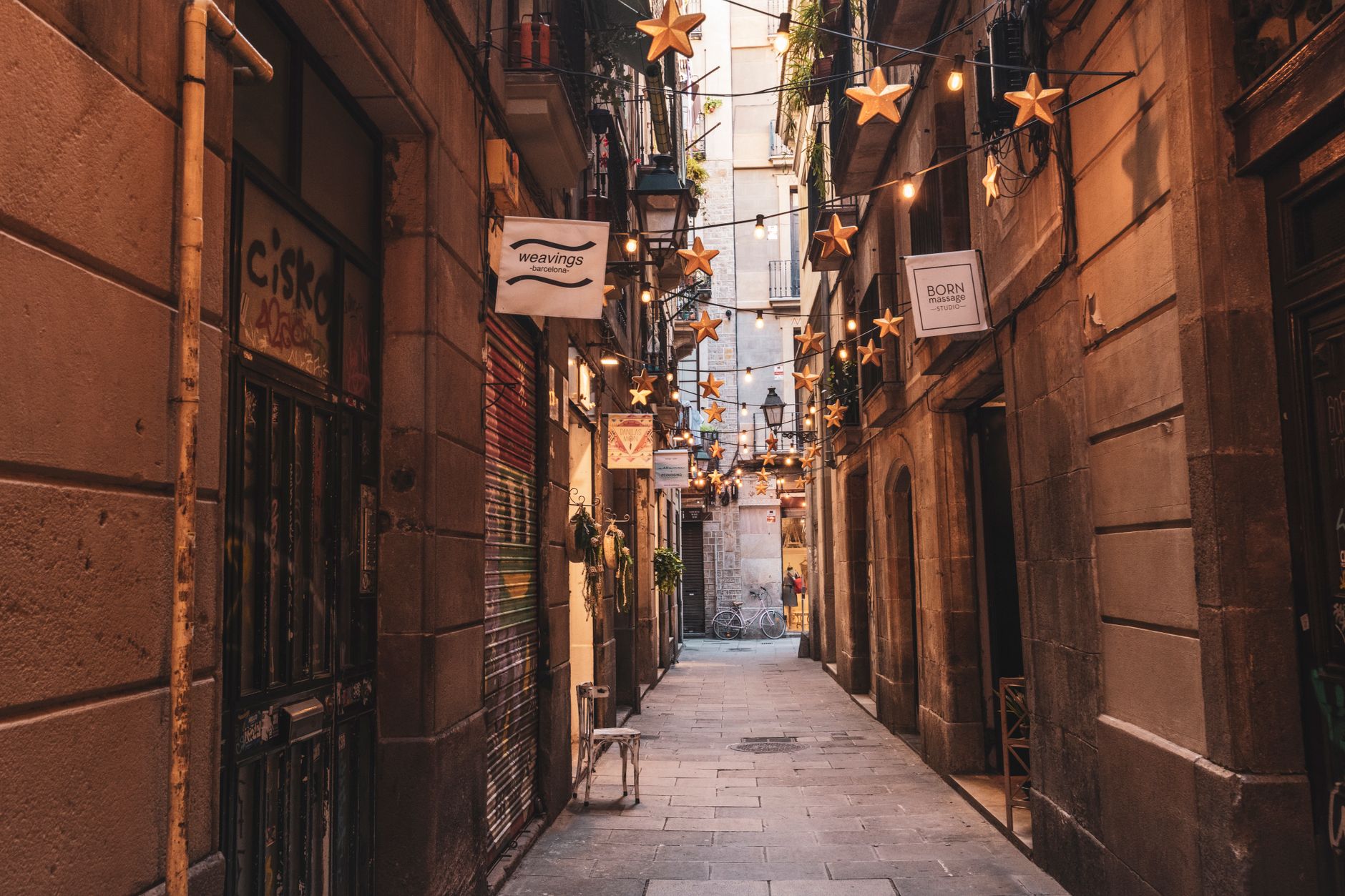
Barcelona's historic heart beats loudest in its Gothic Quarter and the neighboring El Born district. These areas, rich with centuries of stories, offer more than just picturesque alleys and trendy boutiques; they hold secrets, hidden histories, and surprising glimpses into the city's diverse past. Beyond the well-trodden paths, a deeper narrative awaits those curious enough to look closer.
Spending 1 day in Barcelona for Gothic Quarter and El Born exploration allows for a fascinating journey through time. From Roman foundations to medieval grandeur and echoes of more recent conflicts, every corner has a tale. Forget the guidebooks for a moment and prepare to discover the unexpected, where ancient stones whisper their forgotten sagas amidst the vibrant rhythm of modern life.
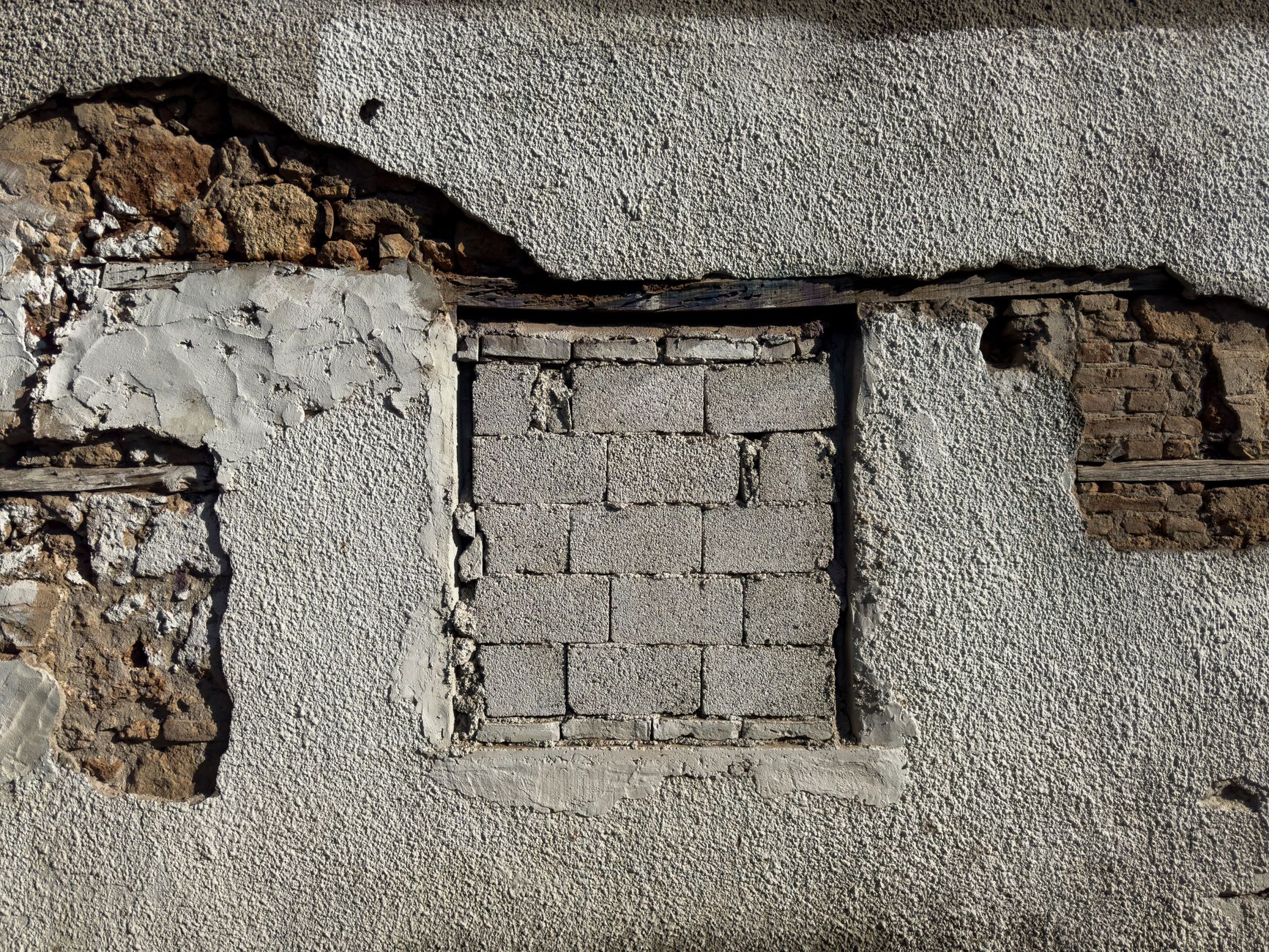
1. The Scars of Memory in Stone
Plaça de Sant Felip Neri, Barcelona, Spain
The pockmarked walls of this quiet square tell a somber tale of a 1938 bombing during the Spanish Civil War.
The Baroque church and surrounding buildings bear visible shrapnel damage from a devastating aerial bombing. This square, once a refuge for children from a nearby school, became a site of tragedy. Today, its serene atmosphere belies the past, offering a poignant reminder of Barcelona's resilience and the human cost of conflict. Children still play here, unknowingly echoing the laughter that once turned to screams.
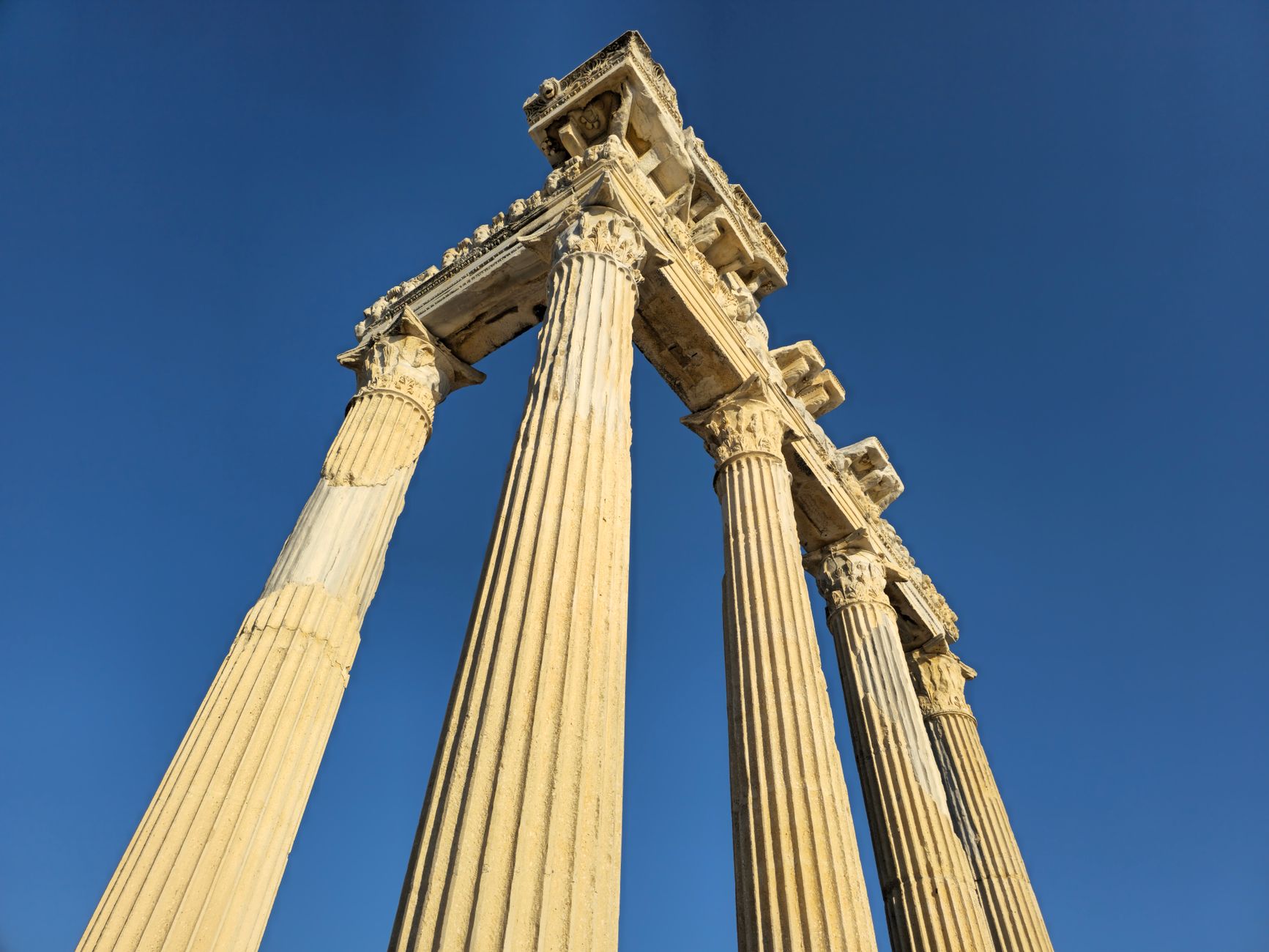
2. Roman Giants in a Courtyard
Carrer del Paradís, 10, Barcelona, Spain
Four towering Corinthian columns, remnants of a 2,000-year-old Roman temple, stand surprisingly preserved within a medieval building's courtyard.
Hidden behind the unassuming facade of the Centre Excursionista de Catalunya, these monumental columns once formed part of the Temple of Augustus, the highest point of Roman Barcino. For centuries, they were lost to history, encased within later constructions. Rediscovered and partially excavated, they offer a direct, awe-inspiring link to Barcelona's imperial past, showcasing the city's continuous layers of history.
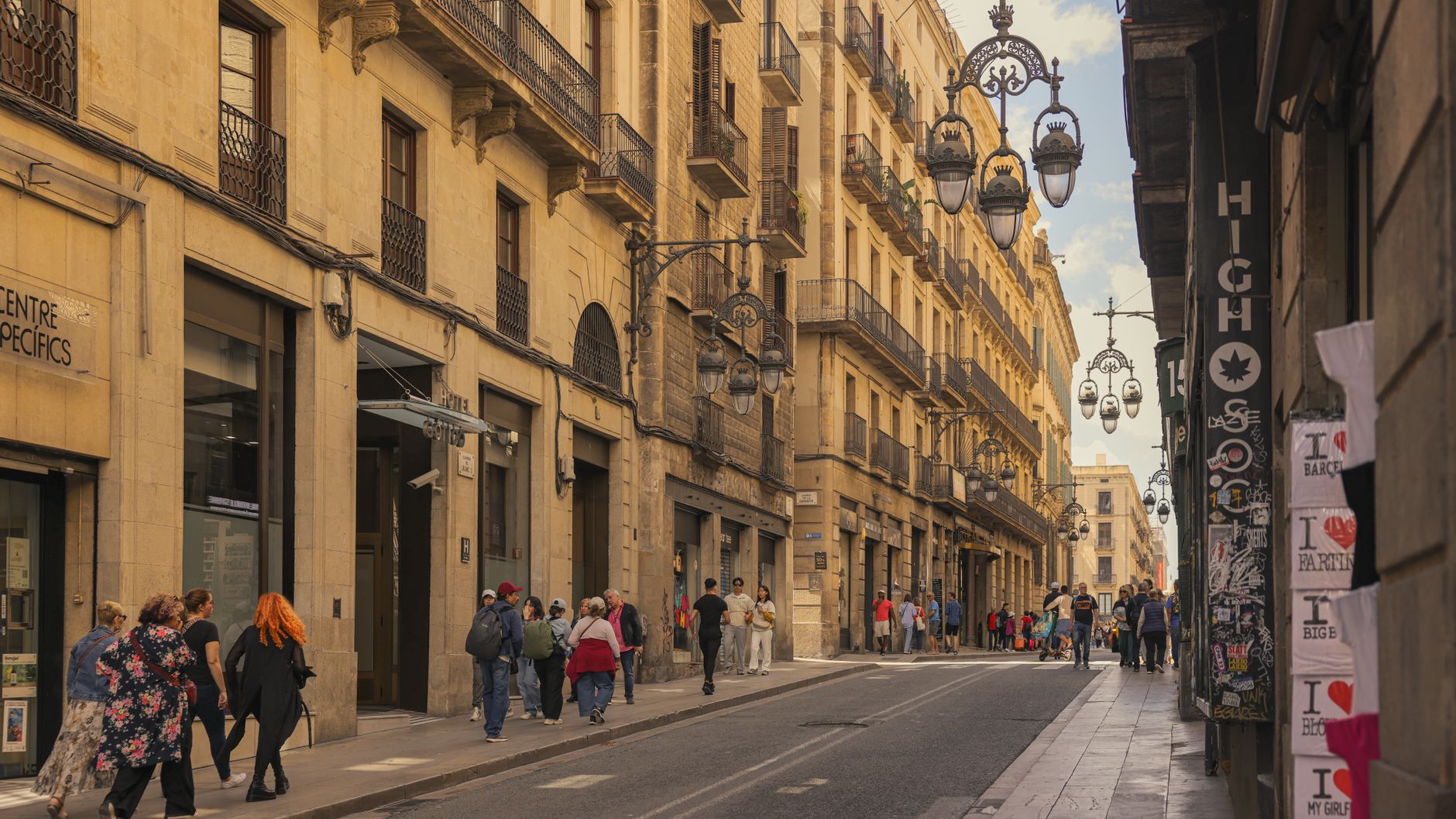
3. Echoes in the Call Jueu
El Call, Barcelona, Spain
Wander through the labyrinthine streets of El Call, Barcelona's ancient Jewish Quarter, where forgotten synagogues and hidden rituals once thrived.
Tucked away within the Gothic Quarter, El Call's narrow, winding alleys whisper stories of a vibrant Jewish community that flourished here from the 9th to the 14th centuries. Though no original synagogues remain, the very layout of the streets, the small squares, and some architectural details hint at the life lived within these walls. It’s a place where history feels palpable, inviting visitors to imagine a community that profoundly shaped medieval Barcelona before its expulsion.
4. The City Buried Beneath the Market
Plaça Comercial, 12, Barcelona, Spain
Below a grand 19th-century iron market hall lies a remarkably preserved section of the city, frozen in time from the 1714 Siege of Barcelona.
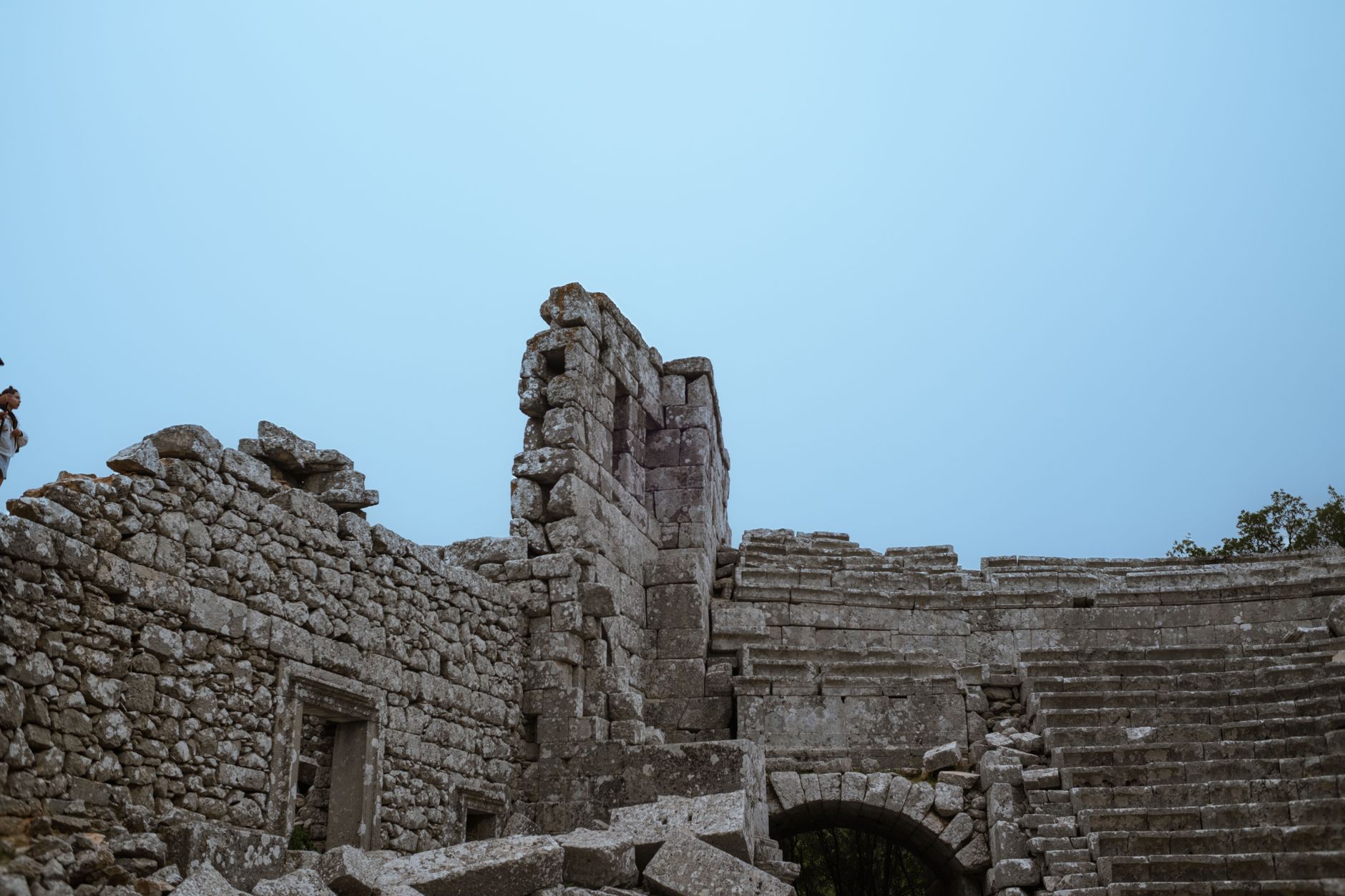
The El Born CCM, once a bustling market, now protects and displays the archaeological remains of the La Ribera neighborhood, destroyed after the 1714 siege that ended Catalan independence. Cobbled streets, foundations of homes, and everyday objects from the early 18th century are visible beneath the glass floor. This site offers a unique, visceral insight into a pivotal moment in Catalan history, revealing the lives of ordinary citizens caught in a political upheaval.
5. Where Knights Jousted
Passeig del Born, Barcelona, Spain
This tree-lined promenade, now a hub for cafes and evening strolls, was once the grand stage for medieval jousting tournaments and public festivities.
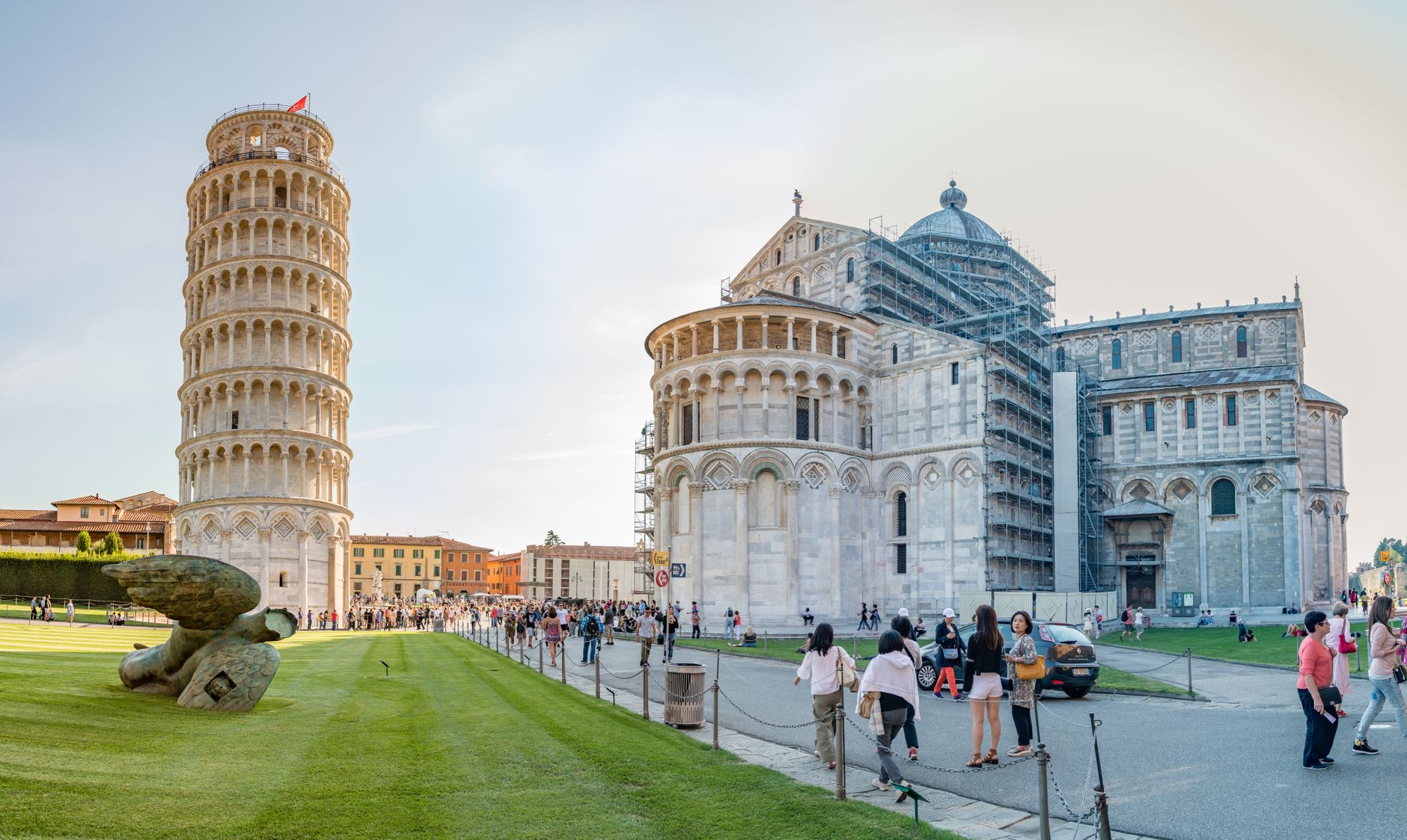
In the Middle Ages, the wide, open space of Passeig del Born served as the principal arena for public life in Barcelona's La Ribera district. Knights competed in tournaments, festivals were celebrated, and important announcements were made here. The layout of the street still reflects its original purpose as a gathering place. Today, while the jousting is long gone, the lively spirit of communal gathering persists, making it a vibrant artery of the El Born neighborhood.
6. Palaces of the Merchant Princes
Carrer Montcada, Barcelona, Spain
Walk down Carrer Montcada, a street lined with some of Barcelona's most exquisite medieval and Renaissance palaces, once homes to powerful merchant families.
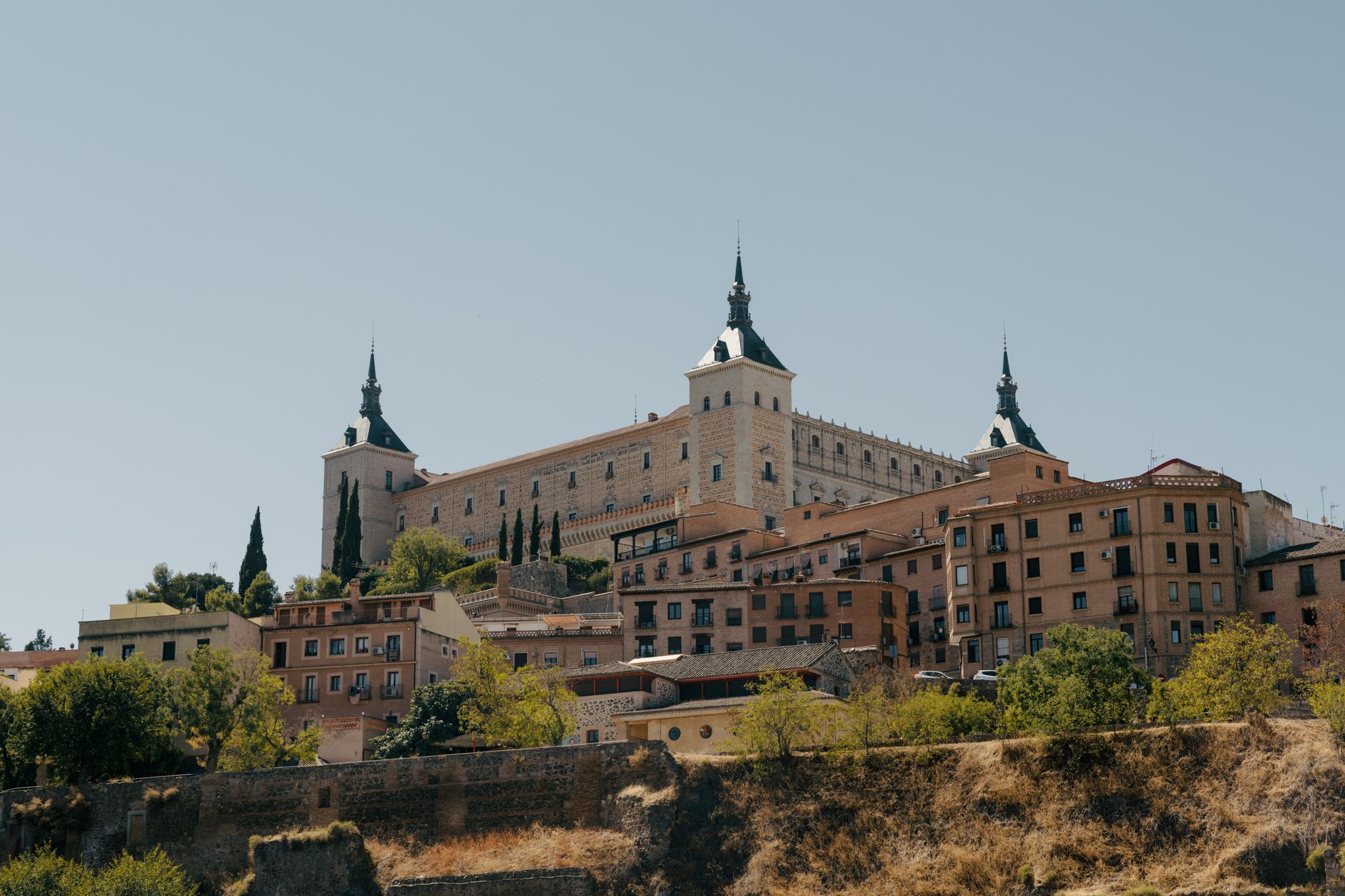
This elegant street in El Born was the address of choice for Barcelona's wealthiest merchants and nobles from the 12th to the 18th centuries. Behind their impressive Gothic and Renaissance facades, these palaces housed fortunes amassed through trade and enterprise. While many now host museums, their courtyards and intricate details reveal a bygone era of immense prosperity and artistic patronage, offering a glimpse into the city's economic heart.
7. The Wavy Roof of Fresh Flavors
Avinguda de Francesc Cambó, 16, Barcelona, Spain
The vibrant, undulating mosaic roof of Mercat de Santa Caterina, mimicking fruits and vegetables, marks a former convent site reborn as a modern culinary landmark.
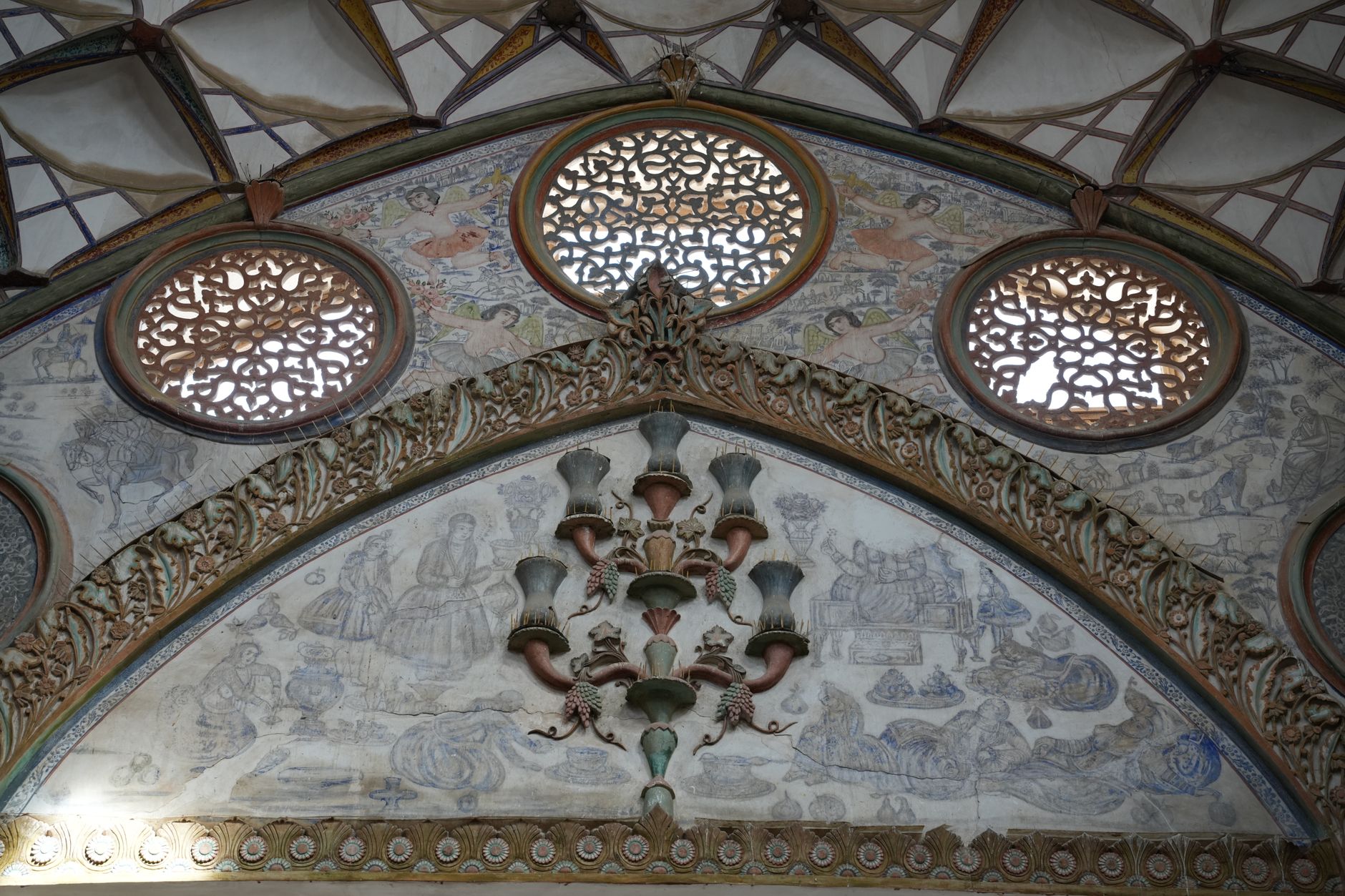
This isn't just a market; it's a masterpiece of modern architecture by Enric Miralles and Benedetta Tagliabue. Built over the ruins of an ancient convent, its iconic, colorful roof symbolizes a basket of fresh produce, an artistic nod to its purpose. Inside, a bustling array of stalls offers everything from fresh seafood to exotic spices, reflecting Barcelona's rich gastronomic culture. It's a place where history meets contemporary design, inviting visitors to savor local life.
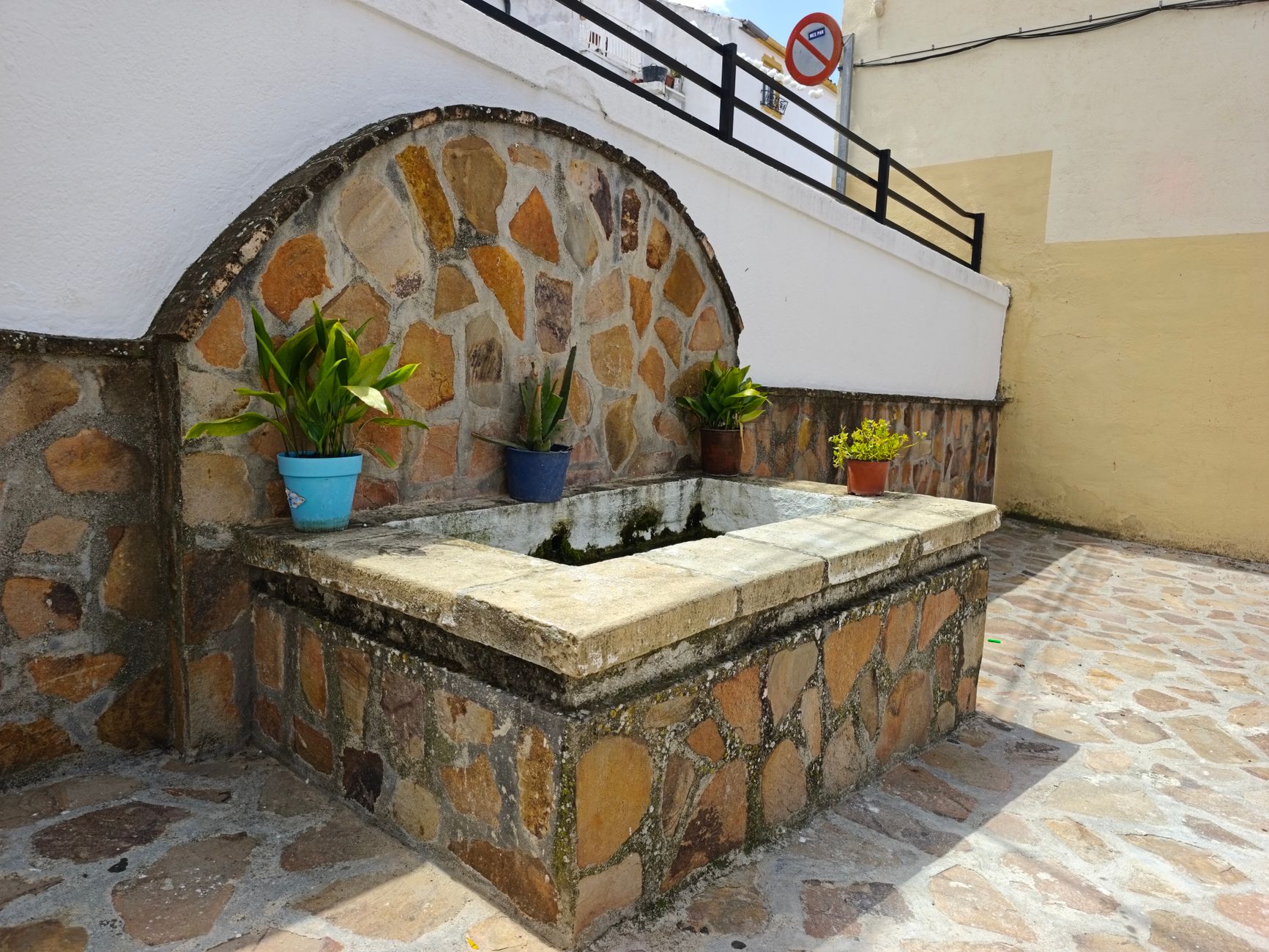
8. Barcelona's Oldest Fountain
Plaça de Sant Just i Pastor, Barcelona, Spain
Discover Barcelona's oldest public fountain, dating back to 1367, nestled beside a church rumored to stand on the site of a Roman temple.
This small, tranquil square is home to the Font de Sant Just, a Gothic fountain adorned with a dragon and a knight, which has provided water to Barcelonians for centuries. Adjacent stands the Basílica dels Sants Màrtirs Just i Pastor, one of the city's oldest churches. While its current structure is largely Gothic, legend suggests it was built atop a Roman temple dedicated to Mithras or a pagan deity, highlighting the continuous layering of sacred sites throughout Barcelona's history.
Frequently asked questions
Is the Gothic Quarter safe to walk around at night?
The Gothic Quarter is generally safe, even at night, though it's always wise to be aware of your surroundings and belongings, especially in crowded tourist areas. Stick to well-lit main streets and plazas, and avoid very dark, deserted alleys if alone.
What is El Born famous for?
El Born is renowned for its bohemian atmosphere, chic boutiques, artisan workshops, and vibrant nightlife. Historically, it was a medieval jousting ground and a wealthy merchant district, traces of which are still visible in its architecture and the Born Cultural and Memorial Center.
How much time should I spend in the Gothic Quarter and El Born?
To truly immerse yourself and explore both districts without rushing, dedicating a full day is ideal. This allows time to wander the intricate streets, visit key historical sites, enjoy a meal, and browse the unique shops and galleries at a relaxed pace.
How can AllTours.ai enhance my exploration of Barcelona?
AllTours.ai transforms your phone into a personal AI audio guide. Simply point your camera at any landmark, building, or even a street in the Gothic Quarter or El Born, and the app will instantly narrate its history, geology, or cultural significance in your language, uncovering the hidden stories around you.
Related guides
More from Spain
The app · free
Hear the story of every place on this list
AllTours turns any landscape into a narrated experience. Point your camera, and hear the history most travelers walk right past — free to try.


Photography via Pexels. AllTours.ai is an AI audio tour guide — point your camera at any landscape and hear its story.