July 31, 2026 · 4 min read
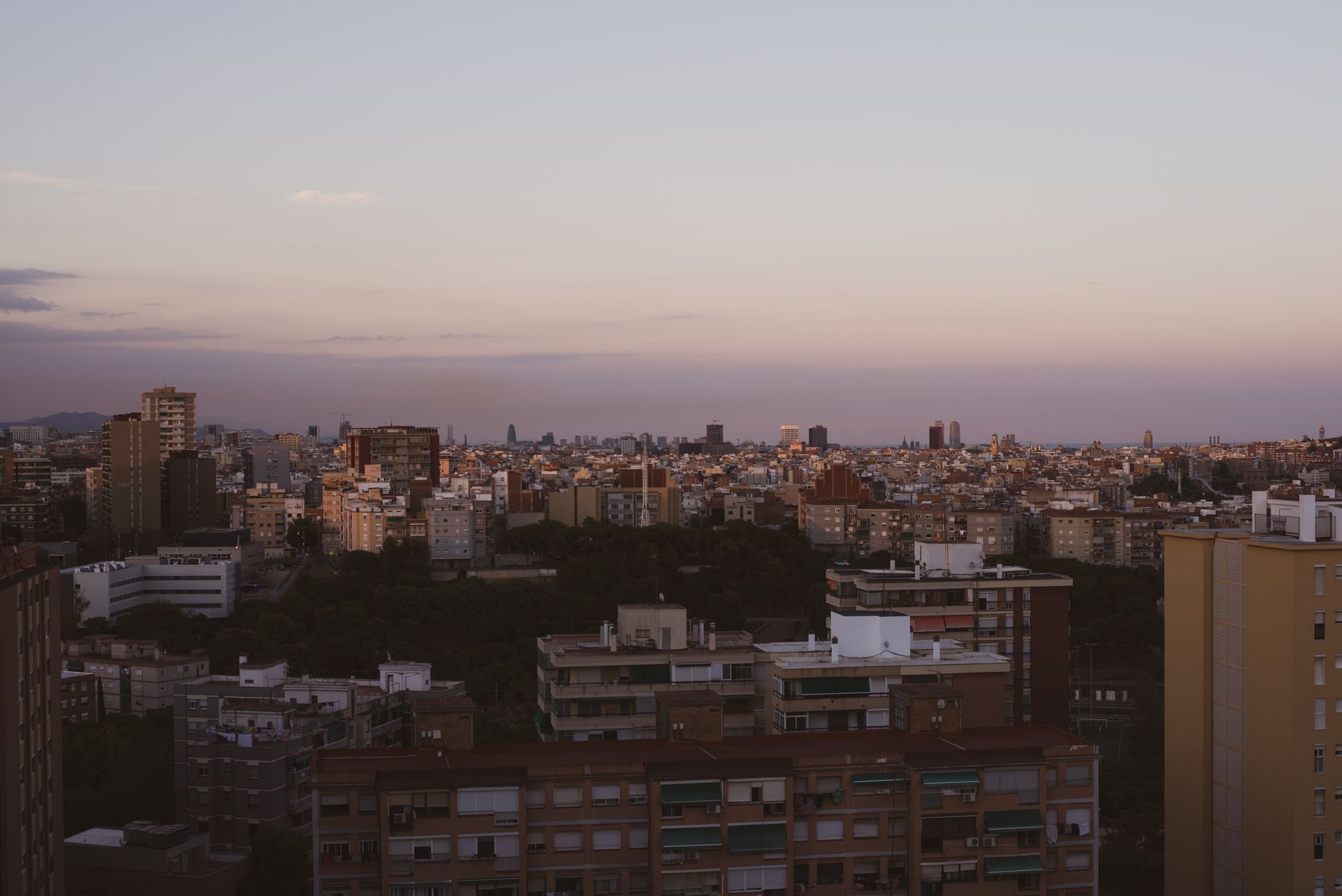
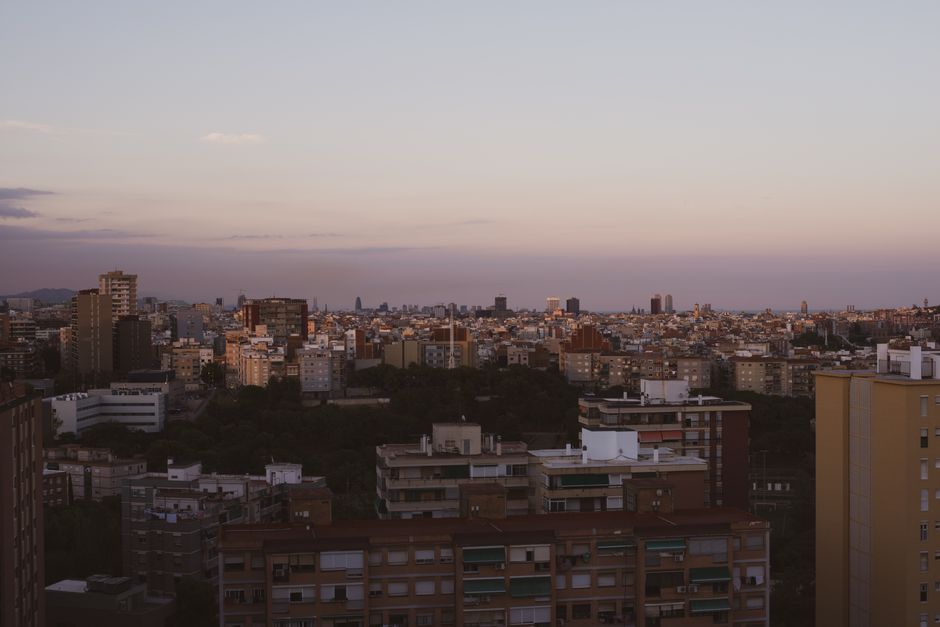
As the Mediterranean sun dips below the horizon, painting the sky in fiery hues, Barcelona truly comes alive. The city's warm summer evenings are best enjoyed from above, where a gentle breeze accompanies the clinking of glasses and the buzz of conversation. But what if your sky-high perch could offer more than just a stunning vista?
Barcelona's rooftop bars are not just about cocktails and views; many are gateways to the city's rich, layered past. Beneath the shimmering lights and modern comforts lie centuries of history, geology, and culture waiting to be discovered. Join us on a journey to find the coolest rooftop bars in Barcelona, where every sip comes with a story.
1. The Scarred Sanctuary View
Hotel Neri, Spain
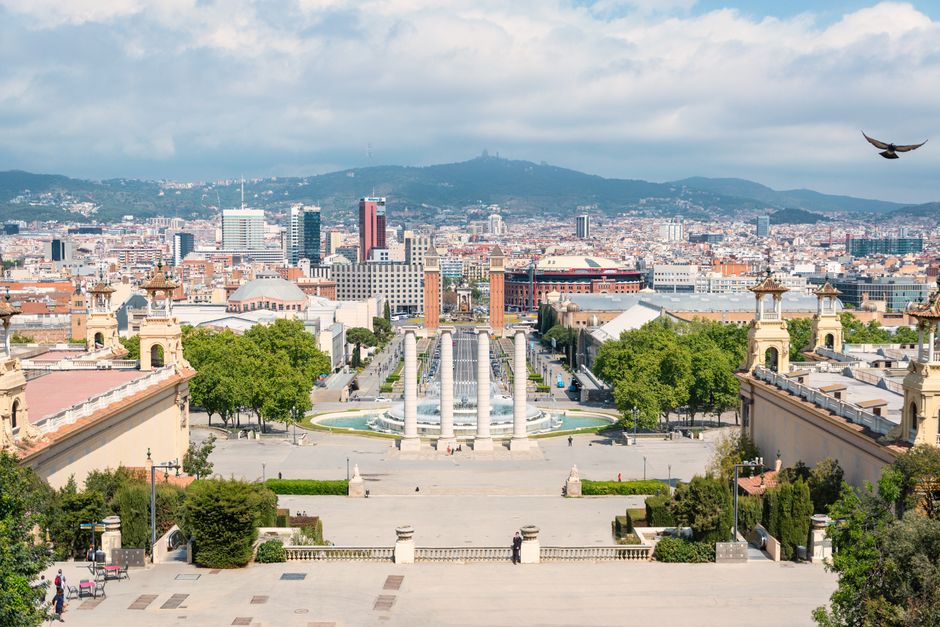
The pockmarked facade of the church on Plaça Sant Felip Neri, visible from this rooftop, bears the indelible scars of a devastating Civil War bombing.
Hotel Neri's rooftop offers a serene escape in the heart of the Gothic Quarter, overlooking the quiet Plaça Sant Felip Neri. The plaza's church, with its visibly damaged stone, stands as a poignant reminder of a 1938 bombing during the Spanish Civil War. From this tranquil spot, you can reflect on the resilience of a city that has endured much, yet continuously rebuilds and thrives, preserving its past while embracing the present.
2. From Loom to Luxury
Yurbban Trafalgar Hotel, Spain
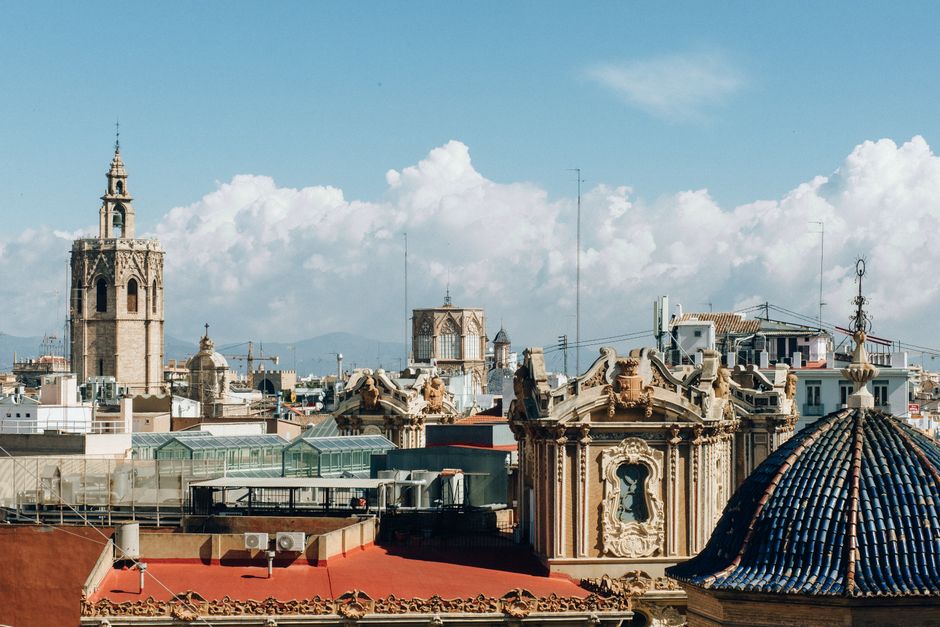
The very building housing this vibrant rooftop was once a bustling textile factory, a cornerstone of Barcelona's industrial might.
Perched atop the Yurbban Trafalgar Hotel, this rooftop offers panoramic views that stretch across the Eixample. It’s hard to imagine, but this stylish space once echoed with the sounds of machinery, part of Barcelona's crucial textile industry. The city's rapid industrialization in the 19th and early 20th centuries transformed its urban fabric, and standing here, you witness how a rich manufacturing legacy has given way to modern hospitality, all while retaining a distinctive Catalan spirit.
3. Colonial Trade & Grandeur
Hotel 1898, Spain
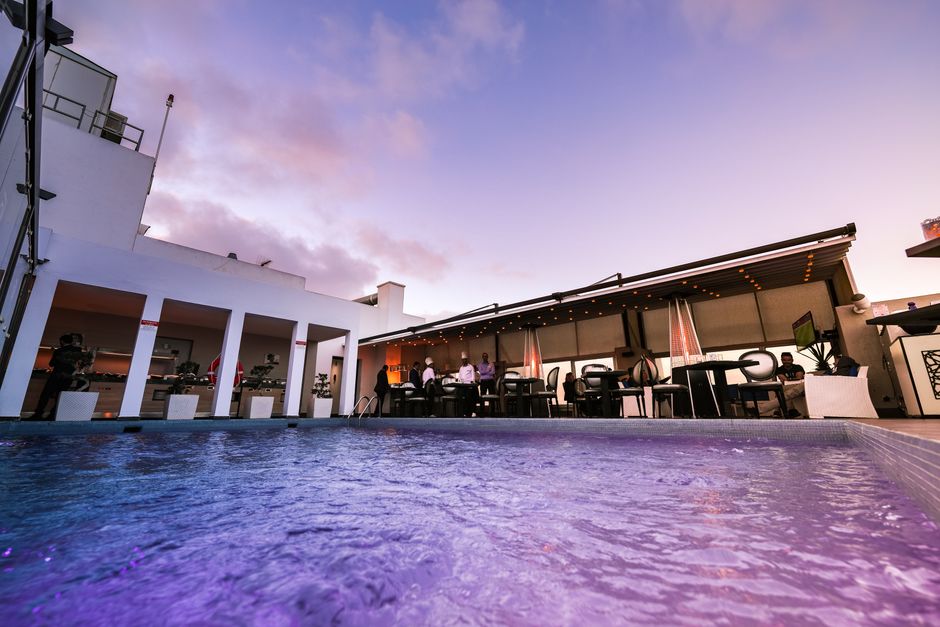
This grand building overlooking Las Ramblas was originally the headquarters for the General Tobacco Company of the Philippines, a testament to Spain's colonial past.
La Isabela, the rooftop terrace at Hotel 1898, provides a privileged vantage point over the lively Las Ramblas. The hotel itself occupies a historic building constructed in the late 19th century, serving as the central office for a powerful trading company. This connection highlights Barcelona's historical role as a significant port city and its deep links to Spain's overseas territories, shaping both its economy and its striking architecture.
4. Modernisme's Concrete Innovation
Hotel Casa Fuster, Spain
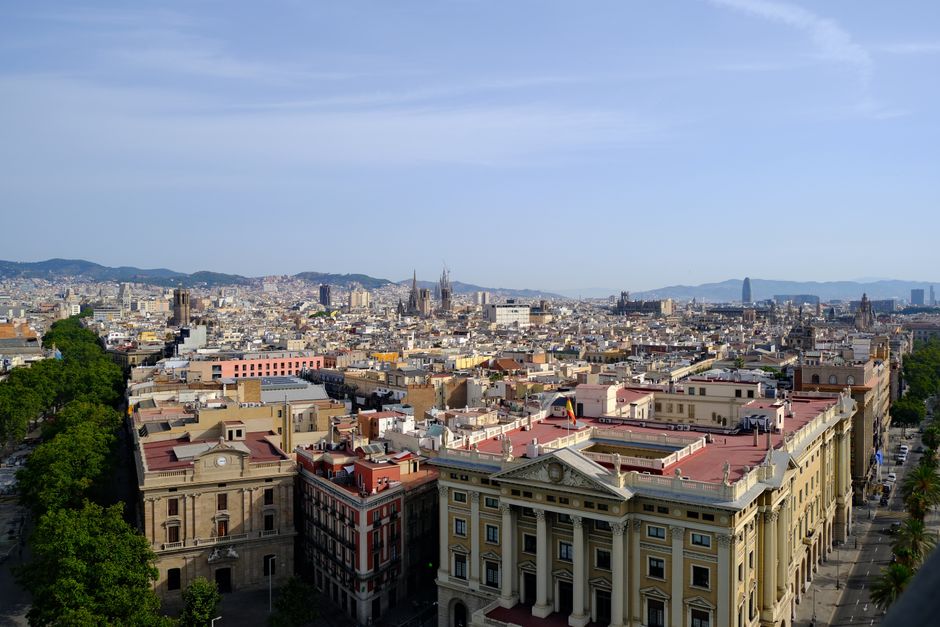
This iconic Modernista masterpiece, designed by Lluís Domènech i Montaner, was groundbreaking for its era, being one of the first buildings in Barcelona to extensively use reinforced concrete.
El Panorámico atop Hotel Casa Fuster offers a unique perspective on Passeig de Gràcia. This stunning building is a jewel of Catalan Modernisme, but beyond its aesthetic beauty lies a technological marvel. Its pioneering use of reinforced concrete, a relatively new material at the time, allowed for the fluid forms and daring cantilevers characteristic of the style. From here, you’re not just admiring architecture; you’re witnessing a moment of structural innovation that shaped a city.
5. Above the Razed City
H10 Cubik, Spain
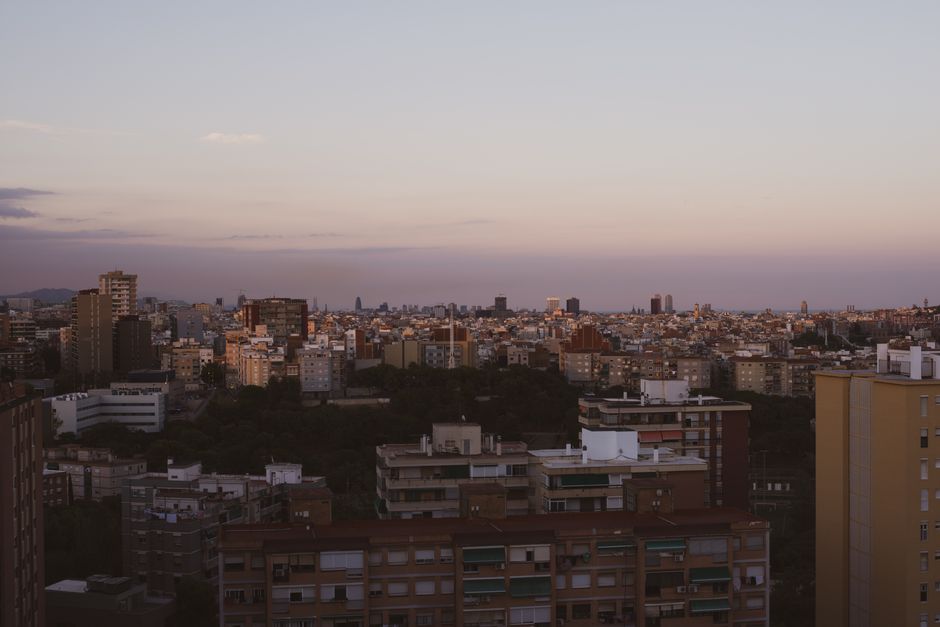
The broad avenue of Via Laietana below was dramatically created in the early 20th century by literally razing an entire medieval neighborhood.
Atik Rooftop Bar at H10 Cubik provides a spectacular view over the bustling Via Laietana. This wide thoroughfare stands as a testament to Barcelona's ambitious urban planning. In a controversial move at the turn of the 20th century, the city demolished a dense network of ancient, winding streets and buildings to create this grand artery. From your elevated position, you can appreciate the scale of this transformation and how it reshaped the connection between the Gothic Quarter and the Eixample.
6. The Jewish Mountain Vista
Hotel Brummell, Spain
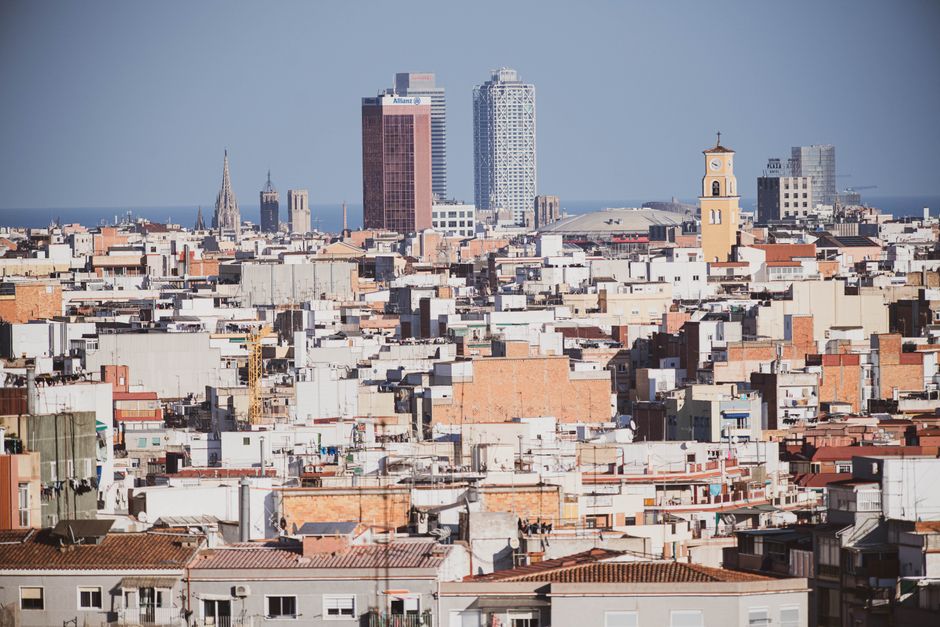
Perched in Poble Sec, this rooftop offers views towards Montjuïc, a hill whose name translates to 'Jewish Mountain', once home to a significant Jewish cemetery.
The rooftop at Hotel Brummell offers a tranquil setting with views spanning across the Poble Sec neighborhood towards the imposing Montjuïc hill. The very name 'Montjuïc' is believed to derive from the medieval Catalan 'Mont dels Jueus', or 'Jewish Mountain', referencing the ancient Jewish cemetery located on its slopes. From this vantage point, you connect with centuries of Barcelona's diverse religious and cultural heritage, a reminder of the communities that shaped the city's identity.
7. Layers of Roman Barcino
Kimpton Vividora Hotel, Spain
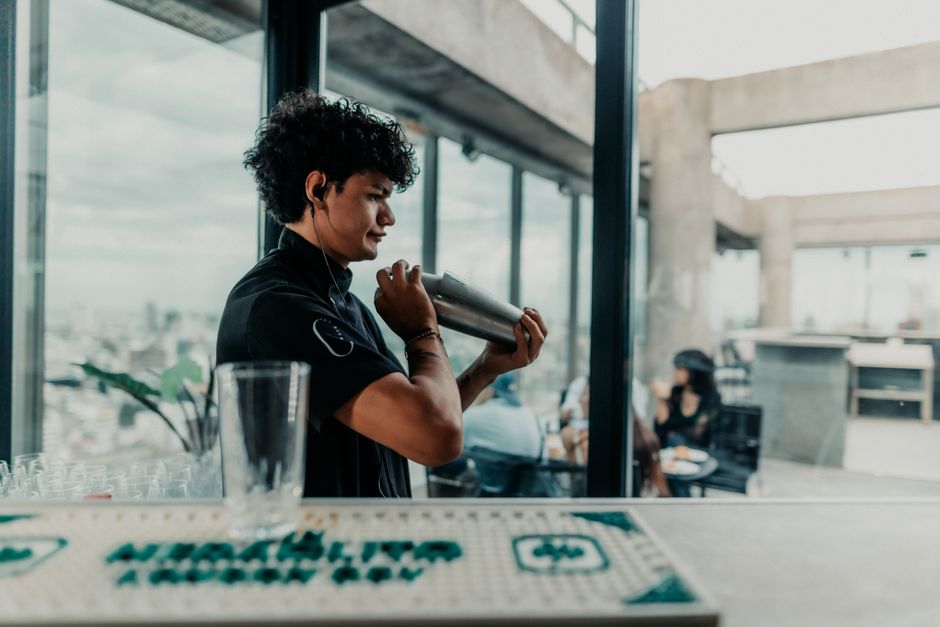
The very ground beneath your feet in Ciutat Vella still holds remnants of ancient Roman Barcino, particularly its old city walls that ran close by.
Terraza de Vivi at the Kimpton Vividora Hotel offers a chic setting in the heart of Ciutat Vella. As you enjoy a drink, consider that you are standing on layers of history, directly above where the Roman city of Barcino once thrived. The ancient Roman walls, parts of which are still visible today, enclosed this very district. Your modern experience is built upon millennia of urban development, where every stone tells a tale of emperors, merchants, and everyday life in one of the Roman Empire's distant outposts.
8. The Department Store Palace
Ohla Barcelona, Spain
The striking neo-classical façade incorporated into the modern Ohla Barcelona building once belonged to 'Can Damians,' the city's first grand department store.
La Terraza del Ohla provides a sophisticated retreat with excellent views of the city. The hotel itself is an architectural blend, famously incorporating the ornate neo-classical façade of the former Can Damians department store. This building was a symbol of Barcelona's burgeoning consumer culture and modernity in the early 20th century. From this rooftop, you can observe how the city respectfully integrates its past, turning commercial history into a backdrop for contemporary luxury, complete with an intriguing 'eye' sculpture on the building's exterior.
Frequently asked questions
What's the best time to visit Barcelona's rooftop bars?
The best time is during the warm summer evenings, especially around sunset. This allows you to experience the transition from daylight to the city's illuminated skyline, offering truly breathtaking views and a comfortable atmosphere.
Do I need reservations for Barcelona rooftop bars?
While some smaller or hotel-guest-exclusive rooftops might not require reservations, it's highly recommended for popular spots, especially on weekends or if you're with a larger group. Booking ahead ensures you get a table and the best views.
Are Barcelona rooftop bars expensive?
Generally, drinks and tapas at rooftop bars tend to be pricier than at street-level establishments due to the exclusive location and stunning views. Expect to pay a premium for the ambiance, but many find the experience well worth the cost.
How can AllTours.ai enhance my visit to Barcelona?
AllTours.ai transforms your exploration by providing instant, in-depth narratives about the places you see. Simply point your phone camera at any landmark, building, or landscape, and the app will narrate its fascinating history, geology, and culture in your preferred language, enriching your understanding of Barcelona far beyond the views.
Related guides
Photography via Pexels. AllTours.ai is an AI audio tour guide — point your camera at any landscape and hear its story.