July 2, 2026 · 4 min read
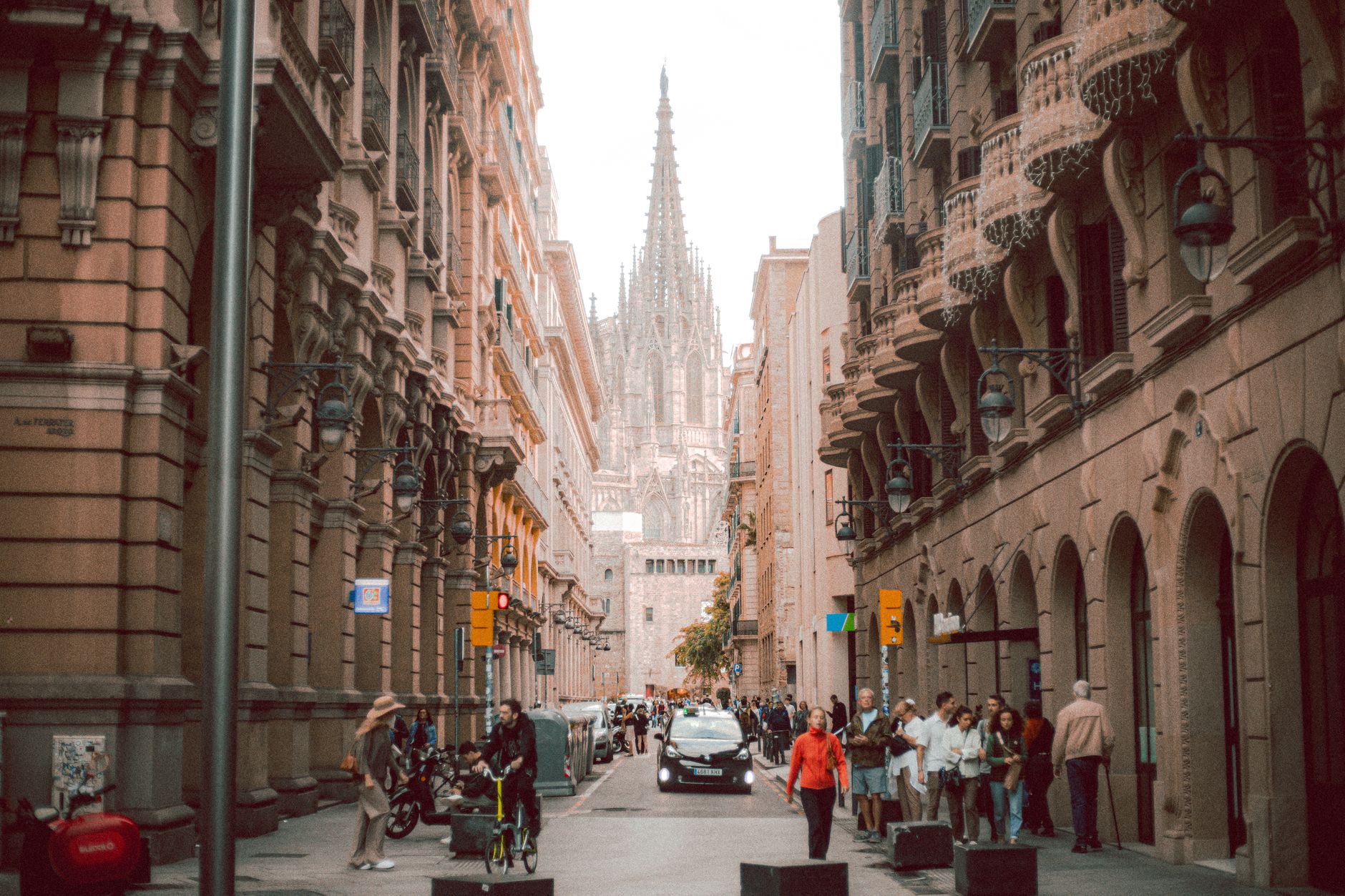
Barcelona, a city of vibrant streets and ancient echoes, often feels too vast for a single day. Yet, a focused, walkable itinerary can reveal its profound depths, moving beyond the well-trodden paths to uncover stories etched into its very foundations. This route is designed to immerse you in the city's soul, touching on its resilience, its hidden past, and its enduring creative spirit.
Forget the rush to see everything; instead, choose to truly see a few things. This isn't just about ticking off landmarks; it's about connecting with the surprising narratives of Barcelona’s streets, squares, and architectural wonders. From poignant memorials to ancient trade hubs, prepare for a day that sparks curiosity and leaves a lasting impression.
1. The Scarred Church of Sant Felip Neri
Plaça Sant Felip Neri, Barcelona, Spain
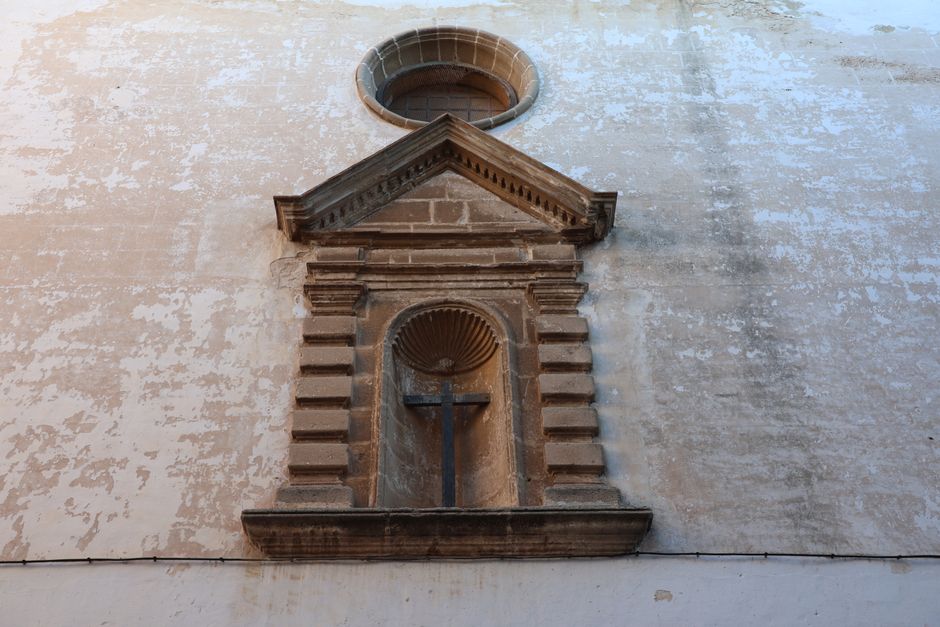
The pockmarked walls of this quiet church reveal a harrowing chapter of the Spanish Civil War.
During a 1938 air raid, a bomb struck this quiet square, killing many children sheltering nearby. The shrapnel scars remain etched into the church facade, a silent memorial to the innocence lost amidst conflict. This hidden square offers a profound moment of reflection, often missed by those rushing through the bustling Gothic Quarter, providing a raw glimpse into Barcelona's resilience.
2. Columbus's Grand Reception at Plaça del Rei
Plaça del Rei, Barcelona, Spain
This square is said to be where the Catholic Monarchs received Christopher Columbus upon his return from America.
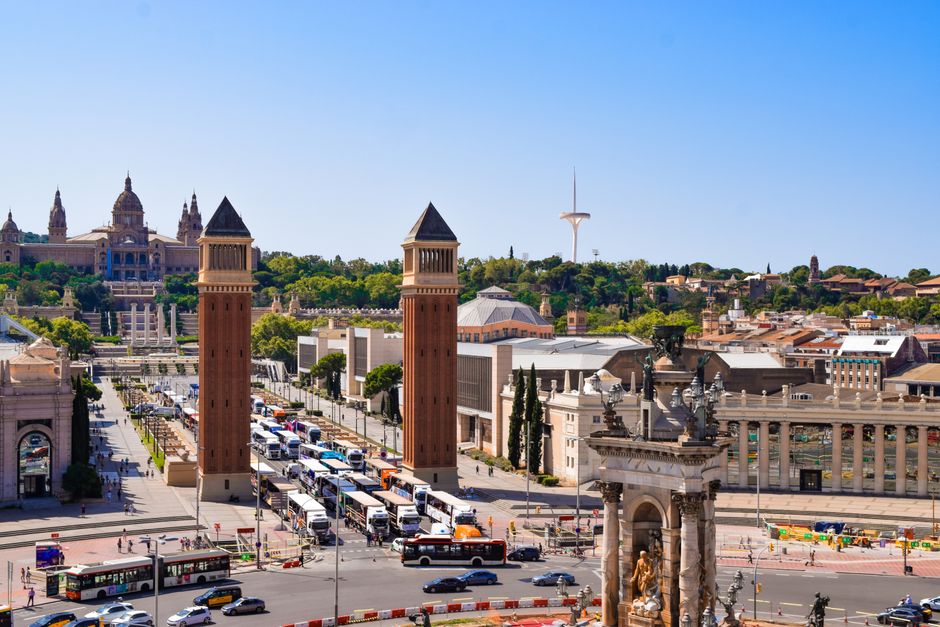
Step onto the cobblestones of Plaça del Rei, a grand example of medieval Catalan architecture. Legend holds that in 1493, Ferdinand and Isabella greeted Columbus here after his first voyage to the New World. Beneath your feet lie the excavated remains of Roman Barcino, accessible through the MUHBA museum, hinting at the city's layered past long before even the medieval era.
3. Echoes in El Call, the Old Jewish Quarter
Carrer de Sant Domènec del Call, Barcelona, Spain
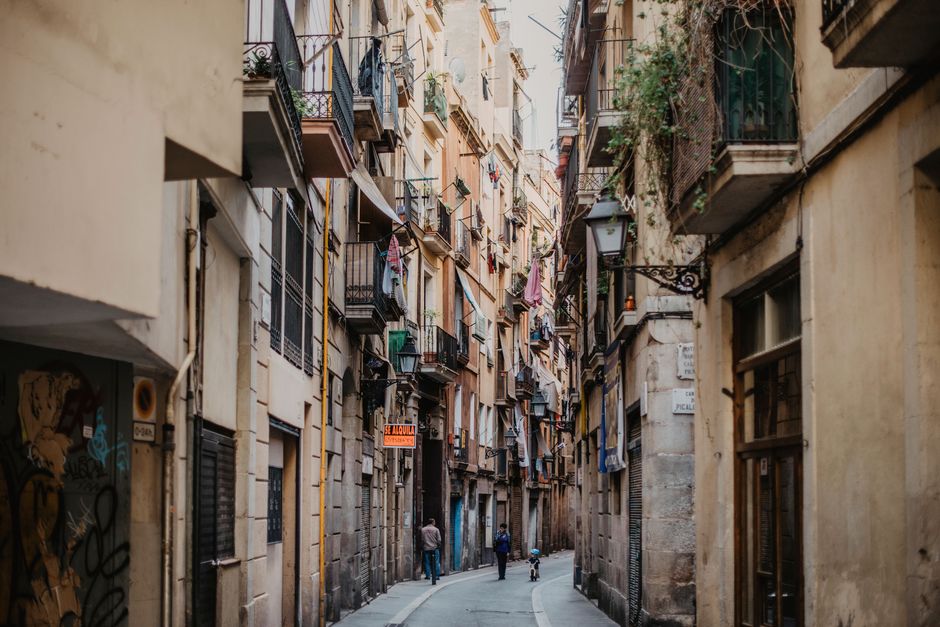
Barcelona's ancient Jewish Quarter was forcibly dissolved in 1391, but its narrow street plan and hidden history persist.
Wander through El Call, a labyrinth of narrow alleys that once housed one of Europe's most significant Jewish communities. Though the community was expelled centuries ago, the echoes of their presence remain in the dense urban fabric and discreet architectural details. Look for subtle markers like mezuzah indentations on doorframes, offering glimpses into a vibrant, lost culture that shaped medieval Barcelona.
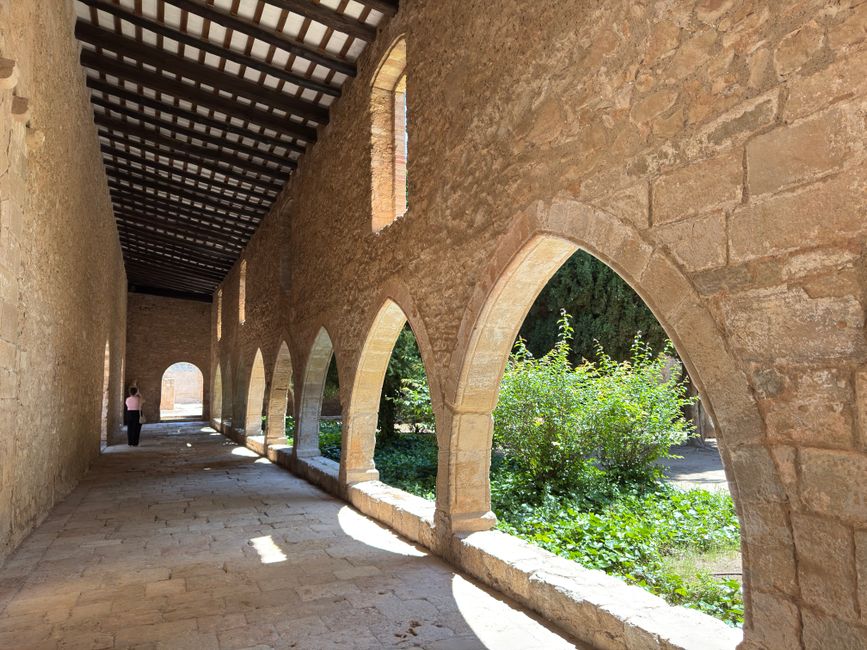
4. The Ancient Romanesque of Sant Pau del Camp
Sant Pau del Camp, Barcelona, Spain
This unassuming monastery holds the title of Barcelona's oldest Romanesque church, founded over a former Roman necropolis.
Tucked away in El Raval, the Monastery of Sant Pau del Camp offers a serene escape. Its origins stretch back to the 9th century, built upon ancient Roman burial grounds, lending an unusual depth to its history. The delicate carvings in its cloister and the simple, powerful architecture of its church provide a rare window into early medieval Barcelona, a stark contrast to the city's later Gothic grandeur.
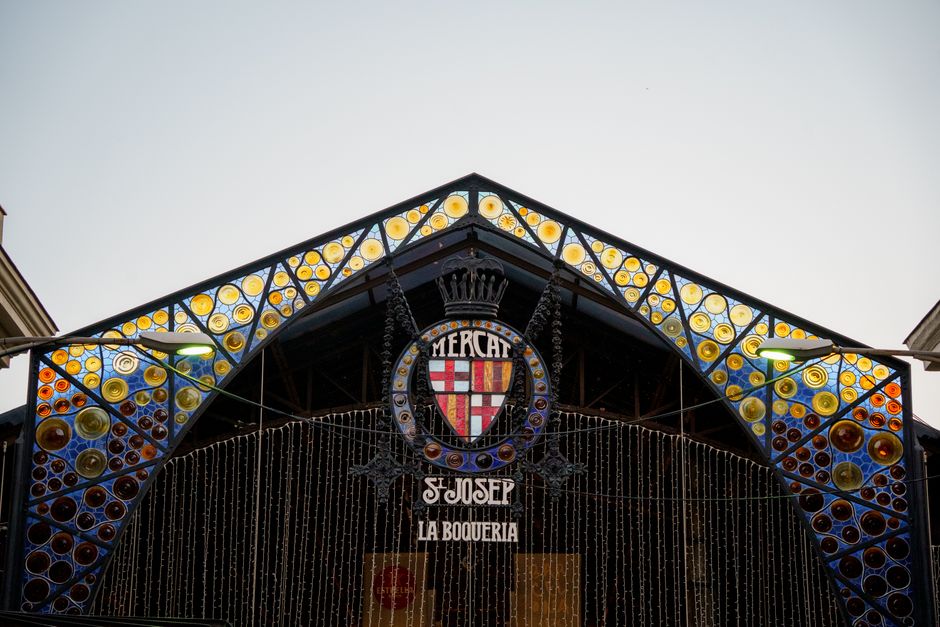
5. Mercat de Sant Antoni's Literary Sunday
Mercat de Sant Antoni, Barcelona, Spain
This magnificent iron structure transforms into a bustling haven for collectors every Sunday, selling antique books and stamps.
While La Boqueria draws crowds, the Mercat de Sant Antoni offers a more authentic market experience. Housed in a stunning 19th-century iron-and-glass building, it's a vibrant hub for fresh produce and local life. On Sundays, its perimeter hosts a unique secondhand book and coin market, a tradition that dates back decades, revealing a different facet of Barcelona's cultural heartbeat.
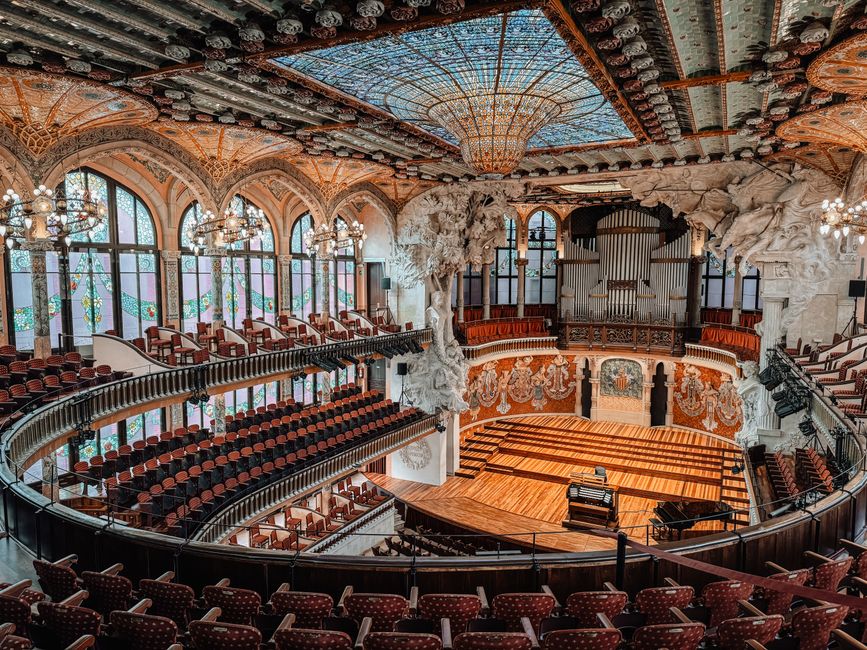
6. Palau de la Música's Architectural Innovation
Palau de la Música Catalana, Barcelona, Spain
This Modernista concert hall is a UNESCO World Heritage site, built without a single load-bearing wall to obstruct views.
Marvel at the Palau de la Música Catalana, a riot of mosaic, sculpture, and stained glass. Designed by Lluís Domènech i Montaner, this architectural gem pushes the boundaries of Modernisme. Its innovative construction, utilizing iron and glass to create vast, open spaces without internal columns, was revolutionary for its time, allowing for an unobstructed view of its magnificent stage from every seat.
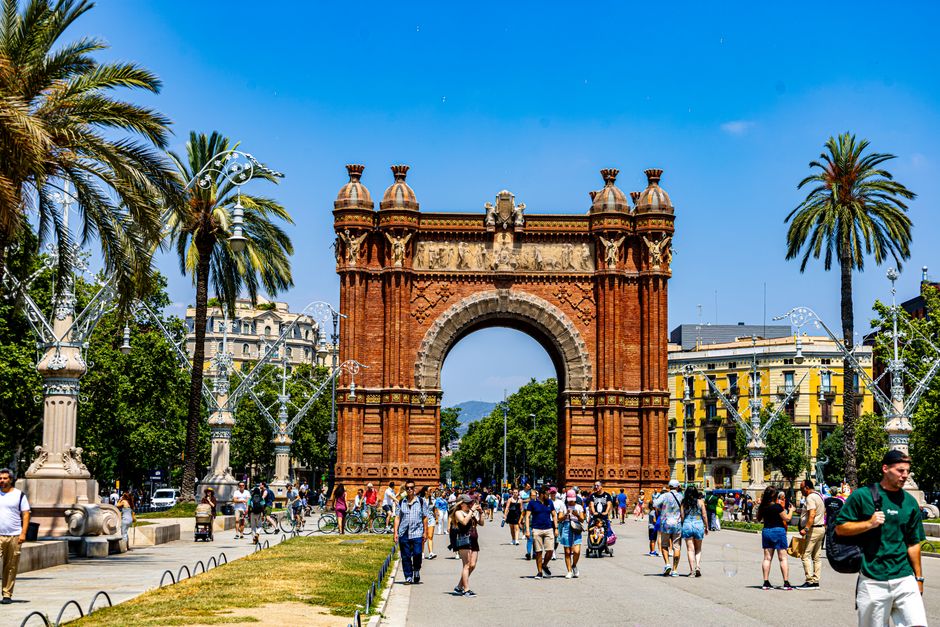
7. The Exposition Arc de Triomf
Arc de Triomf, Barcelona, Spain
Barcelona's Arc de Triomf wasn't built for military victory, but as the grand entrance to a Universal Exhibition.
Stroll from the Arc de Triomf into Parc de la Ciutadella. Unlike its Parisian counterpart, this red-brick arch served as the ceremonial gateway to the 1888 Barcelona Universal Exhibition, symbolizing the city's economic and cultural prowess. The park itself, once a military citadel, was transformed into the city's green lung, featuring a zoo, a boating lake, and the Catalan Parliament.
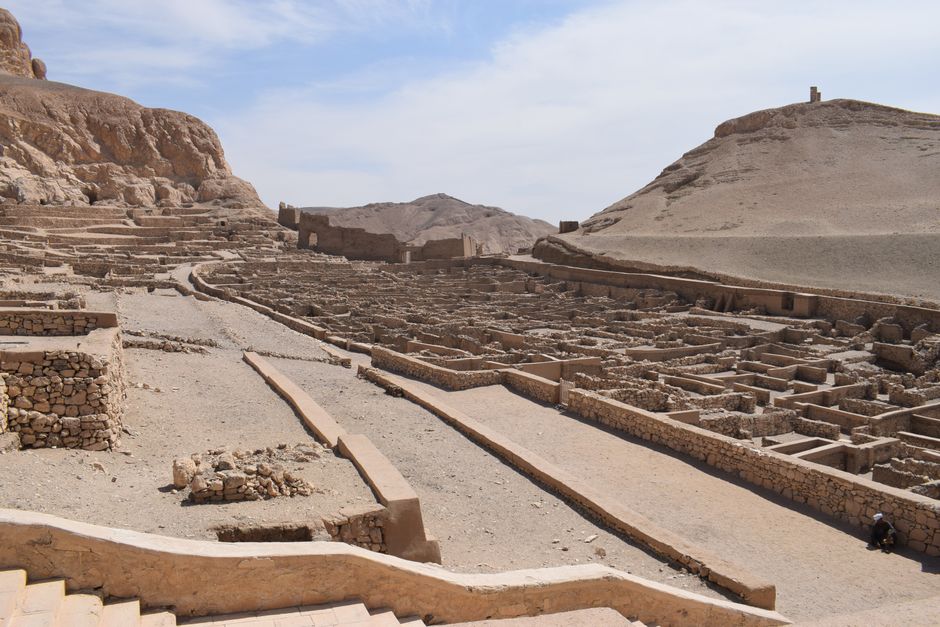
8. El Born's Subterranean City
El Born Cultural and Memorial Center, Barcelona, Spain
Beneath this former market hall lies one of Europe's most significant archaeological sites of a medieval city, preserved since 1714.
Conclude your day at El Born CCM, a former 19th-century market building. Inside, beneath its glass floor, lies a breathtaking archaeological site: the meticulously preserved streets and foundations of a neighborhood destroyed after the Siege of Barcelona in 1714. This poignant site offers a direct, visible link to a pivotal moment in Catalan history, revealing a city frozen in time.
Frequently asked questions
Is one day enough for Barcelona?
One day in Barcelona is a whirlwind, but entirely possible if you focus on a specific area and prioritize. This itinerary condenses centuries of history and culture into a walkable route, allowing you to experience the city's unique character and discover its lesser-known stories. You'll leave with a vivid impression, even if you can't see everything.
What's the best way to get around Barcelona in one day?
For a one-day trip focused on the historic center, walking is by far the best way to explore Barcelona. The Gothic Quarter, El Born, and parts of El Raval are best navigated on foot, allowing you to appreciate the intricate details of the architecture and discover hidden squares. For longer distances, the metro is efficient and easy to use.
What should I eat in Barcelona for a quick bite?
For quick, authentic bites in Barcelona, look for bocadillos (sandwiches), empanadas, or a simple tortilla de patatas (potato omelet) at a local bakery or cafe. Don't miss trying churros con chocolate for a sweet treat. Many small bars also offer pinchos or tapas for a fast and flavorful experience.
How can AllTours.ai enhance my Barcelona trip?
AllTours.ai brings Barcelona's rich history, geology, and culture to life right on your phone. Simply point your camera at any landmark or landscape on this itinerary, and the app will narrate its fascinating stories in your language. It’s like having a local expert by your side, revealing surprising details about even the most unassuming places.
Related guides
Photography via Pexels. AllTours.ai is an AI audio tour guide — point your camera at any landscape and hear its story.