
United Kingdom · AllTours Blog
Uncovering London's Hidden Gardens and Courtyards: A Secret World
November 25, 2026 · 4 min read
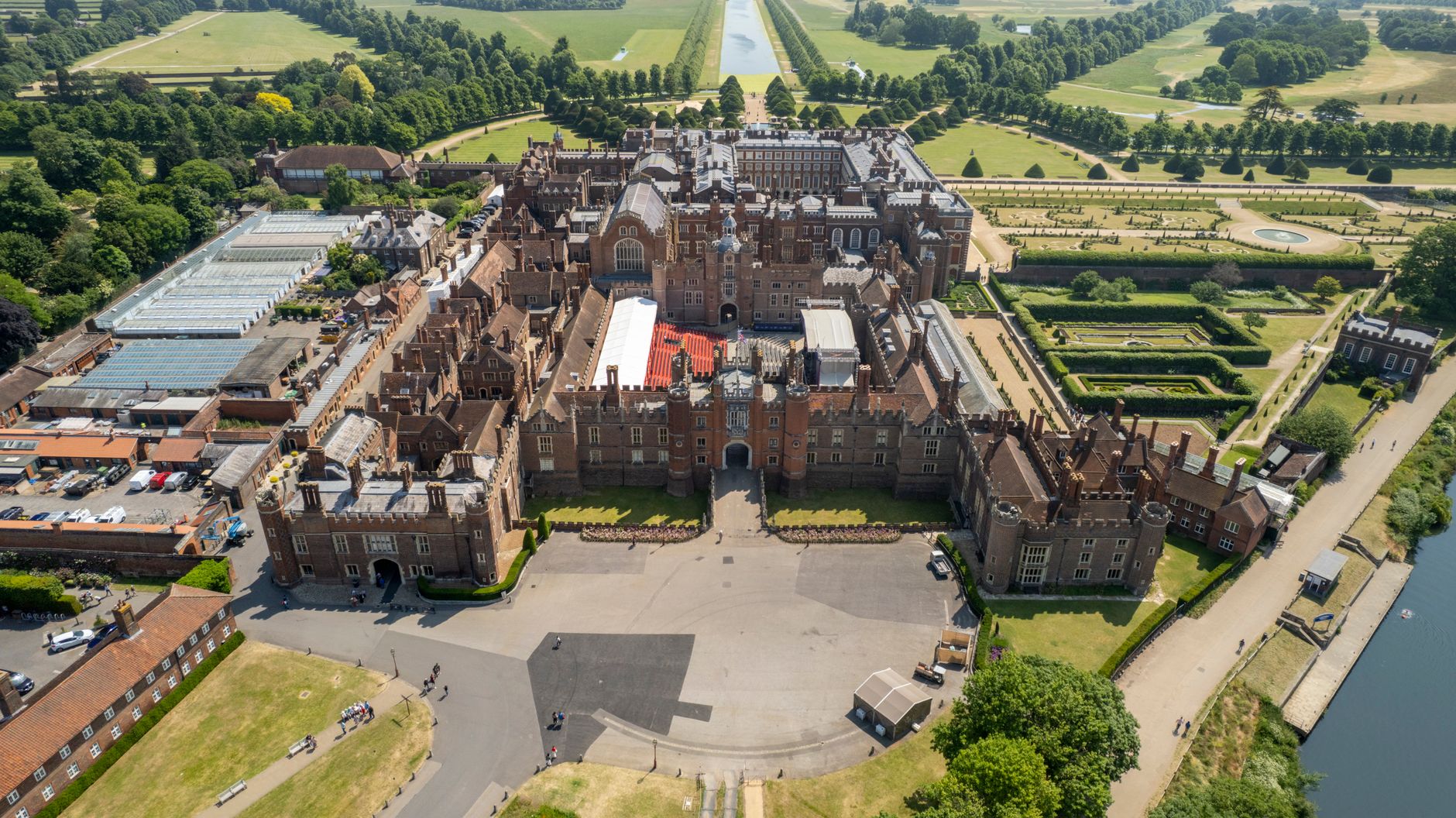
London, a city famed for its bustling streets and historic landmarks, often keeps its most enchanting secrets tucked away. Beyond the grand parks and well-trodden paths lies a network of hidden gardens and courtyards, verdant oases that offer a tranquil escape from the urban energy.
These aren't just patches of green; they are living testaments to London's layered past, each with a unique story whispered by ancient walls, forgotten monuments, or resilient flora. From medieval cloisters to post-war havens, discovering these secret spaces reveals a different side of the capital, one filled with quiet beauty and surprising narratives.
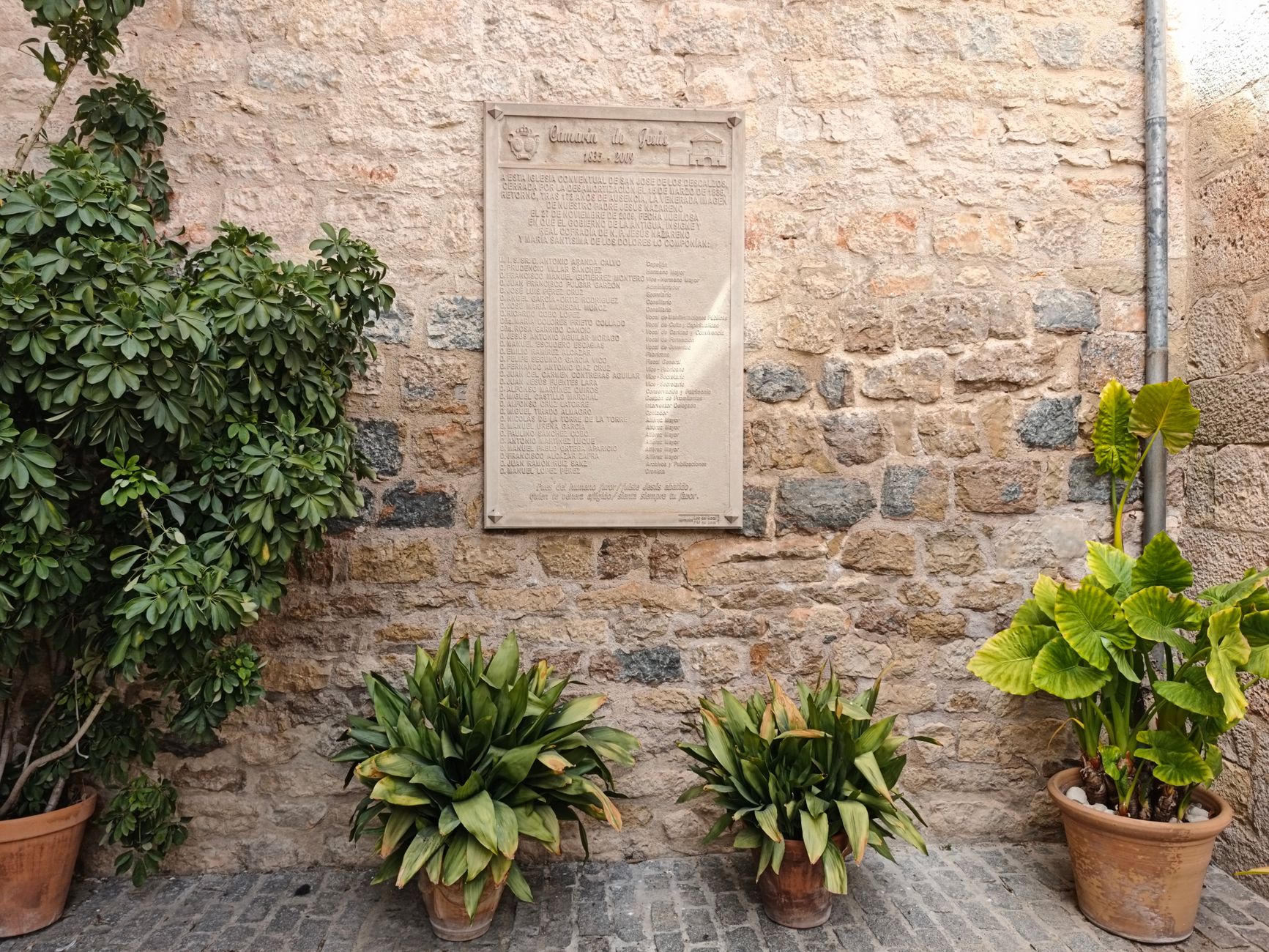
1. The Watts Memorial at Postman's Park
Postman's Park, London, UK
This tranquil garden honors ordinary people who died saving others, with a unique memorial wall celebrating their heroic self-sacrifice.
Postman's Park is home to the touching Memorial to Heroic Self-Sacrifice, conceived by painter George Frederic Watts in 1887. Here, ceramic plaques commemorate individuals who lost their lives attempting to save others, often strangers, from drowning, fire, or other dangers. It's a poignant and humbling space, offering a quiet moment of reflection on extraordinary acts of bravery in everyday life.
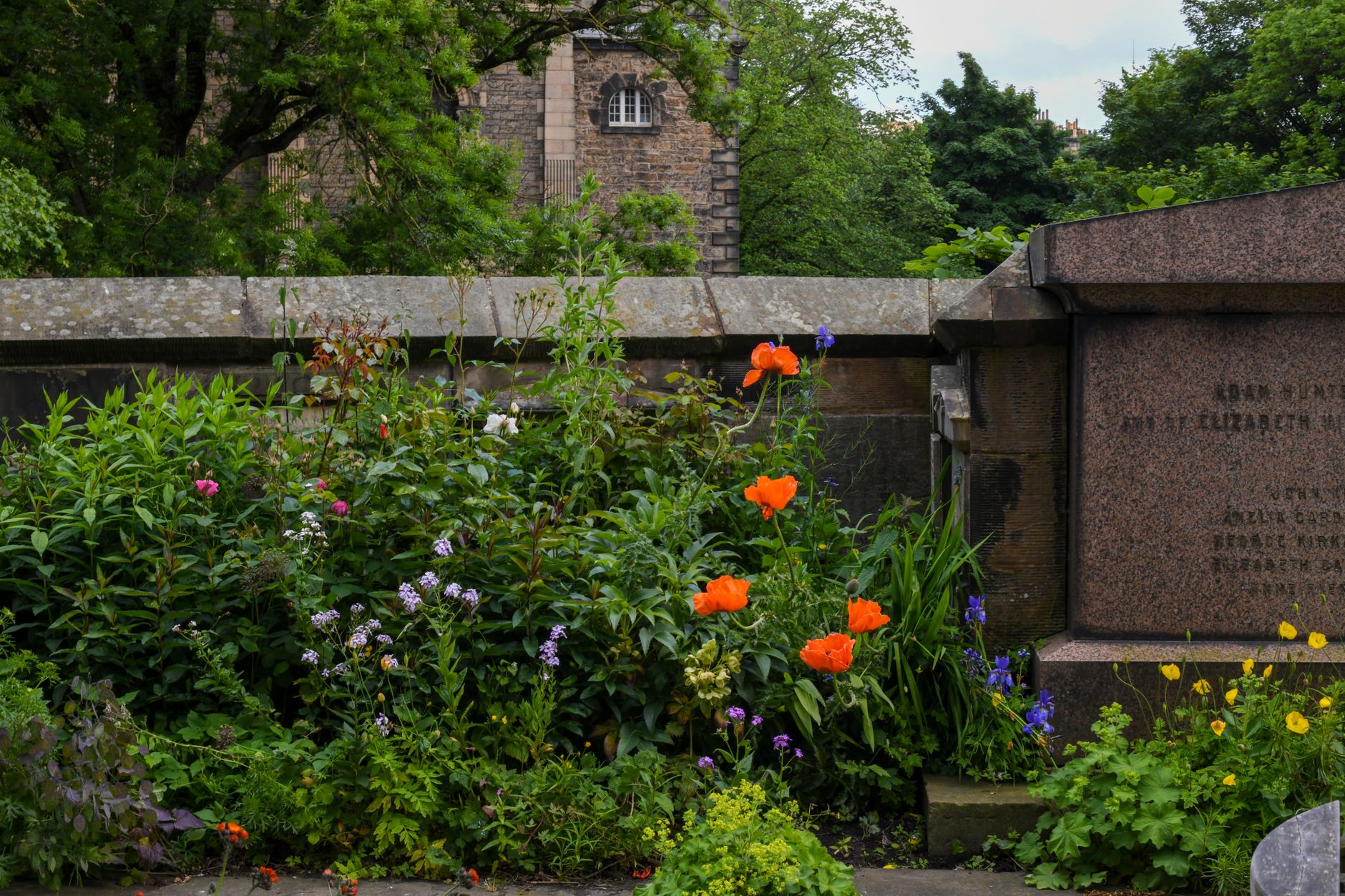
2. St Dunstan in the East Church Garden
St Dunstan in the East, London, UK
What was once a medieval church, largely destroyed during the Blitz, now stands as a dramatic, ivy-clad public garden.
The hauntingly beautiful ruins of St Dunstan in the East are a stark reminder of London's wartime resilience. Bombed during the Second World War, only the tower and outer walls remained, which were then transformed into a unique public garden. Palm trees and climbing plants now grow within the gothic arches, creating a surreal and atmospheric space where history and nature intertwine, offering a moment of quiet contemplation amidst the city's skyscrapers.
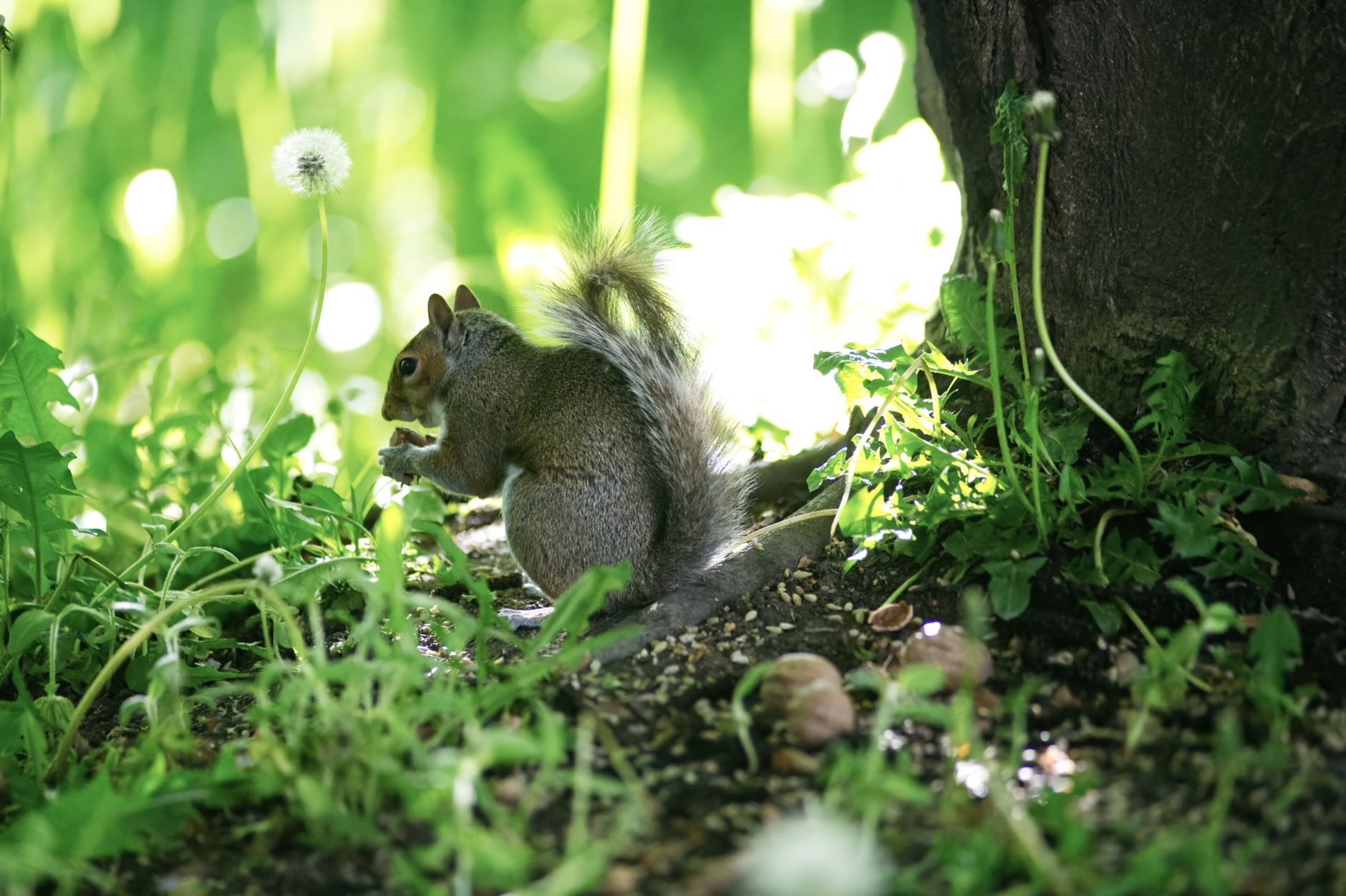
3. The Phoenix Garden
The Phoenix Garden, London, UK
This vibrant community garden rose from the ashes of a World War II bomb site, becoming a crucial habitat for London's urban wildlife.
Nestled between Tottenham Court Road and Charing Cross Road, The Phoenix Garden is a testament to community spirit and ecological resilience. Since 1984, volunteers have cultivated this former bomb-damaged site into a thriving wildlife haven, complete with a pond, wildflower meadows, and a diverse range of plants. It serves as a vital green lung and refuge for birds, insects, and even a rare breed of toad, proving that nature can flourish even in the densest urban environments.

4. Crossbones Garden of Remembrance
Crossbones Garden, London, UK
This moving garden stands on consecrated ground that was once a pauper's burial site for over 15,000 people, many of them medieval prostitutes.
The Crossbones Garden is a powerful memorial to the 'outcast dead' of Southwark, particularly the medieval 'Winchester Geese' – unlicensed prostitutes who were denied Christian burial. For centuries, this unconsecrated ground served as a burial place for the area's poor, until its closure in 1853. Today, a striking shrine and a tranquil garden, adorned with ribbons and personal tributes, honor those forgotten souls, creating a deeply poignant space for reflection on London's darker social history.
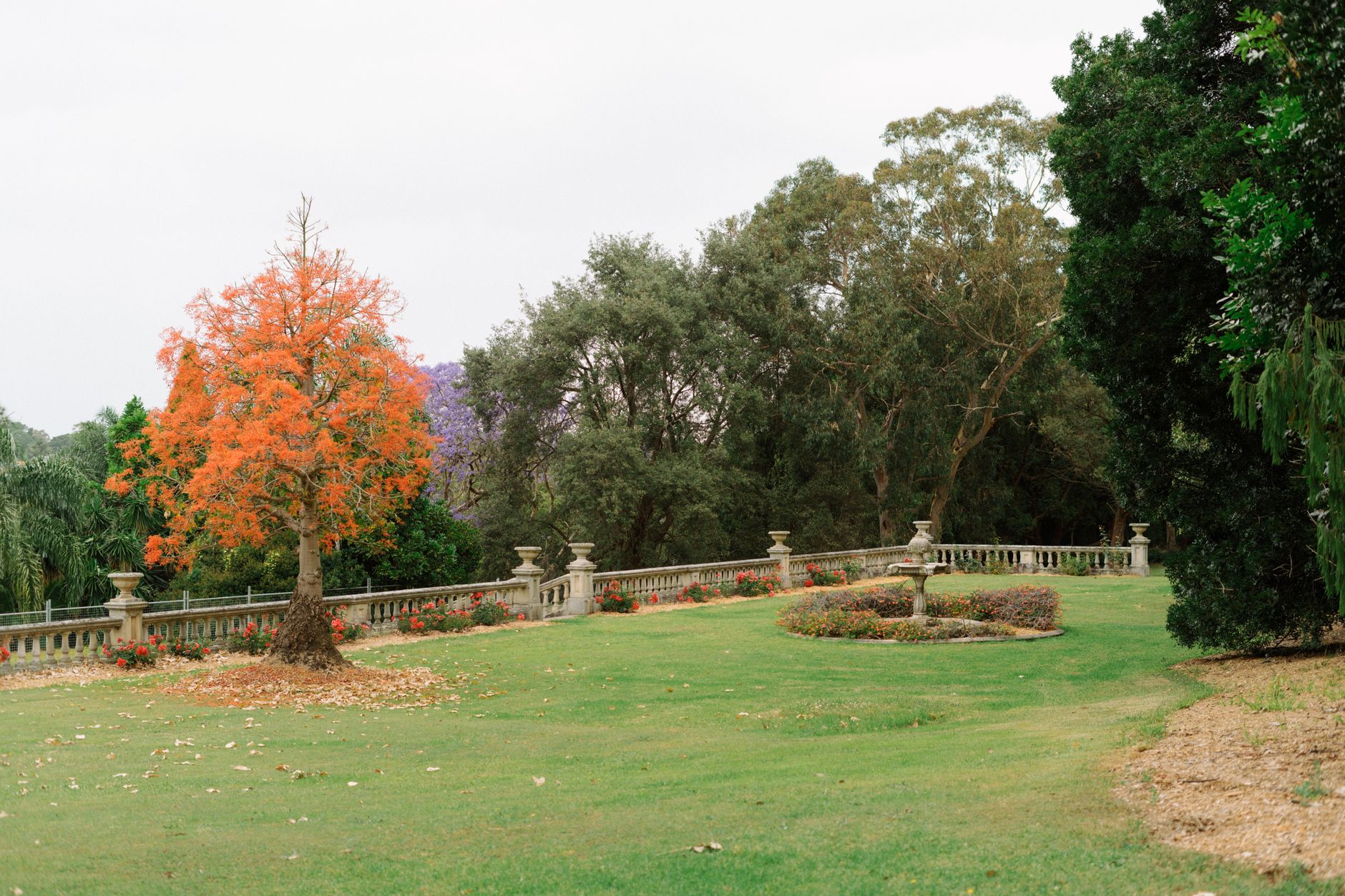
5. Red Cross Garden
Red Cross Garden, London, UK
One of London's earliest 'open-air sitting rooms' for the working poor, this historic garden was designed by social reformer Octavia Hill.
Established in 1887 by Octavia Hill, a co-founder of the National Trust, Red Cross Garden was created as an amenity for the residents of her model dwellings, providing a green and beautiful space in a deprived area. It was envisioned as a place of rest and recreation, complete with a pond, bandstand, and formal beds, offering respite from the squalor of Victorian London. Today, meticulously restored, it remains a beautiful, peaceful garden, embodying a pioneering vision of social welfare and urban planning.
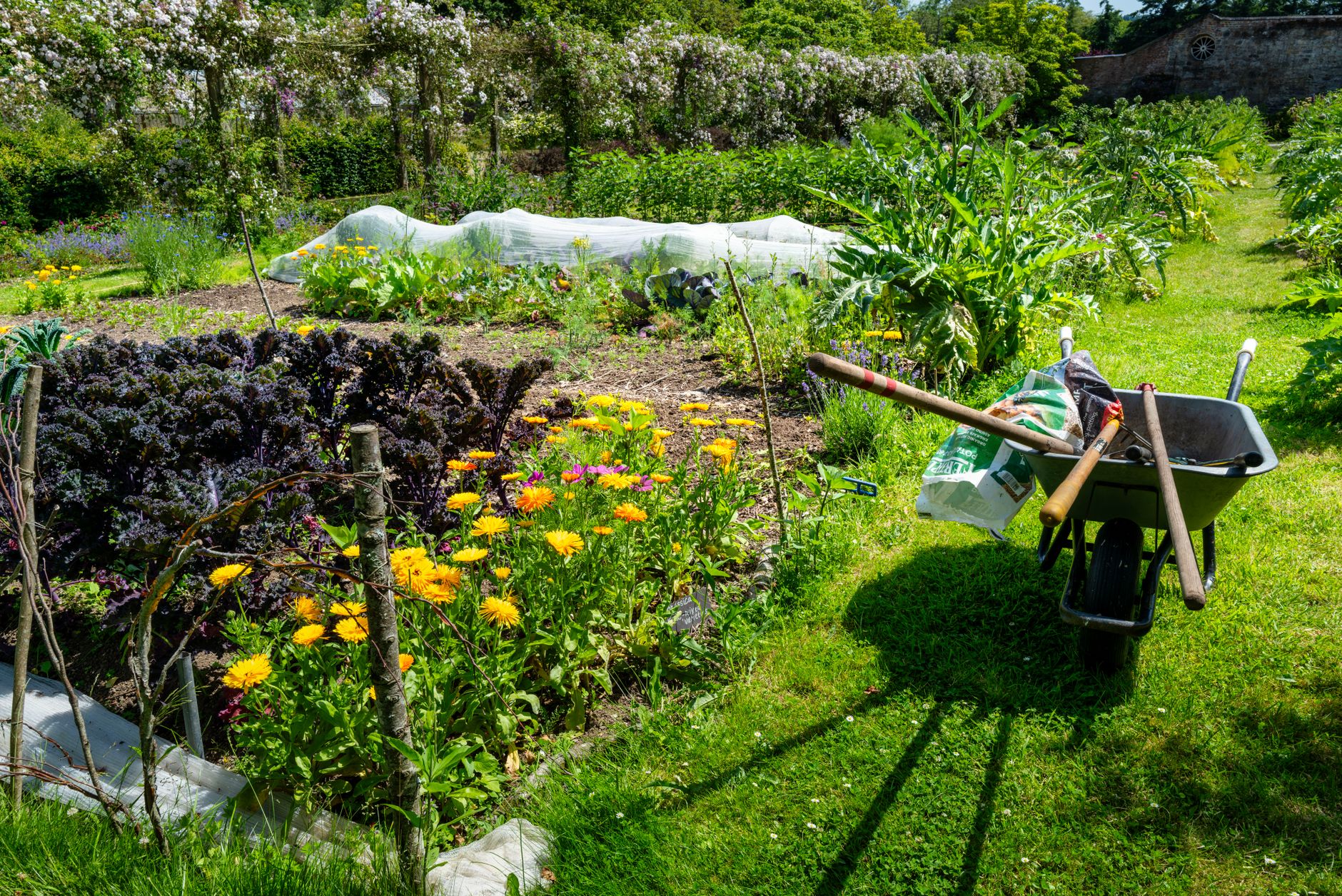
6. Fenton House Garden
Fenton House and Garden, London, UK
This 17th-century Hampstead merchant's house boasts one of London's oldest walled gardens, complete with an orchard and a working kitchen garden.
Behind the elegant facades of Hampstead lies Fenton House, a National Trust property with a remarkably preserved, much older garden. This formal walled garden dates back to the late 17th century and features a charming sunken rose garden, a productive kitchen garden, and a historic orchard with ancient apple varieties. It offers a rare glimpse into a bygone era of English garden design, providing a serene and fragrant escape from the bustling village just outside its walls.

7. Camley Street Natural Park
Camley Street Natural Park, London, UK
Once a Victorian coal drop, this urban nature reserve is now a haven for kingfishers, rare plants, and diverse wildlife, just moments from King's Cross.
Tucked beside the Regent's Canal, Camley Street Natural Park is a surprising wilderness in the heart of the city. This two-acre reserve, established on a former railway sidings and coal drop, was transformed into a vital urban ecosystem. Its diverse habitats – including ponds, woodland, and marshland – attract a remarkable array of species, from dragonflies and butterflies to various birdlife, offering a genuine sense of wild nature right next to the urban sprawl of King's Cross.
Frequently asked questions
Are London's hidden gardens and courtyards typically free to visit?
Many of London's less-known green spaces, especially those maintained by communities or as public memorials, are free to enter. Places like Postman's Park, St Dunstan in the East, and Crossbones Garden are freely accessible to the public, offering peaceful retreats without an admission fee.
What's the best time of year to explore these secret gardens?
Spring and summer are generally the most vibrant times to visit London's hidden gardens, when flowers are in full bloom and the weather is mild. However, autumn offers beautiful foliage, and even in winter, the unique structures and quiet atmosphere of places like St Dunstan in the East can be quite atmospheric.
Are these hidden green spaces easily accessible by public transport?
Most of these hidden gardens and courtyards are located within central London or well-connected areas, making them easily accessible via the Underground, buses, or walking. A quick check on a navigation app will show you the closest station or bus stop for each specific location.
How can AllTours.ai help me discover the stories behind these places?
AllTours.ai transforms your phone into an AI audio tour guide. Simply point your camera at a landmark, an ancient wall, or a unique plant in one of these gardens, and the app will instantly narrate its history, geological features, or cultural significance in your preferred language. It's like having a personal expert revealing the hidden tales of each secret green space.
Related guides
More from the United Kingdom
The app · free
Hear the story of every place on this list
AllTours turns any landscape into a narrated experience. Point your camera, and hear the history most travelers walk right past — free to try.


Photography via Pexels. AllTours.ai is an AI audio tour guide — point your camera at any landscape and hear its story.