July 15, 2026 · 4 min read
The United Kingdom often appears as a singular entity on world maps, leading many to assume it's one nation. However, delve a little deeper, and you'll find a fascinating tapestry woven from four distinct countries: England, Scotland, Wales, and Northern Ireland. Each possesses its own proud history, unique culture, and captivating natural beauty.
Moving beyond London's landmarks or Scotland's iconic lochs, these four nations hold countless hidden gems. We've uncovered some truly remarkable, often overlooked, places that vividly illustrate the distinct character of each country, inviting you to explore the rich stories beyond the obvious tourist trails.
1. The Soap Baron's Utopian Village
Port Sunlight, England
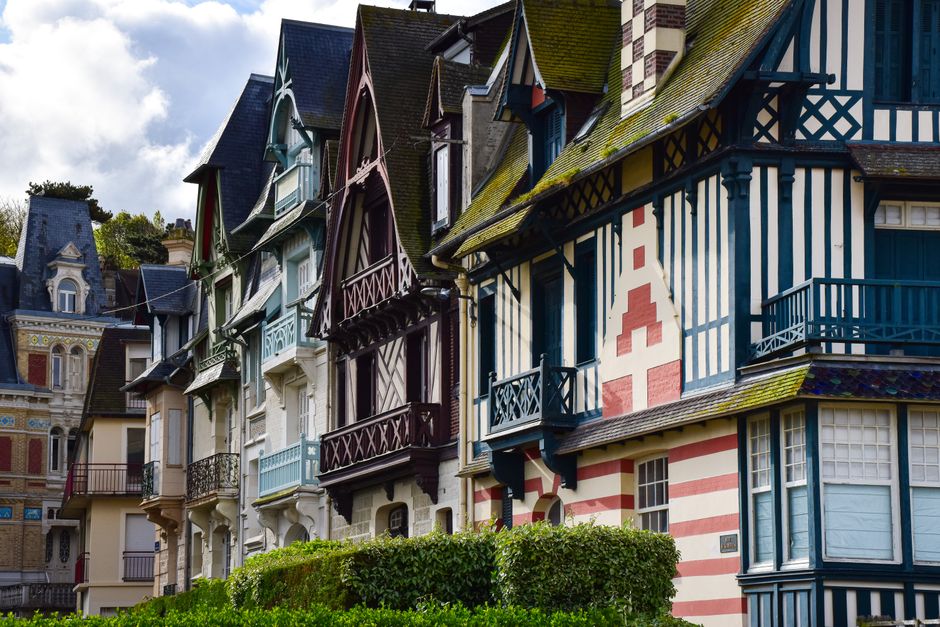
This picturesque village was built entirely by a Victorian soap magnate for his workers, pioneering a radical vision of corporate welfare.
William Lever, founder of Lever Brothers (later Unilever), envisioned Port Sunlight as a model community where his factory workers could live in beautiful, healthy surroundings. Built from 1888 onwards, it features stunning architecture, manicured gardens, and cultural institutions, all designed to improve the lives of his employees and foster loyalty. The village stands as a tangible legacy of a unique experiment in social engineering and industrial philanthropy.
2. Scotland's Extreme Island Life
St. Kilda, Scotland
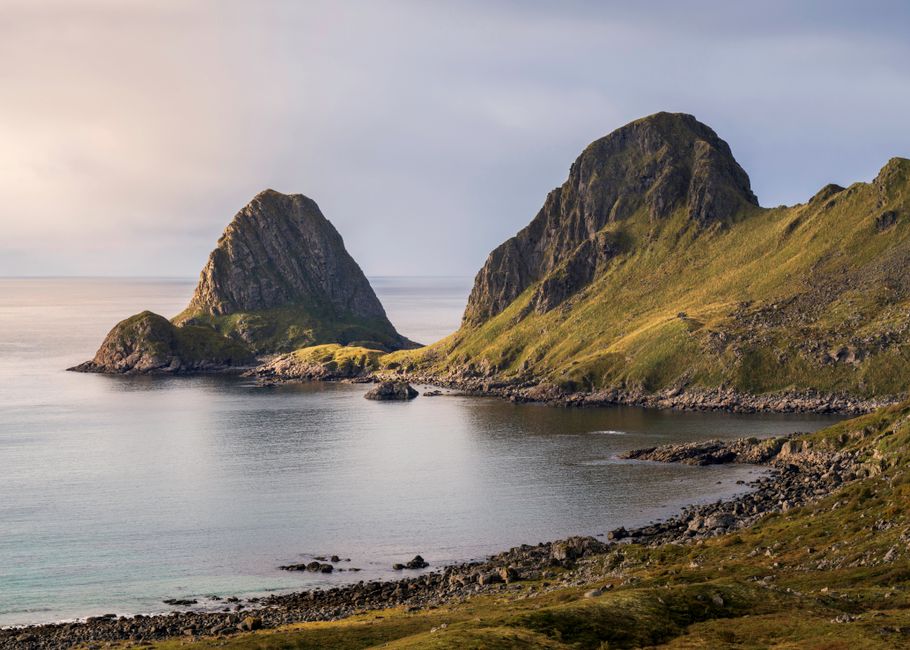
This remote archipelago was home to a unique community for centuries, whose extreme isolation and fowling culture led to their voluntary evacuation in 1930.
Far out in the Atlantic, the inhabitants of St. Kilda lived a harsh existence, relying almost entirely on seabirds for food, oil, and feathers. Their distinctive culture, language, and way of life developed in near-total isolation from mainland Scotland. However, declining population, disease, and the difficulty of survival eventually led the remaining islanders to request evacuation, leaving behind a hauntingly preserved village.
3. The Surreal Italian Village in Wales
Portmeirion, Wales
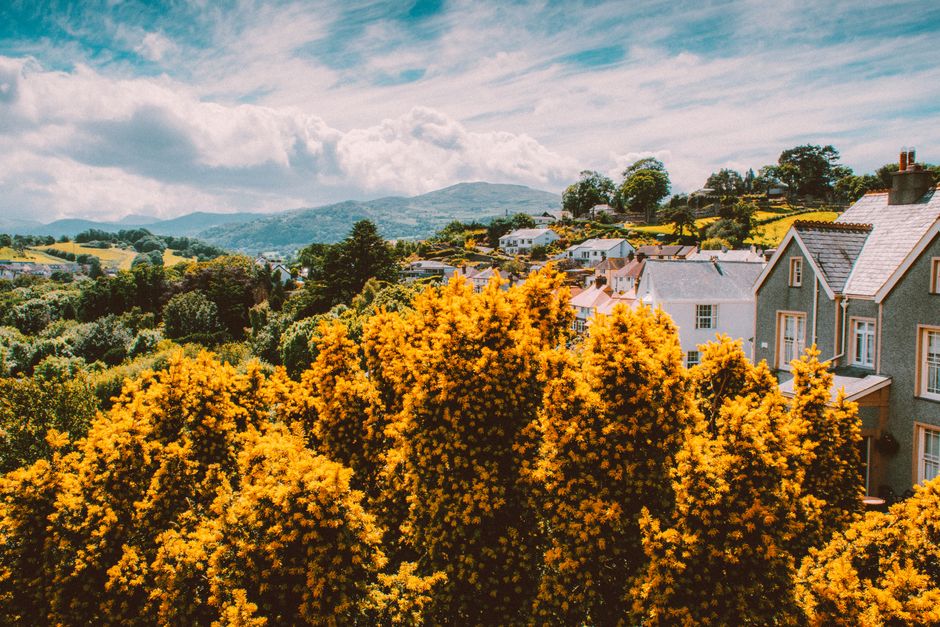
A Welsh architect spent 50 years building this whimsical village, convinced that beautiful surroundings had a positive effect on the human spirit.
Clough Williams-Ellis began constructing Portmeirion in 1925, transforming a neglected peninsula into a vibrant, colourful village inspired by Italianate architecture. He incorporated salvaged architectural pieces and playful designs, creating a unique aesthetic that challenges conventional notions of planned communities. The village became famous as the setting for the cult 1960s TV series "The Prisoner," further cementing its surreal charm.
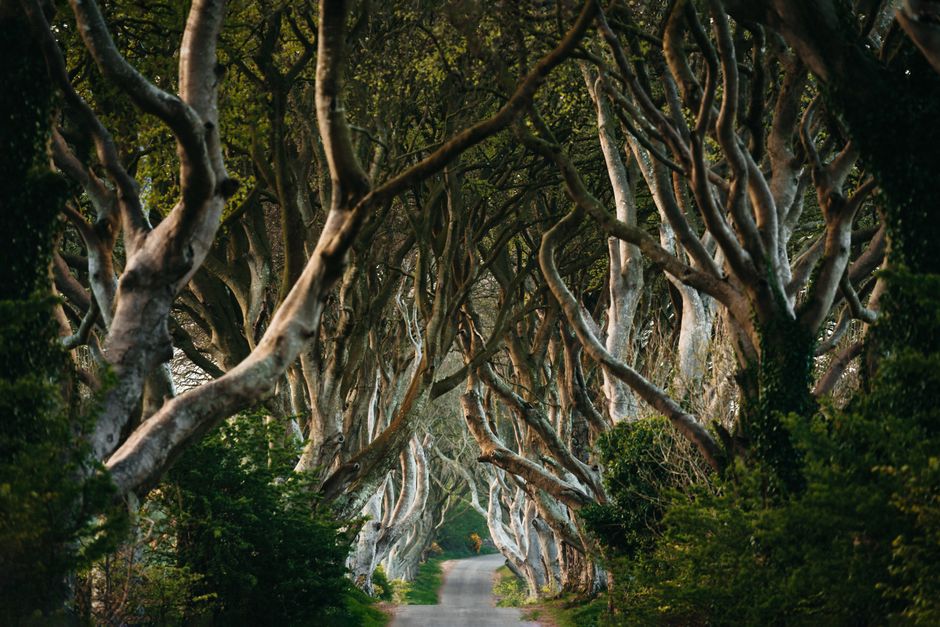
4. The Ghostly Royal Road
Dark Hedges, Northern Ireland
This dramatic tunnel of intertwined beech trees was planted in the 18th century to create an imposing approach to a grand Georgian estate.
The Stuart family, owners of Gracehill House, planted over 150 beech trees along Bregagh Road to impress visitors approaching their mansion. Over two centuries, the branches of these trees grew and intertwined, forming a natural archway that evokes an otherworldly atmosphere. While recently popularized by fantasy series, its true story lies in aristocratic ambition and the slow artistry of nature.
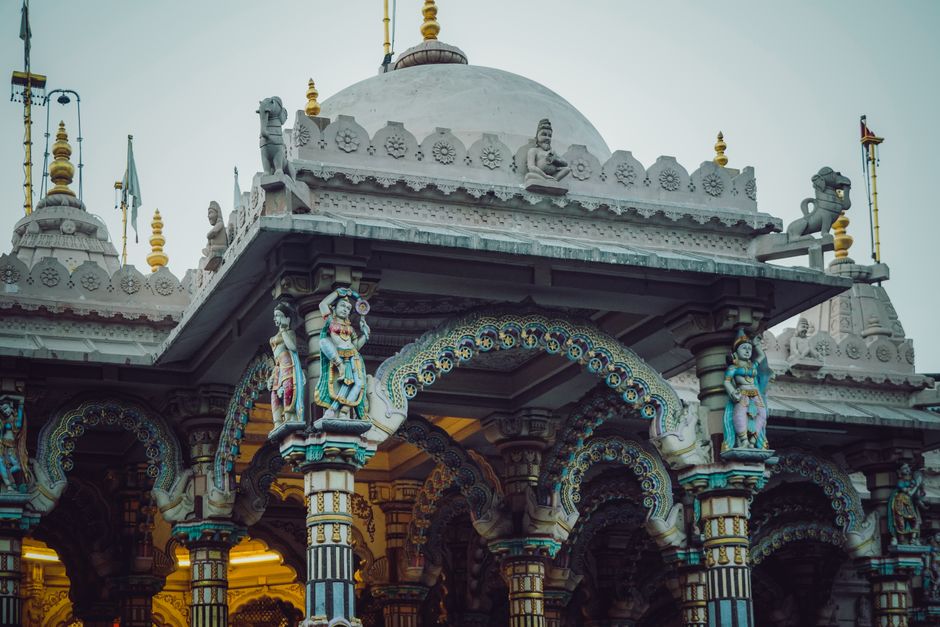
5. A Hand-Carved Temple in London
BAPS Shri Swaminarayan Mandir, London, England
Europe's first traditional Hindu temple was built in a London suburb entirely without steel, using ancient construction techniques and hand-carved stone imported from India.
This architectural marvel, completed in 1995, stands as a testament to faith and craftsmanship. More than 2,000 artisans in India hand-carved 5,000 tonnes of Italian Carrara marble and Indian limestone, which were then shipped to London and assembled like a giant jigsaw puzzle. The result is a breathtaking structure that brings a piece of traditional Indian heritage to the heart of the UK.
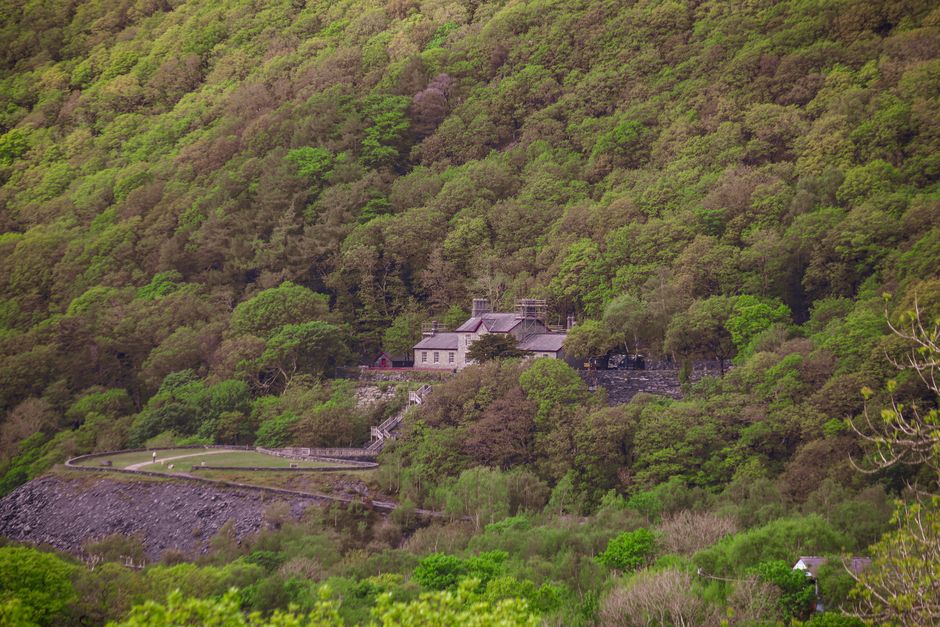
6. Scotland's Ancient Stone Library
Kilmartin Glen, Scotland
This unassuming valley holds one of Europe's most significant concentrations of prehistoric remains, revealing millennia of human history etched into the landscape.
For over 5,000 years, Kilmartin Glen was a focal point for ancient communities, leaving behind a wealth of cairns, standing stones, cup and ring marks, and burial sites. Walking through the glen, you encounter tangible evidence of Neolithic and Bronze Age life, from elaborate burial chambers to enigmatic rock art. It's an open-air museum where every field tells a story of Scotland's earliest inhabitants.
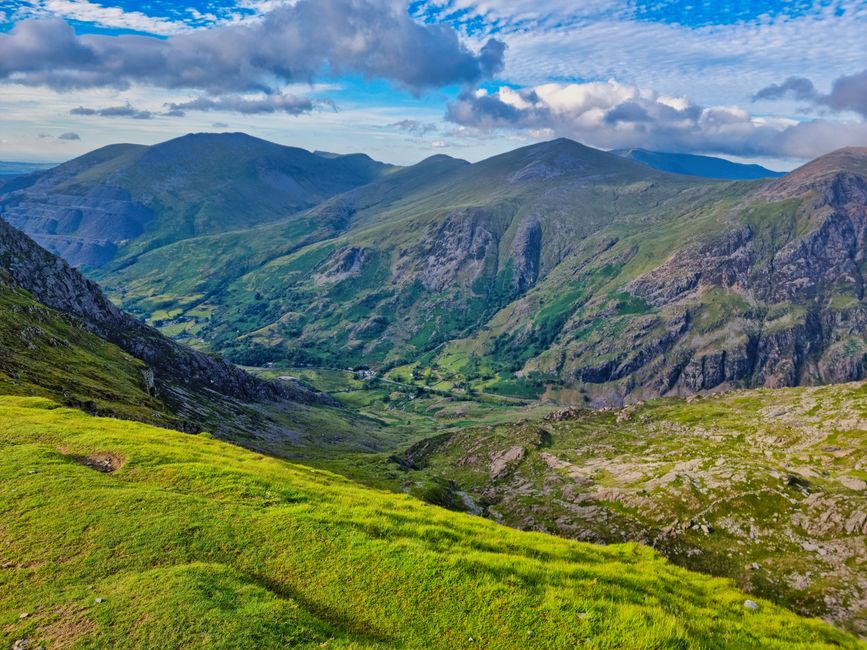
7. The Village of the Faithful Hound
Beddgelert, Wales
This charming village is named after a legendary Welsh prince's dog, whose tragic story of loyalty and misunderstanding has been immortalized in local folklore.
The tale tells of Prince Llywelyn the Great leaving his infant son with his loyal hound, Gelert. Returning to find the cradle overturned and Gelert's jaws bloody, Llywelyn killed the dog, believing it had attacked his child. Only then did he find a dead wolf nearby, realizing Gelert had saved his son. Though a myth, the "grave" of Gelert remains a poignant landmark, drawing visitors to this picturesque Snowdonia village.
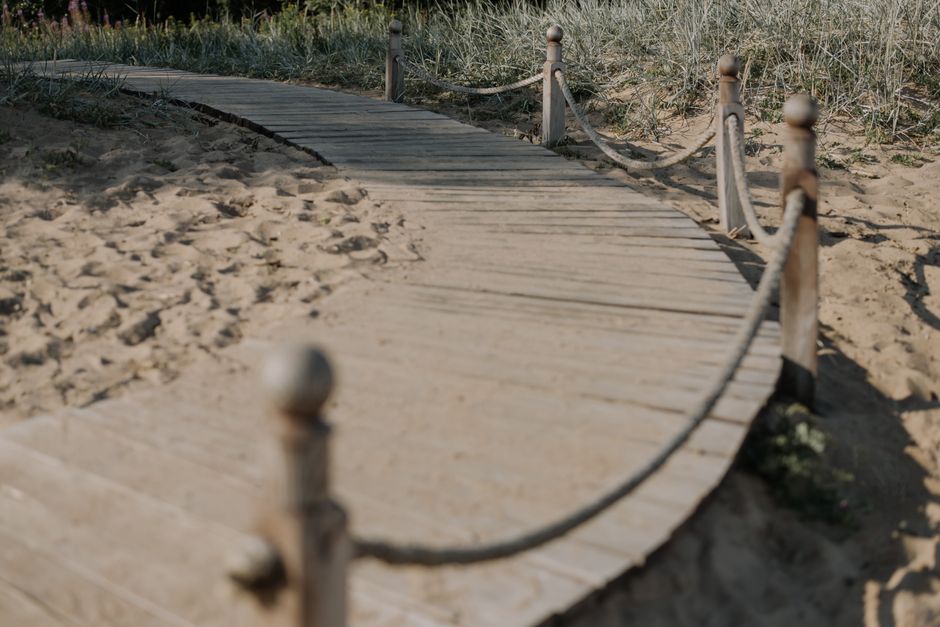
8. The Fishermen's Perilous Crossing
Carrick-a-Rede Rope Bridge, Northern Ireland
For centuries, local salmon fishermen built this precarious rope bridge high above the sea to reach a tiny island where nets could be cast.
The original bridge, far more rudimentary than today's structure, was an essential tool for fishermen accessing the salmon-rich waters around Carrickarede island. Spanning a 20-metre chasm and 30 metres above the rocks below, it represents a remarkable feat of ingenuity and daring. Today, it offers breathtaking coastal views and a thrilling walk, connecting visitors to a piece of Northern Ireland's industrious maritime past.
Frequently asked questions
What's the difference between Great Britain and the UK?
Great Britain is a geographical island comprising England, Scotland, and Wales. The United Kingdom, on the other hand, is a political union that includes Great Britain and Northern Ireland, along with several smaller islands. So, while Northern Ireland is part of the UK, it's not geographically part of Great Britain.
How many countries are in the UK, and what are they?
The United Kingdom is made up of four constituent countries: England, Scotland, Wales, and Northern Ireland. Each country has its own distinct capital city, flag, and, to varying degrees, devolved government powers, reflecting their unique historical and cultural identities.
Do people from England, Scotland, Wales, and Northern Ireland have different passports?
No, all citizens of the United Kingdom, regardless of which constituent country they live in, hold the same British passport. While they may identify strongly with their national identity (e.g., Scottish or Welsh), their international travel document is uniform across the UK.
How can I explore these distinct stories more deeply when I travel?
To truly understand the history, geology, and culture of these unique places, consider using an AI audio tour guide. Apps like AllTours.ai allow you to simply point your phone camera at a landmark or landscape, and it will narrate its fascinating story in your preferred language, bringing the location to life instantly.
Related guides
Photography via Pexels. AllTours.ai is an AI audio tour guide — point your camera at any landscape and hear its story.