
July 4, 2026 · 4 min read
Picture a gray, rain-streaked afternoon, windows rattling, and no glowing screens in sight. For generations, children around the world faced such days not with boredom, but with ingenuity, imagination, and the simple joys of their surroundings. Long before pixels and power-ups, rainy days were fertile ground for different kinds of play and learning.
These forgotten pastimes weren't confined to dusty history books. They left their mark on specific places—old homes, workshops, and communal spaces—each holding echoes of youthful laughter and curious minds. We've unearthed some truly unique locations where the spirit of pre-digital childhood still lingers, inviting you to discover how kids truly spent those long indoor hours.
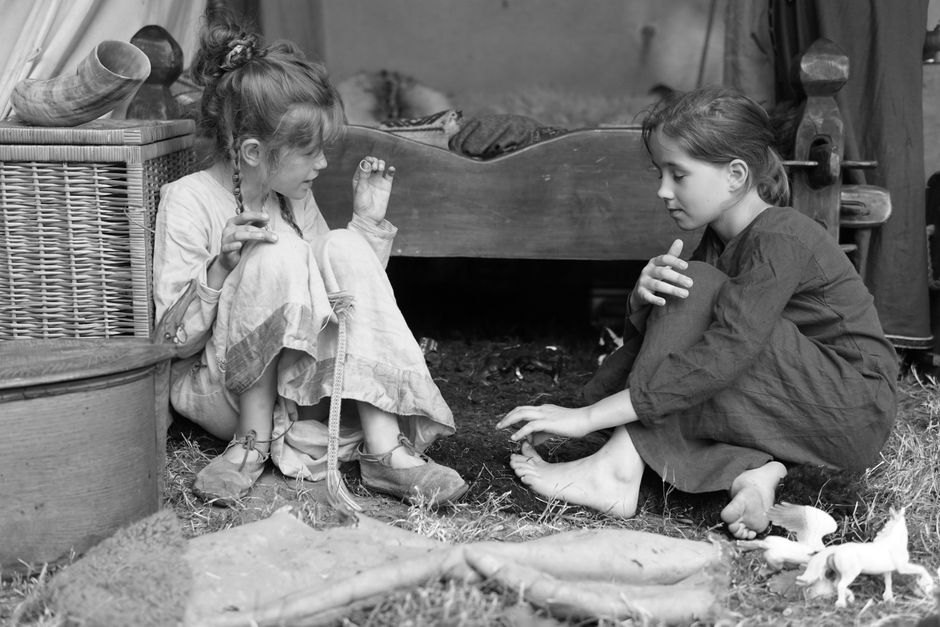
1. Life in Cramped Tenements
Tenement Museum, New York City, USA
Children in 19th-century tenement apartments turned cramped spaces and meager resources into elaborate worlds of imaginative play.
In the crowded, bustling Lower East Side, children in tiny tenement flats found creative ways to amuse themselves when rain kept them indoors. They transformed bedsheets into forts, invented intricate board games with handmade pieces, and spun endless stories, using their limited surroundings as a backdrop for grand adventures, proving imagination needed little space.
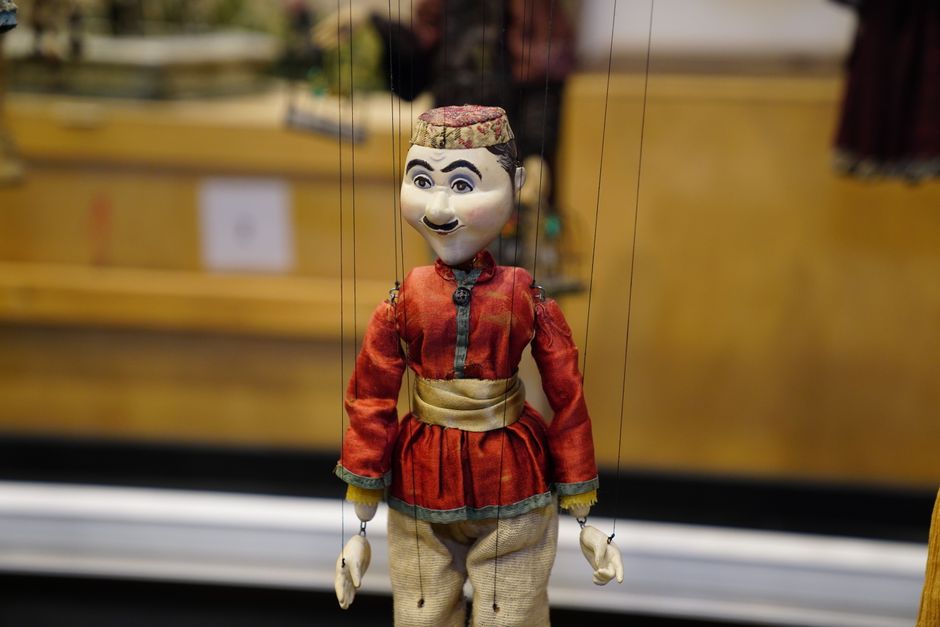
2. The World of Miniature Wonders
Nürnberger Spielzeugmuseum (Toy Museum), Nuremberg, Germany
Children in Nuremberg, a historic toy-making hub, engaged with intricate, often educational, toys that reflected a rich local craft tradition.
Nuremberg's legacy as a center for toy manufacturing meant children here were immersed in a culture of play objects. This museum showcases centuries of toys, from detailed wooden figures to elaborate dollhouses. On rainy days, these weren't just distractions; they were tools for learning, sparking creativity, and sometimes even inspiring unique games and secret 'toy languages' among friends.

3. A House of Hide-and-Seek
Calke Abbey, Derbyshire, England
The eccentric Harpur Crewe family's untouched country house became a vast, natural playground for children exploring its secret passages and forgotten rooms.
Calke Abbey, known as the 'un-stately home,' was preserved rather than modernized, creating a wonderland for children. Its sprawling, often cluttered rooms, hidden staircases, and disused wings offered endless possibilities for exploration. Rainy days meant transforming the entire house into an epic game of hide-and-seek or a stage for imaginative adventures, where every dusty corner held a new secret.
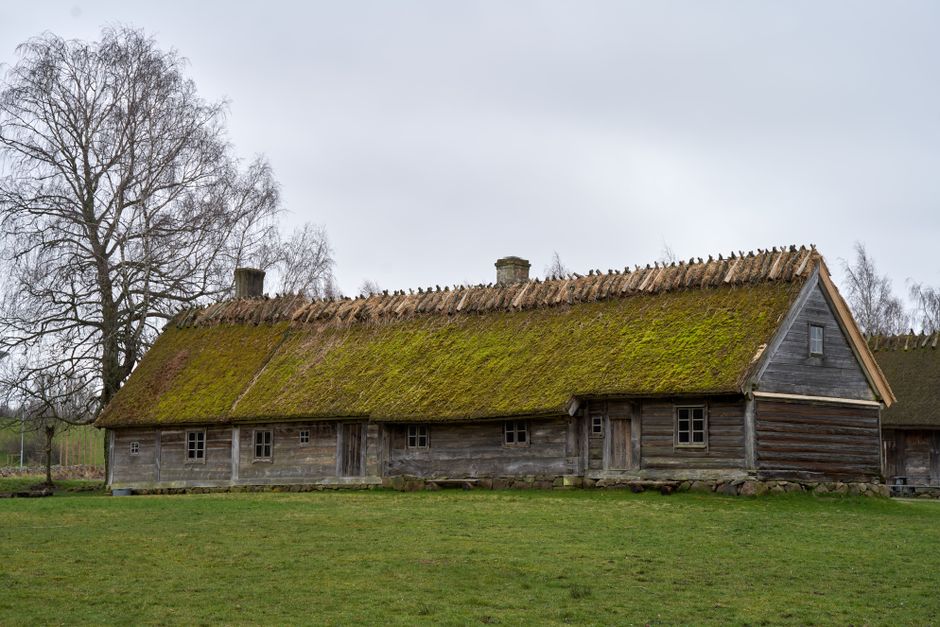
4. Lessons and Lore by the Fire
Skansen Open-Air Museum (Farmhouses), Stockholm, Sweden
In traditional Swedish farmhouses, children gathered by the fire, learning complex weaving patterns and crafting intricate folk art from natural materials.
At Skansen, historic Swedish life is meticulously preserved. During long, often rainy or dark periods, children in these homes engaged in practical skills that doubled as communal pastimes. They'd sit together, learning to weave small baskets, carve wooden figures, or create decorative straw ornaments. These activities fostered creativity and passed down cultural traditions through hands-on, shared engagement.

5. The Tactile Wonders of Early Museums
Boston Children's Museum (Historic Approach), Boston, USA
The Boston Children's Museum pioneered hands-on learning, encouraging kids to touch and explore exhibits long before digital interfaces existed.
Founded in 1913, this museum revolutionized how children learned. Instead of viewing artifacts behind glass, kids were encouraged to handle objects, from taxidermy animals to cultural relics. Rainy days transformed into tactile adventures of discovery, where children could directly interact with historical and natural wonders, fostering a personal and immediate connection to the world around them.
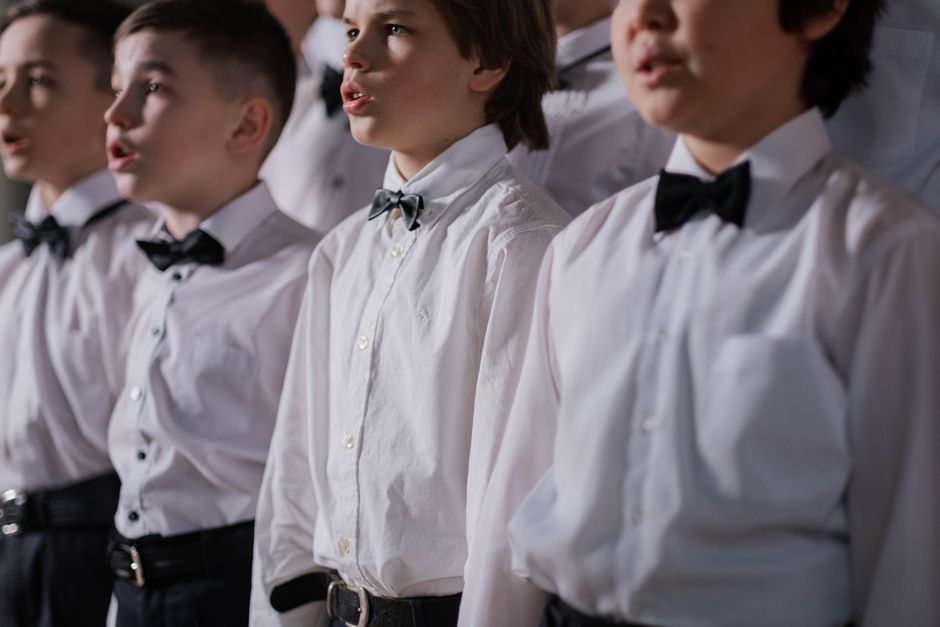
6. Music and Stories in the Asylum
The Foundling Museum, London, UK
Children at London's Foundling Hospital found solace and education through music, art, and storytelling in the institution's grand rooms during inclement weather.
Established in 1739, the Foundling Hospital cared for abandoned children, providing them with structured indoor activities. On rainy days, children gathered in large halls for lessons, singing, and moral tales. Music was a central part of their education and emotional well-being, with many becoming accomplished musicians, highlighting how engaging, communal activities shaped their lives.

7. The Apothecary's Attic Classroom
The Old Operating Theatre Museum and Herb Garret, London, UK
Children in apothecaries' homes learned about herbs and remedies by helping sort and prepare them in attic garrets, often through games and storytelling.
Above the historic operating theatre, the herb garret offers a glimpse into a domestic apothecary's life. Children of apothecaries or apprentices would spend rainy days in these attics, learning to identify, dry, and sort various herbs. This often involved playful sorting games, imaginative storytelling about the plants' properties, and early, hands-on lessons in natural history and medicine, far from formal classrooms.
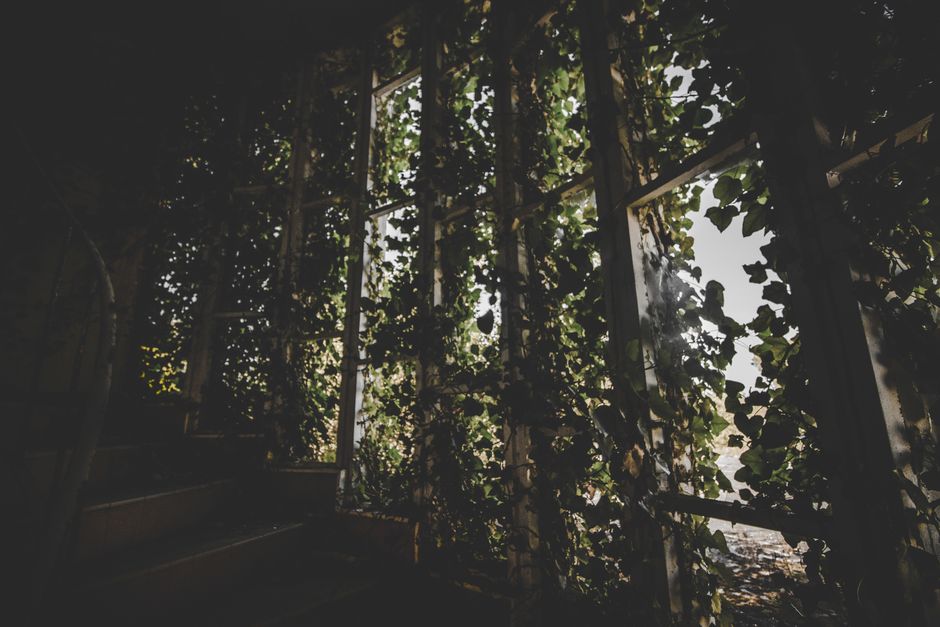
8. Secret Staircase Adventures
The House of the Seven Gables, Salem, Massachusetts, USA
Children living in this iconic historic house found endless amusement on rainy days by exploring its genuine secret staircase and hidden nooks.
Made famous by Nathaniel Hawthorne, this venerable house boasts a real secret staircase, a feature that captivated generations of children living within its walls. Especially during inclement weather, this hidden passage offered limitless opportunities for games of hide-and-seek, secret meetings, and imaginative play, transforming the ancient structure into a personal adventure playground.
Frequently asked questions
What kinds of games did children play indoors before screens?
Children played a wide variety of games, from board games, card games, and riddles to imaginative play with simple toys, storytelling, shadow puppets, and even making crafts. Many activities involved learning practical skills or exploring their immediate environment.
How did children learn without modern technology?
Learning often happened through observation, hands-on experience, and direct interaction with adults and their environment. This included reading books, engaging with educational toys, participating in chores that taught skills, and exploring natural history through objects and stories.
Were there specific places for children's entertainment in the past?
While dedicated 'children's entertainment centers' are a modern concept, historic homes often had nurseries or playrooms, and communal spaces like schoolhouses, libraries, and even specific museum rooms served as places for structured play and learning. Children also found amusement in everyday environments like attics or farmhouses.
How can AllTours.ai help me discover more about these places?
AllTours.ai brings the stories of places like these to life. Simply point your phone camera at a landmark or landscape, and the app narrates its history, geology, and culture in your language, offering a deeper, more immersive understanding of the sites you visit.
Related guides
Photography via Pexels. AllTours.ai is an AI audio tour guide — point your camera at any landscape and hear its story.