May 28, 2026 · 4 min read
New York City is an open book, its iconic landmarks known worldwide. Yet, beneath the familiar surface lies another city—a labyrinth of forgotten histories, secret enclaves, and tiny wonders waiting to be discovered. These aren't just obscure corners; they are vibrant threads woven into the fabric of the city, each with a captivating story that reshapes your understanding of the metropolis.
From the hushed grandeur of abandoned transit hubs to art installations tucked away in plain sight and solemn memorials revealing overlooked chapters, these hidden gems in New York City offer a deeper, more intimate connection to the urban landscape. Prepare to peel back the layers and uncover the extraordinary secrets that most visitors—and even many locals—never encounter.
1. Old City Hall Subway Station: A Gilded Ghost
New York City, USA
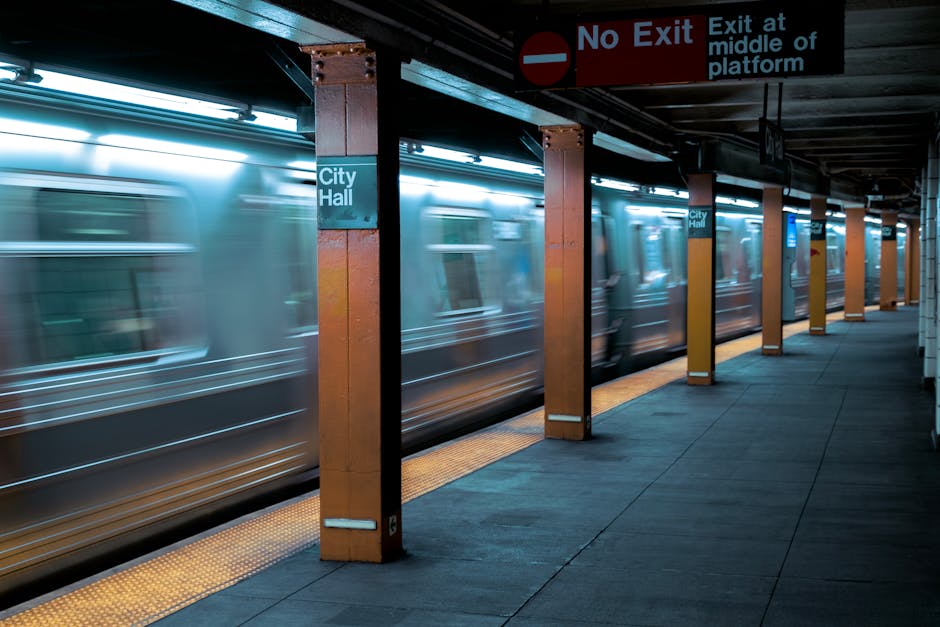
Beneath City Hall lies a lavishly designed subway station, abandoned for decades but still breathtaking.
Opened in 1904 as the southern terminus of the city's first subway line, the City Hall station was a masterpiece of Romanesque Revival architecture, featuring vaulted tile ceilings, intricate chandeliers, and elegant skylights. Despite its beauty, its curved platform proved impractical for longer, modern trains, leading to its closure in 1945. Today, it remains a pristine, untouched time capsule of early 20th-century New York transit.

2. Mmuseumm: The Museum of the Overlooked
New York City, USA
This tiny, quirky museum is housed inside a former freight elevator, curating forgotten objects from everyday life.
Mmuseumm is perhaps the smallest museum in New York City, located in an alleyway in Tribeca. Its mission is to display "object journalism," presenting collections of seemingly mundane items—like fake plastic fruit from around the world or forgotten personal belongings—that collectively tell surprising stories about global culture and human behavior. It's a truly unique, thought-provoking experience that challenges perceptions of what constitutes an exhibit.
3. Pomander Walk: A Hidden English Village
New York City, USA
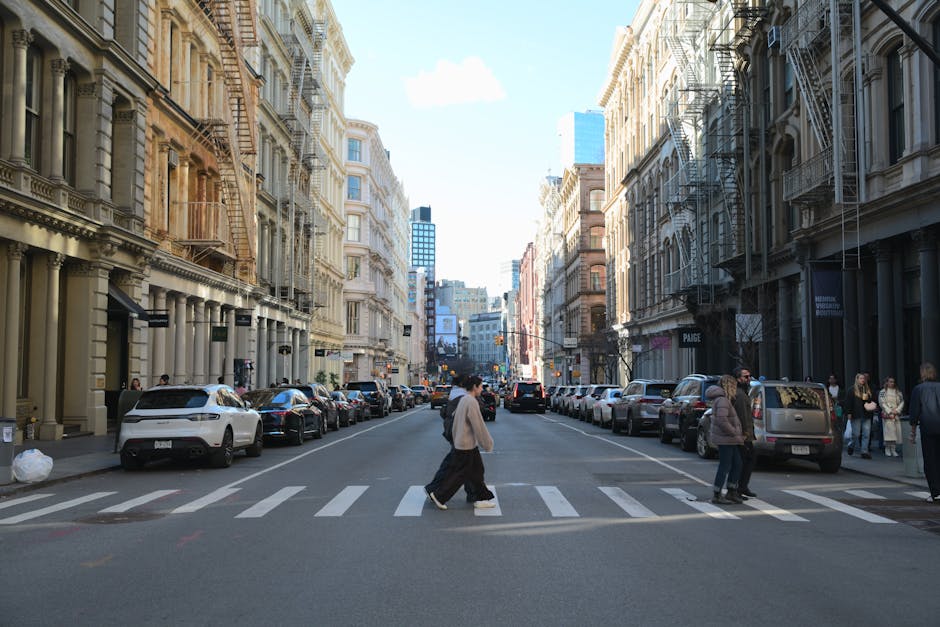
Tucked away on the Upper West Side is a private, storybook street resembling an English Tudor village.
Built in 1921, Pomander Walk was inspired by a play of the same name and designed to evoke a quaint English countryside lane. This private cul-de-sac features charming, half-timbered townhouses, gas lamps, and cobblestone pathways, creating an unexpected oasis of old-world charm amidst the bustling city. Its gates keep it secluded, offering a glimpse into a unique architectural vision and a quiet escape.
4. African Burial Ground National Monument: A Sacred Legacy
New York City, USA
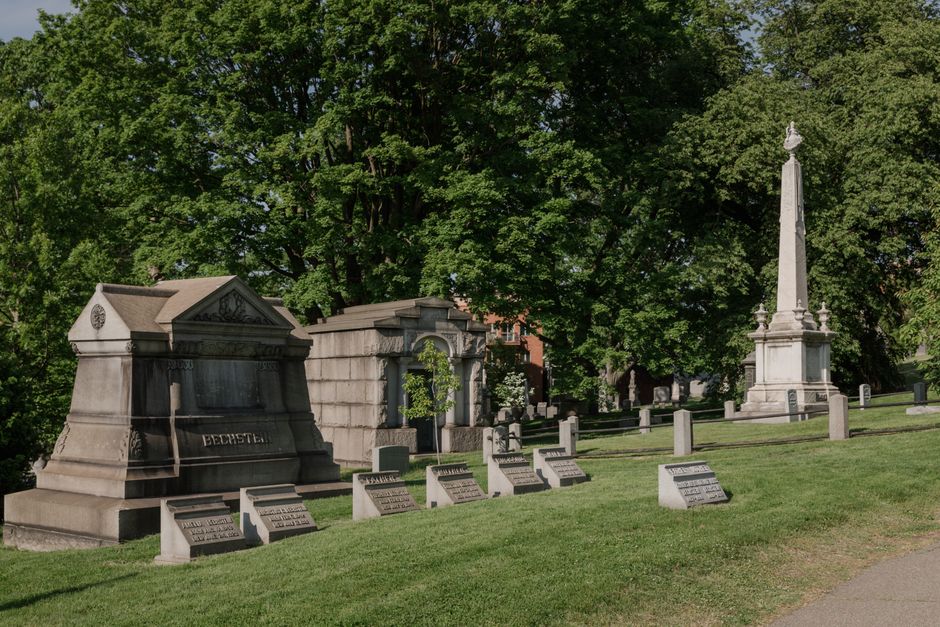
This solemn national monument protects the remains of thousands of enslaved and free Africans buried in colonial New York.
Discovered during construction in 1991, this site revealed the largest and earliest colonial-era cemetery for people of African descent in North America. Between the late 17th and late 18th centuries, an estimated 15,000 to 20,000 individuals were buried here, many enslaved. The monument serves as a powerful reminder of the profound contributions and struggles of Africans and African Americans in building New York City.
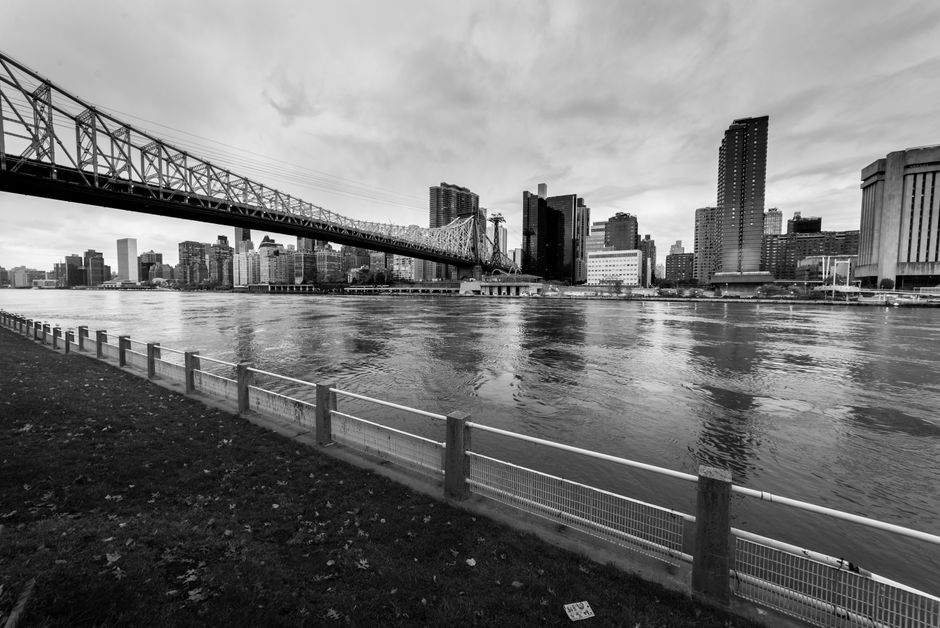
5. Smallpox Hospital Ruins, Roosevelt Island: Gothic Remnants
New York City, USA
On Roosevelt Island stand the haunting, Gothic Revival ruins of a hospital once dedicated to isolating smallpox patients.
Designed by James Renwick Jr. (who also designed St. Patrick's Cathedral), the hospital opened in 1856 to quarantine and treat smallpox victims away from the main island of Manhattan. After the disease was eradicated, the hospital fell into disuse and disrepair, its majestic stone shell slowly reclaimed by nature. Today, its dramatic, ivy-covered remains are floodlit at night, offering a dramatic and poignant historical landmark.
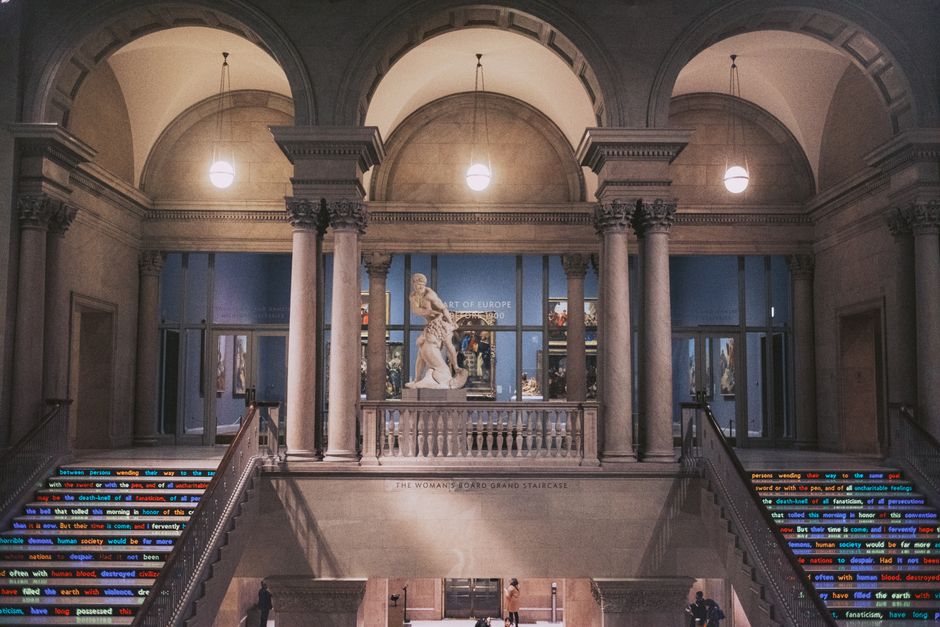
6. Whispering Gallery, Grand Central Terminal: An Acoustic Secret
New York City, USA
Below the main concourse of Grand Central Terminal lies a secret architectural marvel where a whisper can travel across a vast space.
Not widely known, the Whispering Gallery is located on the lower level, near the Oyster Bar. Stand at one corner of the arched tile ceiling, and a whisper spoken directly into the wall can be heard clearly by someone standing at the diagonal opposite corner, even amidst the station's bustling noise. This acoustic phenomenon is a testament to the masterful engineering and design of the terminal.
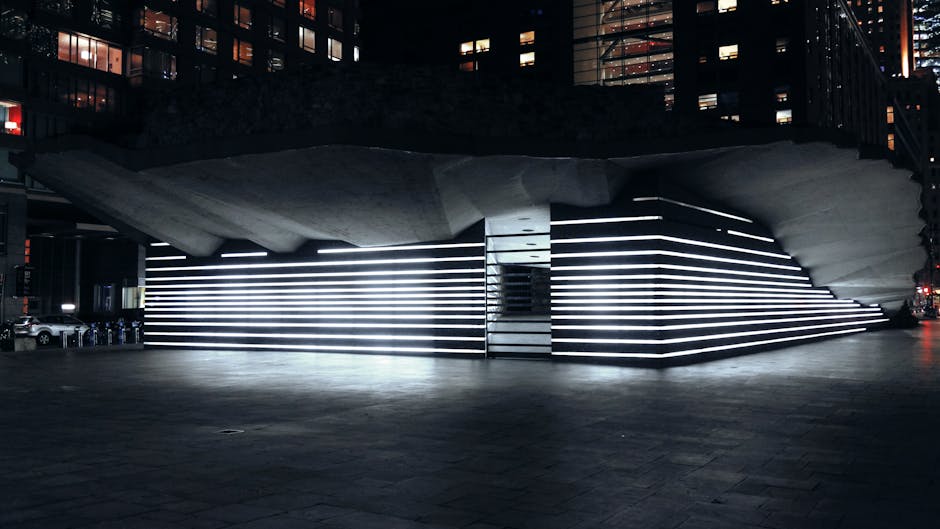
7. The New York Earth Room: An Indoor Landscape
New York City, USA
In a SoHo loft, a permanent art installation consists entirely of 280,000 pounds of rich, dark earth.
Created by artist Walter De Maria in 1977, The New York Earth Room is a unique piece of "land art" brought indoors. It fills a 3,600-square-foot loft space with 22 inches of soil, maintained at a consistent humidity and temperature. The piece offers a surprisingly serene and contemplative experience, a stark, organic contrast to its urban surroundings, inviting visitors to reconsider their relationship with nature and art.
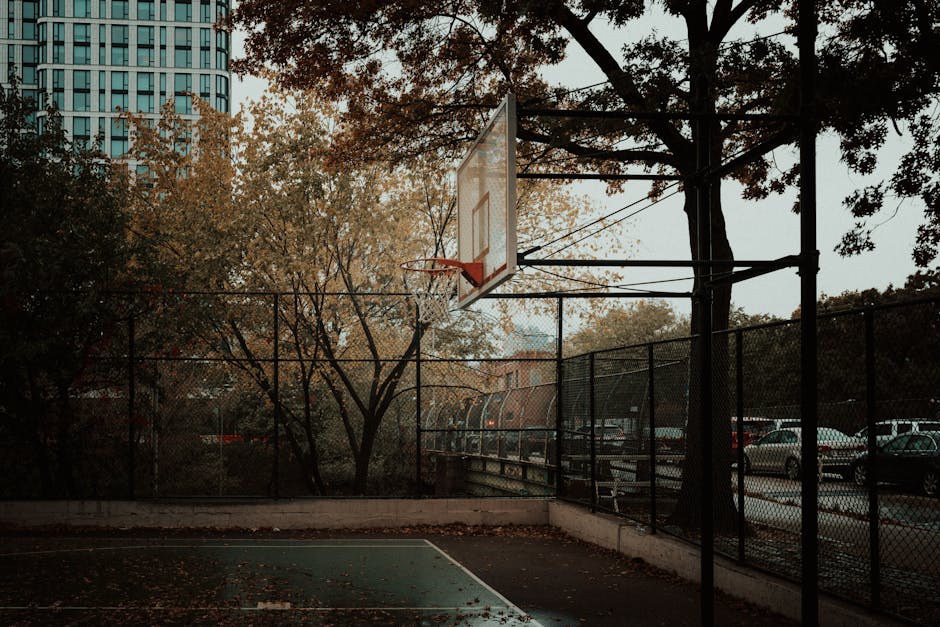
8. Sniffen Court: A Historic Mews
New York City, USA
This charming, secluded cul-de-sac of former carriage houses offers a glimpse into 19th-century New York.
Located just off Third Avenue in Murray Hill, Sniffen Court is one of New York City's last remaining private mews. Built in the 1860s as stables for wealthy residents, these Romanesque Revival carriage houses were later converted into residences and artists' studios. The court retains its original cobblestone paving and gas lamps, making it a peaceful, picturesque escape that feels a world away from the city's modern hustle.
Frequently asked questions
What is the best way to explore NYC's hidden gems?
The best way to explore New York City's hidden gems is often on foot, allowing you to wander off main thoroughfares and discover unexpected places. Public transportation is excellent for getting between boroughs, and then you can switch to walking to truly soak in the unique atmosphere of each spot.
Are these hidden places safe for tourists?
Generally, yes. Most of New York City's hidden gems are in safe, accessible neighborhoods. Always be aware of your surroundings, especially in less populated areas or at night. For places that require special access, like the City Hall subway station, ensure you research visitor guidelines beforehand.
How do I find the exact locations for these lesser-known spots?
While many guidebooks focus on famous landmarks, finding precise locations for hidden gems often requires a bit more dedicated searching. Online resources, specialized walking tours, and local blogs can provide detailed directions and background information. A good map or navigation app is also essential for pinpointing these unique sites.
How can AllTours.ai enhance my exploration of NYC's hidden gems?
AllTours.ai brings these hidden stories to life. Simply point your phone camera at a landmark, street, or even a specific building, and the app will narrate its history, geology, and cultural significance in your language, turning every discovery into an insightful, personalized tour guide.
Photography via Pexels. AllTours.ai is an AI audio tour guide — point your camera at any landscape and hear its story.