June 14, 2026 · 4 min read
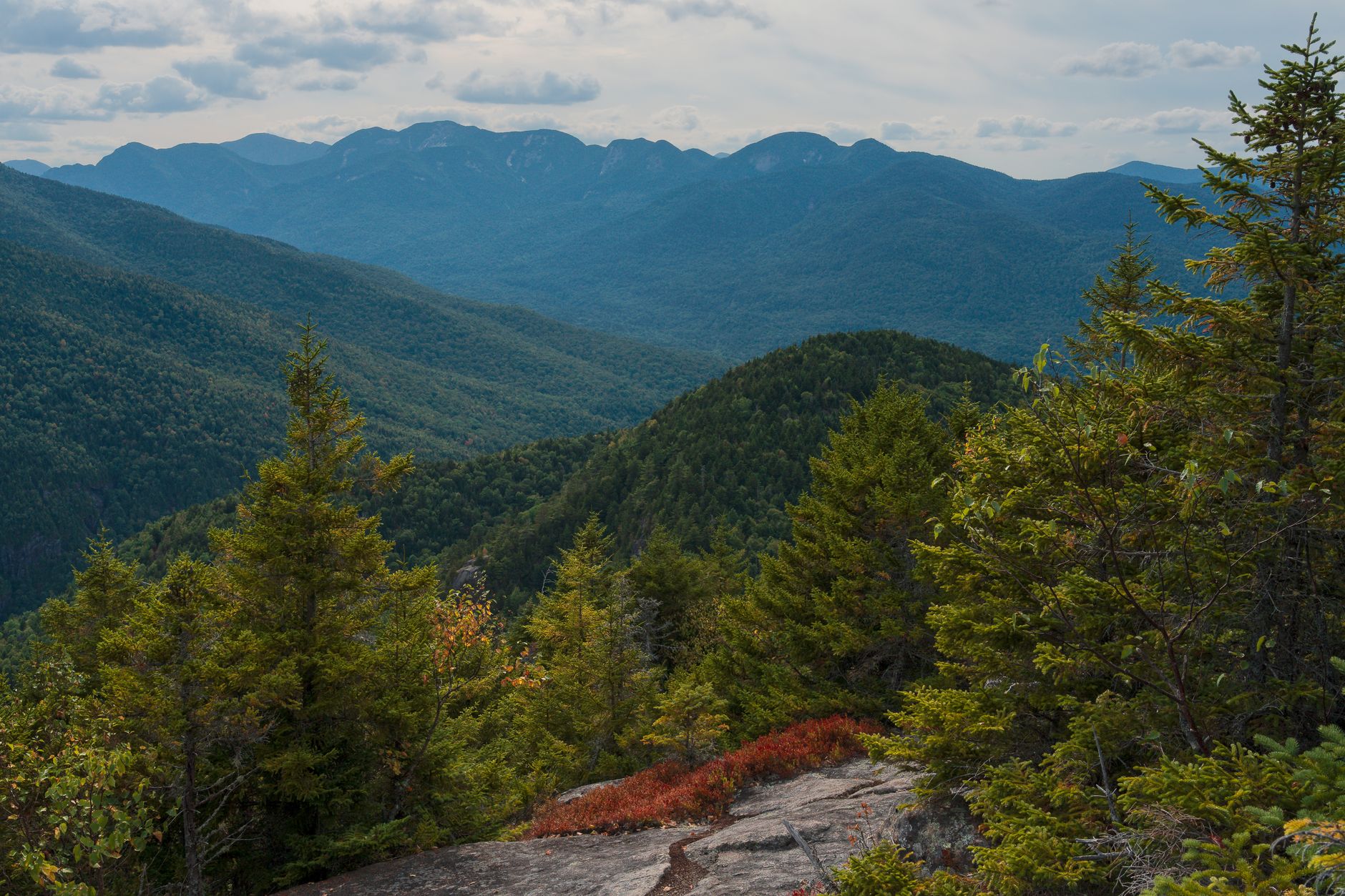
The drive from New York to Montreal is more than just a route connecting two vibrant cities; it's a journey through landscapes steeped in history, geology, and unique cultural blends. Most travelers speed through, missing the subtle wonders that lie just off the main highways.
But what if every mile could reveal a surprising story? What if the path less traveled offered a deeper connection to the land and its past? This guide uncovers seven truly unique spots, each with a hidden narrative, transforming your drive into an unforgettable exploration.
1. A Reef Older Than Dinosaurs
Chazy, New York, USA
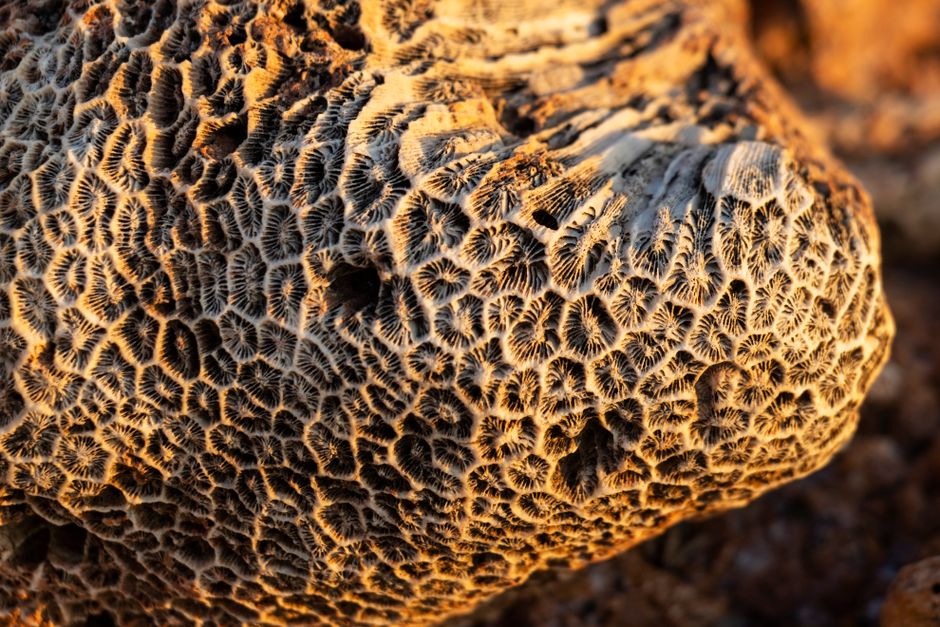
Imagine walking on a fossil reef that formed 450 million years ago, long before the dinosaurs roamed Earth.
This geological marvel along Lake Champlain is one of the oldest known fossil reefs in the world, a testament to ancient marine life. It predates the dinosaurs by hundreds of millions of years, offering a rare glimpse into the Ordovician period when life was largely underwater. You can observe the fossilized remains of stromatoporoids, tabulate corals, and bryozoans right where they grew, a silent record of Earth's deep past.
2. The Radical Abolitionist's Last Stand
North Elba, New York, USA
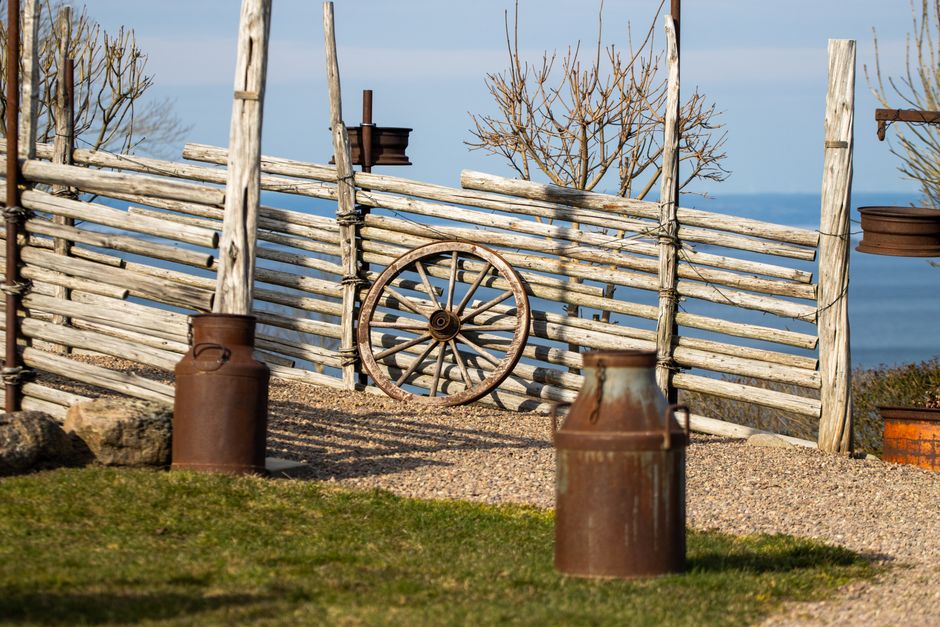
Visit the final resting place of John Brown, the controversial abolitionist who believed armed rebellion was the only way to end slavery.
Tucked away in the Adirondacks, this humble farm was home to John Brown and his family. After his failed raid on Harpers Ferry, he was executed, and his body was brought here for burial. His grave, marked by a simple stone, lies beside a boulder chosen by Brown himself. The site offers a poignant look at a complex figure and the fervent anti-slavery movement that helped ignite the Civil War, revealing a lesser-known side of American history.
3. Benedict Arnold's Daring Escape
Lake Champlain, New York, USA
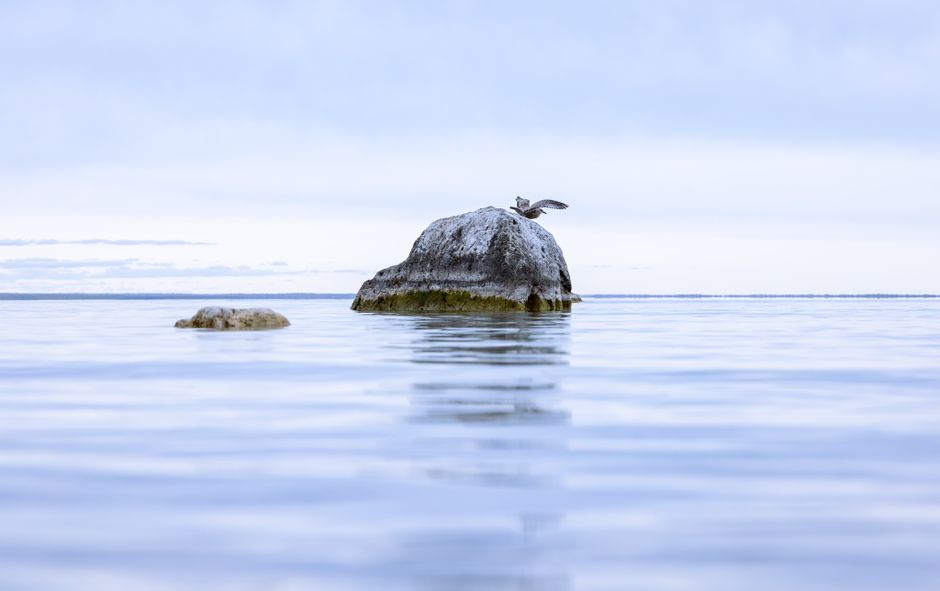
Discover the narrow strait where Benedict Arnold, before his infamous betrayal, executed a brilliant naval escape against a superior British fleet.
In October 1776, this small island witnessed the Battle of Valcour Island, a critical engagement in the American Revolution. Arnold, commanding a ragtag fleet of gunboats, deliberately engaged the British in a confined channel. Though heavily outgunned, his strategic brilliance allowed most of his fleet to slip past the British under cover of darkness, buying crucial time for the Continental Army to prepare for the Saratoga campaign. Today, the island is a tranquil wilderness, its shores hinting at dramatic history.
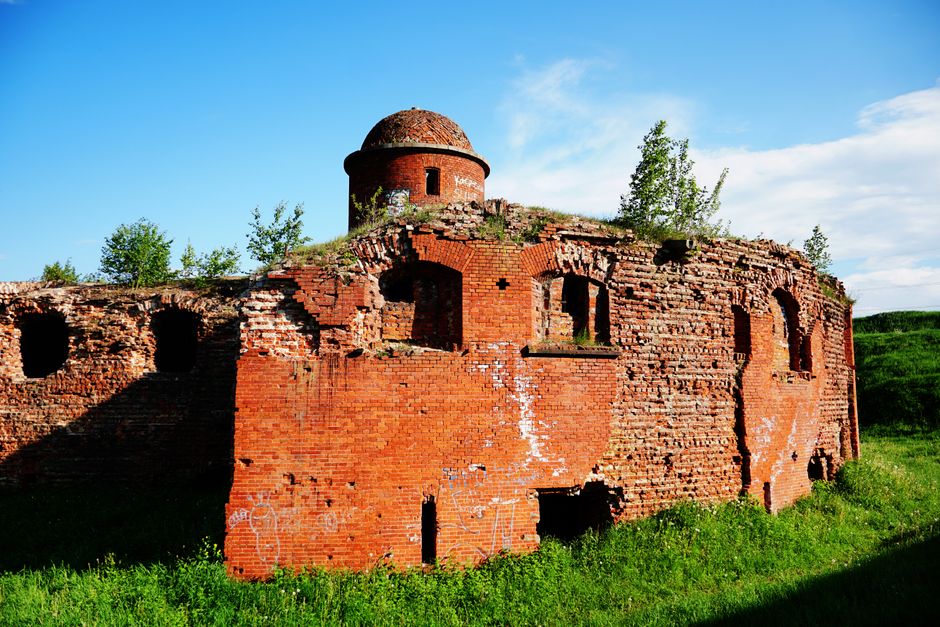
4. The "Gibraltar of Lake Champlain" and a Border Blunder
Rouses Point, New York, USA
Explore the ruins of a massive stone fort so strategically important, it was built, abandoned due to a surveying error, and then rebuilt.
Often called the "Gibraltar of Lake Champlain," Fort Montgomery stands as a testament to the turbulent border history between the US and Canada. The first iteration, built after the War of 1812, was abandoned when a surveying error placed it on Canadian soil. Later, after the border was corrected, a formidable stone fort was constructed, though it never saw battle. Its impressive stone walls and intricate design speak to a period of intense geopolitical tension and military engineering.
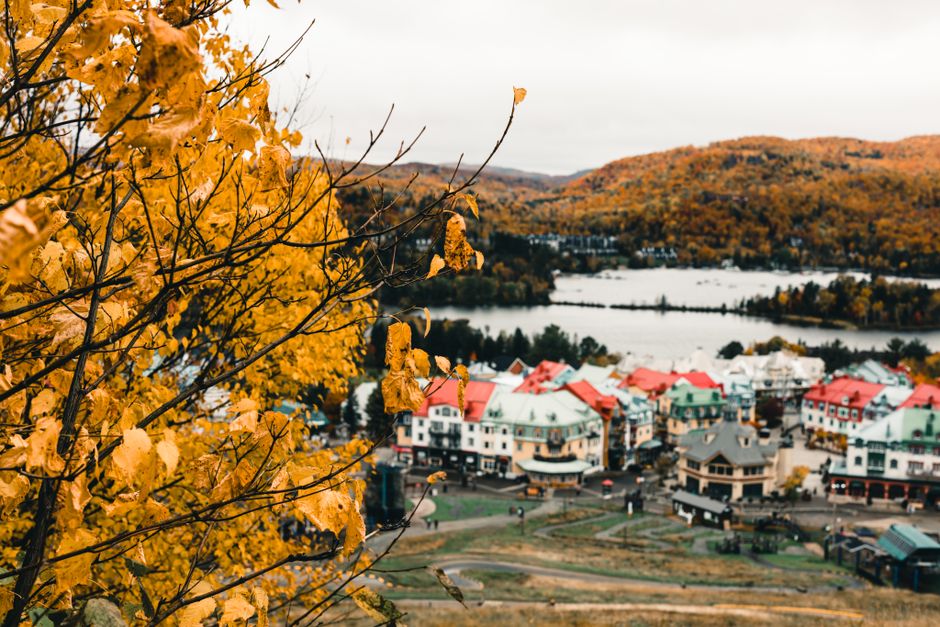
5. Quebec's Loyalist Apple Haven
Frelighsburg, Quebec, Canada
Wander through one of Quebec's "most beautiful villages," where Loyalist history meets prime apple country in the shadow of ancient volcanoes.
Frelighsburg charms with its well-preserved 19th-century architecture and lush apple orchards. Many of its early settlers were Loyalists who fled the American Revolution, bringing their traditions and building styles. The village sits at the foot of Mont Pinacle, part of the Monteregian Hills, which are actually eroded intrusive igneous rock formations – the ancient cores of volcanoes. This unique geology contributes to the fertile soil ideal for its renowned apple production.
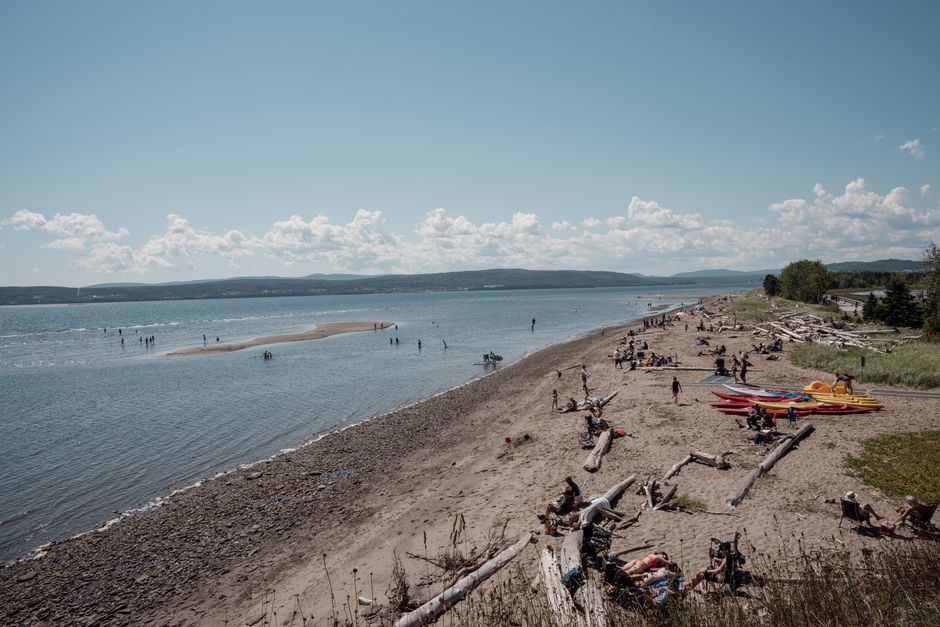
6. An Unconquered Island Fortress
Saint-Paul-de-l'Île-aux-Noix, Quebec, Canada
Take a ferry to an isolated island fort built after the War of 1812, designed to deter American invasion but which never fired a shot in anger.
Situated on a picturesque island in the Richelieu River, Fort Lennox is a remarkably preserved British garrison. Constructed between 1819 and 1829, it was a strategic stronghold intended to defend against future American incursions following the War of 1812. Despite its formidable appearance and strategic location, the fort never saw combat, instead serving as a symbol of British military power and later as a summer camp. Its isolation adds to its unique appeal.
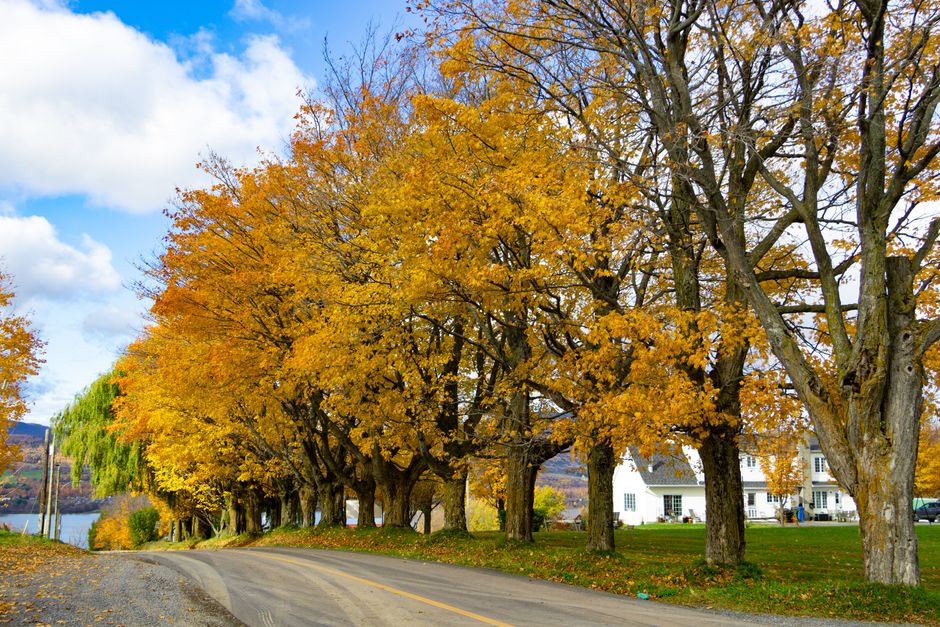
7. The Duck Capital with a Split Personality
Knowlton, Quebec, Canada
Explore a quaint Eastern Townships village famous for its Brome Lake Duck, but also for its fascinating blend of American Loyalist and French-Canadian heritage.
Knowlton, the main village of Lac Brome, is a picturesque community that feels distinctly Anglo-Quebecois. It's renowned for its Brome Lake Duck, a local delicacy, but its charm runs deeper. The architecture reflects a strong Loyalist influence, with Victorian homes and an old general store, contrasting subtly with surrounding French-speaking communities. This cultural mosaic, born from the arrival of Loyalists post-American Revolution, gives Knowlton a unique character, a rich tapestry of two founding cultures.
Frequently asked questions
Do I need a passport to drive from New York to Montreal?
Yes, a valid passport is required for all U.S. and Canadian citizens to cross the international border. Ensure your passport is current and not expired before your trip.
How long does the drive from New York to Montreal take?
The drive typically takes between 6 to 8 hours, depending on your starting point in New York City, traffic, and border crossing wait times. Factor in extra time for scenic stops and potential delays.
What currency should I use in Montreal?
In Montreal, the Canadian Dollar (CAD) is the official currency. While some places might accept U.S. dollars, it's best to use CAD for better exchange rates and smoother transactions. Credit cards are widely accepted.
How can AllTours.ai enhance my road trip?
AllTours.ai acts as your personal AI audio tour guide. Simply point your phone camera at any landmark or landscape along your route, and the app will instantly narrate its history, geology, and culture in your preferred language, revealing the hidden stories of the places you pass.
Related guides
Photography via Pexels. AllTours.ai is an AI audio tour guide — point your camera at any landscape and hear its story.