May 22, 2026 · 4 min read
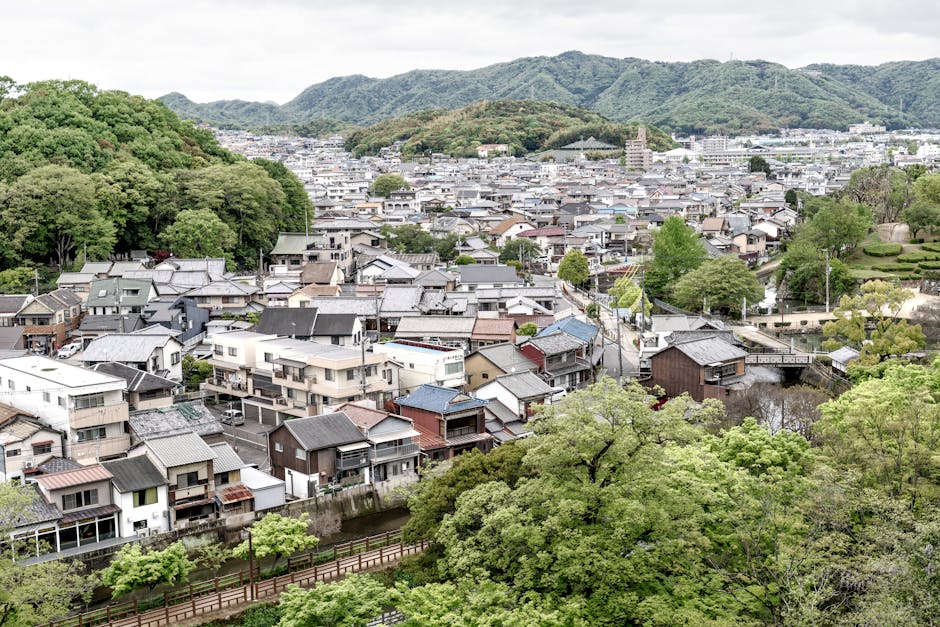
Japan's magnetic pull often draws travelers to its iconic cityscapes and ancient capitals, but a different kind of magic awaits beyond the well-trodden paths. Venture into the lesser-known corners, and you'll find places where history whispers from forgotten temples, where nature carves breathtaking sagas, and where local life unfolds with surprising tales.
These aren't just scenic detours; they are destinations brimming with unique character, each offering a profound glimpse into Japan's diverse past and present. Prepare to have your curiosity sparked by the genuinely underrated places in Japan that redefine the essence of discovery.
1. Hiraizumi: The Golden Capital's Ghost
Hiraizumi, Iwate Prefecture, Japan
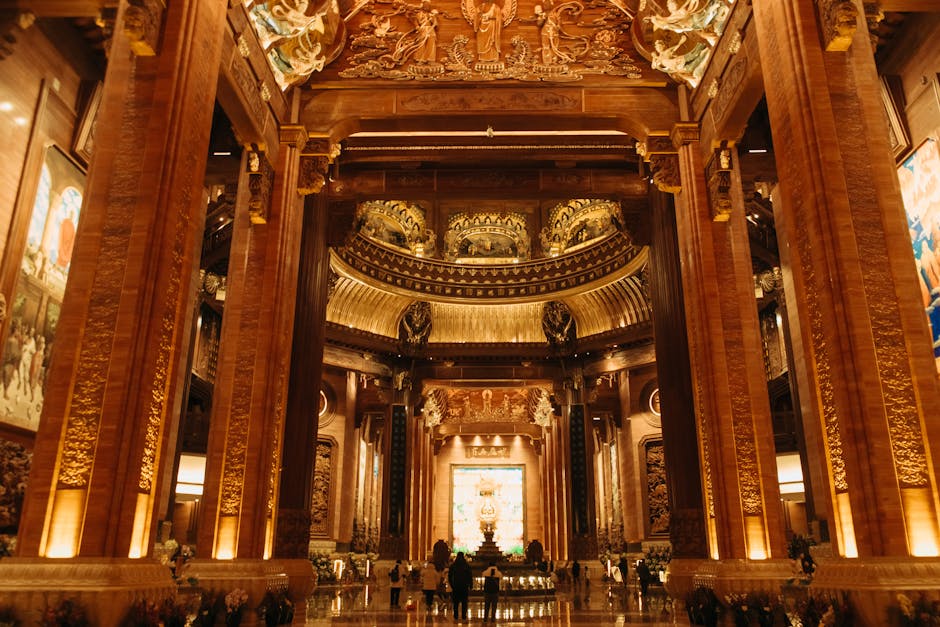
Once a grand capital that rivaled Kyoto, Hiraizumi mysteriously rose and fell, leaving behind a legacy of gold and Pure Land Buddhist art.
In the 12th century, Hiraizumi was the heart of the Oshu Fujiwara clan's domain, a powerful realm that flourished independently from Kyoto. Built on the region's vast gold reserves, it boasted magnificent temples and gardens designed to embody the Pure Land Buddhist paradise on Earth. Its rapid decline after a devastating war left much of its splendor in ruins, yet the exquisite Chūson-ji Temple, particularly its Golden Hall (Konjiki-dō), remains a breathtaking testament to this lost era of prosperity and sophisticated culture.

2. Arita: Birthplace of Japanese Porcelain
Arita, Saga Prefecture, Japan
This quiet town holds the secret to Japan's world-renowned porcelain, discovered by a Korean potter centuries ago.
In the early 17th century, Korean potter Yi Sam-pyeong discovered high-quality kaolin clay in Arita, revolutionizing Japanese ceramics. This discovery led to the birth of Arita ware (Imari ware), which quickly became a prized export, captivating European royalty and shaping global trade. The town's narrow streets are still lined with traditional kilns and workshops, where the legacy of master craftsmanship continues, offering a tangible connection to a pivotal moment in art and industrial history.
3. Magome & Tsumago: Edo-Period Time Capsule
Kiso Valley, Gifu & Nagano Prefectures, Japan
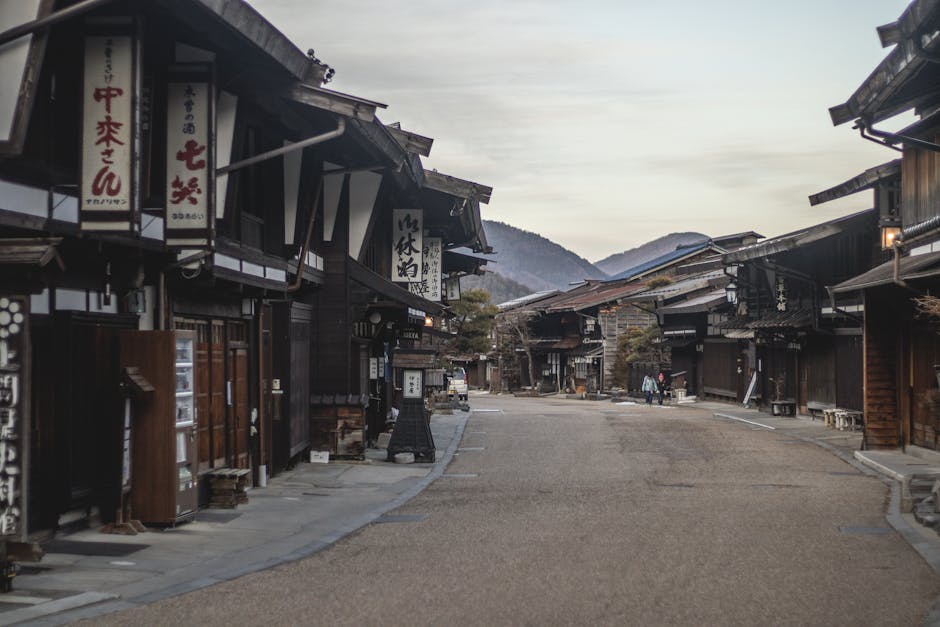
These remarkably preserved post towns on the Nakasendo trail famously chose to reject modernization, offering an authentic glimpse into Edo-period travel.
Magome-juku and Tsumago-juku were vital rest stops for travelers and feudal lords along the Nakasendo, one of Japan's five ancient highways. In the 1960s, rather than succumb to urban development, local residents made a collective decision to painstakingly restore and preserve their wooden inns and shops, forbidding telephone poles and power lines from disrupting the historic aesthetic. Walking the cobblestone paths between these two villages feels like stepping directly into a historical scroll, a testament to a community's shared vision.
4. Koyasan: The Monk in Eternal Meditation
Koyasan, Wakayama Prefecture, Japan
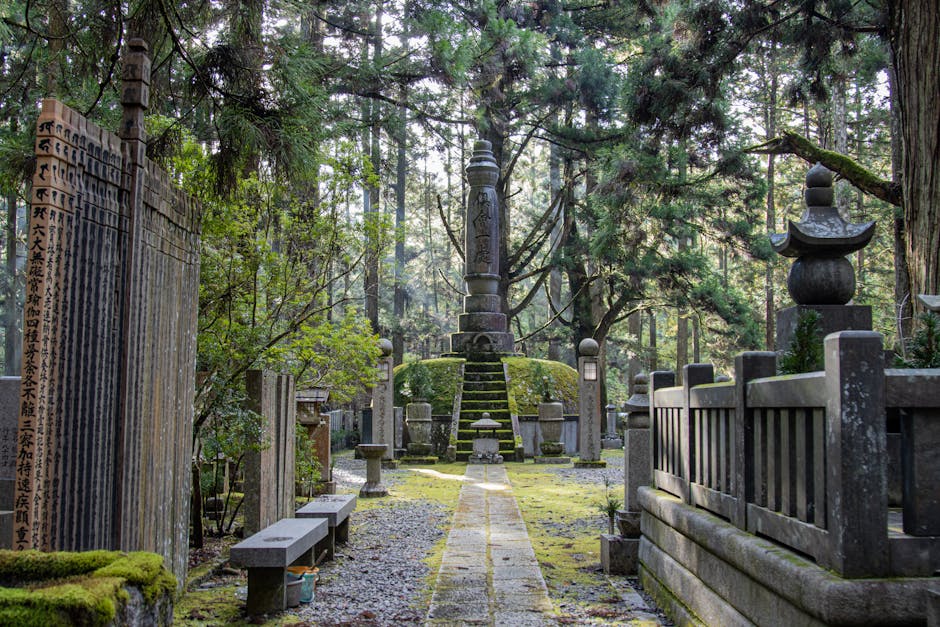
High in the mountains, this sacred site is believed to house a revered Buddhist monk who has been in eternal meditation for over a thousand years.
Koyasan is the spiritual heart of Shingon Buddhism, founded by the monk Kūkai (Kobo Daishi) in 816. At the vast Okunoin cemetery, one of Japan's most sacred places, Kūkai is said to be not dead, but in a state of eternal meditation, awaiting the arrival of the future Buddha. Pilgrims visit his mausoleum, believing he continues to provide salvation. The serene, moss-covered paths winding through ancient cedar trees and countless gravestones create an atmosphere of profound tranquility and deep spiritual mystery.
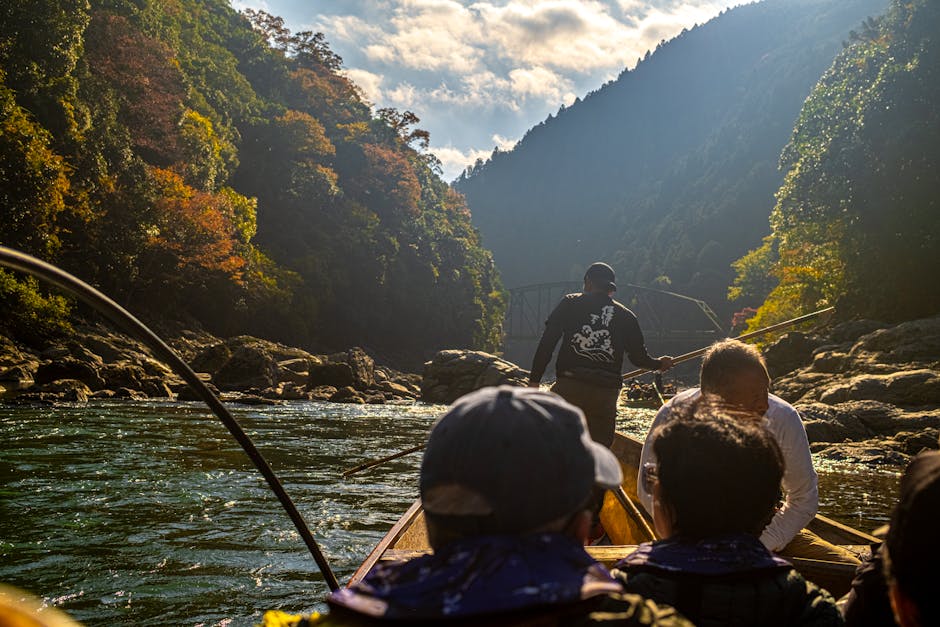
5. Takachiho Gorge: Mythic Land of the Gods
Takachiho, Miyazaki Prefecture, Japan
This dramatic basalt gorge is not just a natural wonder, but also a central stage for ancient Japanese myths, including the legend of the Sun Goddess.
Carved by the Gokase River, Takachiho Gorge features sheer cliffs of volcanic basalt, forming a stunning V-shaped valley. At its heart is the Manai Falls, cascading into the river. More profoundly, Takachiho is interwoven with the earliest Shinto myths, particularly the tale of Amaterasu, the Sun Goddess, who hid in a cave here, plunging the world into darkness. The nightly Kagura dances reenact these ancient stories, making the entire area feel like a living myth, connecting visitors directly to Japan's divine origins.
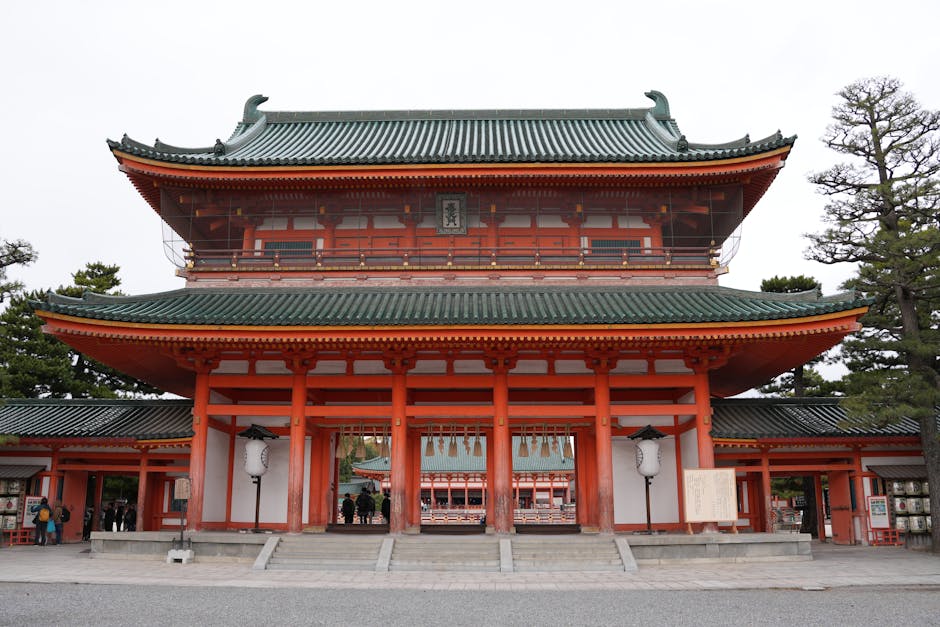
6. Usa Jingū: Imperial Shrine of Intrigue
Usa, Oita Prefecture, Japan
As the head shrine of all Hachiman deities, Usa Jingū boasts unique architecture and a history of nearly usurping imperial power.
Usa Jingū, founded in the 8th century, is one of Japan's most important and oldest Shinto shrines, dedicated to Hachiman, the god of archery and war, and protector of the nation. Its distinctive Hachiman-zukuri architectural style, with two main halls under one roof, is rarely seen elsewhere. Historically, it played a pivotal role in a dramatic incident where a Buddhist monk, Dokyo, attempted to seize the imperial throne based on a fabricated oracle from the shrine, highlighting the profound religious and political power it once wielded.

7. Naoshima: Art Island's Industrial Rebirth
Naoshima, Kagawa Prefecture, Japan
From a polluted industrial island, Naoshima transformed into a world-renowned hub for contemporary art and architecture, a visionary cultural project.
Once an island grappling with industrial pollution and population decline, Naoshima underwent a remarkable transformation initiated by the Benesse Corporation. Through the vision of architect Tadao Ando and various artists, abandoned spaces and natural landscapes were reimagined as venues for groundbreaking art installations. Today, the island is a vibrant tapestry of museums, outdoor sculptures, and art houses integrated into the local community, proving art's power to revitalize and inspire across the Seto Inland Sea.
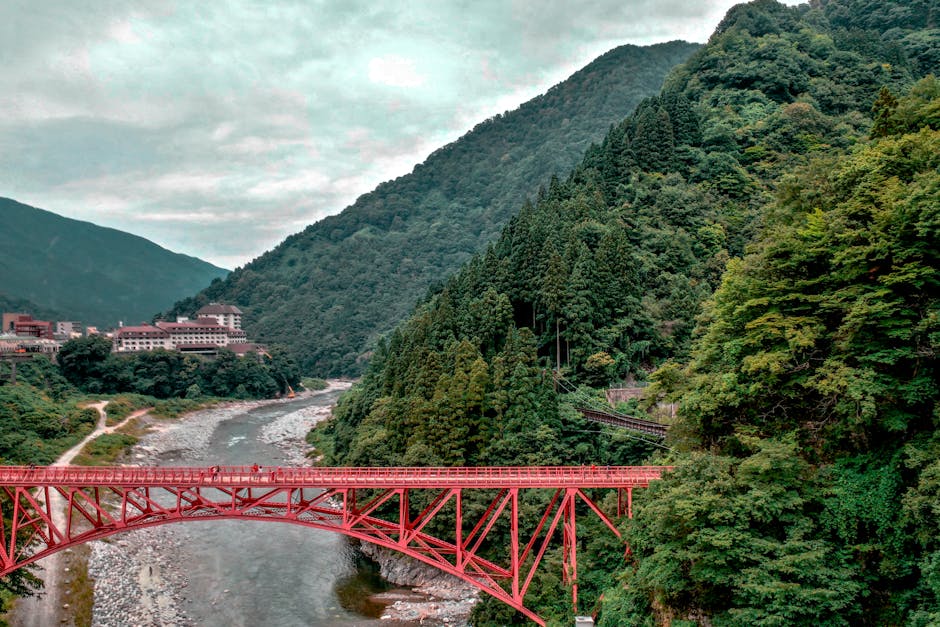
8. Iya Valley: Hidden Realm of Vine Bridges
Iya Valley, Tokushima Prefecture, Japan
Deep in Shikoku's mountains, this remote valley is famous for its precarious vine bridges and a legend of samurai exiles.
The Iya Valley is one of Japan's most secluded and rugged regions, characterized by steep gorges, rushing rivers, and dense forests. Its iconic 'kazurabashi' (vine bridges), hand-woven from mountain vines, once provided the only access across the ravines. Legend has it that the valley became a hiding place for remnants of the defeated Heike clan after the Genpei War, who constructed these bridges to be easily cut down. Today, these thrilling bridges and the valley's profound isolation offer a glimpse into a Japan untouched by the modern world.
Frequently asked questions
What is the best time of year to visit these underrated places in Japan?
Spring (March-May) and Autumn (September-November) generally offer pleasant weather and beautiful scenery, with cherry blossoms in spring and vibrant foliage in autumn. Summer can be hot and humid, while winter brings cold and snow, especially in mountainous regions like Koyasan or the Kiso Valley.
Are these lesser-known destinations difficult to access without a car?
While some remote areas are easier with a car, many of these locations are accessible via Japan's excellent public transport network (trains and buses). Some places, like Magome and Tsumago, are best explored on foot. Researching specific routes in advance is recommended for smooth travel.
What kind of accommodation can I expect in these smaller towns?
You'll find a range of accommodation, often including traditional ryokan (Japanese inns) offering unique hospitality, local guesthouses, and sometimes modern hotels. Staying in a ryokan often includes exquisite local meals and a chance to experience authentic Japanese culture.
How can I learn more about the history and culture of these places while I'm there?
Beyond guidebooks and local signage, the AllTours.ai app is designed for exactly this. Simply point your phone camera at a landmark or landscape, and the app will narrate its history, geology, and culture in your preferred language, providing rich, context-aware insights as you explore.
Self-guided audio tours
Walk these places stop by stop — free five-stop story tours you can take at your own pace:
Photography via Pexels. AllTours.ai is an AI audio tour guide — point your camera at any landscape and hear its story.