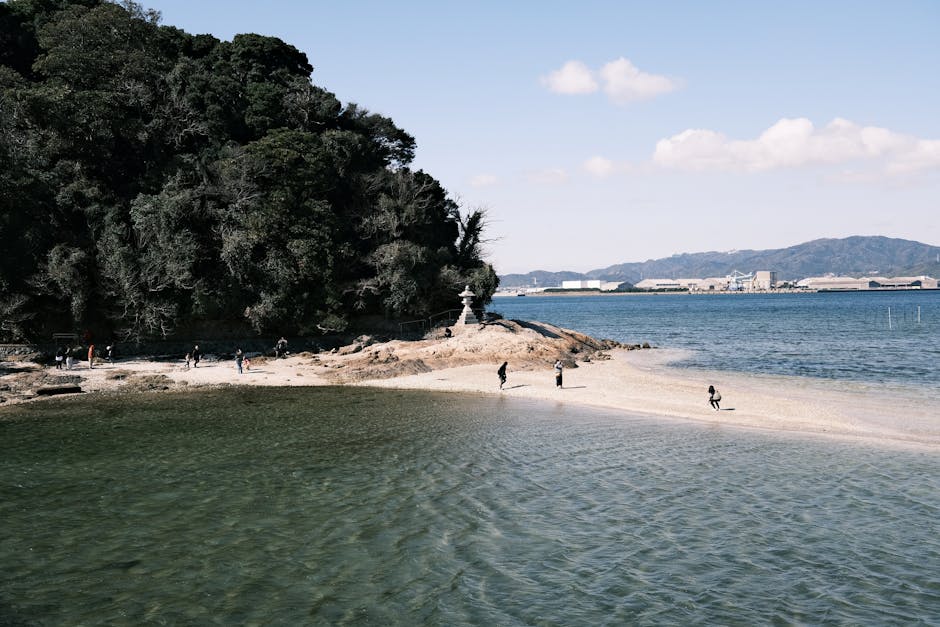
Welcome to Naoshima, Japan's extraordinary "Art Island," a place where the power of art revitalized a landscape. Once an industrial hub facing environmental challenges and population decline, Naoshima embarked on a visionary journey spearheaded by the Benesse Corporation. This transformation reimagined the island's natural beauty and abandoned spaces as canvases for world-class contemporary art.
Our self-guided audio tour invites you to explore this unique destination, where architecture, nature, and art seamlessly converge. From iconic museums designed by Tadao Ando to thought-provoking outdoor sculptures and traditional houses transformed into artistic masterpieces, you'll uncover the stories behind Naoshima's remarkable rebirth and its continuing legacy as a global art destination.
What you'll hear on this tour
Stop 1. Chichu Art Museum
Descend into the earth at the Chichu Art Museum, a masterpiece of subterranean architecture designed by Tadao Ando. Built almost entirely underground, this museum uses natural light to illuminate its permanent collection, creating an ever-changing experience. You'll encounter works by Claude Monet, James Turrell, and Walter De Maria, each presented in custom-designed spaces that encourage deep contemplation. Ando's vision was to reconsider the relationship between nature and humanity, blending art and environment so seamlessly that the building itself becomes a part of the exhibition, a true harmony of form and light.
Stop 2. Benesse House Museum
The Benesse House Museum, designed by Tadao Ando, was the pioneering project that truly launched Naoshima's art transformation. More than just a museum, it's also a hotel, blurring the lines between art, architecture, and nature. Opened in 1992, its core concept is "coexistence of nature, art, and architecture," with artworks not only displayed indoors but also scattered across the surrounding hillsides and beaches. This integration encourages guests and visitors to live with art, fostering a unique dialogue between the natural environment of the Seto Inland Sea and contemporary artistic expression.
Stop 3. Art House Project
Wander through the quaint Honmura district to experience the Art House Project, a unique initiative that transformed abandoned traditional houses into living art installations. Since 1998, artists have revitalized these historic wooden structures, each with its own distinct concept and atmosphere. Explore "Kadoya," a 200-year-old house with an LED art installation, or "Go'o Shrine," featuring a glass staircase connecting underground and sky. This project breathes new life into the local community, preserving Naoshima's heritage while creating immersive, thought-provoking art experiences within its everyday fabric.
Stop 4. Yayoi Kusama's Yellow Pumpkin
No visit to Naoshima is complete without encountering Yayoi Kusama's iconic Yellow Pumpkin. Perched at the end of a pier, overlooking the serene waters of the Seto Inland Sea, this polka-dotted sculpture has become an unofficial emblem of the island. Kusama's vibrant, whimsical designs, often featuring nets and dots, explore themes of infinity and self-obliteration. The pumpkin's bold presence against the natural backdrop creates a playful yet profound dialogue between man-made art and the vastness of nature, inviting contemplation and endless photo opportunities for visitors worldwide.
Stop 5. Lee Ufan Museum
The Lee Ufan Museum is another stunning collaboration between artist Lee Ufan and architect Tadao Ando. Tucked into a quiet valley, the museum consists of three semi-underground, concrete structures that house paintings and sculptures by the Korean artist, a key figure in the Mono-ha art movement. The design emphasizes natural light and the surrounding landscape, creating a contemplative space that complements Ufan's minimalist works. His art often explores the relationship between objects, space, and the act of perception, making the museum itself an integral part of the artistic experience, fostering quiet reflection.
Planning your visit
- Best time to go
- Spring or autumn for pleasant weather and fewer crowds. Early mornings are best to beat the rush at popular museums.
- Approximate duration
- about 4-6 hours, depending on your pace and time spent inside museums.
- Where to start
- Begin your tour at Miyanoura Port, the main ferry terminal. Look for the iconic Red Pumpkin sculpture by Yayoi Kusama right near the port.
Access and conditions change seasonally — check the official site before you go.
Frequently asked questions
How do I get around Naoshima?
Naoshima is a relatively small island, and you can get around by local bus, rental bicycle, or even on foot between some areas. Many visitors enjoy cycling to experience the island's art and nature at a leisurely pace.
Do I need to book museum tickets in advance?
Yes, it is highly recommended to book tickets for major museums like the Chichu Art Museum and Lee Ufan Museum online in advance, especially during peak seasons. Some sites may have limited capacity or specific entry times.
Is Naoshima suitable for a day trip?
While it's possible to visit Naoshima as a day trip, many visitors find that an overnight stay allows for a more relaxed and comprehensive exploration of the island's numerous art sites and beautiful natural surroundings.
Keep exploring
Photography via Pexels. AllTours.ai is an AI audio tour guide — point your camera at any landmark and hear its story.