June 15, 2026 · 4 min read
The journey from Detroit to Montreal is more than just a commute between two vibrant cities; it's an opportunity to traverse a rich tapestry of North American history, geology, and culture. The perennial question for travelers is often: drive or take the train? While train travel offers a relaxing, hands-off experience, the true 'pros' of driving lie in the freedom to explore the unexpected.
Opting for a road trip unlocks a world of lesser-known wonders hidden just off the main highways. Forget the obvious tourist traps; this route is dotted with genuinely surprising places, each with a unique story waiting to be discovered. Here’s a guide to some of the most intriguing stops that make the drive from Detroit to Montreal an adventure in itself.
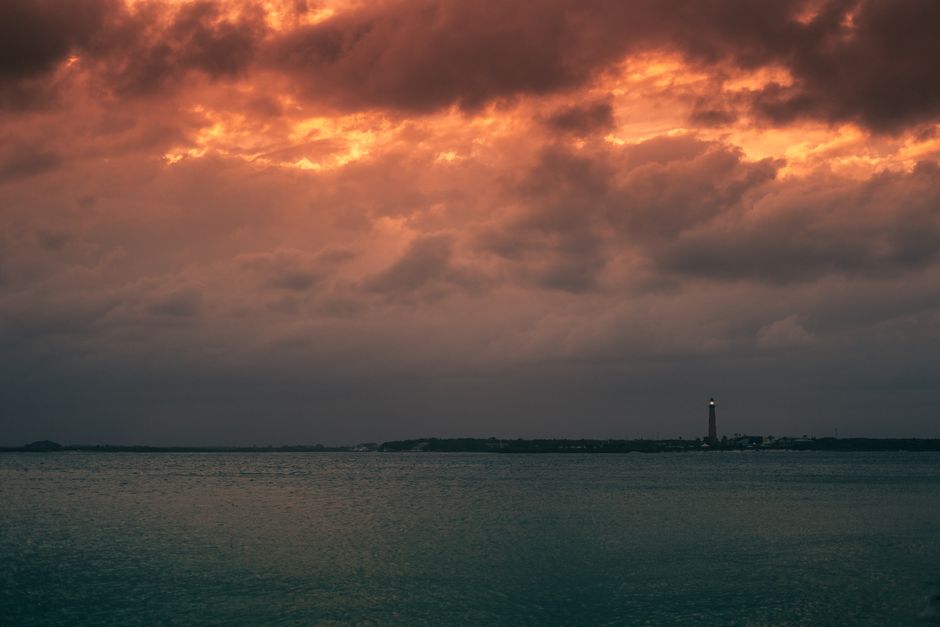
1. Sentinel of Lake Erie's Shores
Marblehead, Ohio, USA
This lighthouse, guarding a treacherous stretch of Lake Erie, holds the distinction of being the oldest continuously operating lighthouse on the Great Lakes.
Built in 1821, its stone tower has guided countless vessels through storms and calm for over two centuries. Unlike many lighthouses of its era, Marblehead has been primarily operated by women for nearly half of its history, a testament to their resilience in an era dominated by male mariners. Its beacon cuts through the notorious 'Lake Erie fog,' a silent protector of shipping lanes, offering a picturesque and historic first stop.
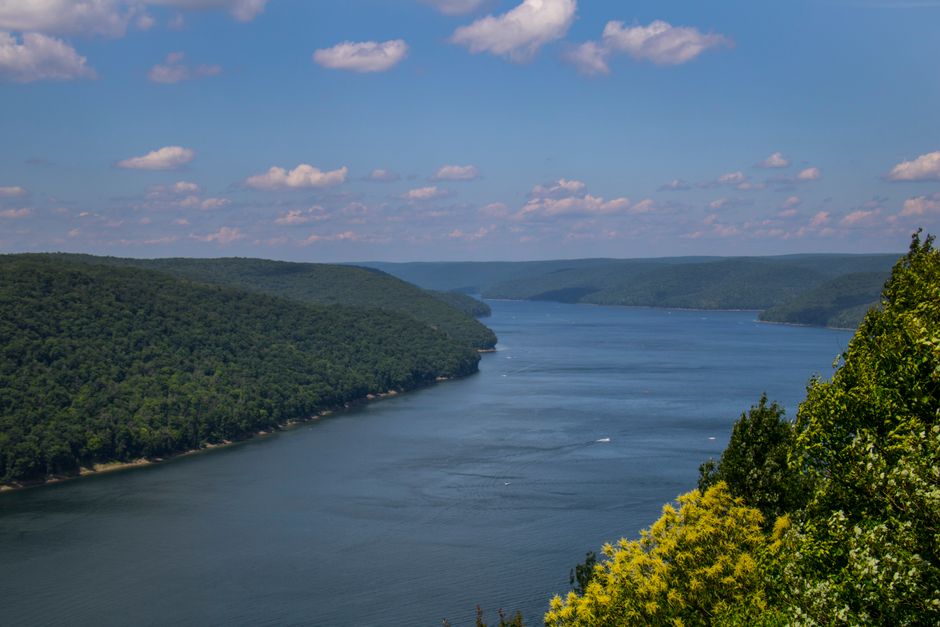
2. The Skywalk to Nowhere
Mount Jewett, Pennsylvania, USA
Once the world's longest and tallest railroad viaduct, a violent tornado transformed a third of this engineering marvel into a dramatic, twisted monument now known as the Kinzua Skywalk.
Completed in 1882, the Kinzua Viaduct was an engineering marvel, spanning a deep valley to transport coal and timber. In 2003, an F1 tornado tore through the valley, ripping apart 11 of its 20 towers, leaving a breathtaking ruin. Today, visitors can walk the remaining section, venturing out onto a glass-bottomed observation deck that offers a dizzying view into the valley where the wreckage still lies, a powerful testament to nature's force.
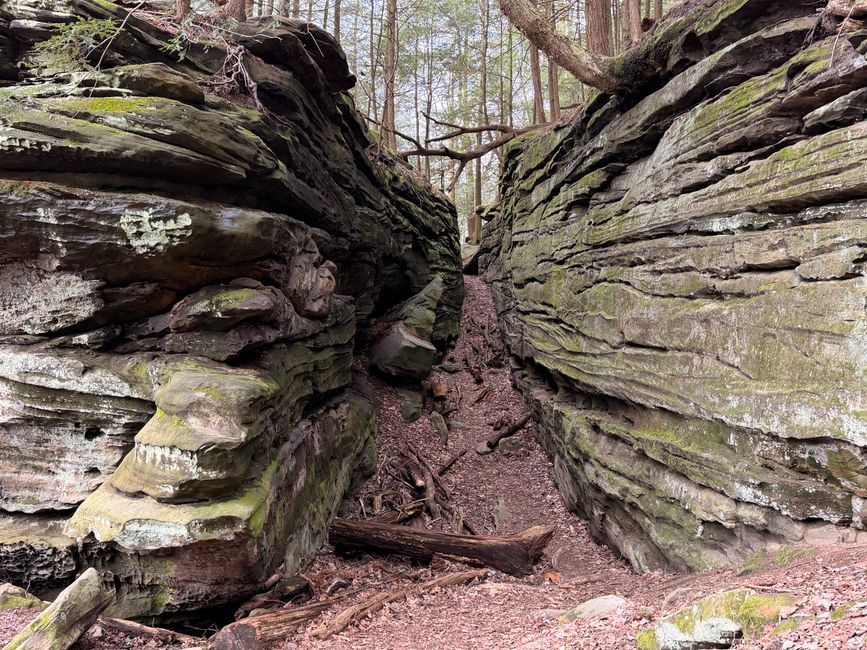
3. Ancient Stone Cities
Salamanca, New York, USA
Within Allegany State Park lies "Thunder Rocks," a natural phenomenon of massive, glacier-carved boulders piled high, revered by the Seneca Nation as a place of spiritual power.
These colossal conglomerate rocks, some as large as houses, were sculpted by retreating glaciers over 10,000 years ago, leaving behind a surreal landscape. The Seneca people, whose ancestral lands include this region, consider places like Thunder Rocks sacred, a testament to the enduring connection between the land and its first inhabitants. Exploring the narrow passages between these giants feels like walking through a forgotten city built by nature, steeped in ancient geological and cultural history.
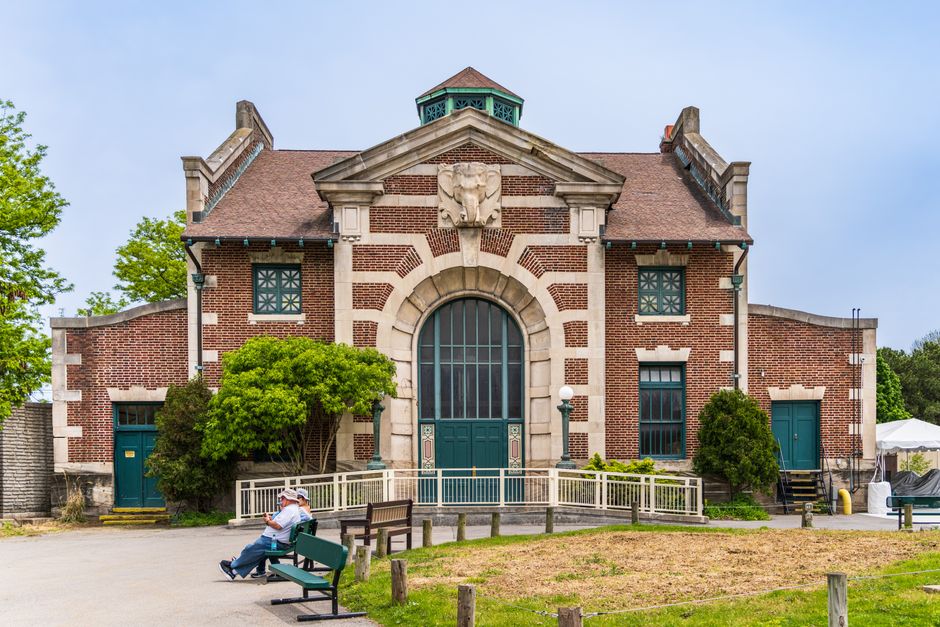
4. The Last Weighlock
Syracuse, New York, USA
This museum is uniquely housed within the only remaining weighlock building of the original 19th-century Erie Canal, where boats were physically lifted and weighed to calculate tolls.
The Erie Canal, completed in 1825, revolutionized trade and westward expansion, transforming New York into the "Empire State." The weighlock system was ingenious: boats floated into a chamber, water was drained, and the boat's weight determined its toll. This specific building, preserved since 1850, offers a tangible link to a pivotal era of American engineering and commerce, allowing visitors to stand where canal boats once rested on massive scales, revealing the forgotten mechanics of an industrial age.
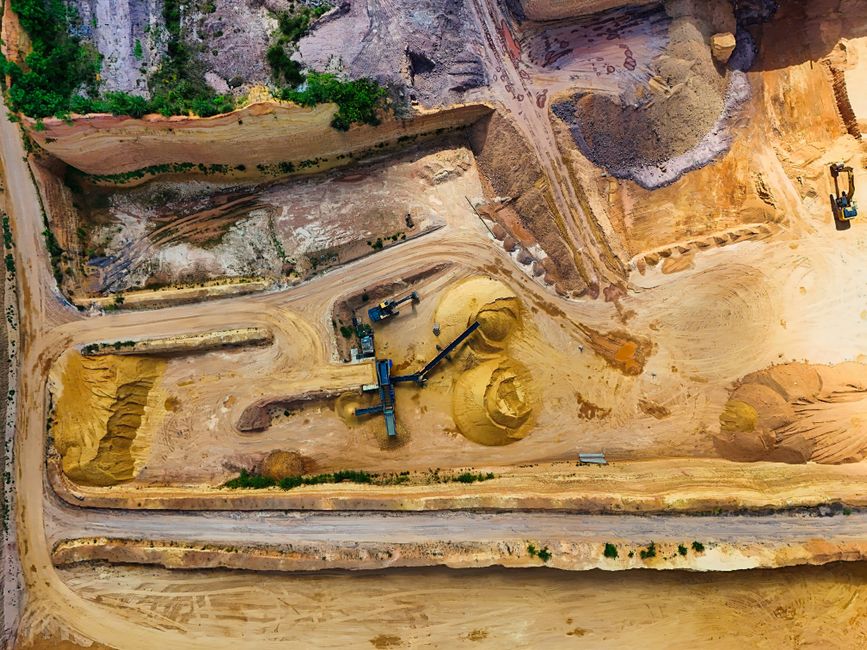
5. Dig Your Own Diamonds
Herkimer, New York, USA
Here, you can unearth "Herkimer Diamonds," doubly terminated quartz crystals formed in ancient dolomite rock millions of years ago, prized for their natural facets and clarity.
Despite their name, these aren't true diamonds but stunning quartz crystals, unique for their 18 natural facets and extreme clarity, often found embedded in exposed rock. Formed in pockets of dolostone during the Cambrian period, approximately 500 million years ago, they are a geological marvel. Visitors can rent tools and try their hand at cracking open rocks to discover these sparkling treasures, directly connecting with the region's deep geological past.
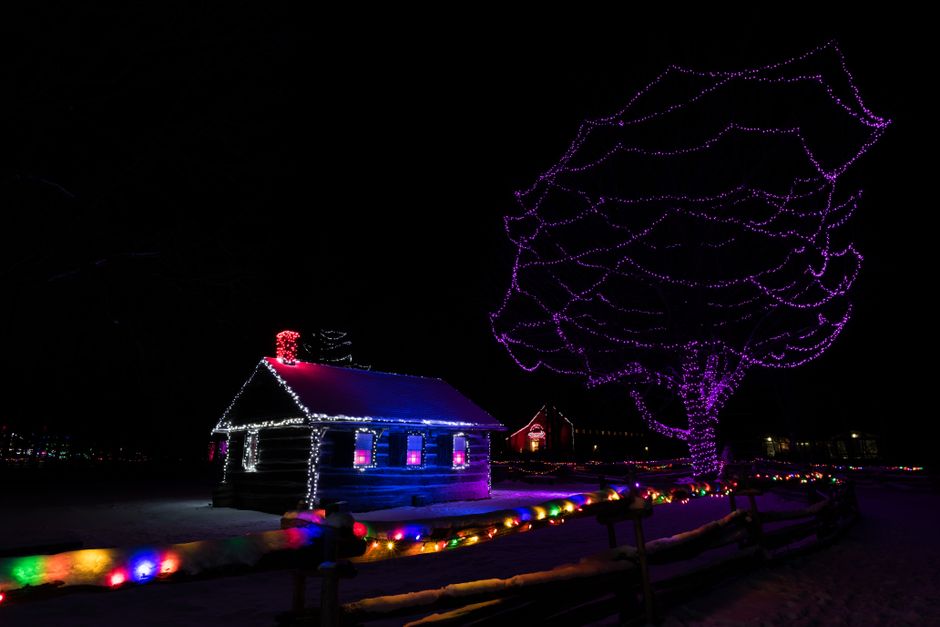
6. A Village Rescued from the Seaway
Morrisburg, Ontario, Canada
This entire living history museum is composed of over 40 historic buildings, meticulously moved and reconstructed brick-by-brick to save them from being submerged by the St. Lawrence Seaway project in the late 1950s.
When the St. Lawrence Seaway and Power Project was undertaken, communities along the river were flooded. To preserve a piece of history, an ambitious project relocated dozens of structures, including homes, mills, and churches, to create Upper Canada Village. It's a vivid snapshot of rural life in 1860s Upper Canada, complete with costumed interpreters, working farms, and trades, providing a direct window into a bygone era that almost vanished beneath the waves.
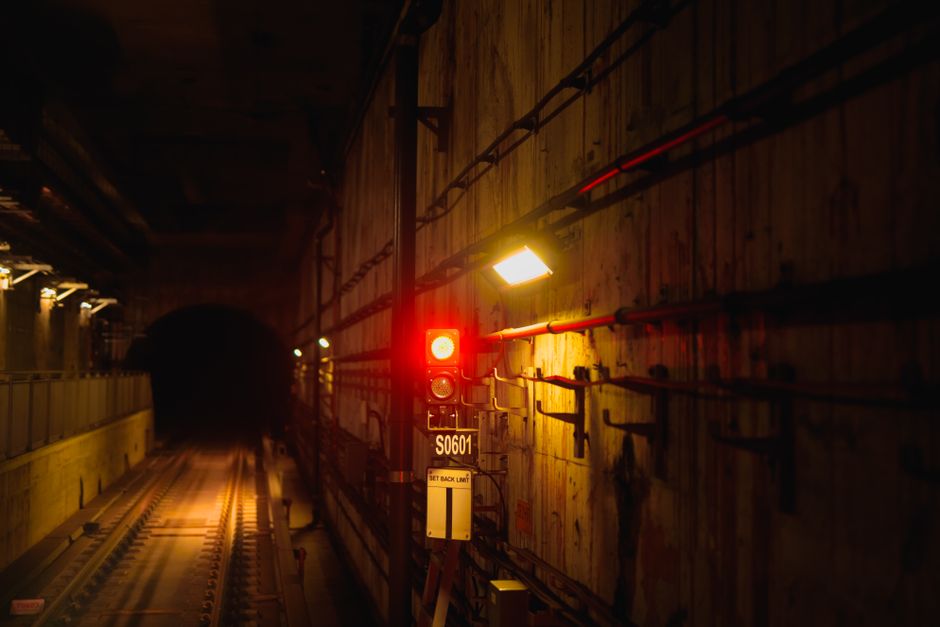
7. Canada's First Underground
Brockville, Ontario, Canada
Step inside Canada's first railway tunnel, an engineering feat completed in 1860, now brilliantly illuminated with colored LED lights and open for pedestrian exploration.
Originally built to connect Brockville's waterfront to the main railway line inland, this 527-meter tunnel was a crucial piece of early Canadian infrastructure. It operated for over a century before falling into disuse. Reopened in 2017 as a unique pedestrian attraction, its damp, cool interior, echoing with history, is now transformed by a dynamic light show that highlights its brick archways and rock-hewn passages, offering a mesmerizing journey into the past.
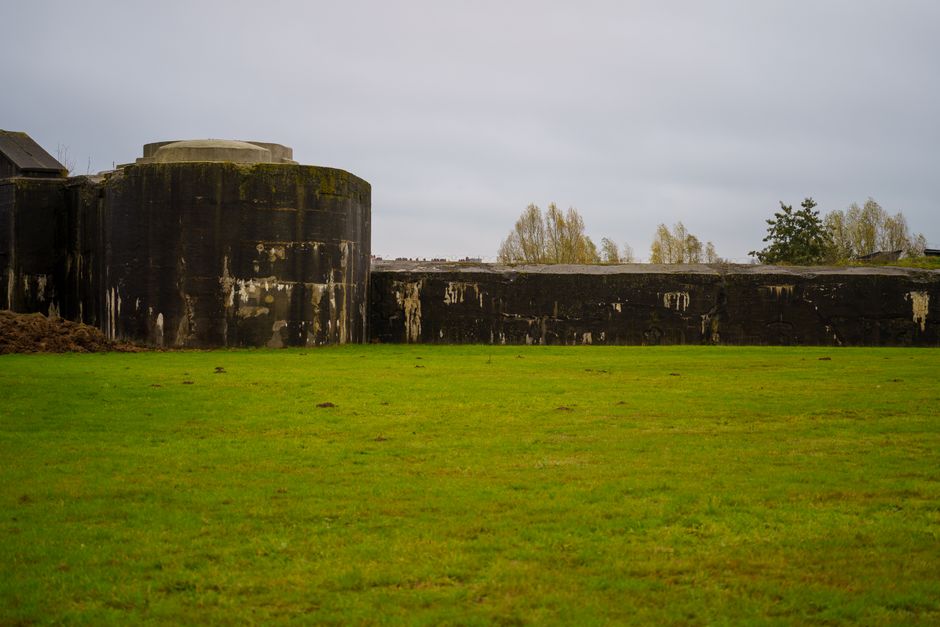
8. An Island Fortress of Peace
Saint-Paul-de-l'Île-aux-Noix, Quebec, Canada
This impressive British stone fort, strategically located on an island in the Richelieu River, was built after the War of 1812 but never saw a single battle, becoming a symbol of lasting peace between Canada and the United States.
Constructed between 1819 and 1829, Fort Lennox was designed to defend against potential American invasions following the War of 1812. However, the anticipated conflict never materialized, and the fort largely served as a garrison. Its remarkably preserved stone walls, barracks, and parade ground offer a pristine example of 19th-century military architecture, standing as a quiet monument to a border that, against all odds, chose peace.
Frequently asked questions
What's the typical driving time and distance from Detroit to Montreal?
The direct driving route is approximately 8-9 hours without significant stops or border delays, covering about 550-600 miles (880-960 km). This calculation assumes taking major highways like I-90 East through New York and then I-87 North into Quebec or crossing into Ontario and taking Canadian highways.
What should I expect when crossing the US-Canada border by car?
You'll need a valid passport. Be prepared for questions about your purpose of visit, duration of stay, and items you're bringing. Declare any alcohol, tobacco, or large sums of money. Peak times, holidays, and specific crossings (like Windsor-Detroit or Buffalo-Fort Erie) can have longer wait times, so check border wait times online before you go.
How does train travel compare in terms of time and cost for this route?
Train travel is typically longer and often more expensive than driving for this specific route. There's no direct train from Detroit to Montreal. You'd likely take Amtrak to New York City or a bus to Windsor, then VIA Rail to Toronto, then another train to Montreal. Total travel time could range from 14-20+ hours, including transfers, compared to 8-9 hours driving.
How does the AllTours.ai app enhance a road trip like this?
AllTours.ai acts as your personal AI tour guide. As you drive, simply point your phone camera at a landmark, a historical marker, or even a unique geological formation. The app instantly recognizes what you're seeing and narrates its fascinating history, local culture, or geological story in your preferred language, bringing the landscape to life beyond what a map or guidebook can offer.
Related guides
Photography via Pexels. AllTours.ai is an AI audio tour guide — point your camera at any landscape and hear its story.