July 9, 2026 · 4 min read
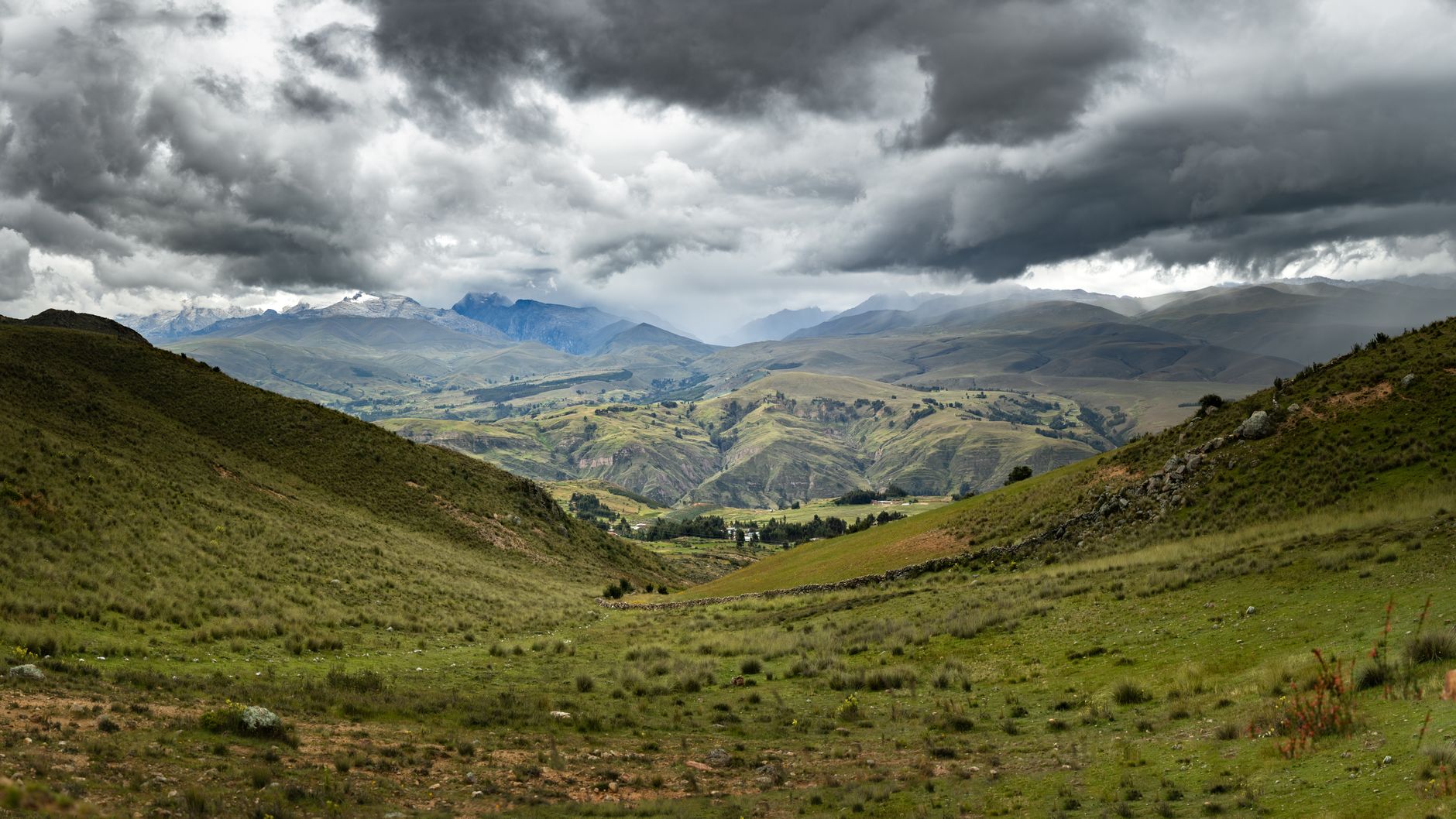
Every meal connects us, but what about the places where those meals are eaten? Beyond the well-worn paths and postcard vistas lie corners of the world so unique, so steeped in untold stories, they redefine what 'travel' truly means. These aren't just destinations; they're living archives of human ingenuity, geological marvels, and cultural resilience.
Forget the usual suspects. This list delves into extraordinary locales that will spark your imagination and make you wonder: what was the last thing you ate today, and what incredible story might be unfolding right where you stand? Prepare to discover places that challenge perceptions and invite a deeper look.
1. The Neolithic Indoor Life
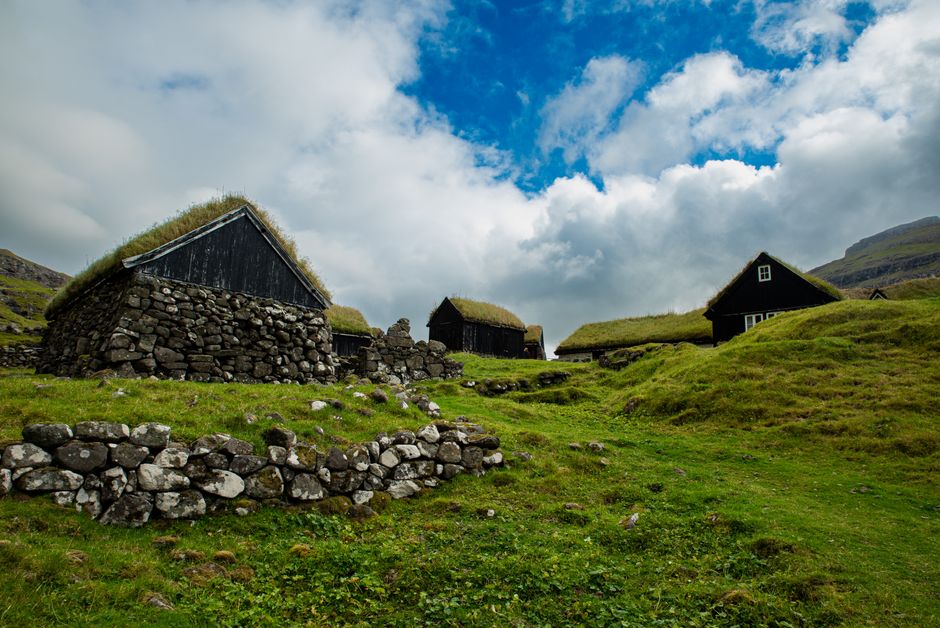
Skara Brae, Orkney, Scotland
This prehistoric village, older than Stonehenge, had stone-built furniture and even an early form of indoor plumbing.
Buried for millennia under sand dunes, Skara Brae emerged after a storm in 1850, revealing an incredibly well-preserved Stone Age settlement. Its inhabitants lived in sophisticated, semi-underground homes featuring stone dressers, beds, and storage boxes. Remarkably, archaeologists found evidence of a drainage system, suggesting a level of comfort and ingenuity far beyond what's often imagined for communities from around 3180 BC.
2. The Underground Opal City
Coober Pedy, Australia
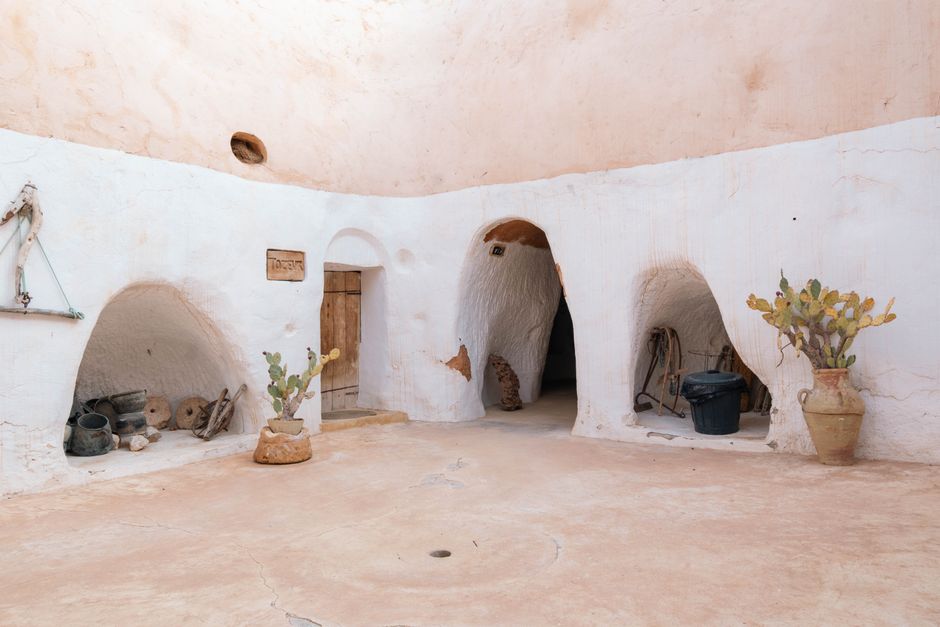
In this remote opal mining town, most residents live beneath the earth in 'dugouts' to escape the scorching desert heat.
Coober Pedy is a town unlike any other, where the harsh outback climate has driven its inhabitants underground. Miners discovered opal here in 1915, and to combat the searing temperatures that can reach over 45°C (113°F), they began carving homes, churches, and even hotels directly into the sandstone hillsides. These 'dugouts' maintain a constant, comfortable temperature year-round, offering a unique glimpse into resilient human adaptation.
3. The Multi-Level Subterranean Refuge
Derinkuyu Underground City, Cappadocia, Turkey
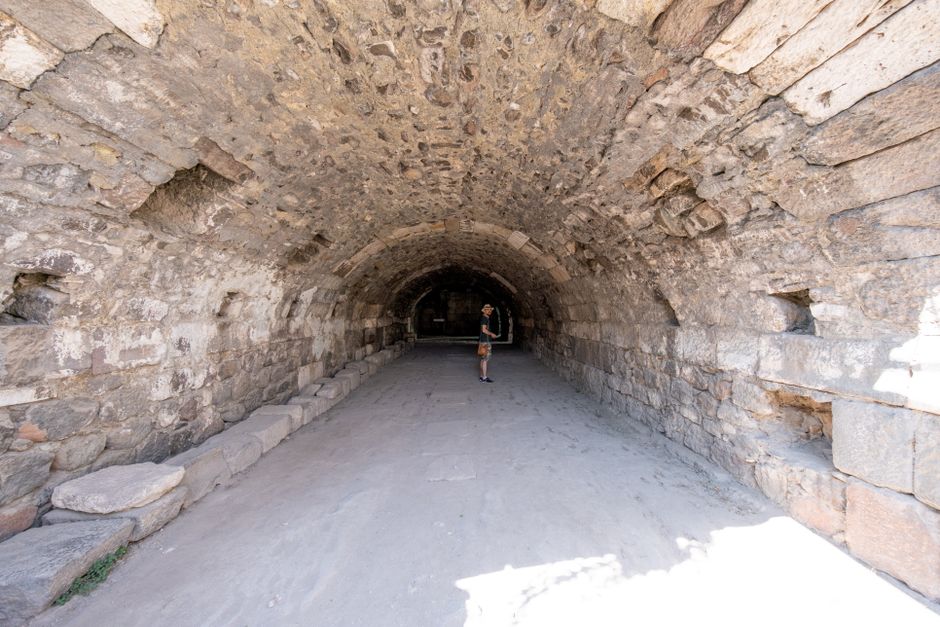
An ancient, multi-level city carved deep into the earth, capable of housing thousands of people, their livestock, and supplies during sieges.
Derinkuyu is the largest excavated underground city in Turkey, extending approximately 85 meters (279 feet) deep and featuring 18 levels. This incredible feat of engineering was meticulously carved by early inhabitants, likely Phrygians and later Byzantine Christians, to protect themselves from invaders. Complete with ventilation shafts, stables, churches, and even wineries, it was a fully functional, self-sufficient world hidden beneath the surface.
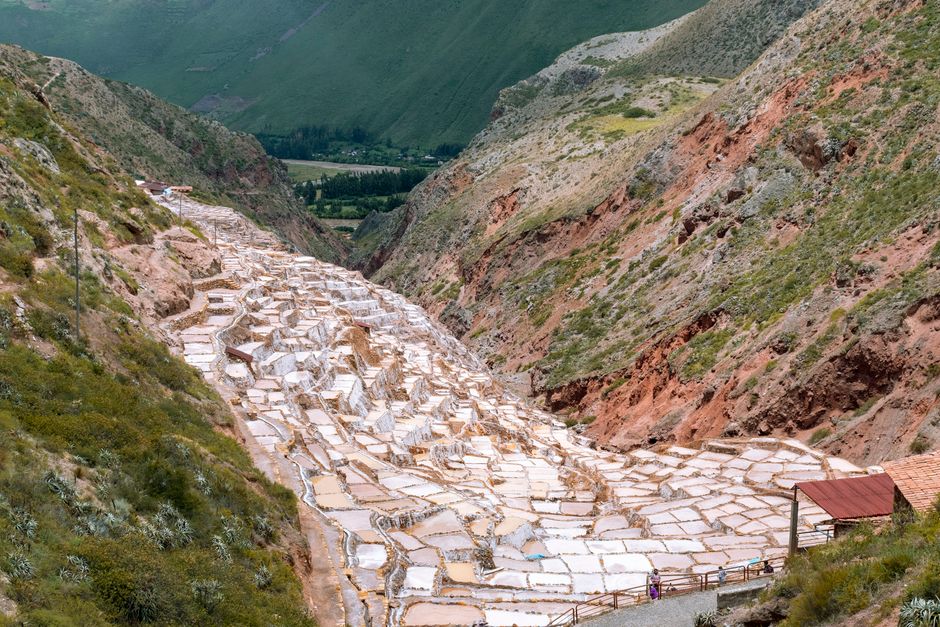
4. The Highest Human Settlement
La Rinconada, Peru
This gold mining town in the Peruvian Andes is the highest permanent human settlement on Earth, perched over 5,000 meters (16,700 feet) above sea level.
Life in La Rinconada is a stark testament to human endurance, driven by the lure of gold. At dizzying altitudes, oxygen levels are halved, and temperatures rarely rise above freezing. The town lacks basic infrastructure like running water or sanitation, and the mining is often unregulated and dangerous. It's a challenging, isolated world where thousands brave extreme conditions daily, highlighting the profound human drive for prosperity.
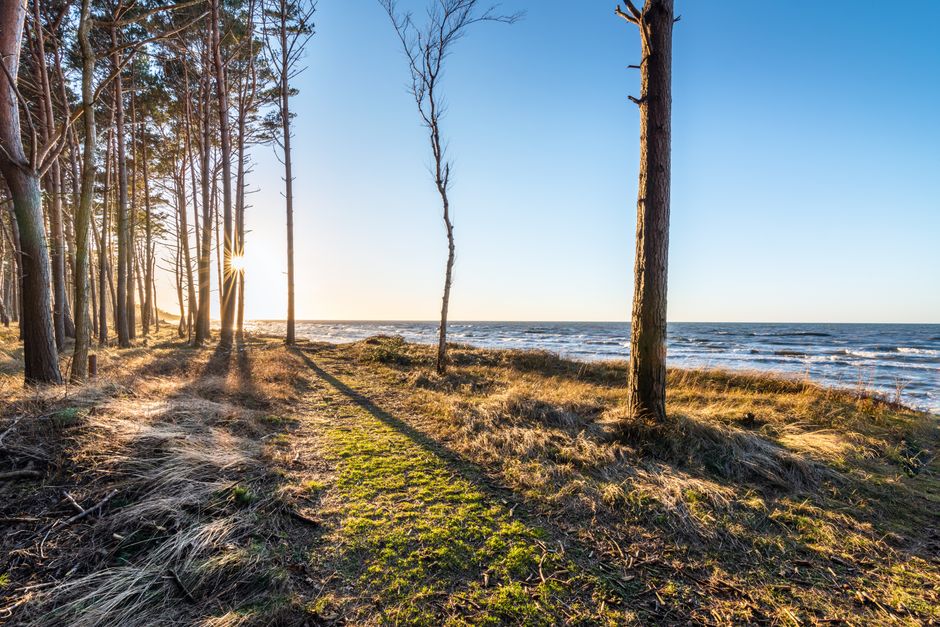
5. The Mystical Crooked Forest
Gryfino, Poland
A grove of approximately 400 pine trees with sharply curved trunks, the cause of which remains an intriguing mystery.
Nestled in Western Pomerania, Poland, the Crooked Forest (Krzywy Las) captivates with its bizarrely shaped trees. Each pine tree bends sharply near its base, forming a 'C' shape before growing upwards. Planted around 1930, various theories attempt to explain the phenomenon, from specific planting techniques or snow damage to a unique local gravitational pull. Its true origin, however, remains one of nature's peculiar unsolved puzzles.
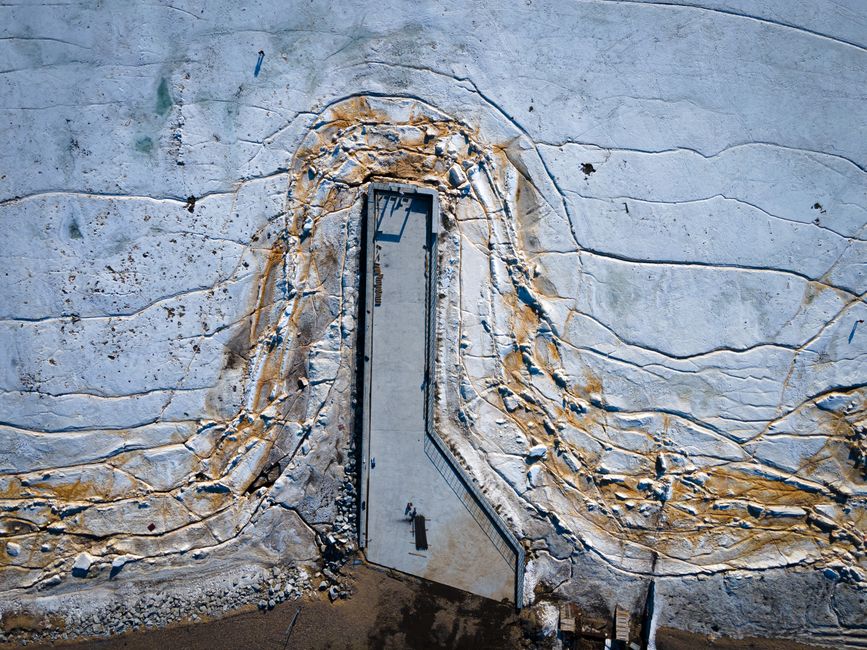
6. The Eye of the Sahara
Richat Structure, Mauritania
A massive, perfectly circular geological formation in the Sahara Desert, visible from space, once thought to be an impact crater but now believed to be a deeply eroded dome.
The Richat Structure, also known as the Eye of the Sahara, spans nearly 50 kilometers (31 miles) across and presents a striking bull's-eye pattern in the otherwise flat desert. Initially, its perfect circularity led many to believe it was a meteorite impact site. Geologists now understand it to be a symmetrical dome of eroded rock layers, exposed over millions of years, offering a spectacular natural window into Earth's geological history.
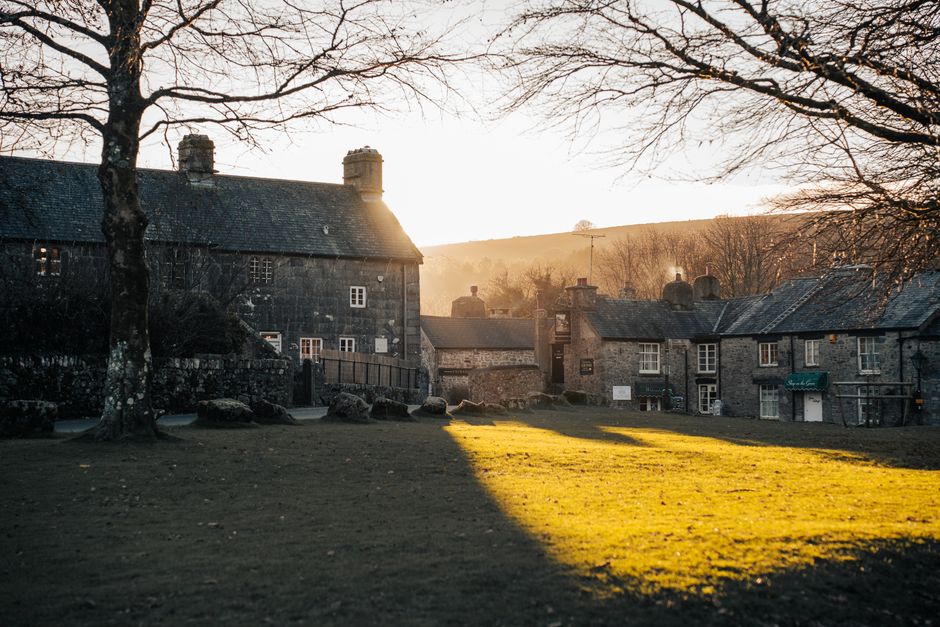
7. The Self-Quarantined Plague Village
Eyam, Derbyshire, England
During the Great Plague of 1665, this entire village voluntarily quarantined itself to prevent the disease from spreading further into England.
The story of Eyam is one of profound self-sacrifice. When the bubonic plague arrived in a parcel of cloth from London, the villagers, led by their rector, made the extraordinary decision to cut themselves off from the outside world. This courageous act saved countless lives in neighboring communities but led to the death of a significant portion of Eyam's population. Today, the village stands as a poignant memorial to their bravery and collective spirit.
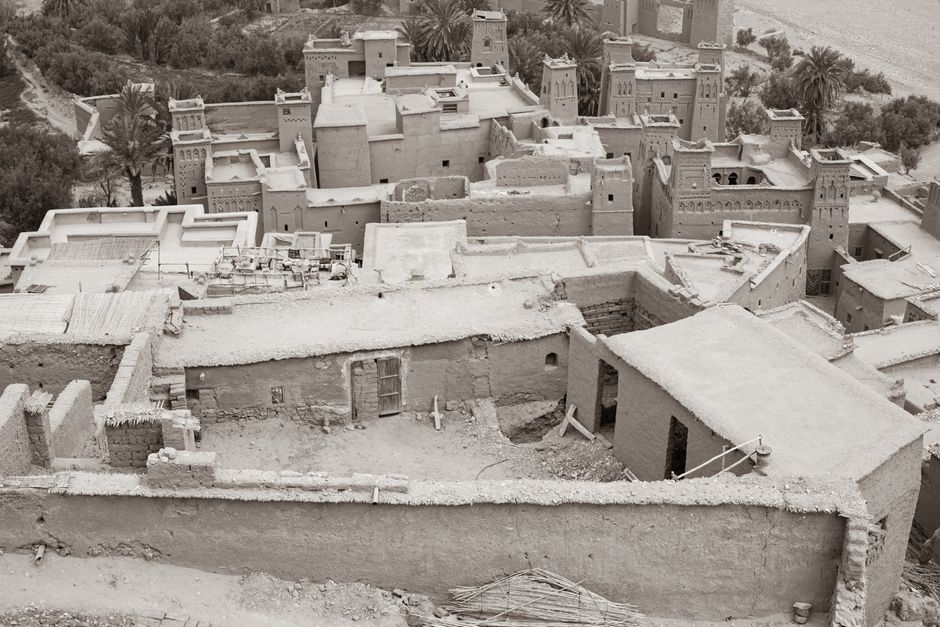
8. The Manhattan of the Desert
Shibam, Yemen
An ancient walled city renowned for its distinctive mud-brick skyscrapers, built to protect its inhabitants from floods and tribal raids.
Shibam, often called the 'Manhattan of the Desert,' is a UNESCO World Heritage site that has stood for centuries as a marvel of early urban planning. Its unique high-rise buildings, some reaching seven stories, are constructed entirely from sun-dried mud bricks. This architectural style developed to provide both defense and flood protection, creating a dense, vertical city in the middle of a desert wadi, a testament to ancient Yemeni ingenuity.
Frequently asked questions
What makes a place 'underrated' for travel?
An underrated place is often overlooked by mainstream tourism, despite offering rich historical, cultural, or natural significance. These spots provide more authentic experiences, fewer crowds, and a chance to discover genuinely unique stories that aren't widely publicized.
How can I find truly unique local experiences when traveling?
To find unique local experiences, venture beyond major tourist hubs. Engage with locals, seek out community events, visit smaller museums or historical sites, and explore local markets. Reading niche travel blogs or local publications can also uncover hidden gems.
Are these lesser-known destinations safe to visit?
Safety varies by location. Before traveling to any lesser-known destination, research current travel advisories, local customs, and any specific precautions. Many unique places are perfectly safe, but it's always wise to be informed and exercise standard travel safety practices.
How can AllTours.ai help me explore these places?
AllTours.ai enhances your exploration by turning your phone into an AI audio tour guide. Simply point your camera at any landscape or landmark, and the app will instantly narrate its history, geology, and culture in your preferred language, providing deep context to even the most obscure wonders.
Related guides
Photography via Pexels. AllTours.ai is an AI audio tour guide — point your camera at any landscape and hear its story.