June 16, 2026 · 4 min read
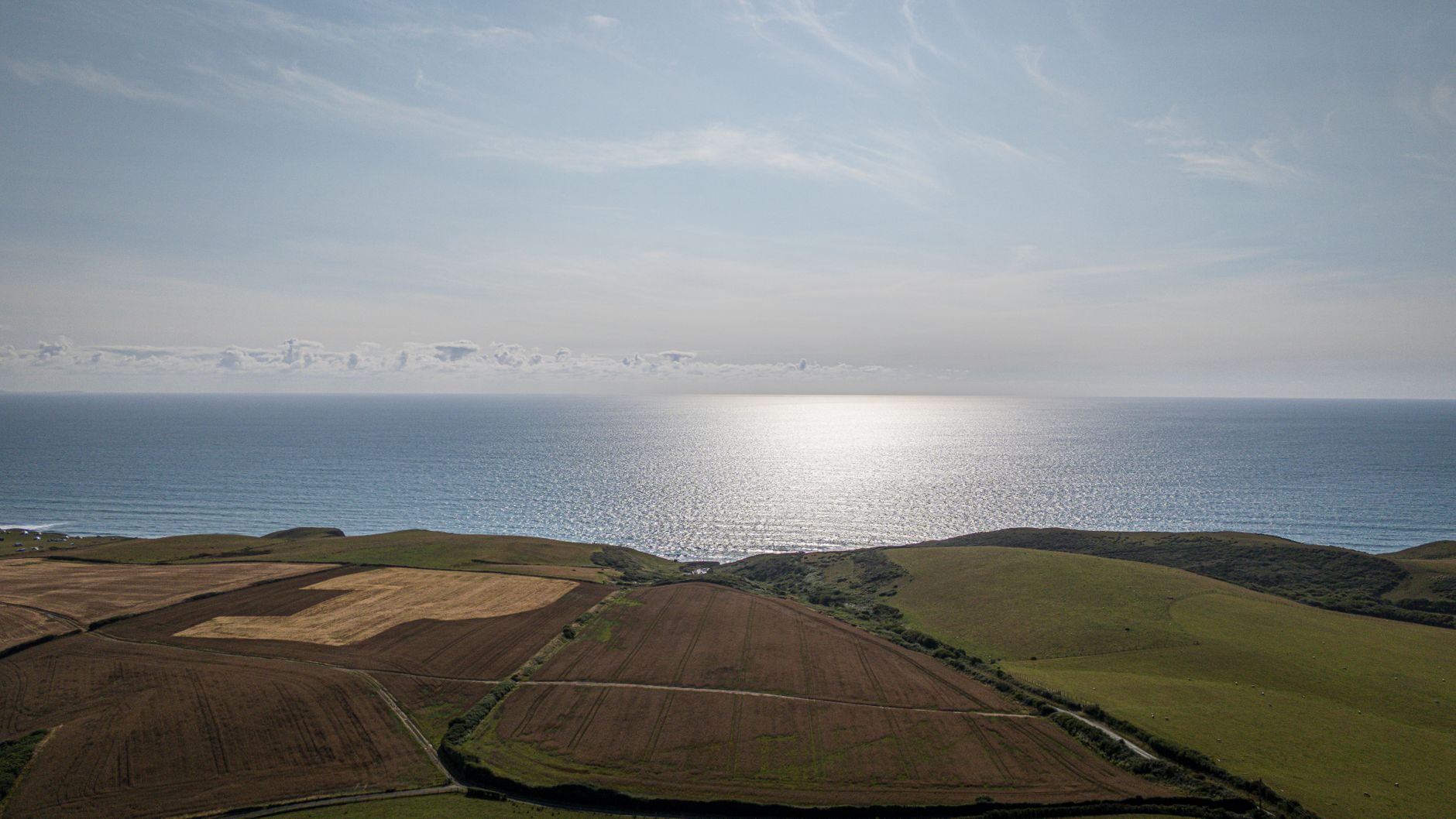
The UK has a reputation for rain, and sometimes, it feels like a never-ending drizzle. But don't let the stereotypes fool you. Beyond the well-trodden paths and typical wet spots, there are corners of this island nation that defy expectations, offering sunnier microclimates, dramatic skies, or simply unique landscapes that shine, rain or not.
If you're looking to escape the continuous downpour and discover genuinely fascinating places, our guide highlights underrated locations across the UK. These aren't just places with less rain; they're spots rich in untold stories, geological wonders, and cultural quirks that promise a memorable adventure.
1. The Seafaring Secrets of Staithes
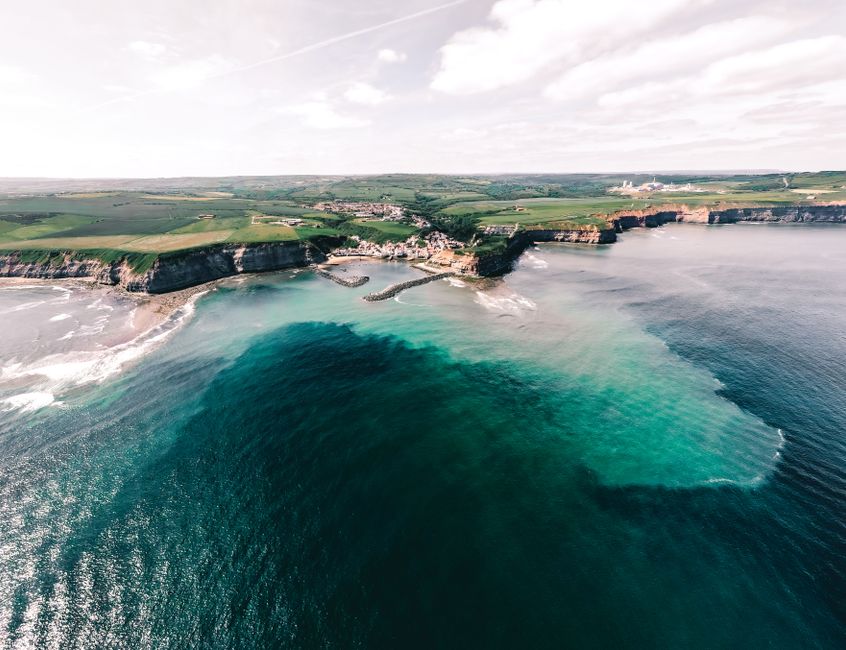
Staithes, North Yorkshire, England
This charming fishing village was where Captain James Cook first began his life at sea, not as a sailor, but as a grocer's apprentice.
Staithes, a huddle of cottages clinging to the cliffs of the North Yorkshire coast, offers narrow, winding streets and a sheltered harbour. It's often drier than the inland Dales, catching less of the prevailing westerly rain. Before he charted the world, a young James Cook spent time here, working in a shop before the call of the ocean proved too strong, shaping the course of global exploration.
2. The Vast, Drained Lands of the Fens
The Fens, Cambridgeshire, England
This remarkably flat landscape, now a fertile agricultural region, was once a treacherous wetland where a legendary Anglo-Saxon rebel, Hereward the Wake, defied William the Conqueror.
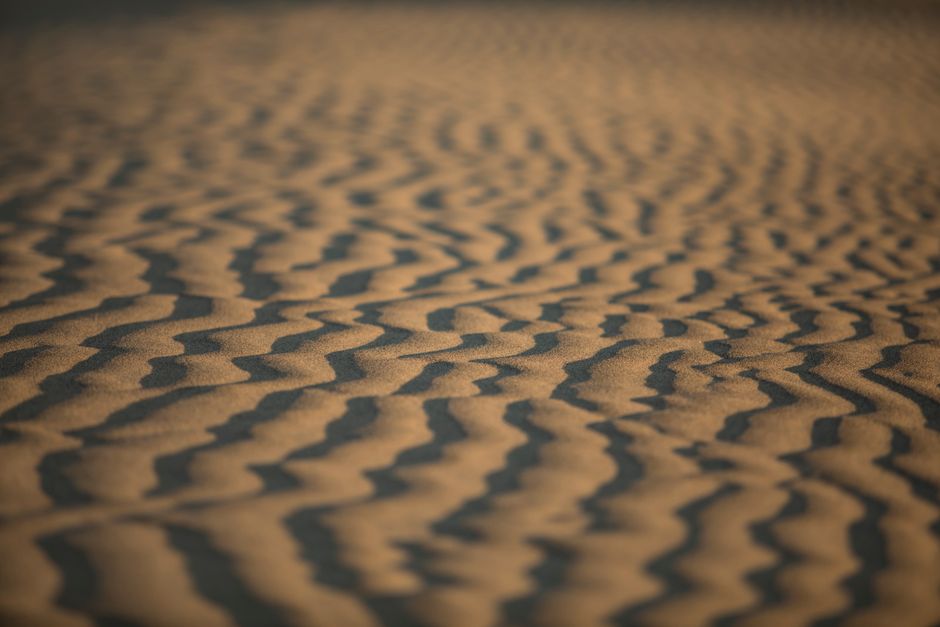
The Fens, stretching across eastern England, is one of the driest regions in the UK, famed for its enormous, open skies. For centuries, it was a wild, watery expanse, a natural fortress. It was here, amidst the reeds and waterways, that Hereward the Wake launched his guerrilla campaign against the Norman invaders, becoming a symbol of English resistance long after the conquest.
3. Chalk Stacks and Smugglers at Botany Bay
Botany Bay, Kent, England
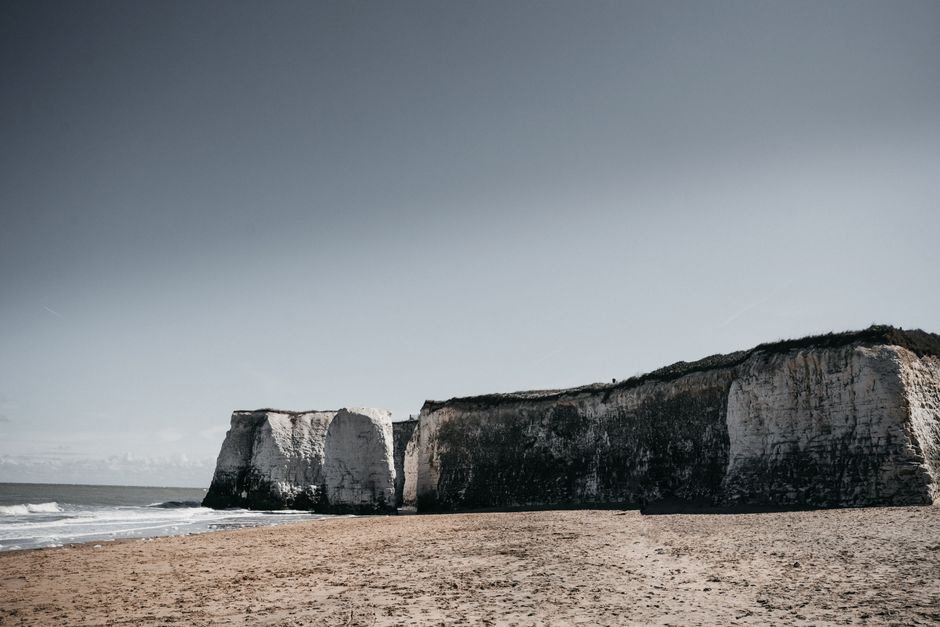
Beneath the famous chalk stacks and arches of this picturesque bay lie hidden caves, once used by notorious smugglers to stash their illicit goods.
Located on the Isle of Thanet, Kent, Botany Bay is often blessed with more sunshine hours than other parts of the UK, thanks to its easterly position. Its dramatic white cliffs and chalk stacks are a photographer's dream. But centuries ago, these natural formations provided perfect cover for gangs of smugglers, who carved out secret passages and hideouts in the soft chalk, evading customs officers under the cover of darkness.
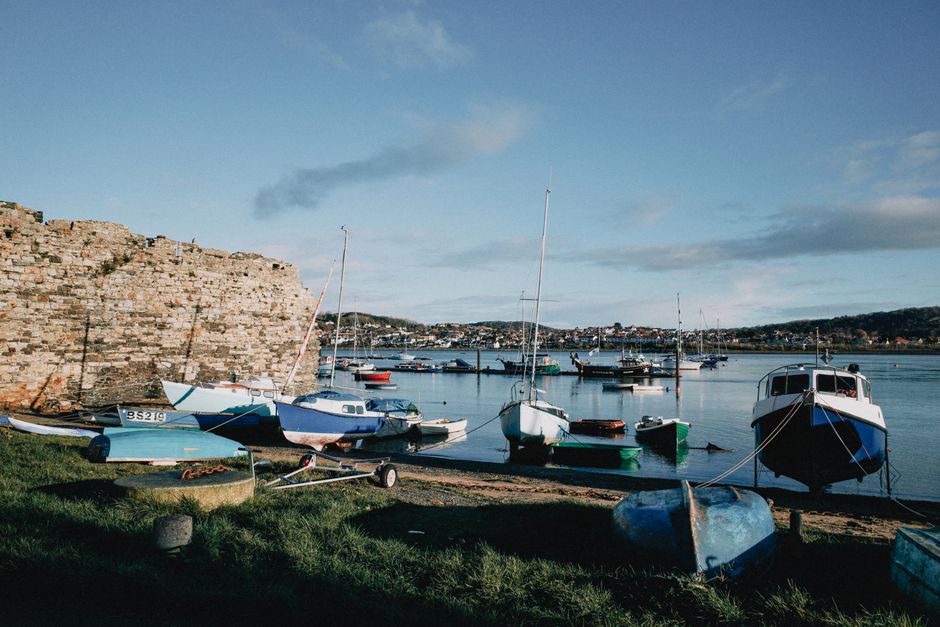
4. Crail's Ancient Fishing Market
Crail, Fife, Scotland
In this charming East Neuk village, the ancient market cross, usually a site for proclamations, once served a more practical purpose: a display stand for freshly caught fish.
Crail, a jewel in Scotland's East Neuk of Fife, enjoys a microclimate that can often be significantly drier and sunnier than the country's west coast. Its historic harbour and cobbled streets evoke a timeless feel. The unique tradition of using the market cross to display the day's catch highlights the deep connection this community has always had with the sea and its bounty.
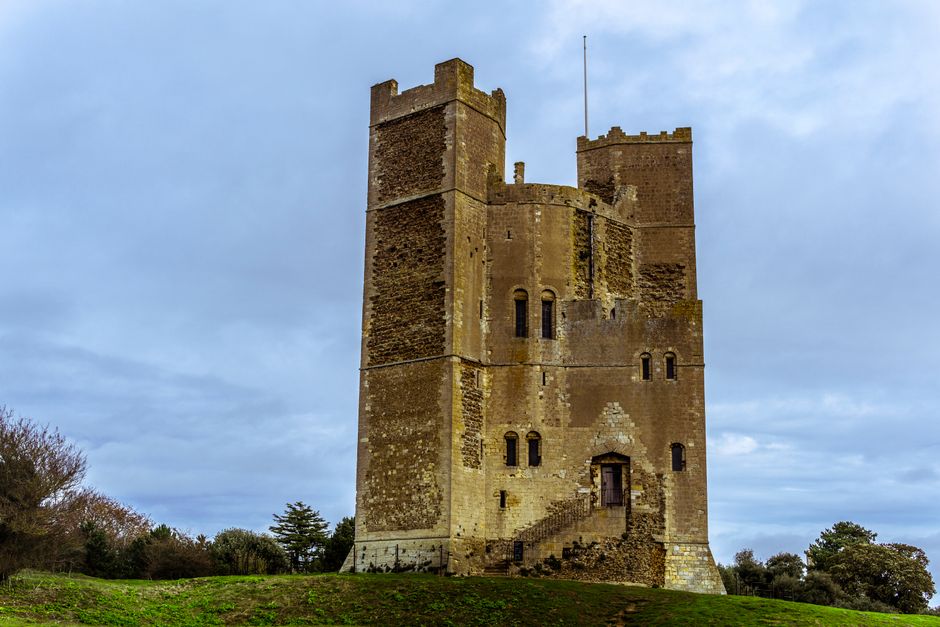
5. Orford Ness's Cold War Secrets
Orford Ness, Suffolk, England
This remote shingle spit, now a nature reserve, was once a top-secret testing site for atomic bomb triggers and advanced radar during the Cold War.
Orford Ness on the Suffolk coast is a landscape unlike any other, often experiencing less rainfall than inland areas. Its desolate beauty hides a fascinating and unnerving past. For decades, it was a restricted military zone, where scientists conducted covert experiments, shaping the future of defence technology. Today, its decaying pagodas and testing labs stand as haunting monuments to a bygone era of global tension.
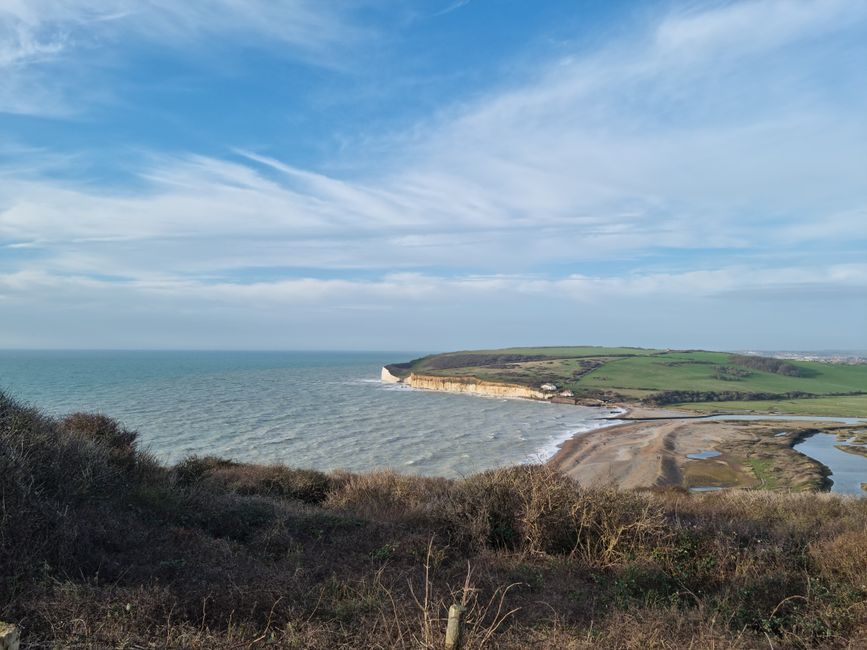
6. Cuckmere Haven's Wartime Role
Cuckmere Haven, East Sussex, England
This iconic meander of the Cuckmere River, framed by the Seven Sisters cliffs, served as a crucial training ground for D-Day landing rehearsals during World War II.
Cuckmere Haven, nestled within the South Downs National Park, frequently enjoys sunnier, drier conditions than regions further west, benefiting from its coastal aspect. Its dramatic natural beauty, with the river snaking to the sea, is instantly recognizable. During WWII, the quiet beach and cliffs became a hive of secret activity, as Allied forces practiced amphibious landings and coastal assaults, preparing for the pivotal invasion of Normandy.
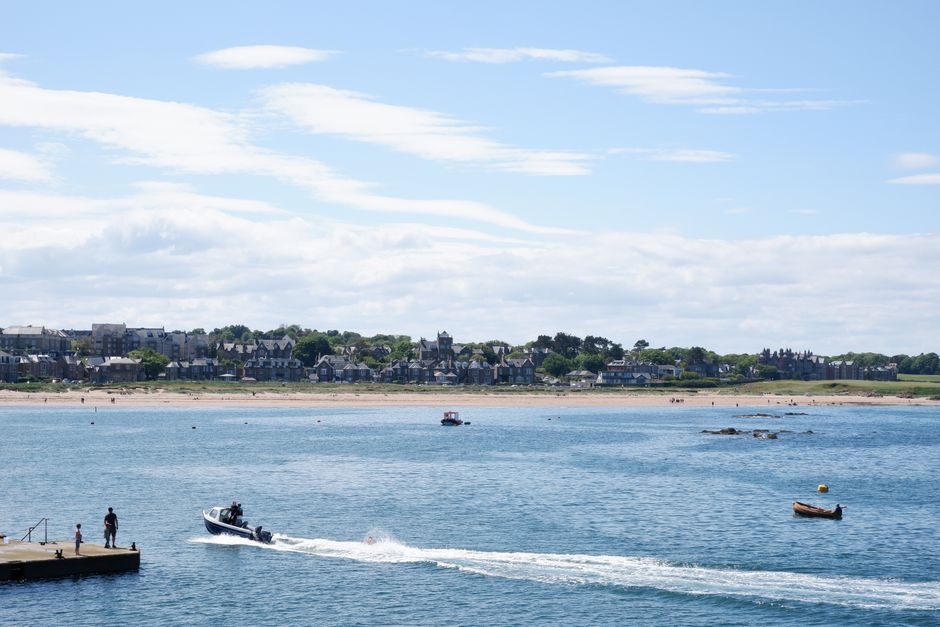
7. The Anglo-Scottish Border Town of Berwick
Berwick-upon-Tweed, Northumberland, England
Berwick-upon-Tweed, an English town just south of Scotland, was technically at war with Russia for 112 years due to a forgotten declaration.
Positioned on England's drier east coast, Berwick-upon-Tweed boasts impressive Elizabethan walls and a turbulent history. It famously changed hands between England and Scotland 13 times before finally settling as English. Its most unusual historical footnote, however, involves the Crimean War: when peace was declared, Berwick was omitted from the treaty, leading to its unofficial, protracted state of war with Russia until a formal declaration was made in 1966.
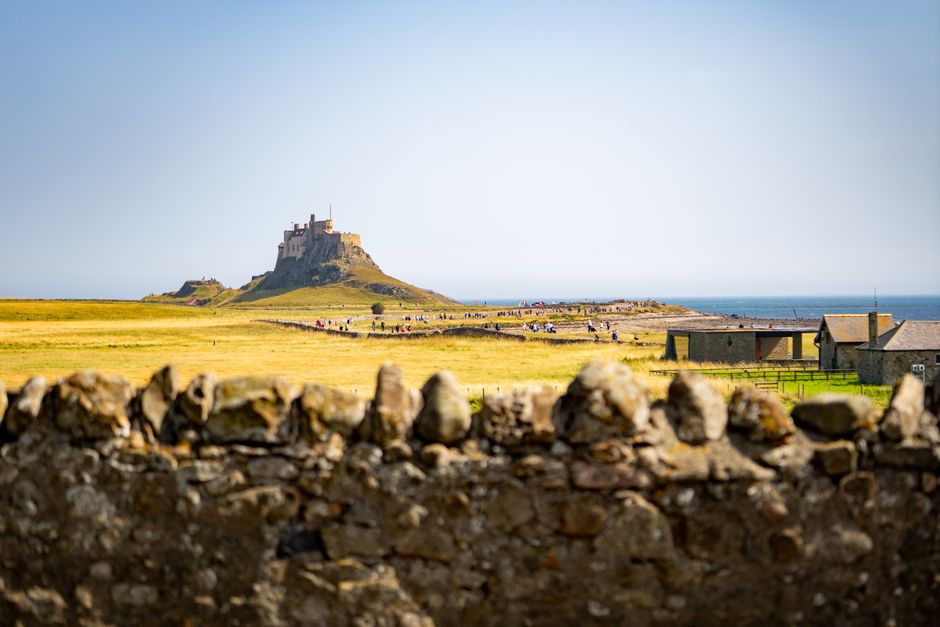
8. Lindisfarne: Island of Saints and Vikings
Holy Island of Lindisfarne, Northumberland, England
This tidal island, accessible by causeway only at low tide, was the site of the first recorded Viking raid on England, forever changing its history.
Lindisfarne, or Holy Island, offers a unique coastal climate and a profound sense of history. Its isolation, dictated by the tides, made it a spiritual haven for early Christianity in England. However, this very isolation also made it vulnerable. In 793 AD, Viking longships descended, sacking the monastery and ushering in an era of Norse raids that would reshape the British Isles.
Frequently asked questions
Which part of the UK gets the least rain?
Generally, the eastern and southeastern parts of England, particularly areas like Essex, Suffolk, and Cambridgeshire (including The Fens), tend to receive the lowest average annual rainfall. Coastal areas can also experience drier microclimates.
Are there any 'rain shadow' areas in the UK?
Yes, the 'rain shadow' effect is prominent in parts of the UK. For example, the eastern side of the Pennines in northern England, or the eastern coasts of Scotland, often receive less rain because the prevailing westerly winds drop most of their moisture on the western, windward slopes of the mountains.
What kind of weather can I expect in the UK's drier regions?
Even in drier regions, UK weather can be unpredictable. While these areas generally see less rainfall, they can still experience all four seasons. Expect more sunshine hours and fewer wet days on average, but always be prepared for changing conditions, especially outside of summer.
How can AllTours.ai help me explore these places?
AllTours.ai enhances your exploration by providing instant audio tours. Simply point your phone camera at a landmark, a historical ruin, or a unique geological feature, and the app will narrate its history, cultural significance, and fascinating facts directly into your language, turning every view into a rich story.
Related guides
Photography via Pexels. AllTours.ai is an AI audio tour guide — point your camera at any landscape and hear its story.