May 25, 2026 · 5 min read
Scotland's allure often lies in its grand castles and bustling cities, but beyond the well-trodden paths lies a world of profound wonder. For those eager to delve deeper, to feel the whisper of history in genuinely remote corners, the country unfurls a tapestry of hidden gems. These are places where ancient legends intertwine with tangible history, where the wild landscape tells stories millennia old.
From islands shaped by geological marvels to forgotten fortresses and mysterious stone circles, each location offers a unique glimpse into Scotland's soul. Prepare to uncover narratives of resilience, innovation, and a deep connection to the land that shaped the lives of its inhabitants. These off-the-trail destinations promise discoveries that will spark your imagination and deepen your appreciation for this ancient land.
1. The Valley of Standing Stones
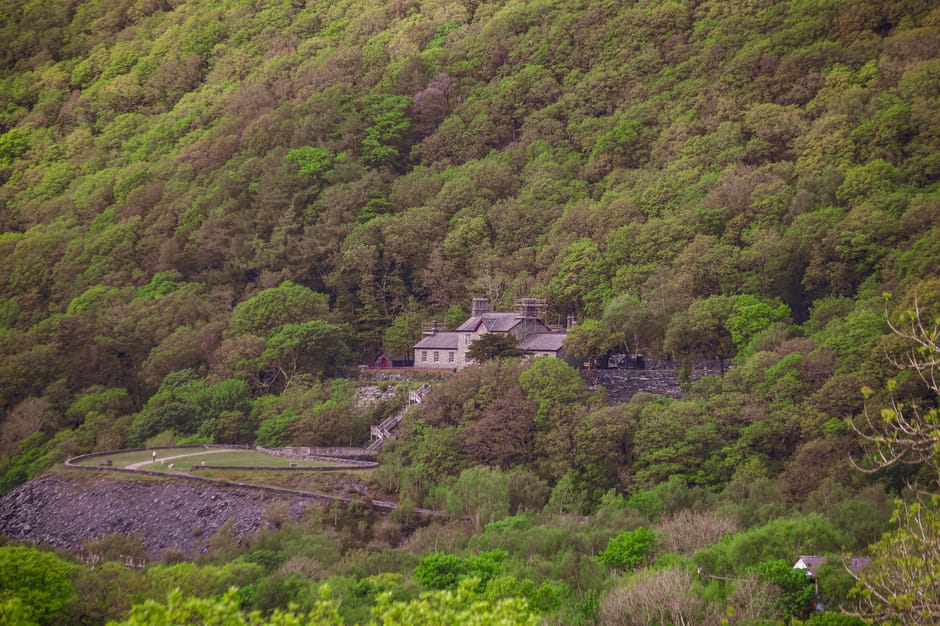
Kilmartin Glen, Scotland
This valley is a prehistoric landscape designed by ancient peoples to connect the living and the dead.
Kilmartin Glen is one of Scotland's richest prehistoric landscapes, with over 350 ancient monuments within a 6-mile radius. Among them are cairns like Nether Largie South, where C-shaped cup marks might depict constellations, and standing stones aligned with celestial events. This valley served as a sacred landscape for millennia, a place where people lived, buried their dead, and observed the heavens. The sheer concentration of sites suggests a profound spiritual connection to the land.
2. The Giant's Causeway in Scotland
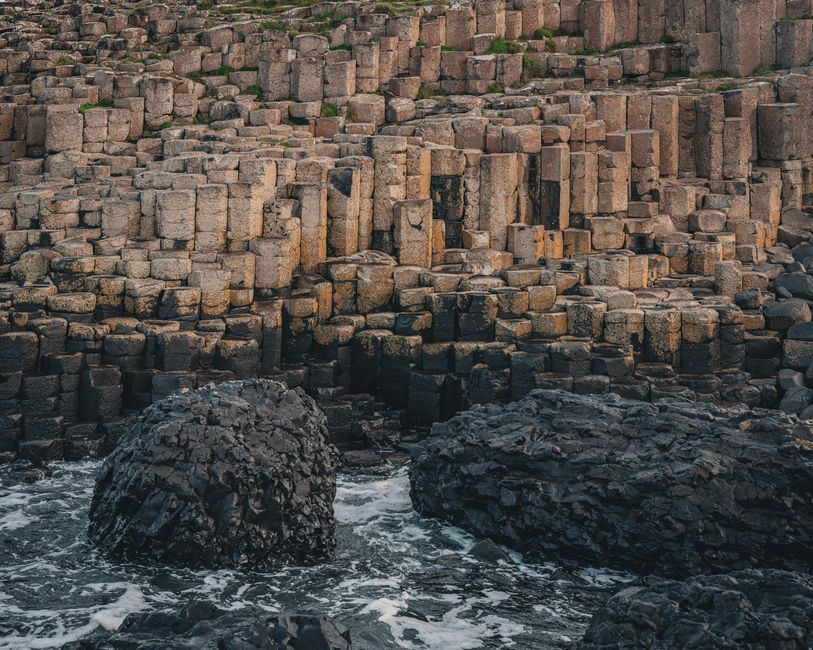
Isle of Staffa, Scotland
Its hexagonal columns were formed by volcanic activity, inspiring ancient legends of giants.
The Isle of Staffa is a small, uninhabited island renowned for its unique geological formations. Its most famous feature, Fingal's Cave, is composed of magnificent hexagonal basalt columns, created by ancient volcanic lava flows cooling and contracting over millions of years. This striking natural architecture inspired the Irish legend of the giant Fionn mac Cumhaill (Finn MacCool), who supposedly built a causeway to Ireland, also made of similar basalt columns. The cave's natural acoustics captivated Mendelssohn, who composed his Hebrides Overture after visiting.
3. The Evacuated Island Archipelago
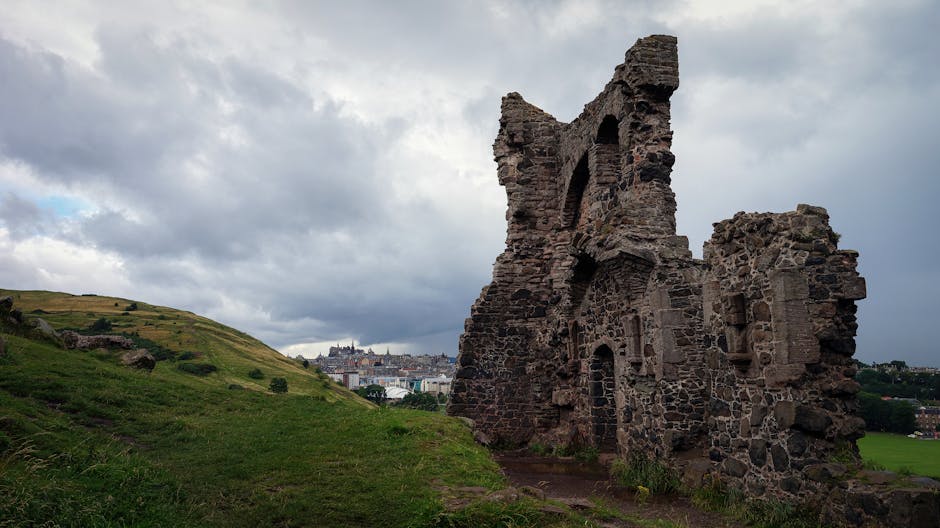
St Kilda, Scotland
The entire population of this remote island archipelago voluntarily evacuated in 1930, unable to sustain their unique way of life.
St Kilda is an isolated archipelago in the North Atlantic, inhabited for at least 2,000 years by a unique community whose existence revolved around seabirds. Their diet, clothing, and economy were almost entirely dependent on catching gannets and fulmars from the treacherous cliffs. However, declining population, disease, and the difficulty of their existence led the remaining 36 islanders to request evacuation in 1930. Today, it stands as a poignant ghost village, a testament to resilience and the challenges of extreme remoteness.
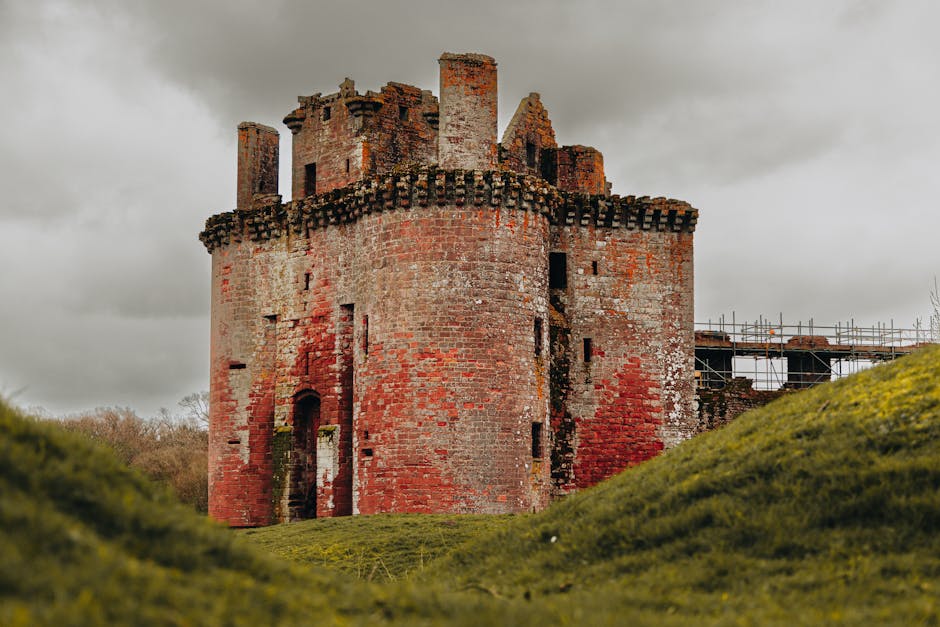
4. Scotland's Only Triangular Castle
Caerlaverock Castle, Scotland
Scotland's only triangular castle, it withstood a major siege by King Edward I of England.
Caerlaverock Castle is a distinctive medieval fortress with a unique triangular plan, surrounded by a double moat. Its unusual design made it a formidable stronghold, famously enduring a siege by King Edward I of England in 1300, despite being defended by only 60 men. The castle's history is a tapestry of border warfare and strategic importance, changing hands between Scottish and English forces multiple times. Today, its red sandstone walls stand as a dramatic ruin, reflecting centuries of conflict and architectural innovation.
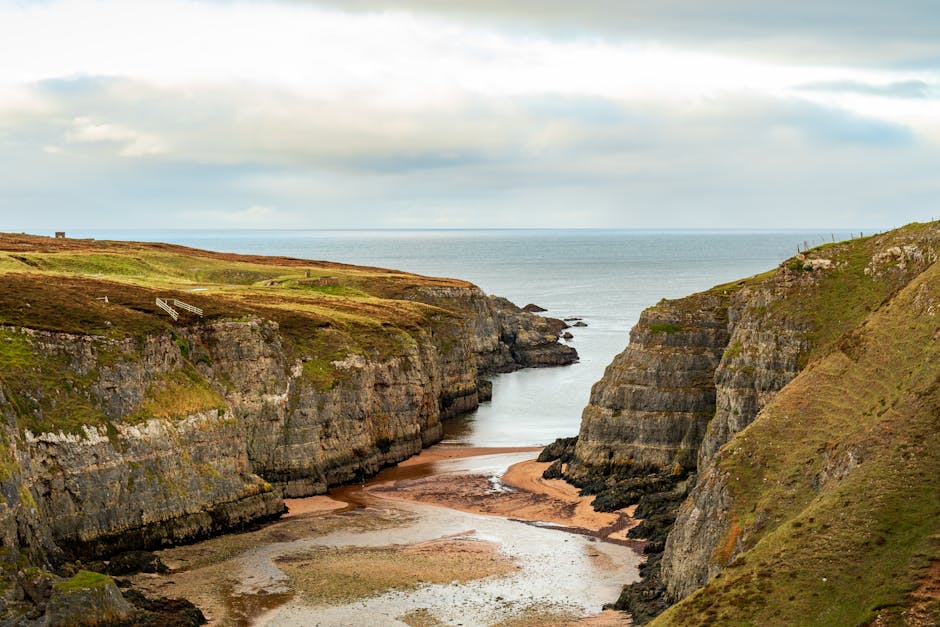
5. The Cave with an Indoor Waterfall
Smoo Cave, Scotland
This unique sea cave features a dramatic 80-foot waterfall cascading into its inner chamber.
Smoo Cave is a large, dramatic sea cave carved into the limestone cliffs of Sutherland. What makes it truly unique is its two distinct parts: a vast outer sea cave and an inner chamber fed by a freshwater river, which plunges 80 feet through a sinkhole in the cave roof. This impressive waterfall creates a powerful spectacle, especially after heavy rain. Archaeological excavations have revealed evidence of human occupation dating back to the Mesolithic period, and local folklore even connects it to Viking raiders and smugglers.
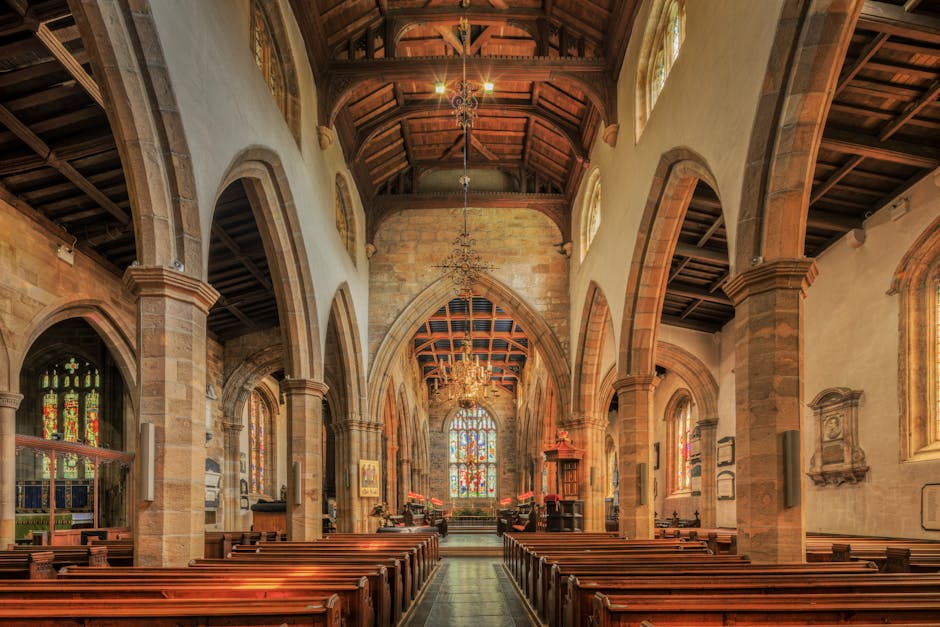
6. The Cradle of Scottish Christianity
The Machars, Scotland
This peninsula is considered the 'Cradle of Christianity' in Scotland, home to its earliest stone crosses and churches.
The Machars peninsula in Galloway holds profound significance as the supposed 'Cradle of Christianity' in Scotland. It's here that St. Ninian is believed to have established the first Christian community in Scotland around 397 AD at Whithorn. The Whithorn Priory Museum displays a remarkable collection of early Christian monuments, including the 5th-century Latinus Stone, Scotland's earliest Christian monument, and intricately carved crosses. This quiet corner of Scotland offers a tangible link to the very beginnings of the faith in the nation.
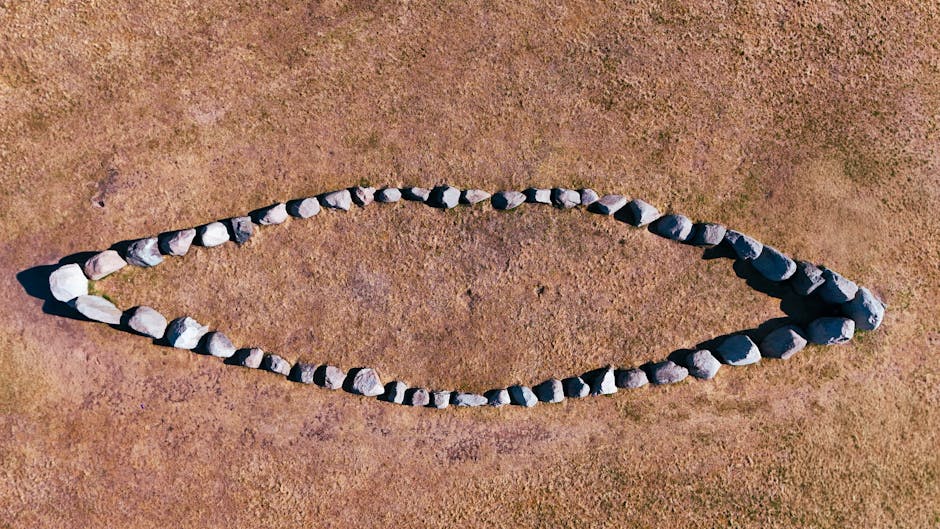
7. The Ancient Astronomical Circle
Croft Moraig Stone Circle, Scotland
This ancient stone circle features a unique combination of timber and stone phases, suggesting a long period of ritual use.
Croft Moraig is a fascinating stone circle near Aberfeldy, often overlooked compared to more famous sites. What sets it apart is evidence of at least three distinct phases of construction, beginning with a timber circle around 3200 BC, later replaced by stone. Its alignment suggests a sophisticated understanding of celestial movements, particularly the solstices and equinoxes. The stones stand as silent witnesses to millennia of ancient rituals, astronomical observations, and community gatherings, reflecting the deep spiritual connection early Scots had with their landscape and the cosmos.
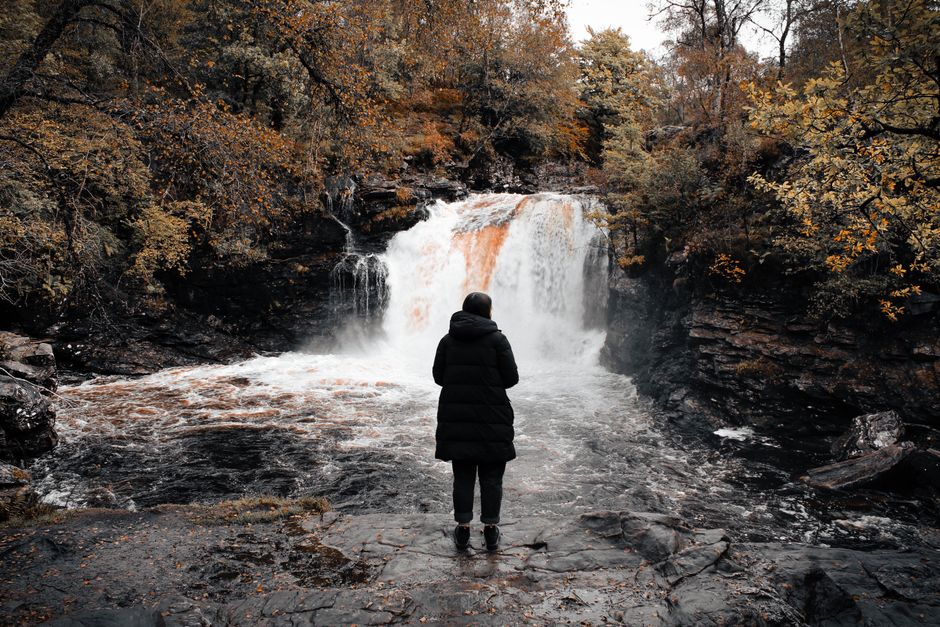
8. The Deep Glacial Chasm
Corrieshalloch Gorge, Scotland
This deep, narrow gorge plunges 60 meters, showcasing the dramatic power of glacial meltwater erosion.
Corrieshalloch Gorge is a spectacular, narrow chasm carved by glacial meltwater over thousands of years. It's one of Britain's finest examples of a 'box canyon,' where the River Droma plunges 60 meters into the gorge below. Visitors can experience its raw power from a Victorian suspension bridge, offering breathtaking views down to the churning waters and the 45-meter Measach Falls. This National Nature Reserve provides a dramatic insight into the geological forces that shaped the Scottish Highlands, a testament to the sheer erosive power of water.
Frequently asked questions
What are some truly remote places in Scotland?
Truly remote places often involve islands like St Kilda, or areas deep within the Highlands like parts of Sutherland or Wester Ross, where infrastructure is minimal and communities are small. Access often requires ferries, single-track roads, or even hiking.
Are Scotland's ancient ruins accessible to visitors?
Many of Scotland's ancient ruins, from castles to stone circles, are accessible to visitors. Some are maintained by Historic Environment Scotland, while others are on open land. Always check access details and be prepared for rural conditions, including uneven terrain and limited facilities.
What makes Scottish geology so unique?
Scotland's geology is incredibly diverse, showcasing a vast timeline from ancient Precambrian rocks to relatively recent volcanic formations. This includes dramatic glacial landscapes, vast fault lines, and unique features like the basalt columns of Staffa, all contributing to its iconic scenery.
How can AllTours.ai help me explore Scotland's lesser-known sites?
AllTours.ai uses your phone's camera to identify landmarks and landscapes, then narrates their history, geology, and culture in your language. It's like having an expert local guide in your pocket, revealing the fascinating stories behind Scotland's hidden gems as you explore.
Self-guided audio tours
Walk these places stop by stop — free five-stop story tours you can take at your own pace:
Photography via Pexels. AllTours.ai is an AI audio tour guide — point your camera at any landscape and hear its story.