July 2, 2026 · 4 min read
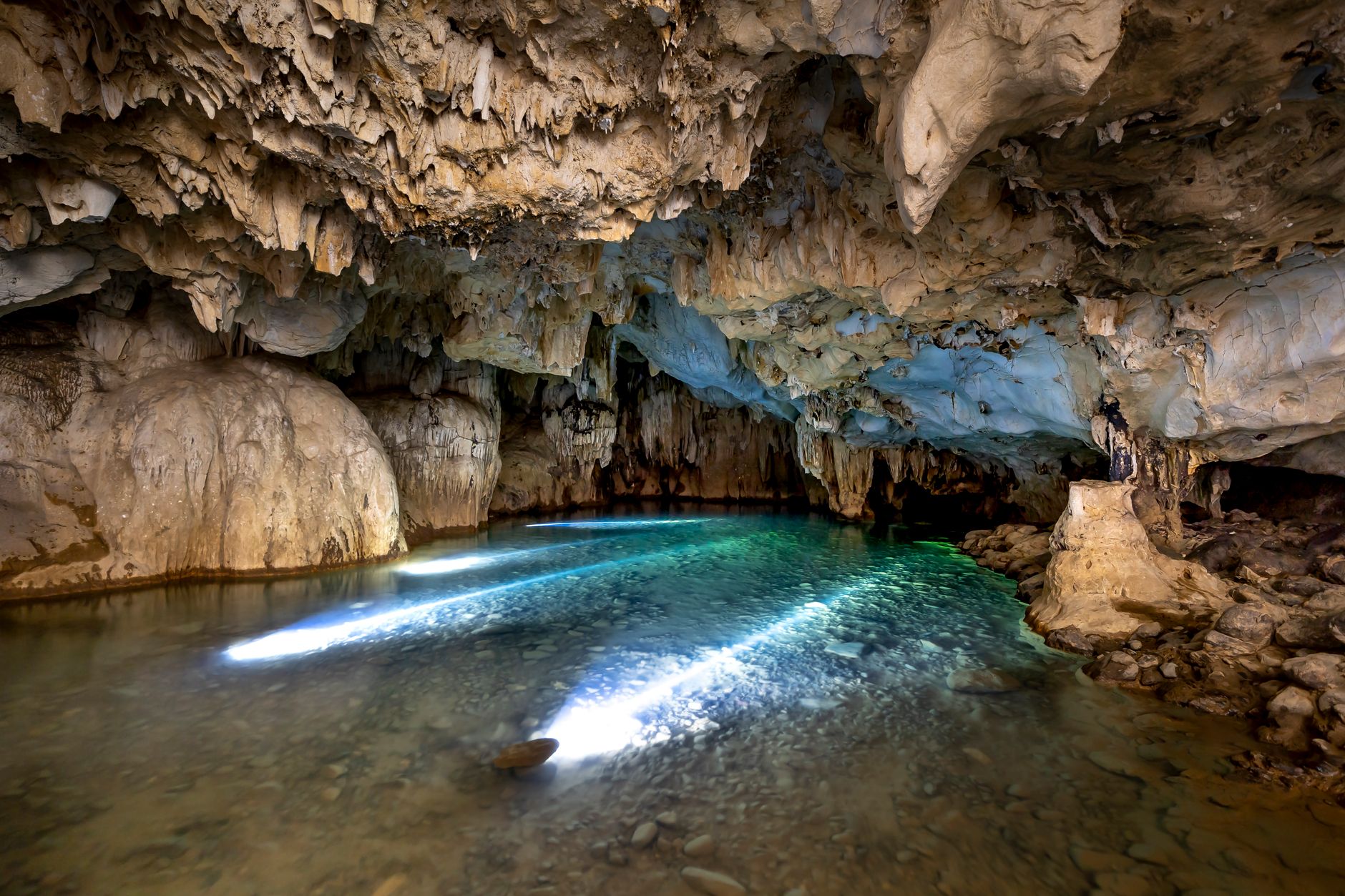
The world is vast, brimming with wonders, yet our travel itineraries often 'over-eat' the same well-worn paths. We flock to famous landmarks, sometimes overlooking the truly extraordinary, the places that whisper tales of forgotten histories, bizarre geology, and unique cultures just beyond the well-trodden trail.
But what if you could 'under-eat' the conventional and feast on the truly unique? What if you could train your curiosity to seek out the stories less told, to uncover the hidden depths of our planet? This guide is for the traveler ready to expand their palate beyond the obvious, to discover destinations that challenge expectations and redefine what it means to explore.
1. The Vanishing Green Lake
Grüner See, Austria
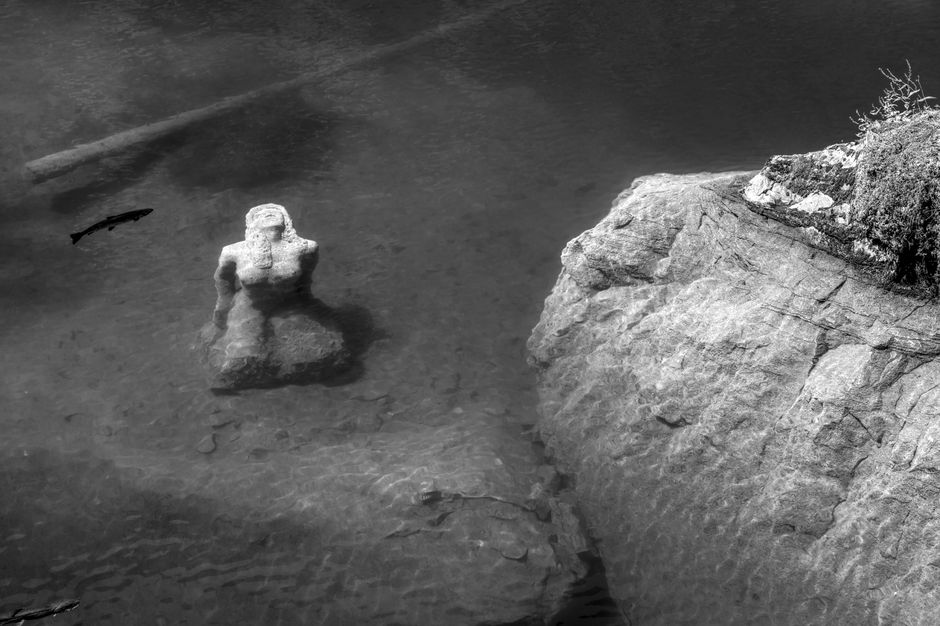
Each spring, an Austrian park and its hiking trails transform into a crystal-clear underwater lake.
For most of the year, Grüner See is a shallow pond surrounded by a picturesque park with benches and walking paths. However, as the alpine snows melt each spring, the basin fills with meltwater, submerging the entire park under up to 12 meters of emerald-green water. Divers can then explore underwater meadows, submerged trees, and even picnic benches, making it a surreal natural phenomenon.
2. The Mummified Watchers of Chauchilla
Chauchilla Cemetery, Peru
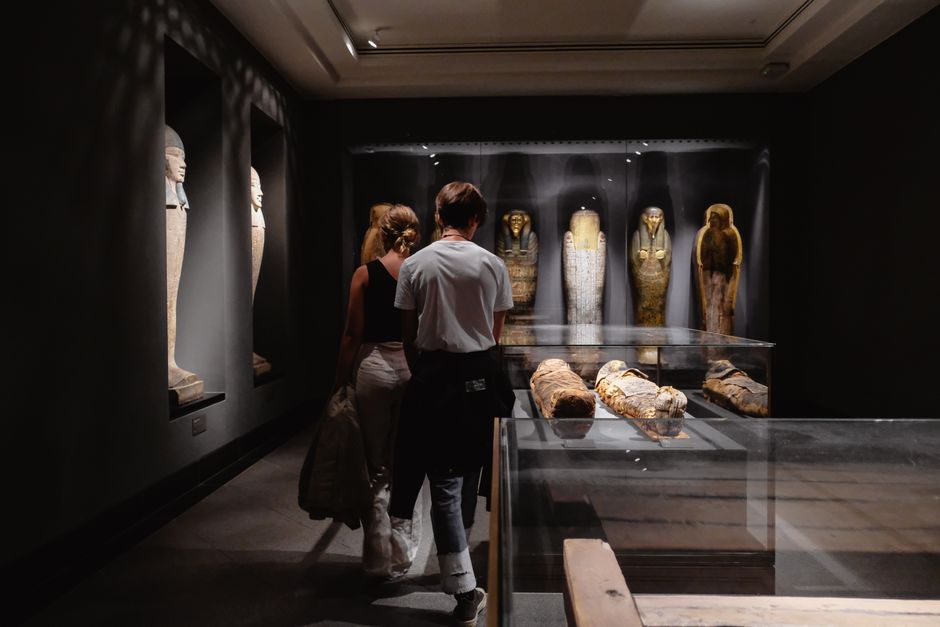
An ancient open-air cemetery in Peru's desert reveals mummified bodies still sitting in their original tombs after centuries.
Unlike many archaeological sites, Chauchilla Cemetery offers a hauntingly direct glimpse into ancient Nazca burial practices. Mummified remains, some still adorned with hair and skin, sit in shallow, open tombs, facing east towards the rising sun. The arid desert climate naturally preserved these bodies, providing an unparalleled and somewhat eerie connection to a civilization that flourished over a thousand years ago.
3. The Petrifying Waterfall
Knaresborough, England
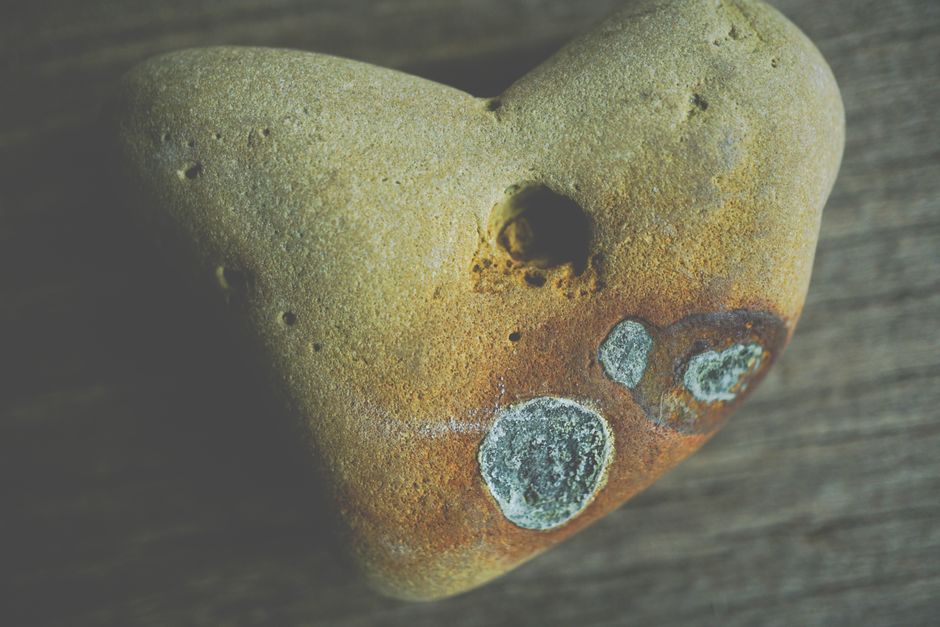
Objects left beneath this peculiar English waterfall slowly turn to stone, thanks to its unique mineral-rich waters.
Mother Shipton's Cave and the Petrifying Well have fascinated visitors for centuries. The water here contains exceptionally high levels of calcium carbonate, which coats objects in a hard, stony layer over time. Local legends once attributed this phenomenon to witchcraft, but science reveals a natural process similar to stalactite formation, creating eerie, petrified teddy bears and hats left by curious visitors.
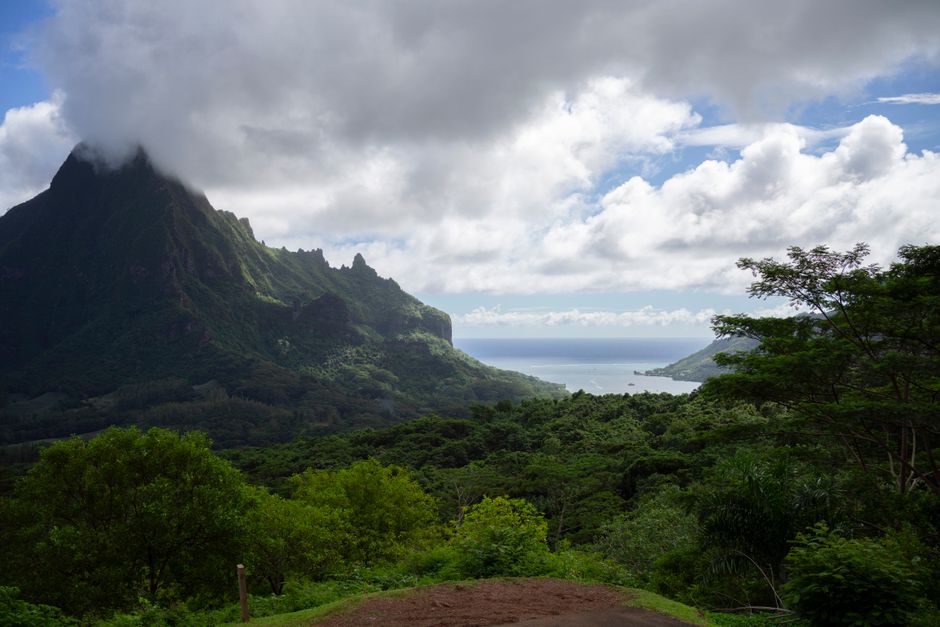
4. The Island That Repelled the Bounty Mutineers
Tubuai, French Polynesia
After the famous HMS Bounty mutiny, Fletcher Christian and his crew attempted to settle on this remote island but were driven off by fierce local resistance.
Often overshadowed by Pitcairn Island, Tubuai holds a crucial, lesser-known chapter in the Bounty saga. In 1789, Christian and his loyalists tried to establish a utopian colony here, but their presence quickly led to violent clashes with the indigenous population. After several months of conflict and dwindling supplies, the mutineers abandoned Tubuai, seeking a more isolated refuge, highlighting the resilience of the island's original inhabitants.
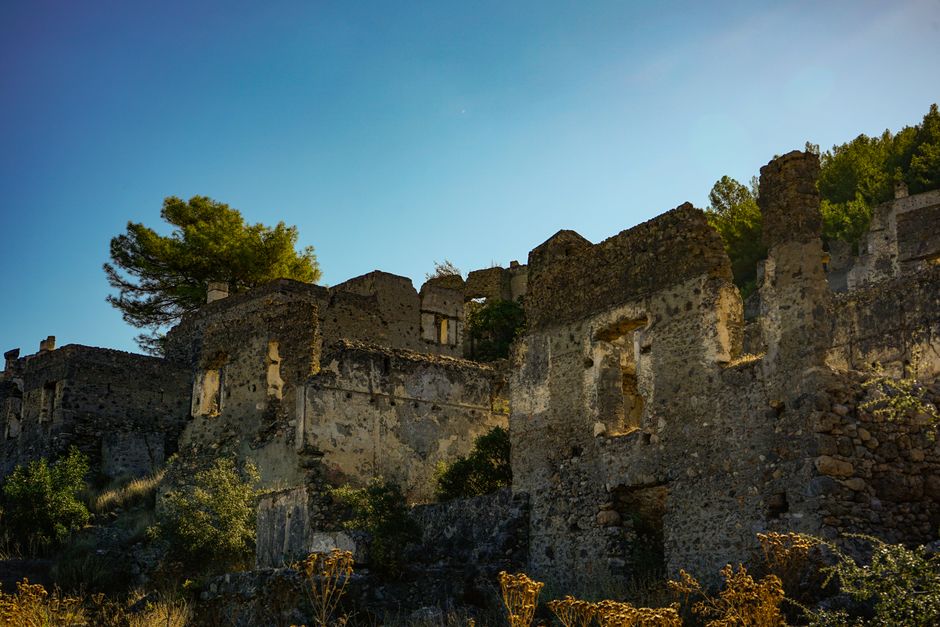
5. The Ghost Town Perched on a Crag
Craco, Basilicata, Italy
This medieval Italian hill town stands entirely abandoned, a dramatic silhouette against the sky, after a series of natural disasters.
Craco's striking beauty is matched only by its tragic history. Perched precariously on a crag, the town was gradually evacuated between the 1960s and 1980s due to landslides and floods, leaving behind a perfectly preserved, yet eerily empty, medieval settlement. Its silent streets and crumbling buildings now serve as a captivating film set and a poignant reminder of nature's power.
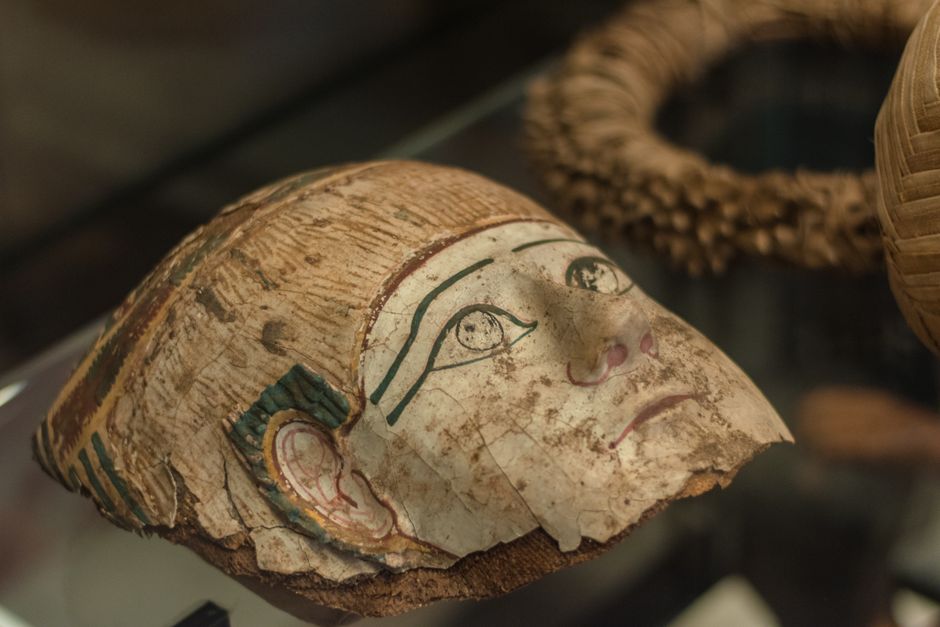
6. The Naturally Mummified of Guanajuato
Guanajuato, Mexico
A unique museum in Mexico displays naturally mummified bodies, exhumed from a local cemetery due to lack of space.
The 'Museo de las Momias de Guanajuato' presents a startling, albeit macabre, collection. These mummies are not the result of deliberate embalming but rather natural preservation by the area's dry soil and mineral content. Exhumed between the 19th and 20th centuries when cemetery taxes weren't paid, they offer an unvarnished, often unsettling, look at the human form after death, becoming an unexpected cultural landmark.
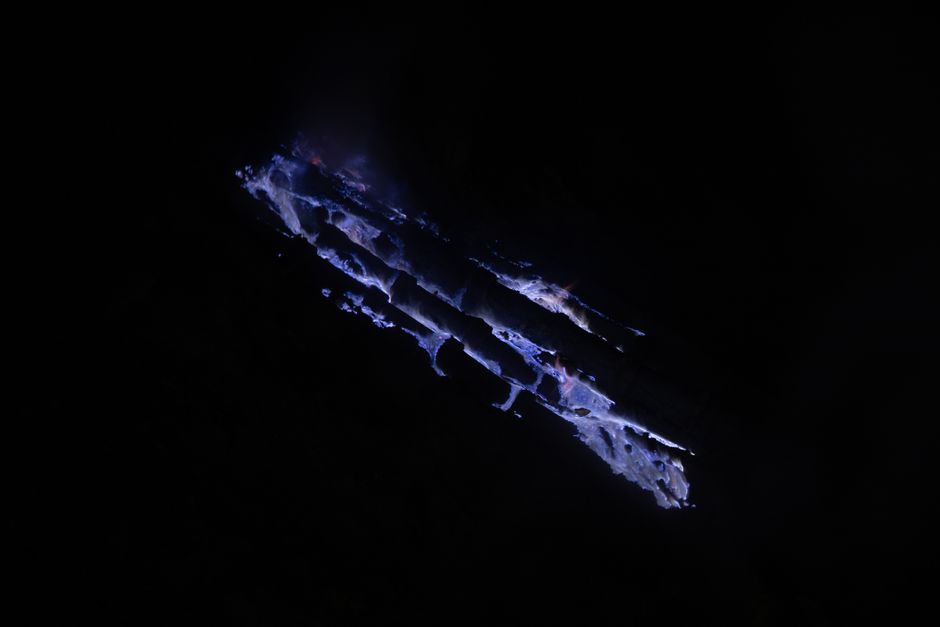
7. The Door to Hell
Darvaza Gas Crater, Turkmenistan
A massive, perpetually burning natural gas crater in the Karakum Desert has been alight for over five decades after a Soviet drilling accident.
In 1971, Soviet geologists drilling for natural gas accidentally punched into a cavern, causing the ground to collapse and release methane. To prevent the spread of poisonous gas, they decided to burn it off, expecting it to last a few weeks. Fifty years later, the 'Door to Hell' still burns, a mesmerizing and somewhat terrifying spectacle in the desolate desert, attracting a trickle of adventurous travelers.
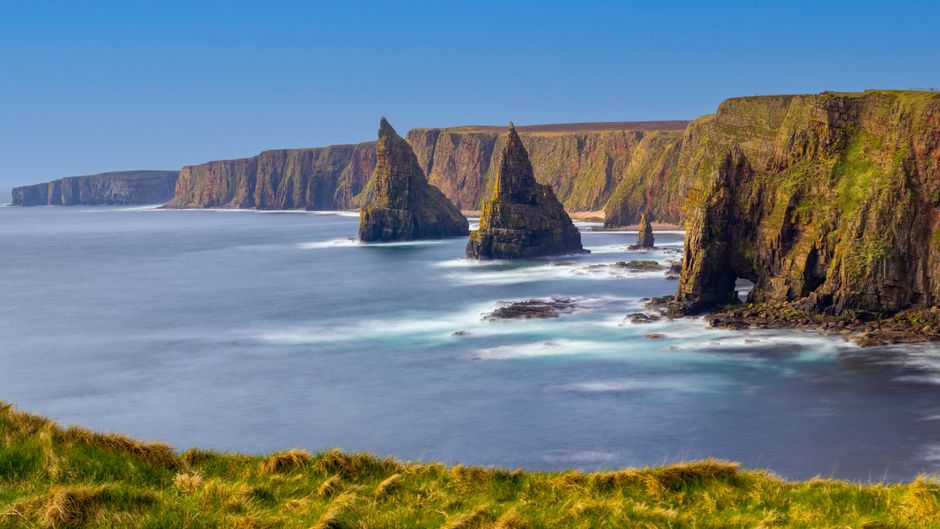
8. The Old Man of Hoy's Towering Stand
Orkney Islands, Scotland
This dramatic 137-meter sea stack, one of Britain's tallest, is a geological marvel and a remnant of a coastline slowly devoured by the sea.
Standing proudly off the coast of Hoy, the Old Man is a testament to the relentless power of erosion. Once part of a headland, then a sea arch, this iconic stack is now a solitary column of red sandstone, constantly battered by waves and wind. It's a challenging climb for mountaineers and a breathtaking sight for those who venture to the wild, rugged beauty of the Orkney Islands.
Frequently asked questions
What makes a place 'underrated' for travelers?
An underrated place is typically one that offers unique historical, cultural, or natural significance but doesn't receive the same mainstream attention as more famous destinations. It might be less accessible, less heavily marketed, or simply overshadowed by nearby attractions, offering a more authentic and less crowded experience.
How can I find these hidden gems?
Finding hidden gems often involves deeper research beyond typical travel guides. Look for local blogs, specialized interest forums (like geology or history groups), academic papers, or even simply zooming in on satellite maps to spot unusual features. Engaging with locals upon arrival can also reveal truly unique spots.
Is it safe to visit lesser-known destinations?
Generally, yes, but it requires more preparation and awareness. Research local conditions, customs, and any specific safety advisories. Traveling with a local guide, informing others of your itinerary, and ensuring you have reliable communication can enhance safety in less-traveled areas.
How does AllTours.ai enhance exploration of these unique places?
AllTours.ai is your personal AI guide for discovery. Simply point your phone camera at any landscape, landmark, or even an artifact, and the app instantly narrates its rich history, geological formation, or cultural significance in your preferred language, revealing the untold stories of both famous and overlooked destinations.
Related guides
Photography via Pexels. AllTours.ai is an AI audio tour guide — point your camera at any landscape and hear its story.