July 1, 2026 · 4 min read
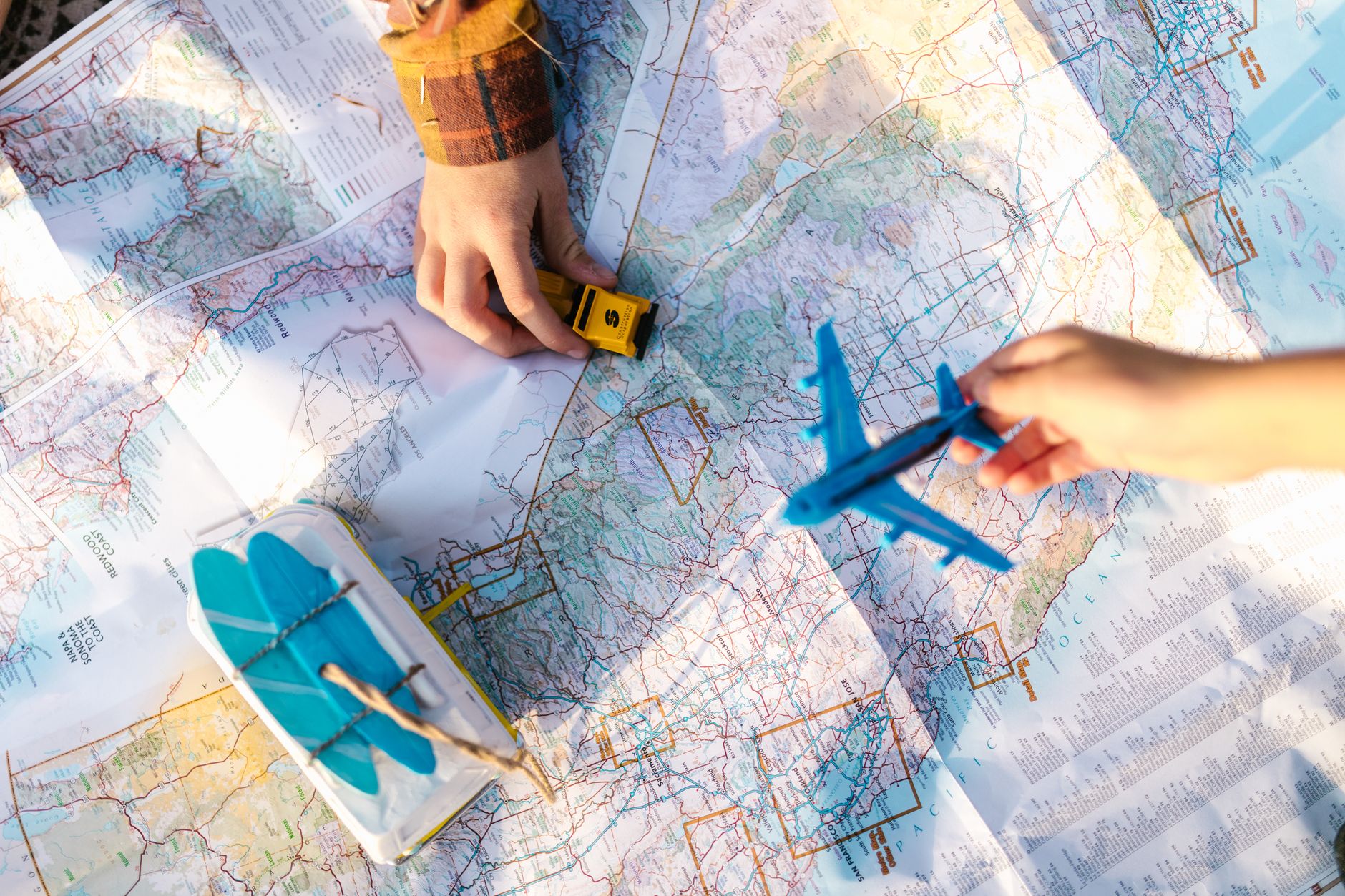
In an age dominated by instant searches and one-click bookings, it's easy to forget a time when planning a family vacation was an adventure in itself. Before the internet, before online reviews, and long before comparison websites, travelers relied on a different set of tools: tattered guidebooks, handwritten recommendations, and the wisdom of local travel agents.
This era fostered a unique kind of discovery, often leading families to places less trodden, rich with stories that weren't yet optimized for SEO. We're taking a nostalgic look back at how those unforgettable trips were forged, highlighting some genuinely surprising and lesser-known destinations that embody the spirit of pre-internet exploration.
1. The Ghost Fleet of Mallows Bay
Nanjemoy, Maryland, USA
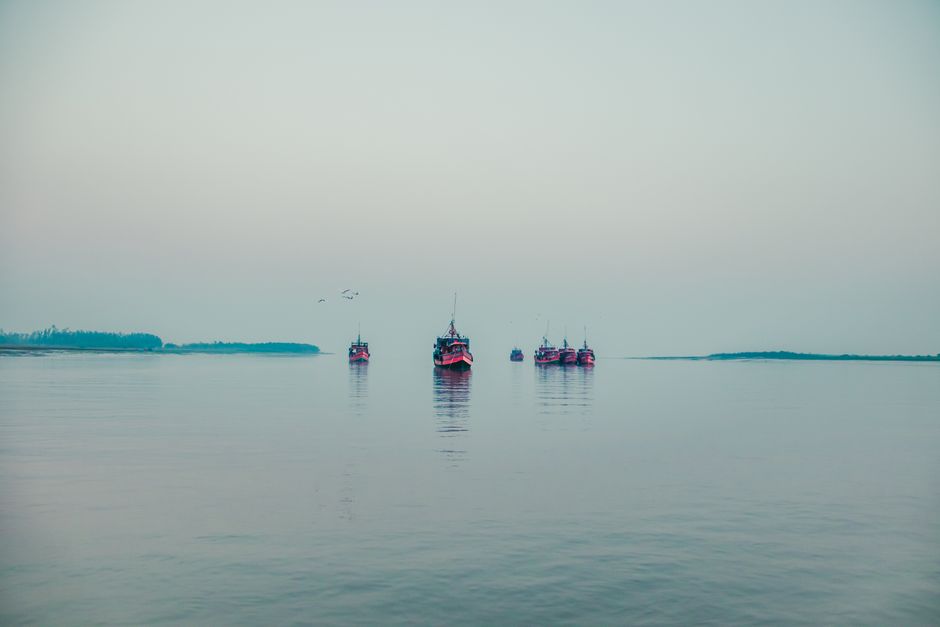
Beneath the calm waters of the Potomac River lies the largest collection of historic shipwrecks in the Western Hemisphere, a 'ghost fleet' slowly transforming into a vibrant ecosystem.
Mallows Bay is home to over 100 wooden steamships built during World War I, hastily constructed for the war effort but never seeing combat. Decommissioned and eventually burned to the waterline, their skeletal remains now serve as islands and reefs, supporting diverse wildlife. It's a poignant, unexpected blend of history and nature, offering a unique kayak or paddleboard experience.
2. Buzludzha: Bulgaria's Abandoned UFO
Central Balkan Mountains, Bulgaria
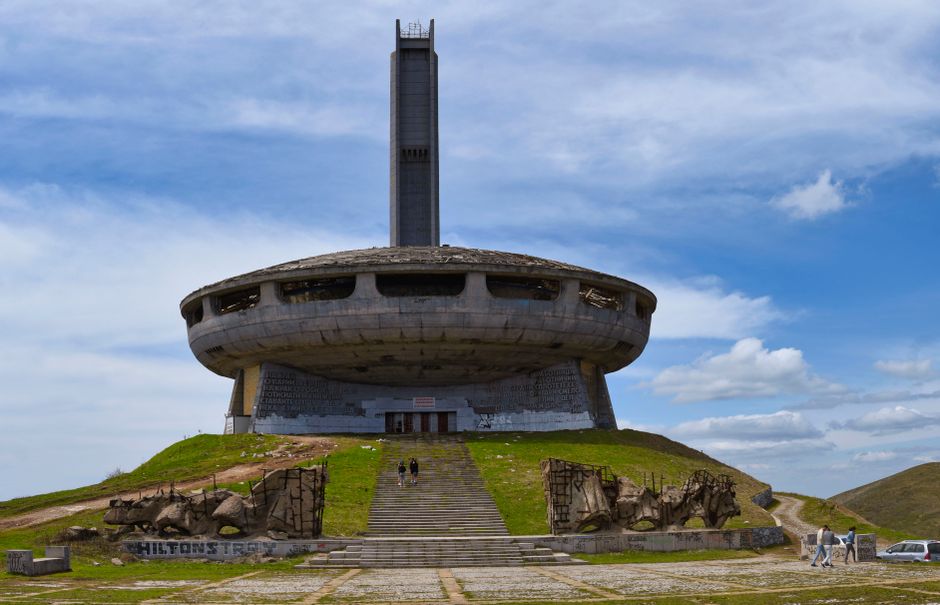
Perched dramatically on a remote mountaintop, this colossal, abandoned monument to communism resembles a concrete flying saucer, its interior once a mosaic-filled tribute to a bygone era.
The Buzludzha Monument, officially the House-Monument of the Bulgarian Communist Party, was inaugurated in 1981. After the fall of communism, it was abandoned and left to decay, its grand hall and intricate mosaics exposed to the elements. While officially closed to the public due to its deteriorating state, its imposing silhouette against the mountain backdrop offers a powerful, eerie testament to a complex history.

3. England's Petrifying Spring
Knaresborough, North Yorkshire, England
This mysterious natural spring has the peculiar ability to 'turn' objects to stone, a phenomenon that has fascinated visitors for centuries.
Mother Shipton's Cave and the Petrifying Well are rooted in legend and geological oddity. The water, rich in mineral content, coats objects placed beneath its flow with a hard, stony layer over time, creating eerie, petrified teddy bears and hats. It's a tangible link to ancient folklore and a rare example of rapid mineral deposition in action.
4. Palermo's Macabre Catacombs
Palermo, Sicily, Italy
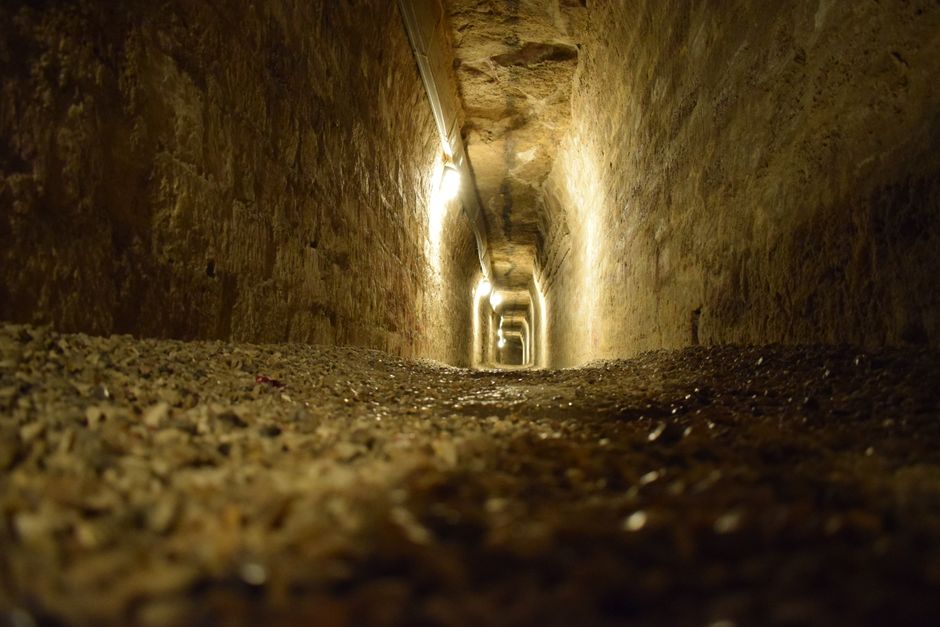
Beneath a Capuchin monastery, thousands of mummified bodies, some dressed in their finest clothes, stand, lie, and hang in a chilling display that offers a unique window into Sicilian history and funerary customs.
The Capuchin Catacombs of Palermo began as a burial site for monks in the 16th century, but soon became a status symbol for local elites. Families would visit their deceased relatives, sometimes changing their clothes. The dry conditions naturally preserved many of the bodies, creating an astonishing and confronting spectacle of life and death from centuries past.
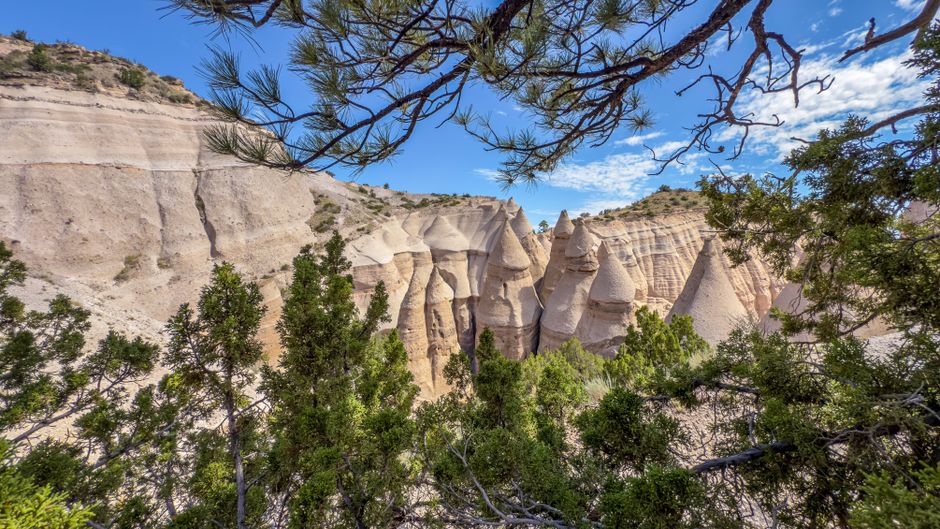
5. New Mexico's Cone City
Kasha-Katuwe Tent Rocks National Monument, New Mexico, USA
Explore a landscape sculpted by ancient volcanic eruptions and erosion, where thousands of conical rock formations, resembling giant tents, rise dramatically from the desert floor.
Kasha-Katuwe Tent Rocks is a geological marvel where soft pumice and ash deposits have been eroded over millions of years, leaving behind striking cone-shaped formations topped with harder caprocks. Hiking through the narrow slot canyons and around these unique structures feels like stepping onto another planet, a testament to the slow, powerful forces of nature.
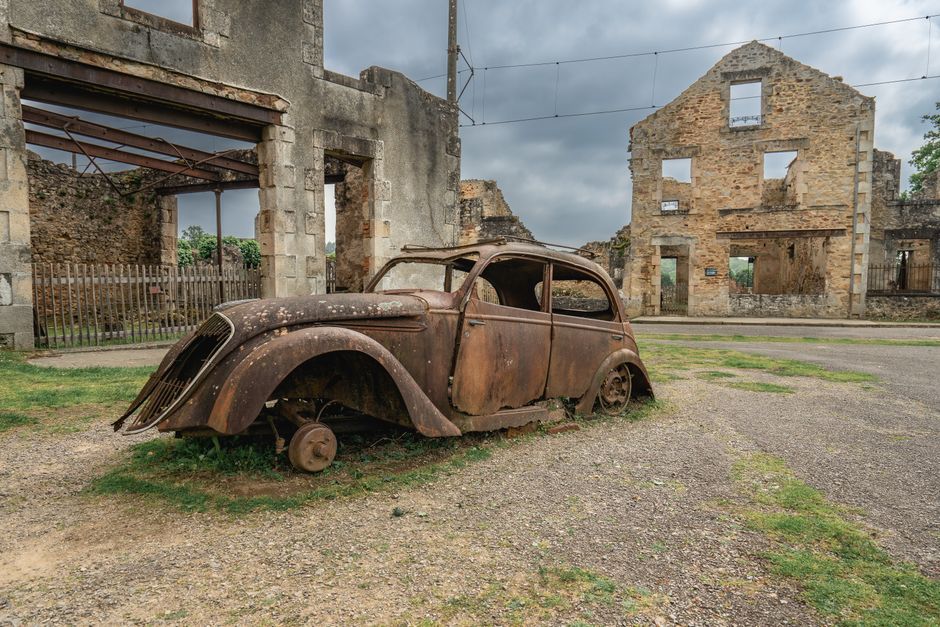
6. The Silent Village of Oradour
Oradour-sur-Glane, France
Frozen in time since a horrific WWII massacre, this preserved ghost village stands as a somber, powerful memorial to unimaginable loss, deliberately left untouched.
On June 10, 1944, the villagers of Oradour-sur-Glane were massacred by a Nazi Waffen-SS company, and the village was burned. President Charles de Gaulle declared that the ruined village should be preserved as a permanent memorial. Today, visitors can walk through the haunting remains of homes, shops, and cars, a stark and vital reminder of wartime atrocities.
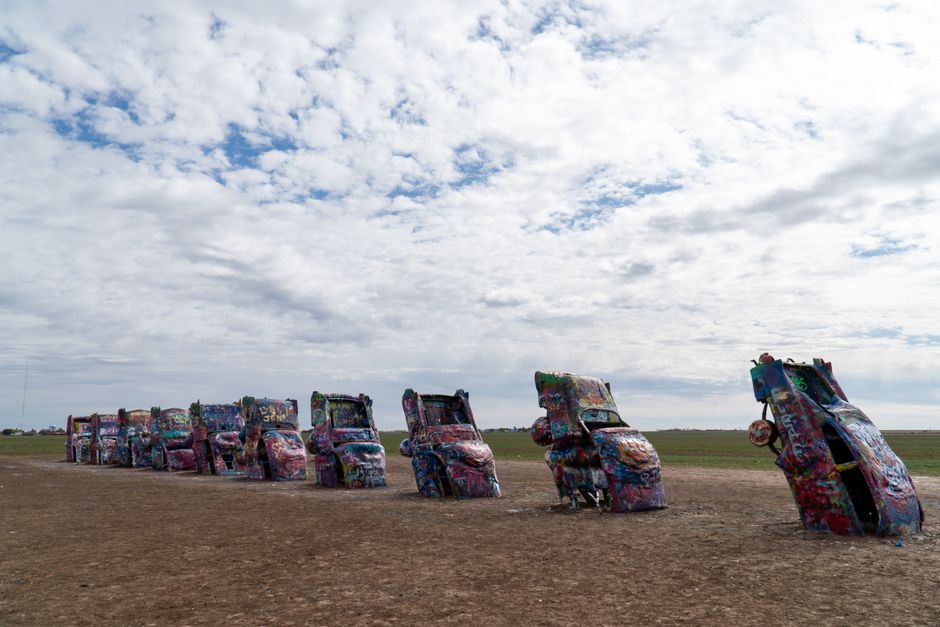
7. Nebraska's Automotive Henge
Alliance, Nebraska, USA
In the vast plains of Nebraska stands a quirky, full-scale replica of Stonehenge, crafted entirely from vintage American automobiles.
Carhenge was conceived by artist Jim Reinders in 1987 as a tribute to his father, replicating the iconic British monument with 38 cars painted grey to mimic stone. It's a whimsical and unexpected roadside attraction that perfectly embodies the spirit of American ingenuity and eccentricity, drawing curious travelers to the heartland.
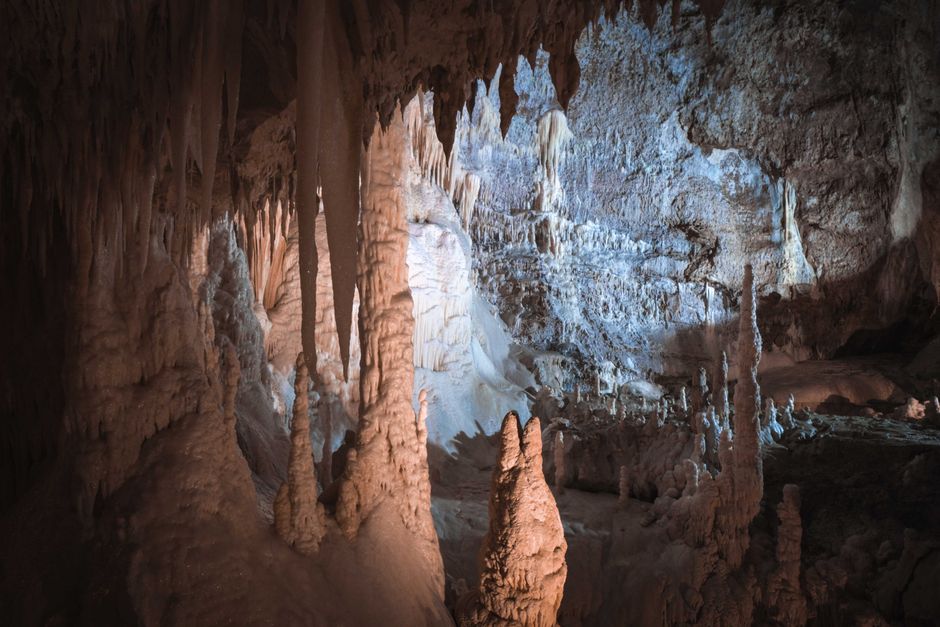
8. Slovenia's Underground Grand Canyon
Škocjan Caves, Slovenia
Descend into a monumental underground canyon, carved by a disappearing river, where enormous chambers and a dramatic bridge span a subterranean chasm of breathtaking scale.
The Škocjan Caves are a UNESCO World Heritage site, renowned for their exceptional size and the awe-inspiring Reka River, which flows into and then disappears beneath the Karst plateau. Walking through the Silent Cave and crossing the Cerkvenik Bridge, suspended high above the roaring river in the Murmuring Cave, offers an unparalleled experience of geological power and natural wonder.
Frequently asked questions
How did families book travel without the internet?
Before online booking websites, families typically booked travel through local travel agents who had direct access to airline and hotel reservations. Phone calls, mail-order brochures, and direct communication with hotels or resorts were also common methods.
What were popular family vacation spots in the mid-20th century?
Mid-20th century family vacations often involved road trips to National Parks, visits to burgeoning theme parks, stays at roadside motels near unique attractions, or beach holidays. Popular destinations included places like Yellowstone, Disneyland, and coastal resorts.
How did families find unusual destinations before online reviews?
Discovering unusual destinations before online reviews relied heavily on word-of-mouth recommendations from friends and family, specialized guidebooks, travel magazines, and advice from experienced travel agents who often had personal knowledge or connections.
How does AllTours.ai help explore places like these?
AllTours.ai brings the detailed knowledge of a personal guide to your smartphone. Simply point your phone camera at any landscape or landmark, and the app instantly narrates its history, geology, and culture in your language, making every journey a discovery.
Related guides
Self-guided audio tours
Walk these places stop by stop — free five-stop story tours you can take at your own pace:
Photography via Pexels. AllTours.ai is an AI audio tour guide — point your camera at any landscape and hear its story.