June 30, 2026 · 4 min read
The way societies interpret foundational principles—law, community, individual rights—shifts dramatically across time and culture. While legal scholars might ponder how specific justices would interpret past cases, travelers can explore this evolution by visiting places where these ideas were forged, challenged, or profoundly re-shaped.
This journey takes us far beyond courtrooms to lesser-known spots where history offers a unique lens. Each location tells a vivid story about how different eras grappled with complex questions, giving rise to unique cultures, unexpected states, or radical social experiments. These are the places that invite us to consider the fluid nature of 'justice' and 'principle' in the human story.
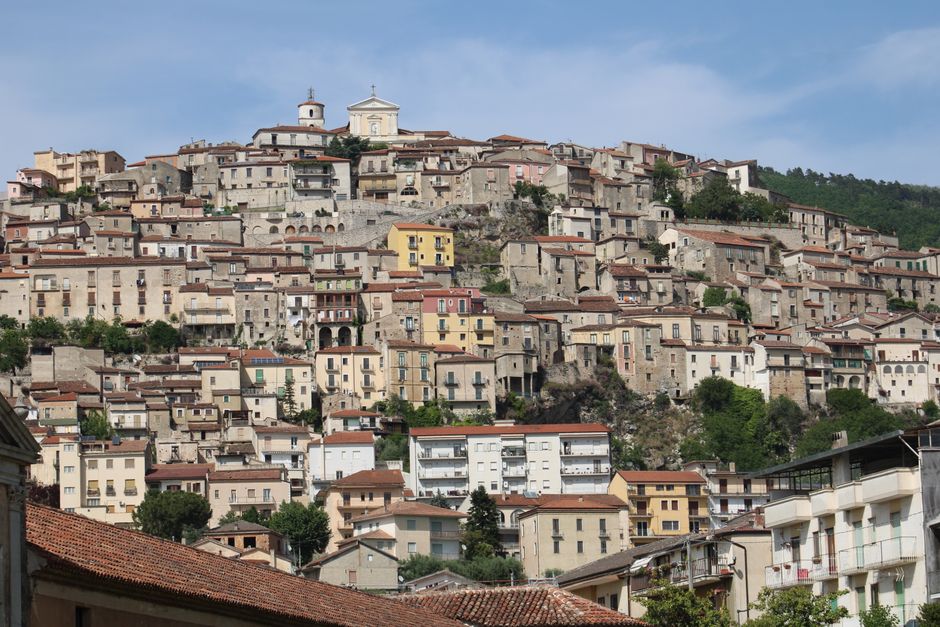
1. The Accidental Republic of Cospaia
Cospaia, Italy
For nearly four centuries, a tiny Italian republic thrived purely because of a border surveyor's mistake.
In 1441, a cartographic error left a small strip of land between the Papal States and the Republic of Florence unclaimed. This oversight led to the birth of the Republic of Cospaia, a de facto sovereign state that flourished without taxes or formal governance until 1826. Its independence, born from a legal loophole, fostered a unique culture of freedom and illicit tobacco farming, a fascinating example of how a technicality can shape a community's entire existence.
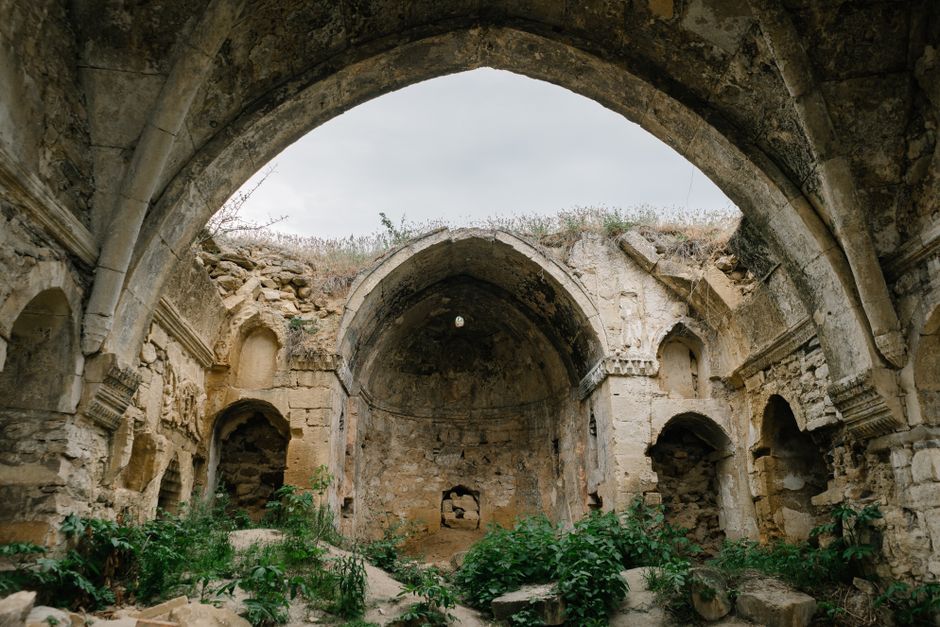
2. The Advanced Society of the Burnt City
Shahr-e Sukhteh, Iran
An ancient Iranian city, mysteriously abandoned, reveals evidence of brain surgery and an artificial eye from 5,000 years ago.
Shahr-e Sukhteh, or the 'Burnt City,' in southeastern Iran, was a major Bronze Age urban settlement. Excavations have unearthed remarkable advancements: a sophisticated water system, precise astronomical calculations, and even evidence of early medical practices, including trepanation and a prosthetic eyeball made of bitumen. This site offers a glimpse into a highly organized, technologically advanced society that interpreted health, knowledge, and community welfare in ways far ahead of its time.

3. Gullah Geechee Cultural Heritage Corridor
South Carolina to Florida, USA
A unique American culture, born from the brutal conditions of slavery, preserved a distinct language and traditions against all odds.
Stretching along the Atlantic coast, the Gullah Geechee Cultural Heritage Corridor preserves the living legacy of West and Central African enslaved people and their descendants. Isolated on coastal islands and lowcountry areas, they developed a creole language and vibrant cultural practices in crafts, food, and music. This corridor stands as a testament to profound resilience and self-determination, a powerful interpretation of freedom and identity forged under immense pressure.
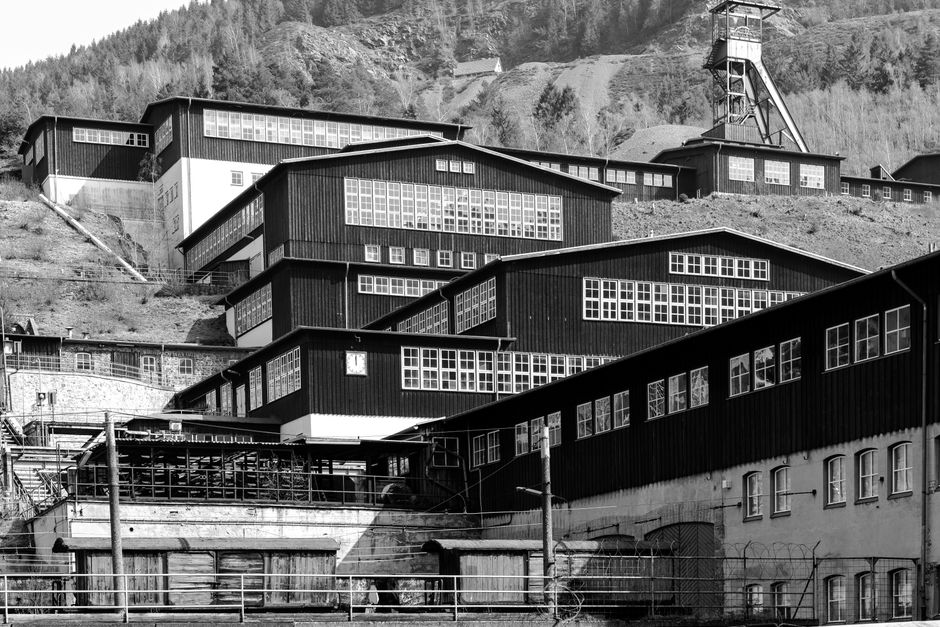
4. The Experimental Site of Black Mountain College
Black Mountain, North Carolina, USA
A small, experimental college became a hotbed for avant-garde art and radical educational philosophy in the mid-20th century.
Nestled in the Blue Ridge Mountains, Black Mountain College (1933-1957) was a pioneering institution that challenged traditional academic structures. It prioritized experiential learning, the arts, and community living, attracting luminaries like Buckminster Fuller, John Cage, and Willem de Kooning. Though short-lived, its innovative approach profoundly influenced modern art and education, representing a bold reinterpretation of how knowledge is acquired and how a creative community functions.
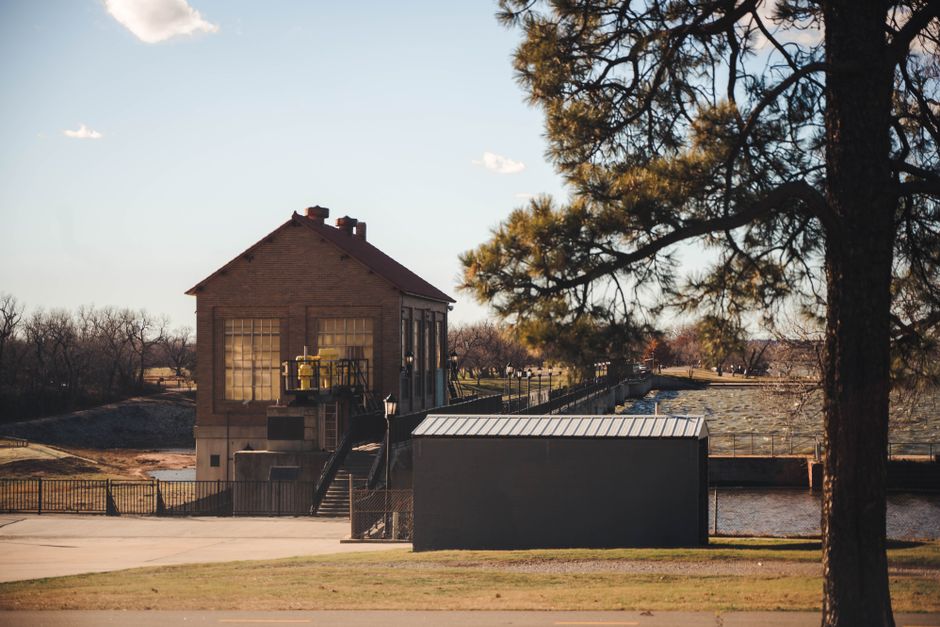
5. The Green Corn Rebellion Site
Sasakwa, Oklahoma, USA
During World War I, impoverished farmers in rural Oklahoma attempted an armed march on Washington D.C. to stop conscription.
In 1917, amidst widespread poverty and resentment over the draft, a coalition of tenant farmers, Native Americans, and African Americans in Oklahoma launched the 'Green Corn Rebellion.' Believing they could march to Washington D.C. and overthrow the government, they planned to live off 'green corn' (unripe corn) along the way. Though quickly suppressed, this forgotten uprising highlights a desperate, grassroots interpretation of economic and individual liberty against an overreaching state.
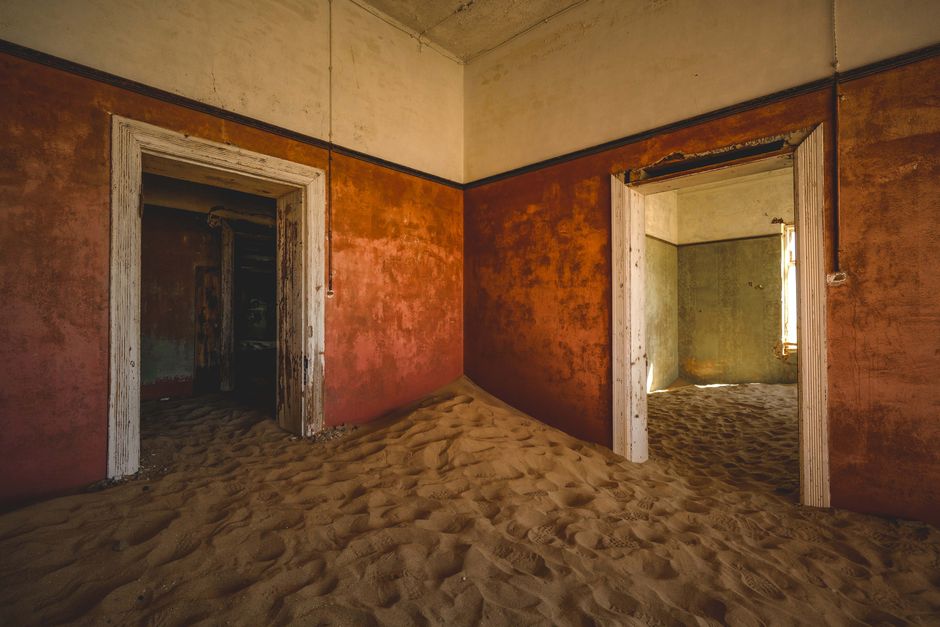
6. Kolmanskop Ghost Town
Kolmanskop, Namibia
A once-thriving diamond mining town in the Namib Desert was abandoned to the sands, a stark reminder of transient wealth.
Kolmanskop emerged in the early 20th century after diamonds were discovered in the Namib Desert. For a few decades, it was a bustling German settlement with grand houses, a hospital, and even a bowling alley, all fueled by incredible riches. However, as diamond prices dropped and new fields were found, Kolmanskop was rapidly deserted by the 1950s. Today, it's a ghost town, its buildings slowly being reclaimed by the desert sands, a poignant symbol of the ephemeral nature of resource-driven 'justice' and wealth.

7. The New Harmony Labyrinth
New Harmony, Indiana, USA
A unique outdoor labyrinth marks the site of two failed 19th-century Utopian experiments in communal living.
New Harmony, Indiana, was founded on radical social ideals. First, the Harmonists established a successful religious commune in 1814. Later, Robert Owen, a Welsh social reformer, purchased the town in 1825, attempting to create a secular, scientific Utopia. Both experiments ultimately failed due to internal conflicts, but their legacy of ambitious social interpretation endures. The town's iconic hedge labyrinth, built to symbolize the search for a harmonious life, invites reflection on the complexities of designing ideal societies.
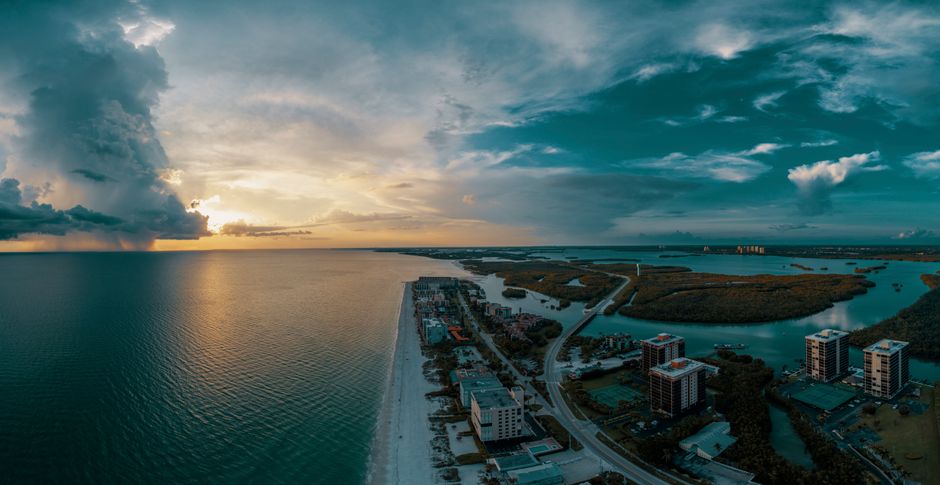
8. The Myth of Bermeja Island
Yucatán Peninsula, Mexico (nearby waters)
A phantom island, once charted and claimed, mysteriously vanished, causing international maritime disputes.
For centuries, Bermeja Island appeared on maps north of Mexico's Yucatán Peninsula. Its strategic location was crucial for defining maritime borders and oil exploration rights in the Gulf of Mexico. However, by the early 2000s, searches by the Mexican Navy and others found no trace of it. Its disappearance (or perhaps it never existed) sparked conspiracy theories and forced a re-evaluation of international maritime law and historical cartography, highlighting how foundational geographic 'facts' can shape national claims and economic futures.
Frequently asked questions
How do historical sites reflect evolving interpretations of law and justice?
Historical sites often embody moments when societal norms, legal frameworks, or foundational principles were established, challenged, or drastically re-evaluated. Visiting these places allows us to see the tangible results of past decisions and cultural shifts, offering a ground-level perspective on how different eras interpreted concepts like freedom, governance, or community structure.
What are some examples of places that challenged societal norms?
Our list includes the Black Mountain College site, an experimental educational community that defied traditional academia, and the New Harmony Labyrinth, symbolizing attempts at utopian communal living. These sites represent bold efforts to reinterpret and reshape foundational societal principles outside conventional structures.
How can travel deepen my understanding of foundational principles?
Traveling to historically significant places offers a direct, immersive experience that textbooks cannot replicate. It allows you to connect with the physical environment where pivotal events occurred, helping you grasp the context, challenges, and human stories behind the evolution of laws, cultures, and societal norms in a profound way.
How can AllTours.ai help me explore these lesser-known historical sites?
AllTours.ai transforms your phone into an AI audio tour guide. Simply point your camera at any landmark or landscape, and the app will narrate its history, geology, and culture in your language. It’s designed to help you uncover the rich, often untold stories of both famous and genuinely lesser-known places, making every journey an insightful exploration.
Related guides
Photography via Pexels. AllTours.ai is an AI audio tour guide — point your camera at any landscape and hear its story.