June 30, 2026 · 4 min read
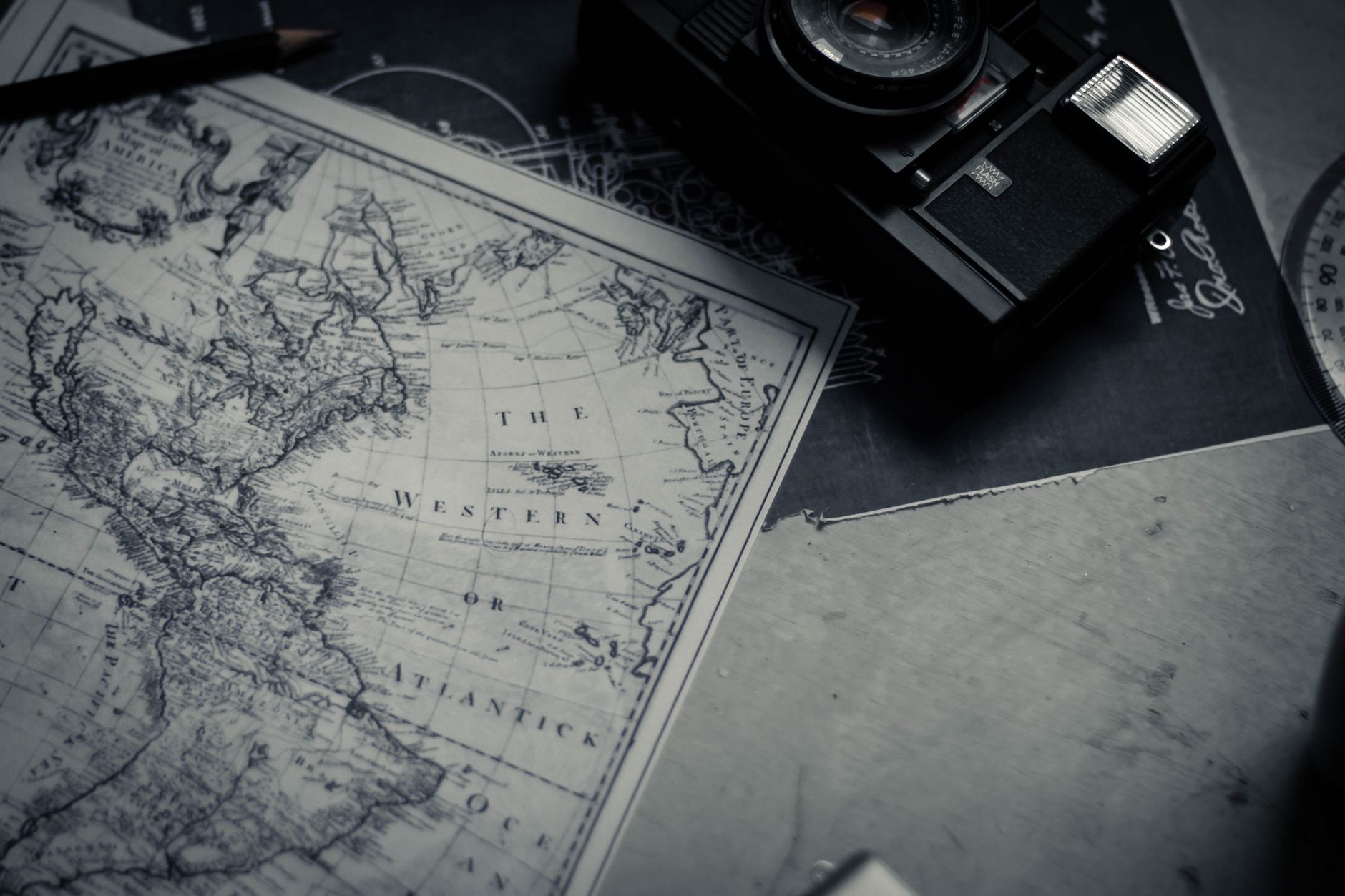
Before the internet streamlined every aspect of travel, planning a family vacation was an exercise in meticulous research and serendipitous discovery. There were no algorithms suggesting hidden beaches, no instant reviews for obscure diners, and certainly no online booking websites to compare prices. Instead, families relied on paper maps, travel agencies, word-of-mouth, and thick guidebooks, often unearthing truly unique spots far from today's well-trodden paths.
This slower, more intentional approach often led to remarkable discoveries—places with deep, compelling stories that might now be overshadowed by more heavily marketed destinations. It was a time when the journey to find a place was almost as much a part of the adventure as the destination itself. Let's revisit some of these captivating, lesser-known locations that families might have stumbled upon in a bygone era, each with a surprising tale to tell.
1. The Town Built on Bottles
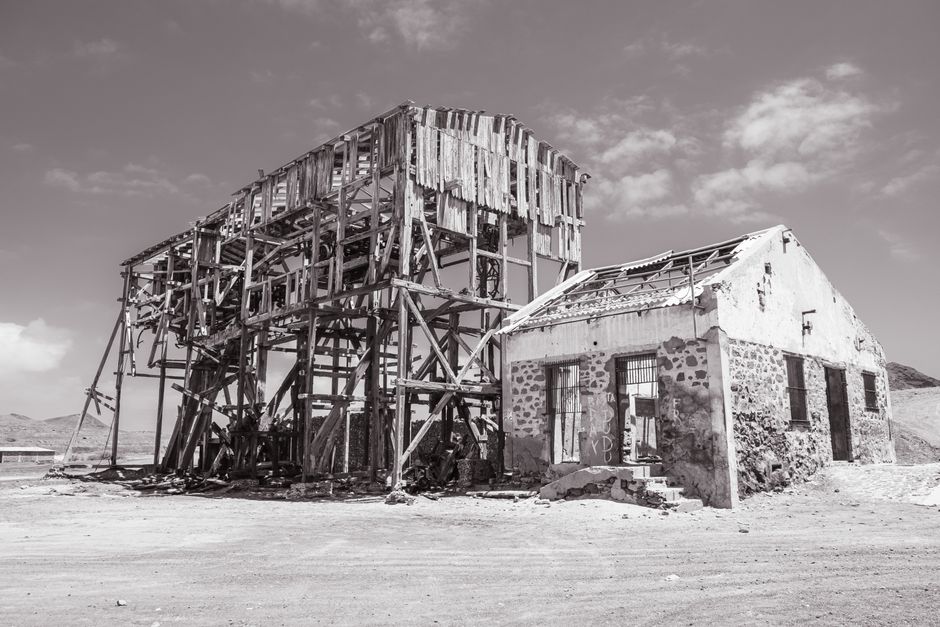
Rhyolite Ghost Town, Nevada, USA
This boom-and-bust gold mining town features homes ingeniously constructed almost entirely from glass bottles.
In 1905, Rhyolite exploded into existence, becoming one of Nevada’s largest gold mining towns in just a few years. When building materials were scarce, resourceful residents like miner Tom Kelly collected thousands of discarded glass bottles from saloons and built an entire three-room house from them. Today, as a ghost town, Rhyolite's crumbling structures and the iconic bottle house stand as a testament to the ephemeral nature of gold rushes and frontier ingenuity.
2. A Forest Turned to Stone
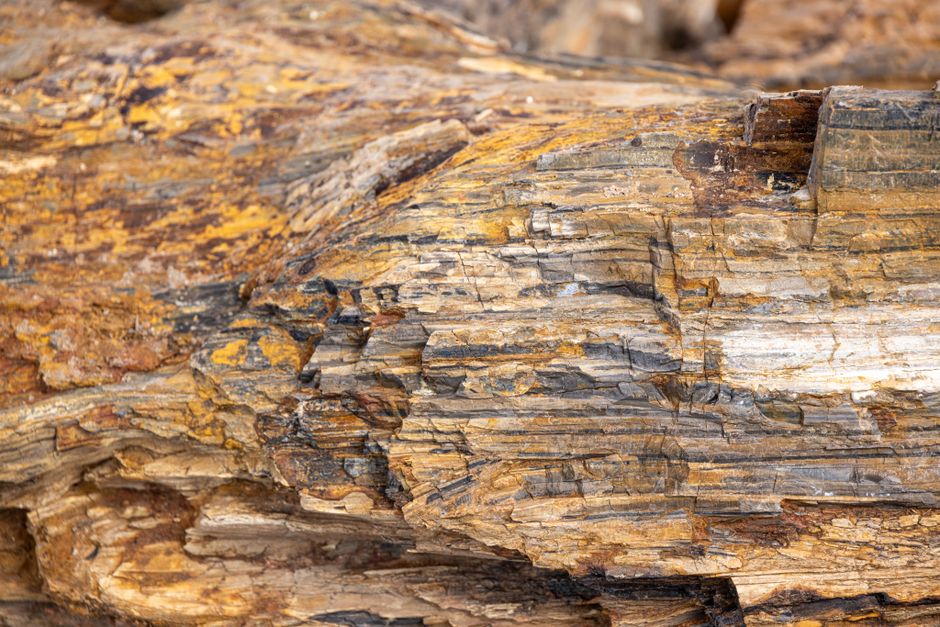
The Petrified Forest of Lesvos, Greece
Millions of years ago, volcanic ash perfectly preserved entire trees, turning this ancient forest into stone.
On the island of Lesvos, a spectacular petrified forest reveals a prehistoric ecosystem frozen in time. Around 20 million years ago, intense volcanic activity buried the region under ash and lava. This process prevented the trees from decomposing, instead replacing their organic material with minerals, creating an extraordinary collection of standing and fallen petrified trees, some stretching over 20 meters, complete with bark and root systems.
3. Monks Mound and the Ancient Metropolis
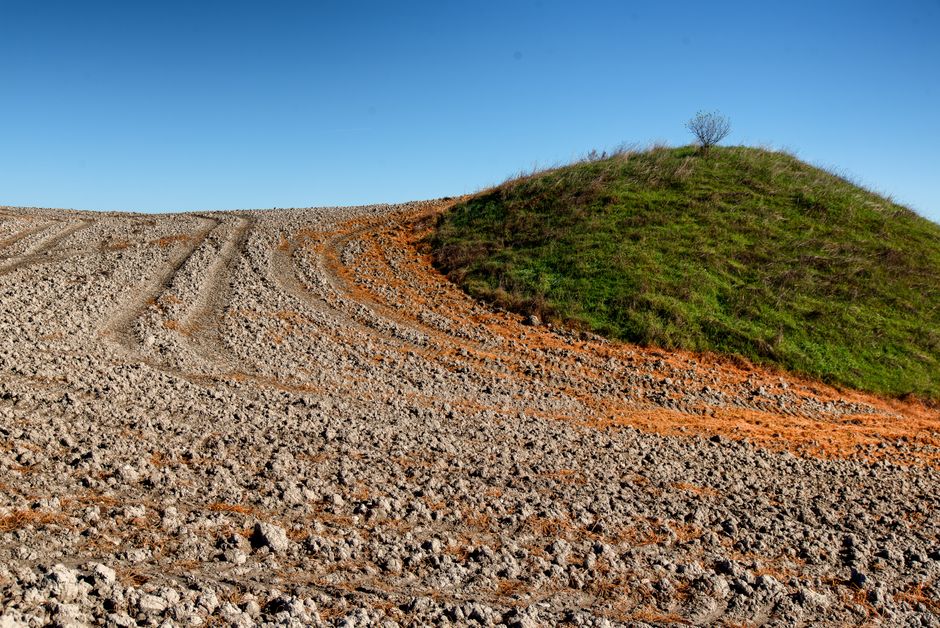
Cahokia Mounds, Illinois, USA
The remains of a sophisticated ancient city that once rivaled London in size and complexity, built by the Mississippian people.
Long before European arrival, Cahokia was a thriving pre-Columbian city, home to an estimated 10,000-20,000 people at its peak around 1050-1200 CE. Its monumental earthworks, including Monks Mound, the largest prehistoric earthen construction in the Americas, showcase an advanced society with complex social structures and extensive trade networks. The reasons for its eventual abandonment remain a subject of historical debate, adding to its intrigue.
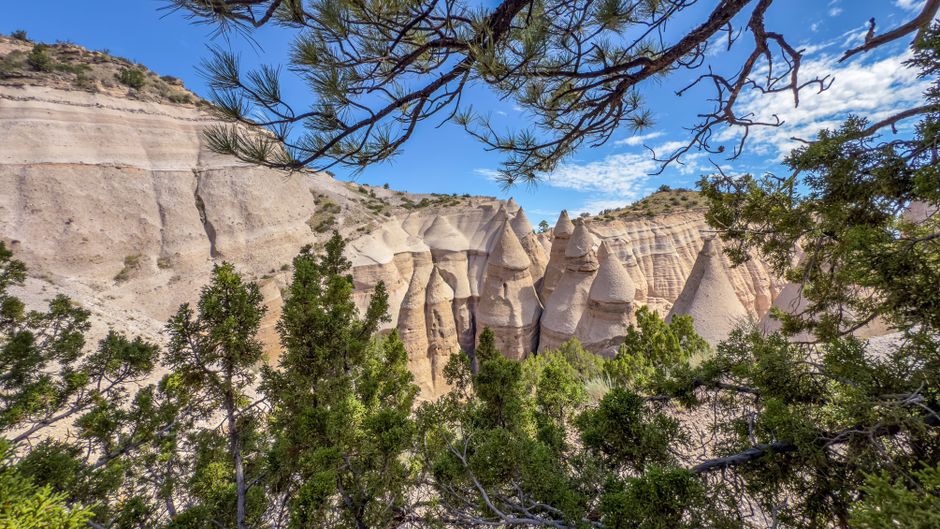
4. The Stone Tent City
Kasha-Katuwe Tent Rocks National Monument, New Mexico, USA
A surreal landscape of conical rock formations, resembling giant tents, sculpted by volcanic eruptions and erosion over millions of years.
Formed from volcanic ash and pumice deposited by eruptions 6 to 7 million years ago, the Tent Rocks are a unique geological wonder. Over millennia, erosion carved these soft materials into cone-shaped spires, often topped with harder, protective capstones. The Slot Canyon trail winds through these formations, offering a striking visual journey into the Earth's dynamic geological history and the power of natural forces.
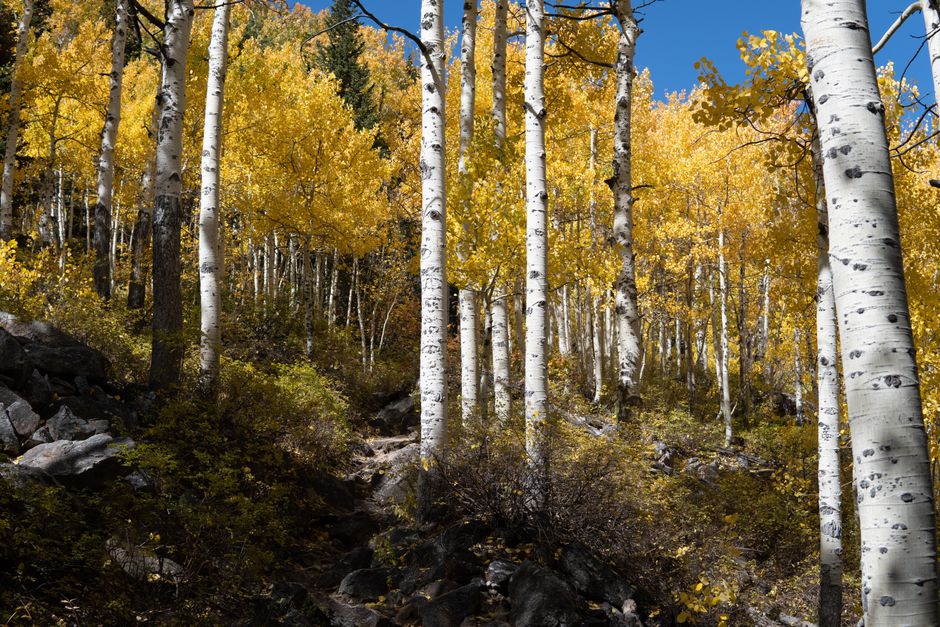
5. The Forest That Is One Tree
Pando Clone, Utah, USA
This vast forest in Utah is actually a single, massive organism: a clonal colony of quaking aspens sharing one root system.
Spread across over 100 acres in Fishlake National Forest, Pando, Latin for 'I spread,' is a single male quaking aspen clone comprising approximately 47,000 genetically identical stems. It is considered one of the largest and oldest organisms on Earth, estimated to be thousands of years old. This interconnected root system makes Pando a living example of biological resilience and a critical subject for ecological study.
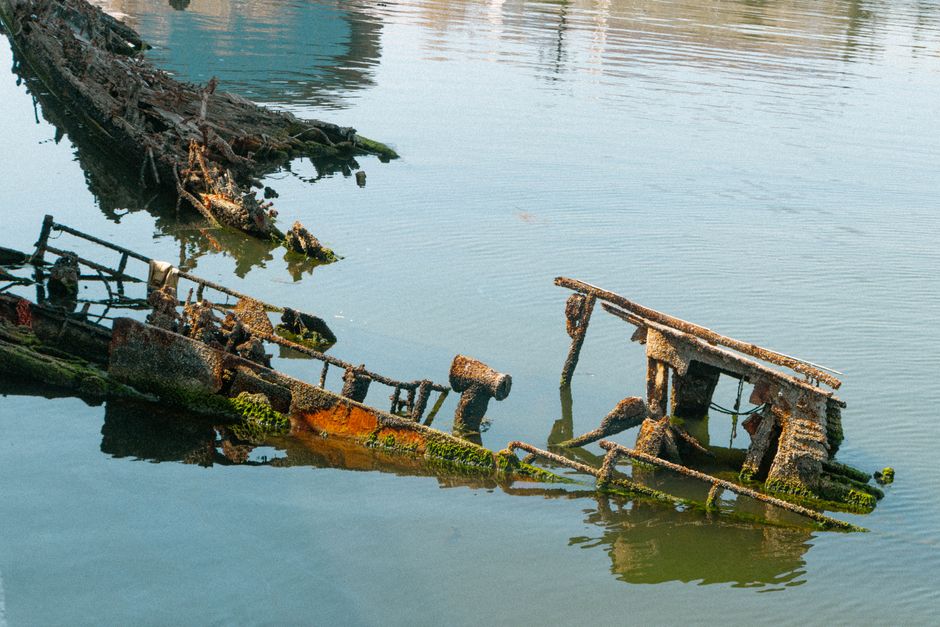
6. The Sunken Bronze Age City
Pavlopetri, Greece
Beneath the shallow waters off the coast of Greece lies Pavlopetri, the world's oldest submerged city, with streets, buildings, and tombs perfectly preserved.
Discovered in 1967, Pavlopetri is a remarkable Bronze Age settlement, dating back over 5,000 years, that lies completely underwater. Earthquakes caused the city to sink, preserving its urban plan with astonishing clarity. Divers can still identify streets, buildings, courtyards, and even ancient pottery, offering an unparalleled glimpse into Mycenaean civilization and maritime life from millennia past.
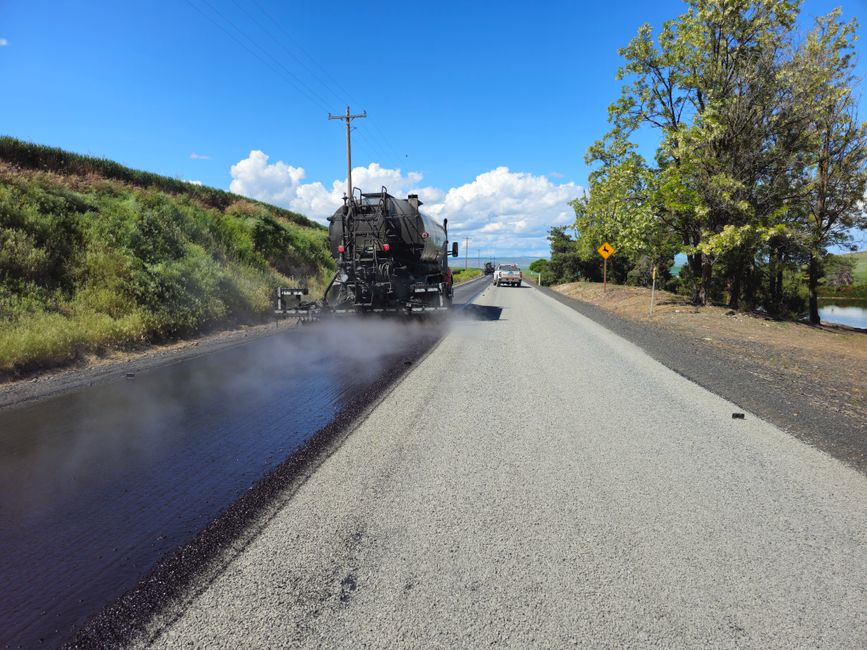
7. The Town That Burns Forever
Centralia, Pennsylvania, USA
In rural Pennsylvania, an underground coal seam fire has been burning for decades, turning a once-vibrant town into a modern-day ghost town with steaming roads.
Since 1962, an underground coal mine fire has raged beneath Centralia, Pennsylvania, forcing the abandonment of the entire town. The fire, which started from a landfill blaze, ignited a vast network of coal seams, creating an eerie landscape of steaming ground, sinkholes, and poisonous gases. Most buildings have been demolished, leaving behind a stark, desolate reminder of an environmental disaster still unfolding.
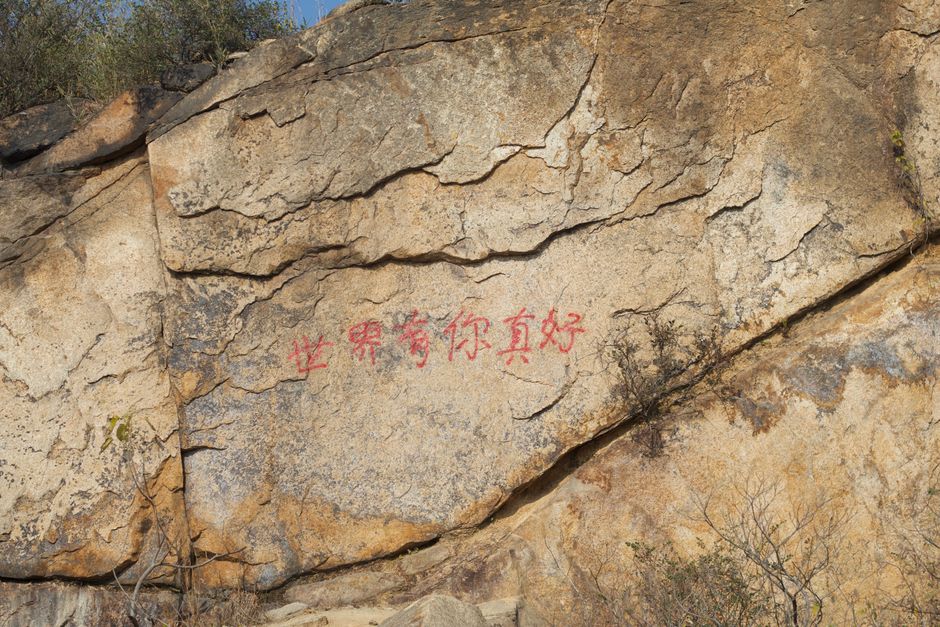
8. Pioneer's Rock Message Board
City of Rocks National Reserve, Idaho, USA
Towering granite spires in Idaho that served as a crucial landmark, a visual diary, and a message board for pioneers traversing the California Trail.
For pioneers making the arduous journey west on the California Trail, the City of Rocks was a welcome and unmistakable landmark. Its dramatic granite formations, some soaring hundreds of feet, provided a moment of awe and relief. Many pioneers carved their names, dates, and messages into the rock faces, creating a unique historical archive that visitors can still see today, connecting directly to the stories of westward expansion.
Frequently asked questions
How did families find places to stay before online booking?
Before online booking, families often used travel agents who had directories and connections, or they relied on guidebooks like AAA TourBooks or Mobil Travel Guides which listed hotels, motels, and even campgrounds with ratings. Word-of-mouth recommendations from friends and family were also highly valued for finding good accommodations.
What tools did people use for navigation on road trips?
Road trippers before GPS and smartphones primarily relied on paper maps—detailed state maps, road atlases, or even free maps provided by gas stations and car clubs. They would often plan routes by tracing them with highlighters, noting down specific highway numbers and landmarks to look out for.
How did families discover unique attractions or local history?
Discovering unique attractions involved a lot more legwork. Families would read general travel guides, local brochures picked up at rest stops or visitor centers, and often relied on roadside signs advertising 'World's Largest Ball of Twine' or 'Historical Marker Ahead.' Talking to locals at diners or general stores was also a common way to uncover hidden gems.
How can I discover the stories behind places today?
Today, you can use modern tools to uncover the rich history, geology, and culture of any location. AllTours.ai is an AI audio tour guide app that allows you to point your phone camera at any landscape or landmark, and it will instantly narrate its story in your language, making every journey an informed exploration.
Related guides
Photography via Pexels. AllTours.ai is an AI audio tour guide — point your camera at any landscape and hear its story.