June 17, 2026 · 4 min read
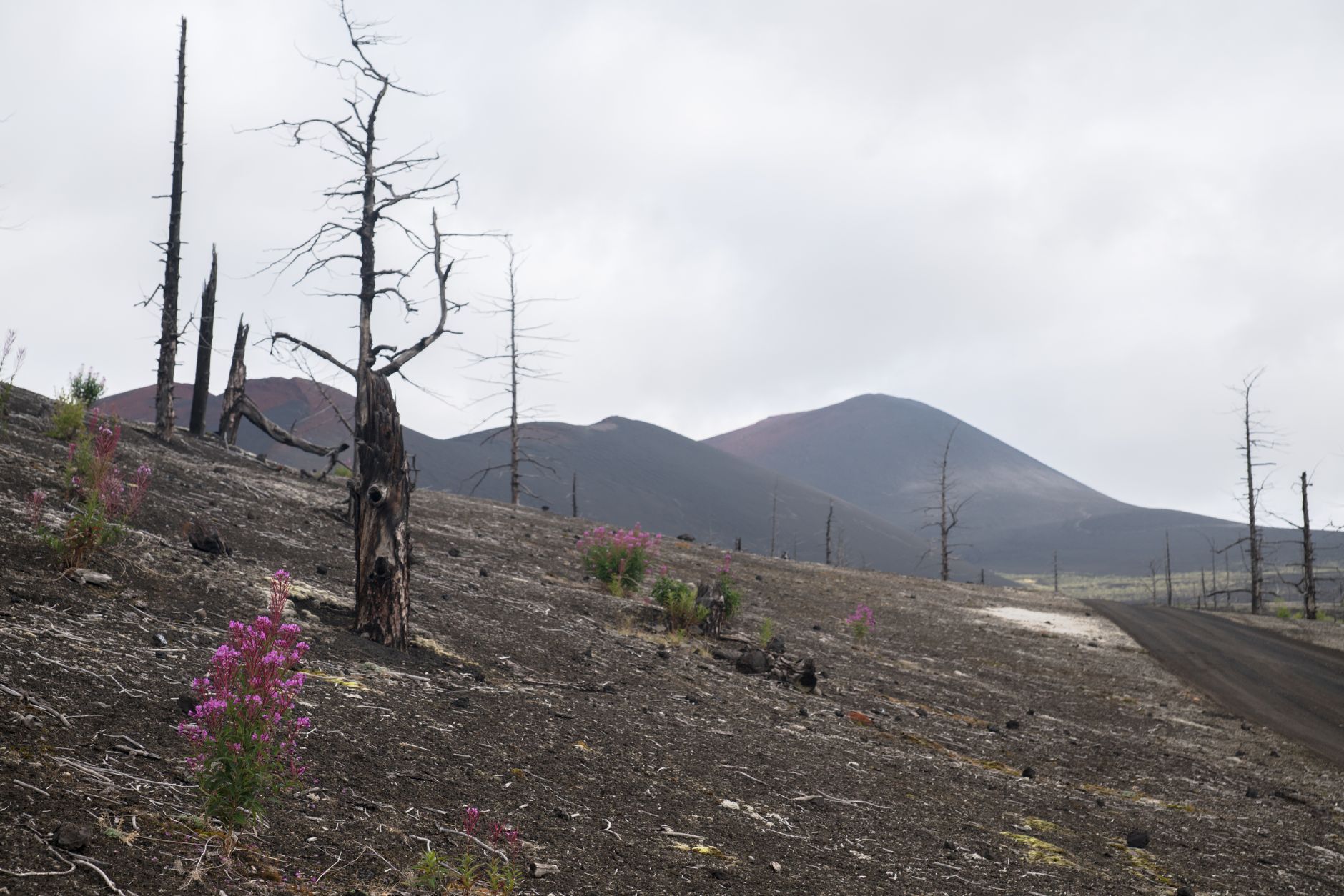
When we plan a trip, we often chase picture-perfect postcards: azure waters, pristine peaks, or charming cobblestone streets. But what if we told you that some of the most compelling travel experiences lie in places that defy conventional beauty? The question, "What’s the ugliest holiday destination?" isn't about finding somewhere to avoid, but rather to uncover the extraordinary narratives buried beneath an unconventional surface.
From ecological oddities to industrial ruins and ghost towns reclaimed by nature, these destinations might not win any beauty contests, yet they offer a profound depth of history, geology, and human resilience. They challenge our perceptions and invite a closer look, revealing that true wonder often resides where we least expect it.
1. The Salton Sea's Toxic Glamour
Salton Sea, California, USA
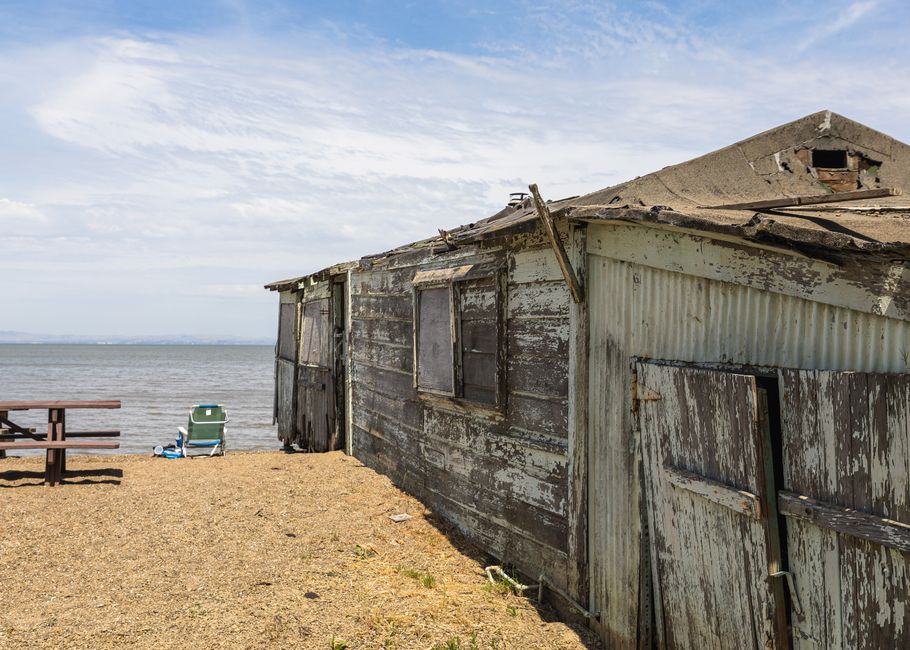
This vast, accidental lake in the California desert was once a booming resort destination, now a haunting ecological disaster.
Born from an engineering mishap in 1905, the Salton Sea quickly became a popular tourist spot, a 'Riviera of the West.' Celebrities flocked to its shores, enjoying waterskiing and fishing. However, with no natural outflow, agricultural runoff caused increasing salinity and pollution, leading to massive fish die-offs and the collapse of its ecosystem. Today, decaying resorts and skeletal fish line its receding shores, a stark monument to a forgotten dream.
2. Kolmanskop: Sand-Swallowed Diamonds
Kolmanskop, Namibia
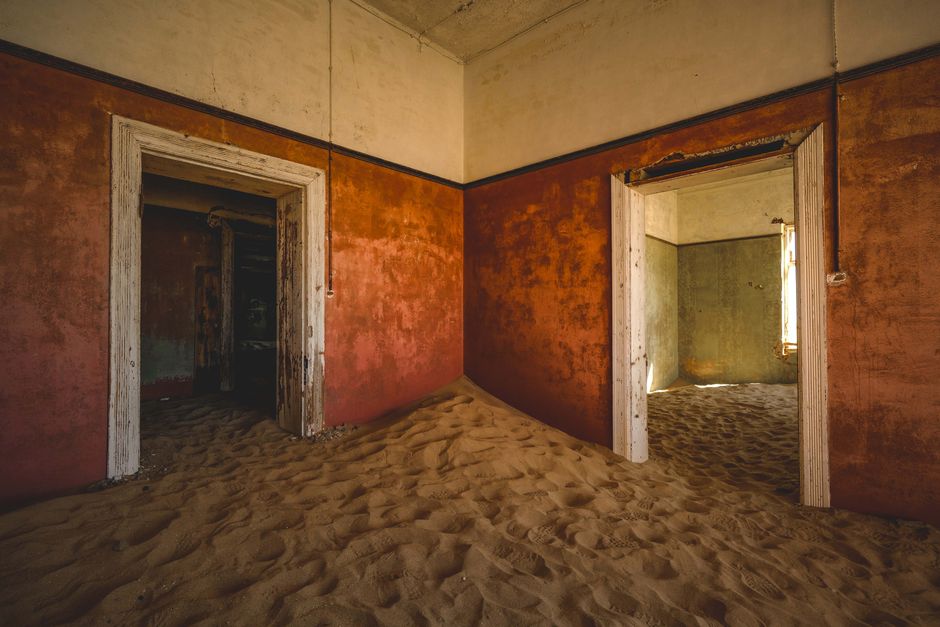
An entire German diamond mining town in the Namib Desert lies completely abandoned, slowly being swallowed by shifting sands.
In 1908, a railway worker discovered a diamond in the sand, sparking a diamond rush that led to the rapid construction of Kolmanskop. This opulent German settlement boasted a hospital, ballroom, and even a bowling alley, all in the middle of a harsh desert. After the diamond fields were exhausted, the town was deserted in 1954. Today, its grand houses stand half-buried in sand, a surreal testament to the fleeting nature of boom and bust.
3. Wittenoom: The Blue Asbestos Curse
Wittenoom, Western Australia
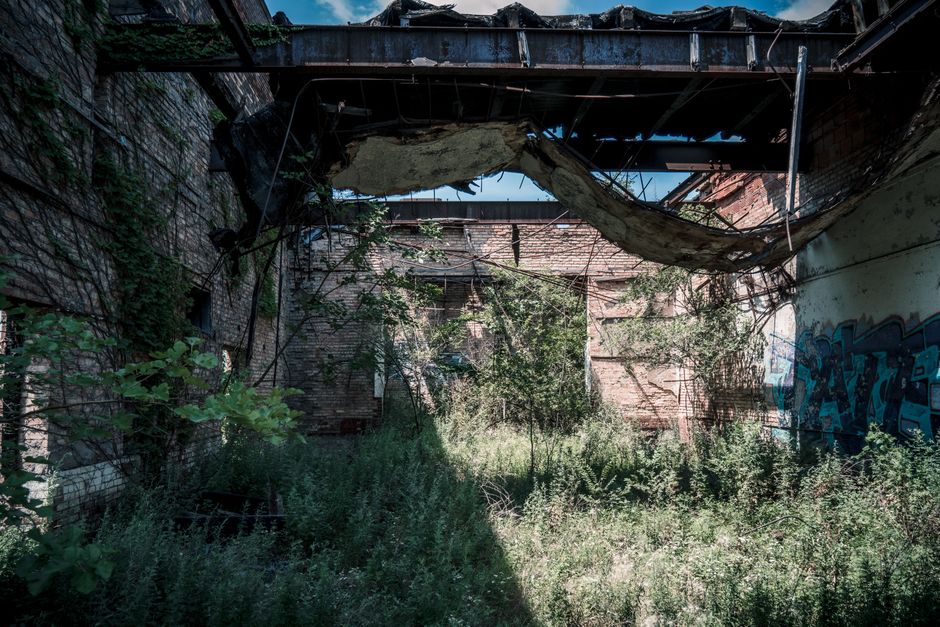
Once a thriving mining town, Wittenoom is now officially removed from maps, a silent monument to the deadly legacy of asbestos.
From the 1930s to the 1960s, Wittenoom was Australia's only blue asbestos mine, drawing thousands of workers to its remote location. Despite growing health concerns, mining continued until 1966. The town was officially degazetted in 2007 due0to the widespread contamination, making it a permanent danger zone. Its remaining structures are slowly disintegrating, a chilling reminder of industrial hubris and the hidden cost of progress.
4. The Darvaza Gas Crater: Door to Hell
Darvaza, Turkmenistan
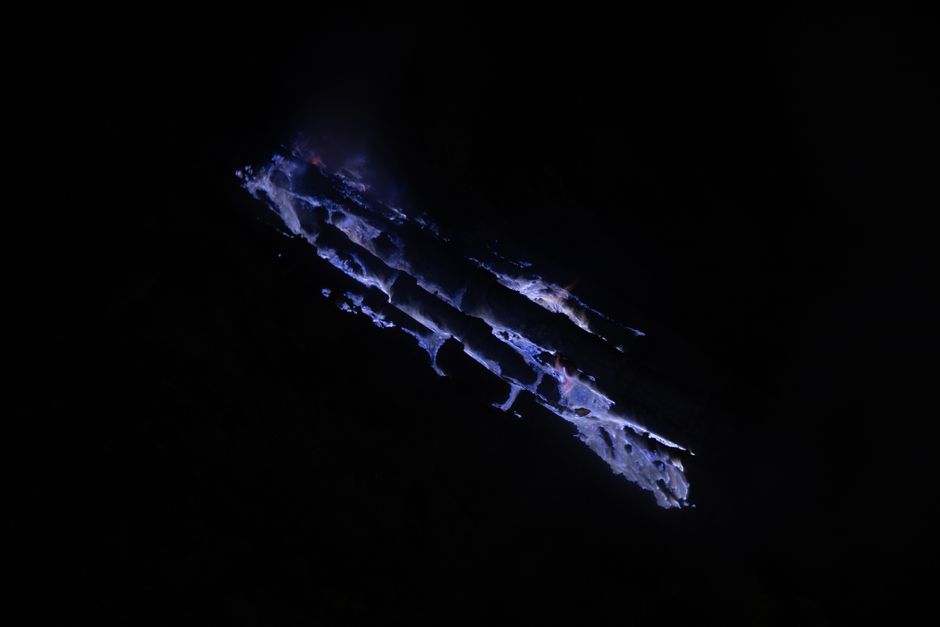
This perpetually burning natural gas crater has been alight for over five decades, a fiery scar on the Karakum Desert.
In 1971, Soviet engineers were drilling for natural gas when their rig collapsed into a cavern, creating a wide crater. Fearing the spread of poisonous methane gas, they decided to set it on fire, expecting it to burn out in a few weeks. Fifty years later, the "Door to Hell" continues to burn, a mesmerizing, terrifying spectacle. The constant flame illuminates the desert night, drawing curious travelers to witness its infernal glow.
5. Kangbashi: China's Ghost City Dream
Ordos, Inner Mongolia, China
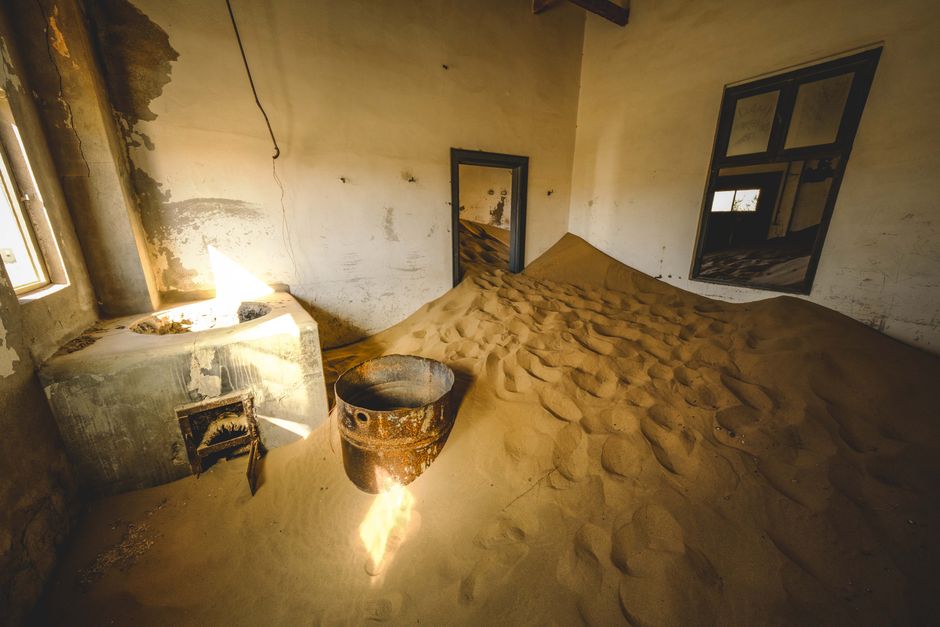
Built to house a million people, this meticulously planned city remains largely empty, a surreal testament to unchecked ambition.
Kangbashi New Area was envisioned as a modern metropolis, a gleaming symbol of China's economic boom. Complete with grand boulevards, futuristic architecture, and vast public spaces, it was ready for its inhabitants. However, speculative building and exorbitant property prices meant that few could afford to move in. Today, its wide streets are eerily quiet, its towering buildings mostly vacant, creating a haunting urban landscape that feels both impressive and profoundly lonely.
6. Centralia: The Town on Fire Below
Centralia, Pennsylvania, USA
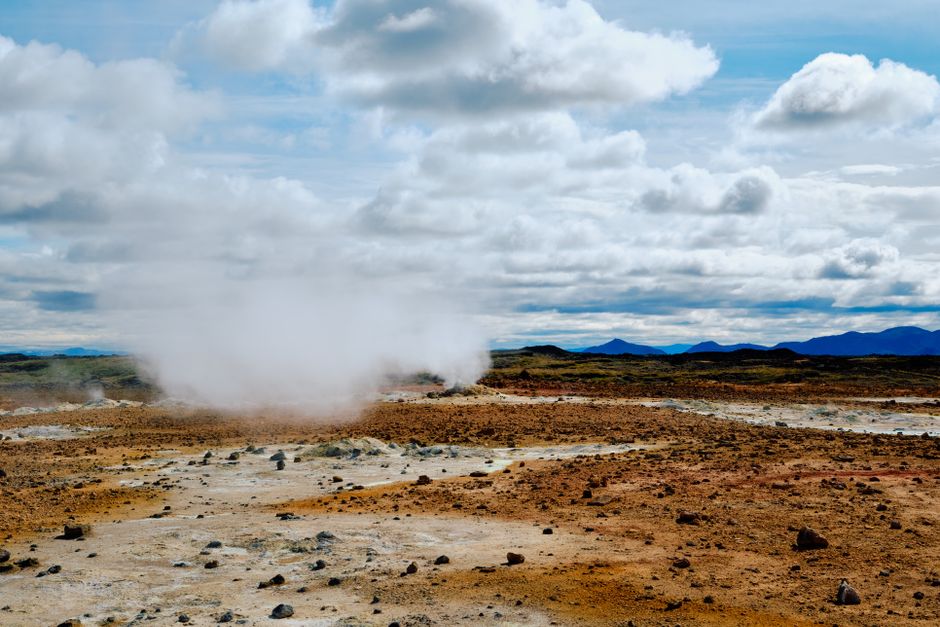
An underground coal mine fire has been burning beneath this small Pennsylvania town for over 60 years, slowly consuming it.
In 1962, a trash fire in a landfill spread into an abandoned coal mine shaft, igniting a vast anthracite coal seam beneath Centralia. Despite numerous attempts, the fire could not be extinguished and continues to burn today, creating sinkholes, spewing smoke, and releasing toxic gases. Most residents were evacuated, and the town was slowly condemned. What remains is a bizarre landscape of steaming ground and cracked roads, a testament to an unyielding subterranean inferno.
7. The Danakil Depression: Earth's Alien Surface
Danakil Depression, Ethiopia
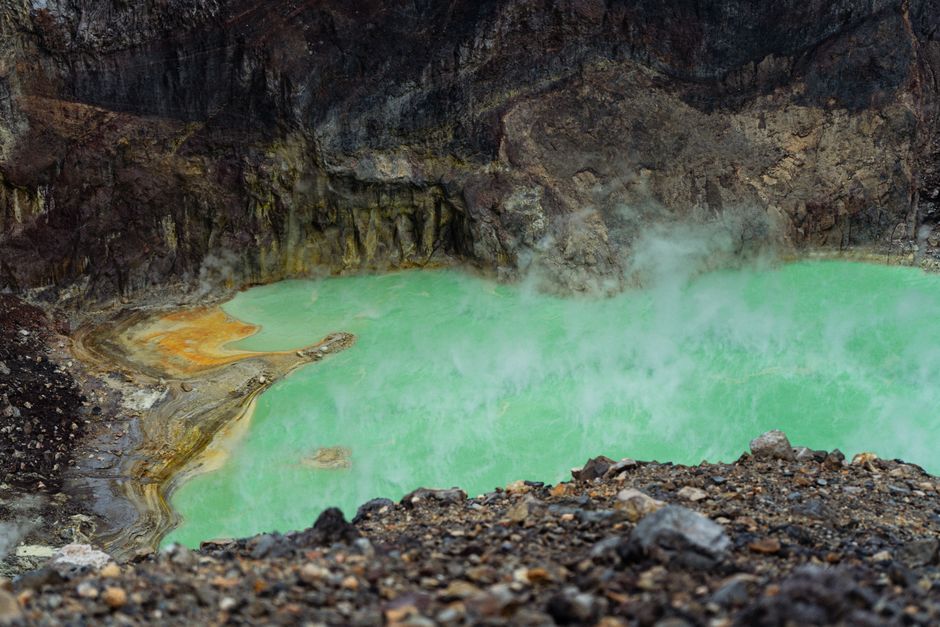
One of the hottest and lowest places on Earth, this region features surreal landscapes of active volcanoes, acid pools, and salt flats.
The Danakil Depression feels like another planet. Formed by the divergence of three tectonic plates, its landscape is a kaleidoscope of extreme geological activity. Vibrantly colored hydrothermal fields bubble with acidic hot springs, while active volcanoes like Erta Ale constantly reshape the terrain. Despite its harshness, the Afar people have adapted to life here, harvesting salt from the vast plains, making it a unique blend of geological wonder and human resilience.
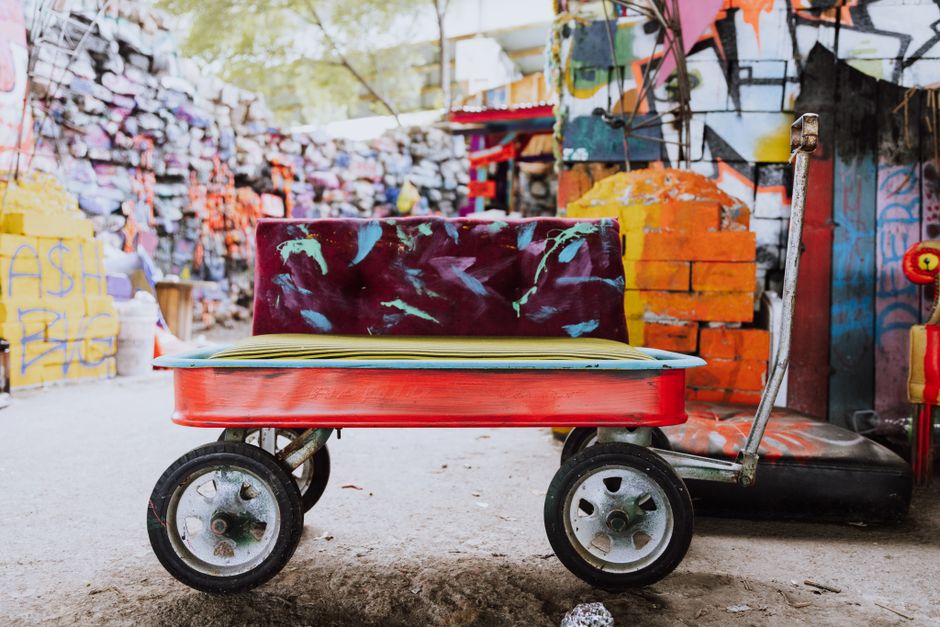
8. Slab City: The Last Free Place
Slab City, California, USA
An off-grid, self-governing community in the Sonoran Desert, built on the ruins of a WWII marine base, embodies radical freedom.
Known as 'The Last Free Place,' Slab City is an unincorporated community in the California desert, home to a diverse mix of permanent residents and 'snowbirds' escaping winter. Without electricity, running water, or conventional governance, residents create their own infrastructure and art, from Salvation Mountain to elaborate camps. It's a raw, often chaotic, but fiercely independent settlement, a living experiment in alternative living that challenges societal norms and conventional ideas of comfort.
Frequently asked questions
Are these 'ugly' destinations safe to visit?
Safety varies greatly by location. Some places, like the Darvaza Gas Crater or parts of the Danakil Depression, require experienced guides due to extreme conditions or remote locations. Others, like the Salton Sea, are accessible but require awareness of local conditions. Always research specific dangers and recommended precautions before visiting.
What kind of stories can I expect to find in these unconventional places?
These places are rich with narratives spanning geology, human ambition, ecological shifts, and forgotten history. You'll uncover tales of boom-and-bust industries, the resilience of communities in harsh environments, unique geological formations that shaped the land, and the stark consequences of human impact on nature. Each site offers a truly unique perspective.
How can I find truly lesser-known places with interesting stories?
Beyond mainstream travel blogs, look into local history archives, geological society publications, or even specific historical maps. Sometimes, local residents or niche online communities dedicated to urban exploration or abandoned places can offer invaluable insights into hidden gems with compelling, untold stories.
How can AllTours.ai help me explore these unique locations?
AllTours.ai brings the stories of these places to life. Simply point your phone camera at a landmark, a strange geological formation, or even a crumbling building, and the app will instantly narrate its history, geology, and cultural significance in your language, revealing the hidden layers of even the most 'ugly' destinations.
Related guides
Photography via Pexels. AllTours.ai is an AI audio tour guide — point your camera at any landscape and hear its story.