June 15, 2026 · 4 min read
Planning a road trip often starts with mapping out destinations, but a crucial early step is understanding the character of the places you'll visit. Beyond general crime statistics, knowing a state's unique geographical features, cultural nuances, and potential environmental considerations can profoundly shape your experience and preparedness. It’s about more than just safety; it’s about informed exploration.
The most memorable journeys often lead us off the beaten path, into corners of America where surprising stories are etched into the landscape. These lesser-known spots often require a deeper understanding than your average tourist attraction. By uncovering their true nature—from ancient geology to modern mysteries—you gain the kind of insight that transforms a simple visit into an unforgettable adventure.
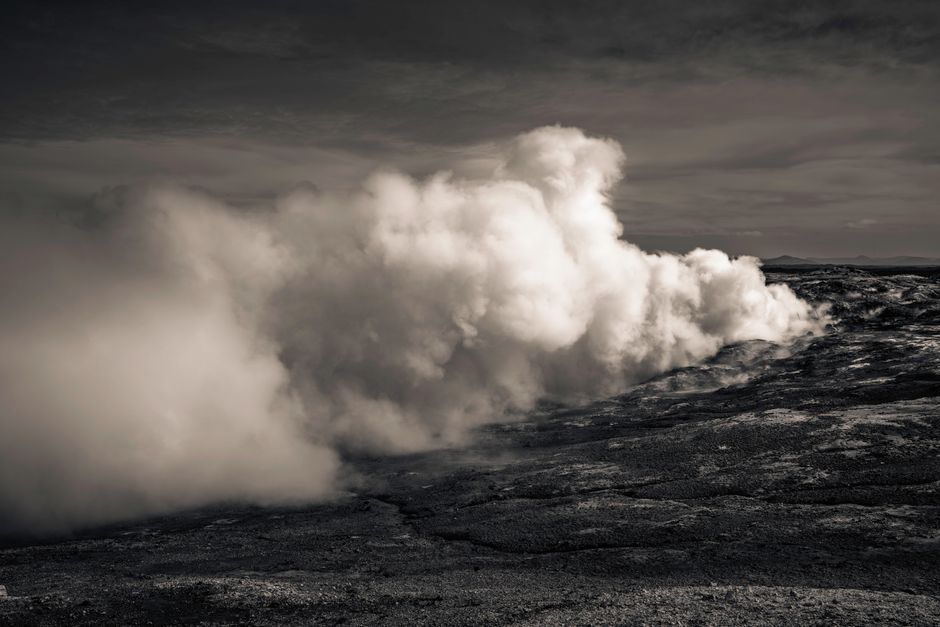
1. The Town Burning Beneath
Centralia, Pennsylvania, USA
An underground coal seam fire has been burning beneath this town for over 60 years, creating a modern ghost town.
What began with a trash fire in an abandoned strip mine in 1962 spiraled into an uncontrollable inferno beneath Centralia. The ground steams, sinkholes appear, and most residents evacuated, leaving behind a surreal landscape of abandoned homes and smoking vents. The fire is estimated to have enough fuel to burn for centuries more, a stark reminder of industrial legacies.

2. America's One-Person Town
Monowi, Nebraska, USA
This tiny Nebraska town holds the unique distinction of having a single resident, who also serves as its mayor, librarian, and bartender.
Elsie Eiler is Monowi's sole inhabitant, a testament to resilience and small-town spirit. She runs the Monowi Tavern, the town's only business, and even issues her own liquor license, as mayor. The Monowi Public Library, housed in a small shed, is dedicated to her late husband, showing a community spirit that endures even with one person.
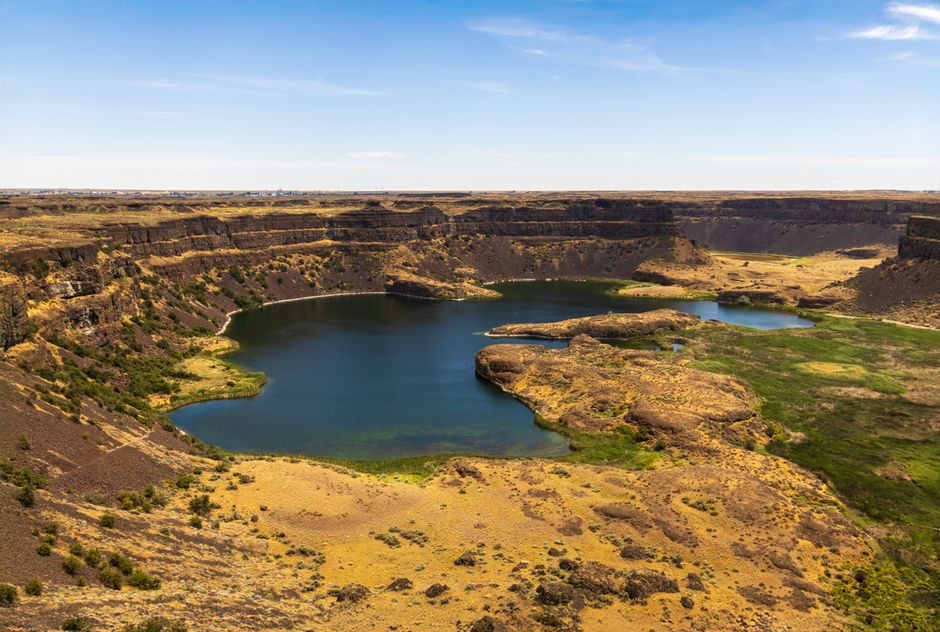
3. The Untamed American Outback
Owyhee Canyonlands, Idaho/Oregon, USA
This vast, remote wilderness holds some of the largest unprotected roadless areas in the lower 48 states, teeming with wild horses and ancient geology.
Spanning millions of acres across Idaho, Oregon, and Nevada, the Owyhee Canyonlands are a mosaic of deep river canyons, volcanic plateaus, and sagebrush steppe. It's a stronghold for wildlife, including the largest herd of wild horses in the contiguous U.S., and offers a glimpse into a truly untamed American frontier, where ancient petroglyphs whisper stories of early inhabitants.
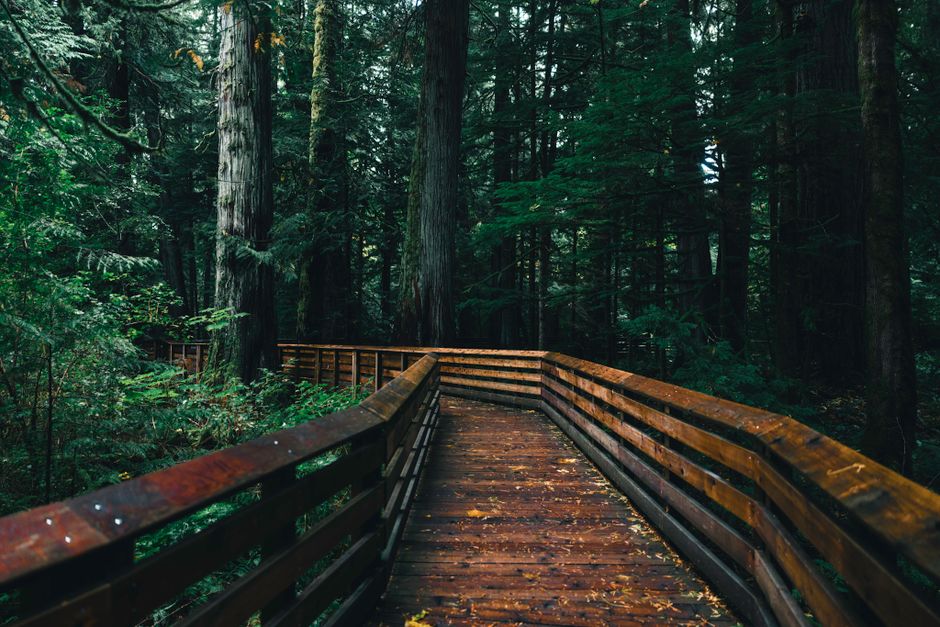
4. The Champion Tree Forest
Congaree National Park, South Carolina, USA
Home to the largest intact tract of old-growth bottomland hardwood forest in the southeastern United States, featuring some of the tallest trees in eastern North America.
Deep within South Carolina lies Congaree, a floodplain forest shaped by the meandering Congaree River. Its elevated boardwalks traverse a swampy landscape dominated by towering loblolly pines, bald cypress, and water tupelo, many of which are "champion trees" – the largest of their species. The park's unique ecosystem floods regularly, creating a nutrient-rich environment for its impressive arboreal giants.
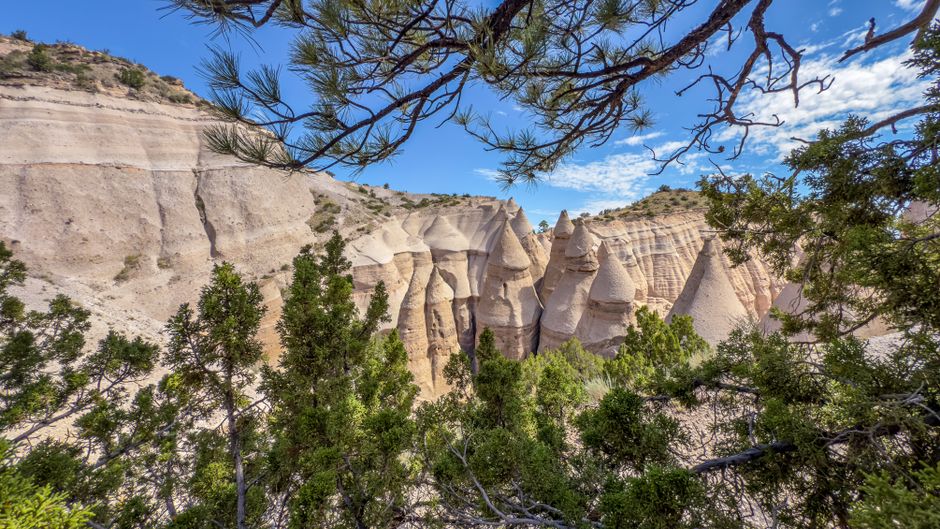
5. Land of Standing Up Rocks
Chiricahua National Monument, Arizona, USA
This "sky island" desert mountain range is famous for its bizarre rock formations, carved by ancient volcanic eruptions and erosion, and was once a stronghold of the Apache.
Known as "The Land of Standing Up Rocks" by the Chiricahua Apache, this monument features columns of rhyolite rock, called hoodoos, that defy gravity. These formations are remnants of a massive volcanic eruption 27 million years ago, shaped over millennia by wind and water. The area was famously a hideout for Apache leaders like Cochise and Geronimo, whose stories are etched into the rugged landscape.
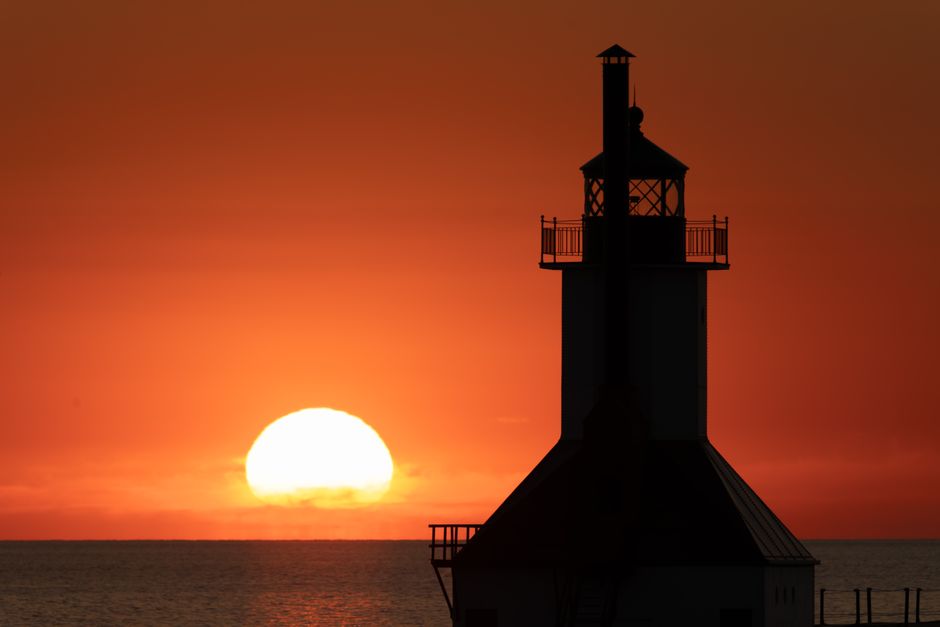
6. Sentinel of the Sleeping Bear
Point Betsie, Michigan, USA
One of the most important lights on Lake Michigan, this historic lighthouse guarded a treacherous coastline known for shipwrecks and served as a crucial navigation aid for over a century.
Standing proudly on a sandy promontory near Frankfort, Point Betsie Lighthouse has warned sailors of Lake Michigan's unpredictable shoals since 1858. Its original Fresnel lens, now housed in a museum, guided countless vessels through storms and fog. The surrounding waters, part of the "Graveyard of the Great Lakes," swallowed numerous ships, making the lighthouse a silent testament to both maritime peril and salvation.
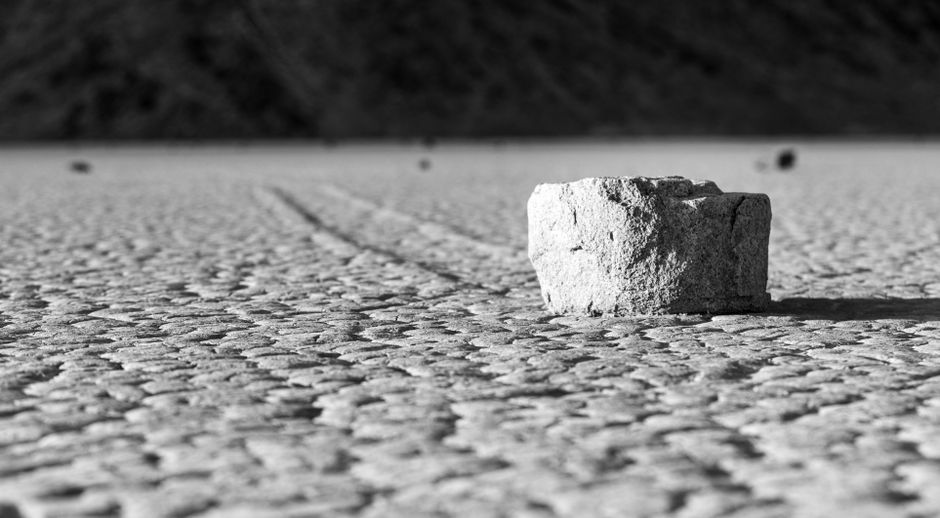
7. The Mystery of the Moving Rocks
Racetrack Playa, Death Valley National Park, California, USA
On this impossibly flat dry lakebed, rocks weighing hundreds of pounds mysteriously slide across the surface, leaving long tracks in the mud, a phenomenon that puzzled scientists for decades.
Racetrack Playa is a remote, dry lakebed known for its "sailing stones." For years, the mechanism behind their movement was unknown, leading to wild theories. It was finally discovered that thin sheets of ice, formed after rare winter rains, combine with light winds to push the rocks across the slick, muddy surface. The tracks remain, a ghostly record of their slow, imperceptible journeys across the vast, desolate landscape.
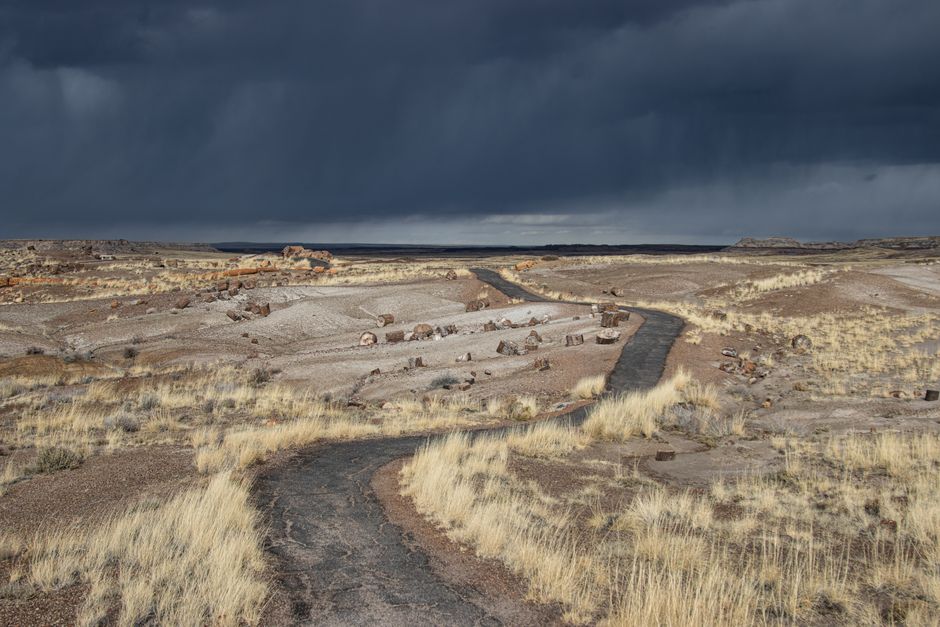
8. Ancient Trees of Stone
Petrified Forest National Park, Arizona, USA
Along this trail, ancient trees that fell over 200 million years ago have been transformed into vibrant, crystalline stone, revealing the earth's deep geological history.
The Crystal Forest trail showcases some of the most stunning examples of petrified wood in the park. Here, entire logs, once living trees in a humid Triassic forest, have been replaced by quartz crystals, often infused with minerals like iron and manganese, giving them brilliant hues of red, orange, and purple. Walking among these stone giants offers a tangible connection to a time when dinosaurs roamed this very landscape.
Frequently asked questions
What are the best resources to check a state's safety before a trip?
Official government travel advisories, local law enforcement websites, and reputable news sources offer current safety information. Also, checking local tourism boards can provide insights into common hazards or considerations for specific areas, especially for outdoor activities.
Is it safe to visit remote or lesser-known areas in the US?
Visiting remote areas can be incredibly rewarding but requires extra preparation. Ensure you have reliable navigation, ample supplies (water, food, fuel), and inform someone of your itinerary. Cell service is often limited, so be prepared for self-reliance.
How can I research unique local dangers or natural phenomena?
Beyond general safety, research specific natural features like flash flood risks in canyons, extreme weather patterns, or local wildlife (bears, snakes). Park ranger websites, local geological surveys, and guidebooks for specific regions often detail these unique considerations.
How does AllTours.ai help me explore these unique places safely?
AllTours.ai provides on-demand audio tours by pointing your camera at any landmark or landscape. It narrates its history, geology, and culture, giving you immediate context and understanding of your surroundings. This knowledge can help you appreciate a place more deeply and navigate its unique characteristics with greater awareness.
Related guides
Photography via Pexels. AllTours.ai is an AI audio tour guide — point your camera at any landscape and hear its story.