June 28, 2026 · 4 min read
We all love a good travel story, especially when it peels back the layers of a familiar place to reveal something truly unexpected. But what if the most captivating stories belong to places you've never even considered visiting? Beyond the well-trodden paths lie destinations whose true nature is far more intriguing than their outward appearance suggests.
Forget the postcards and popular myths. We're diving into the genuine history, surprising geology, and profound cultural narratives of places that genuinely aren't what they seem. Prepare to have your curiosity sparked and your understanding of the world expanded.
1. The Buried Village Older Than the Pyramids
Skara Brae, Orkney Islands, Scotland
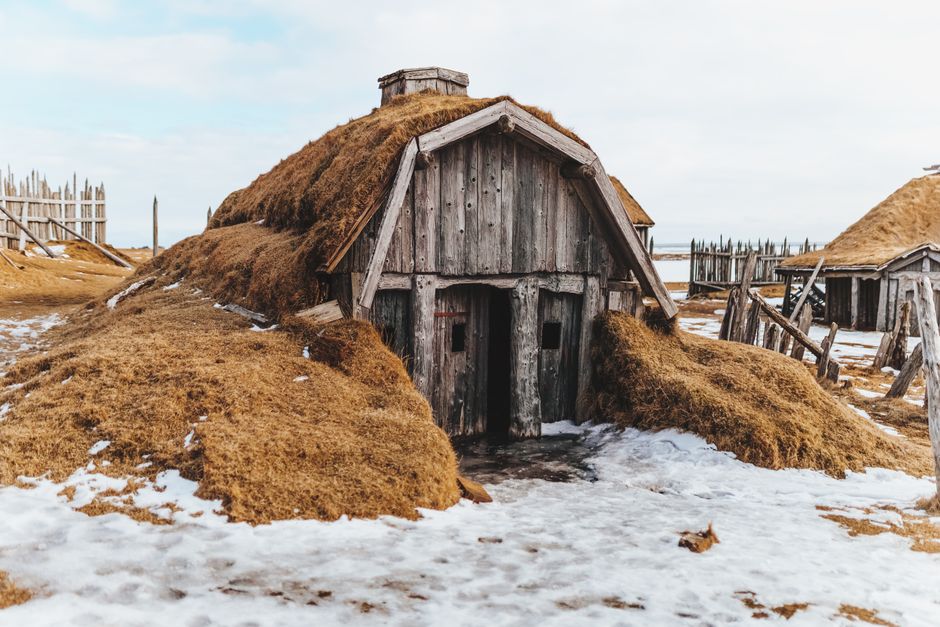
This remarkably preserved Neolithic village was completely hidden by sand for millennia, only to be uncovered by a fierce storm.
On the remote Orkney Islands, a storm in 1850 revealed Skara Brae, a stone-built settlement older than Stonehenge and the Great Pyramids. For centuries, it lay buried under sand dunes, perfectly preserving its houses, furniture, and even drainage systems. It offers an unparalleled glimpse into the daily lives of people who lived over 5,000 years ago, demonstrating sophisticated community planning and craftsmanship long before recorded history.
2. The Subterranean City Built for Thousands
Derinkuyu Underground City, Cappadocia, Turkey
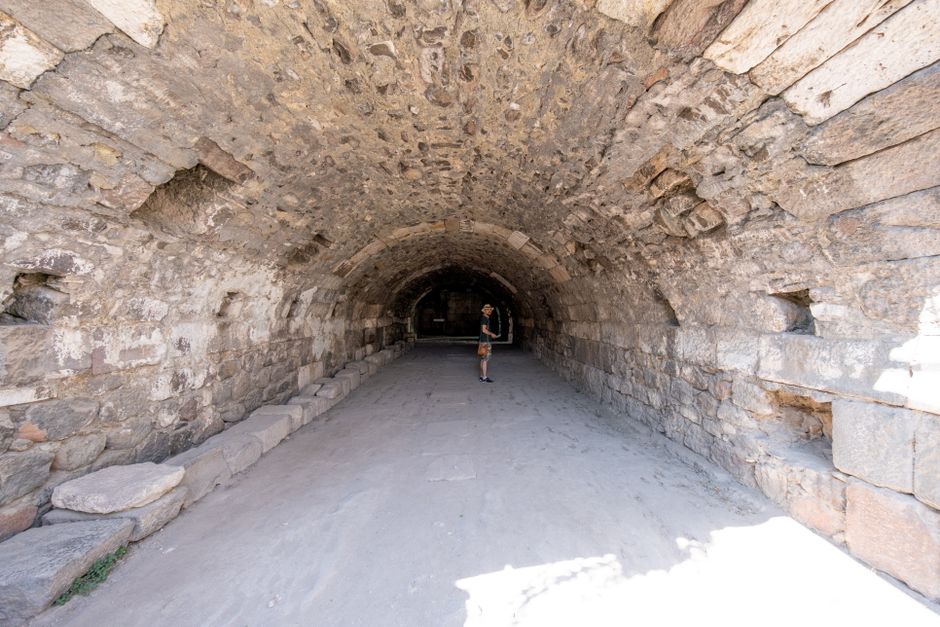
Hidden beneath the fairy chimneys of Cappadocia lies an entire ancient city, capable of housing 20,000 people along with their livestock.
Derinkuyu isn't just a cave; it's an intricately engineered multi-level city carved into soft volcanic rock, descending over 60 meters. Built by early Christians to escape persecution, it features stables, churches, schools, kitchens, and sophisticated ventilation shafts that allowed its inhabitants to live underground for months at a time. The sheer scale and ingenuity of its construction are mind-boggling, a testament to human resilience and resourcefulness.
3. A Catacomb Older Than Rome's
Catacombs of Milos, Greece
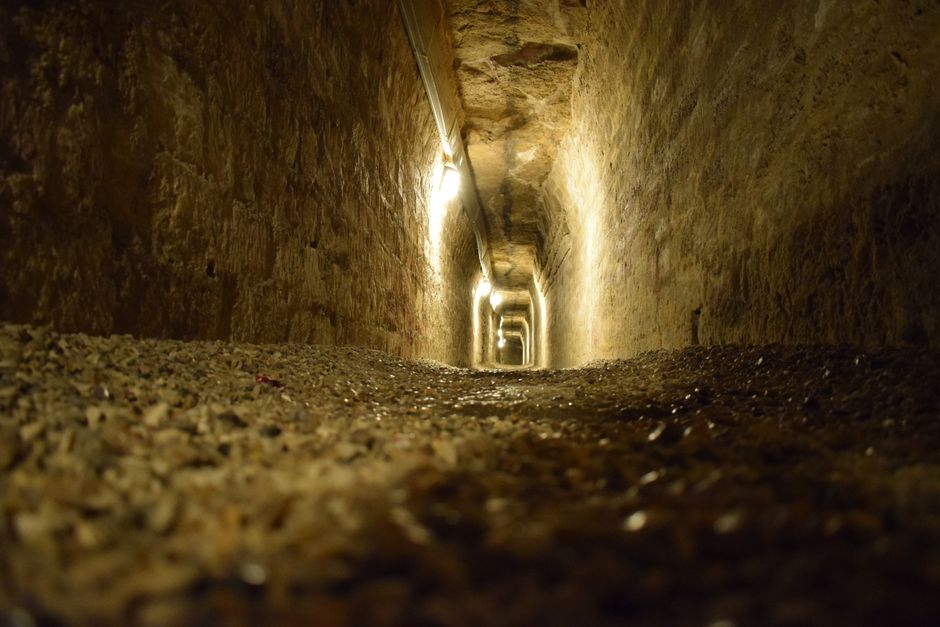
These ancient tunnels on a volcanic island hold the earliest Christian burial site in Greece, predating the famous Roman catacombs.
While Rome's catacombs are well-known, the Catacombs of Milos offer a rarer glimpse into early Christian communities. Dating back to the 1st century AD, these extensive underground passages served as both a burial ground and a secret place of worship. Thousands of early Christians found their final resting place here, their rock-cut tombs and inscriptions telling a quiet, profound story of faith and persecution on a remote Aegean island.
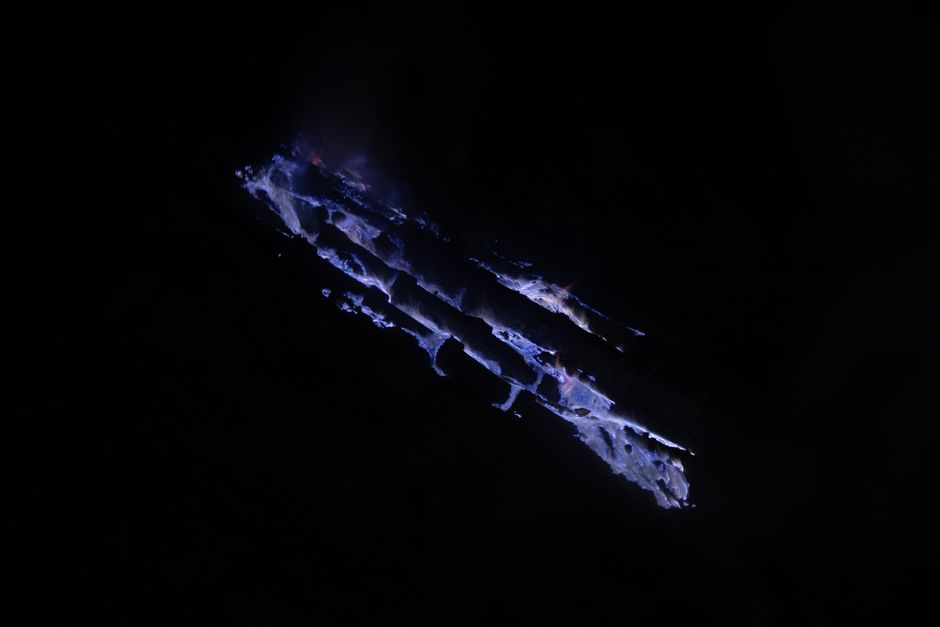
4. The Fiery Crater That Never Stops Burning
Darvaza Gas Crater (Door to Hell), Turkmenistan
This perpetually burning crater wasn't formed by a meteor strike or natural phenomenon, but by a Soviet drilling accident.
Often mistaken for a natural wonder, the 'Door to Hell' is actually a man-made geological phenomenon. In 1971, Soviet geologists drilling for natural gas accidentally punched into a cavern, causing the ground to collapse and creating a massive crater. To prevent the spread of poisonous methane gas, they decided to light it, expecting it to burn out in a few weeks. Five decades later, it's still burning, a mesmerizing and eerie spectacle in the Karakum Desert.
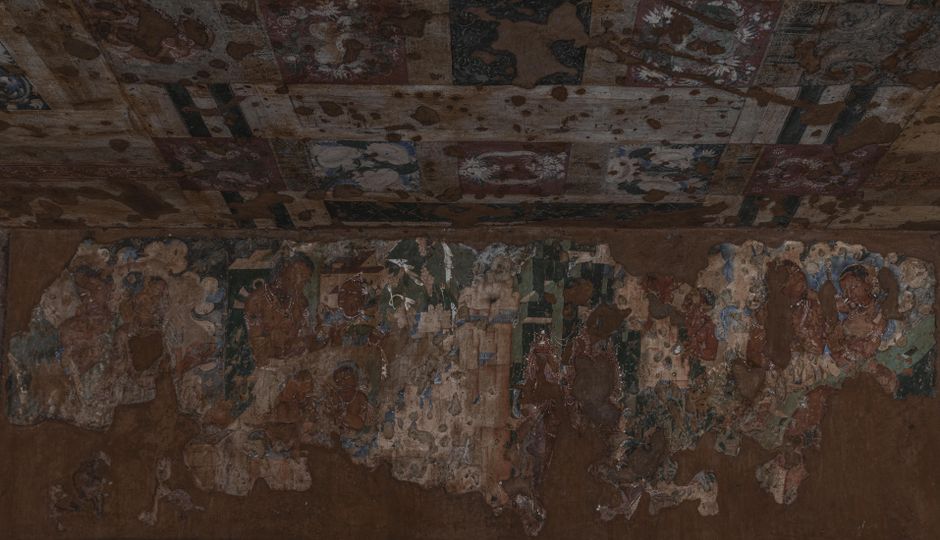
5. Ancient Rock Art Aligned with the Sun
Chumash Painted Cave State Historic Park, California, USA
Tucked away in the Santa Ynez mountains, this unassuming cave holds vibrant, millennia-old rock art created by indigenous people, some depicting celestial events.
Beyond California's sunny beaches lies a sacred site of the Chumash people. The Painted Cave is a small, shallow overhang, but its interior walls are covered in complex, colorful pictographs depicting cosmological symbols, human figures, and animals. Scholars believe some of the artwork represents astronomical observations, possibly recording solstices or other celestial phenomena, showcasing the deep scientific and spiritual knowledge of the Chumash.
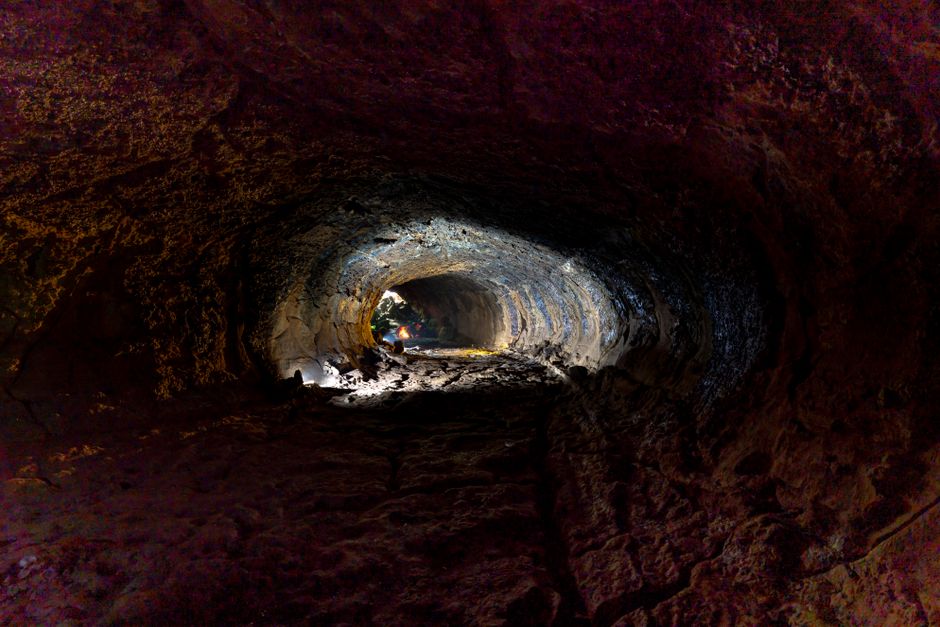
6. A Rainbow Inside a Lava Tunnel
Raufarhólshellir Lava Tunnel, Iceland
What appears to be just another lava tube in Iceland is, upon closer inspection, a geological canvas where minerals paint the walls in a spectrum of colors.
While Iceland boasts many volcanic wonders, Raufarhólshellir offers a unique visual spectacle. This vast lava tunnel, one of the longest in the country, was formed by a volcanic eruption over 5,000 years ago. As you venture inside, the mineral deposits from the cooling lava have stained the rock in vibrant hues of red, yellow, green, and blue. It's a striking reminder that even the most destructive forces can leave behind art.
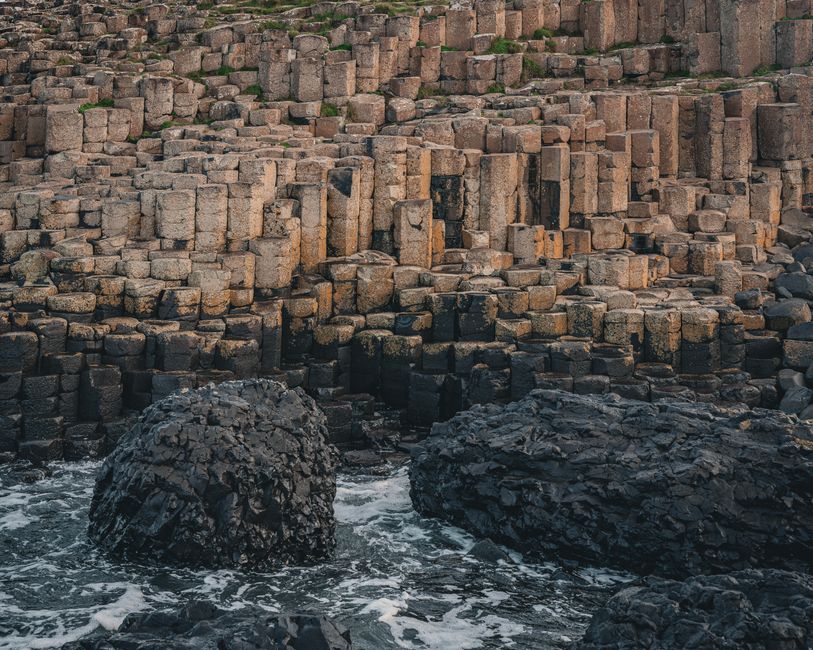
7. The Real Story of the 'Giant's' Road
Giant's Causeway, Northern Ireland
The legendary stepping stones are not the work of mythical giants but a stunning natural phenomenon of rapidly cooling volcanic lava.
The Giant's Causeway, with its iconic hexagonal basalt columns, looks like a mythical bridge built by giants. The legend attributes its creation to the giant Finn MacCool. The scientific truth, however, is equally spectacular: it was formed by an ancient volcanic eruption, where lava cooled and contracted rapidly, cracking into these perfectly geometric shapes. It's a powerful example of geology mimicking myth in the most extraordinary way.
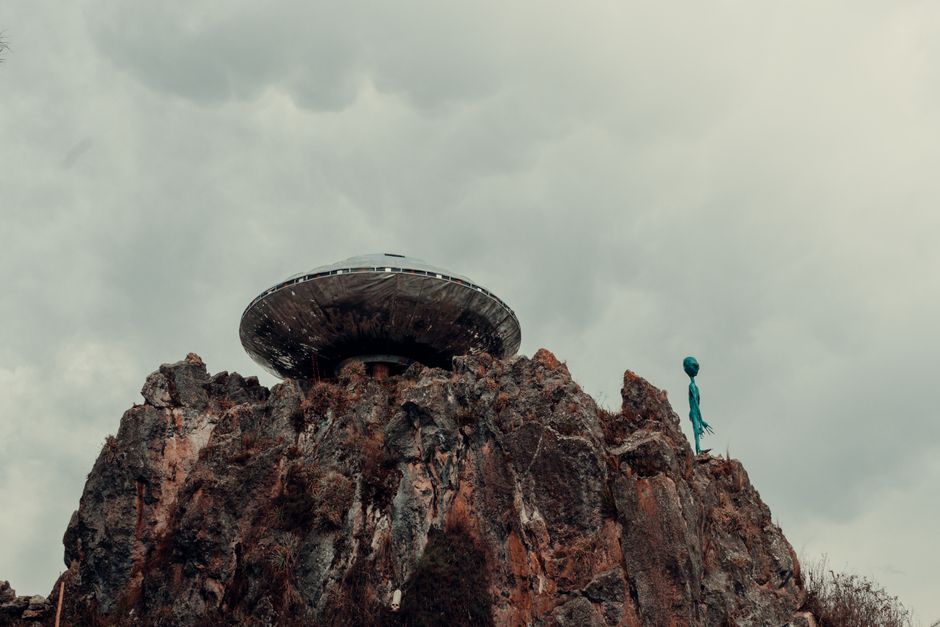
8. Where the UFO Legend Began (and What Really Happened)
Roswell, New Mexico, USA
This desert town is infamous for a supposed alien crash, but the true story of the 'Roswell Incident' is far more grounded, yet still shrouded in secrecy.
Roswell is synonymous with UFOs, drawing countless alien enthusiasts. In 1947, wreckage was discovered on a ranch, initially reported by the local air base as a 'flying disc.' This was quickly retracted, with officials claiming it was a weather balloon. The ensuing cover-up fueled decades of speculation. While the 'flying disc' was indeed a top-secret Project Mogul balloon, designed to detect Soviet nuclear tests, the initial misdirection and subsequent secrecy created a legend that continues to define the town.
Frequently asked questions
What are some truly underrated travel destinations?
Underrated destinations often lie beyond the typical tourist circuit, offering unique historical, cultural, or natural insights. Places like Skara Brae in Scotland, the Catacombs of Milos in Greece, or the Derinkuyu Underground City in Turkey provide profound experiences that are often overlooked by mainstream travel guides.
How can I find unique historical sites off the beaten path?
To find unique historical sites, look for local heritage organizations, regional tourism boards, or specialized history blogs. Often, smaller museums or historical societies in less-visited towns can point you to hidden gems with incredible stories that don't make it into major guidebooks.
Is it safe to visit remote or lesser-known historical places?
Safety is always a priority. While many remote historical sites are safe, it's wise to research local conditions, travel advisories, and consider going with a local guide. Always inform someone of your itinerary, especially when venturing into less-populated areas or exploring natural formations like caves or tunnels.
How can AllTours.ai help me discover the real stories of these places?
AllTours.ai is designed to bring the hidden stories of any landmark or landscape to life. Simply point your phone camera at a location, and our AI will narrate its history, geology, and culture in your language, revealing the surprising truths and fascinating narratives that make these places truly special.
Related guides
Photography via Pexels. AllTours.ai is an AI audio tour guide — point your camera at any landscape and hear its story.