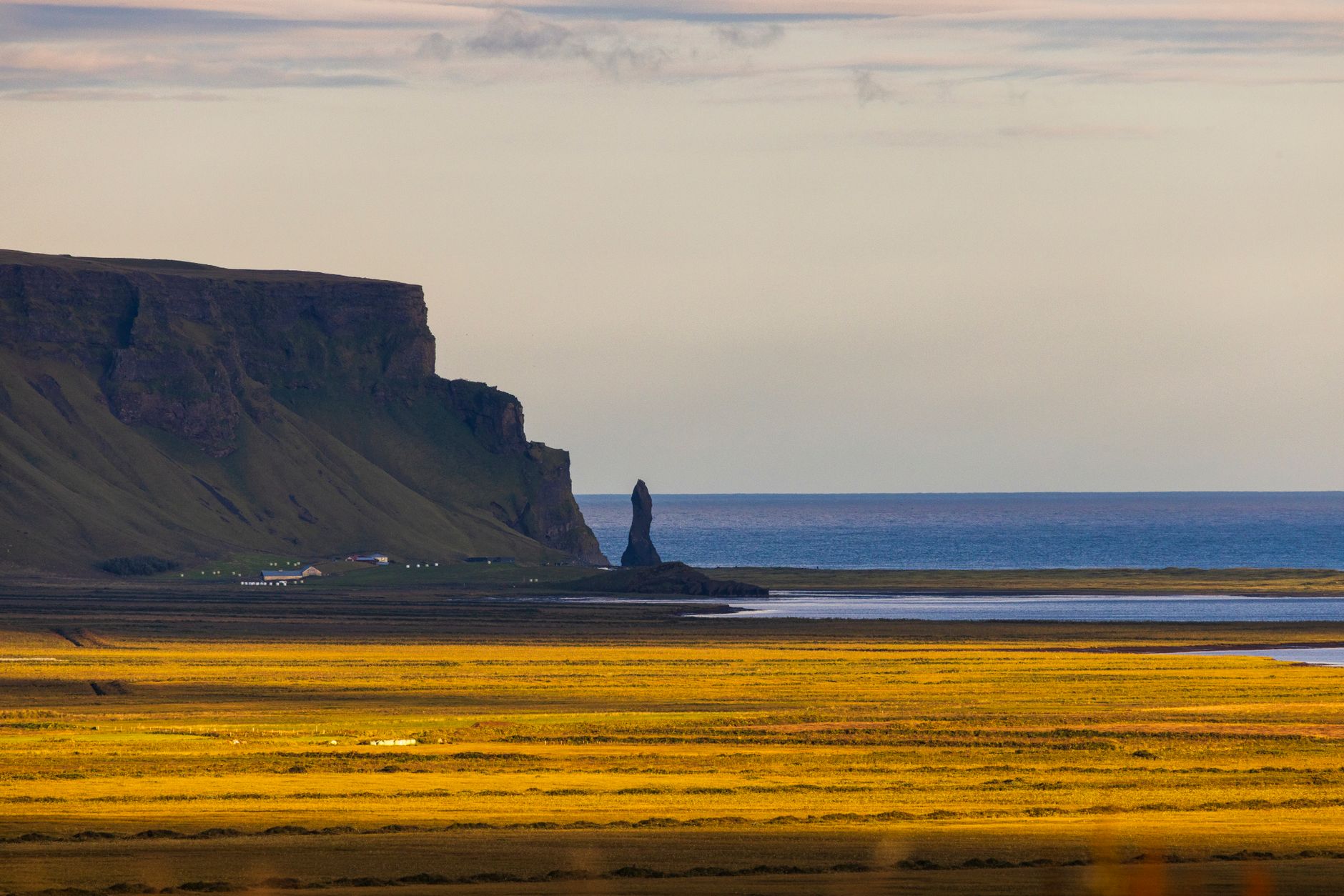
June 11, 2026 · 4 min read
Iceland in summer is a land transformed. Above the 60th parallel, the sun barely dips below the horizon, bathing the entire island in a surreal, extended golden hour. This phenomenon, known as the midnight sun, offers travelers a unique opportunity: more hours to explore, more light to capture stunning photographs, and a chance to experience iconic locations in an entirely new glow.
Forget rigid schedules; the midnight sun invites spontaneity. This Iceland midnight sun itinerary is crafted to help you embrace the perpetual daylight, revealing not just the beauty of the landscape but also the captivating geology, folklore, and history etched into its very foundations. Get ready for an adventure where the day never truly ends, and every vista tells a story.
1. Kirkjufell's Silent Watch
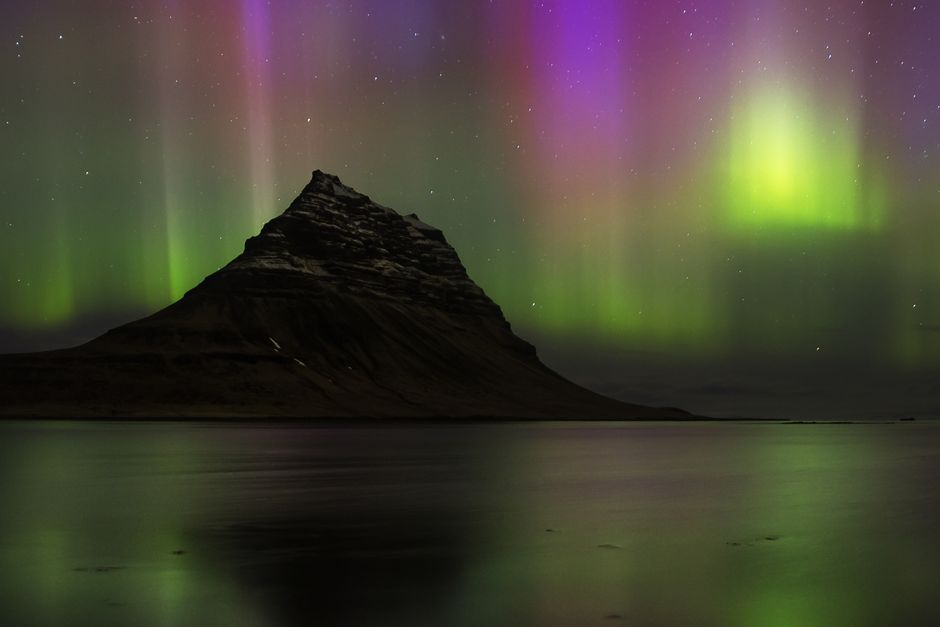
Kirkjufell, Iceland
This iconic 'Church Mountain' on the Snæfellsnes Peninsula is an ancient volcanic plug, shaped by millennia of glacial and oceanic forces.
Kirkjufell stands as a testament to Iceland's tumultuous geological past. Once an active volcano, its softer outer layers eroded away, leaving behind the hard core that defines its striking, symmetrical form. Under the midnight sun, its slopes and the nearby Kirkjufellsfoss waterfall are bathed in a soft, ethereal light, revealing intricate rock formations that hint at its fiery origins and the relentless power of nature's sculptors.
2. Seljalandsfoss's Hidden Passage
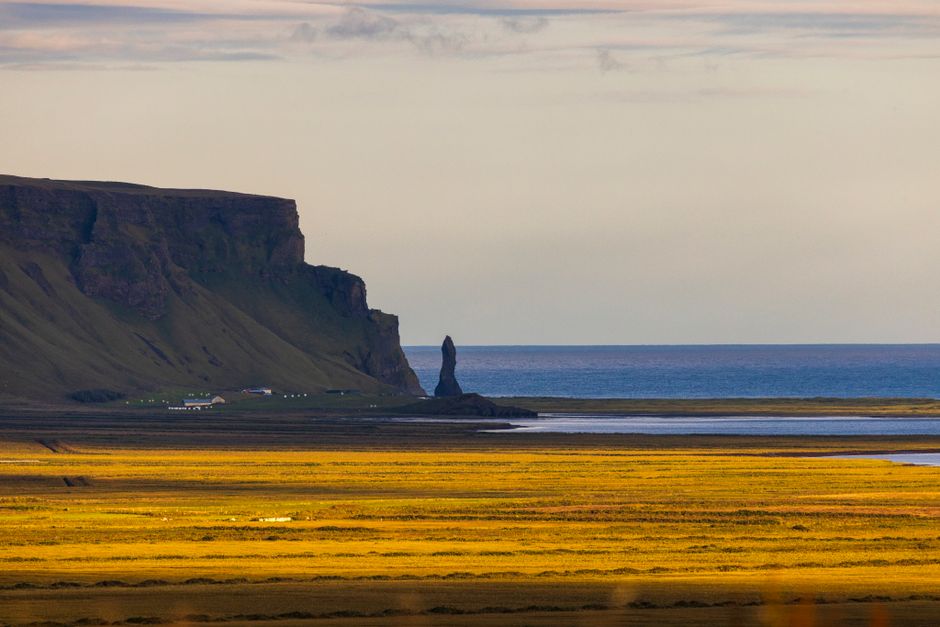
Seljalandsfoss, Iceland
Walk behind the curtain of Seljalandsfoss, a waterfall that once marked Iceland's ancient coastline.
Seljalandsfoss cascades over what was once a sea cliff, before the land gradually rose due to glacial rebound. This geological uplift left behind a dramatic escarpment, now adorned with countless waterfalls. The unique concave shape behind Seljalandsfoss allows visitors to walk a full 360-degree path, experiencing the roaring water from an entirely different perspective, especially magical in the soft, low light of the midnight sun.
3. Grótta's Tidal Dance
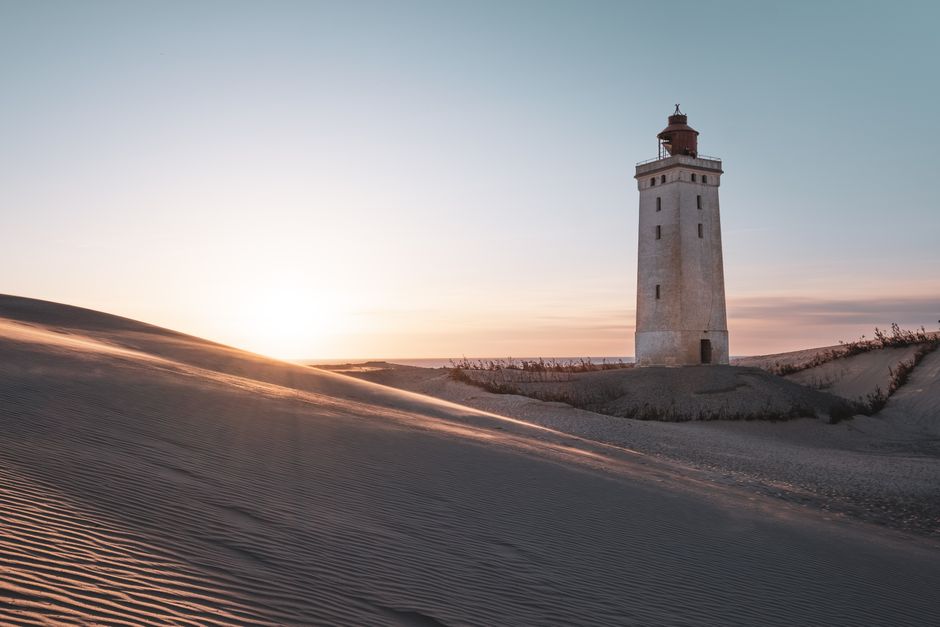
Grótta Lighthouse, Reykjavík, Iceland
Just outside Reykjavík, Grótta lighthouse stands on a tidal island, accessible only at low tide and home to a protected bird sanctuary.
Perched on a small tidal island at the edge of the capital, Grótta lighthouse offers stunning views of the Faxaflói Bay and Snæfellsnes Peninsula. The island is connected to the mainland by a narrow causeway that disappears under the waves at high tide, creating a dynamic landscape. It’s also a protected bird sanctuary, making it a peaceful spot to watch seabirds under the extended daylight, a world away from the city's bustle.
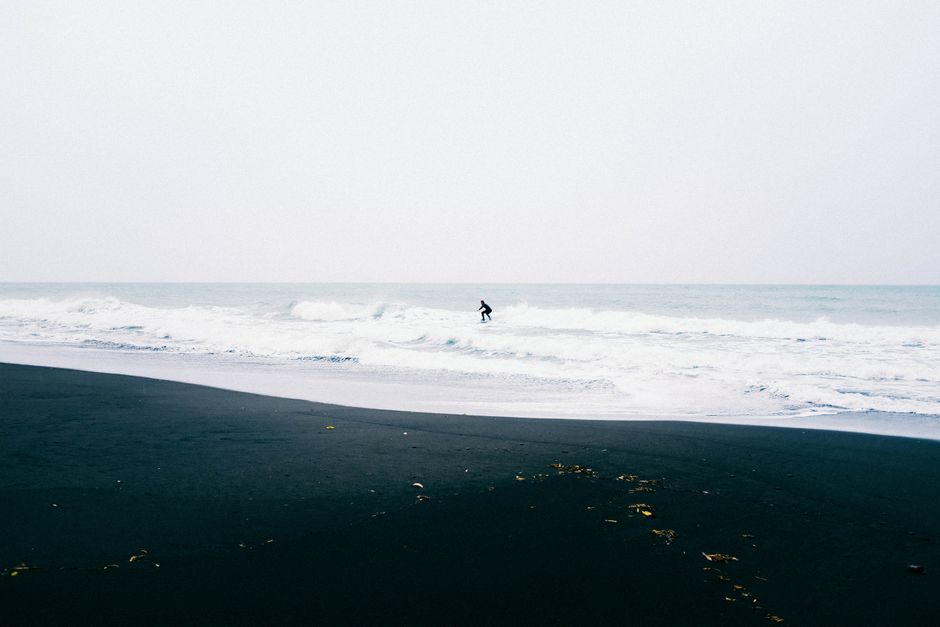
4. Djúpalónssandur's Echoes of Strength
Djúpalónssandur, Snæfellsnes, Iceland
This black pebble beach holds 'lifting stones' once used by fishermen to prove their strength before heading out to sea.
Djúpalónssandur is a hauntingly beautiful black pebble beach on the Snæfellsnes Peninsula, scattered with rusted remnants of the British trawler Epine GY7 that wrecked here in 1948. More famously, four ancient 'lifting stones' lie on the sand: Fullsterkur (full strength, 154kg), Hálfsterkur (half strength, 100kg), Hálfdrættingur (weakling, 54kg), and Amlóði (useless, 23kg). Fishermen had to lift Hálfdrættingur to qualify for work on fishing boats, a tradition that speaks to the arduous life by the sea.
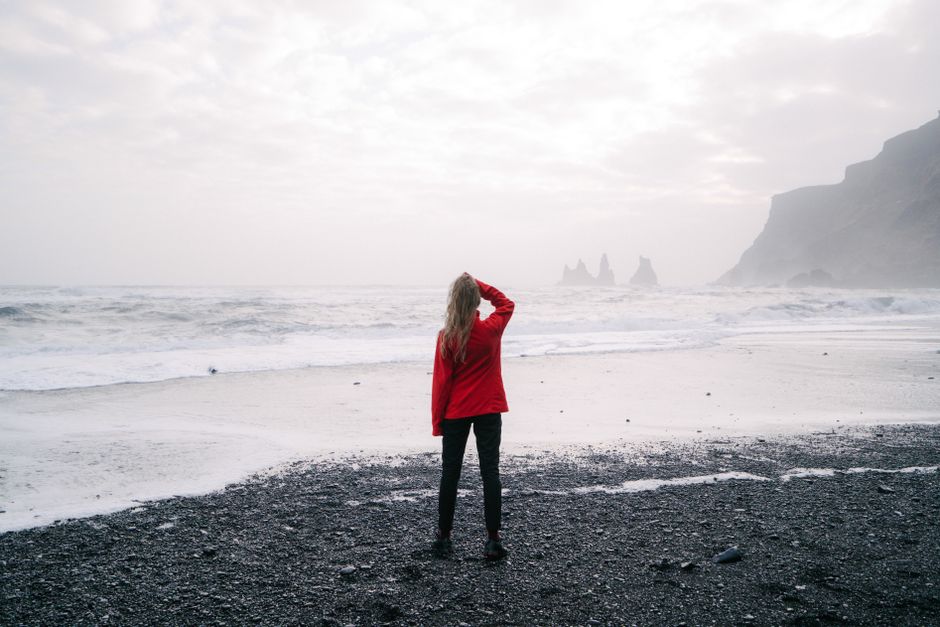
5. Rauðasandur's Ruby Sands
Rauðasandur, Westfjords, Iceland
Unlike most Icelandic beaches, Rauðasandur boasts unique golden-red sands, stretched across a dramatic 10km coastline.
Nestled in the remote Westfjords, Rauðasandur, or 'Red Sands,' stands apart with its distinct reddish-yellow hue. This unusual color comes from countless crushed scallop shells that have accumulated over centuries, giving the beach a warm, inviting glow, especially under the low arc of the midnight sun. The remote location and stunning contrast against the dark cliffs and turquoise waters create a truly isolated and breathtaking experience, far from the crowds.
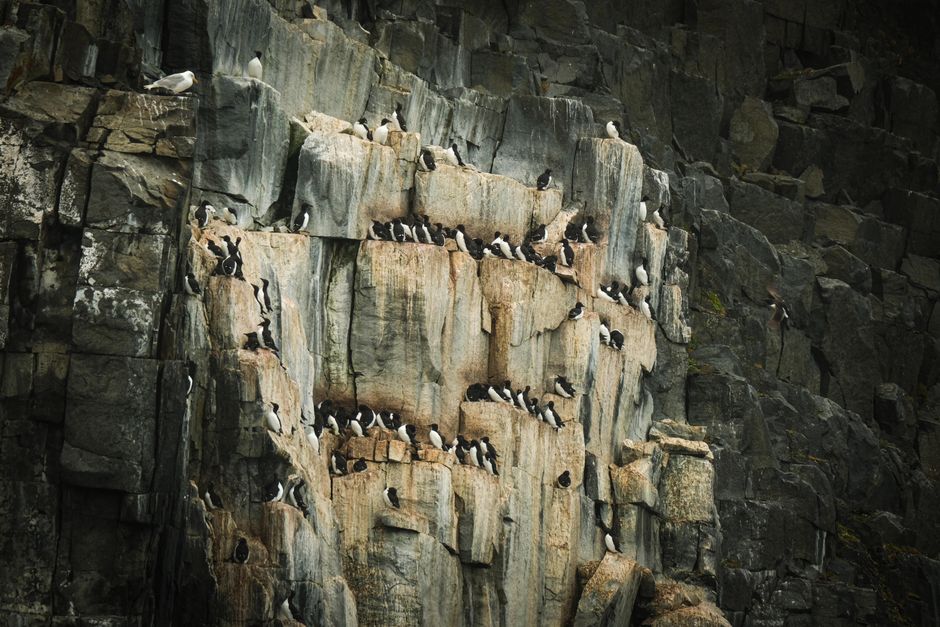
6. Látrabjarg's Avian Metropolis
Látrabjarg, Westfjords, Iceland
Europe's largest bird cliff, Látrabjarg, hosts millions of seabirds, including puffins, guillemots, and razorbills, on its dramatic 14-kilometer stretch.
Rising up to 441 meters, Látrabjarg is a monumental cliff face in the Westfjords, a bustling metropolis for countless nesting seabirds during the summer months. The sheer scale of avian life here is astonishing, with birds fearlessly nesting on the vertical rock walls, seemingly unbothered by human presence. Historically, locals bravely rappelled down these cliffs to collect eggs and birds, a perilous tradition passed down through generations, highlighting the symbiotic relationship between humans and nature in this rugged land.
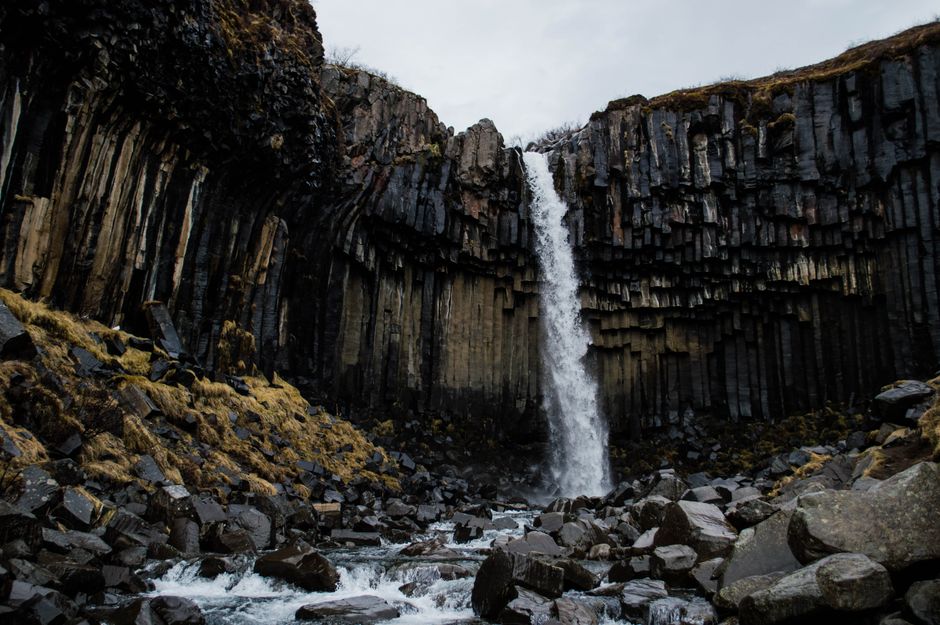
7. Svartifoss: Basalt's Masterpiece
Skaftafell, Vatnajökull National Park, Iceland
Known as the 'Black Fall,' Svartifoss is framed by dramatic black basalt columns, inspiring Icelandic architecture.
Svartifoss is a striking waterfall located within Vatnajökull National Park, unique for its backdrop of dark, hexagonal basalt columns. These geometric formations are created when lava cools slowly, contracting and fracturing in a characteristic pattern, a process known as columnar jointing. The natural artistry of Svartifoss has inspired many Icelandic architects, including the design of Reykjavík's iconic Hallgrímskirkja church, demonstrating nature's profound influence on culture and design.
Frequently asked questions
What exactly is the midnight sun in Iceland?
The midnight sun is a natural phenomenon occurring in summer months at latitudes north of the Arctic Circle. In Iceland, this means the sun remains visible for nearly 24 hours a day, never fully setting below the horizon, or only dipping just below for a very short period, resulting in prolonged twilight.
How does the midnight sun affect sleep in Iceland?
The constant daylight can disrupt natural sleep patterns. Most accommodations in Iceland are equipped with blackout curtains to help travelers sleep. Bringing an eye mask and practicing good sleep hygiene can also significantly help adjust to the unique light conditions.
What are the best activities to do during Iceland's midnight sun?
The midnight sun extends your exploring hours, allowing for late-night hikes, photography sessions in the golden light, whale watching, or even golfing under the perpetual twilight. Popular activities like visiting waterfalls or hot springs take on an entirely new, serene quality with fewer crowds.
How does the AllTours.ai app enhance a midnight sun itinerary?
The AllTours.ai app is your personal AI audio tour guide, perfect for self-paced exploration under the midnight sun. Simply point your phone camera at any landmark or landscape, and the app instantly narrates its history, geology, and culture in your language, bringing every vista to life as you explore.
Related guides
Photography via Pexels. AllTours.ai is an AI audio tour guide — point your camera at any landscape and hear its story.