May 26, 2026 · 4 min read
Iceland's Blue Lagoon is undeniably iconic, a milky blue oasis beckoning travelers from afar. But for those craving a deeper connection with the land of fire and ice, there’s a whole world of discovery waiting just beyond the well-trodden paths. If you're searching for things to do in Iceland besides the Blue Lagoon, prepare to uncover truly unique experiences.
From secluded geothermal pools whispered about by locals to black-sand coves steeped in sagas, and the majestic, untamed wilderness of the Westfjords, Iceland offers an abundance of places where history, geology, and culture converge in spectacular fashion. These are the spots where the island's raw power and ancient tales truly come alive.
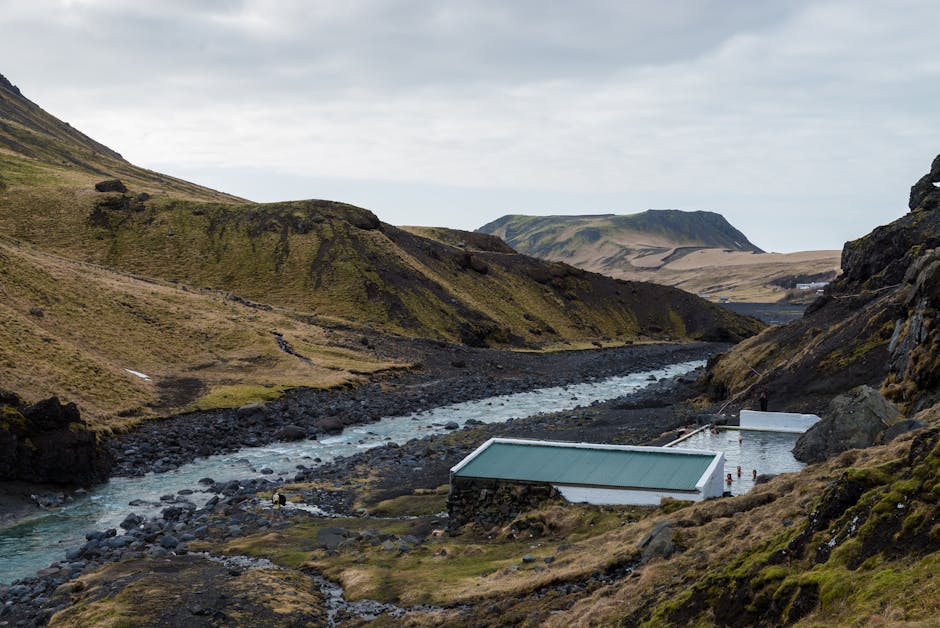
1. Seljavallalaug: The Oldest Pool
Seljavellir, Iceland
Tucked away in a narrow valley, Seljavallalaug is one of Iceland’s oldest swimming pools, built by volunteers in 1923 to teach locals how to swim.
Fed by a natural hot spring, this rustic pool offers a serene, uncommercialized dip surrounded by a dramatic, mountainous landscape. It requires a short, scenic hike to reach, adding to its charm as a hidden gem. The pool's simple concrete structure stands as a testament to early Icelandic community spirit, far from any major roads.
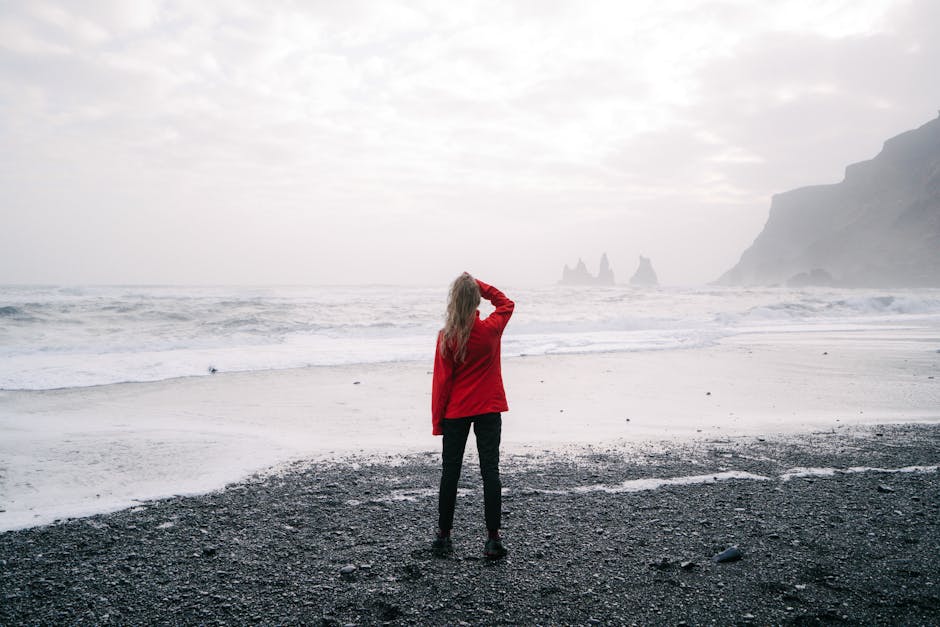
2. Rauðasandur: The Red Sand Beach
Westfjords, Iceland
Unlike Iceland's typical black volcanic beaches, Rauðasandur boasts a mesmerizing expanse of reddish-golden sand, a unique geological marvel.
This striking color comes not from volcanic rock, but from pulverized scallop shells that have accumulated over centuries along the remote Westfjords coastline. Stretching for miles, it's a peaceful haven where seals often bask, and the only sounds are the waves and the wind. The journey to Rauðasandur itself is an adventure, winding through dramatic landscapes.
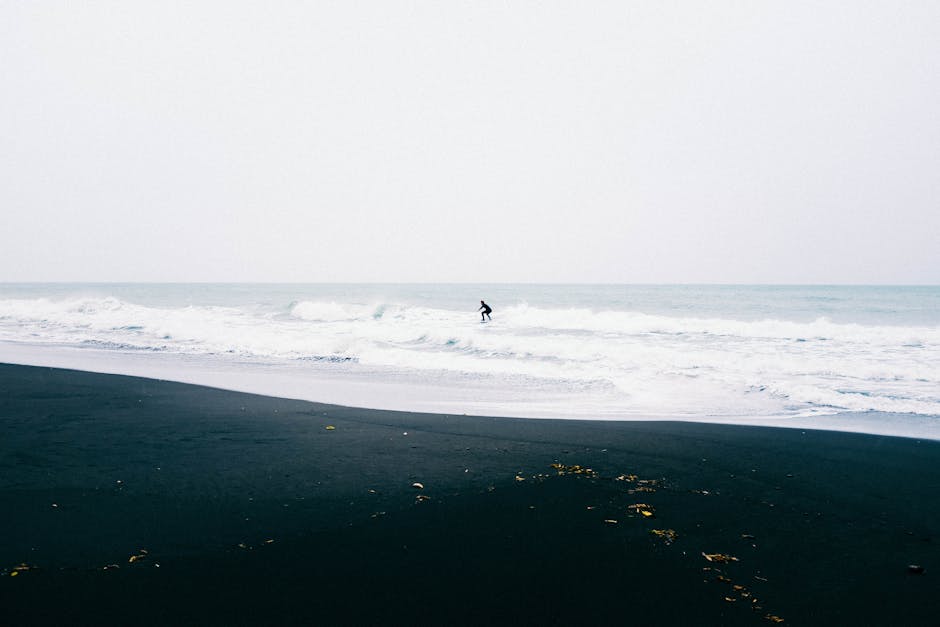
3. Djúpalónssandur: The Lifting Stones Beach
Snæfellsnes Peninsula, Iceland
This dramatic black pebble beach is scattered with rusted remains of a shipwreck and features ancient "lifting stones" used to test the strength of aspiring fishermen.
Once a bustling fishing village with dozens of boats, Djúpalónssandur now serves as a hauntingly beautiful reminder of Iceland's maritime history. Visitors can attempt to lift the four traditional stones – ranging from "Amlóði" (useless) to "Fullsterkur" (full strength) – just as sailors did centuries ago. The raw power of the Atlantic here is palpable, with basalt columns framing the dark, pebbly shore.
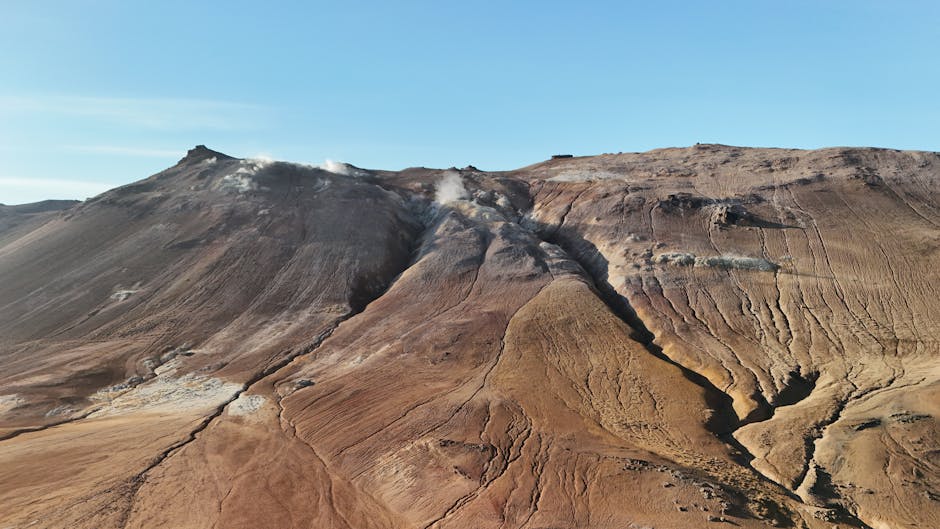
4. Hverfjall Crater: The Massive Explosion
Mývatn, Iceland
Dominating the Mývatn landscape, Hverfjall is one of the world's largest tephra explosion craters, formed in a single, colossal eruption.
A perfectly circular rim, nearly a kilometer in diameter, invites visitors to hike its steep slopes for breathtaking panoramic views of the surrounding pseudo-craters, geothermal areas, and the vast Mývatn lake. The sheer scale of the crater, with its dark, volcanic ash interior, provides a tangible connection to Iceland's explosive geological past. It's a stark, alien landscape that feels truly otherworldly.
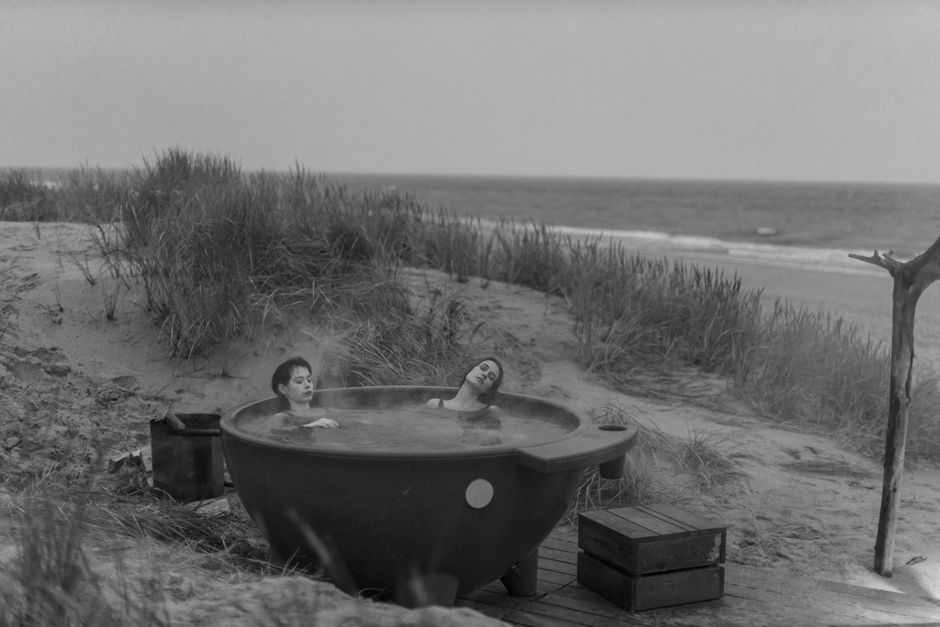
5. Krossneslaug: The Ocean-Edge Hot Pot
Strandir, Westfjords, Iceland
This unique geothermal swimming pool in the remote Westfjords sits literally at the edge of the Arctic Ocean, offering a surreal bathing experience.
Far off the beaten path, Krossneslaug is a testament to Iceland's abundant geothermal energy, providing warm waters in a starkly beautiful, wild setting. The contrast of the heated pool against the crashing waves of the North Atlantic is truly invigorating. Reaching it involves a long, scenic drive along a gravel road, rewarding intrepid travelers with unparalleled tranquility and dramatic coastal views.
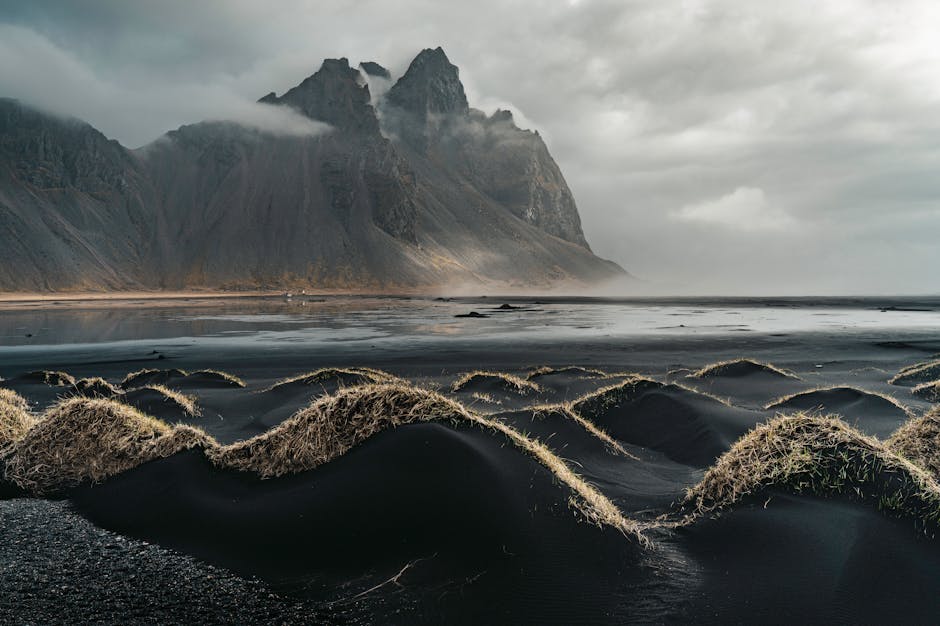
6. Stokksnes (Vestrahorn): The "Batman Mountain" Coast
Höfn, Iceland
Guarded by the dramatic peaks of Vestrahorn, nicknamed "Batman Mountain," this black-sand beach was once a secret Allied air base during World War II.
The iconic, jagged mountains rise sharply from a flat, black sand beach, creating one of Iceland's most photographed, yet still remarkably uncrowded, vistas. Beyond its striking beauty, the area holds a hidden history, having been a radar station during the war due to its strategic location. The ever-changing light and reflections on the wet sands make Stokksnes a photographer's dream, offering a blend of natural grandeur and historical intrigue.
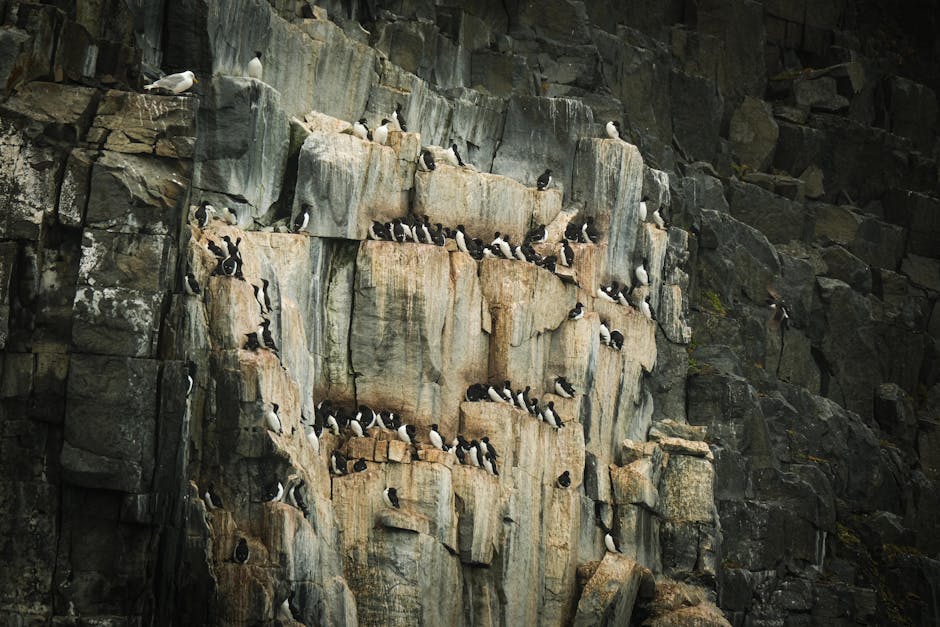
7. Látrabjarg Cliffs: Europe's Bird Fortress
Westfjords, Iceland
Standing at Europe's westernmost point, Látrabjarg is a monumental bird cliff, home to millions of seabirds, including puffins, and was historically a perilous site for egg-collectors.
These sheer cliffs, stretching for 14 kilometers and rising up to 441 meters, are a bustling metropolis for guillemots, razorbills, and, famously, puffins during nesting season. The sheer density of birdlife is astonishing, creating a vibrant, noisy spectacle. Historically, daring Icelanders would rappel down these treacherous faces to collect eggs, a dangerous but vital tradition for survival in this remote region.
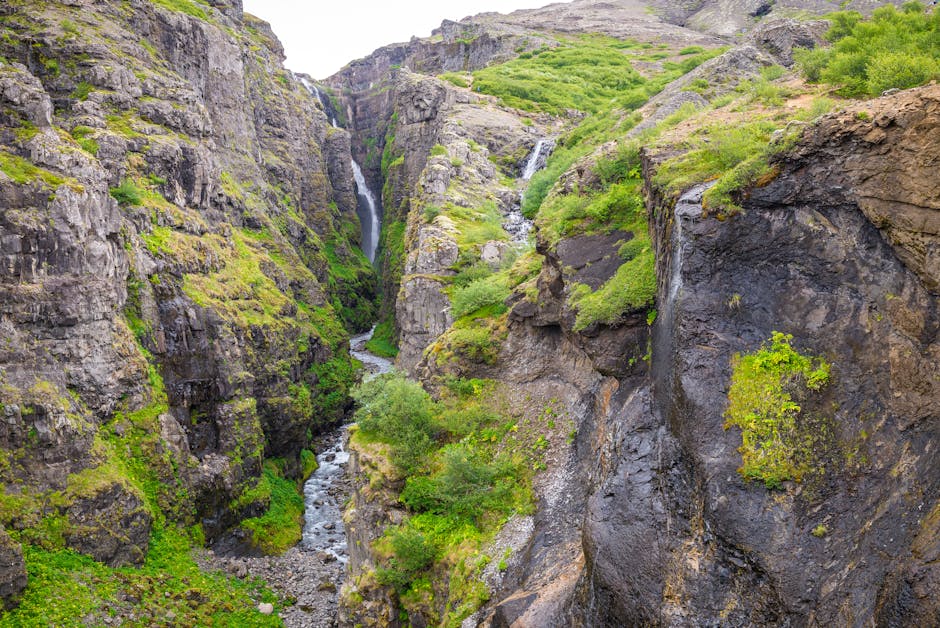
8. Fardagafoss: The Troll's Treasure Waterfall
Egilsstaðir, Eastfjords, Iceland
A beautiful waterfall in the Eastfjords, Fardagafoss is said to hide a cave behind its roaring curtain of water, where local legend claims a troll woman safeguarded her treasure.
A moderate hike leads to this enchanting waterfall, offering views of the surrounding valleys. While reaching the legendary cave behind the falls can be challenging due to slippery conditions, the legend itself adds a mystical layer to the natural beauty. The Eastfjords are often overlooked by travelers, making Fardagafoss a peaceful stop to experience Iceland's folklore and scenic charm away from the crowds.
Frequently asked questions
What's the best time to visit Iceland for fewer crowds?
For fewer crowds, consider visiting during the shoulder seasons (April-May or September-October). You'll still experience beautiful landscapes and potentially see the Northern Lights, but with fewer tourists than in the peak summer months.
Is it possible to find budget-friendly accommodations in Iceland?
While Iceland can be expensive, budget-friendly options exist. Look for guesthouses, hostels, or campsites, especially outside of Reykjavik. Booking well in advance, particularly for remote areas, can also help secure better rates.
Do I need a 4x4 vehicle to explore these lesser-known spots?
For some remote spots, especially in the Westfjords or F-roads (which are often closed in winter), a 4x4 is highly recommended or even required. For many other locations, a standard car is sufficient, but always check road conditions and rental car restrictions.
How can the AllTours.ai app help me explore Iceland?
AllTours.ai enhances your journey by providing instant audio tours. Simply point your phone camera at any landmark, landscape, or even a specific rock formation, and the app will narrate its history, geology, and cultural significance in your preferred language, offering a deeper understanding of the places you visit.
Photography via Pexels. AllTours.ai is an AI audio tour guide — point your camera at any landscape and hear its story.