June 15, 2026 · 4 min read
The open road, the changing landscape, the freedom of discovery – for many, the quintessential road trip immediately brings to mind American highways, from Route 66 to the Pacific Coast Highway. The United States certainly offers an abundance of epic drives and diverse scenery, fostering a deep-rooted culture of cross-country adventure.
But to assume America is the sole proprietor of the road trip experience is to overlook a world teeming with equally, if not more, captivating routes. Beyond the well-trodden paths, countless countries offer drives that unveil astounding history, unique geological formations, and vibrant cultures. Let's explore some of the planet's most surprising and underrated road trip destinations, each with a story waiting to be uncovered.

1. Patagonia's Welsh Legacy
Chubut Valley, Patagonia, Argentina
A remote valley in Argentina where Welsh is still a living language, a legacy of 19th-century settlers.
In the mid-1800s, Welsh immigrants journeyed across the Atlantic to establish a Welsh-speaking colony, seeking to preserve their language and culture. They faced immense hardship, transforming arid land into fertile farms along the Chubut River. Today, towns like Gaiman retain strong Welsh traditions, offering tea houses and chapels that feel transported from another continent, a testament to enduring heritage.
2. Ceaușescu's Mountain Pass
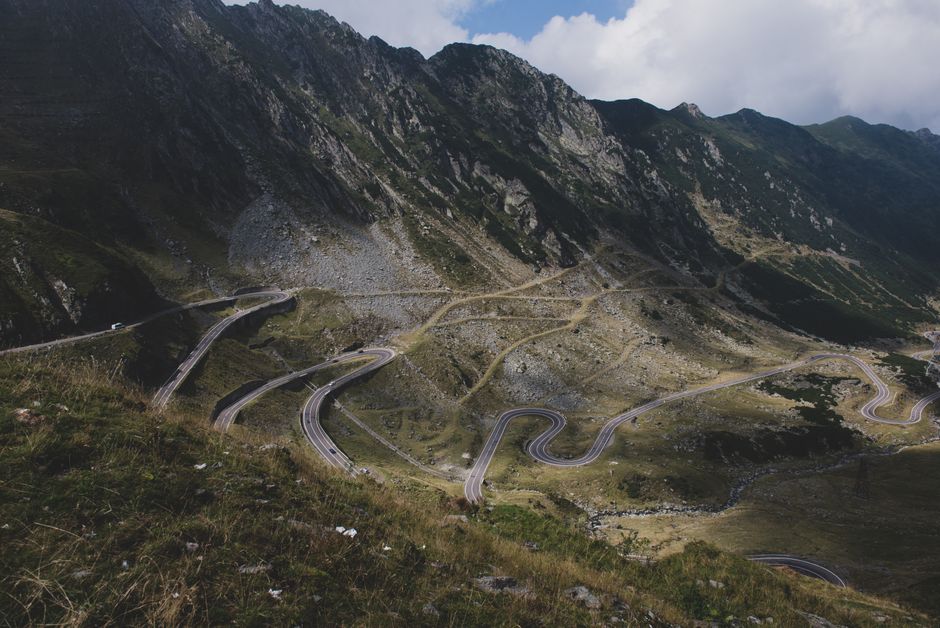
Transfăgărășan Road, Carpathian Mountains, Romania
This dramatic mountain road was built by a communist dictator for military purposes, now a thrilling drive through stunning landscapes.
Nicolae Ceaușescu ordered the construction of the Transfăgărășan in the 1970s, intending it as a strategic route for rapid troop movement in case of a Soviet invasion. Thousands of tons of dynamite were used, and the construction claimed many lives. Today, its winding tunnels and hairpin bends offer breathtaking views over the Făgăraș Mountains, passing near Poenari Citadel, one of Vlad the Impaler's real fortresses.
3. Namibia's Shipwreck Coast
Skeleton Coast National Park, Namibia
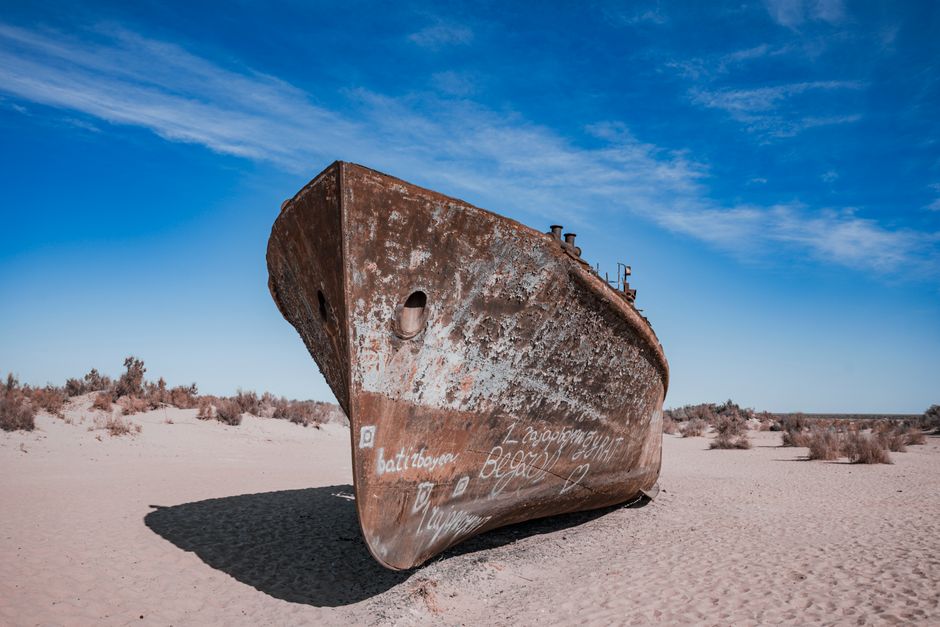
A desolate stretch of desert coastline where Atlantic currents have claimed hundreds of ships, leaving their skeletal remains on the sand.
The Skeleton Coast earned its name from the countless vessels that met their end in its treacherous fogs and strong currents, often washing ashore to rust amidst shifting dunes. Beyond the shipwrecks, this harsh environment supports unique wildlife, including desert-adapted elephants and brown hyenas. Indigenous San people once found sustenance here, gathering mussels and ostrich eggs, leaving behind traces of their ancient presence.

4. Europe's Wild Western Edge
Látrabjarg, Westfjords, Iceland
Home to Europe's largest bird cliff, where millions of seabirds nest precariously, and a region largely overlooked by Iceland's main tourist routes.
Látrabjarg is a monumental cliff stretching 14 kilometers and rising 441 meters from the Atlantic, hosting puffins, gannets, and guillemots. This remote corner of the Westfjords offers raw, untamed landscapes, from dramatic fjords to black sand beaches. The area also holds stories of remarkable human resilience, including the rescue of shipwrecked British sailors by local farmers in the early 20th century, scaling the cliffs to save lives.
5. The Living Museum City of Khiva
Khiva, Uzbekistan
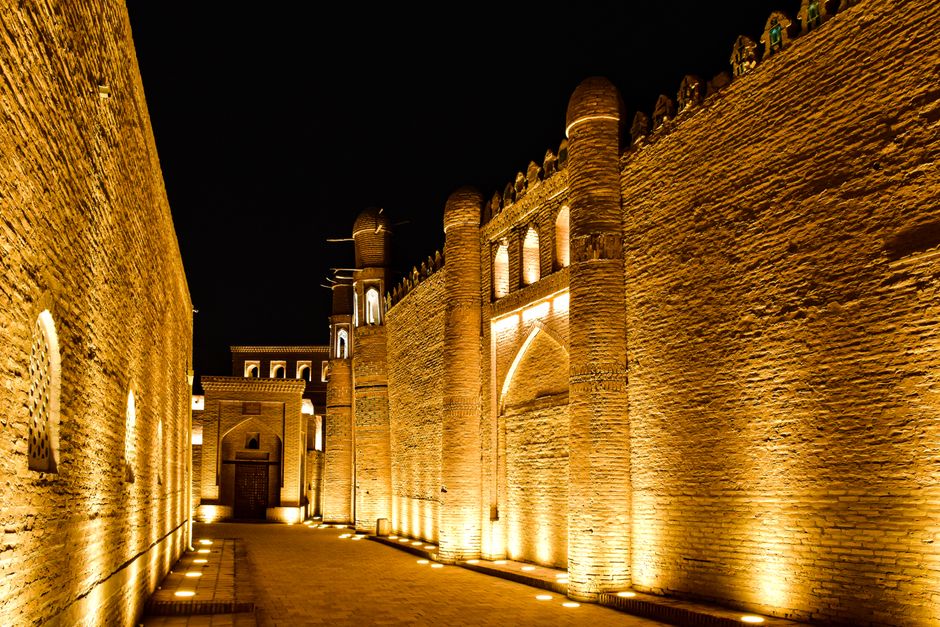
A perfectly preserved Silk Road city, where every street and building whispers tales of ancient caravans, scholars, and invaders.
Khiva's inner city, Ichon-Qala, is a UNESCO World Heritage site, enclosed by massive brick walls. Walking its narrow alleys feels like stepping into a medieval fairytale, surrounded by intricately tiled madrasahs, towering minarets, and bustling bazaars that have traded spices, silks, and knowledge for centuries. It was once a vital stop on the Silk Road, a center of Islamic learning and a formidable khanate, fiercely guarding its treasures.
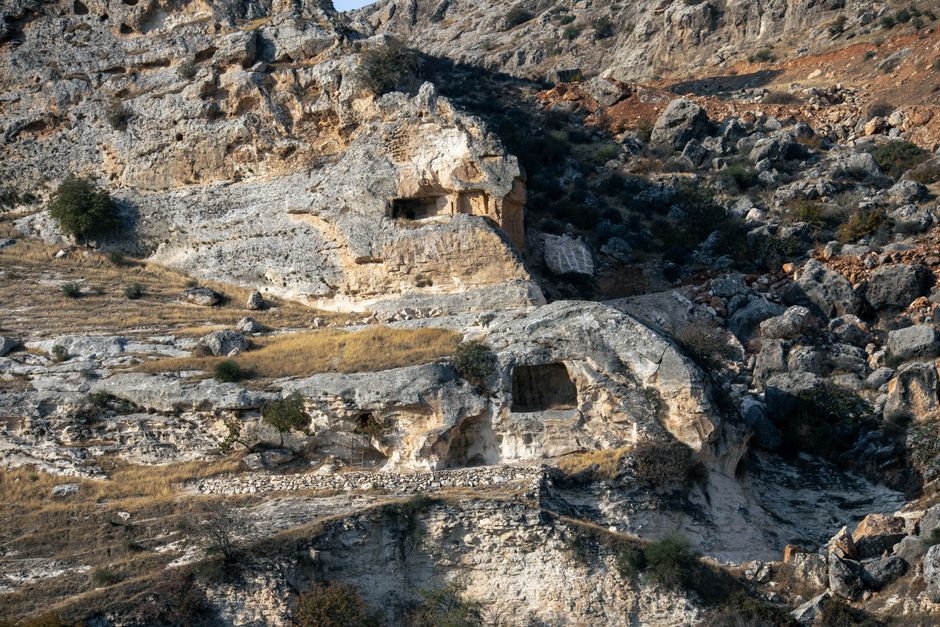
6. Cradle of Human Art
Blombos Cave, Southern Cape, South Africa
A cave system where some of the earliest evidence of human symbolic thought and artistic expression, dating back tens of thousands of years, was discovered.
Blombos Cave is an archaeological site on the Southern Cape coastline, revealing that Homo sapiens were creating abstract art and using personal ornamentation much earlier than previously thought. Scientists found engraved ochre pieces and shell beads here, proving complex cognitive abilities existed long before European cave paintings. The surrounding Garden Route offers dramatic coastal drives and diverse ecosystems, from ancient forests to pristine beaches.
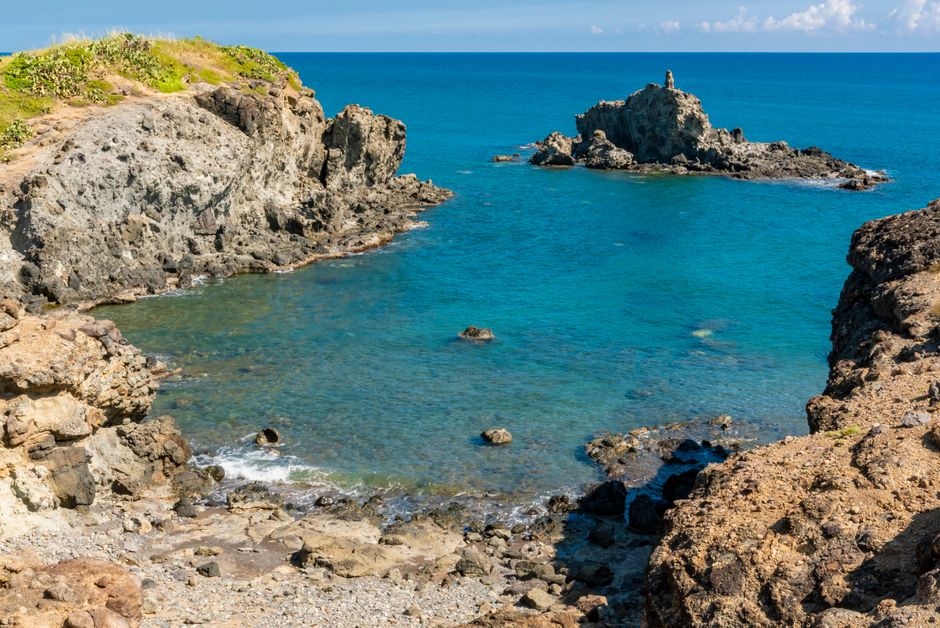
7. Hokkaido's Indigenous North
Shiretoko Peninsula, Hokkaido, Japan
Japan's wild northern frontier, a UNESCO site known for its untouched wilderness, brown bears, and the distinct culture of the indigenous Ainu people.
The Shiretoko Peninsula is one of Japan's last true wildernesses, a rugged volcanic landscape where sea eagles soar and brown bears roam freely. It's also a significant region for the Ainu, Japan's indigenous people, whose unique spiritual connection to nature and distinct language are being revitalized. Road trippers can explore hot springs, dramatic waterfalls, and encounter Ainu cultural centers, learning about their rich history often overlooked in mainstream narratives.

8. The Sky Mirror of Uyuni
Salar de Uyuni, Bolivia
The world's largest salt flat, a surreal expanse that transforms into a giant mirror reflecting the sky after rain, concealing a rich geological past.
Salar de Uyuni formed from several prehistoric lakes that evaporated, leaving behind a 10,582 square kilometer crust of salt. Beneath this dazzling white surface lies a vast reserve of lithium, a crucial element for modern technology. Driving across its seemingly endless expanse, especially when a thin layer of water creates a perfect reflection, is an otherworldly experience, revealing scattered 'islands' covered in giant cacti and ancient coral formations.
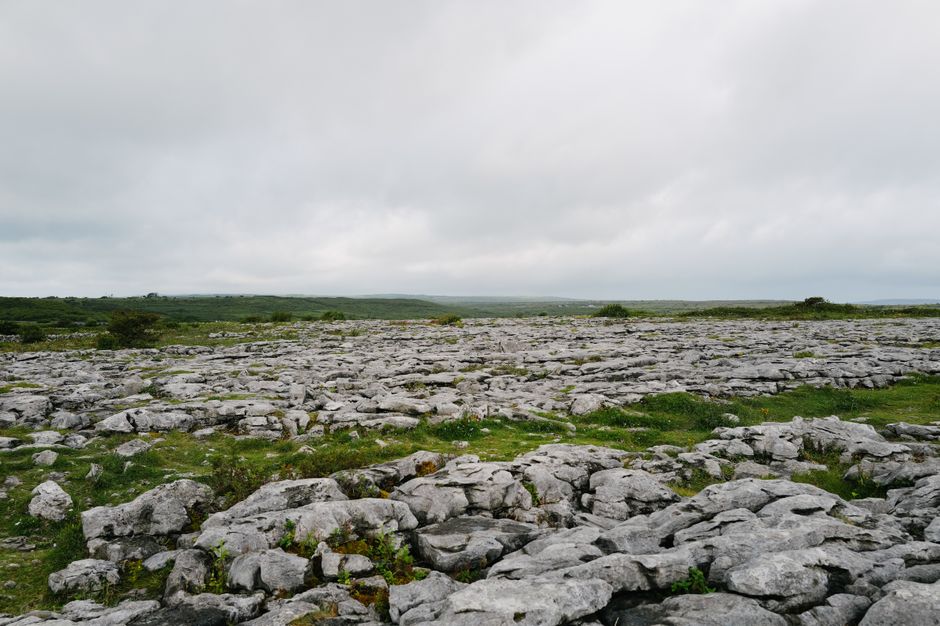
9. Burren's Lunar Landscape
The Burren, County Clare, Ireland
A unique geological region of glacial-carved limestone pavements, where Arctic, Alpine, and Mediterranean plants grow side-by-side.
The Burren's stark, seemingly barren landscape hides immense biodiversity and ancient human history. Its distinctive "clints and grykes" limestone pavement was shaped by ice ages, and within its sheltered crevices thrive an unusual mix of flora. Ancient dolmens, ring forts, and monastic ruins dot the landscape, testifying to continuous human settlement for thousands of years. This region offers a rugged, deeply historical drive quite unlike Ireland's more verdant areas.
Frequently asked questions
What's the best way to plan an international road trip?
Research visa requirements, international driving permits, and local road rules well in advance. Consider travel insurance and ensure your vehicle rental covers cross-border travel if applicable. Planning flexibility is key for a smooth experience.
Are international road trips more expensive than domestic ones?
Not necessarily. While flights can add cost, daily expenses like fuel, accommodation, and food can vary greatly by country. Some regions offer incredible value, especially off the main tourist routes, making longer trips more affordable than expected.
How do I handle language barriers on an international road trip?
Learn a few basic phrases in the local language, utilize translation apps, and don't hesitate to use gestures. Many people in tourist areas speak English, but a little effort in the local tongue goes a long way. Road signs often use internationally recognized symbols.
How can AllTours.ai enhance my international road trip?
AllTours.ai transforms your phone into a personal AI audio guide. Simply point your camera at a landmark or landscape, and the app narrates its history, geology, and culture in your preferred language, providing rich context as you drive or explore.
Related guides
Photography via Pexels. AllTours.ai is an AI audio tour guide — point your camera at any landscape and hear its story.