August 12, 2026 · 4 min read
Copenhagen, with its fairytale charm and modern design, might seem like a city best explored over several days. But even with just 24 hours, you can delve beyond the postcard views to discover its intriguing layers of history, unique cultural pockets, and surprising local haunts. This isn't about rushing through a checklist, but about savoring genuine moments and uncovering the stories that make this Nordic capital truly special.
From a serene cemetery that doubles as a lively park to an underground art space born from a forgotten reservoir, Copenhagen is full of places where history takes an unexpected turn. Get ready to navigate its cobbled streets and charming canals, discovering the 'best of' its less-trodden paths that reveal the city's true character and vibrant spirit.
1. Picnic Among Poets: Assistens Cemetery
Nørrebro, Copenhagen, Denmark
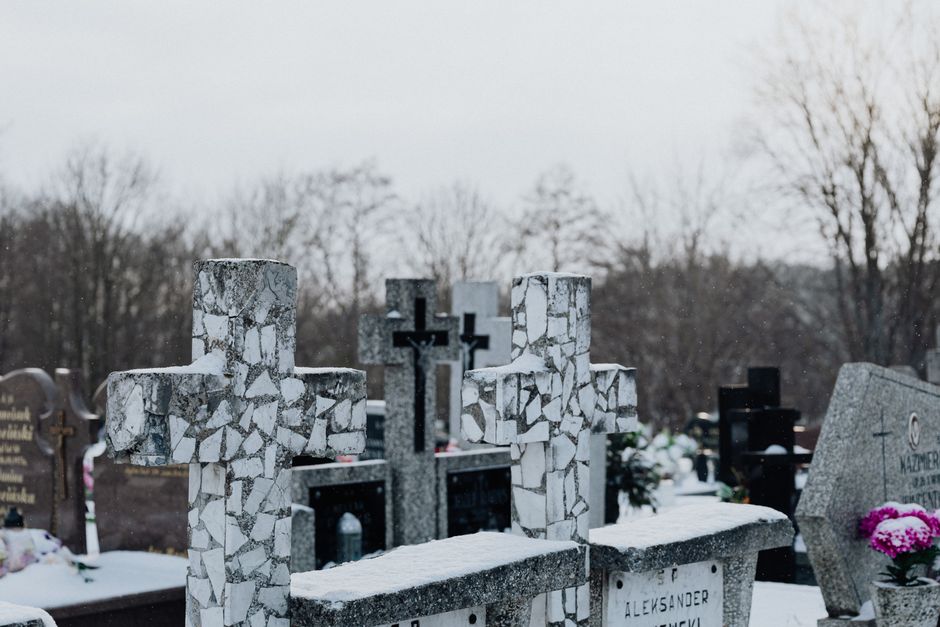
This isn't just a cemetery; it's a vibrant public park where locals sunbathe, picnic, and stroll among the graves of national heroes.
Established in 1760, Assistens Kirkegård originally served as a burial ground for the poor. Over time, it became the final resting place for many of Denmark’s most celebrated figures, including author Hans Christian Andersen, philosopher Søren Kierkegaard, and physicist Niels Bohr. Today, its tree-lined avenues and open lawns are a beloved green space in the bustling Nørrebro district, blurring the lines between a solemn memorial and a lively urban oasis.
2. The Brick Organ: Grundtvig's Church
Bispebjerg, Copenhagen, Denmark
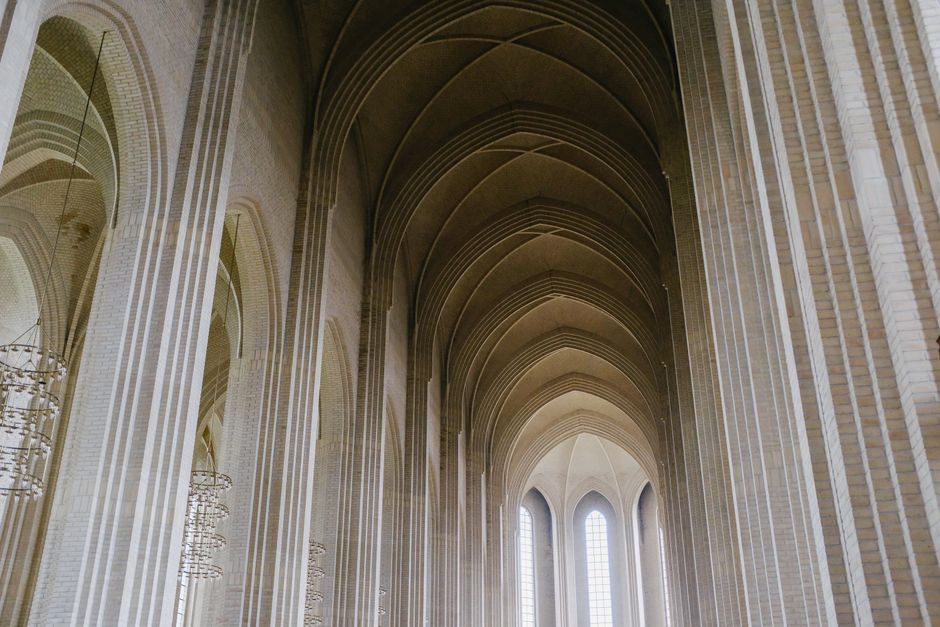
An architectural marvel, this colossal church was constructed from nearly six million yellow bricks, designed to resemble a pipe organ.
Grundtvig's Church stands as a monumental example of Expressionist architecture, a tribute to Danish philosopher and hymn writer N.F.S. Grundtvig. Inaugurated in 1940 after 19 years of construction, its imposing facade features stepped gables reminiscent of traditional Danish village churches, yet its sheer scale and the verticality of its lines evoke a grand, towering instrument. The interior, equally striking, is stark yet magnificent, with light filtering through its tall, narrow windows.
3. Art in the Underground: The Cisterns
Frederiksberg, Copenhagen, Denmark
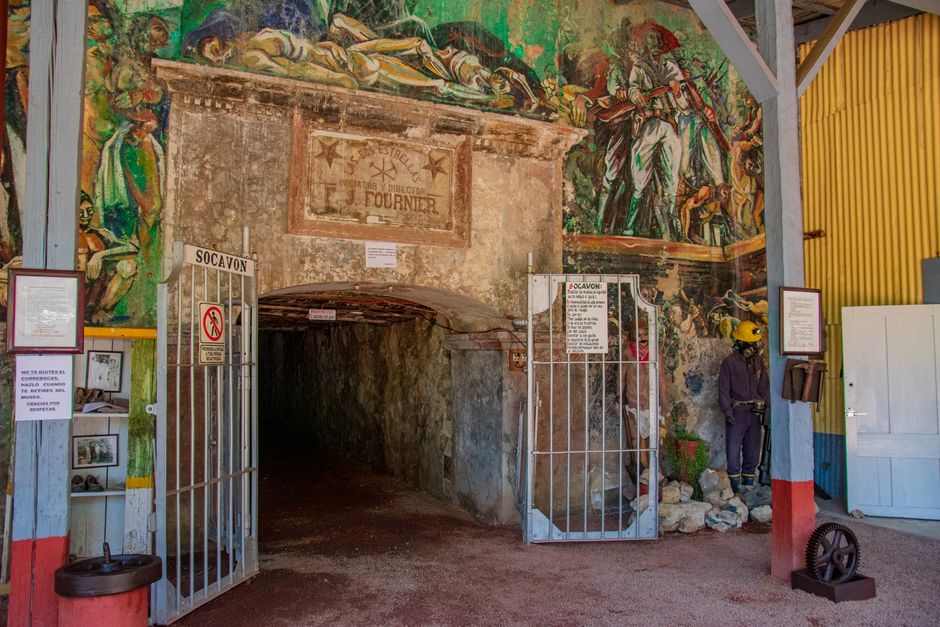
Beneath Frederiksberg Park lies a former drinking water reservoir, now a unique exhibition space where art interacts with dripping water and constant darkness.
The Cisterns (Cisternerne) once supplied Copenhagen with drinking water until their decommissioning in the 1930s. Today, this vast subterranean space has been transformed into a museum for contemporary art, hosting site-specific installations that capitalize on its unique atmosphere. The natural dampness, the echoes, and the absence of natural light create an immersive, almost sensory experience, where visitors wander through vaulted chambers with water slowly dripping from the ceiling.
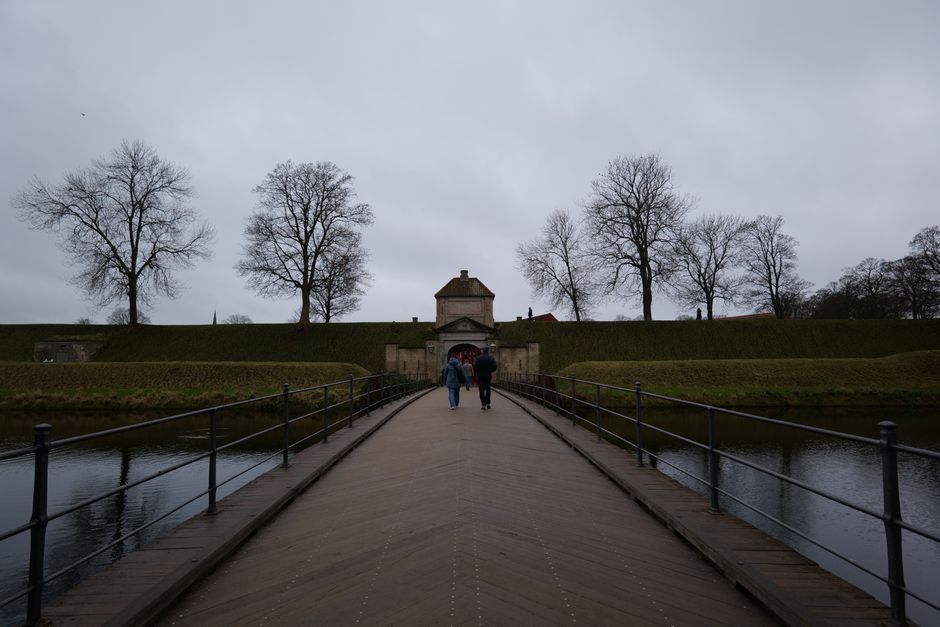
4. Star-Shaped Sentinel: Kastellet
Indre By, Copenhagen, Denmark
Explore one of Northern Europe's best-preserved star fortresses, a 17th-century military stronghold that doubles as a tranquil public park.
Kastellet, meaning 'the Citadel,' is a remarkably well-preserved star-shaped fortification built in the 1660s. Its five bastions, each named after a monarch, are surrounded by moats and ramparts, creating a serene, green space popular with joggers and walkers. While it remains an active military area, housing various Danish Defence institutions, the public is welcome to explore its grounds, historic barracks, and a charming windmill – a unique blend of history, nature, and ongoing military presence.
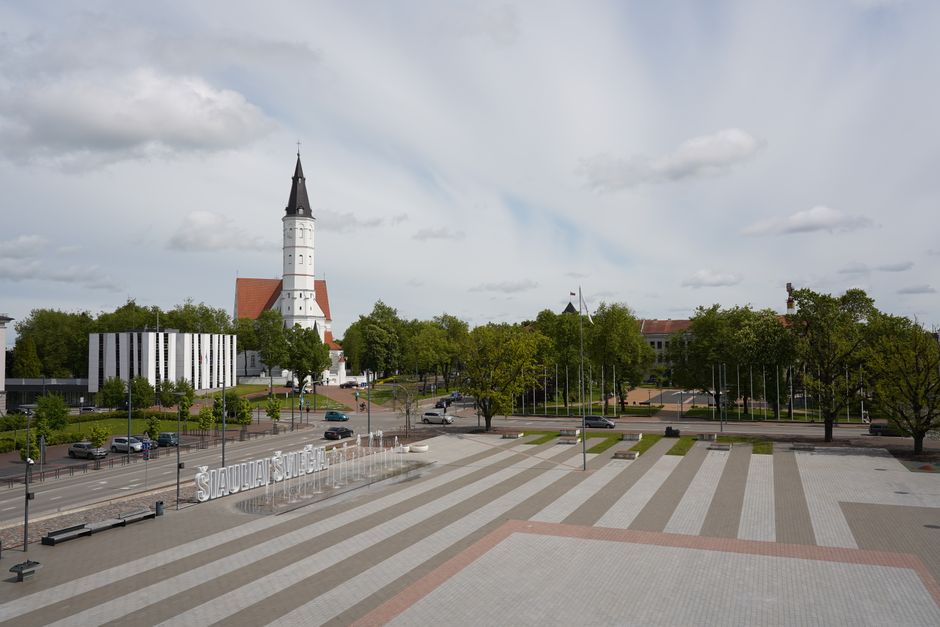
5. A World in a Park: Superkilen
Nørrebro, Copenhagen, Denmark
This vibrant public park is a living exhibition of global urban design, featuring over 100 objects from more than 50 different countries.
Located in the diverse Nørrebro district, Superkilen is a truly unique urban park designed by Bjarke Ingels Group, TOPOTEK1, and Superflex. It's conceived as a giant exhibition of urban diversity, with elements sourced from around the world reflecting the backgrounds of local residents. Visitors can encounter everything from Moroccan fountains and Brazilian benches to Japanese cherry trees and Armenian picnic tables, divided into three distinct zones: the Red Square, the Black Market, and the Green Park, each with its own character and international flair.
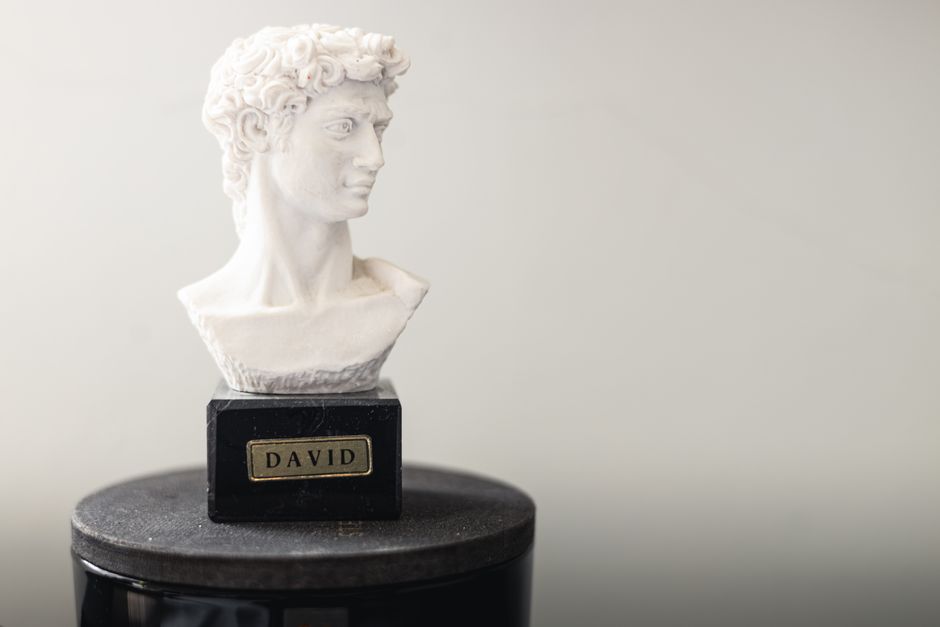
6. Global Art, Free Entry: The David Collection
Indre By, Copenhagen, Denmark
Discover one of the world's most significant private collections of Islamic art, surprisingly housed in Copenhagen and free to the public.
The David Collection (Davids Samling) is a hidden gem, offering a remarkable journey through art history. Founded by lawyer C.L. David, the museum showcases a comprehensive collection of Islamic art from the 7th to the 19th century, alongside Danish early modern art and 18th-century European art and crafts. Its depth and breadth are astonishing, with exquisite ceramics, textiles, miniatures, and calligraphy. The museum's intimate setting and the quality of its exhibits make it a truly enriching, and unexpectedly free, cultural experience.
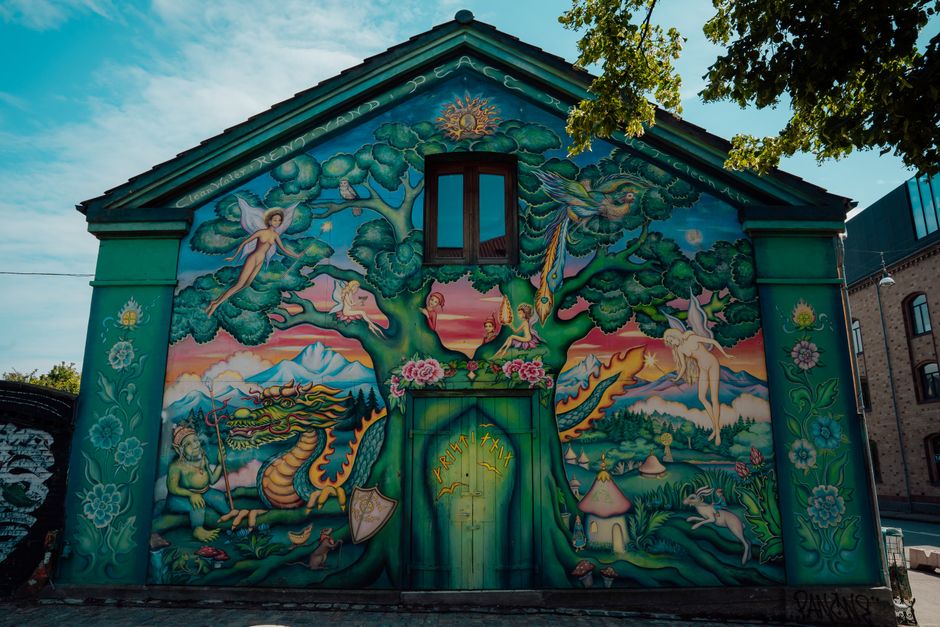
7. Freetown's Fables: Christiania
Christianshavn, Copenhagen, Denmark
Step into a self-proclaimed autonomous 'freetown' within Copenhagen, a social experiment with its own rules, unique architecture, and counter-cultural spirit.
Freetown Christiania began in 1971 when a group of squatters and idealists occupied an abandoned military barracks area. It evolved into a self-governing community with its own laws, distinct from Danish legislation. Characterized by its DIY architecture, organic eateries, and vibrant art scene, Christiania offers a glimpse into an alternative way of life. While it has faced challenges over the decades, it remains a fascinating, if sometimes controversial, social experiment and a unique cultural landmark.
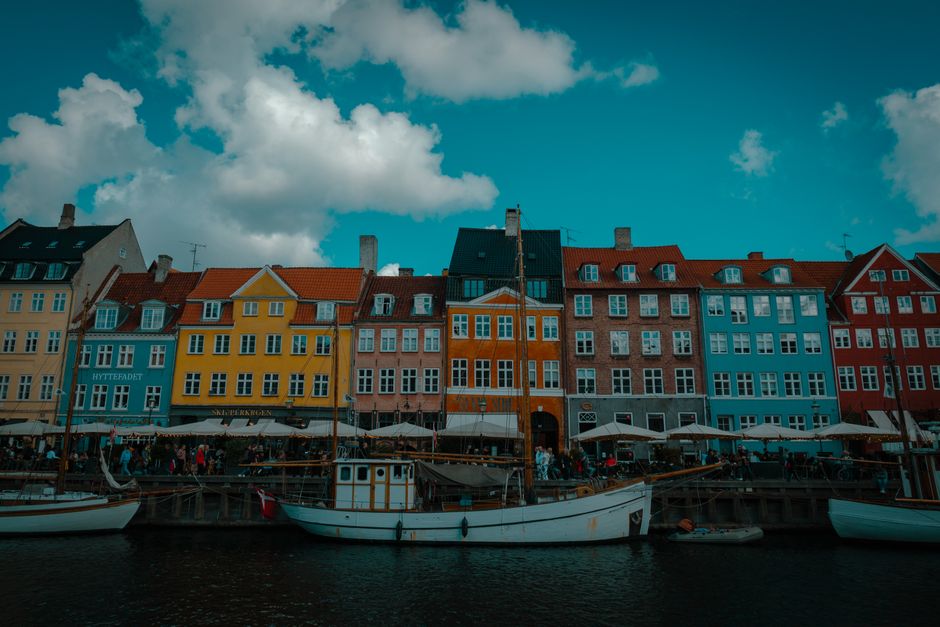
8. Nyhavn's Gritty Past: A Sailor's Tale
Indre By, Copenhagen, Denmark
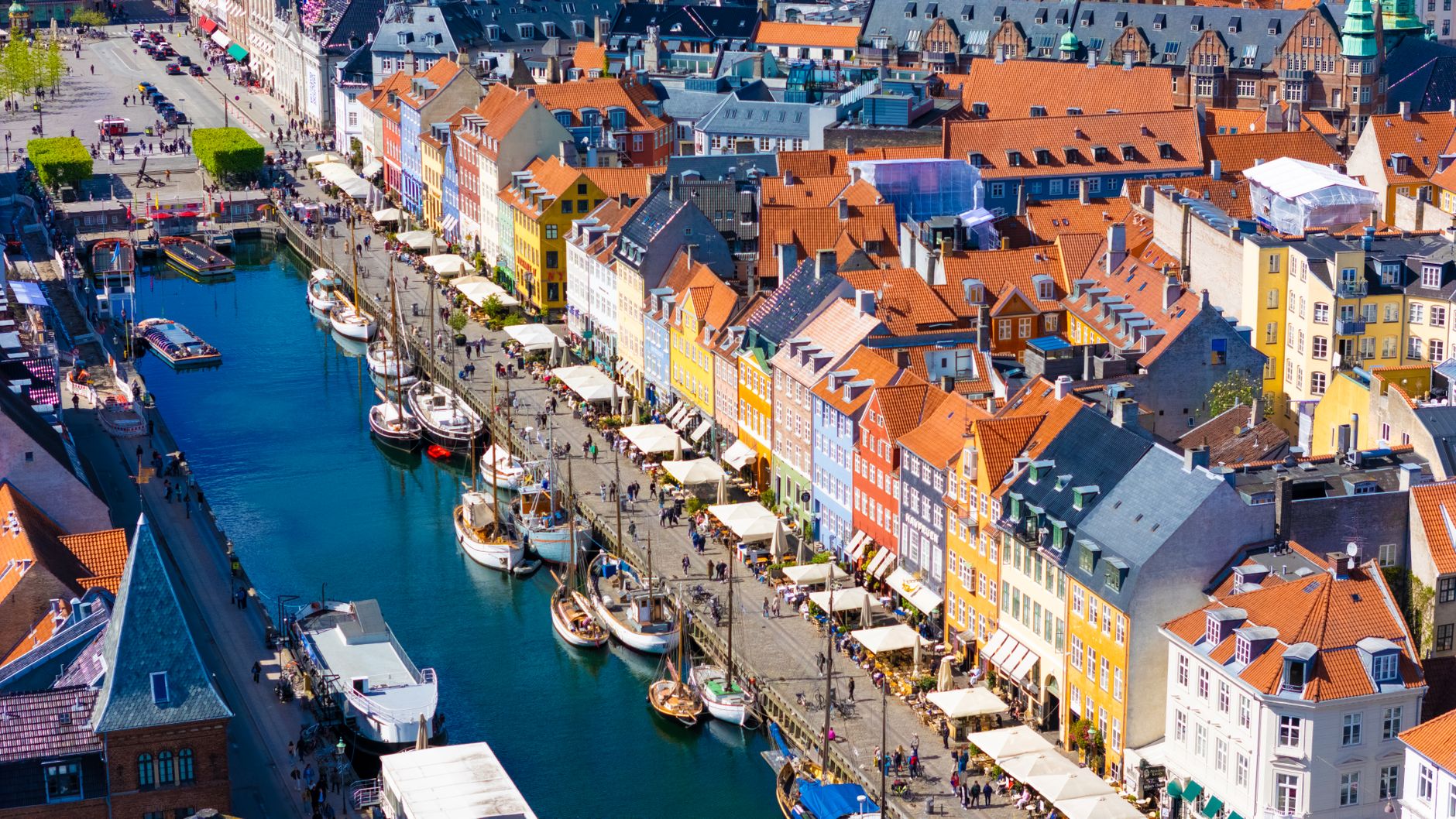
Behind Nyhavn's picturesque, colorful canal houses lies a history as a bustling, rough-and-tumble sailors' district, complete with taverns and brothels.
Today, Nyhavn is synonymous with charming cafes, tourist boats, and Hans Christian Andersen's former residences. However, when it was established in the 17th century as a gateway from the sea to the city center, it quickly became a notorious hub for sailors. Its colorful buildings once housed rowdy pubs, tattoo parlors, and a thriving red-light district. Understanding this grittier past adds a surprising depth to the now idyllic waterfront, revealing a vibrant, often unruly, history beneath its polished facade.
Frequently asked questions
What is the best way to get around Copenhagen in a day?
Copenhagen is a very walkable city, especially its central areas. For longer distances, the efficient public transport system (metro, S-trains, buses) is excellent. Many locals and tourists also opt for bikes, as the city boasts extensive cycling lanes, making it an enjoyable and quick way to explore.
Is Copenhagen an expensive city for tourists?
Copenhagen is generally considered one of Europe's more expensive cities. However, there are ways to manage costs, such as utilizing free attractions like parks and some museums, buying groceries for picnics, and taking advantage of lunch deals. Public transport passes can also offer good value.
What's a typical Danish food I should try on a quick visit?
For a true taste of Denmark, try a 'smørrebrød' – an open-faced sandwich. These elaborate culinary creations feature a base of rye bread topped with various ingredients like pickled herring, roast beef, or shrimp, artfully arranged. It's a versatile and delicious lunch option.
How can AllTours.ai enhance my Copenhagen visit?
AllTours.ai transforms your phone into a personal AI audio tour guide. Simply point your camera at any landmark or landscape in Copenhagen, and the app will instantly narrate its history, geology, and cultural significance in your preferred language, offering deeper insights into the places you discover on your 1-day trip.
Photography via Pexels. AllTours.ai is an AI audio tour guide — point your camera at any landscape and hear its story.