August 13, 2026 · 4 min read
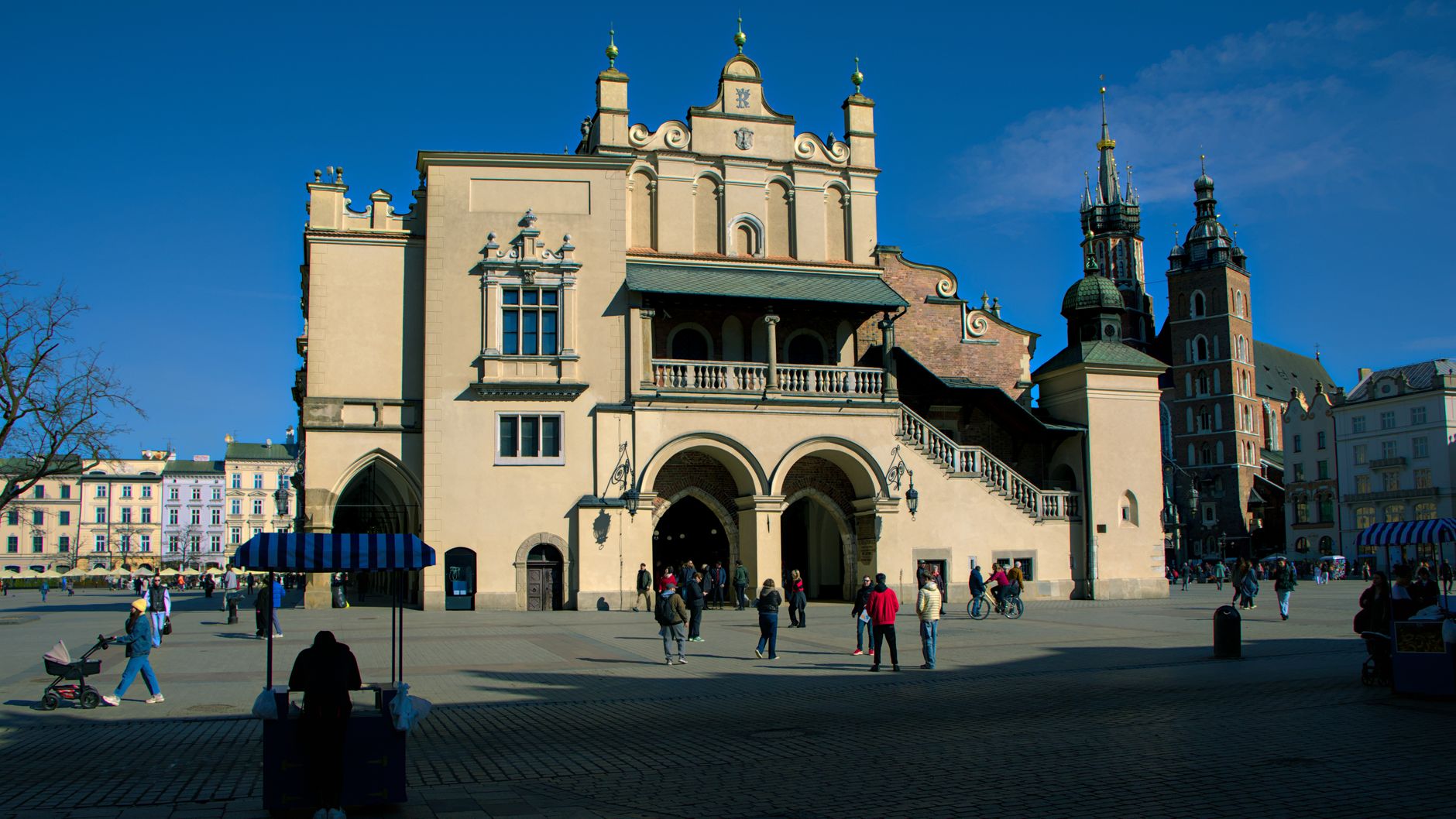
Krakow's historical heart beats with centuries of stories, from its grand medieval square to the poignant streets of its Jewish Quarter. While many visitors flock to the well-trodden paths, a deeper exploration reveals a city rich with surprising details and lesser-known tales.
A single day allows for an immersive journey through these two distinct yet interconnected worlds. Prepare to look beyond the surface and uncover the unique facets of Krakow that reveal its enduring spirit and complex past.
1. The Sinking Church of the Market Square
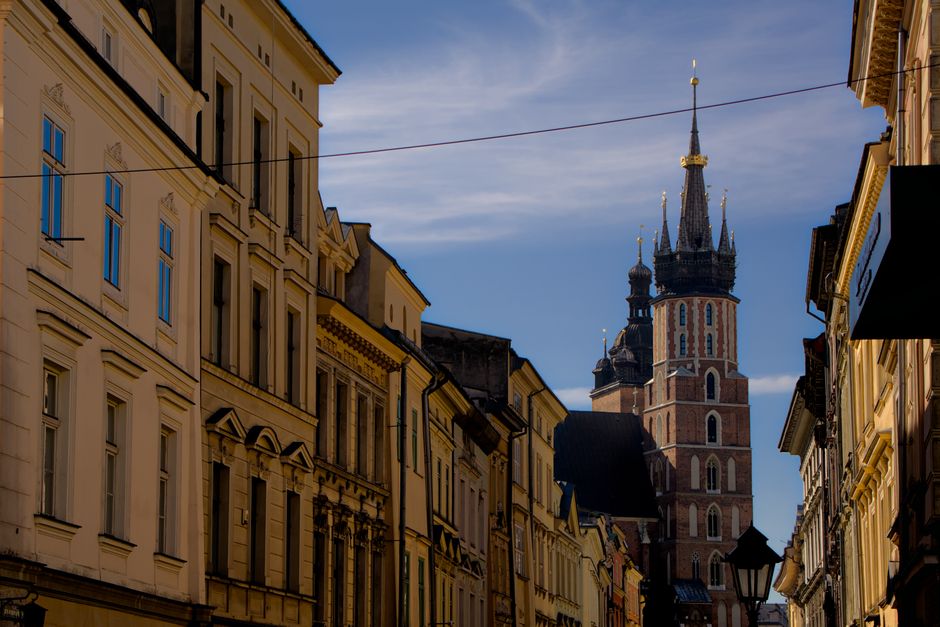
Kościół św. Wojciecha, Krakow, Poland
This unassuming Romanesque church, in the heart of the Main Market Square, has literally sunk into the ground over centuries.
Built over a thousand years ago, St. Adalbert's is one of Krakow's oldest stone churches, pre-dating the grand square around it. Its current floor level is significantly lower than the surrounding pavement, a testament to centuries of urban development raising the ground level. Excavations have revealed even earlier wooden structures beneath, hinting at continuous worship on this spot, making it a quiet sentinel of Krakow's deep past.
2. Copernicus's Legacy in Motion
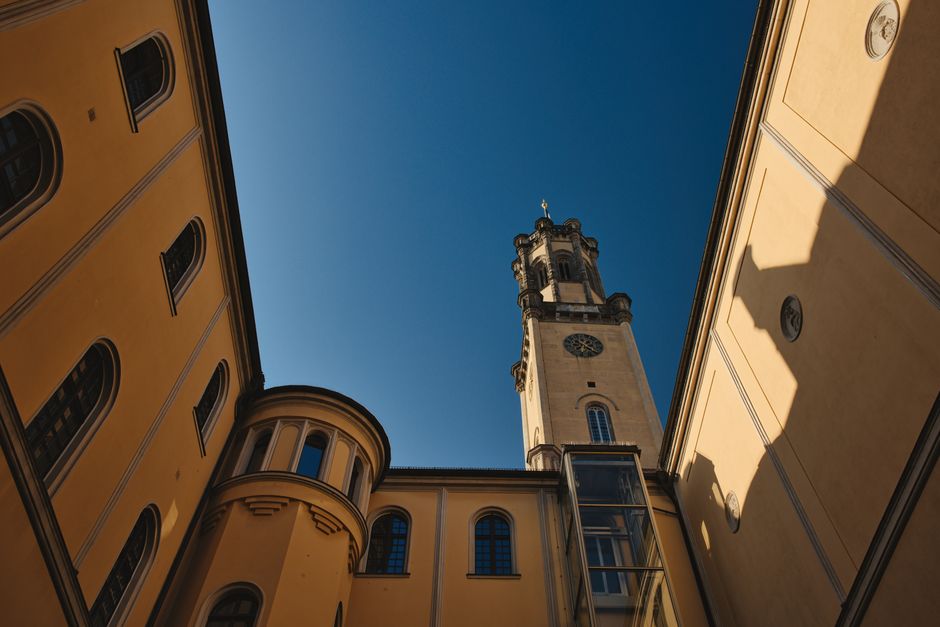
Collegium Maius, Jagiellonian University, Krakow, Poland
Peer into the courtyard of Poland's oldest university to see a mechanical clock that re-enacts a procession of historical figures daily.
The Collegium Maius, the oldest building of Jagiellonian University, dates back to the 14th century and once housed Nicolaus Copernicus. While his actual instruments are inside, the real surprise in the courtyard is a modern mechanical clock that, at specific hours, reveals a parade of historical figures, including Copernicus himself, accompanied by music. This charming anachronism connects past scholarship with present-day whimsy, offering a delightful break from traditional sightseeing.
3. Krakow's Grandest Old Road
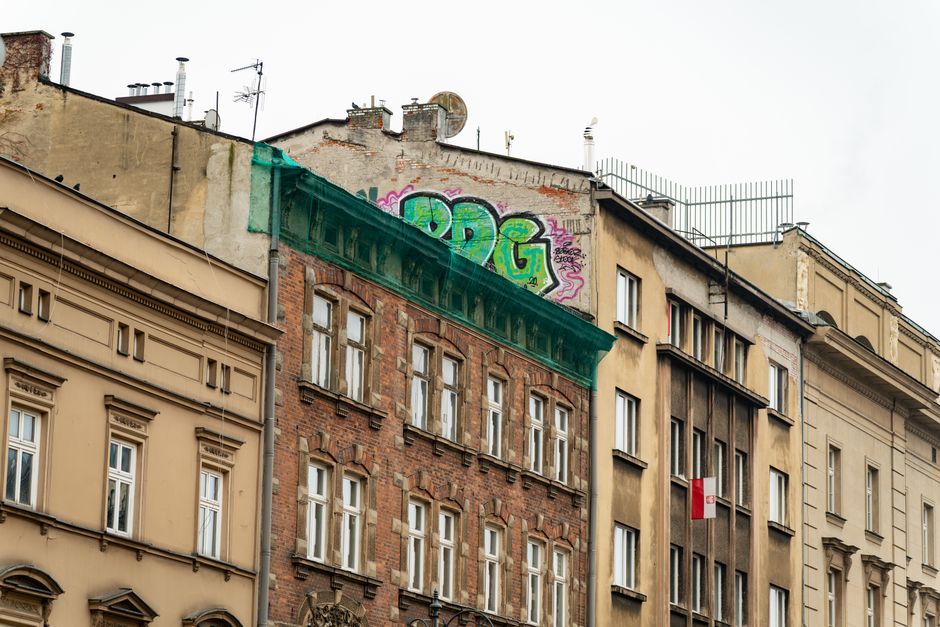
Kanonicza Street, Krakow, Poland
Walk down Krakow's oldest and arguably most picturesque street, once exclusively reserved for the canons serving Wawel Cathedral.
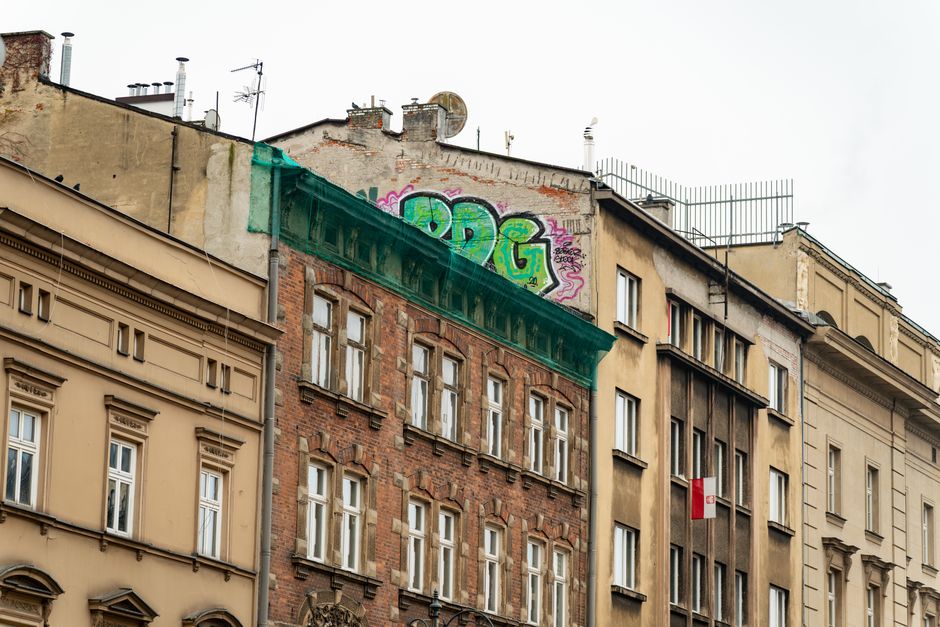
Kanonicza Street, stretching from Wawel Castle towards the Old Town, is lined with magnificent Renaissance and Baroque buildings. These were not just any residences; they were homes for the canons of Wawel Cathedral, giving the street its distinctive grandeur and quiet dignity. The architecture here tells stories of ecclesiastical power and patronage, offering a glimpse into a time when the church's influence shaped urban planning and daily life.
4. The City's Untouched Shield
Krakow Barbican, Krakow, Poland
This formidable medieval fortress nearly met its end not by siege, but by 19th-century urban planners who wanted to tear it down.
The Krakow Barbican, a circular brick fortress, is one of only three surviving medieval barbicans in Europe. Built in 1499, it served as a vital defensive outpost, protecting St. Florian's Gate and the city walls. In the 19th century, during a period of modernization, most of Krakow's medieval fortifications were dismantled. The Barbican was spared only through the efforts of Professor Feliks Radwański, who argued for its historical significance and unique beauty, preserving this rare defensive marvel.
5. The Second-Floor Sanctuary
Wysoka Synagoga, Krakow, Poland
Unlike most synagogues, the High Synagogue's main prayer hall is located on the second floor, a unique architectural solution in Kazimierz.
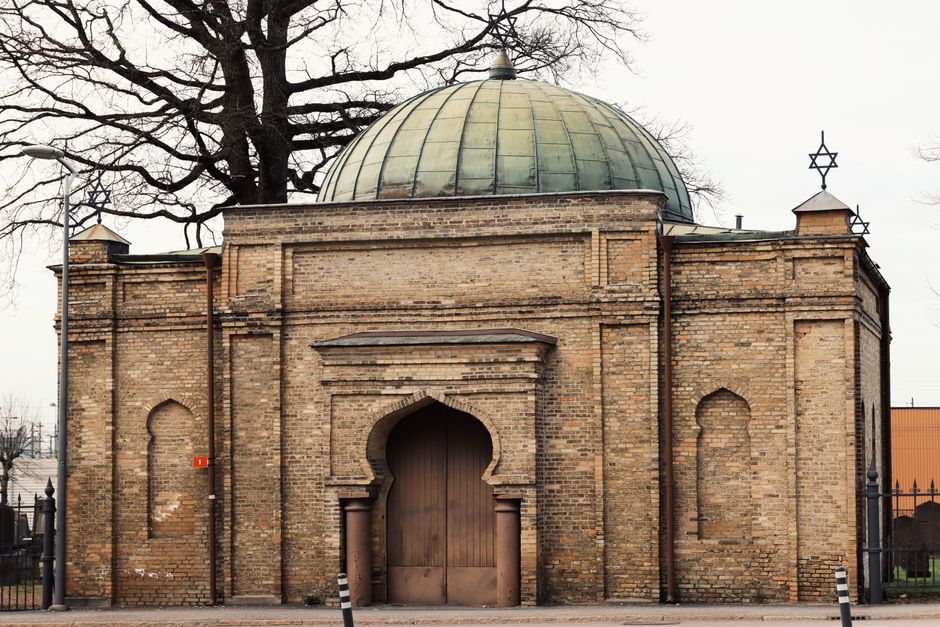
Built in the mid-16th century, the Wysoka Synagoga (High Synagogue) is so named because its main prayer hall occupies the upper story of the building. This unusual design choice was likely due to property limitations or possibly for security reasons, placing the sacred space above street level. Today, its ground floor houses a bookstore, but the upper level still evokes its past as a vibrant center of worship, offering a distinct perspective on Jewish architectural traditions.
6. A Beacon of Humanity in the Ghetto
Apteka pod Orłem, Krakow, Poland
This was the only pharmacy within the Krakow Ghetto, run by a non-Jewish Pole who bravely aided its imprisoned residents during WWII.
The Eagle Pharmacy, managed by Tadeusz Pankiewicz, became a vital sanctuary during the Nazi occupation. Pankiewicz and his staff provided medicines, food, and crucial information to the ghetto's inhabitants, often risking their own lives. It served as a meeting point and a place of refuge, a symbol of resistance and compassion in unimaginable circumstances. Today, it stands as a poignant museum, preserving the stories of those harrowing times and the extraordinary courage of individuals.
7. Echoes of a Community, Reclaimed
Nowy Cmentarz Żydowski, Krakow, Poland
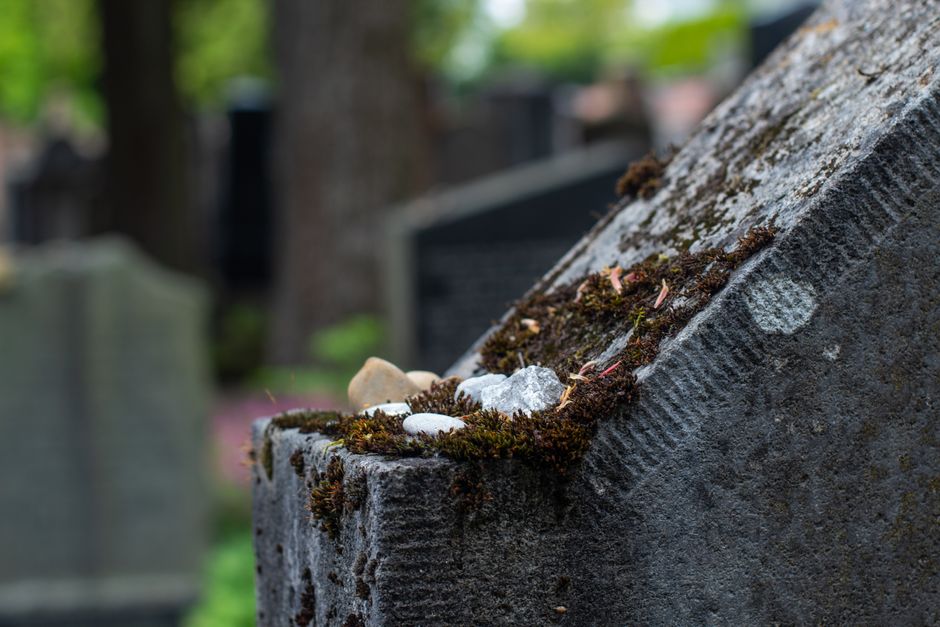
Despite its name, this 'New' Jewish Cemetery is over 150 years old and contains not only ornate historical graves but also mass burials from the Holocaust.
Established in 1800, the Nowy Cmentarz Żydowski (New Jewish Cemetery) replaced the older Remuh Cemetery as Kazimierz grew. During WWII, the Nazis desecrated many tombstones, using them for paving and construction. Post-war, the community painstakingly reclaimed and reassembled what they could, and today it serves as a solemn reminder of Krakow's vibrant Jewish past and the atrocities committed. It offers a more expansive, reflective experience than its older counterpart, inviting quiet contemplation.
8. Kazimierz's Artisan Heartbeat
Józefa Street, Krakow, Poland
Once a bustling street of traditional Jewish craftsmen, Józefa Street quietly transformed into a vibrant hub for contemporary artists and cafes.
Józefa Street, running through the heart of Kazimierz, was historically known for its workshops and tradesmen, reflecting the daily life of the Jewish community. After the devastation of WWII, the street, like much of Kazimierz, fell into disrepair. In recent decades, however, it has experienced a remarkable revival, becoming a sought-after location for independent galleries, quirky boutiques, and atmospheric cafes, while still retaining its historic charm and architectural character, a testament to resilience.
Frequently asked questions
Is Krakow Old Town walkable?
Yes, Krakow's Old Town is entirely pedestrian-friendly and best explored on foot. Its compact size means you can easily walk between major attractions like the Main Market Square, St. Mary's Basilica, and Wawel Castle without needing public transport.
How much time should I spend in the Jewish Quarter?
To truly experience the Jewish Quarter (Kazimierz), allow at least 3-4 hours. This gives you time to visit a synagogue or two, explore the Remuh Cemetery, and soak in the unique atmosphere of Szeroka Street and its surrounding alleys, perhaps stopping for a coffee.
What's the best way to get between Krakow Old Town and the Jewish Quarter?
The Old Town and Jewish Quarter are conveniently close, about a 15-20 minute walk apart. You can also take a short tram ride (e.g., from Poczta Główna in Old Town to Plac Wolnica in Kazimierz) or a quick taxi/ride-share for convenience.
How can AllTours.ai enhance my visit to Krakow?
AllTours.ai lets you discover the hidden stories of Krakow as you explore. Simply point your phone camera at any landmark or landscape, and the app will instantly narrate its history, geology, and culture in your preferred language, turning every street into a living museum filled with vivid, true stories.
Photography via Pexels. AllTours.ai is an AI audio tour guide — point your camera at any landscape and hear its story.