September 17, 2026 · 4 min read
The idea of backpacking for half a year often conjures images of iconic landmarks, bustling hostels, and a never-ending string of picturesque sunsets. It’s a dream for many, a bold venture into the unknown that promises freedom and self-discovery.
But beyond the postcard moments and well-trodden paths, what are the unexpected benefits and challenges of backpacking for half a year? The real magic often lies in the detours, the lesser-known corners of the world that whisper stories far richer and stranger than you could ever anticipate.
1. The Waterfall Kept Secret by Mermaids
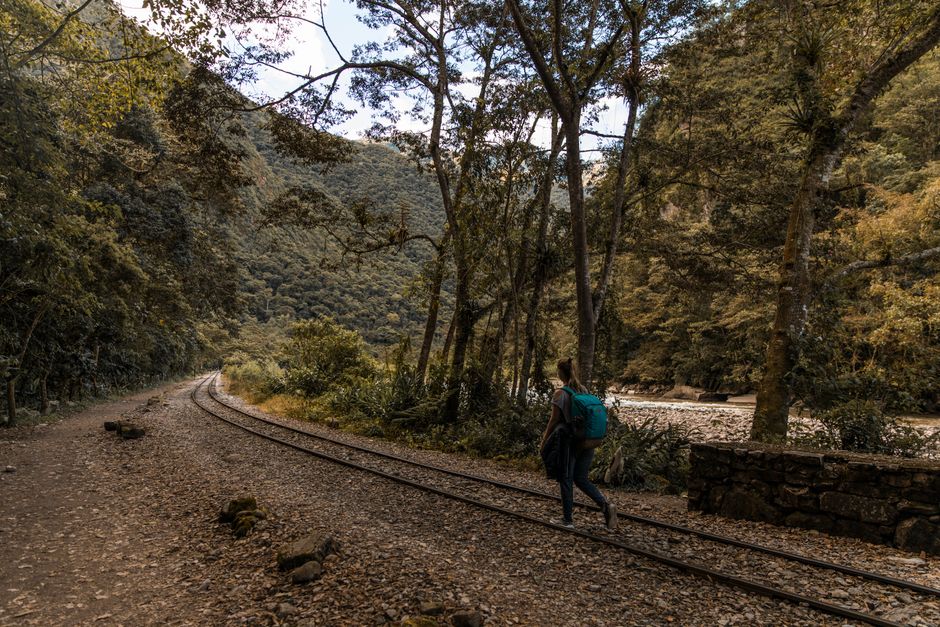
Gocta Falls, Peru
A colossal waterfall, known to locals for centuries, was kept a secret from the outside world due to a local legend of a blonde mermaid.
Gocta Falls, near Chachapoyas, Peru, plunges over 2,500 feet in two drops, making it one of the world's tallest. For generations, the local Cocachimba people protected its location, believing a mythical mermaid, the 'Mama Gocta,' inhabited its waters and would curse anyone who revealed its secret. This isolation preserved a rich ecosystem and a unique cultural narrative until its 'discovery' by a German explorer in 2005.
2. Ancient Fortress of Desert Trade
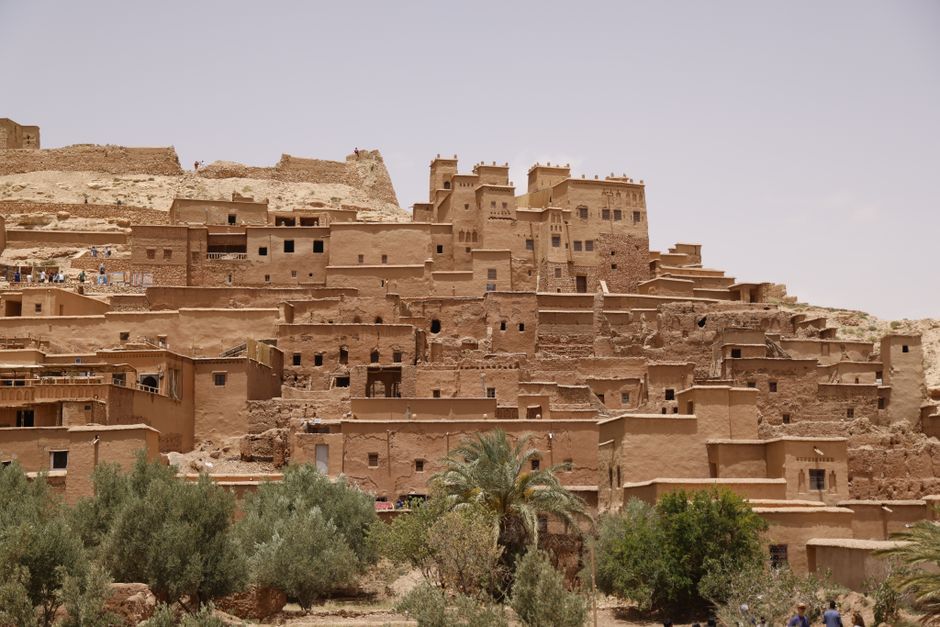
Aït Benhaddou, Morocco
This ancient fortified village has been a strategic stop for trans-Saharan traders for centuries, long before Hollywood discovered its cinematic allure.
Aït Benhaddou is a striking example of traditional Moroccan earthen architecture, a ksar (fortified village) that protected a caravan route between the Sahara and Marrakech. Its ochre walls and towers have stood for over a millennium, witnessing the ebb and flow of empires and trade. While iconic in films like 'Gladiator' and 'Game of Thrones', its true story lies in the daily lives of the few families who still reside within its ancient walls, preserving a timeless way of life.
3. The Mountain Monastery of Resilience
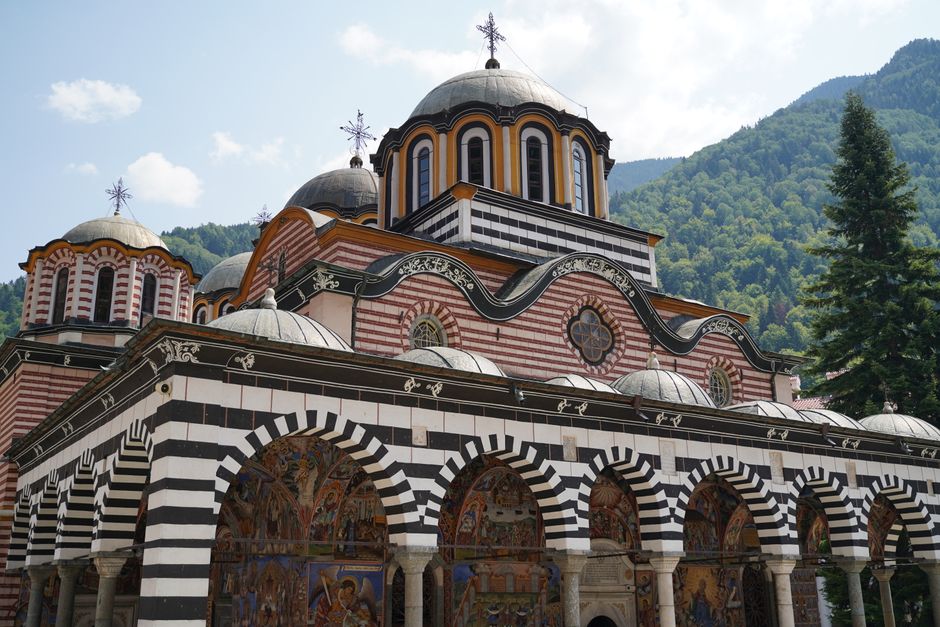
Rila Monastery, Bulgaria
Hidden deep in a mountain range, this vibrant Eastern Orthodox monastery was founded by a hermit and became a spiritual and cultural beacon during centuries of Ottoman rule.
The Rila Monastery, a UNESCO World Heritage site, is Bulgaria's largest and most famous Eastern Orthodox monastery. Founded in the 10th century by Saint Ivan of Rila, a hermit, it served as a powerful symbol of Bulgarian identity and faith during the five centuries of Ottoman occupation. Its striking frescoes and gilded iconostasis tell stories of resilience, preserving Bulgarian culture, language, and spiritual life when they were most threatened.
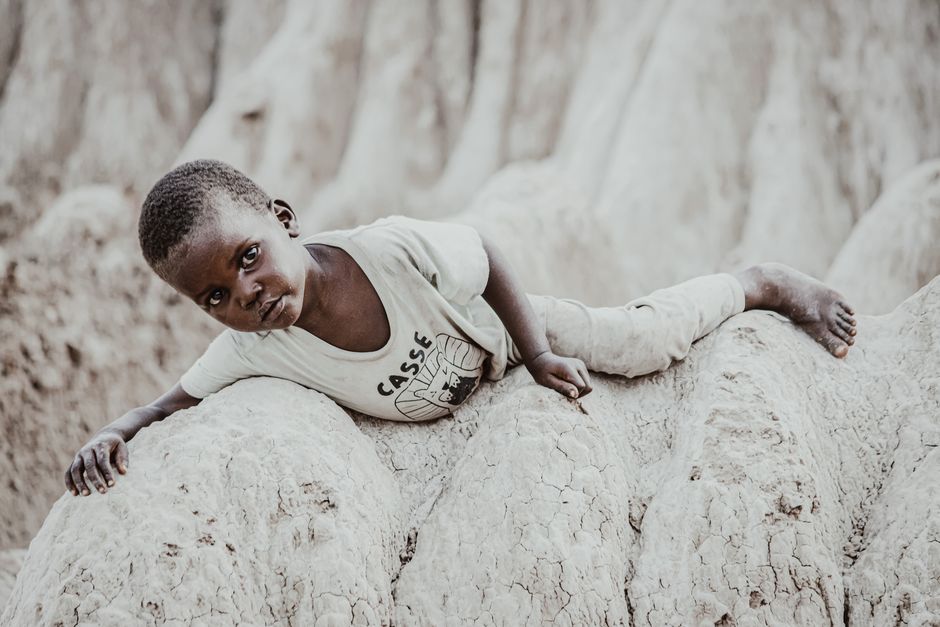
4. Madagascar's Razor-Sharp Stone Forest
Tsingy de Bemaraha, Madagascar
This 'stone forest' of razor-sharp limestone pinnacles and deep canyons formed over millions of years, creating a unique labyrinth where evolution has forged species found nowhere else on Earth.
The Tsingy de Bemaraha Strict Nature Reserve is a UNESCO site dominated by its 'tsingy' formations – a Malagasy word for 'where one cannot walk barefoot.' These dramatic karst landscapes, eroded by rainwater into spiky towers and deep caves, are home to an extraordinary array of endemic wildlife, including several lemur species that have adapted to this vertical world. Its isolation has preserved a pristine ecosystem, a living laboratory of evolution.
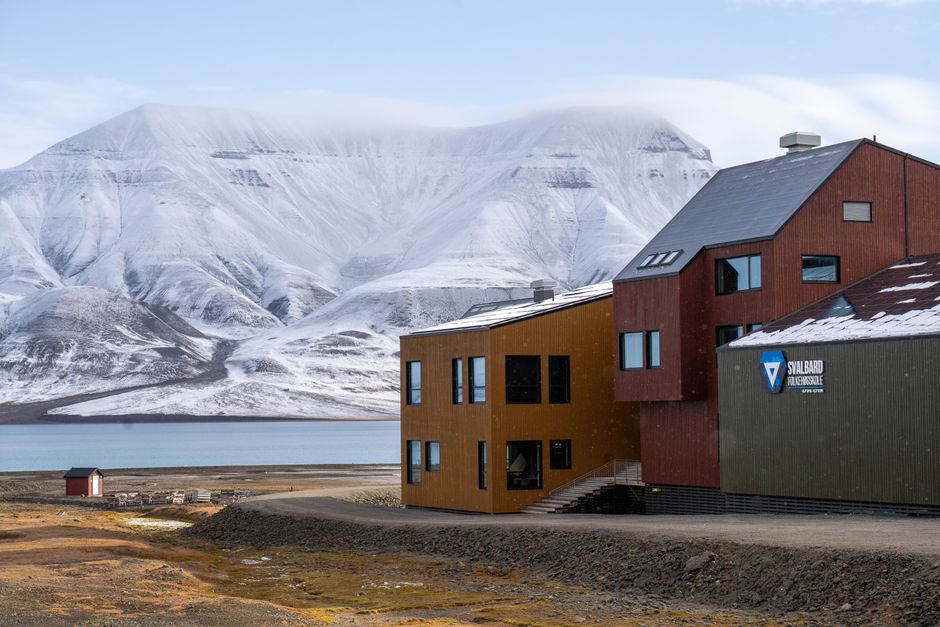
5. Humanity's Arctic Seed Vault
Svalbard, Norway
Beyond polar bears and arctic wilderness, this remote archipelago hosts humanity's last-ditch effort to preserve global crop diversity, buried deep within a permafrost mountain.
Svalbard, a Norwegian archipelago in the Arctic Ocean, is known for its stark beauty and wildlife. However, it also houses the Svalbard Global Seed Vault, often called the 'Doomsday Vault.' This facility stores duplicates of seeds from gene banks worldwide, ensuring the survival of essential food crops against natural disasters, war, or climate change. Its location, deep inside a mountain and naturally chilled by permafrost, offers ideal conditions for long-term seed preservation.
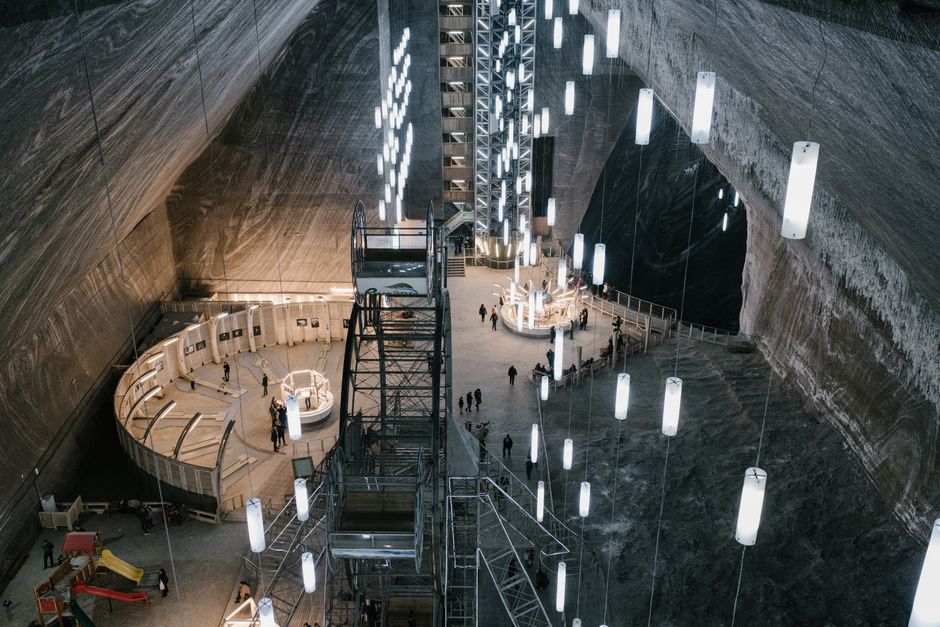
6. Transylvania's Underground Amusement Park
Salina Turda, Romania
Deep beneath the Romanian Transylvanian plateau lies a colossal salt mine, transformed into an otherworldly underground amusement park and health spa.
Salina Turda, one of the oldest salt mines in the world, has been continuously exploited since ancient times, with its modern operations ceasing in 1932. Today, it's a unique tourist attraction where visitors can descend hundreds of feet into enormous caverns. Inside, you'll find a Ferris wheel, mini-golf, a boating lake, and even an amphitheater, all while breathing air naturally purified by the salt, which offers therapeutic benefits.
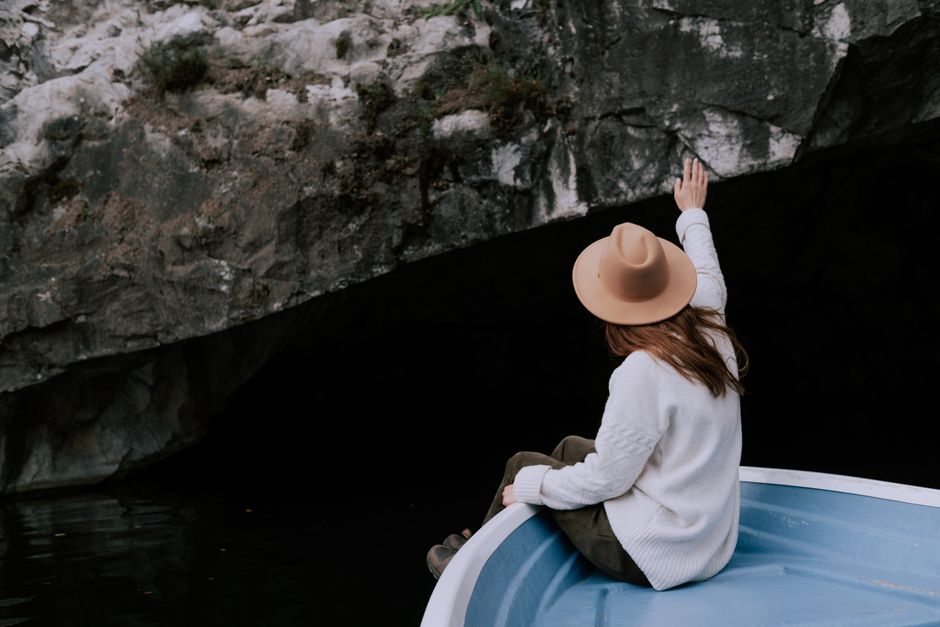
7. New Zealand's Subterranean Starry Sky
Waitomo Glowworm Caves, New Zealand
Beneath New Zealand's North Island, thousands of tiny glowworms illuminate a subterranean world, creating a celestial spectacle mirroring a starry night sky.
The Waitomo Glowworm Caves are famous for their population of Arachnocampa luminosa, a species of glowworm found exclusively in New Zealand. These bioluminescent larvae hang from the cave ceilings, emitting a soft, blue-green light to attract insects. Visitors glide silently by boat through the pitch-black grotto, witnessing a mesmerizing, living constellation reflected in the calm underground water.
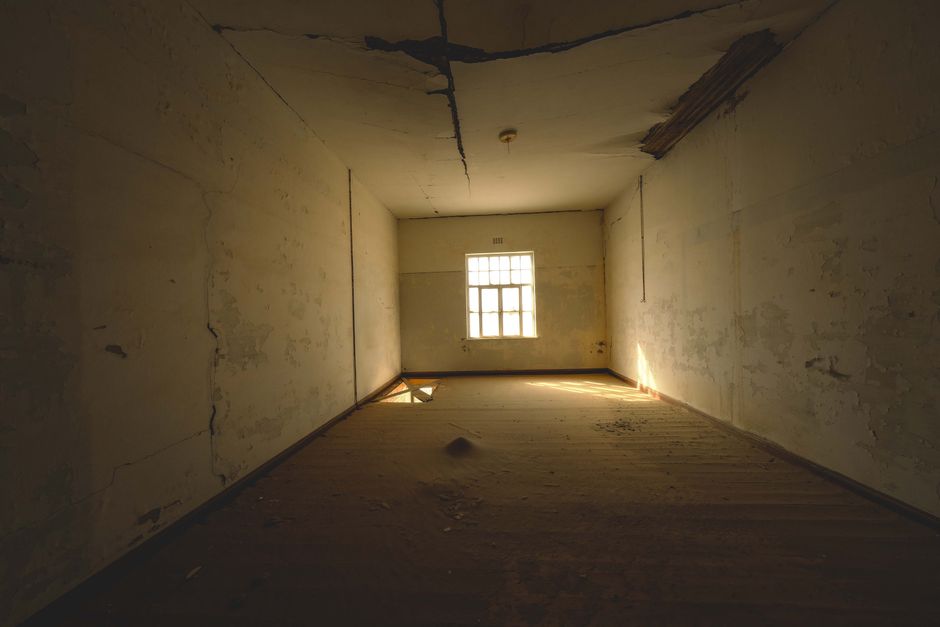
8. Desert's Ghostly Diamond Town
Kolmanskop, Namibia
A once-thriving diamond mining town in the Namib Desert now stands as a ghostly testament to human ambition, its houses slowly being swallowed by shifting sand dunes.
Kolmanskop was a prosperous German mining settlement built in the early 20th century after diamonds were discovered in the Namib Desert. It boasted a hospital, ballroom, power station, and even a bowling alley. However, after the diamond fields were depleted and richer finds were made elsewhere, the town was abandoned in 1954. Today, it's a surreal ghost town, with sand dunes slowly filling its elegant buildings, offering a stark visual narrative of nature reclaiming human endeavors.
Frequently asked questions
How much money do I need to backpack for six months?
This varies wildly based on your travel style and destinations. Budget travelers might manage on $1,000-$2,000 USD per month in cheaper regions like Southeast Asia or parts of South America, while Europe or Australia could easily double that. Factor in flights, visas, insurance, accommodation, food, activities, and a buffer for emergencies.
What are the biggest unexpected challenges of long-term backpacking?
Beyond the romanticized image, challenges include constant decision fatigue, loneliness despite meeting many people, navigating cultural misunderstandings, dealing with minor illnesses or injuries far from home, and the emotional toll of always being in motion. Maintaining routines and self-care becomes crucial.
Is it safe to backpack solo for six months, especially as a woman?
Solo backpacking can be incredibly rewarding. Safety largely depends on destination research, common sense, and trusting your intuition. Many women travel solo for extended periods safely. Key strategies include sharing your itinerary, avoiding late-night arrivals in new places, securing your belongings, and being aware of local customs and norms.
How can AllTours.ai enhance a long backpacking trip?
AllTours.ai enriches your journey by acting as a personal, knowledgeable guide, even in remote spots. Simply point your phone camera at a landmark, landscape, or historical site, and the app instantly narrates its hidden stories, geological formation, or cultural significance in your language, bringing every discovery to life without needing a separate guide.
Photography via Pexels. AllTours.ai is an AI audio tour guide — point your camera at any landscape and hear its story.