June 10, 2026 · 4 min read
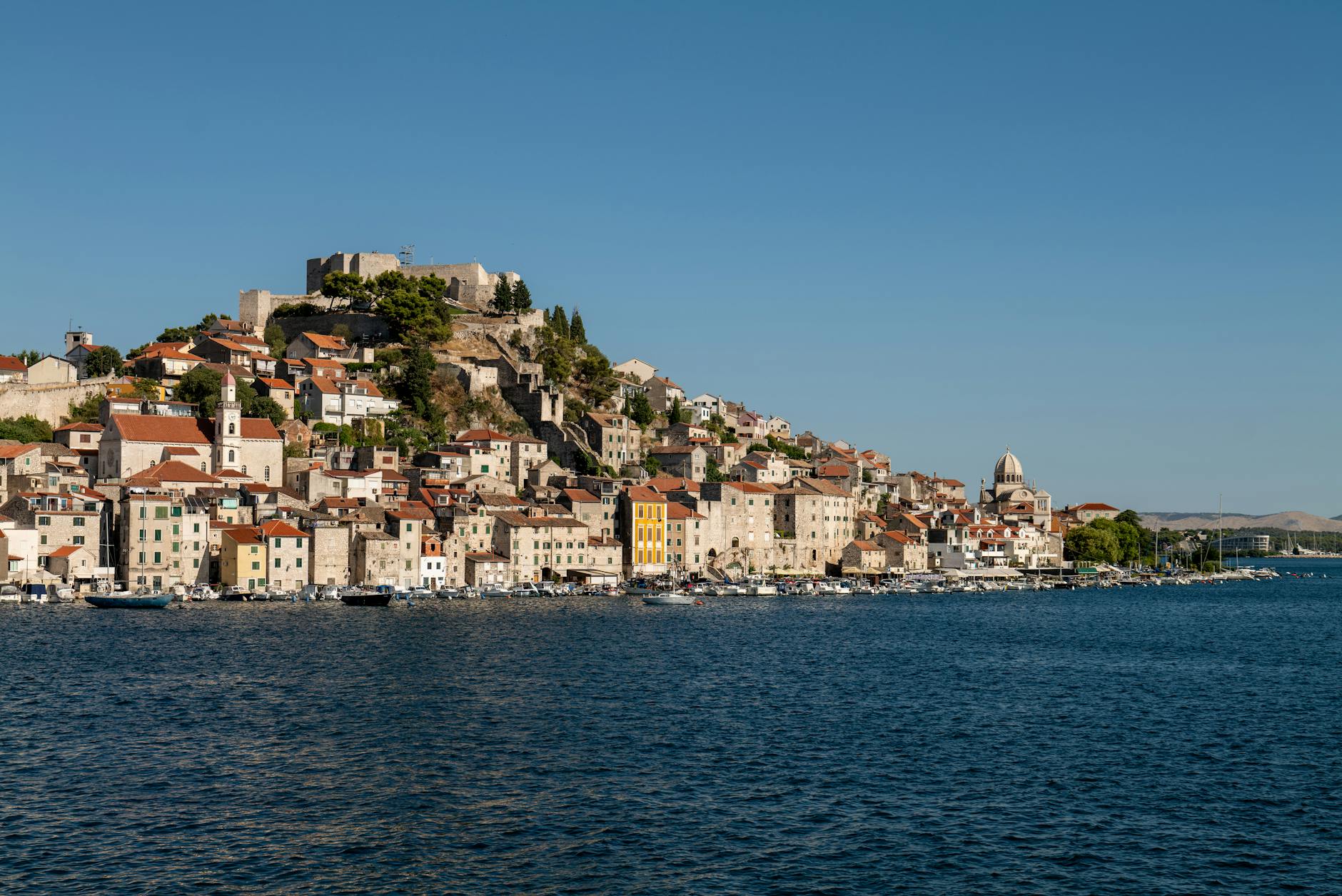
Croatia's coastline is legendary, but beyond the well-trodden paths of Dubrovnik and Hvar lie countless towns brimming with equally rich, often more surprising, stories. These are places where Roman ruins stand beside Venetian palaces, where ancient crafts still thrive, and where every cobbled alleyway whispers tales of pirates, emperors, and everyday resilience.
This list invites you to look past the obvious and explore the genuine heart of the Adriatic. From towns once clandestine military bases to others boasting architectural feats thought impossible, these destinations offer a deeper connection to Croatia's soul. Prepare to have your curiosity sparked by the unexpected history, geology, and culture waiting to be discovered.
1. Rovinj's Venetian Canvas
Rovinj, Croatia
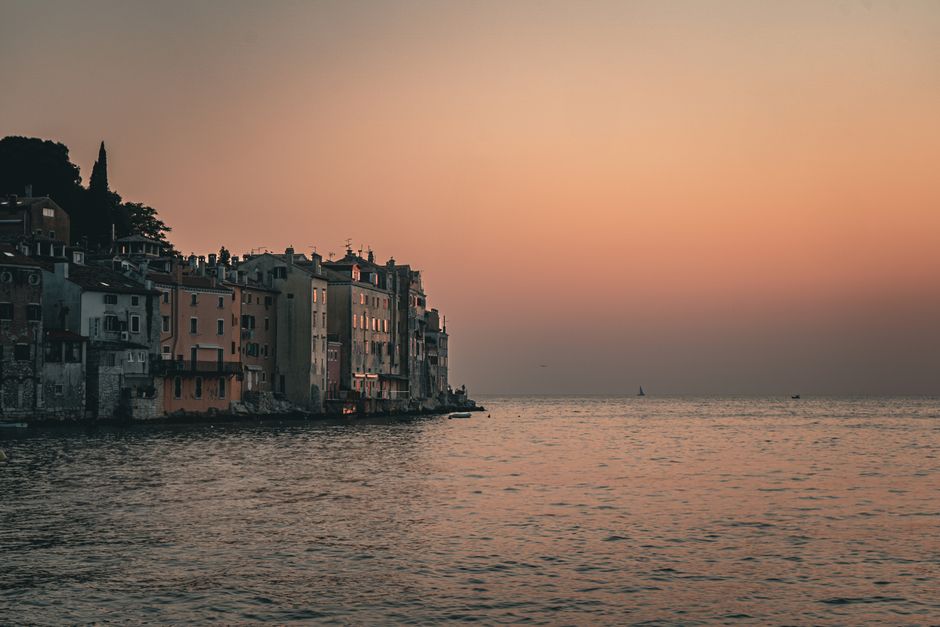
Rovinj's iconic St. Euphemia bell tower, a replica of Venice's Campanile, houses a weather vane that actually predicts local winds.
Perched on a peninsula, Rovinj's pastel-colored houses cascade down to the sea, a testament to its strong Venetian influence. Once an island, it was connected to the mainland in 1763, yet retains its distinct island feel. The town was a crucial maritime hub, frequently changing hands between empires, each leaving an indelible mark on its architecture and culture. Its narrow, winding streets open onto hidden squares, inviting exploration.
2. Trogir's Masterpiece Portal
Trogir, Croatia
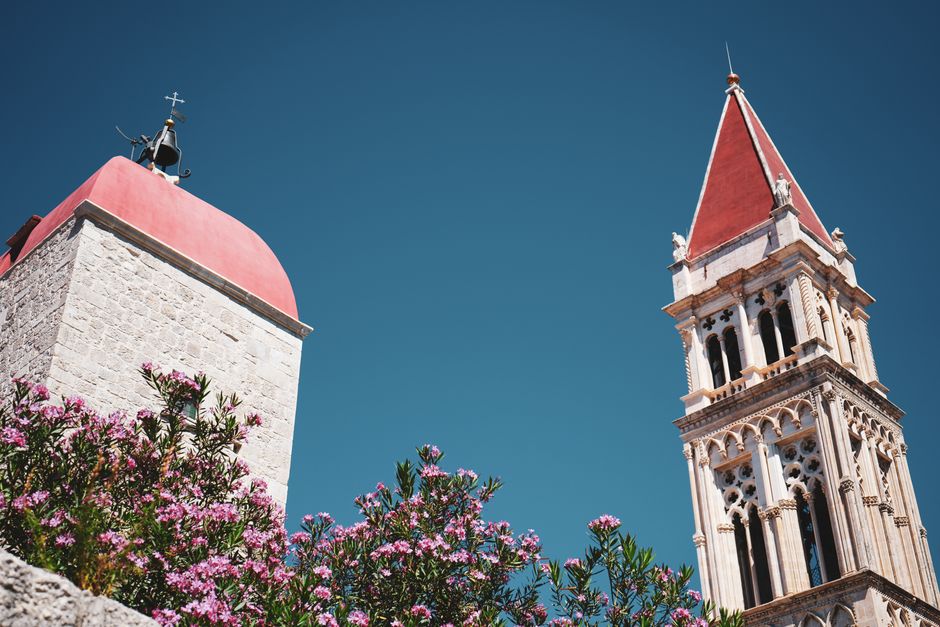
Trogir's Cathedral of St. Lawrence boasts a Romanesque portal so significant, its creator, Master Radovan, inscribed his name on the stone lions supporting it in 1240.
This UNESCO World Heritage site is an open-air museum, its medieval old town built on a small island between the Croatian mainland and the island of Čiovo. Trogir's history spans millennia, from Greek and Roman settlements to Venetian rule. The cathedral's portal is a stunning example of Dalmatian sculpture, depicting biblical scenes and mythological creatures with intricate detail. Walking its narrow streets is like stepping back into a living history book.
3. Šibenik's Mortar-less Marvel
Šibenik, Croatia
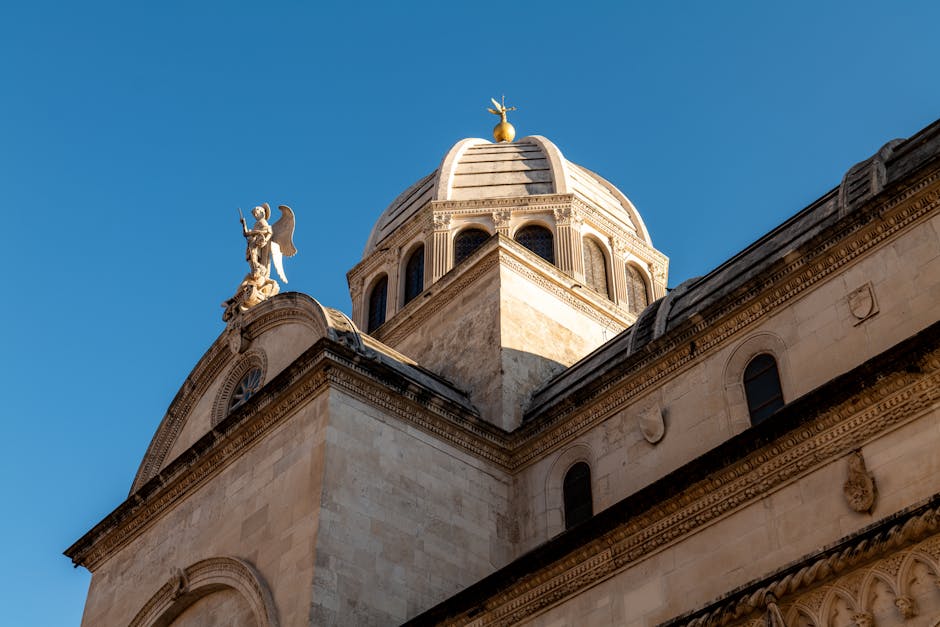
Šibenik's UNESCO-listed Cathedral of St. James was built entirely of stone, without mortar, using interlocking techniques pioneered by local master builders.
Unlike many Croatian coastal cities, Šibenik was founded by Croats, not Romans or Greeks, giving it a unique heritage. Its most famous landmark, the Cathedral of St. James, is a monumental example of Renaissance architecture, notable for its revolutionary construction. The cathedral's dome and barrel vault were assembled from massive stone slabs fitted together precisely, creating a structural masterpiece. Look closely at the exterior frieze to discover over 70 unique sculpted heads of citizens.
4. Vis: An Island of Military Secrets
Vis, Croatia
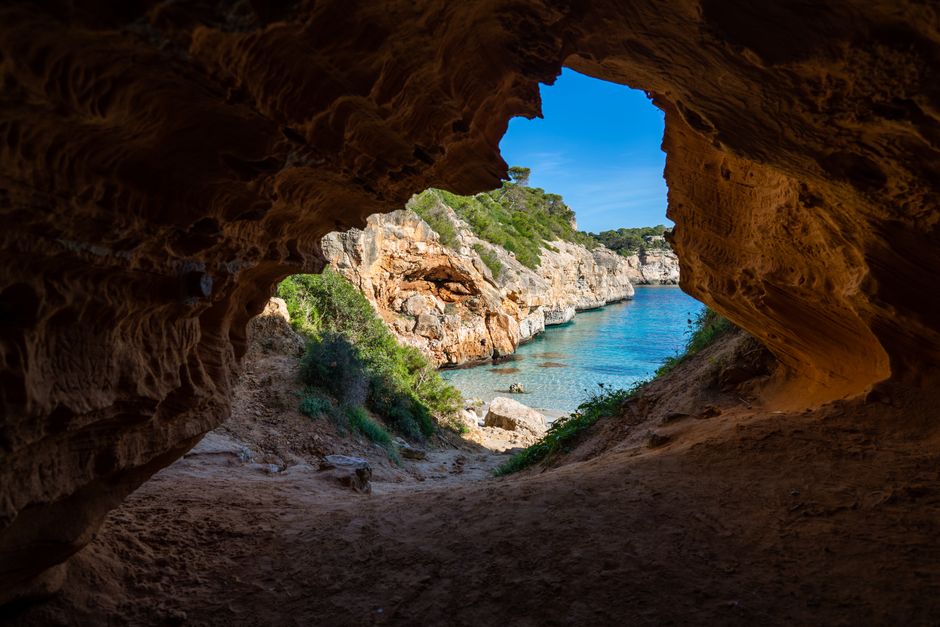
For nearly 40 years, the island of Vis was a forbidden military zone, shielding a vast network of underground tunnels, bunkers, and submarine pens from foreign eyes.
Vis's isolation under Yugoslav rule meant it developed at a slower pace, preserving its pristine nature and authentic charm. Its strategic position in the Adriatic made it a crucial naval base, first for the British, then the Austro-Hungarians, and finally for Marshal Tito's Yugoslav army. Today, visitors can explore abandoned military installations, including Tito's cave, offering a fascinating glimpse into a hidden past. The island also boasts incredible natural beauty, from secluded coves to vineyards.
5. Mljet's Saltwater Sanctuary
Mljet, Croatia
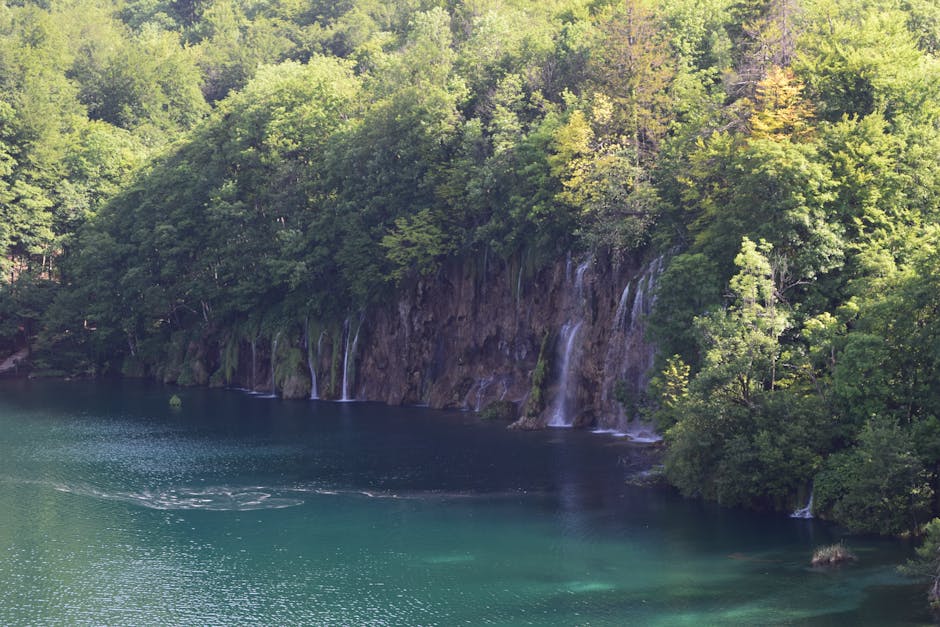
Within Mljet National Park are two interconnected saltwater lakes, one of which contains a tiny island holding a 12th-century Benedictine monastery.
Mljet is one of Croatia's greenest islands, a haven of lush forests, olive groves, and vineyards. Its National Park is unique for its two saltwater lakes, Veliko and Malo Jezero, which are connected to the open sea by a narrow channel. On the island of Sveta Marija in Veliko Jezero, stands a beautiful Benedictine monastery, accessible by boat. The island's tranquil beauty and rich biodiversity make it a perfect escape for nature lovers and history enthusiasts alike.
6. Cavtat's Mosaic Mausoleum
Cavtat, Croatia
Cavtat's cemetery is home to the stunning Račić Mausoleum, a masterpiece by Croatia's most renowned sculptor, Ivan Meštrović, adorned with symbolic mosaics.
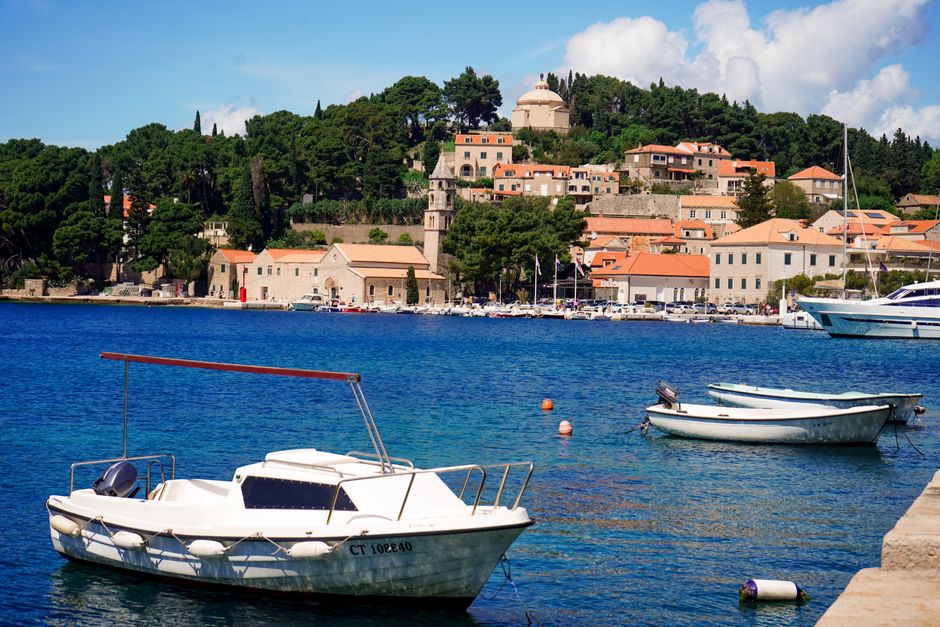
This picturesque town, just south of Dubrovnik, offers a tranquil alternative to its bustling neighbor. Cavtat sits on a forested peninsula, its charming promenade lined with palm trees and historic buildings. The Račić Mausoleum, commissioned by a wealthy local family, is a poignant example of Meštrović's powerful blend of monumental sculpture and spiritual symbolism. Its interior features mosaics and intricate reliefs, telling a silent story of life and death, reflecting the town's deep connection to its maritime past.
7. Pula's Roman Legacy
Pula, Croatia
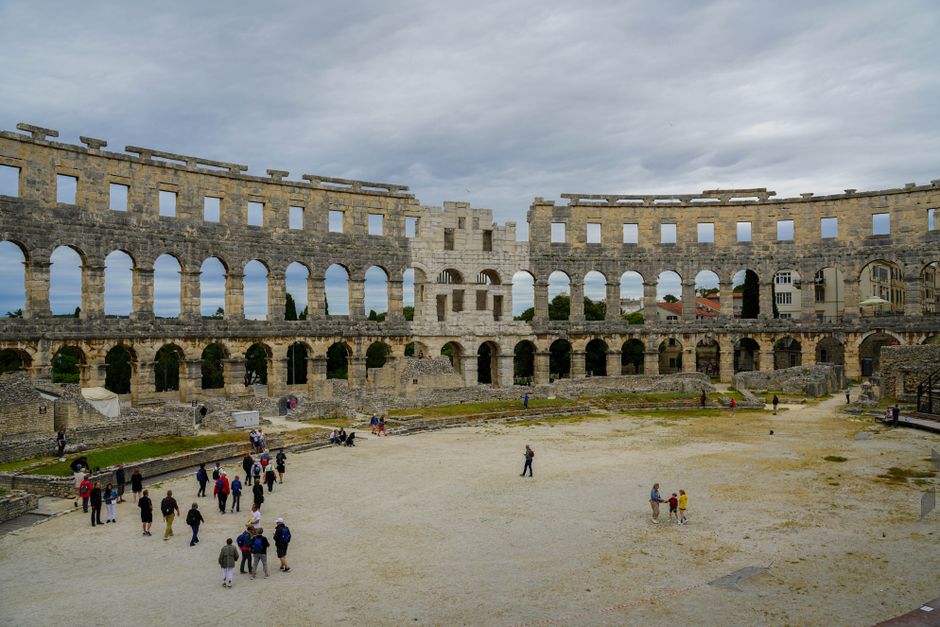
Pula's incredibly preserved Roman amphitheater, the Arena, once housed gladiatorial contests but was also used as a source of building materials for houses until a Venetian senator intervened in the 16th century.
Pula, the largest city in Istria, boasts a remarkable collection of Roman architecture. The Arena, one of the best-preserved Roman amphitheaters in the world, dominates the city. Its history goes beyond gladiator fights; it served as a quarry for centuries before its preservation. Other Roman treasures include the Temple of Augustus and the Arch of the Sergii, all testaments to Pula's strategic importance in the Roman Empire. The city blends ancient history with a vibrant modern life.
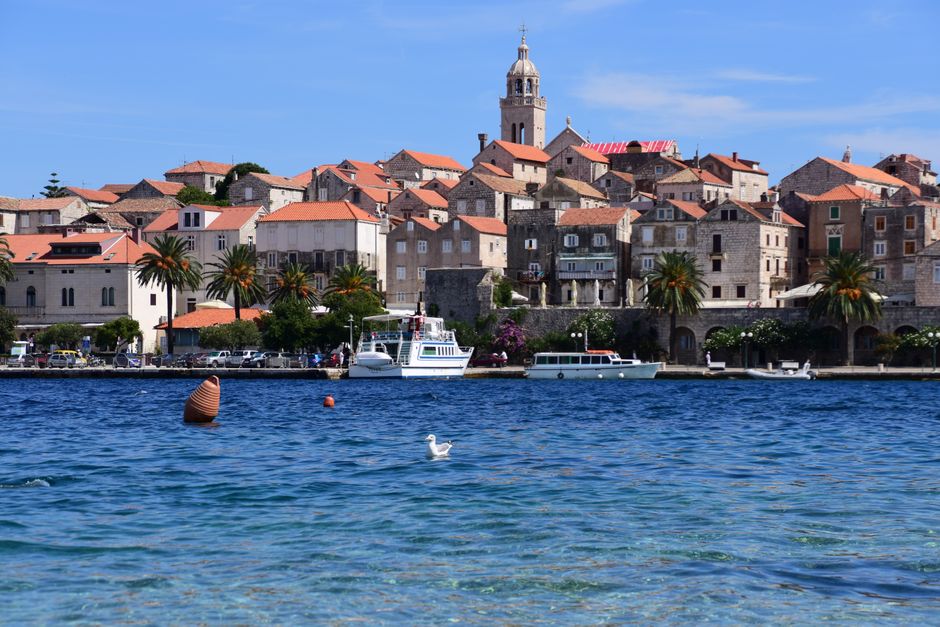
8. Korčula: Marco Polo's Contested Birthplace
Korčula, Croatia
The island of Korčula fiercely claims to be the birthplace of the legendary explorer Marco Polo, despite Venice's more commonly accepted historical connection.
Korčula Town, often called 'Little Dubrovnik' for its medieval walls, is a charming fortified town on the island of the same name. Its herringbone street plan was designed to protect against winds and provide natural air conditioning. The alleged Marco Polo House, though without definitive proof, adds a layer of intriguing mystery to the town's rich history. Explore its narrow alleys, ancient churches, and enjoy the local Moreska sword dance, a tradition dating back centuries.
Frequently asked questions
What is the best way to travel between these Croatian coastal towns?
Traveling between these towns is often best by car, offering flexibility, especially for more remote locations like Vis or Mljet. Coastal ferries and catamaran services connect many islands and mainland towns, while buses are a reliable option for mainland routes. Consider a combination of transport modes for the most efficient journey.
When is the best time to visit Croatia's underrated coastal towns?
The shoulder seasons (May-June and September-October) are ideal. The weather is pleasant, crowds are smaller than in peak summer, and prices for accommodation and activities are generally lower. You'll have a more authentic experience and better opportunities to explore without the intense heat or tourist rush.
Are these lesser-known towns suitable for family travel?
Absolutely! Many of these towns, like Rovinj, Trogir, and Mljet, offer a more relaxed pace and unique attractions that appeal to families. From exploring ancient forts and swimming in clear waters to cycling through national parks, there are plenty of engaging activities for all ages, often with fewer crowds than more famous destinations.
How can AllTours.ai help me discover the stories behind these places?
AllTours.ai transforms your phone into an AI-powered audio tour guide. Simply point your camera at any landmark, landscape, or even a local curiosity in these towns, and the app will instantly narrate its history, geology, and culture in your preferred language. It's like having a personal expert guide revealing the hidden stories of every place you visit.
Photography via Pexels. AllTours.ai is an AI audio tour guide — point your camera at any landscape and hear its story.