September 3, 2026 · 4 min read
Navigating the journey between Toronto and Montreal often boils down to a fundamental question for many travelers: what is the most affordable mode of transportation? While budget is key, the route between these two vibrant Canadian cities offers far more than just a means to an end. It's a corridor rich with stories, waiting to be discovered.
Beyond the speed of a highway or the convenience of a train, there's a different way to travel—one that transforms a simple commute into an immersive exploration. This guide won't just help you find the cheapest way to get from A to B; it will illuminate the hidden gems and untold stories that lie just off the beaten path, turning your economical journey into an unforgettable adventure.

1. The Wandering Giant of Trenton
Trenton, Canada
This massive rock traveled hundreds of kilometers, carried by an ancient ice sheet.
Imagine a rock the size of a small house, weighing over 10,000 tons. That's the Bleasdell Boulder, a colossal glacial erratic deposited here by the last ice age. Geologists trace its origins to the Kingston area, moved slowly and powerfully by a continental glacier. It’s a silent, enormous testament to the immense forces that shaped Ontario’s landscape, often overlooked by passersby.
2. Prescott's Battle of the Windmill
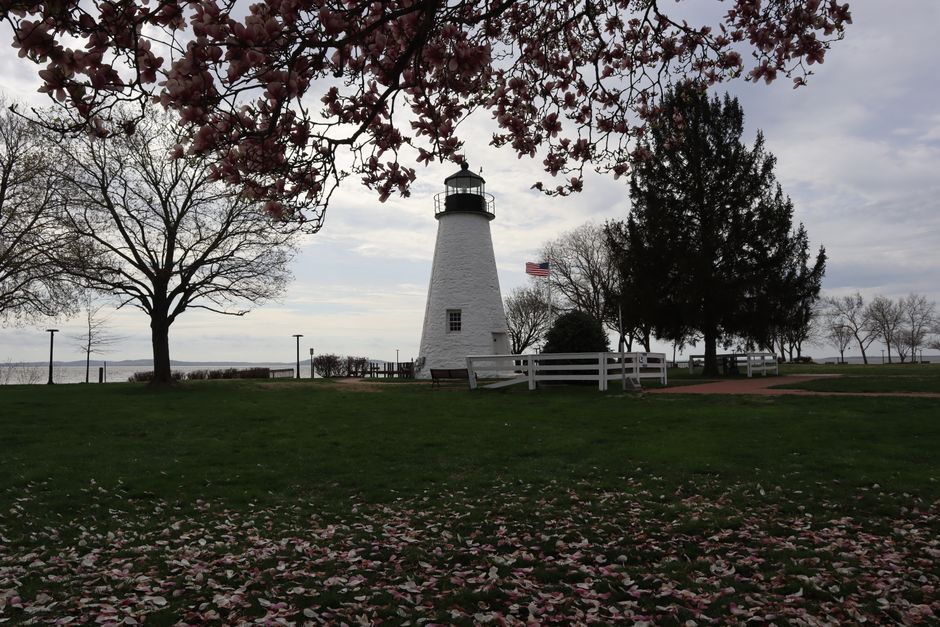
Prescott, Canada
In 1838, an American "Patriot" militia invaded Canada, holding a stone windmill against British forces.
Overlooking the St. Lawrence River stands the historic Windmill Point Lighthouse, but its past holds a dramatic tale. In 1838, it was the focal point of the "Battle of the Windmill," where American filibusters, part of the Patriot movement, attempted to "liberate" Upper Canada. They fortified the stone windmill, enduring a siege before ultimately surrendering. This bizarre, short-lived conflict is a fascinating footnote in Canadian-American relations, often overshadowed by earlier wars.
3. The Sunken Towns of the St. Lawrence
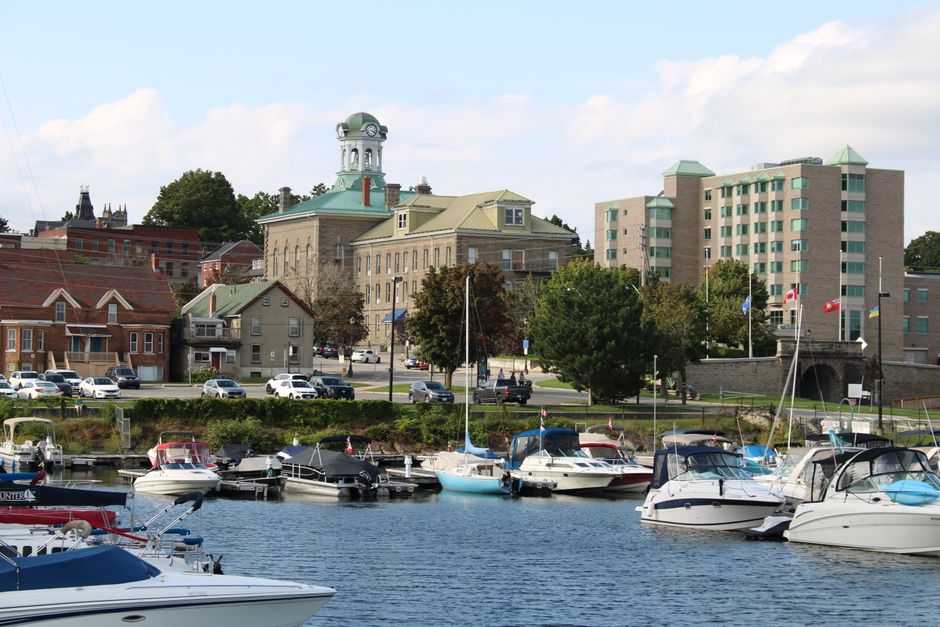
Cornwall, Canada (near)
Six entire villages and three hamlets were deliberately flooded in the 1950s to create the St. Lawrence Seaway.
Just west of Cornwall lie the remnants of what are known as the "Lost Villages." In the 1950s, as part of the massive St. Lawrence Seaway and Power Project, these communities—complete with homes, churches, and businesses—were evacuated and submerged. While some buildings were moved to Upper Canada Village, the original sites now rest beneath the waters of Lake St. Lawrence, a poignant reminder of the human cost of progress, visible only to divers or through historical accounts.

4. Jones Falls: Rideau Canal's Engineering Marvel
Jones Falls, Canada
This lockstation features one of the oldest and most impressive stone arch dams in North America.
Part of the UNESCO World Heritage-listed Rideau Canal, Jones Falls Lockstation is an engineering marvel often overlooked by those who only visit the Ottawa locks. Completed in 1832, its massive stone arch dam, known as the Great Dam, was a monumental achievement for its time, creating a vast reservoir. The series of four locks here drops boats over 60 feet, showcasing the ingenuity of its builders in a serene natural setting, far from bustling city life.
5. Merrickville's War of 1812 Sentinel
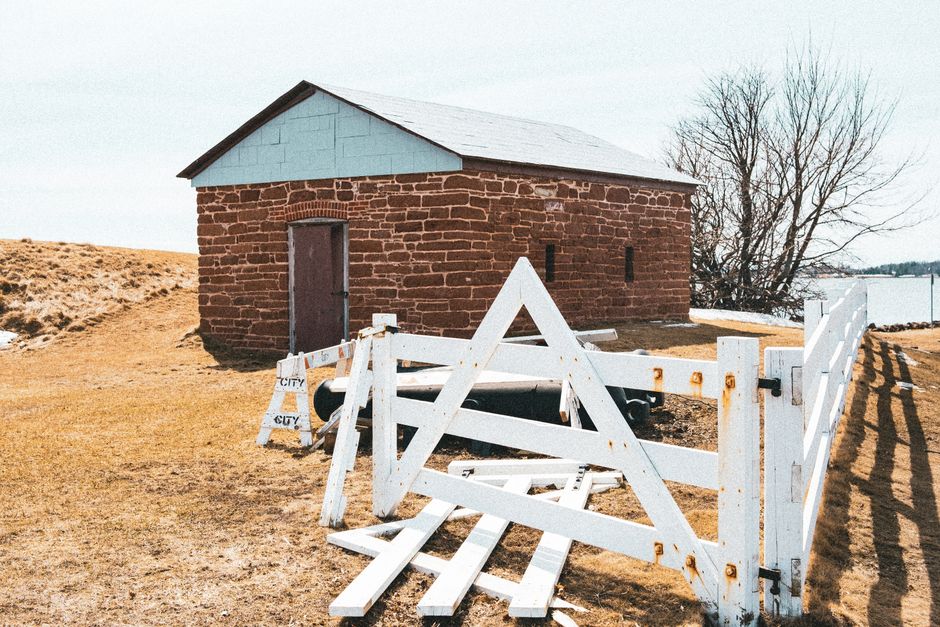
Merrickville, Canada
The blockhouse here was built after the War of 1812 to defend the Rideau Canal, though it never saw battle.
The picturesque village of Merrickville, often called the "Jewel of the Rideau," boasts a formidable stone blockhouse, one of four built along the Rideau Canal after the War of 1812. Designed as a defensive stronghold against potential American invasion, it served as a symbol of British military presence and a storehouse for supplies. Today, this imposing structure offers a glimpse into early Canadian military architecture and the strategic importance of the canal, now a peaceful historic site.
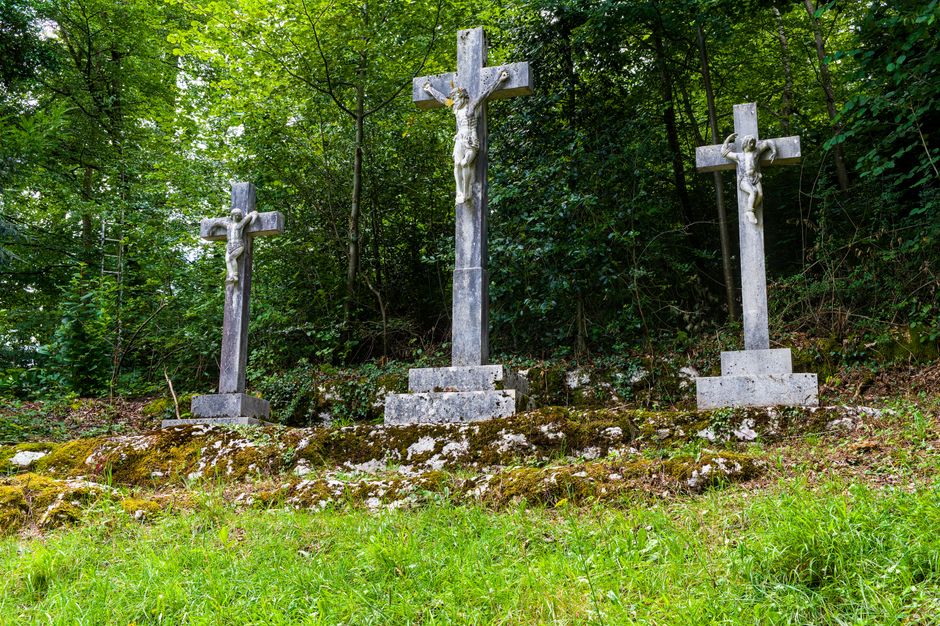
6. Oka's Sacred Mountain Pathway
Oka, Canada
This historic pilgrimage site features seven chapels and three oratories, offering stunning views and a connection to centuries of devotion.
Just north of the St. Lawrence, near Lake of Two Mountains, lies the Calvaire d'Oka, a unique historical and spiritual site within Oka National Park. Established by the Sulpician Fathers in 1740, this Stations of the Cross path winds up a hill, featuring seven rustic chapels and three oratories. It’s a peaceful, contemplative hike that culminates in panoramic views of the lake and surrounding countryside, a tangible link to Quebec's deeply rooted religious heritage and the nearby Kanesatake Mohawk community.
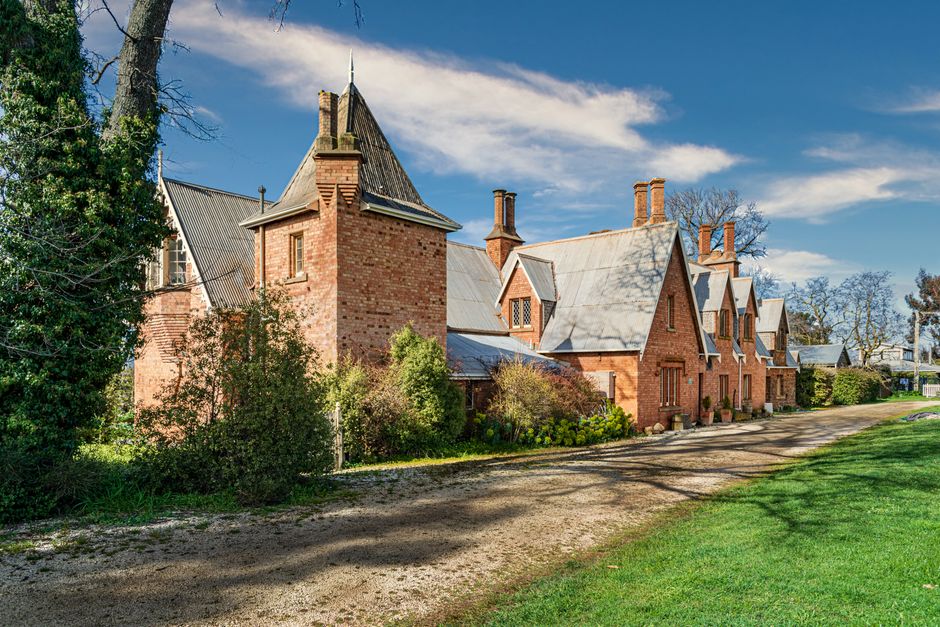
7. The Richelieu River's Grand Manoir
Saint-Antoine-sur-Richelieu, Canada
This opulent 19th-century manor, once owned by a Canadian Senator, hides a dramatic history of financial ruin and architectural ambition.
Along the scenic Richelieu River stands the Manoir Rouville-Campbell, a stunning example of Queen Anne Revival architecture. Built in 1883 by Senator René-Amédée de Rouville, its grandeur belies a tumultuous past. Despite its lavish design and picturesque setting, the manor brought its original owner to financial ruin. It later served as a private residence, a hotel, and now stands as a testament to Gilded Age extravagance and the unpredictable fortunes of Quebec's elite.
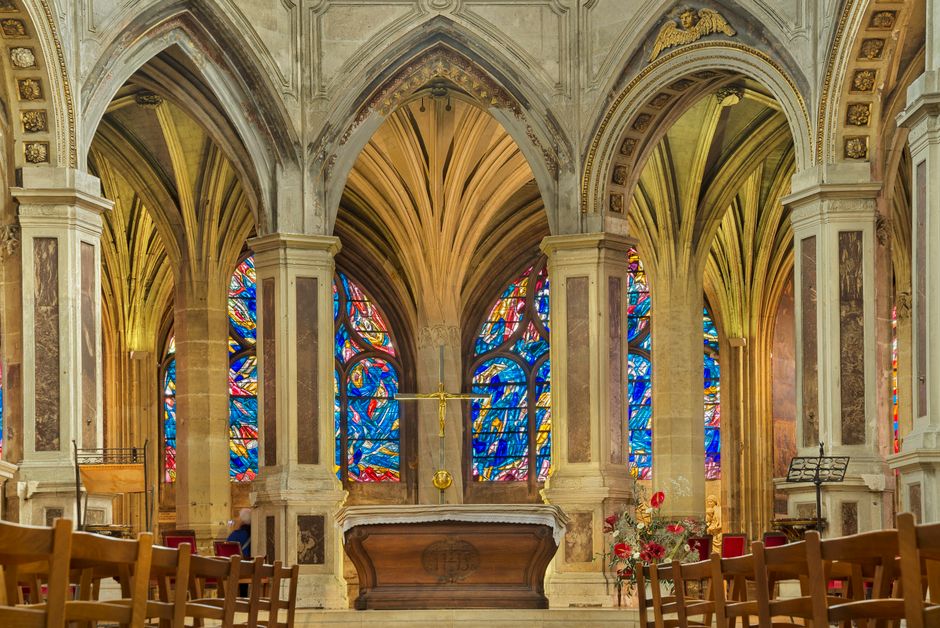
8. Vaudreuil-Dorion's Enduring Stone Church
Vaudreuil-Dorion, Canada
The beautiful stone Église Saint-Michel is one of the oldest churches in the region, built at a strategic fur trade crossroads.
In the historic heart of Vaudreuil-Dorion stands Église Saint-Michel, a testament to the enduring presence of early French settlers. While the current church dates back to 1792, its site has been a place of worship since the early 18th century, established at a crucial junction of waterways for the fur trade. Its robust stone architecture and intricate interior details reflect centuries of local faith and craftsmanship, offering a quiet, profound connection to Quebec's foundational history.
Frequently asked questions
What is the most affordable way to travel between Toronto and Montreal?
For solo travelers, bus services like Megabus or Rider Express generally offer the lowest fares, especially if booked in advance. For groups or families, carpooling or driving your own vehicle can become more cost-effective, allowing for shared fuel expenses.
How long does the bus journey take from Toronto to Montreal?
The bus journey typically takes between 5.5 to 7 hours, depending on traffic conditions, the specific route, and the number of stops. It's advisable to check the schedule of your chosen bus company for the most accurate travel time.
Are there scenic routes or interesting stops between Toronto and Montreal by car?
Absolutely. While the direct Highway 401 is fast, taking alternate routes like Highway 2 along the St. Lawrence River or exploring the Rideau Canal corridor offers numerous scenic vistas, historic towns, and unique natural sites, as highlighted in this post. These routes provide a richer travel experience.
How can AllTours.ai enhance my road trip experience?
AllTours.ai transforms your phone into a personal AI tour guide. Simply point your camera at any landmark, landscape, or historical site mentioned here—or any others you discover—and the app will instantly narrate its history, geology, and cultural significance in your preferred language. It's like having an expert local guide in your pocket, making every stop an immersive learning experience.
Photography via Pexels. AllTours.ai is an AI audio tour guide — point your camera at any landscape and hear its story.