September 8, 2026 · 4 min read
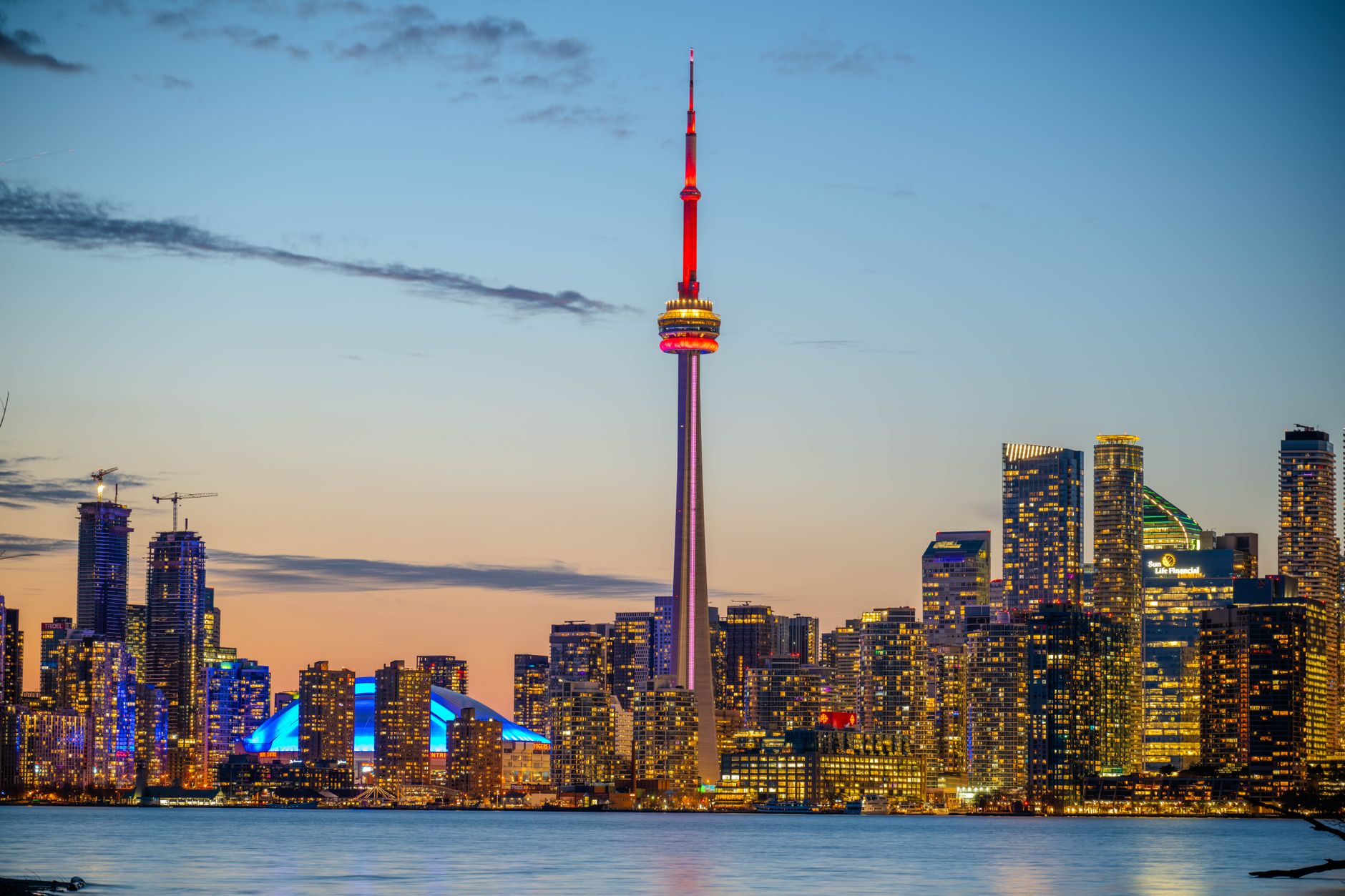
Travelers often debate which Canadian city, Vancouver, Toronto, or Montreal, has the most 'sizzle.' While beauty is undeniably subjective, we believe the true allure of a place lies not just in its famous landmarks or lively streets, but in the rich, often untold stories woven into its very fabric.
Beyond the well-trodden tourist paths, Canada's major urban centers hide fascinating histories, geological wonders, and cultural quirks that truly ignite curiosity. We’ve curated a list of lesser-known spots, each with a captivating story that reveals the unique character of these dynamic cities.
1. The Salmon Capital's Brutal Past
Steveston, Richmond, BC, Canada
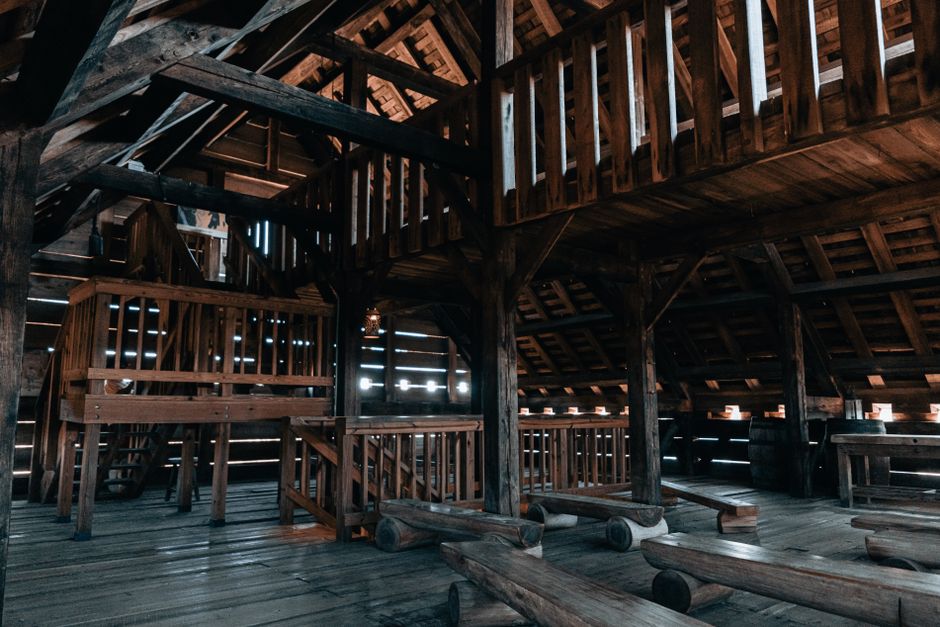
This beautifully preserved cannery was once the largest in British Columbia, powered by immense human toil and a revolutionary canning process.
Built in 1894, the Gulf of Georgia Cannery transformed the Fraser River's abundant salmon into global exports. Its towering machinery and cramped workers' quarters reveal a grueling industrial reality, where immigrants from diverse backgrounds labored under harsh conditions to fuel a burgeoning industry. It's a testament to the human cost of Canada's economic growth, now a National Historic Site.
2. Vancouver's Hidden Shame: Internment at the PNE
Vancouver, BC, Canada
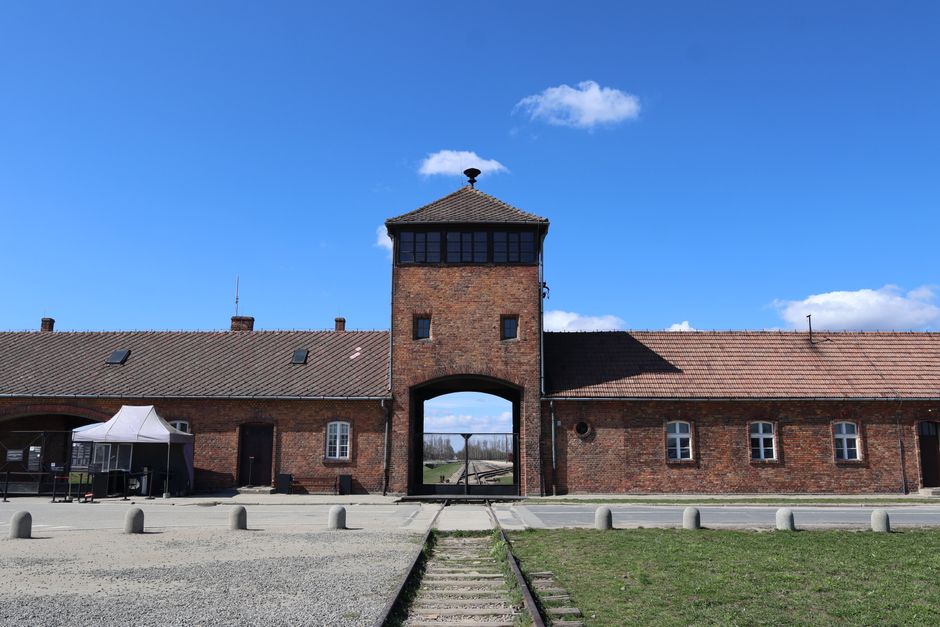
Beyond horse races and fairgrounds, Vancouver's Hastings Park holds a dark secret from World War II: it was a temporary internment camp for Japanese Canadians.
In 1942, thousands of Japanese Canadians, stripped of their rights and possessions, were forcibly detained in stables and livestock buildings at Hastings Park (now part of the PNE grounds). Families lived in fear and squalor before being shipped to remote camps. This site serves as a chilling reminder of a profound civil rights injustice in Canadian history, often overlooked by those visiting the bustling fairgrounds today.
3. Toronto's 'Palace of Purification'
Toronto, ON, Canada
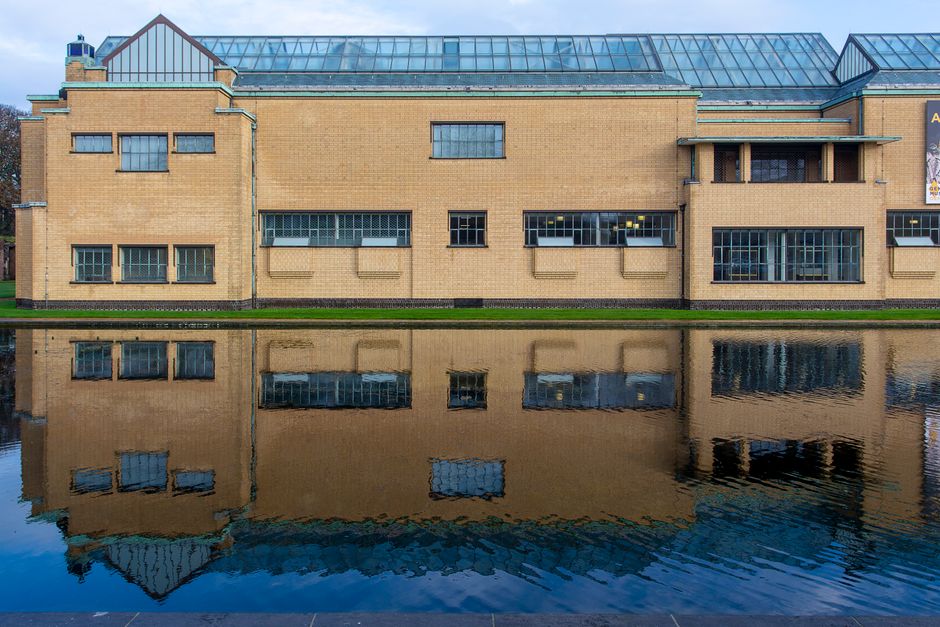
This operational water treatment plant is an unexpected Art Deco masterpiece, often called Toronto's 'Palace of Purification.'
Completed in 1941, the R.C. Harris Water Treatment Plant boasts stunning Art Deco architecture, complete with intricate stonework, grand halls, and a sweeping lakefront view. Designed to be both beautiful and functional, it was a Depression-era project that provided thousands of jobs and clean drinking water to a rapidly growing city. Its lavish design was intended to inspire public trust in essential civic services.
4. Toronto's Ghost Subway Station
Toronto, ON, Canada
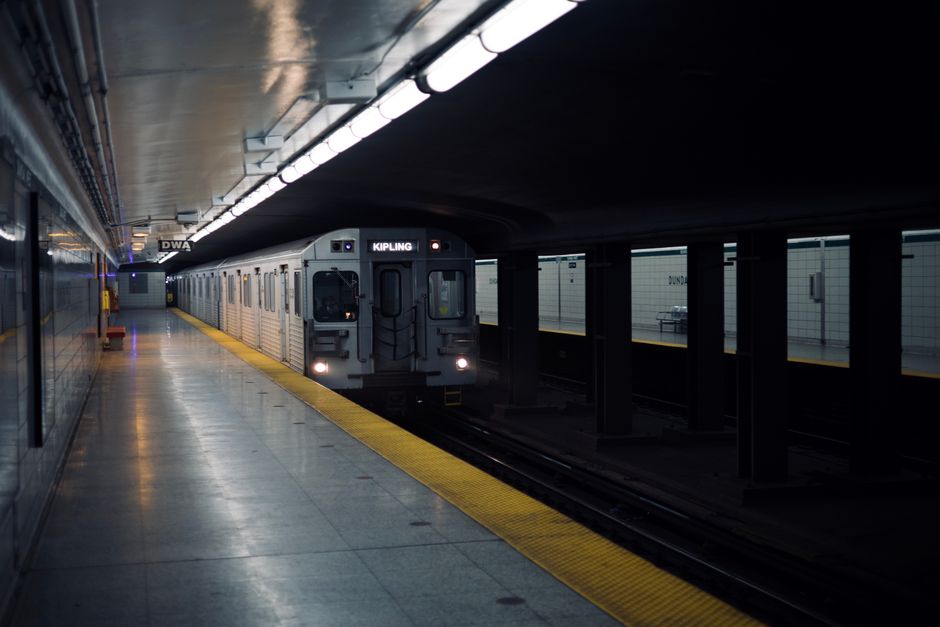
Beneath the bustling Bloor-Yonge interchange lies Lower Bay Station, an abandoned 'ghost' subway platform used primarily for film sets and special events.
Built in 1966, Lower Bay was intended to create a more efficient subway interchange, allowing trains to bypass stations. However, the system proved confusing for passengers and was abandoned after only six months. Today, its darkened platforms and graffiti-covered walls offer a glimpse into a brief, forgotten chapter of Toronto's transit history, making it a popular backdrop for movies, TV shows, and even exclusive parties.
5. The Island Lighthouse's Enduring Mystery
Toronto Islands, ON, Canada
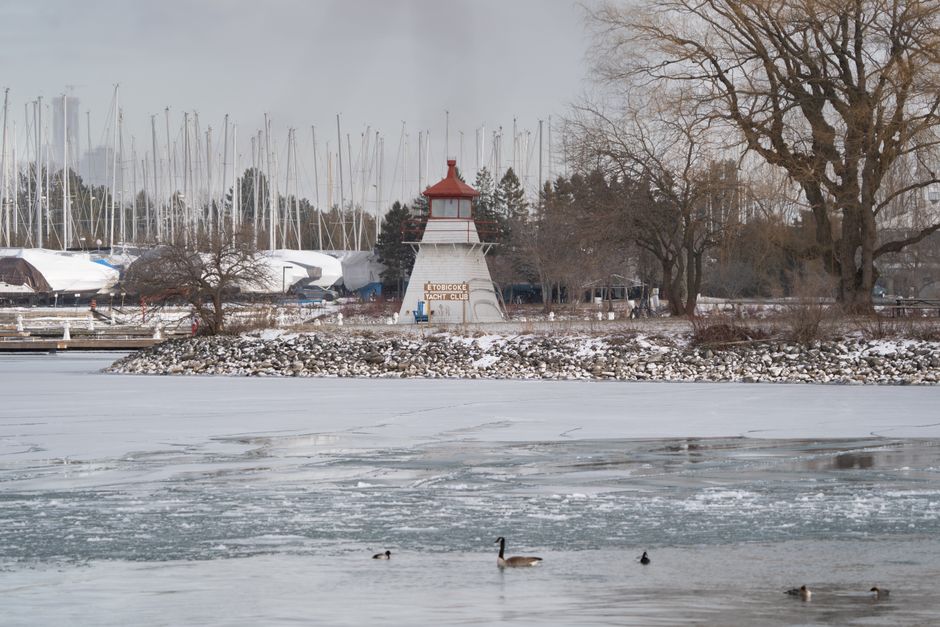
Standing since 1809, the Toronto Islands Lighthouse is one of Lake Ontario's oldest, reportedly haunted by its first keeper.
This historic beacon predates Toronto itself, built when the islands were still a peninsula. Its first keeper, J.P. Rademüller, mysteriously disappeared in 1815, allegedly murdered over bootlegged liquor. His spectral presence is said to still roam the grounds, a chilling reminder of the solitary, often dangerous lives of early lighthouse keepers. It's a quiet sentinel watching over the city skyline, holding centuries of secrets.
6. McGill's Cabinet of Curiosities
Montreal, QC, Canada
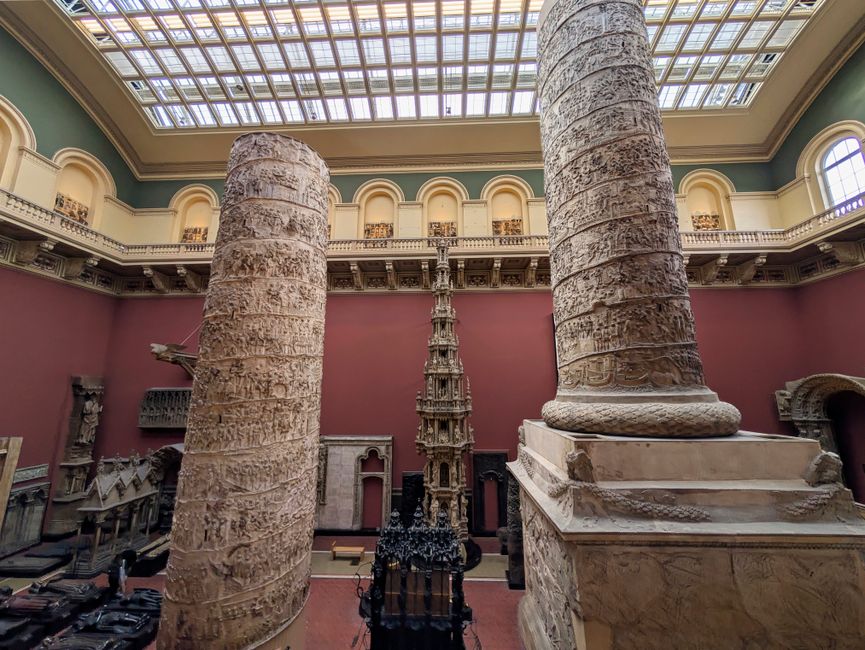
Housed in a grand Victorian building, McGill University's Redpath Museum is Canada's oldest purpose-built natural history museum, filled with bizarre specimens and forgotten tales.
Opened in 1882, the museum's collection spans geology, zoology, paleontology, and ethnology, featuring everything from Egyptian mummies to dinosaur skeletons. One of its most famous inhabitants is a rare gorgonopsid skull, a terrifying prehistoric reptile from before the dinosaurs. The museum itself is a time capsule, preserving not just specimens, but also the 19th-century scientific spirit of discovery and classification.
7. Montreal's Industrial Revolution Artery
Montreal, QC, Canada
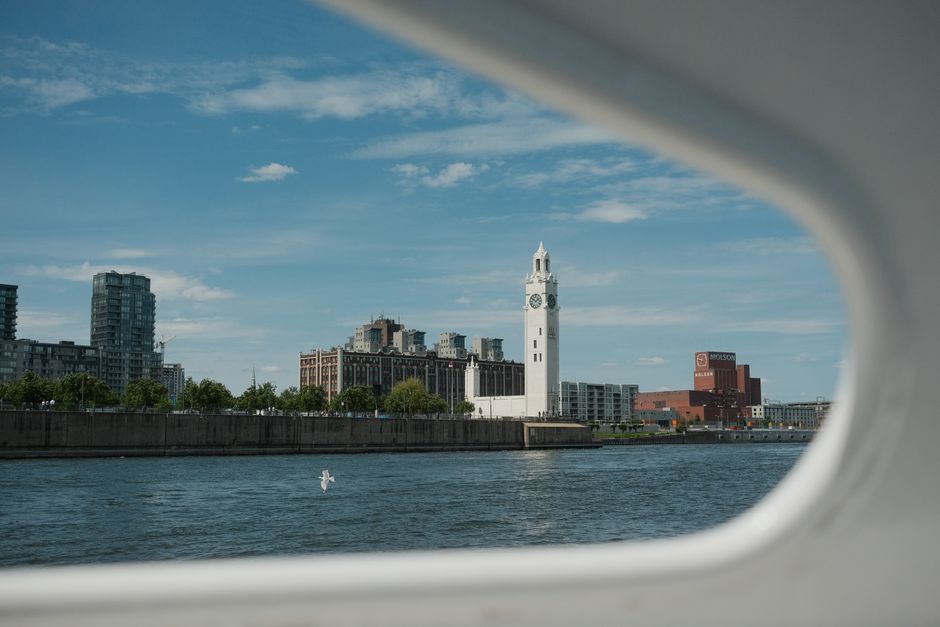
The Lachine Canal, once a bustling artery of industry, was pivotal in transforming Montreal into Canada's economic powerhouse.
Completed in 1825, this 14.5-kilometer canal bypassed the dangerous Lachine Rapids, allowing ships to navigate further inland. Its banks soon became home to mills, factories, and bustling port activity, fueled by the canal's hydraulic power. The canal's story is one of innovation, labor, and the rise and fall of industrial might, now repurposed as a beautiful parkway and a testament to Canadian engineering ingenuity.
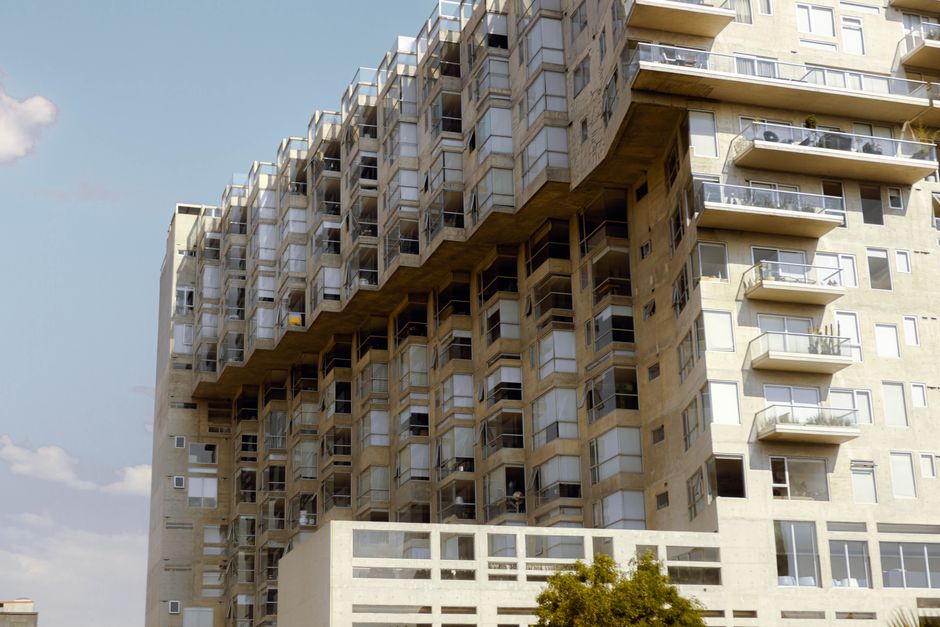
8. The Future That Landed in Montreal
Montreal, QC, Canada
Habitat 67 is a daring, experimental housing complex designed by architect Moshe Safdie for Expo 67, aiming to reinvent urban living.
Composed of 354 pre-fabricated concrete blocks stacked in various configurations, Habitat 67 challenged traditional apartment design. Each unit features a private garden terrace, abundant light, and a sense of individuality, striving for suburban comfort within an urban high-rise. It remains a powerful symbol of utopian architectural ideals from the 1960s, a visionary blend of building and landscape that continues to inspire and provoke thought.
Frequently asked questions
What's the best time of year to visit Vancouver, Toronto, and Montreal?
Each city offers distinct charms throughout the year. Summer (June-August) provides warm weather for outdoor activities, while autumn (September-October) brings stunning fall foliage. Winter (December-February) is magical with snow and festive events, though cold, and spring (April-May) offers milder temperatures and blooming landscapes.
Are these cities expensive for travelers?
Canadian cities can be comparable to major US or European cities. Accommodation and dining can vary widely based on your choices. Public transportation is generally efficient and affordable, and many attractions, like parks and historic sites, can be explored on a budget.
How easy is it to get around without a car in these cities?
Vancouver, Toronto, and Montreal all boast excellent public transportation systems including subways, buses, and streetcars, making it very easy to navigate without a car. Additionally, all three are pedestrian-friendly, with many attractions accessible by walking or cycling. Ride-sharing and taxis are also widely available.
How can I learn more about these fascinating places while I'm there?
The AllTours.ai app is designed precisely for this! Simply point your phone camera at any landmark, landscape, or even a specific building, and the app instantly narrates its history, geology, and cultural significance in your preferred language, transforming your visit into a richly informed exploration.
Photography via Pexels. AllTours.ai is an AI audio tour guide — point your camera at any landscape and hear its story.