June 18, 2026 · 4 min read
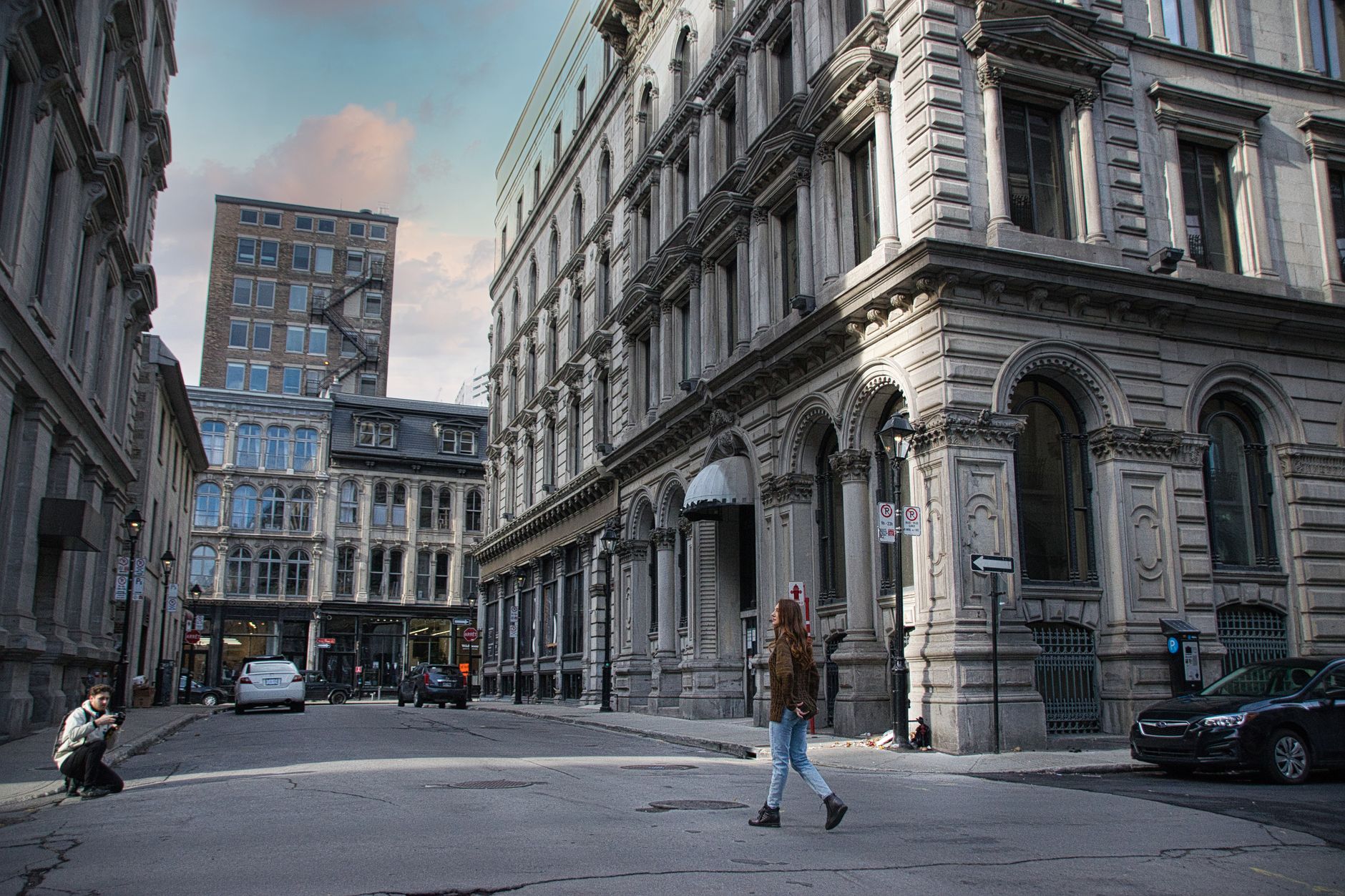
Planning a trip to Montreal often brings up questions about how visitors are perceived and if not speaking French will be an issue. Let's set the record straight: Montreal is a vibrant, welcoming city with a deep appreciation for its diverse culture and, yes, its visitors from all over the world.
Forget the usual tourist traps for a moment. Montreal's true magic lies in its less-trodden paths, where centuries of history, innovation, and community spirit have left their mark in surprising ways. These are the places that tell the real story of this incredible city, proving its open-hearted nature to anyone curious enough to look closer.
1. The Industrial Heartbeat of the Lachine Canal
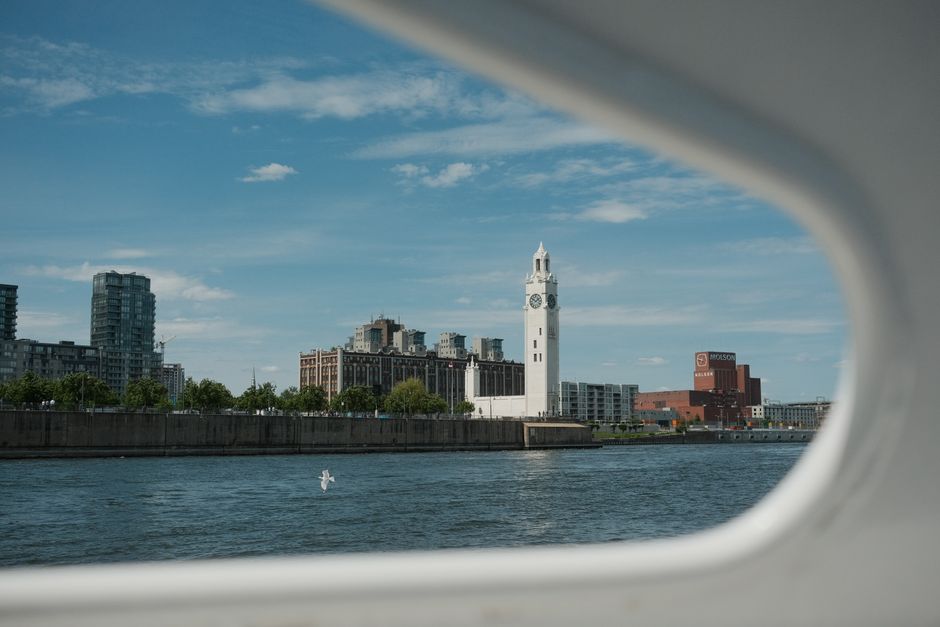
Lachine Canal National Historic Site, Montreal, Canada
This tranquil waterway, now a park, was once the industrial powerhouse that forged modern Montreal.
Built to bypass the treacherous Lachine Rapids, the canal transformed Montreal into a vital port city. The banks were lined with factories and mills, powered by its waters, making it a cradle of Canadian industry. Today, repurposed industrial buildings stand as silent sentinels, hinting at the colossal energy that once buzzed here, now a peaceful green corridor for recreation.
2. Mile End's Bohemian Rhapsody
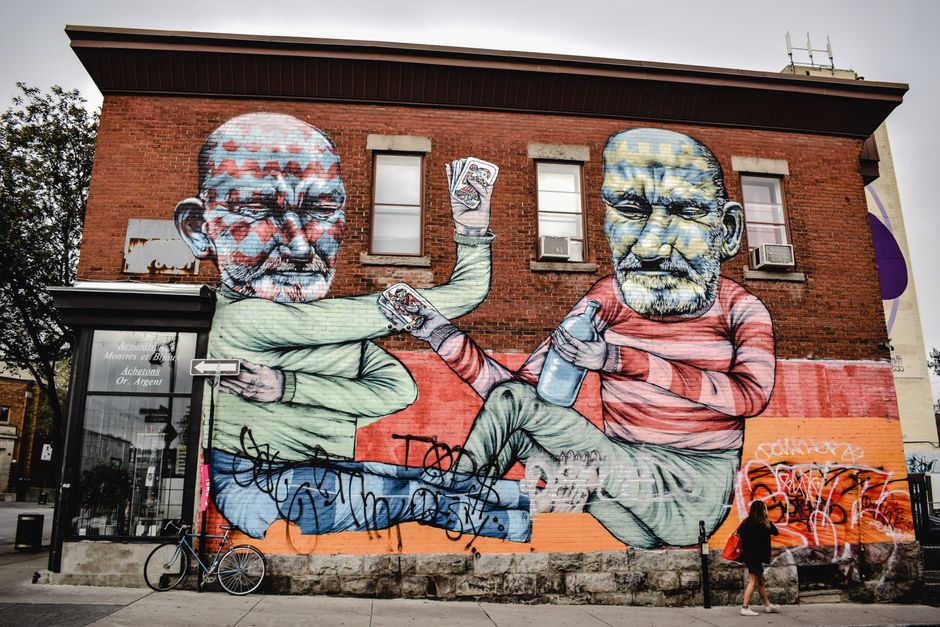
Mile End, Montreal, Canada
Beyond its famous bagels, this creative district nurtured a unique 'Montreal sound' and a vibrant tapestry of immigrant cultures.
Once a working-class neighborhood for Jewish, Portuguese, and Greek immigrants, Mile End evolved into a bohemian haven. Its unique blend of low rents and artistic spirit attracted musicians like Arcade Fire and Grimes, shaping an indie music scene. Independent bookstores, art studios, and historic synagogues tell tales of its enduring cultural dynamism, a testament to its creative spirit.
3. Redpath Museum's Ancient Wonders
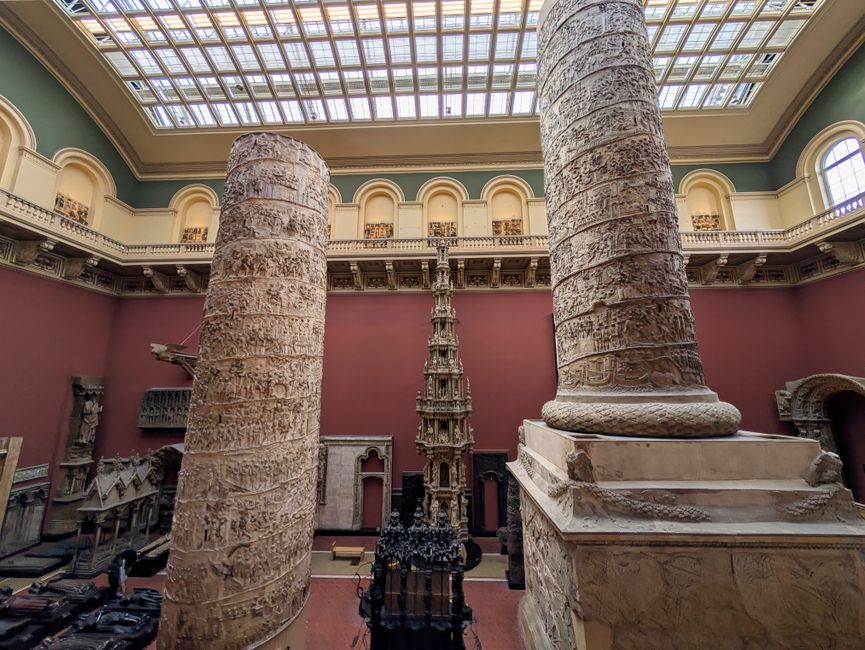
Redpath Museum, Montreal, Canada
Tucked away on a university campus, this Victorian marvel houses ancient Egyptian mummies and Canadian dinosaur bones.
Founded in 1882, McGill University's Redpath Museum feels like a journey back in time. Its grand, natural light-filled halls display a remarkable collection ranging from a complete Gorgosaurus skeleton to a sarcophagus and actual human mummies from ancient Egypt. It’s a hidden trove of natural history and anthropology, often overlooked by the casual tourist despite its fascinating exhibits.
4. Pointe-à-Callière's Buried Past
Pointe-à-Callière, Montréal Archaeology and History Complex, Montreal, Canada
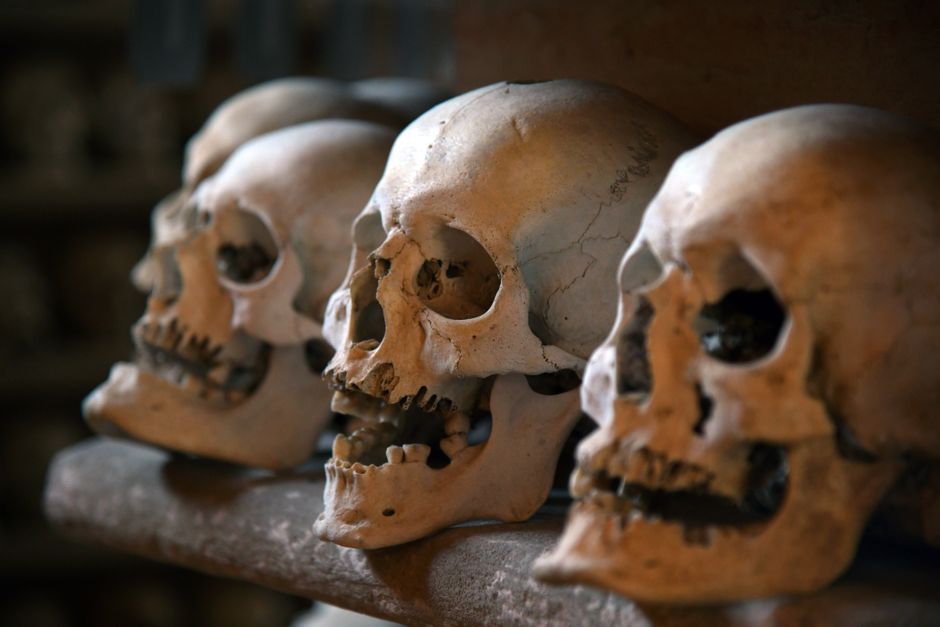
Beneath the old port's cobblestones, a subterranean crypt reveals the actual foundations of Montreal, layer by buried layer.
This museum is built directly over the birthplace of Montreal, literally taking visitors underground to walk through centuries of history. You can trace the city's origins from Indigenous encampments to the first European fort, then to the remains of the old Custom House and market. It’s a tangible journey through the very ground Montreal stands upon, offering an unparalleled historical perspective.
5. Habitat 67: A Vision of the Future, Today
Habitat 67, Montreal, Canada
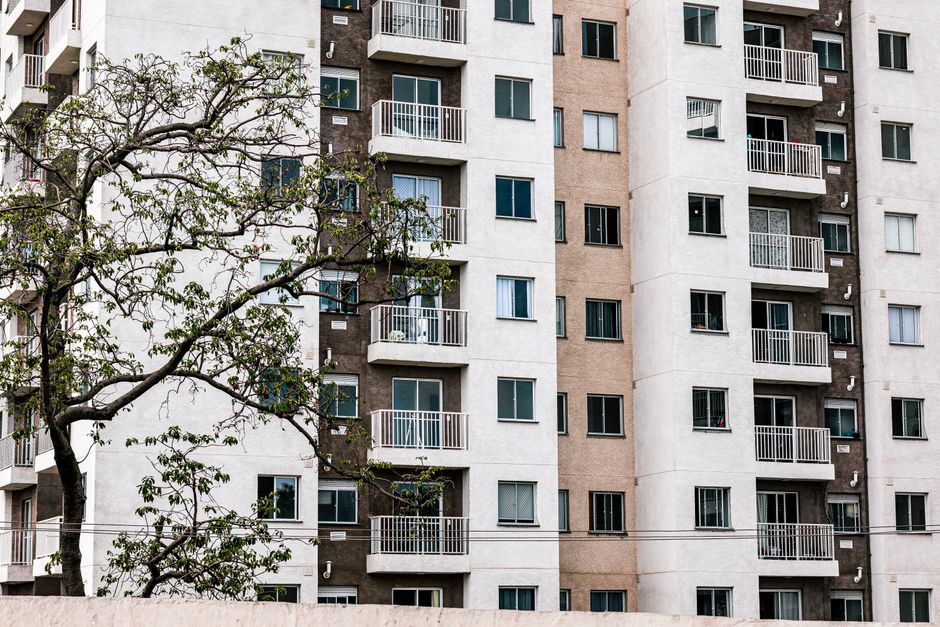
A radical architectural experiment from Expo 67, this 'stacked village' redefines urban living with its innovative cube design.
Designed by Moshe Safdie as a housing complex for Expo 67, Habitat 67 was a daring vision for the future of urban residential architecture. Its 354 prefabricated concrete cubes are arranged in a dynamic, interlocking structure, giving each of its 146 residences a private garden terrace and ensuring natural light and privacy. It remains a striking example of brutalist architecture and utopian design, still inspiring today.
6. The Biosphere's Environmental Legacy
The Biosphere, Montreal, Canada
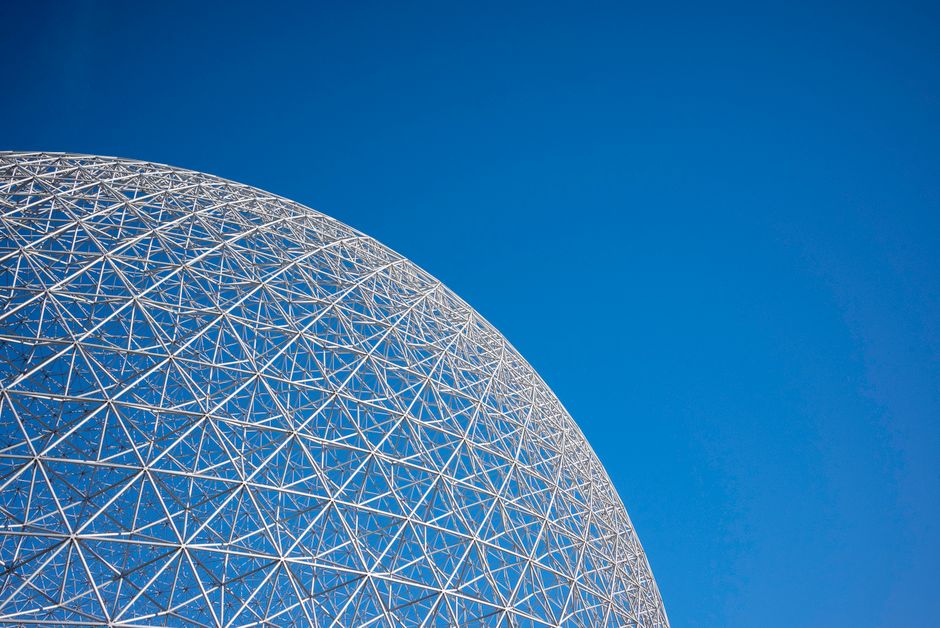
Once the iconic US Pavilion for Expo 67, this geodesic dome now champions environmental science and the St. Lawrence River.
Designed by Buckminster Fuller, the Biosphere was a dazzling sight at Expo 67. After a devastating fire in 1976 destroyed its acrylic skin, the steel superstructure remained. It was later repurposed as an environmental museum dedicated to water and climate change. Its unique transparent structure provides an immersive experience into crucial ecological issues, making it a poignant symbol of sustainability.
7. Maison Saint-Gabriel: A Glimpse into New France
Maison Saint-Gabriel, Montreal, Canada
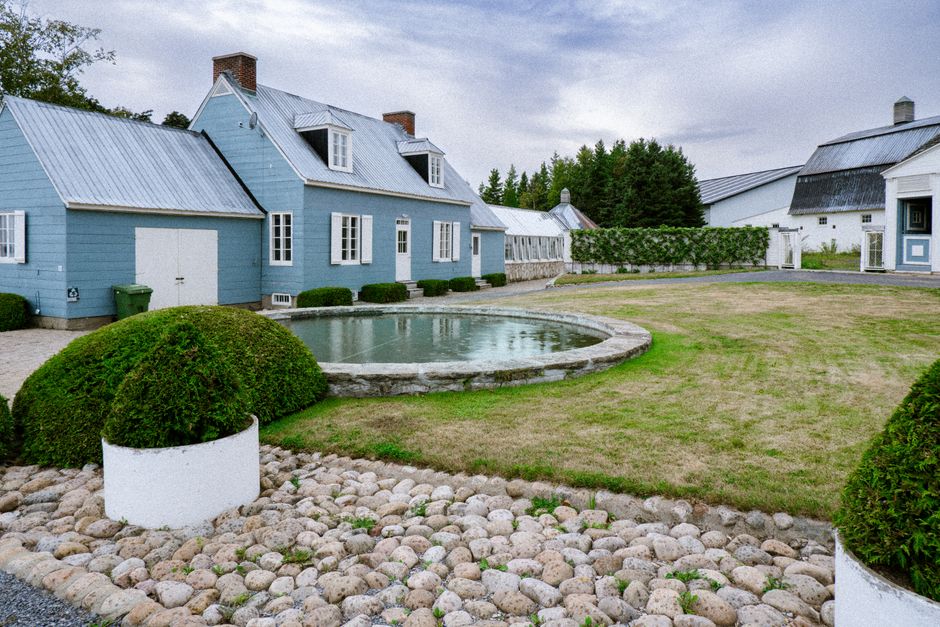
Step into a preserved 17th-century farmhouse that prepared the 'Filles du Roy' for life in New France.
One of Montreal's oldest surviving farmhouses, Maison Saint-Gabriel was acquired by the Congrégation de Notre-Dame in 1668. It served as a school and a place of refuge for the Filles du Roy, young women sent from France to populate the colony. Exploring its authentic rooms and gardens offers a rare, intimate look at daily life for early French settlers, a truly unique historical experience.
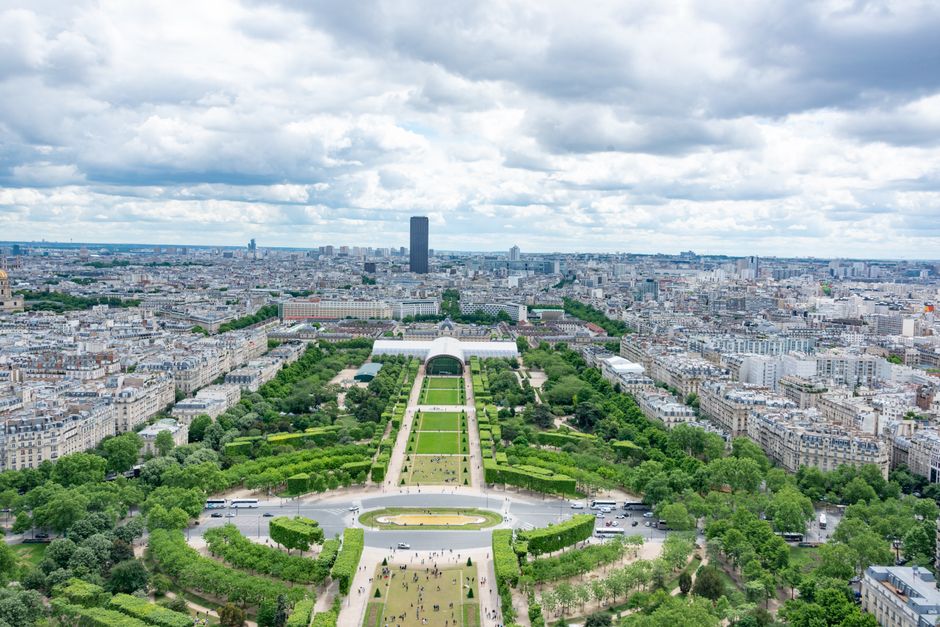
8. Champ de Mars: Echoes of Fortifications
Champ de Mars, Montreal, Canada
This peaceful green space actually sits atop the buried remnants of Montreal's original 18th-century city walls.
Named after the Roman god of war, the Champ de Mars once served as a parade ground for military drills outside the fortified city. Today, it's a popular park, but archaeological excavations have revealed the foundations of the old city walls and gates beneath its surface. Exposed sections and interpretive markers allow visitors to glimpse Montreal's colonial defenses, connecting the present to a strategic past.
Frequently asked questions
Are Montreal locals welcoming to Americans visiting right now?
Yes, Montrealers are generally very welcoming and friendly to visitors from all countries, including Americans. The city thrives on tourism and its multicultural atmosphere encourages open-mindedness and hospitality.
Do I need to speak French to visit Montreal?
While French is the official language, you do not need to speak French to enjoy your visit. Most people working in tourist areas, hotels, restaurants, and shops are bilingual and happy to speak English. Learning a few basic French phrases, however, is always appreciated.
What's the best way to get around Montreal?
Montreal has an excellent public transportation system, the Metro, which is efficient and easy to navigate. Walking is also a fantastic way to explore many neighborhoods, especially the historic areas. Bixi bikes are available for rent, offering another great way to see the city.
How can AllTours.ai enhance my exploration of Montreal's hidden gems?
AllTours.ai makes discovering Montreal's untold stories effortless. Simply point your phone camera at any landmark, building, or landscape – whether it's the Lachine Canal or the Redpath Museum – and the app will instantly narrate its history, geology, and culture in your preferred language, providing context and unique insights.
Photography via Pexels. AllTours.ai is an AI audio tour guide — point your camera at any landscape and hear its story.