September 10, 2026 · 4 min read
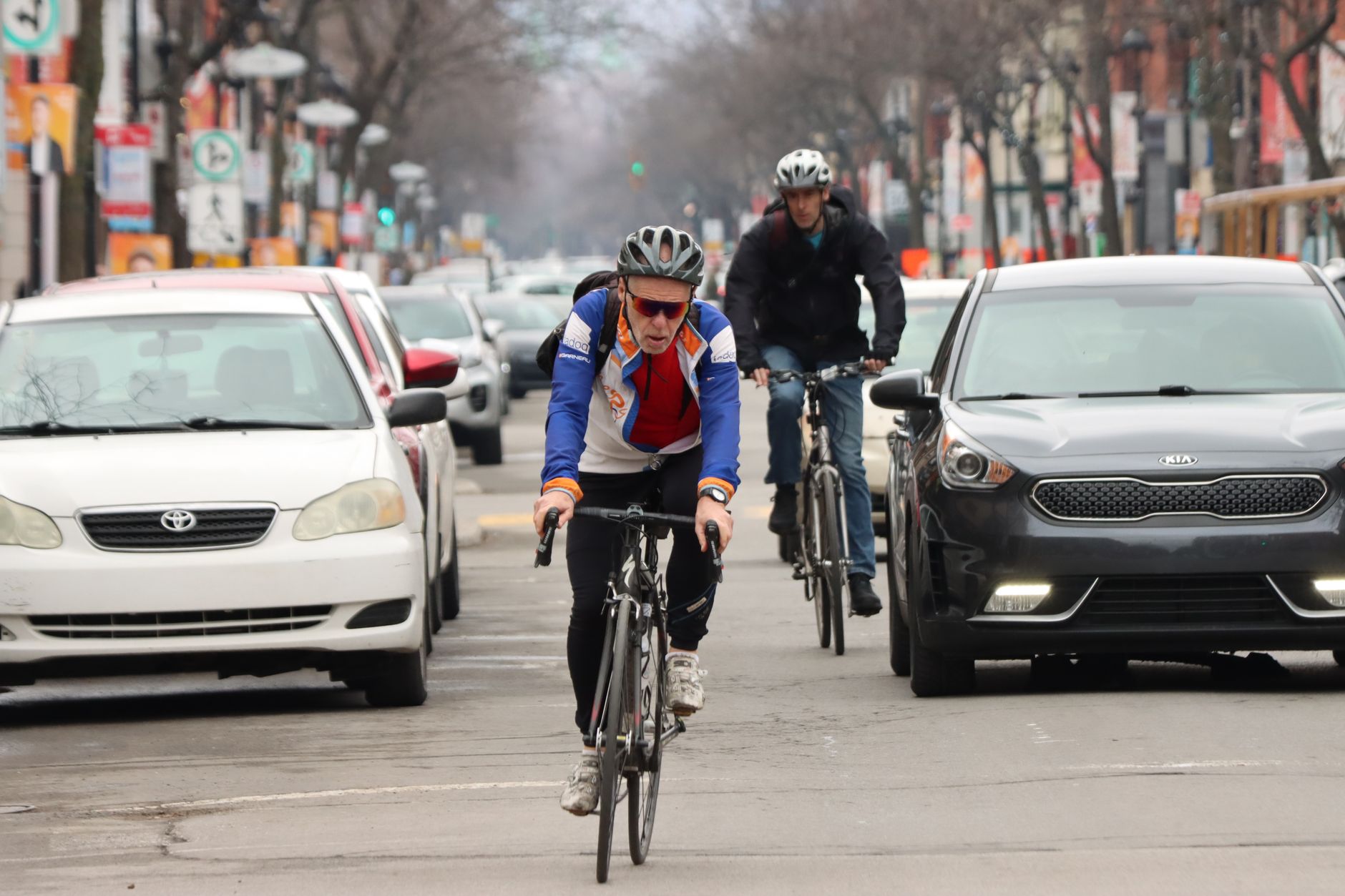
Travelers often wonder about the local vibe: Are people in Ottawa and Montreal easy to talk to and friend? The answer, like in many great cities, lies beyond the typical tourist paths. Both cities boast a warm, inviting spirit, especially when you venture into the spots cherished by locals.
This guide shines a light on some underrated, genuinely fascinating places in Ottawa and Montreal. These are the corners where history whispers, nature surprises, and the chance for a friendly chat with a local is as natural as the ebb and flow of daily life. Prepare to uncover stories that make these cities truly unique.
1. The Arboretum's Resilient Past
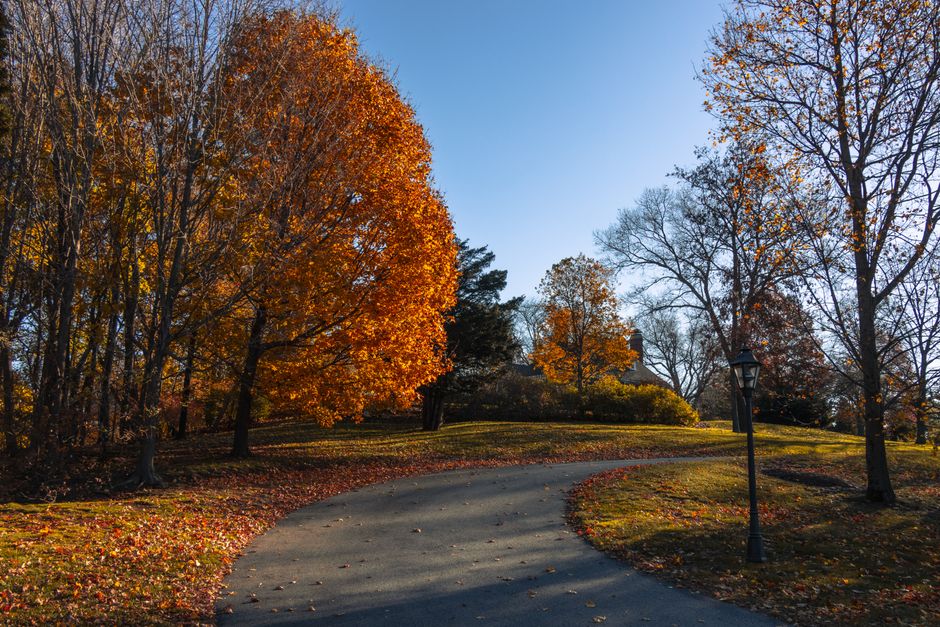
Dominion Arboretum, Ottawa, Canada
This serene public garden in Ottawa was once a critical testing ground for plants that reshaped Canadian agriculture, facing harsh winters to find resilient crops.
Behind the peaceful paths and towering trees of the Dominion Arboretum lies a century of scientific endeavor. Established in 1889, it was part of the Central Experimental Farm, dedicated to agricultural research. Scientists here tested countless varieties of trees and shrubs, seeking those that could withstand Canada's harsh climate, leading to breakthroughs in horticulture. Today, it remains a living museum of plant science and a tranquil urban escape.
2. Ottawa's Man-Made Rapids
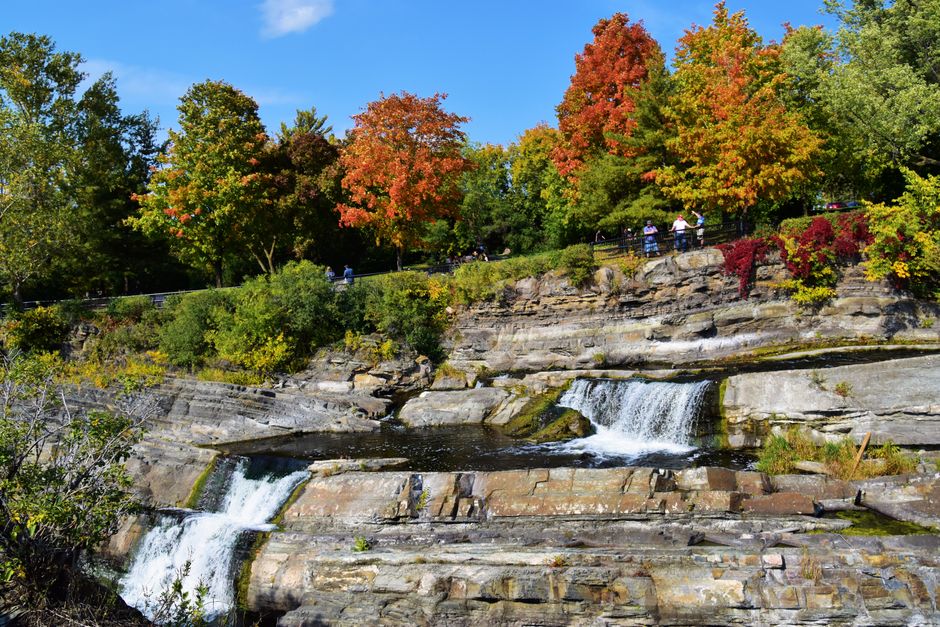
Hog's Back Falls, Ottawa, Canada
These roaring falls are not natural, but a dramatic man-made creation from the 1800s, designed to control the Rideau Canal's water flow and tame the unpredictable Rideau River.
Before the 1820s, the Rideau River here was a treacherous stretch of rapids. During the construction of the Rideau Canal, engineers faced the monumental task of diverting the river and building a dam. What exists today are the deliberate remnants of that engineering feat: a series of cascades and channels that showcase the raw power of the river, expertly harnessed. It's a testament to 19th-century ingenuity, now a beloved local park.
3. Wellington West's Artisan Spirit
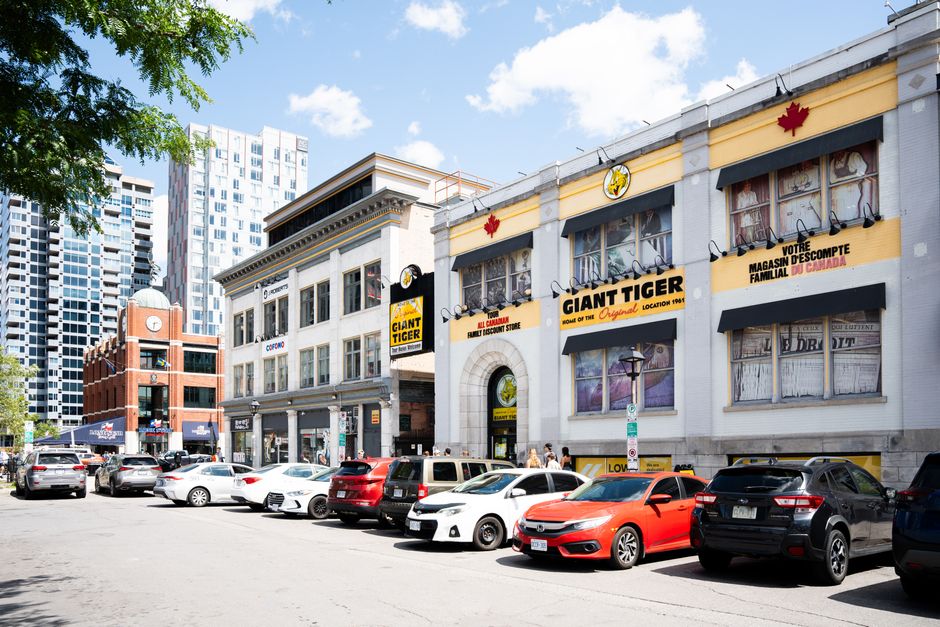
Wellington West, Ottawa, Canada
Once a working-class streetcar suburb, Wellington West in Ottawa transformed into a hub for independent artists and culinary innovators, yet retains its historic, approachable community feel.
The vibrant stretch of Wellington West, encompassing Hintonburg and Westboro, has a history rooted in its streetcar days, connecting residents to downtown. Over time, its affordable rents attracted artists, small business owners, and chefs, fostering a unique blend of creativity and community. You'll find heritage buildings adorned with public art, indie boutiques, and cafes where locals linger, reflecting a distinct Ottawa neighborhood character.
4. Canada's Secret Cold War City
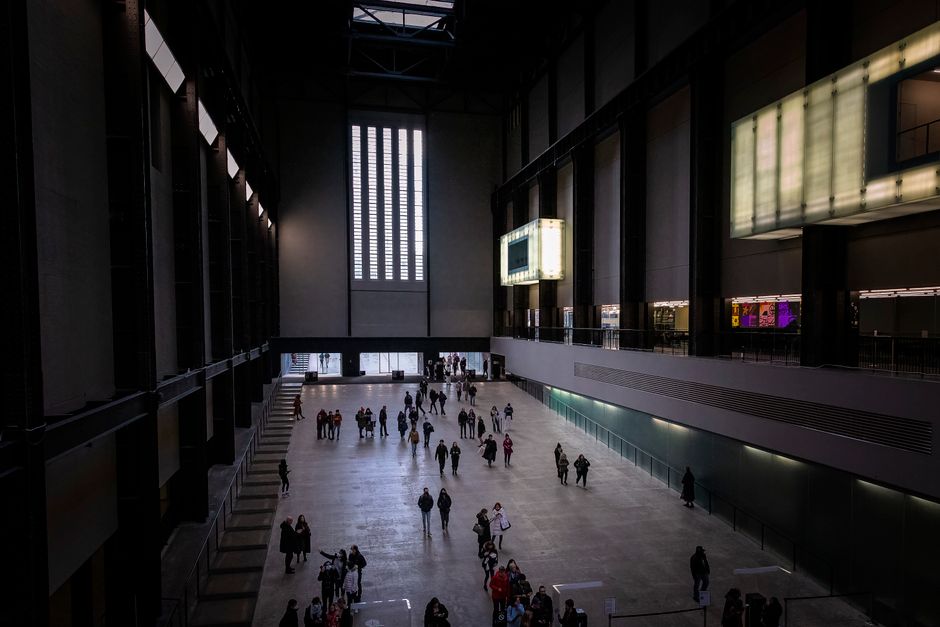
Diefenbunker, Canada's Cold War Museum, Carp, Canada
Deep beneath a quiet Ottawa valley farm lies a four-story underground city, built in secret during the Cold War to house Canada's government in case of nuclear attack.
For over 30 years, this massive underground complex, known as the Diefenbunker, was a top-secret facility. Designed to shelter 535 government and military officials, it was a self-sufficient fortress with living quarters, medical facilities, and communication centers. The bunker was operational until 1994, a silent guardian against the unthinkable. Today, it stands as a chilling, yet fascinating, museum, a stark reminder of a tense global era.
5. The Canal's Fur Trade Legacy
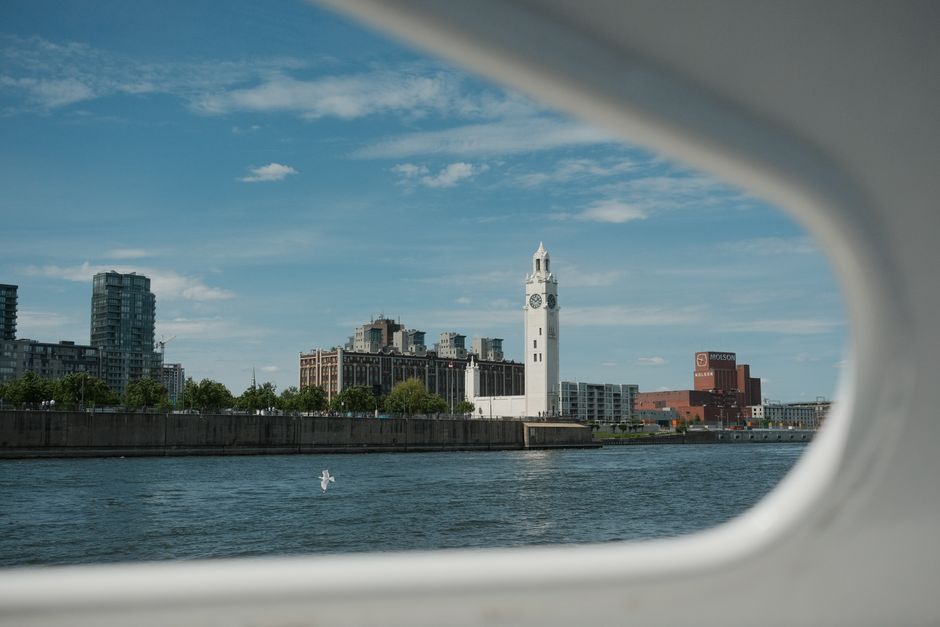
Lachine Canal National Historic Site, Montreal, Canada
The tranquil Lachine Canal, now a cycling path, was once a treacherous portage route vital to the fur trade, where voyageurs battled rapids and Indigenous traders forged alliances.
Before its industrial transformation, the Lachine rapids were a formidable barrier on the St. Lawrence River, forcing Indigenous peoples and European fur traders to portage their goods. The canal, built in the 1820s, circumvented these rapids, making Montreal a crucial inland port. While now a serene green space, its banks still hold echoes of the canoe brigades and bustling trade that shaped early North American commerce.
6. Mile End's Bagel Battleground
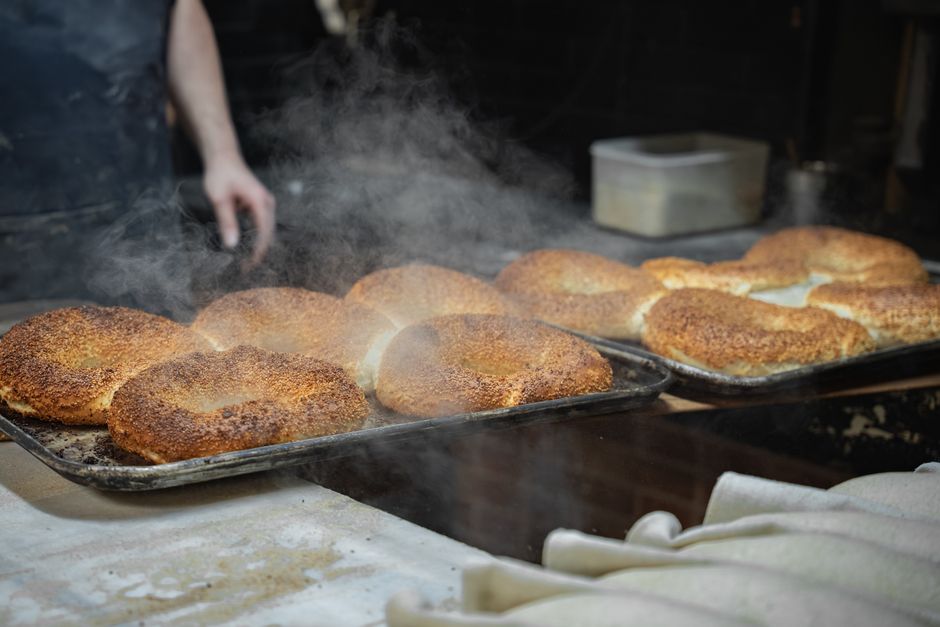
St-Viateur Bagel, Montreal, Canada
Montreal's iconic St-Viateur Bagel, baked in wood-fired ovens since 1957, emerged from a fierce, decades-long 'bagel war' with rival shops, shaping the neighborhood's unique culinary identity.
The Mile End neighborhood is synonymous with bagels, and St-Viateur is a cornerstone of this reputation. Their unique, slightly sweet, hand-rolled bagels are boiled in honey water before being baked in a wood-fired oven. This tradition, shared with a few other local institutions, fueled a friendly but intense rivalry that became a hallmark of Montreal's food scene, cementing the bagel as a beloved local staple.
7. Parc La Fontaine's Military Past
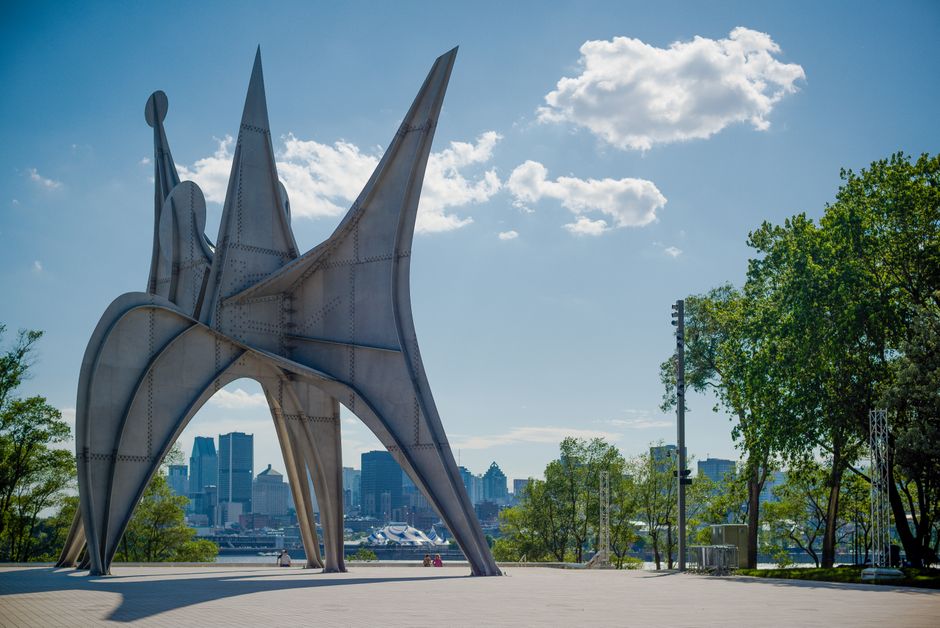
Parc La Fontaine, Montreal, Canada
This grand urban park, with its iconic fountain and theatre, served as a military training ground and a temporary prisoner-of-war camp during the War of 1812 before becoming a public green space.
Today, Parc La Fontaine is a sprawling oasis of calm, but its history is surprisingly martial. Initially a military reserve, it hosted training exercises and even housed American prisoners during the War of 1812. It was only in the late 19th century that it was transformed into a public park, designed by Frederick Law Olmsted's former apprentice, reshaping its purpose from defense to public enjoyment and recreation.
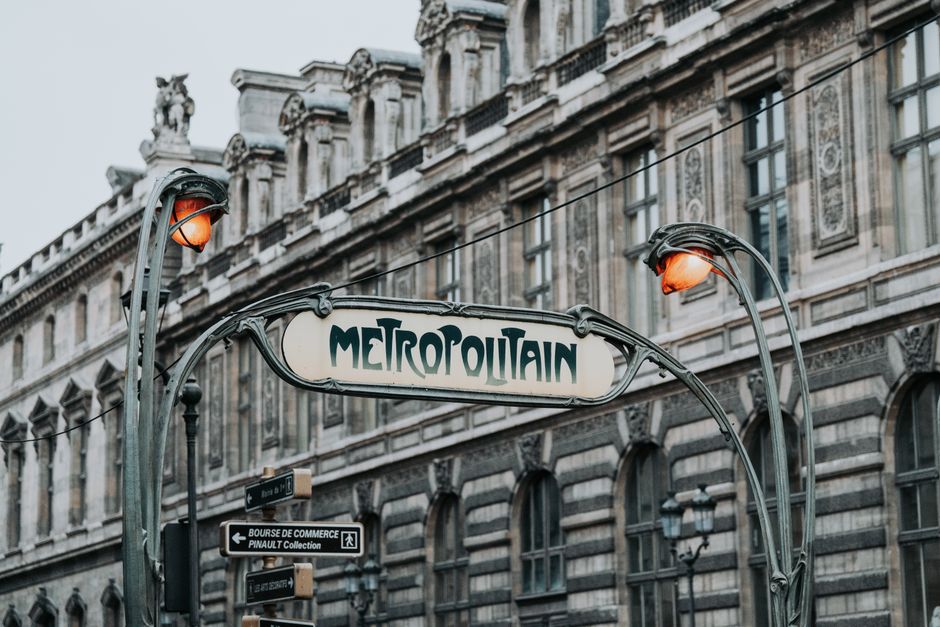
8. Metro's Hidden Stained Glass
Champ-de-Mars Metro Station, Montreal, Canada
Montreal's Champ-de-Mars metro station features breathtaking stained-glass art by Marcelle Ferron, a pioneering female artist and member of the Automatistes, breaking from traditional art norms in the 1940s.
While many metro stations are purely functional, Champ-de-Mars offers a striking artistic experience. Marcelle Ferron, a celebrated Quebec artist, created 85 panels of abstract stained glass for the station, reflecting the light and color of Montreal. Her work, a testament to the Automatiste movement's rejection of conventional art, transforms a daily commute into a moment of unexpected beauty and reflection, making it one of the city's unique public art installations.
Frequently asked questions
Are people in Ottawa generally friendly to tourists?
Yes, Ottawa locals are known for being polite and welcoming. As the nation's capital, it's accustomed to visitors, and people are generally happy to offer directions or recommendations, especially in local shops and cafes.
Is it easy to strike up a conversation with people in Montreal?
Absolutely. Montrealers are often quite outgoing and appreciate visitors who engage with their vibrant city. In local markets, neighborhood cafes, or during festivals, you'll find plenty of opportunities for friendly interactions, whether in French or English.
Do I need to speak French to enjoy Montreal?
While French is the official language and widely spoken, most people in tourist areas and younger generations in Montreal are bilingual. You can comfortably navigate the city and interact with locals using English, though a few basic French phrases are always appreciated.
How can AllTours.ai help me discover these places?
AllTours.ai enhances your exploration by narrating the history, geology, and culture of any landscape or landmark you point your phone camera at. It’s like having a personal expert guide revealing the hidden stories and significance of every unique spot you encounter.
Photography via Pexels. AllTours.ai is an AI audio tour guide — point your camera at any landscape and hear its story.