July 9, 2026 · 4 min read
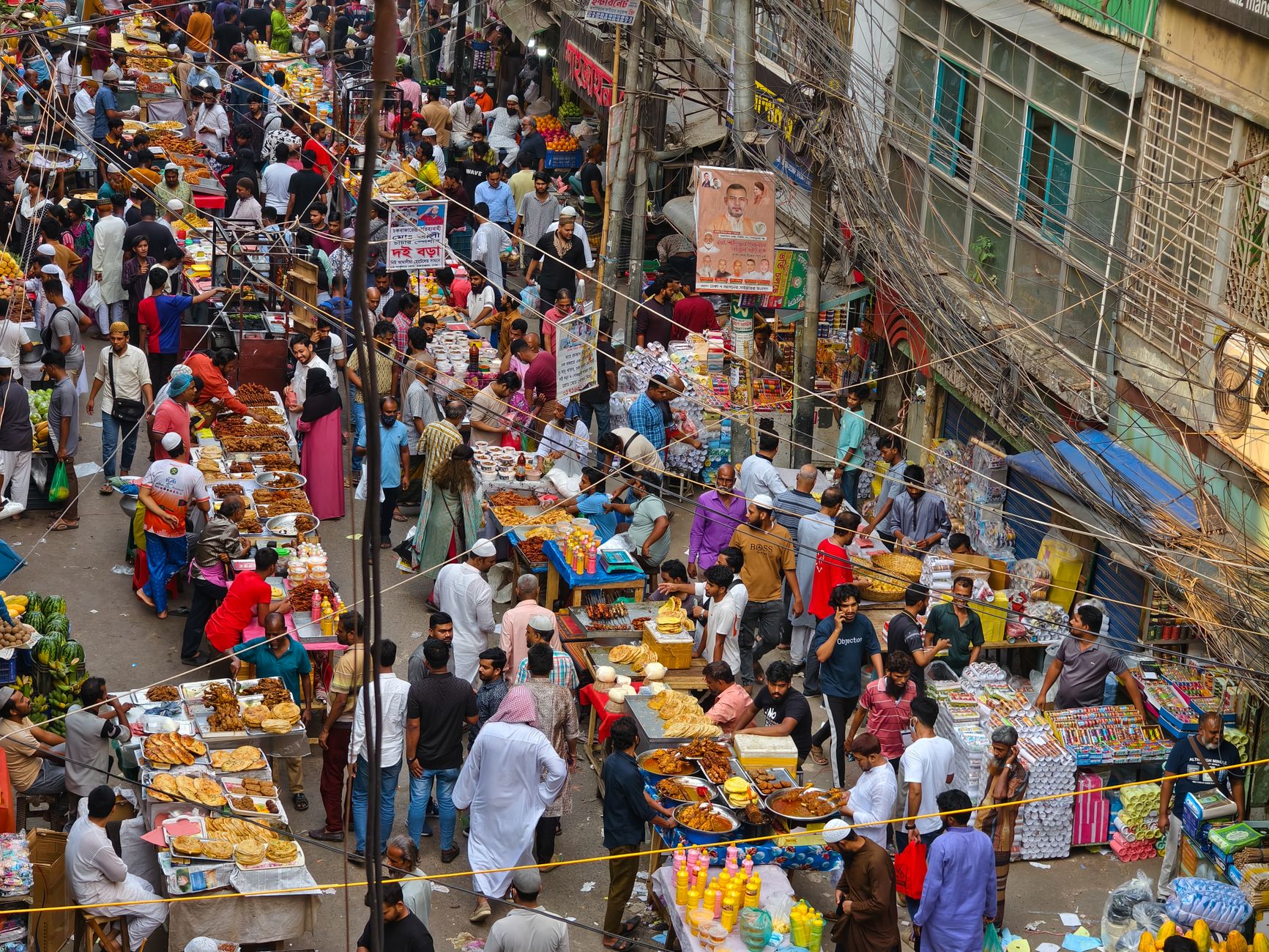
Lahore, a city steeped in history and culture, offers an unparalleled culinary journey, especially through its vibrant street food scene. For visitors asking: "Are there any tips for finding the best street food vendors?", the answer lies not just in famous spots, but in the heart of its lesser-known alleys and historic enclaves.
Beyond the well-trodden paths, Lahore hides culinary treasures with stories as rich as their flavors. These are the places where generations of vendors have preserved ancient recipes, where every bite connects you to a surprising piece of the city's past, and where the true spirit of Lahori hospitality thrives.
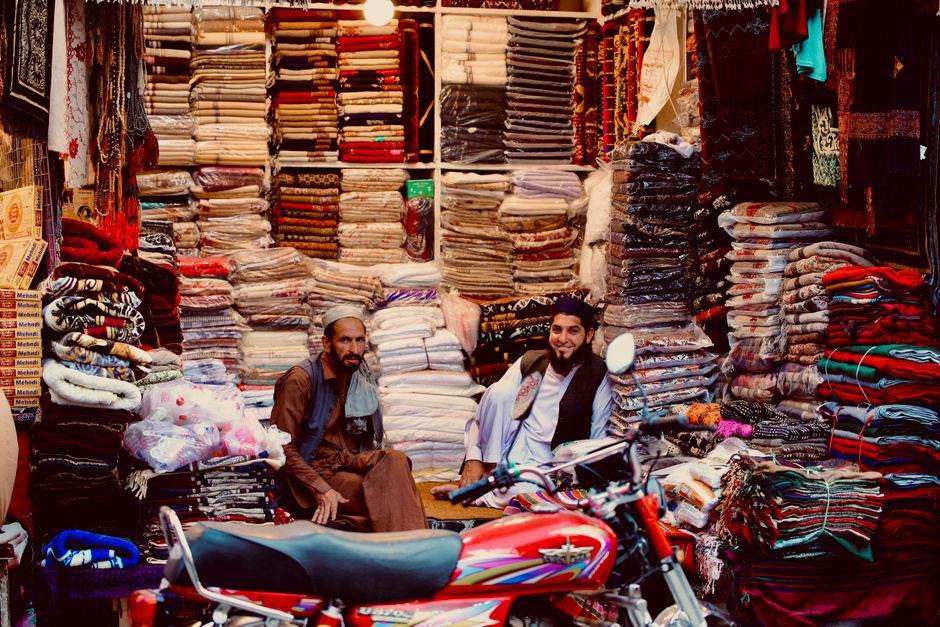
1. The Haleem of Ancient Influences
Haleem Gali, Near Mochi Gate, Lahore, Pakistan
The slow-cooked haleem served here reflects ancient Persian and Arab influences, a dish originally prepared for royalty and nobles, now a staple of Lahore's working class.
Tucked away in a narrow lane near Mochi Gate, Haleem Gali offers a taste of history. The haleem, a thick stew of wheat, barley, meat, and lentils, is simmered for hours, a technique perfected over centuries. This dish's journey from the royal kitchens of the Mughals and even earlier Middle Eastern empires to the humble street stalls of Lahore tells a fascinating tale of culinary adaptation and enduring popularity.
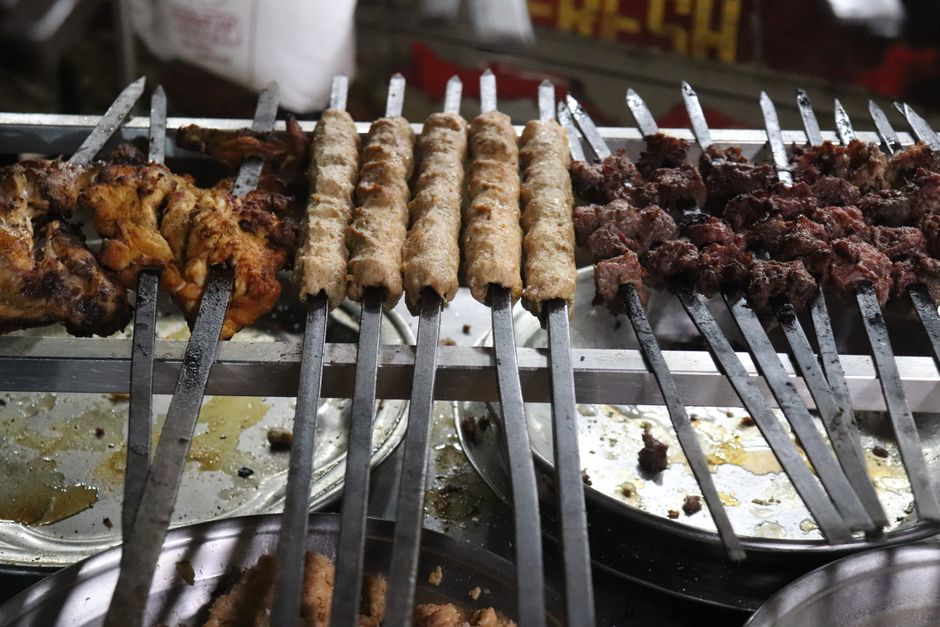
2. Kebabs of Partition's Legacy
Bhaiya Kebab Wale, Gawalmandi, Lahore, Pakistan
The kebabs here use a secret spice blend said to be inspired by recipes from pre-partition migrants, adapting to the new city while preserving ancestral flavors.
While Gawalmandi Food Street is well-known, delve into its smaller side alleys to find gems like Bhaiya Kebab Wale. This modest stall's succulent seekh kebabs are not just food; they are a culinary time capsule. The family's recipes, brought over during the tumultuous partition of 1947, represent a resilient effort to recreate and preserve the tastes of their ancestral homes, blending them subtly with Lahore's unique palate.
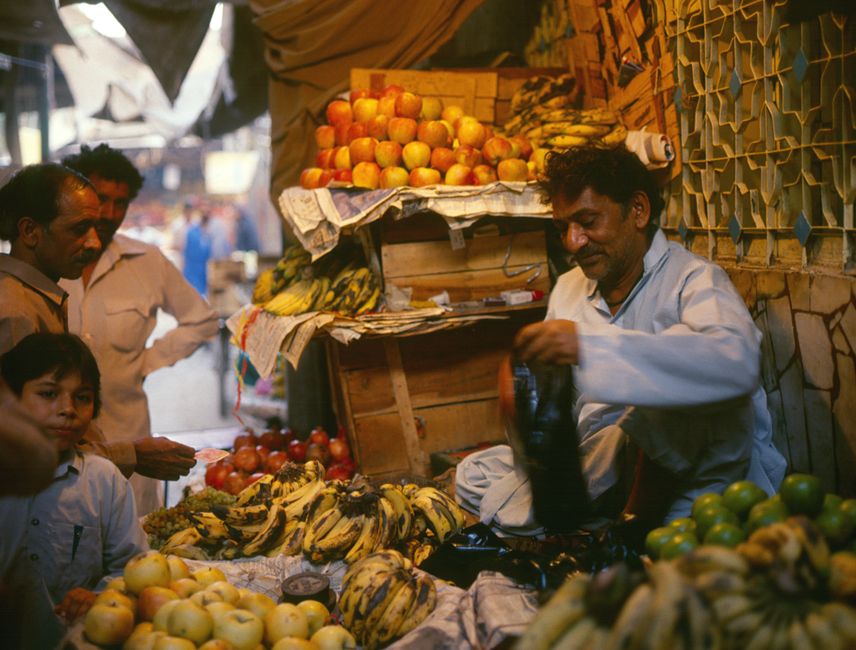
3. Nan from Mughal-Era Tandoors
Shahi Nan Shop, Anarkali Bazaar, Lahore, Pakistan
The nan (bread) served at this humble shop still uses a tandoor oven design and baking method that has remained largely unchanged since Mughal times, feeding generations of bazaar traders.
Anarkali Bazaar, one of South Asia's oldest markets, holds more than just goods. At a small, unassuming nan shop, the flatbreads are baked in a tandoor whose design echoes those used centuries ago. This ancient baking technique, relying on the intense heat of a clay oven, produces nan with a distinctive smoky flavor and texture, offering a direct link to the culinary practices of Mughal Lahore, enjoyed by traders and shoppers alike.
4. Pakoras of Seasonal Wisdom
Pakora Stall near Lohari Gate, Lahore, Pakistan
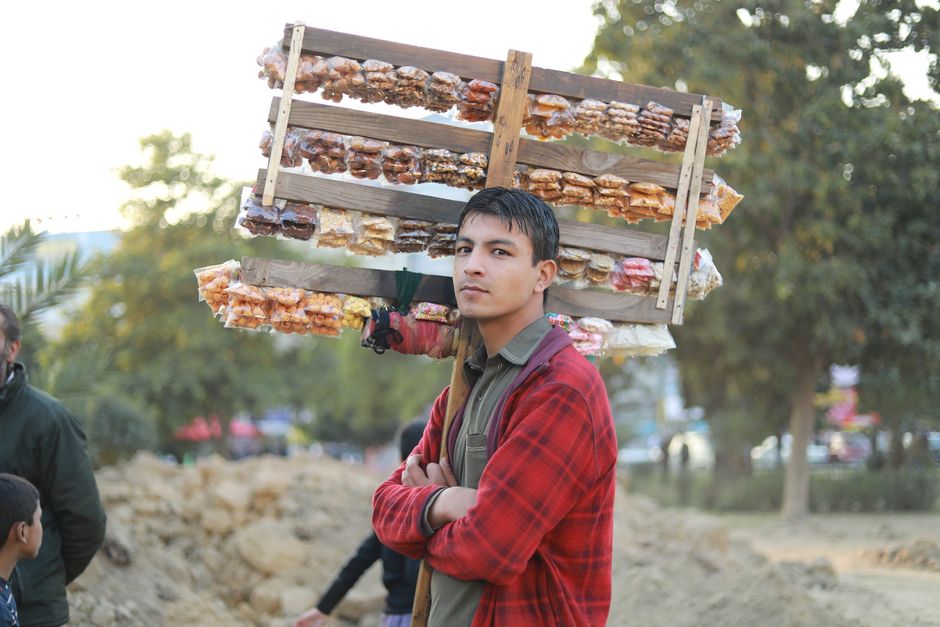
The pakoras (fritters) served at this inconspicuous stall are often made with local vegetables that change seasonally, a practice rooted in ancient agricultural cycles and resourceful cooking.
Near the historic Lohari Gate, you'll find a small pakora stall whose offerings shift with the seasons. Unlike places with fixed menus, this vendor adapts to what's fresh and available, reflecting an ancient wisdom of eating locally and resourcefully. From crisp potato and onion fritters to more unusual seasonal greens, each pakora batch tells a story of Lahore's agricultural rhythms and the ingenuity of its street chefs.
5. Karahi of the Spice Trade
Akbari Mandi Food Stalls, Lahore, Pakistan
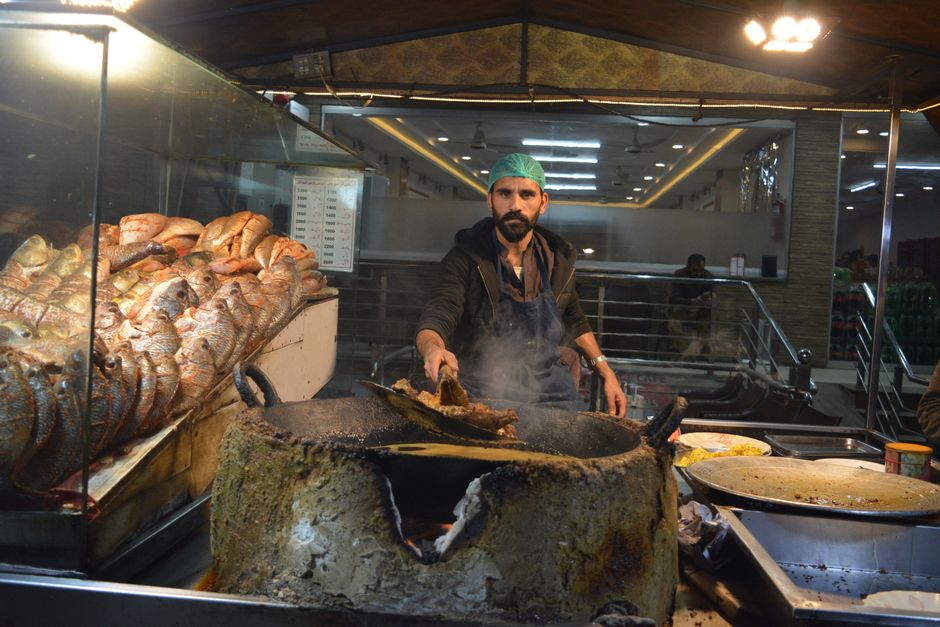
The karahi (wok-fried curry) prepared here by the market's own cooks often uses the freshest spices, ground daily, a tradition that connects directly to the historical spice trade routes that once passed through Lahore.
Akbari Mandi, Lahore's sprawling wholesale spice market, is an assault on the senses. Amidst the fragrant heaps of turmeric and cumin, small food stalls serve laborers and traders. Their karahi dishes, cooked in large woks, boast an unparalleled freshness of flavor. This is because the spices are ground literally moments before cooking, a practice intrinsically linked to Lahore's historical role as a pivotal point on ancient spice trade routes.
6. Doodh Patti of Poetic Debates
Tea Stall near Bhatti Gate, Lahore, Pakistan
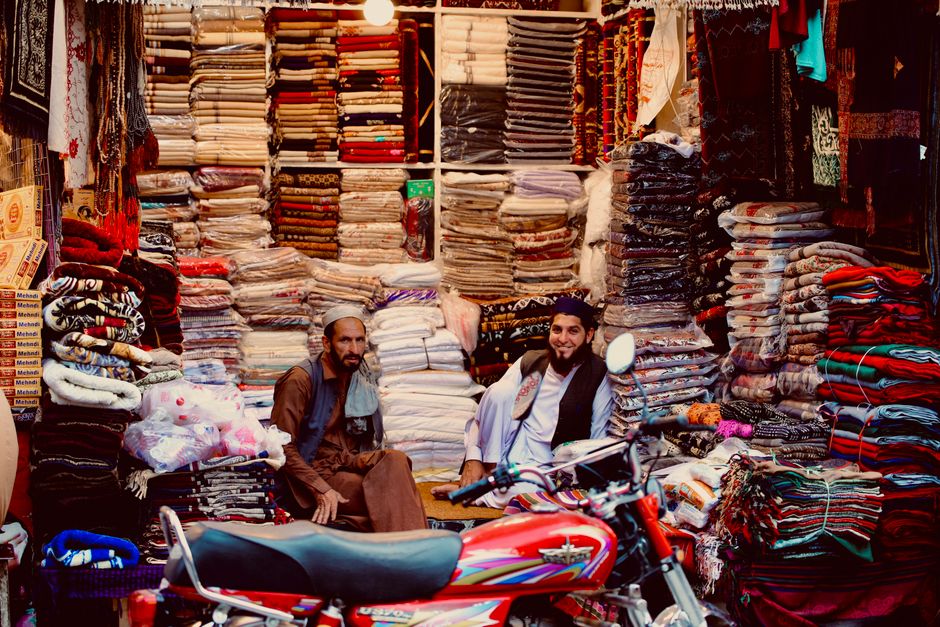
This modest tea stall, often frequented by local poets and intellectuals, has been serving its distinct doodh patti (milk tea) for decades, a silent witness to countless literary discussions and debates.
Bhatti Gate is historically known as the intellectual and literary heart of Lahore's Walled City. Here, a humble tea stall has become an unofficial salon for local poets, writers, and thinkers. Over decades, its robust doodh patti – a strong, milky tea – has fueled countless conversations, debates, and inspirations. Sipping tea here is not just a taste experience; it's an immersion into the living, breathing intellectual pulse of old Lahore.
7. Jalebis of Resilient Sweetness
Jalebi Shop, Near Shah Almi Gate, Lahore, Pakistan
The jalebis (fried sweets) made here follow a recipe passed down through generations of confectioners who rebuilt their lives and businesses in the narrow, winding alleys after the devastation of partition.
Shah Almi Gate, once bustling, faced devastation during the partition of India. Yet, its spirit, and its culinary traditions, endured. In one of the labyrinthine alleys, a small jalebi shop continues a legacy. Their crispy, syrupy jalebis are made from a recipe that survived displacement and rebuilding. Each spiral of sweetness represents the resilience of families who started anew, weaving their heritage into the very fabric of Lahore's street food culture.
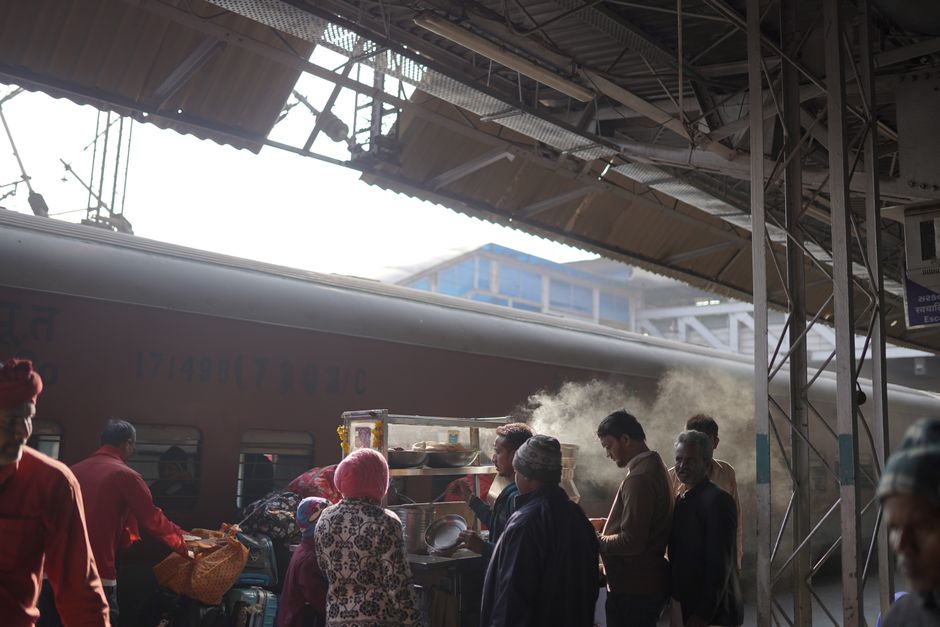
8. Bun Kebab of the Travelers' Hub
Bun Kebab Stall near Lahore Railway Station, Lahore, Pakistan
The bun kebabs sold here reflect a fusion of British colonial influences (the bun) and local culinary traditions (the spiced kebab patty), a fast food staple born from the bustling railway station's history as a transit hub.
The area around Lahore Railway Station, a grand colonial-era structure, is a nexus for travelers and commuters. Here, the bun kebab reigns supreme. This seemingly simple snack – a spiced lentil or meat patty nestled in a soft bun with chutney and onion – is a delicious product of Lahore's history as a transit city. It’s a perfect example of how local flavors adapted to new forms, marrying traditional kebabs with the British-introduced bun to create a unique, enduring fast-food icon.
Frequently asked questions
What's the best time of day to experience Lahore's street food?
Lahore's street food scene truly comes alive in the evenings, from late afternoon until well past midnight. Many vendors start setting up around 5 PM, and the bustling atmosphere, cooler temperatures, and illuminated stalls make for a magical experience.
How can I ensure the street food I try is hygienic?
Look for stalls with high customer turnover, as this indicates fresh ingredients. Observe the vendor's practices: do they use gloves, fresh oil, and clean utensils? Opt for freshly cooked, hot items over those that have been sitting out for a long time.
Are there any specific cultural etiquettes I should know when eating street food in Lahore?
While Lahoris are generally very welcoming, it's polite to use your right hand when eating, especially if you're sharing. Don't be shy to ask for recommendations, and a simple 'shukriya' (thank you) goes a long way. Tipping is not generally expected at street stalls but is always appreciated.
How can AllTours.ai help me discover more about these places?
AllTours.ai enhances your exploration by providing instant audio narratives. Simply point your phone camera at any landmark, bustling street, or even a specific food stall, and the app will narrate its history, cultural significance, and fascinating hidden stories in your preferred language, enriching every discovery.
Photography via Pexels. AllTours.ai is an AI audio tour guide — point your camera at any landscape and hear its story.