July 13, 2026 · 4 min read
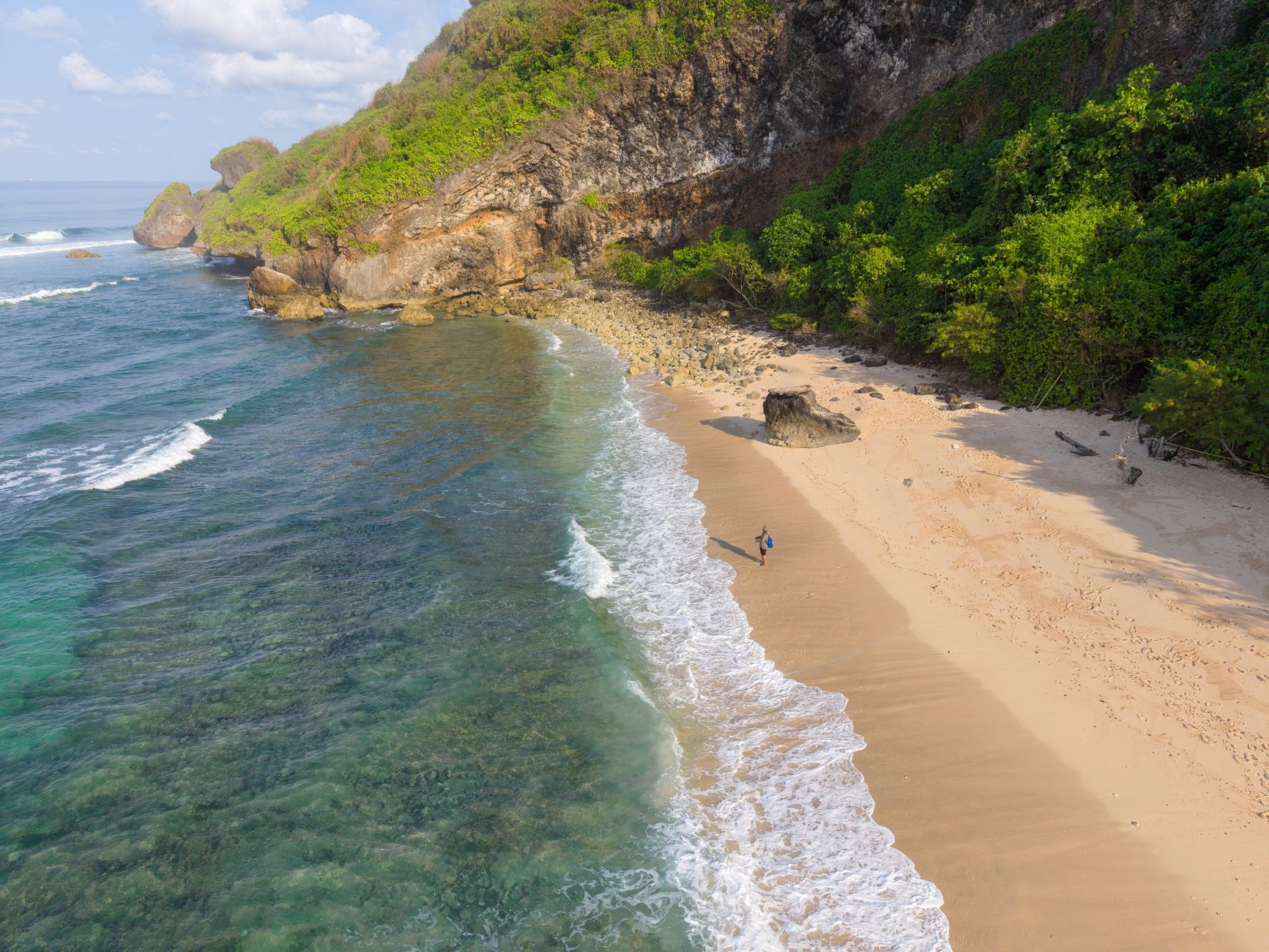
The dream of a perfect beach getaway often conjures images of white sands, clear waters, and swaying palms. But for many, that dream is quickly shadowed by the reality of crowded shores, inflated prices, and the feeling of being just another face in the tourist throng. What if there were places in Asia where the natural beauty remains unblemished, the local culture thrives authentically, and your travel budget stretches further than you imagined?
Asia, a continent of vast and varied landscapes, still holds countless secrets for the intrepid traveler. Beyond the well-trodden paths of Bali, Phuket, and Boracay, a constellation of lesser-known destinations beckons. These are the islands and coastal towns where time seems to slow, where genuine human connection is still commonplace, and where a unique, compelling story awaits discovery around every corner.
1. The Island of Mystics and White Sands
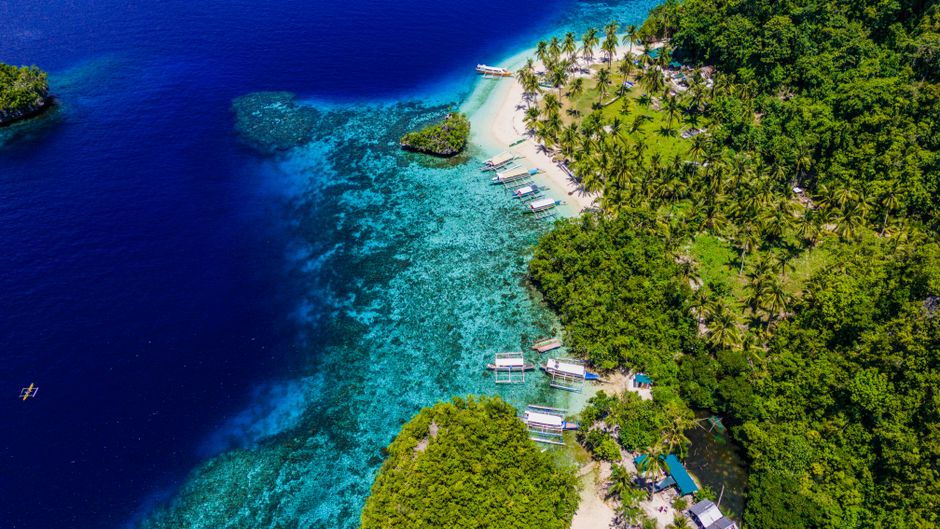
Siquijor, Philippines
This tranquil Philippine island is known not just for its pristine beaches, but also for its ancient spiritual practices and traditional healers.
Siquijor, often called the 'Island of Fire,' holds a unique place in Filipino folklore. Locals and visitors seek out its traditional 'mananambals' (healers) who use herbs and rituals, especially during Holy Week, for ailments and blessings. Beyond its mystical aura, Siquijor offers quiet stretches of white sand, clear turquoise waters perfect for snorkeling, and enchanting waterfalls like Cambugahay, all without the overwhelming crowds found elsewhere.
2. From Prison Island to Pristine Paradise
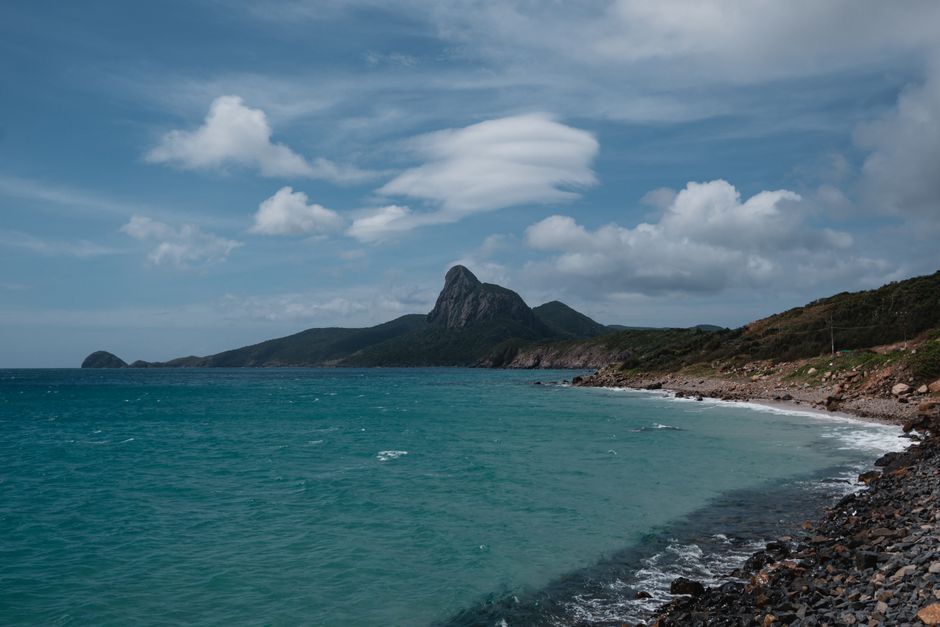
Con Dao, Vietnam
Once a notorious French and Vietnamese penal colony, this archipelago is now a protected national park boasting untouched beaches and vibrant coral reefs.
Con Dao's dark past as a brutal prison island for political dissidents gives way to an astonishing present-day natural beauty. Visitors can explore remnants of the old prisons, offering a poignant contrast to the island's current tranquility. Today, Con Dao is a haven for marine life, including sea turtles, and its lush forests are home to rare species. Its remote location ensures serene, uncrowded beaches like Dam Trau and An Hai.
3. Thailand's Dugong Sanctuary
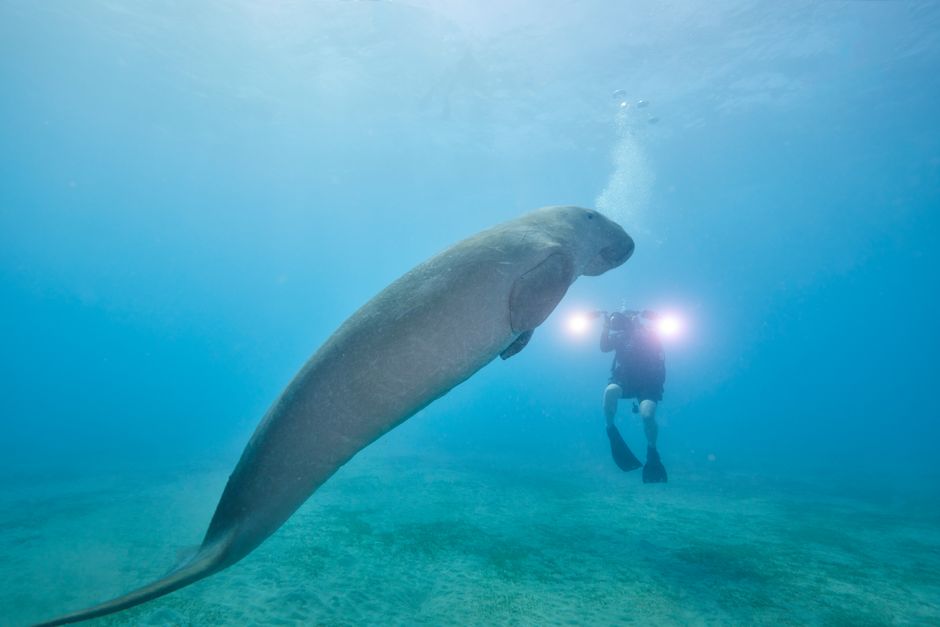
Koh Libong, Thailand
This quiet island off Thailand's Andaman coast is celebrated for hosting the country's largest population of endangered dugongs, often visible from its shores.
Unlike its more famous Thai neighbors, Koh Libong offers a glimpse into authentic island life where fishing villages dot the coastline and tourism remains low-key. The island is part of a protected marine area, crucial for the survival of its resident dugongs, gentle marine mammals that graze on seagrass beds. Beyond wildlife spotting, visitors can enjoy deserted beaches, explore mangrove forests, and experience a slower pace of life deeply connected to nature and local traditions.
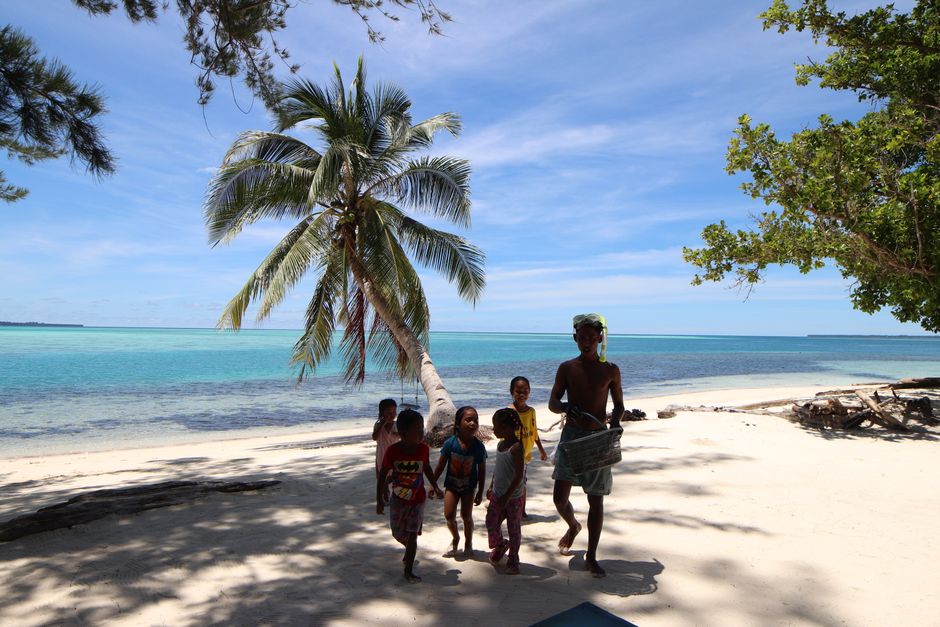
4. The Islands of Powder-Soft Sand
Kei Islands, Indonesia
The Kei Islands are famed for their extraordinary white sand beaches, so incredibly fine they are often compared to flour, alongside unique traditional architecture.
Located in Indonesia's remote Maluku province, the Kei Islands offer a truly off-the-beaten-path experience. Pasir Panjang, or Long Sand Beach, on Kei Kecil is a prime example of the islands' unparalleled sand quality. Beyond the stunning coastlines, the Kei people maintain vibrant cultural traditions, evident in their distinctive 'Ohoi' villages with their unique communal houses. This archipelago provides a rare combination of pristine natural beauty and deep cultural immersion, far from mass tourism.
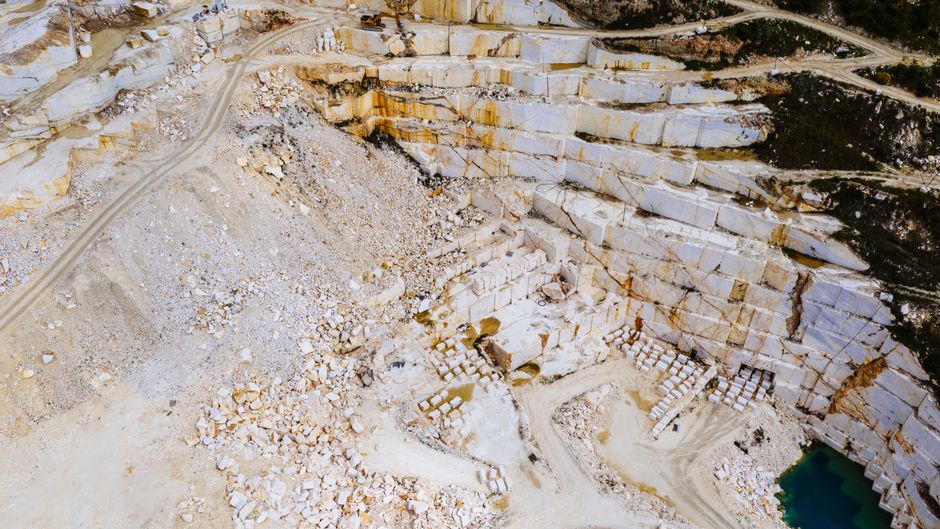
5. Marble Marvels and Hidden Coves
Romblon, Philippines
This Philippine province is renowned as the 'Marble Capital,' where the crafting of intricate marble products coexists with an abundance of secluded, pristine beaches.
Romblon is less a single island and more an archipelago of three main islands – Romblon, Tablas, and Sibuyan – each offering distinct attractions. The main island of Romblon is particularly famous for its high-quality marble, which is quarried and sculpted into everything from souvenirs to building materials. Travelers can witness this craftsmanship firsthand before heading to the province's many undeveloped beaches, secret coves, and crystal-clear waters perfect for diving and snorkeling, often with no one else in sight.
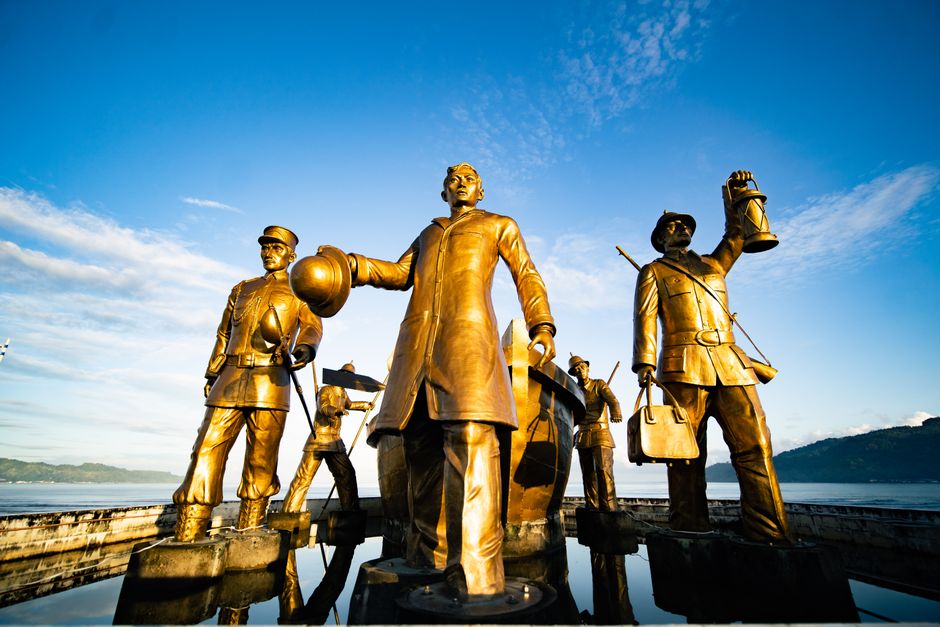
6. Indonesia's Zero Kilometer Oasis
Weh Island, Indonesia
Weh Island marks Indonesia's westernmost point, famously symbolized by its 'Zero Kilometer Monument,' but it also boasts volcanic hot springs and world-class diving.
Situated off the northern tip of Sumatra, Weh Island (or Pulau Weh) is a volcanic island offering a unique blend of geological wonders and marine biodiversity. Its underwater landscapes are particularly rich, attracting divers from around the globe to explore vibrant coral gardens, encounter diverse fish species, and even spot whale sharks. On land, visitors can relax in natural hot springs, trek through lush jungle, and savor the tranquility of a destination that truly feels like the edge of the world.
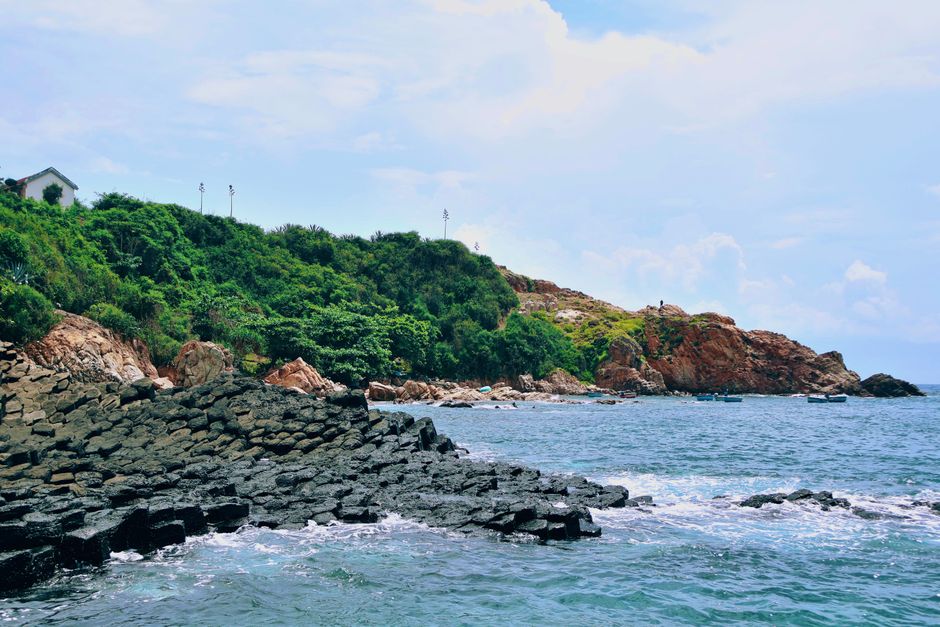
7. Basalt Shores and Fishing Lore
Phu Quy Island, Vietnam
Shaped by ancient volcanic eruptions, Phu Quy Island features dramatic basalt rock formations and a vibrant, traditional fishing culture that remains largely untouched by tourism.
Far off the coast of Phan Thiet, Phu Quy Island offers an authentic glimpse into Vietnamese island life. Its distinctive geological features, including black basalt cliffs and unique rock formations, are a testament to its volcanic origins. The island's economy revolves around fishing, and visitors can observe colorful fishing boats bringing in their daily catch. With its undeveloped beaches, quiet roads, and welcoming locals, Phu Quy provides a peaceful retreat for those seeking genuine cultural experiences alongside natural beauty.
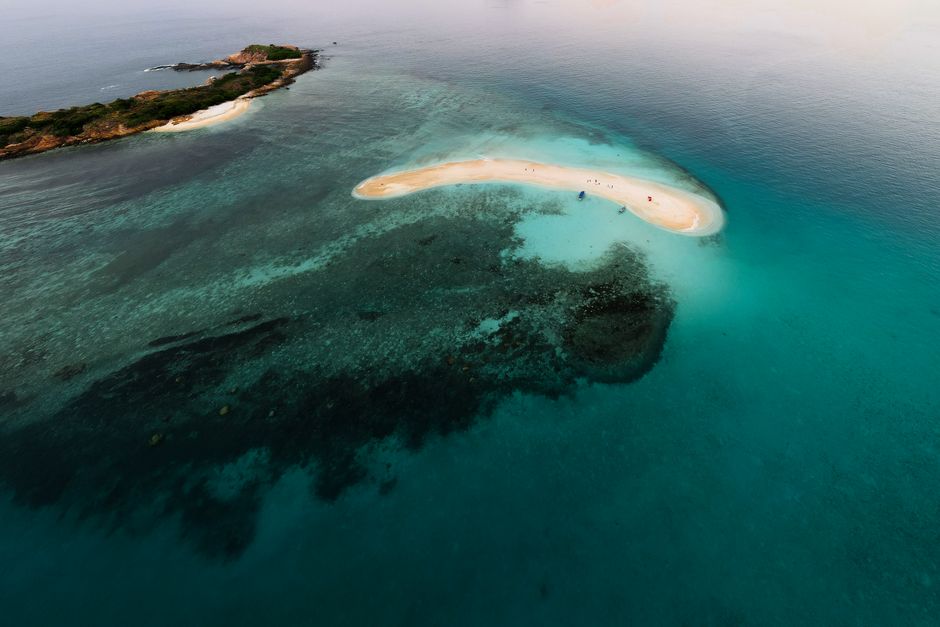
8. The Archipelago of Uninhabited Jewels
Karimunjawa, Indonesia
This marine national park consists of 27 islands, many uninhabited, offering a pristine escape with vibrant coral reefs and a distinctive Javanese island culture.
Located in the Java Sea, Karimunjawa is a captivating archipelago that remains relatively undiscovered compared to Bali or Lombok. Its status as a marine national park ensures the preservation of its breathtaking natural environment, from clear turquoise waters to thriving coral ecosystems perfect for snorkeling and diving. Beyond the main island, adventurous travelers can explore smaller, uninhabited islets, finding their own secluded patch of paradise. The local Javanese influence adds a unique cultural dimension to this aquatic wonderland.
Frequently asked questions
What is the best time to visit these lesser-known Asian beach destinations?
The best time generally depends on the specific country, but for most of Southeast Asia, the dry season (roughly November to April) offers ideal weather. Always check the local climate patterns for your chosen island to avoid monsoon seasons for the best beach experience.
How can I travel affordably to these remote Asian islands?
Traveling affordably often means using local transportation like ferries and buses, eating at local eateries (warungs, carinderias), and staying in guesthouses or homestays. Booking flights well in advance and being flexible with dates can also significantly reduce costs.
Are these destinations safe for solo travelers?
Generally, the destinations mentioned are considered safe for solo travelers, especially given their low crime rates compared to more crowded tourist hubs. However, standard travel precautions should always be observed, such as being aware of your surroundings, informing someone of your itinerary, and respecting local customs.
How does the AllTours.ai app enhance my visit to these places?
AllTours.ai brings the stories of these unique locations to life. Simply point your phone camera at a landmark, beach, or even a specific rock formation, and the app will narrate its history, geological origins, and cultural significance in your preferred language, offering a deeper understanding of your surroundings.
Photography via Pexels. AllTours.ai is an AI audio tour guide — point your camera at any landscape and hear its story.