July 16, 2026 · 4 min read
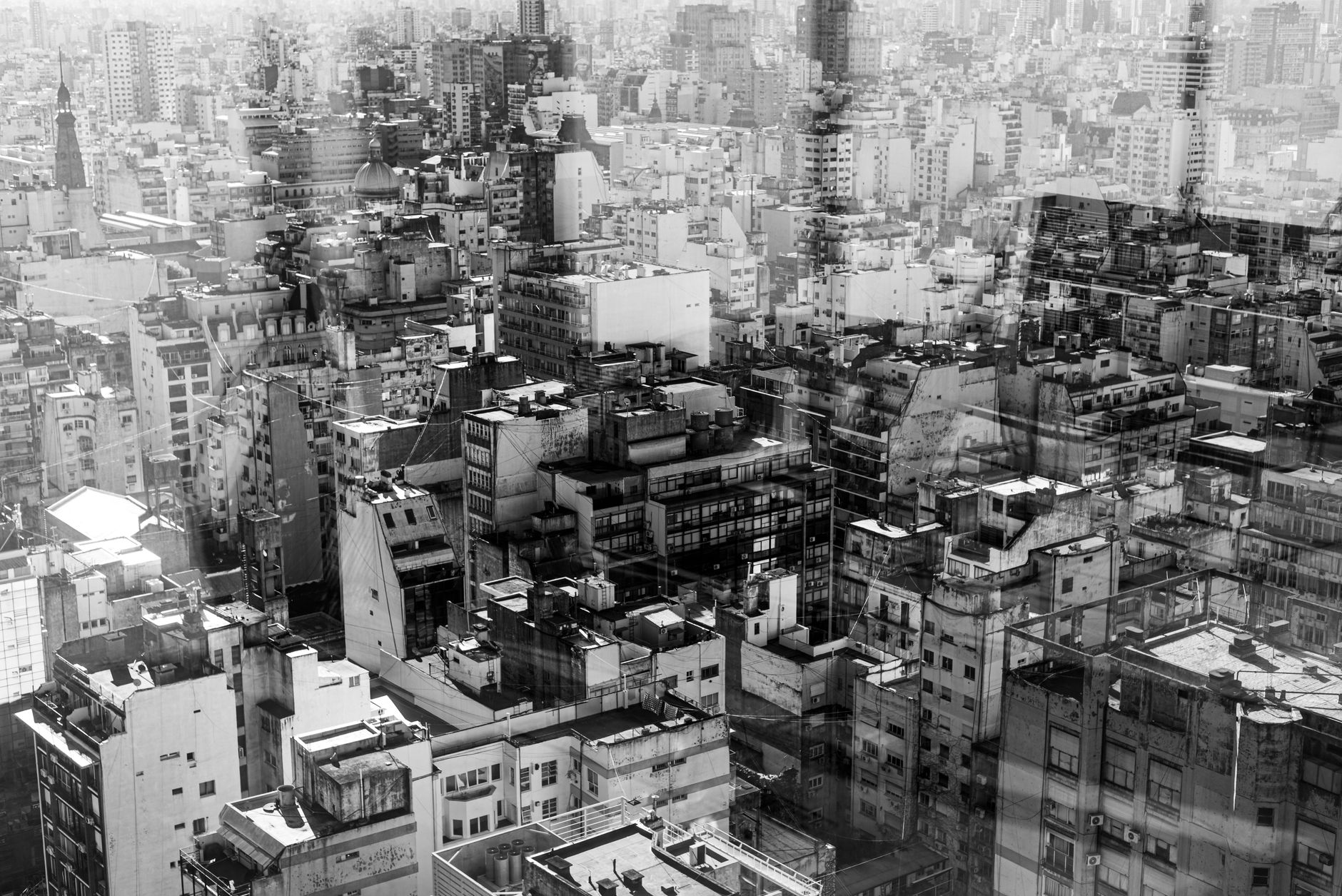
Buenos Aires. The name alone conjures images of passionate tango, sizzling asado, and grand European boulevards. It's a city that wears its heart on its sleeve, charming visitors with its undeniable zest for life. But what if you peeled back those famous layers, venturing beyond the well-trodden paths of La Boca and Recoleta Cemetery?
As a foreigner, what do you think about the city of Buenos Aires once you dig deeper? You'll find a city brimming with surprising histories, quirky cultural nooks, and urban oases that defy expectation. Forget the postcards for a moment and let's explore the Buenos Aires that truly captivates the curious traveler.
1. The Royal Water Palace
Palacio de las Aguas Corrientes, Buenos Aires, Argentina
This ornate, colorful 'palace' isn't for royalty at all, but a disguised 19th-century water pumping station.
Gaze upon the Palacio de las Aguas Corrientes, and you'd swear it was a European royal residence, with its terracotta façade, intricate designs, and 300,000 glazed tiles. Yet, this architectural marvel, completed in 1894, was built for a far more practical purpose: housing the city's main water pumping station. It was designed to improve public health and combat disease, showcasing how infrastructure could be elevated to an art form in Buenos Aires' Belle Époque.
2. Hidden City Foundations
El Zanjón de Granados, Buenos Aires, Argentina
Beneath a restored colonial mansion, an archaeological site reveals the ancient streams and foundations upon which Buenos Aires was built.
Beneath the elegant facade of a 19th-century mansion in San Telmo lies El Zanjón de Granados, an extraordinary archaeological site. Here, excavated tunnels reveal the original streams that once crisscrossed the city, along with layers of historical artifacts dating back to the 17th century. It offers a tangible journey through Buenos Aires' evolution, literally showing how the city was constructed, layer by historical layer, over its forgotten waterways and original settlements.
3. The Mosaic Street
Pasaje Lanín, Buenos Aires, Argentina
An entire street in Barracas was transformed into an open-air mosaic gallery by a single local artist.
Step into Pasaje Lanín in Barracas and you'll find yourself immersed in a riot of color and texture. This unassuming street was revitalized by local artist Marino Santa María, who, beginning in 1999, began adorning the facades of 35 houses with vibrant mosaics. What started as a personal project evolved into a community effort, transforming a once-overlooked alley into a living, breathing work of public art, telling stories through countless tiny tesserae.
4. The Narrowest House
Casa Mínima, Buenos Aires, Argentina
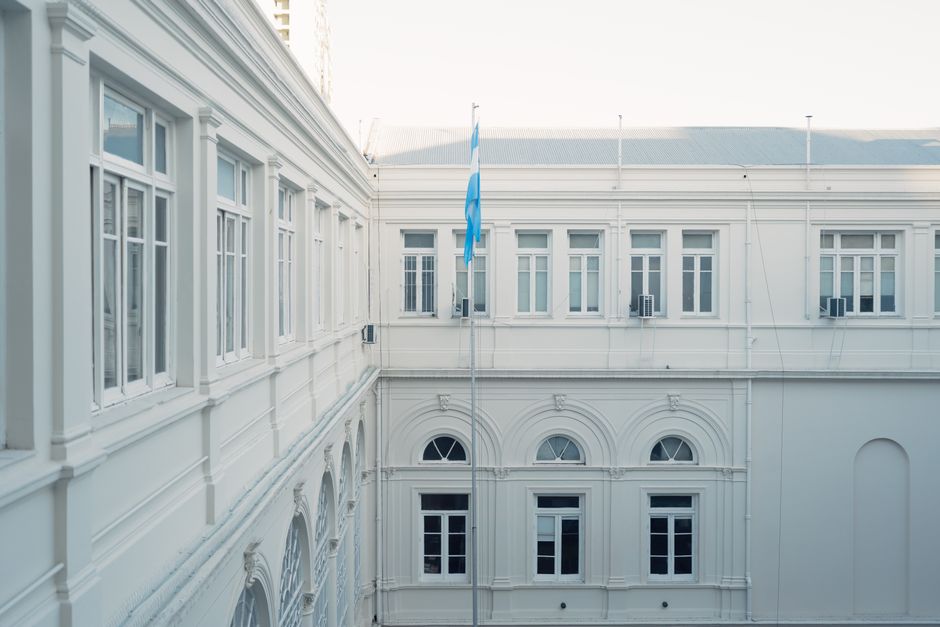
Buenos Aires is home to the narrowest house in the city, rumored to be a gift to a freed slave.
Tucked away in San Telmo, Casa Mínima stands as a curious architectural anomaly, measuring just 2.5 meters wide. Legend has it that this tiny dwelling was built for a freed slave after Argentina's independence, symbolizing a new beginning and the limited space available for the newly liberated. While historical evidence for this specific legend is debated, the house undeniably offers a poignant glimpse into the living conditions and social narratives of Buenos Aires' colonial past.

5. Man-Made Urban Wilderness
Reserva Ecológica Costanera Sur, Buenos Aires, Argentina
This sprawling nature reserve, now home to diverse wildlife, was created entirely on landfill from city demolition.
Just a short walk from the bustling city center lies the Reserva Ecológica Costanera Sur, a massive urban wetland and nature reserve. What makes it truly remarkable is its origin: it was created on landfill from demolished buildings in the 1970s. Over decades, nature reclaimed the site, transforming it into a vital ecosystem with lagoons, forests, and diverse birdlife, a powerful testament to ecological resilience right on the Río de la Plata's edge.
6. Riding History's Rails
Tranvía Histórico de Buenos Aires, Buenos Aires, Argentina
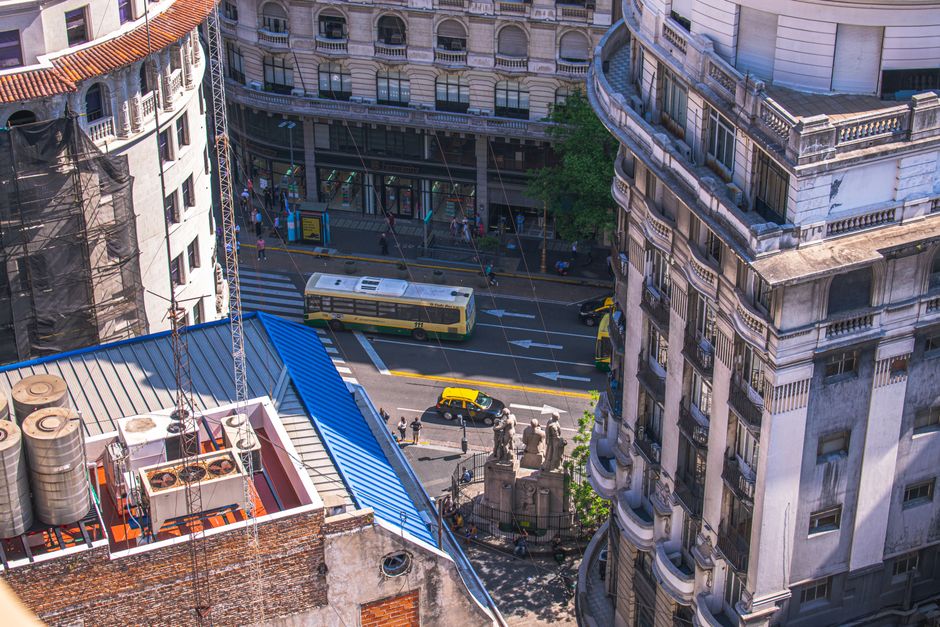
Ride a piece of living history aboard beautifully restored trams, operated by enthusiasts.
Step back in time by hopping on the Tranvía Histórico de Buenos Aires in the Caballito neighborhood. Operated by a dedicated association, these lovingly restored historic trams offer free rides every weekend, preserving a tangible link to the city's early 20th-century public transport. It's more than just a ride; it’s an immersive, nostalgic journey that allows you to experience Buenos Aires at a slower pace, feeling the rumble and hearing the clang of a bygone era.
7. The Secret Dome Arcade
Galería Güemes, Buenos Aires, Argentina
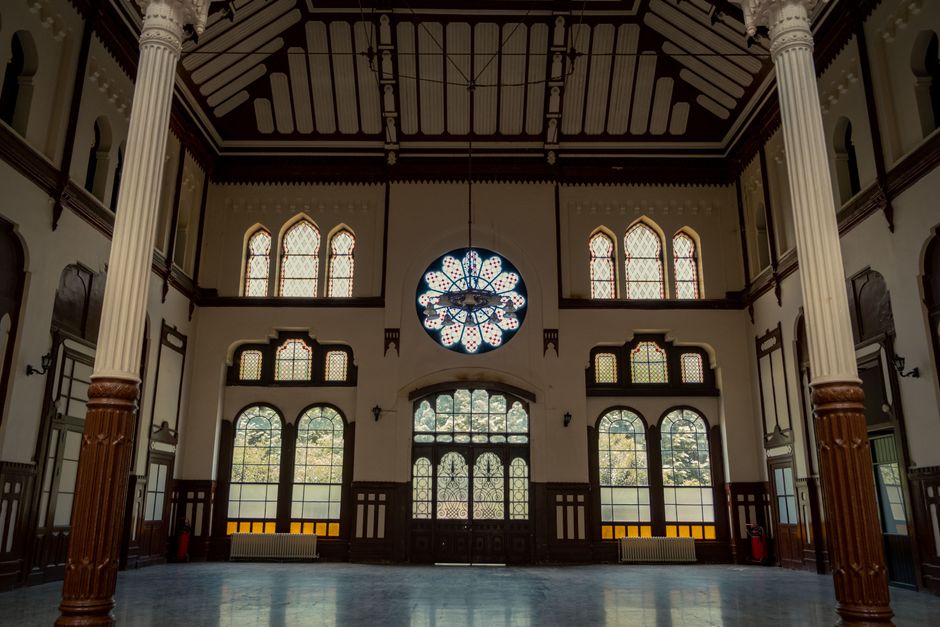
This stunning Art Nouveau shopping arcade hides a secret observation deck with panoramic city views.
Amidst the financial district's hustle, Galería Güemes stands as a magnificent Art Nouveau masterpiece from 1915, representing Buenos Aires' aspirations to rival European capitals. Beyond its opulent shops and intricate ironwork, a hidden elevator leads to a lesser-known observation deck. From here, you can gaze across the city's rooftops, gaining a unique perspective on its urban sprawl and the architectural grandeur that defines its early 20th-century boom.
8. The World of Puppets
Museo Argentino del Títere, Buenos Aires, Argentina
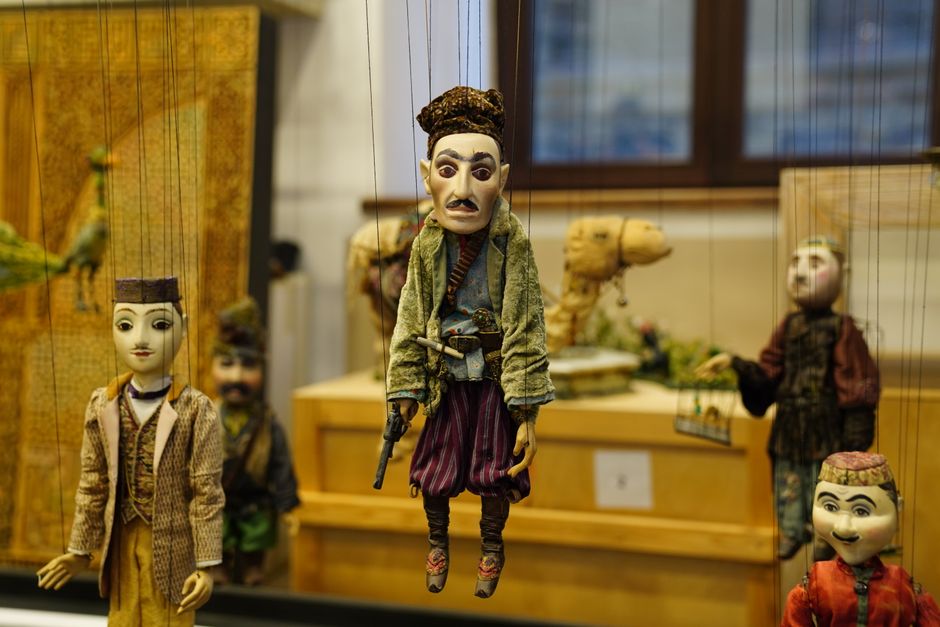
Discover a charming, often overlooked, world of traditional and contemporary puppets from Argentina and beyond.
Nestled in San Telmo, the Museo Argentino del Títere (Argentine Puppet Museum) offers a whimsical journey into the art of puppetry. This small, privately run museum showcases an impressive collection of puppets from various regions of Argentina and other countries, some dating back decades. It's a delightful and unexpected cultural gem that celebrates a cherished form of storytelling and artistic expression, reminding visitors of the magic and imagination inherent in this ancient craft.
Frequently asked questions
Is Buenos Aires safe for foreigners?
Buenos Aires is generally safe for tourists, especially in well-trafficked areas. Like any large city, it's wise to be aware of your surroundings, avoid displaying valuables, and take taxis or ride-shares at night. Stick to reputable neighborhoods, and you'll find the city welcoming.
What's the best time of year to visit Buenos Aires?
The best times to visit Buenos Aires are spring (September to November) and autumn (March to May). During these seasons, the weather is mild and pleasant, ideal for exploring on foot. Summers can be hot and humid, while winters are generally mild but can be damp.
What unique souvenirs can I buy in Buenos Aires?
Beyond the usual, look for handcrafted leather goods from local artisans, mate gourds and bombillas (straws), traditional gaucho silverwork, and unique art pieces from local galleries. San Telmo Market is a great place to find antiques and quirky treasures.
How can AllTours.ai help me explore Buenos Aires?
AllTours.ai is your personal AI audio guide. Simply point your phone camera at any landmark, building, or even a natural landscape in Buenos Aires, and the app will instantly narrate its history, geology, and cultural significance in your preferred language. It's like having a local expert by your side, ready to reveal the hidden stories of every corner you explore.
Photography via Pexels. AllTours.ai is an AI audio tour guide — point your camera at any landscape and hear its story.