June 3, 2026 · 4 min read
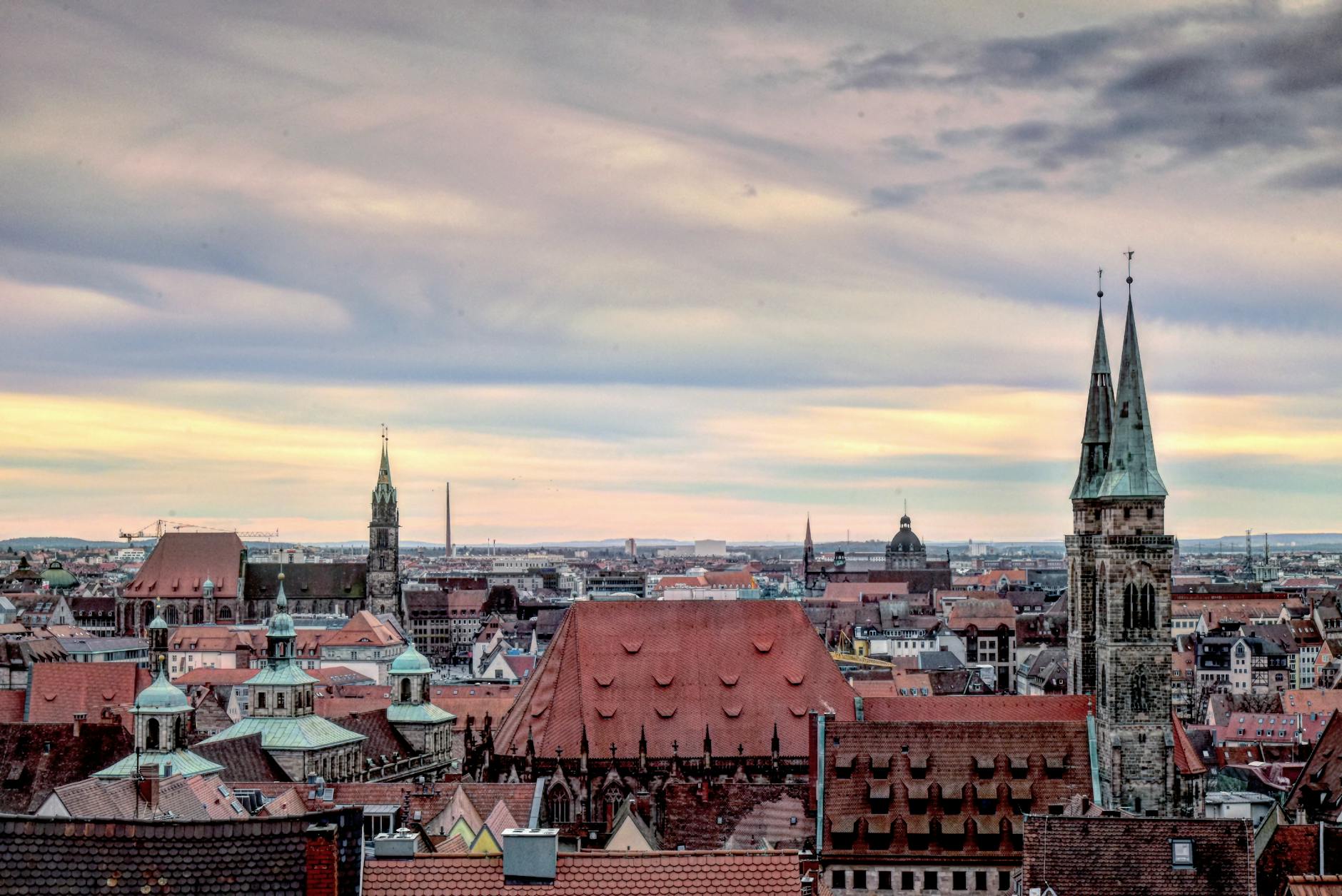
Germany is a country rich in history, culture, and stunning landscapes, but most travelers flock to the same few iconic cities. While Berlin and Munich certainly offer unforgettable experiences, a vast tapestry of equally compelling, yet often overlooked, destinations awaits those willing to venture a little further.
These are the places where centuries-old traditions thrive, where cinematic history was made on cobbled streets, and where a deeper, more intimate understanding of Germany's past and present can be found. Prepare to spark your curiosity with these truly underrated cities in Germany, each with a story so striking it demands a closer look.
1. Görlitz: Hollywood's Favourite Backdrop
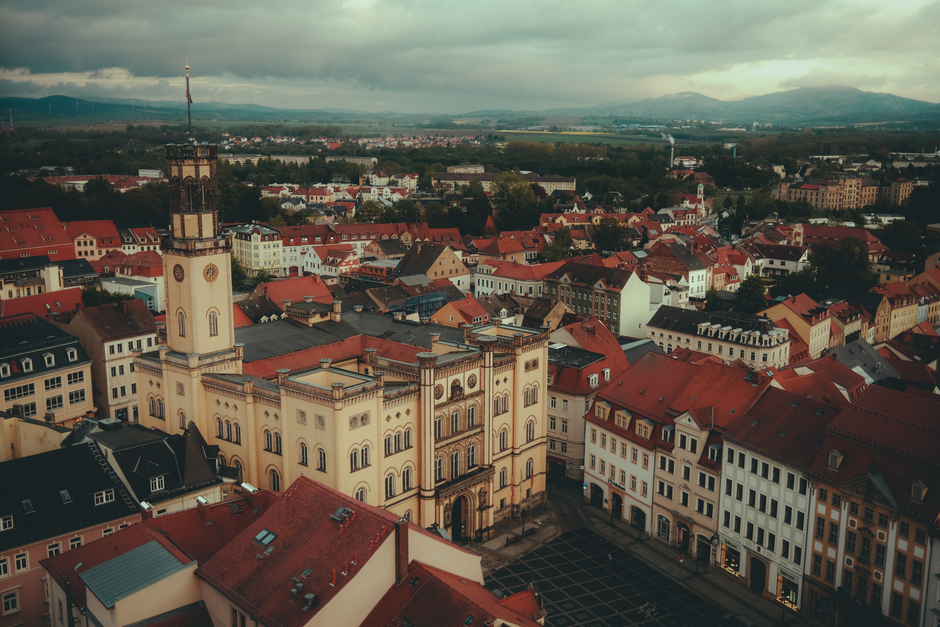
Görlitz, Germany
Görlitz's perfectly preserved old town has stood in for Paris, Berlin, and even New York in over 100 films, from "The Grand Budapest Hotel" to "Inglourious Basterds."
Its incredible architectural integrity, spanning Gothic, Renaissance, Baroque, and Art Nouveau, meant filmmakers rarely needed extensive set construction. After WWII, miraculously, Görlitz suffered almost no damage, leaving its cobbled streets and historic facades intact. This living museum of European architecture makes it a unique cinematic time capsule.
2. Bamberg: The Smoked Beer Capital
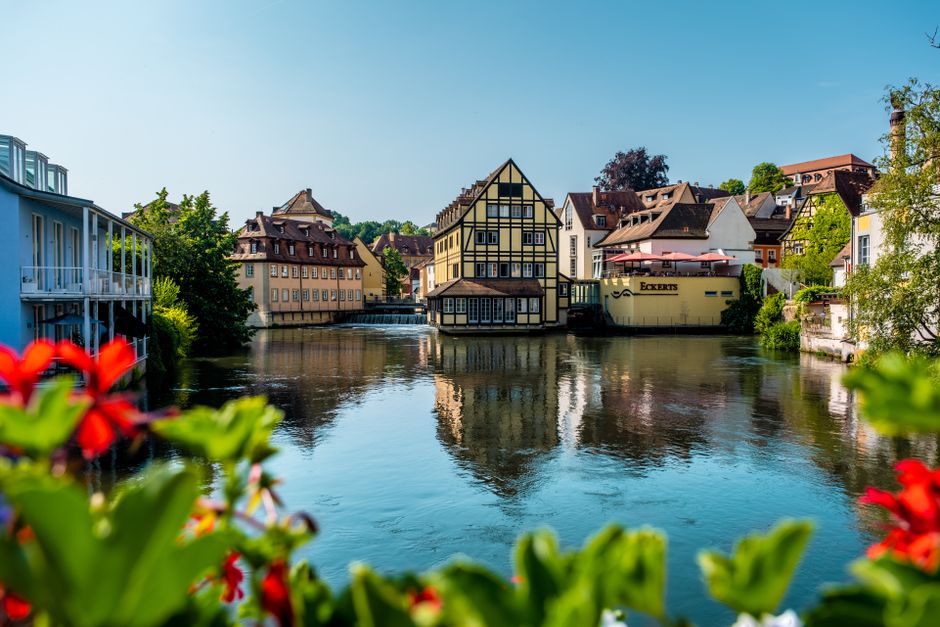
Bamberg, Germany
Bamberg is the only city in the world where you can still drink traditional "Rauchbier," a smoked beer brewed using malts dried over an open flame, a practice dating back centuries.
This UNESCO World Heritage site is built on seven hills, each crowned with a church, earning it the nickname "Franconian Rome." Its medieval charm extends to its brewing heritage, with several historic breweries still producing Rauchbier. The unique flavor comes from a time when all malt was kilned over wood fires, a tradition Bamberg proudly maintains.
3. Erfurt: Medieval Jewish Heart
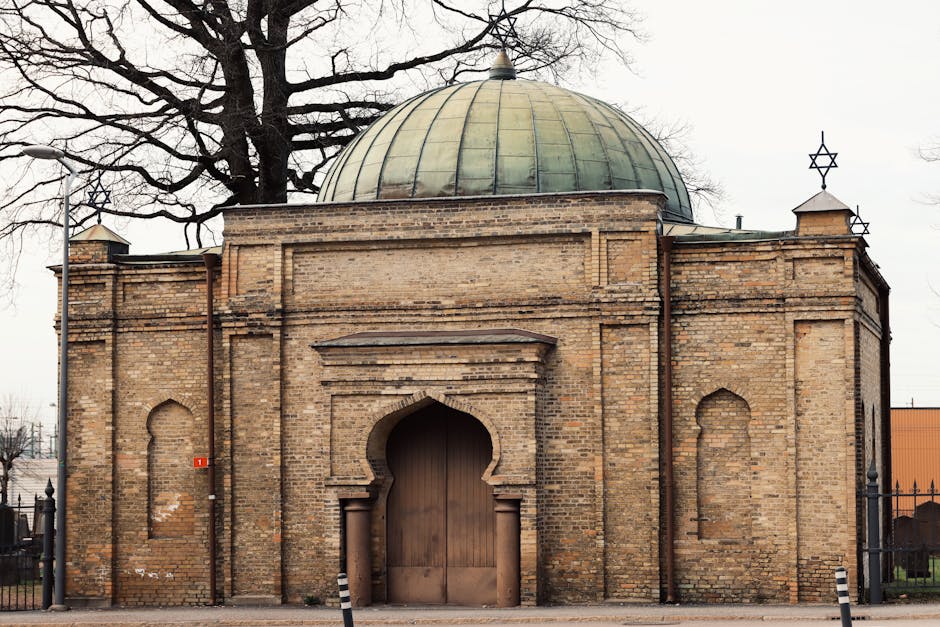
Erfurt, Germany
Erfurt boasts one of Europe's best-preserved medieval Jewish quarters, including a 13th-century synagogue and a mikveh (ritual bath) that offer a rare glimpse into pre-Holocaust Jewish life.
The Old Synagogue, now a museum, is among the oldest in Europe and houses the Erfurt Treasure, a collection of medieval jewelry and coins. The nearby mikveh, only rediscovered in 2007, speaks to a thriving medieval Jewish community. These sites provide a profound connection to a vital, yet often overlooked, part of German history.
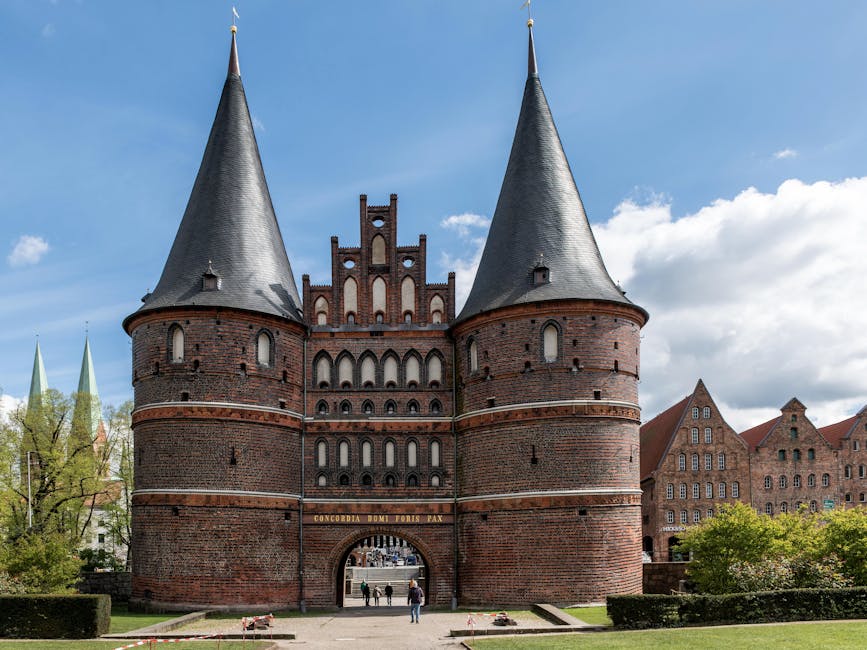
4. Lübeck: The Marzipan Metropolis
Lübeck, Germany
Lübeck isn't just known for its iconic Brick Gothic architecture; it's also the undisputed capital of marzipan, with a history tied to its Hanseatic trading power.
Legend says marzipan was invented here during a 15th-century famine when almonds and sugar were the only ingredients available. Today, Niederegger, established in 1806, is the most famous producer, drawing visitors to its café and shop. The city's wealth from its Hanseatic League days is still visible in its impressive gates and churches.
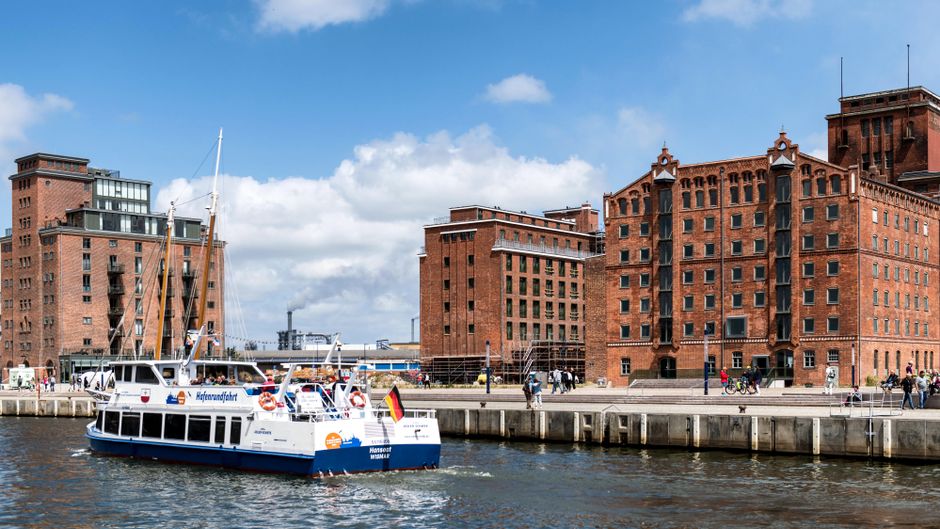
5. Wismar: Sweden's Baltic Jewel
Wismar, Germany
For over 100 years, Wismar was a Swedish possession, leaving a distinct architectural and cultural imprint on this Hanseatic port city now celebrated for its UNESCO-listed Brick Gothic heritage.
From 1648 to 1803, Wismar served as a vital Swedish administrative center, a legacy seen in its layout and some buildings. Alongside its sister city Stralsund, Wismar perfectly exemplifies the power and influence of the Hanseatic League through its grand churches, historic harbour, and gabled merchant houses, all built from characteristic red brick.
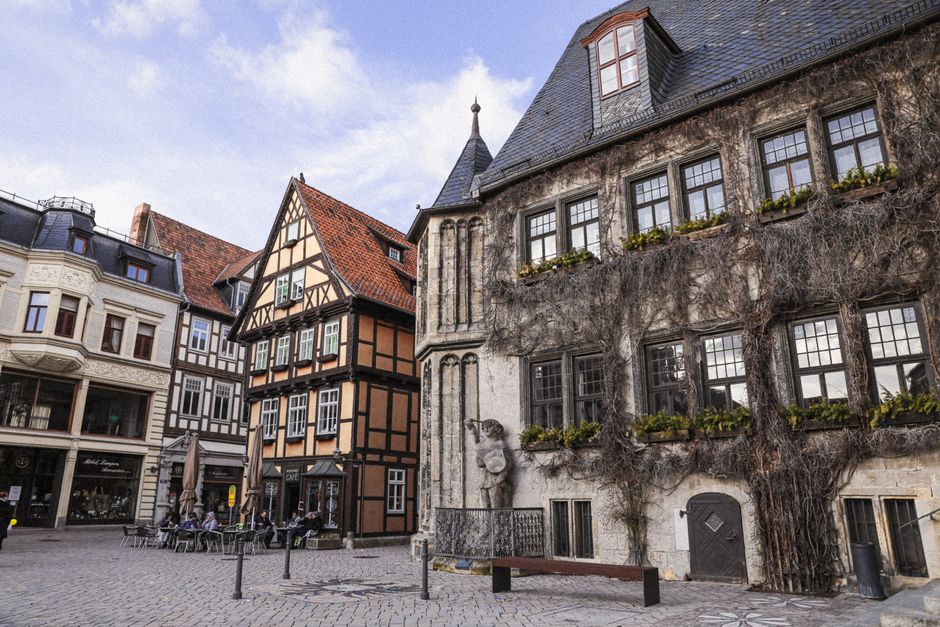
6. Quedlinburg: A Millennium of Timber
Quedlinburg, Germany
Quedlinburg, a UNESCO World Heritage site, preserves over 2,000 half-timbered houses spanning six centuries, making it one of Germany's most complete medieval townscapes.
The town's cobblestone streets wind through a labyrinth of these intricately carved and painted facades, some dating back to the 14th century. Above it all, the Romanesque Collegiate Church of St. Servatius, once an imperial abbey for noblewomen, stands guard. Quedlinburg offers an unparalleled journey into the daily life and architectural evolution of medieval Germany.
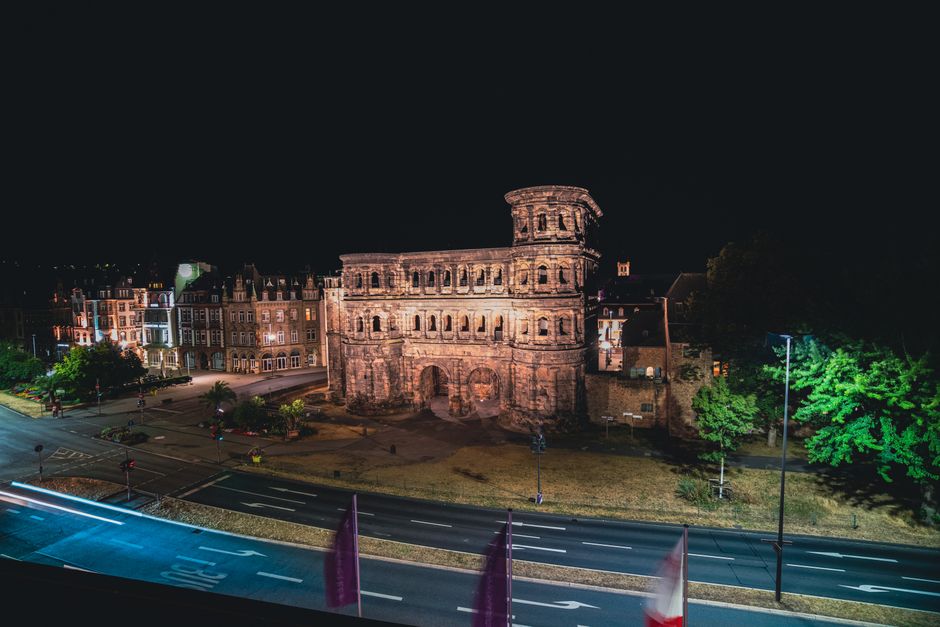
7. Trier: Rome's Northern Capital
Trier, Germany
Trier holds the distinction of being Germany's oldest city, founded by the Romans in 16 BC, and boasts more surviving Roman monuments than any other city north of the Alps.
Its UNESCO World Heritage sites include the Porta Nigra, the best-preserved Roman city gate, vast Imperial Baths, an amphitheater, and the Constantine Basilica. These structures speak to Trier's past as a major imperial residence and capital of the Western Roman Empire. Walking its streets feels like stepping directly into antiquity.
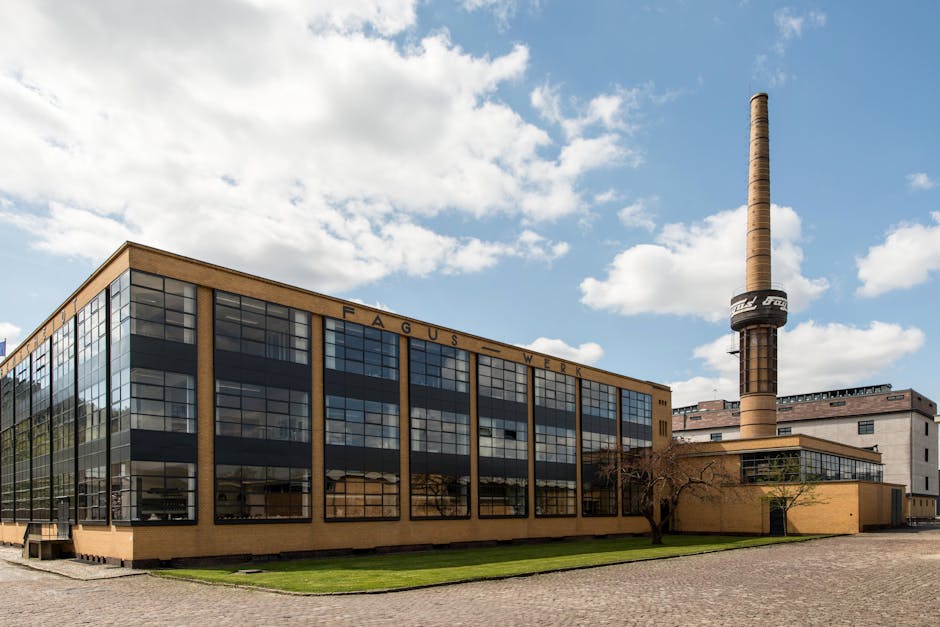
8. Dessau: The Bauhaus Blueprint
Dessau, Germany
Dessau is home to the most significant collection of Bauhaus architecture in the world, including Walter Gropius' iconic Bauhaus building, a revolutionary school of art and design.
The Bauhaus movement, which fundamentally shaped modern design and architecture, flourished here from 1925 to 1932. Visitors can explore not only the famous school building but also the Masters' Houses, where Gropius, Kandinsky, and Klee lived and worked. Dessau offers a unique pilgrimage for anyone interested in 20th-century innovation and design.
Frequently asked questions
What are some truly unique cities to visit in Germany?
Beyond the major hubs, cities like Görlitz offer cinematic architecture, Bamberg boasts a unique smoked beer tradition, and Trier presents an unparalleled collection of Roman ruins. Each offers a distinct historical and cultural experience away from the busiest tourist spots.
Is it easy to travel between these smaller German cities?
Germany has an excellent public transport network, primarily trains (Deutsche Bahn) and regional buses, making it relatively easy to travel between most cities, even smaller ones. Planning ahead can help, especially for less frequent routes to more remote locations.
What makes a German city "underrated"?
An underrated city often possesses significant historical, cultural, or architectural value but receives less international tourist attention compared to its more famous counterparts. They offer authentic experiences, fewer crowds, and often a more intimate connection to local life and history.
How can AllTours.ai help me explore these German cities?
AllTours.ai enhances your exploration by providing AI-powered audio tours. Simply point your phone camera at a landmark, landscape, or even a local dish, and the app narrates its history, geology, and culture in your language, bringing these underrated cities to life with rich, contextual storytelling.
Photography via Pexels. AllTours.ai is an AI audio tour guide — point your camera at any landscape and hear its story.