September 13, 2026 · 4 min read
Montreal is a city of captivating contrasts, where historic European charm meets North American dynamism. For newcomers, understanding how the language laws in Montreal affect job opportunities and daily life is crucial. Quebec's Charter of the French Language (Bill 101) prioritizes French, shaping everything from storefront signs to workplace communication.
Yet, this linguistic landscape offers a unique cultural immersion, where bilingualism is often an asset, and the city thrives on its diverse communities. To truly grasp Montreal's essence and navigate its practicalities, sometimes you need to look beyond the obvious. Here are some less-trodden paths that reveal the city's rich past, diverse present, and how language has woven through its very fabric.
1. Where Fortunes Were Forged: The Lachine Fur Trade Museum
Lachine, Canada
This former trading post reveals the complex cultural exchanges and economic engine that built early Canada.
Long before tech startups, Montreal's economy was driven by the fur trade. The Lachine Fur Trade Museum, housed in the Maison LeBer-LeMoyne, was a strategic site where French traders met Indigenous trappers, showcasing the origins of commerce and cross-cultural communication. It’s a vivid reminder of how early 'job opportunities' required adaptability and a keen understanding of diverse languages and customs.
2. Bohemian Echoes: Carré Saint-Louis
Montreal, Canada
This charming square was once a vital public water reservoir before becoming a sanctuary for Montreal's bohemian artists.
Nestled just north of Sherbrooke Street, Carré Saint-Louis offers a tranquil escape. Its elegant Victorian architecture and central fountain replaced a utilitarian water basin in the late 19th century, attracting poets, musicians, and writers who shaped Montreal's artistic identity. This square embodies a different kind of 'daily life,' where French intellectualism blossomed and creative pursuits found a home, contributing to the city's vibrant cultural scene.
3. From Grain to Gourmet: Marché Atwater's Roots
Montreal, Canada
Built on land reclaimed from the Lachine Canal, this iconic market is a living link between Montreal's industrial past and its diverse culinary present.
Marché Atwater, with its striking Art Deco tower, opened in 1933. It stands where canal-side industries once thrived, embodying the city's shift from a manufacturing hub to a vibrant cultural and gastronomic center. This market is a testament to how waves of newcomers, from early industrial workers to modern-day chefs and farmers, have contributed to Montreal's economy and 'daily life,' often through shared food traditions that transcend language barriers.
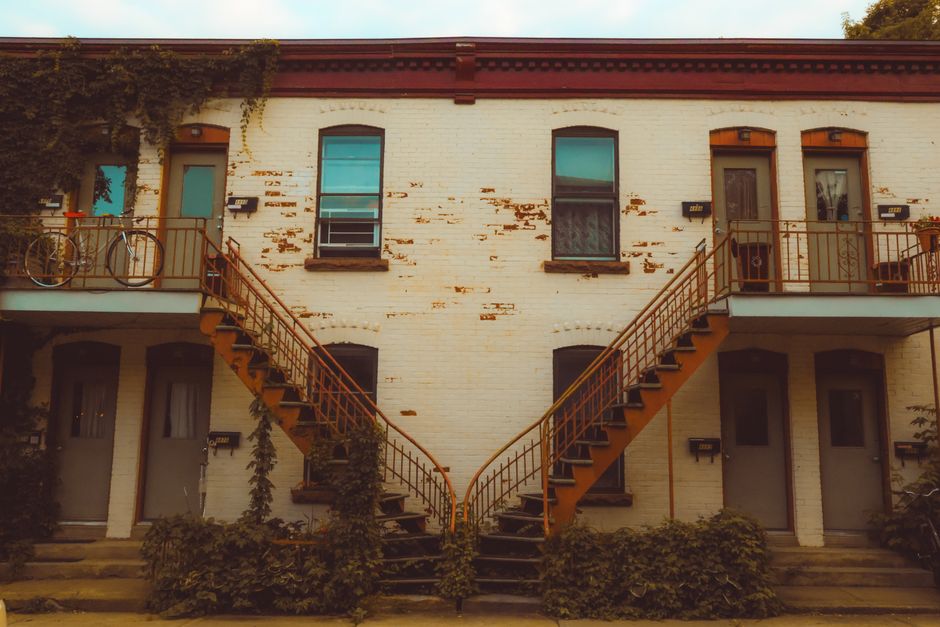
4. The Practical Poetics of the Plateau's Staircases
Plateau Mont-Royal, Canada
Montreal's iconic exterior staircases weren't just for aesthetics; they were a clever architectural response to space and tax laws.
Wandering through the Plateau Mont-Royal, you can't miss the elaborate wrought-iron staircases adorning many duplexes and triplexes. These structures became prevalent in the late 19th and early 20th centuries, allowing for larger interior living spaces on narrow lots and, crucially, avoiding property taxes on enclosed entryways. They are a unique example of how practical constraints shaped the city's distinct urban aesthetic and the 'daily life' of its residents.
5. Pioneering Women: Maison Saint-Gabriel
Pointe-Saint-Charles, Canada
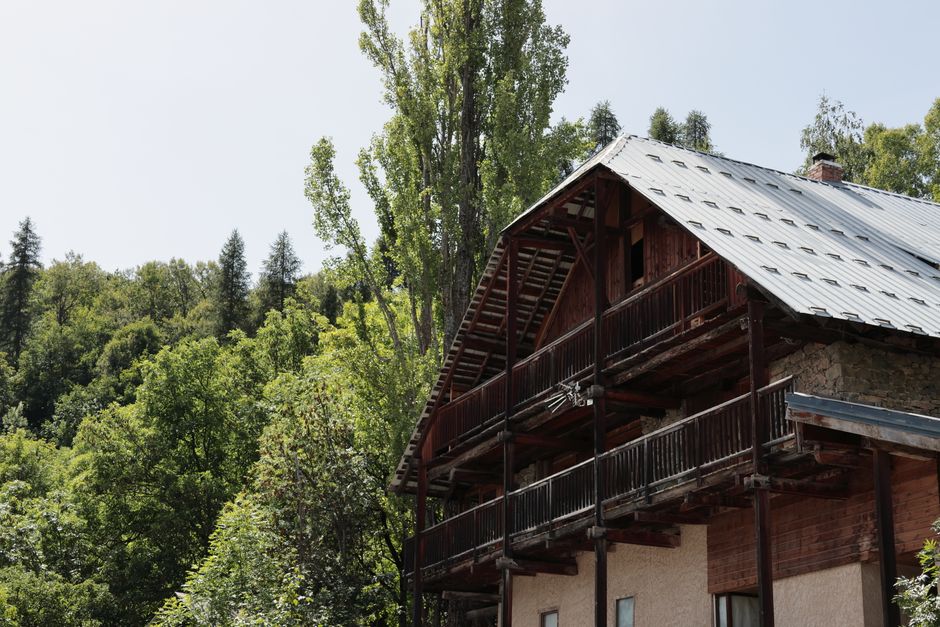
This historic farmhouse tells the story of the 'Filles du Roi,' single women sent from France to populate New France and establish families.
Dating back to 1668, the Maison Saint-Gabriel was acquired by Marguerite Bourgeoys for the education of these young women. It offers a poignant look at the challenges and contributions of early female immigrants to Quebec's society, who played a vital role in the colony's growth. Their stories highlight the foundational 'job opportunity' of nation-building and the resilience required to forge a new life in a new land.
6. A Cabinet of Curiosities: The Redpath Museum
Montreal, Canada
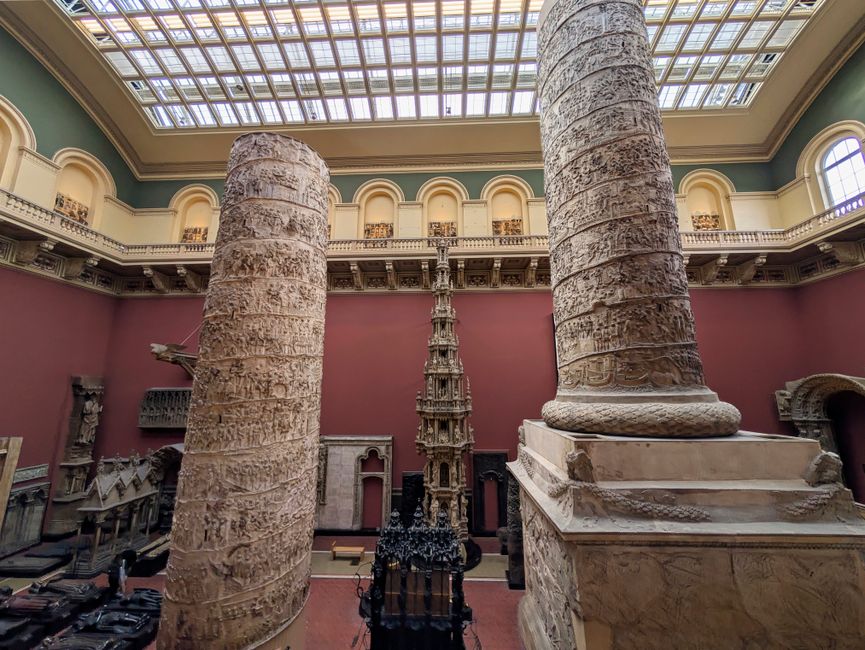
One of Canada's oldest museums, its eclectic collection ranges from dinosaur skeletons to Egyptian mummies, a testament to Victorian-era scientific curiosity.
Opened in 1882, the Redpath Museum at McGill University was a gift from Peter Redpath. This natural history museum offers a glimpse into the intellectual foundations of the city, where scientific exploration and education have long been cornerstones. It represents a different kind of 'job opportunity' – that of scholarship and discovery – and underscores Montreal's long-standing commitment to learning and cultural enrichment, regardless of language.
7. Urban Farmland: Parc Angrignon's Secret
LaSalle, Canada
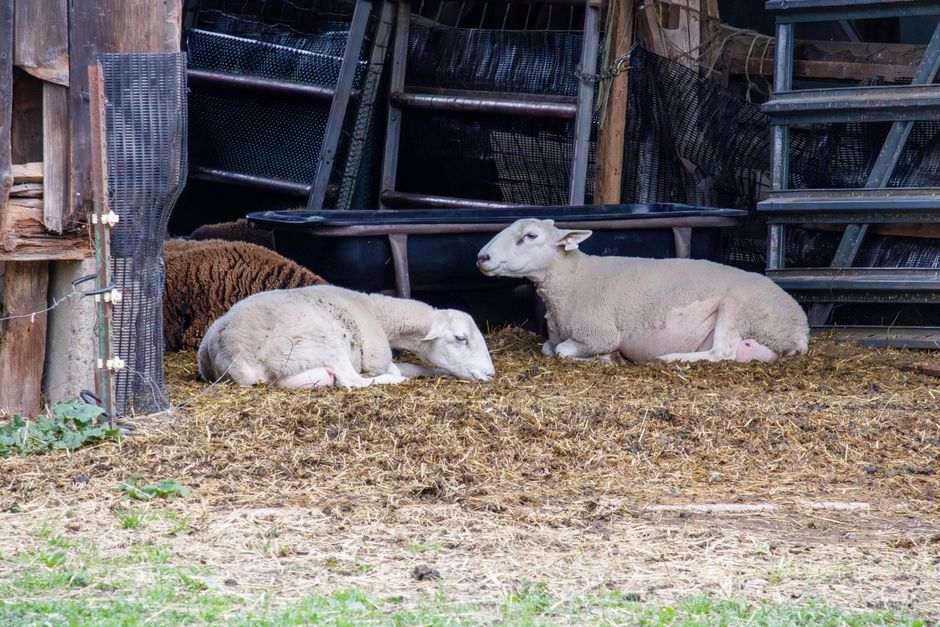
Within a sprawling urban park, a working farm persists, a charming relic of Montreal's agricultural roots.
Designed in the English landscape style, Parc Angrignon, established in 1927, includes a small farm with animals. It's a delightful, often unexpected, reminder of the pastoral landscapes that once surrounded the city and the ongoing connection to local food production. This hidden gem offers a quiet counterpoint to urban 'daily life,' connecting residents to sustainable practices and a simpler past.
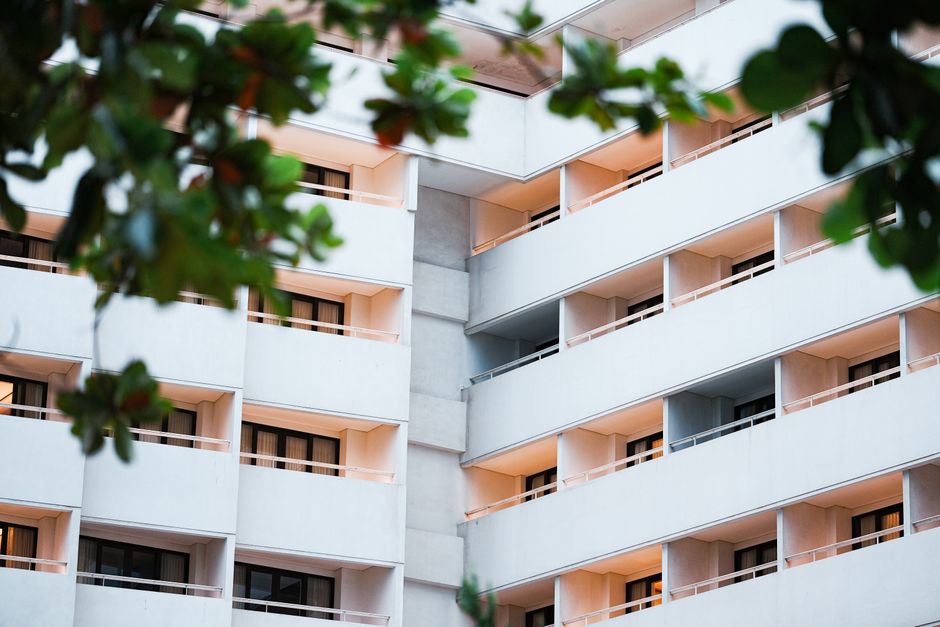
8. Experimental Living: Habitat 67
Île Sainte-Hélène, Canada
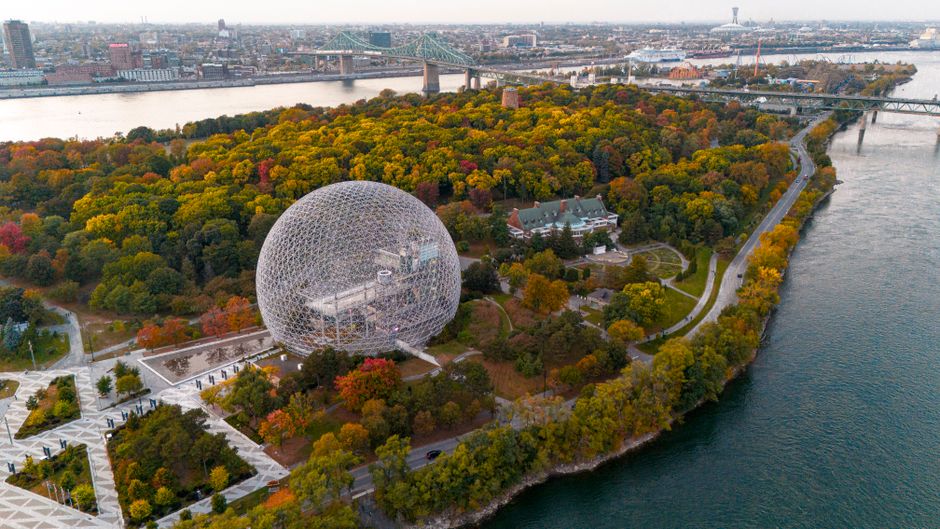
This striking complex of stacked concrete boxes was an experimental housing project for Expo 67, challenging traditional urban living.
Designed by Moshe Safdie for Expo 67, Habitat 67 explored prefabricated modular homes, aiming to combine suburban advantages with urban density. It remains a functioning, sought-after residential community, a testament to ambitious architectural vision and innovative urban planning. Habitat 67 represents a bold vision for 'daily life' and housing solutions, showcasing Montreal's readiness to embrace the future while respecting its past.
Frequently asked questions
Do I need to speak French to live in Montreal?
While Montreal is largely bilingual, speaking French is highly recommended and often necessary for full integration into daily life and many aspects of the job market. Quebec's language laws prioritize French, especially in public services and larger workplaces.
Which job sectors in Montreal are most impacted by language laws?
Sectors with direct public interaction, such as retail, hospitality, and public services, often require proficiency in French. Many professional fields, especially in larger companies, also expect French fluency, though bilingualism (French and English) is a significant asset across various industries, particularly in international business and tourism.
Can I get by with only English in Montreal's daily life?
In many tourist areas and with younger generations, you can often navigate daily life in English. However, for deeper engagement with local culture, administrative tasks, and certain services, learning French will significantly enhance your experience and ease your 'daily life' in the city.
How does AllTours.ai help me explore Montreal's unique stories?
AllTours.ai enhances your exploration by providing rich, contextual narratives. Simply point your phone camera at any landmark or landscape, and the app will narrate its history, geology, and cultural significance in your preferred language, allowing you to uncover Montreal's hidden layers at your own pace.
Photography via Pexels. AllTours.ai is an AI audio tour guide — point your camera at any landscape and hear its story.