June 19, 2026 · 4 min read
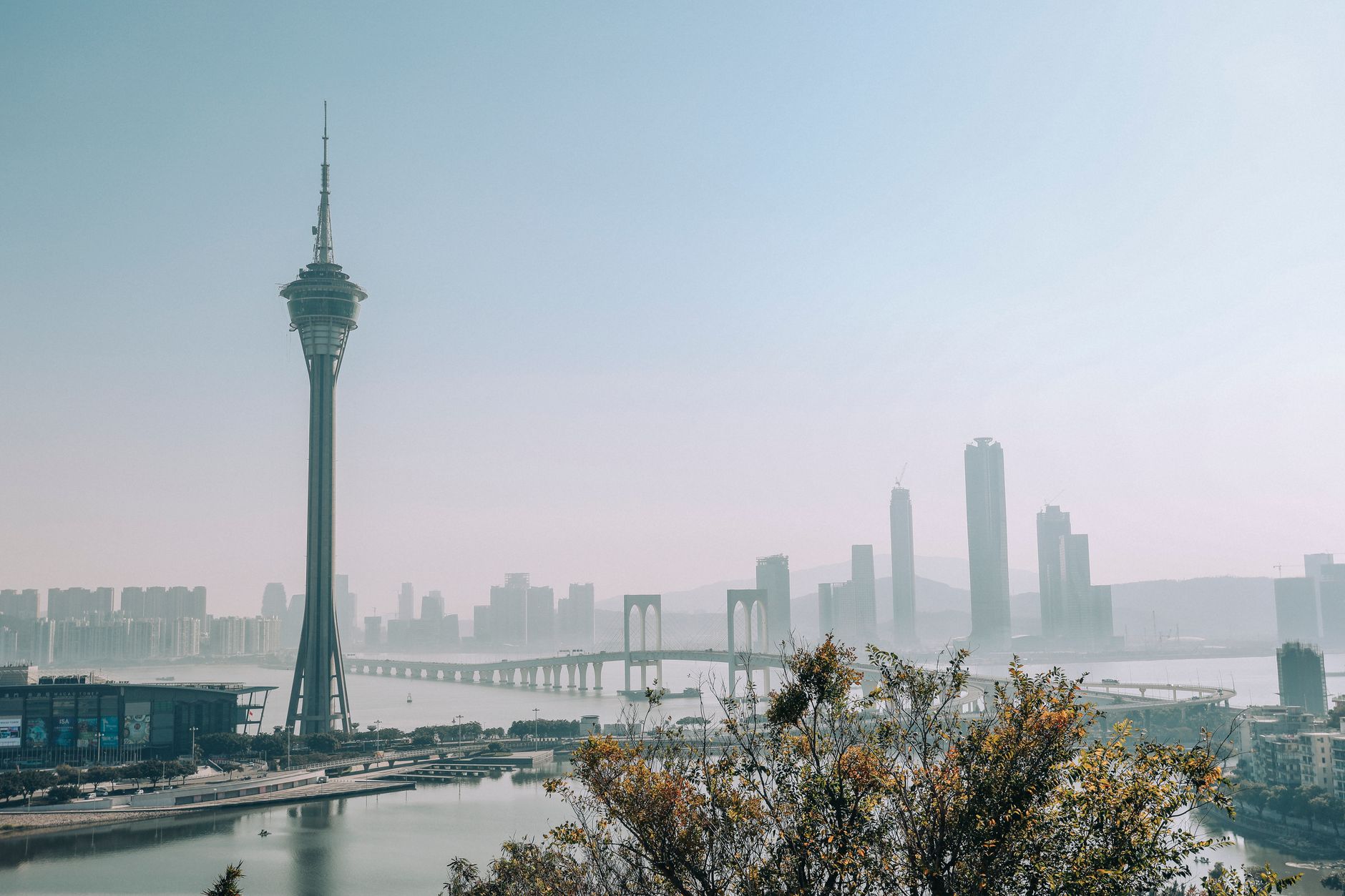
Macau often conjures images of dazzling casinos and vibrant nightlife, a reputation largely fueled by its gaming industry. But what if this perception sells the city short? The question of whether Macau should broaden its tourism collaboration beyond the Hong Kong Tourism Board, engaging with Hong Kong’s wider tourism industry, isn't just about marketing; it's about revealing a deeper, richer Macau.
This city, a unique fusion of Chinese and Portuguese cultures, holds centuries of stories far beyond the gaming tables. Imagine a Macau where every cobblestone alley, every faded colonial facade, and every quiet temple whispers tales of pioneering thinkers, ancient treaties, and communities built on resilience. Let's explore the hidden corners that prove Macau's profound depth, spots that would captivate any curious traveler looking for more than just a quick thrill.
1. Kun Iam Temple & the Treaty of Wanghia
Macau, China
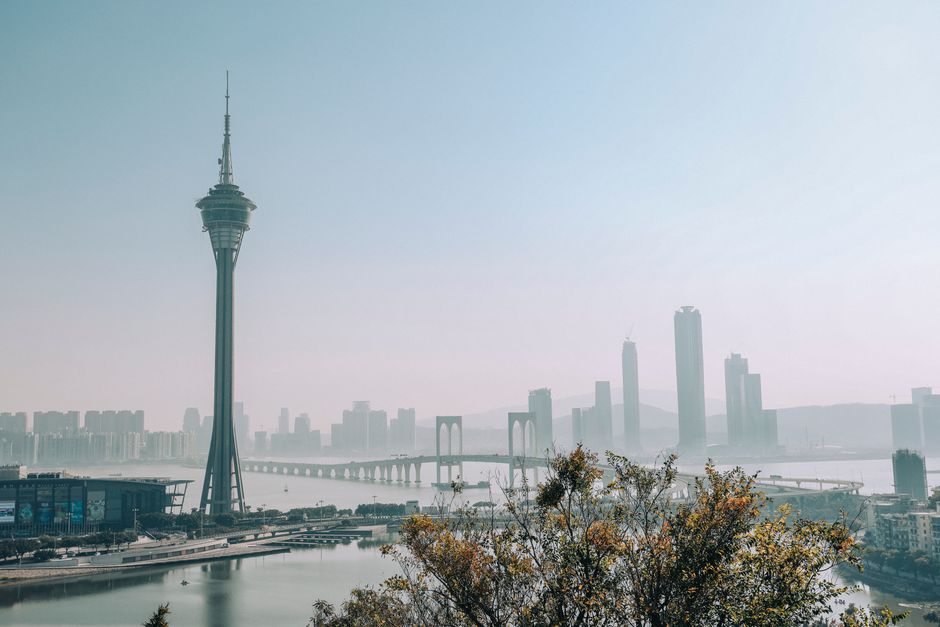
This ancient Buddhist temple was the unlikely setting for the signing of the Treaty of Wanghia, the first diplomatic agreement between China and the United States.
Built in the 13th century, Kun Iam Temple stands as one of Macau's oldest and most significant temples. Its tranquil gardens and intricate architecture belie a pivotal moment in global history: in 1844, a stone table in its courtyard bore witness to the signing of the Treaty of Wanghia, granting American merchants trading rights in China. This event shaped early Sino-American relations from a quiet corner of Macau.
2. The Mandarin's House: A Reformer's Legacy
Macau, China
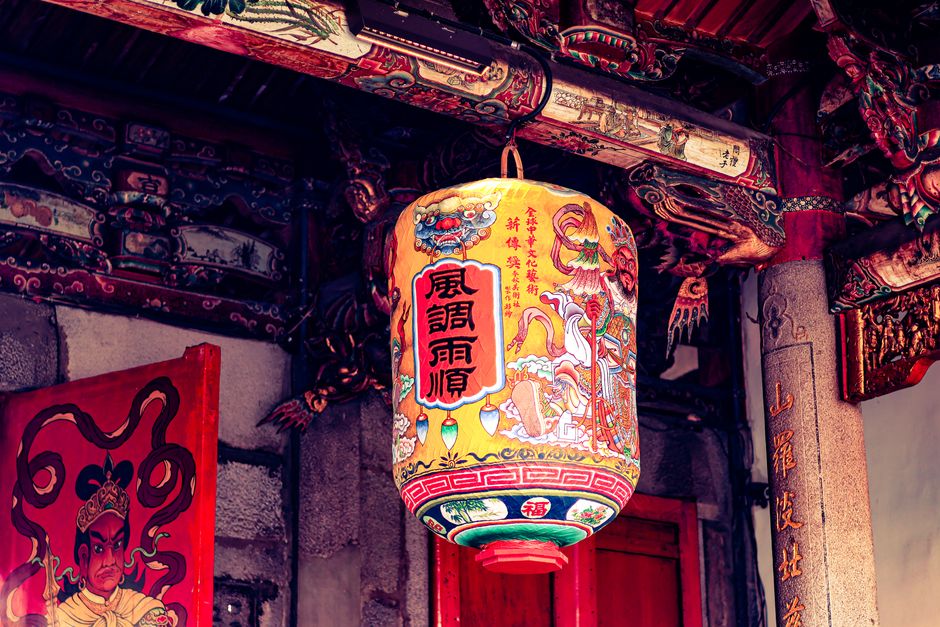
A sprawling 19th-century Chinese courtyard house, it was home to Zheng Guanying, a reformist intellectual whose influential writings inspired Sun Yat-sen.
Hidden within a bustling neighborhood, the Mandarin's House is a remarkable example of traditional Chinese residential architecture with subtle Western influences. This vast complex, covering over 4,000 square meters, was the residence of Zheng Guanying, a prominent Qing dynasty reformist. His seminal work, "Shengshi Weiyan" (Words of Warning in a Prosperous Age), advocating for constitutional monarchy and economic reform, was penned here and profoundly influenced key figures like Sun Yat-sen and Mao Zedong.
3. Ká Hó Village: A Serene Past
Coloane Island, Macau, China
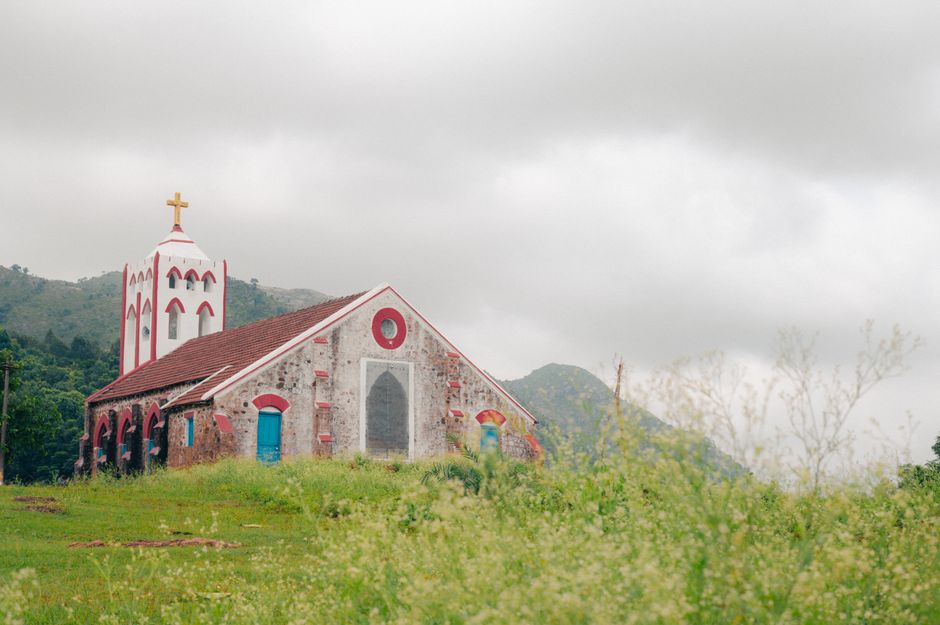
This secluded village on Coloane Island was once a leper colony, featuring a historic chapel with striking blue interiors and a poignant past.
Far from the city's glitz, Ká Hó offers a quiet retreat into Macau's lesser-known history. From the early 20th century, it served as a leprosarium, providing care and isolation for those afflicted. Today, the Ká Hó Chapel, built in 1930, stands as a testament to the community that once thrived here. Its vibrant blue and white interior, dedicated to Our Lady of Sorrows, provides a peaceful, reflective space amidst the village's green hills.
4. St. Lazarus District: Cobblestones and Creativity
Macau, China
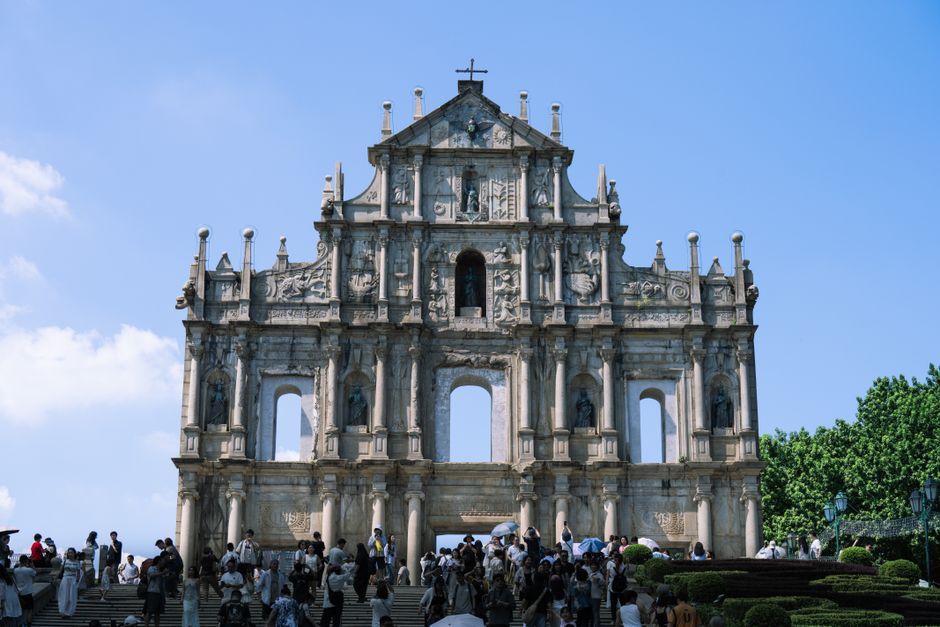
Macau's oldest Christian neighborhood, with its cobblestone streets and pastel buildings, was historically the site of the city's first leprosarium.
Just a short walk from the bustling city center, the St. Lazarus District feels like stepping into a different era. This charming area, centered around the Church of St. Lazarus, was established in the 16th century, originally housing a leprosarium—the city's first European-style institution. Today, its picturesque alleys, vibrant art galleries, and quaint cafes make it a hub for local artists and a quiet escape, retaining much of its historic European ambiance.
5. Dom Pedro V Theatre: Asia's First Western Stage
Macau, China
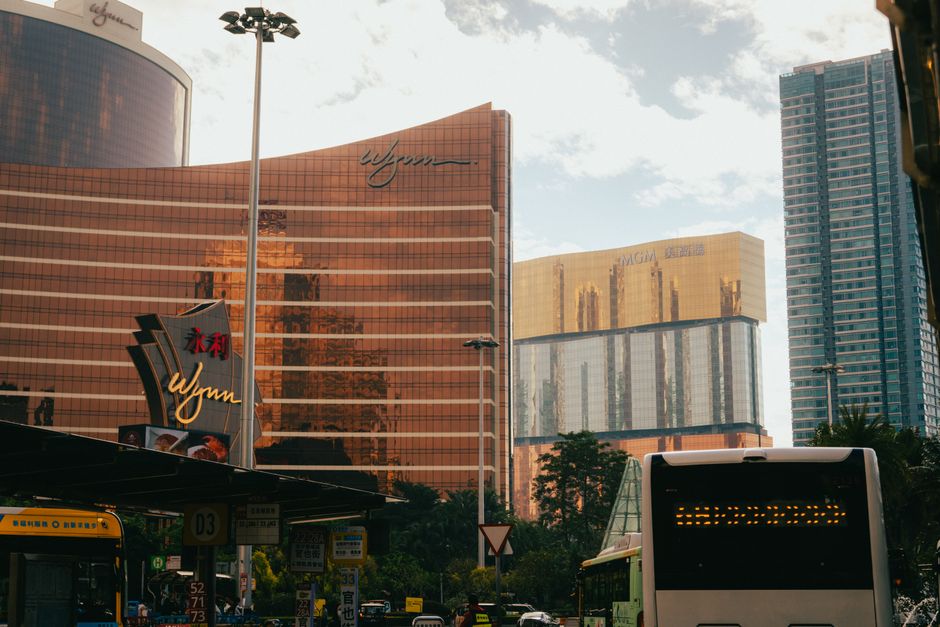
Inaugurated in 1860, this elegant neoclassical theatre holds the distinction of being the first Western-style theatre ever built in Asia.
A prominent landmark in the Historic Centre of Macau, the Dom Pedro V Theatre showcases Macau's early embrace of European culture. Commissioned by local Portuguese residents, its distinctive green exterior and neoclassical design evoke a sense of grandeur. Beyond its architectural beauty, the theatre has hosted countless plays, concerts, and cultural events for over 160 years, serving as a vital cultural bridge and a testament to Macau's enduring legacy as a meeting point of East and West.
6. Coloane Village: A Taste of Old Macau
Coloane Island, Macau, China
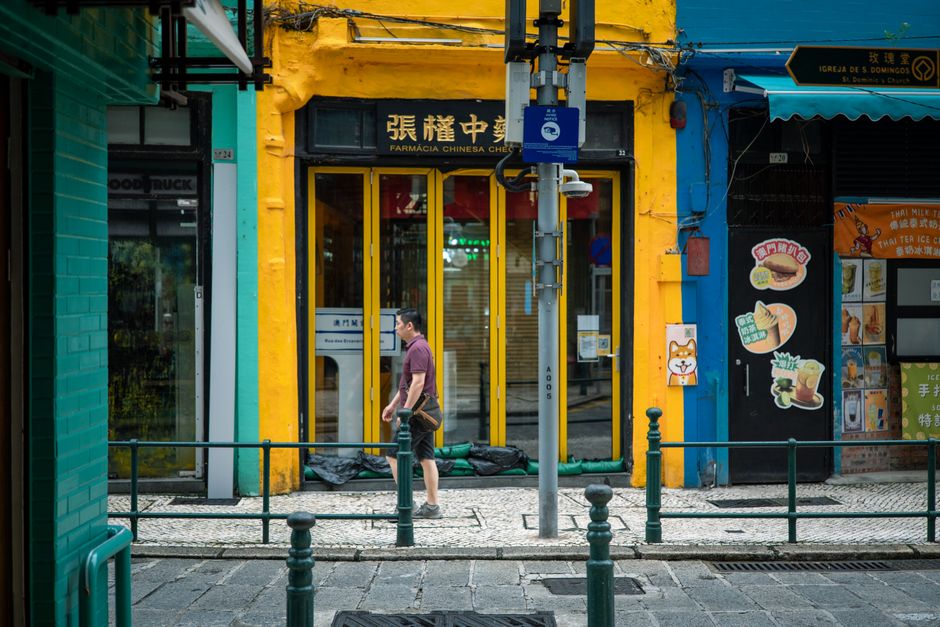
This tranquil fishing village on Coloane Island preserves Macau's traditional charm, offering a tangible link to the city's pre-casino era.
Stepping into Coloane Village is like traveling back in time. Unlike the bustling Cotai Strip, this village retains its laid-back, rustic appeal with narrow streets, pastel-colored houses, and a charming waterfront. It was once a haven for fishermen and smugglers, and its heritage is visible in the iconic St. Francis Xavier Chapel and the aroma of fresh Portuguese egg tarts from local bakeries. It’s a place where the rhythms of traditional Macanese life still gently unfold.
7. Lou Kau Mansion: Merchant's Hidden Gem
Macau, China
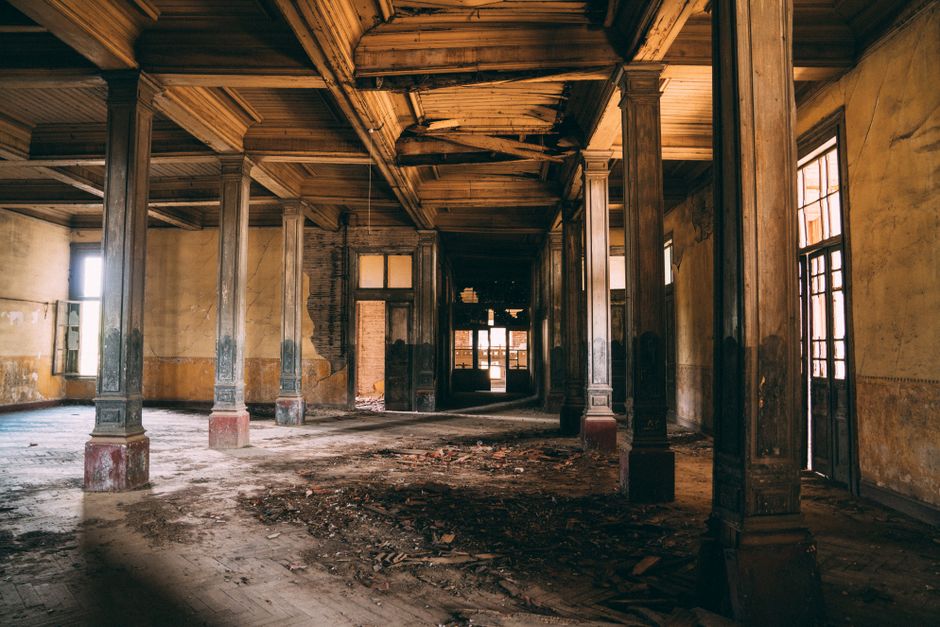
Tucked away near Senado Square, this elaborately decorated 19th-century traditional Chinese residential courtyard house offers a rare glimpse into a wealthy merchant's life.
While thousands pass through Senado Square daily, few notice the modest entrance to Lou Kau Mansion. This historic house, built around 1889, belonged to Lou Kau, a prominent Chinese merchant and financier. Its intricate design features classic Cantonese architectural elements, including carved wooden screens, elaborate stucco work, and a series of courtyards, reflecting the sophisticated lifestyle of Macau's affluent Chinese community during the colonial era.
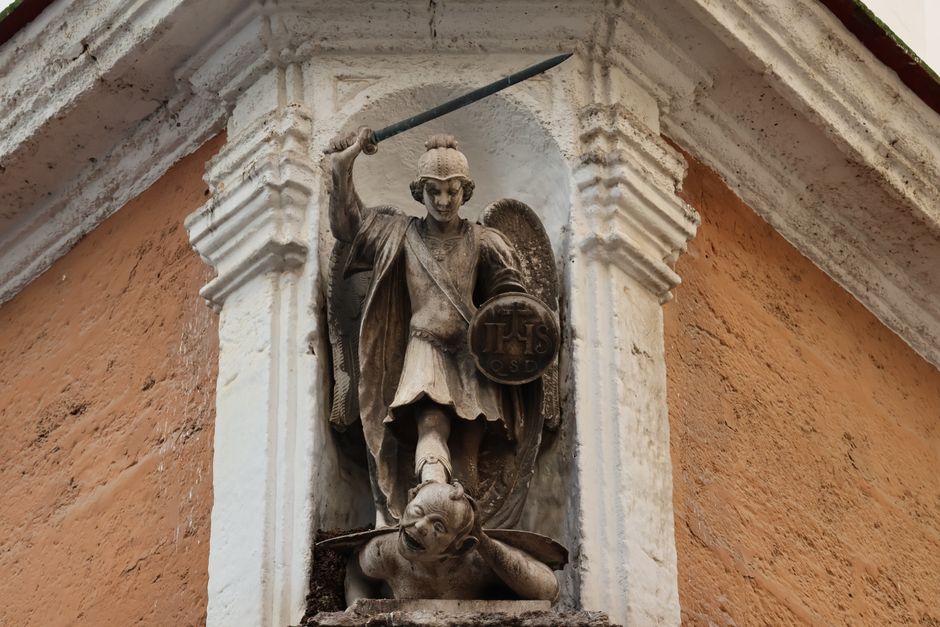
8. St. Michael the Archangel Cemetery: Resting Place of the Past
Macau, China
This historic European cemetery, nestled behind St. Lazarus Church, is the final resting place for prominent Macanese figures and European merchants, with graves dating back centuries.
Often overlooked, St. Michael the Archangel Cemetery offers a serene and poignant journey through Macau's colonial past. Established in the late 19th century, its weathered tombstones and elaborate monuments tell stories of Portuguese officials, British traders, and missionaries who called Macau home. The peaceful grounds provide a quiet contemplation space, revealing the diverse community that shaped the city's unique cultural tapestry over generations.
Frequently asked questions
What makes Macau's history unique compared to Hong Kong's?
Macau's history is predominantly shaped by its Portuguese colonial past, spanning over 400 years, leading to a distinct blend of Latin and Chinese cultures, architecture, and cuisine. Hong Kong, conversely, was a British colony for a shorter period, resulting in a different East-meets-West cultural fusion and urban development.
Is it easy to travel between Hong Kong and Macau?
Yes, travel between Hong Kong and Macau is very convenient. The most popular options include high-speed ferries, which take about an hour, or the Hong Kong-Zhuhai-Macau Bridge, which offers bus services and private car options. Both cities have efficient immigration procedures.
What are some must-try unique foods in Macau?
Beyond the famous Portuguese egg tart, Macau offers a rich culinary landscape. Don't miss African Chicken, a spicy and savory dish unique to Macau, Minchi (a minced meat dish), or Bacalhau (salted codfish), prepared in various Portuguese styles. Exploring local cafes and bakeries will reveal many more delights.
How can AllTours.ai help me discover these hidden Macau stories?
AllTours.ai enhances your exploration by turning your phone into an AI-powered audio tour guide. Simply point your camera at any landmark, landscape, or even a street scene, and the app will instantly narrate its history, geology, and cultural significance in your preferred language, revealing the hidden stories of places like those mentioned in this guide.
Photography via Pexels. AllTours.ai is an AI audio tour guide — point your camera at any landscape and hear its story.