September 23, 2026 · 4 min read
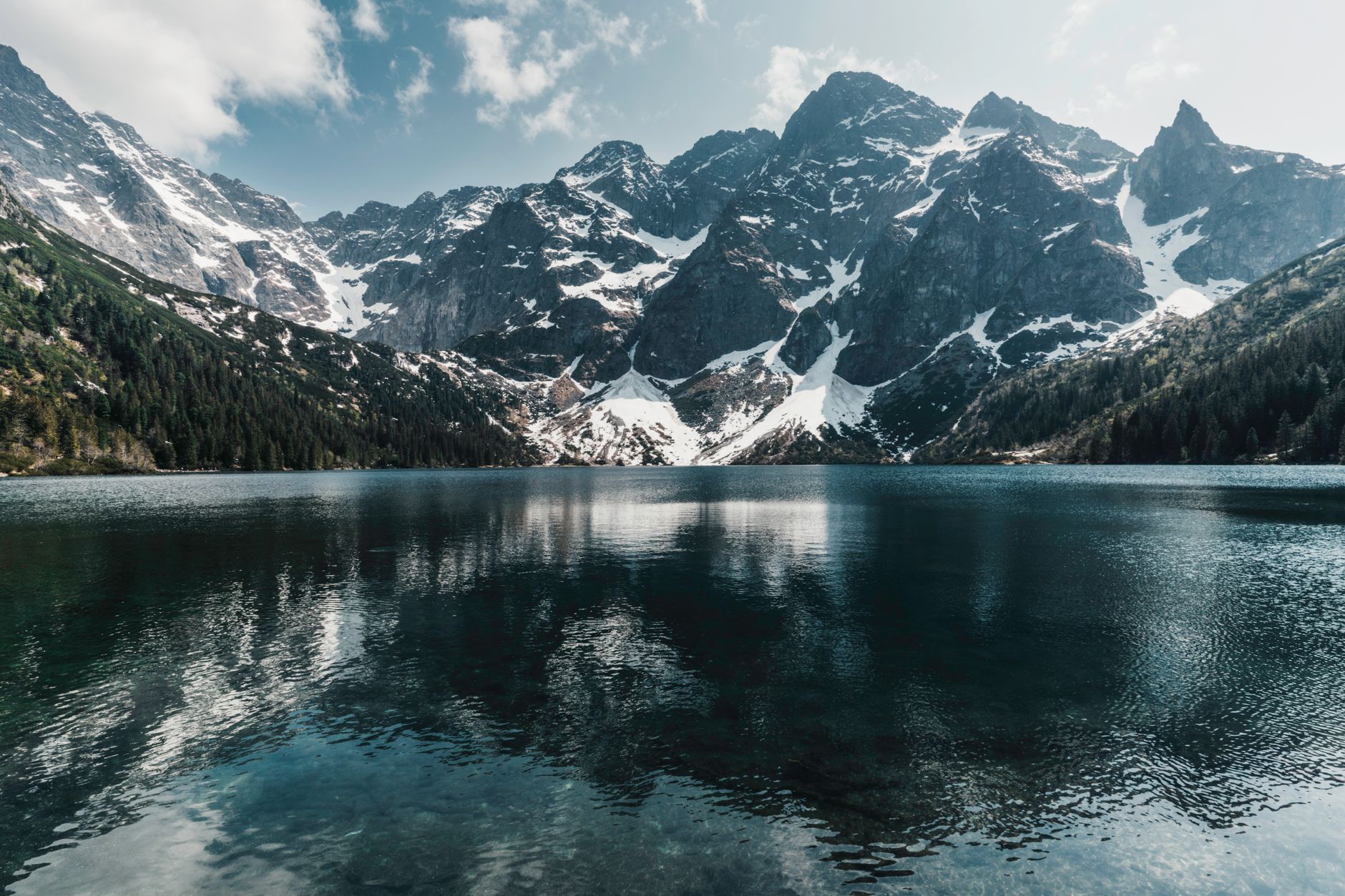
Poland is a country of captivating contrasts, from the medieval charm of Kraków to the dramatic peaks of the Tatra Mountains. While these iconic destinations rightly draw millions, the true magic of Poland often lies beyond the well-trodden tourist trails, tucked away in its lesser-known regions.
If you're asking 'where is the most beautiful place in Poland?' with a desire for genuine discovery, prepare to be surprised. We've curated a list of extraordinary, often overlooked locations that promise breathtaking scenery, fascinating history, and unique natural phenomena, far from the usual crowds.
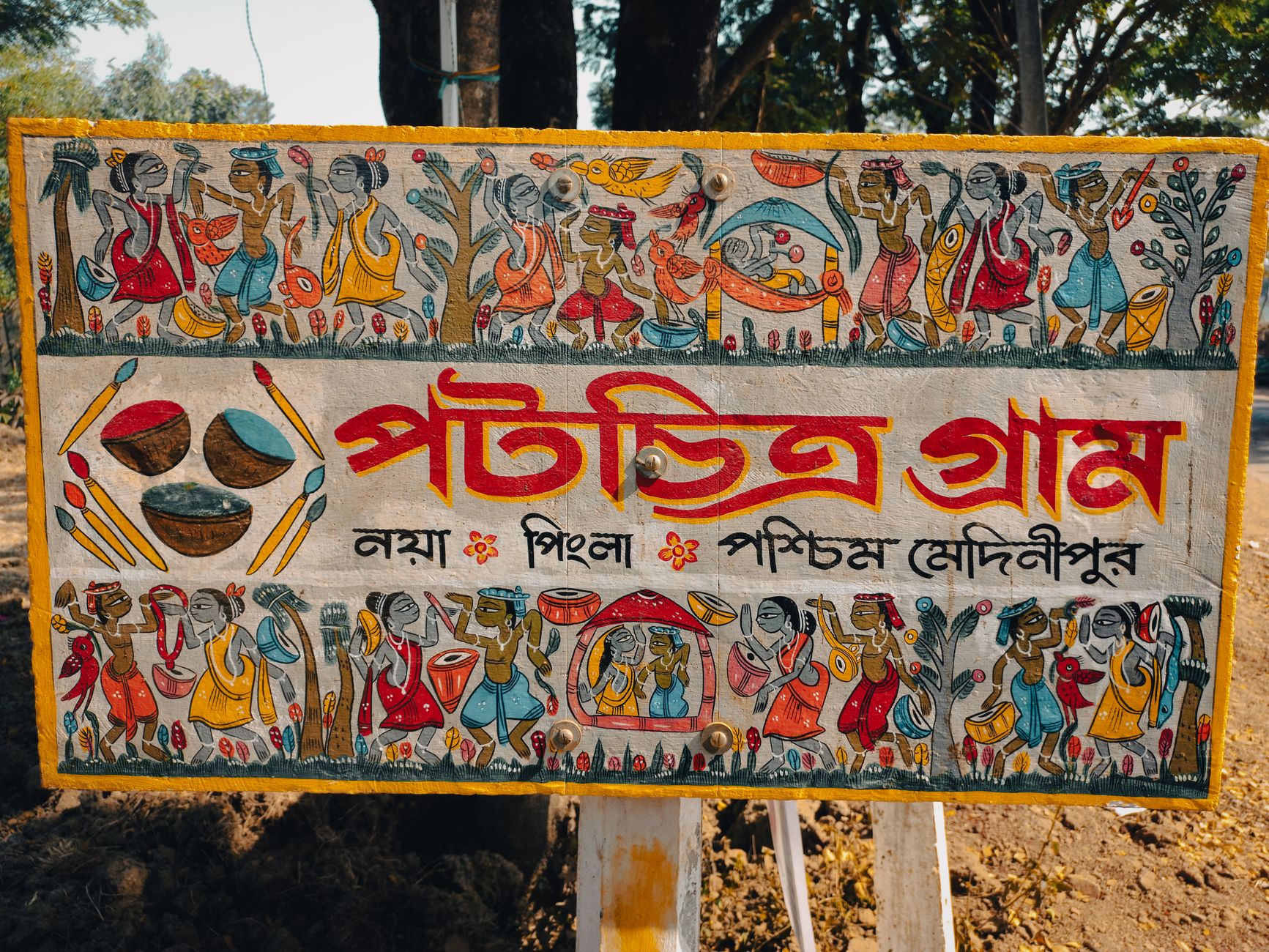
1. The Painted Village of Zalipie
Zalipie, Lesser Poland Voivodeship, Poland
Every house, barn, and even dog kennel in this tiny village is adorned with vibrant, hand-painted floral motifs.
For over a century, the women of Zalipie have continued a unique folk art tradition, transforming their homes into living canvases. What began as a way to cover soot stains from smoky stoves evolved into an elaborate, competitive art form. Each spring, new patterns bloom across walls, fences, and wells, making Zalipie a constantly evolving outdoor gallery unlike anywhere else.
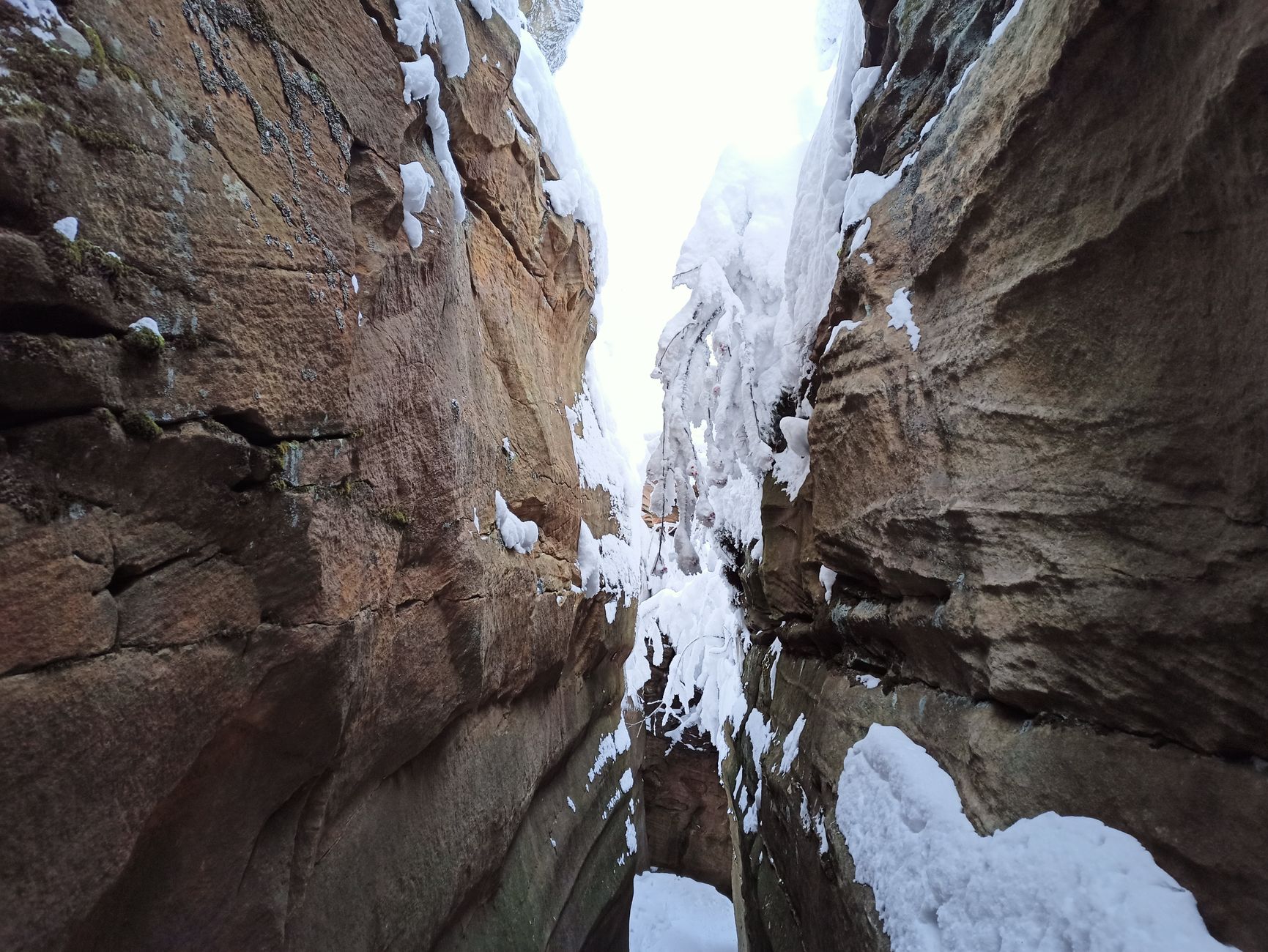
2. The Stone Labyrinth of Szczeliniec Wielki
Szczeliniec Wielki, Table Mountains National Park, Poland
Navigate an otherworldly maze of massive, weathered sandstone rocks that seem to defy gravity.
In the heart of the Table Mountains, Szczeliniec Wielki presents a unique geological wonder: a vast labyrinth carved by millennia of erosion. Visitors wander through narrow crevices, climb wooden ladders, and discover formations named after their resemblance to animals or objects. This natural sculpture garden, with its panoramic views, feels like stepping onto another planet, offering a truly immersive geological adventure.

3. The Underground Bat Metropolis of MRU
Międzyrzecki Rejon Umocniony, Lubusz Voivodeship, Poland
Beneath this massive WWII fortification lies Europe's largest artificial bat hibernation site.
The Międzyrzecki Fortified Region (MRU) is an extensive network of bunkers, tunnels, and armored structures built by Germany before and during WWII. Today, its underground labyrinths, stretching for kilometers, have become an ecological haven. Every winter, over 30,000 bats from various species gather here, making it one of the most important bat hibernation sites on the continent, a silent testament to nature reclaiming history.
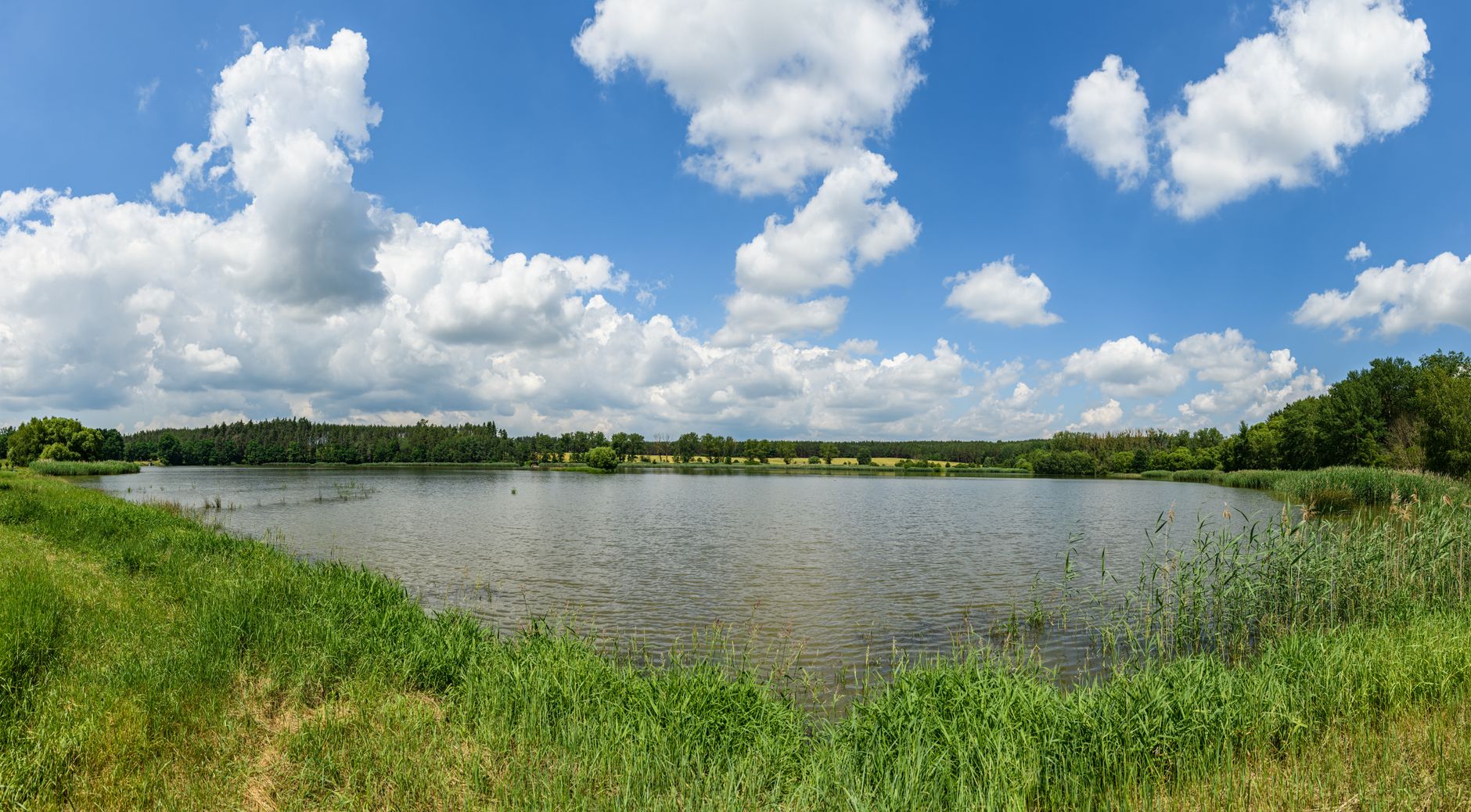
4. Europe's Ancient Fish Pond Empire
Barycz Valley Landscape Park, Lower Silesian Voivodeship, Poland
Discover a vast, intricate network of over 300 ancient fish ponds, some dating back to the 13th century.
The Barycz Valley is home to Europe's largest complex of carp ponds, a landscape meticulously sculpted by human hands over centuries. These traditional aquaculture systems, first established by Cistercian monks, now form an unparalleled wetland habitat. It's a paradise for birdwatchers, with over 270 species, including rare waterfowl and raptors, thriving in this unique blend of cultural heritage and ecological richness.
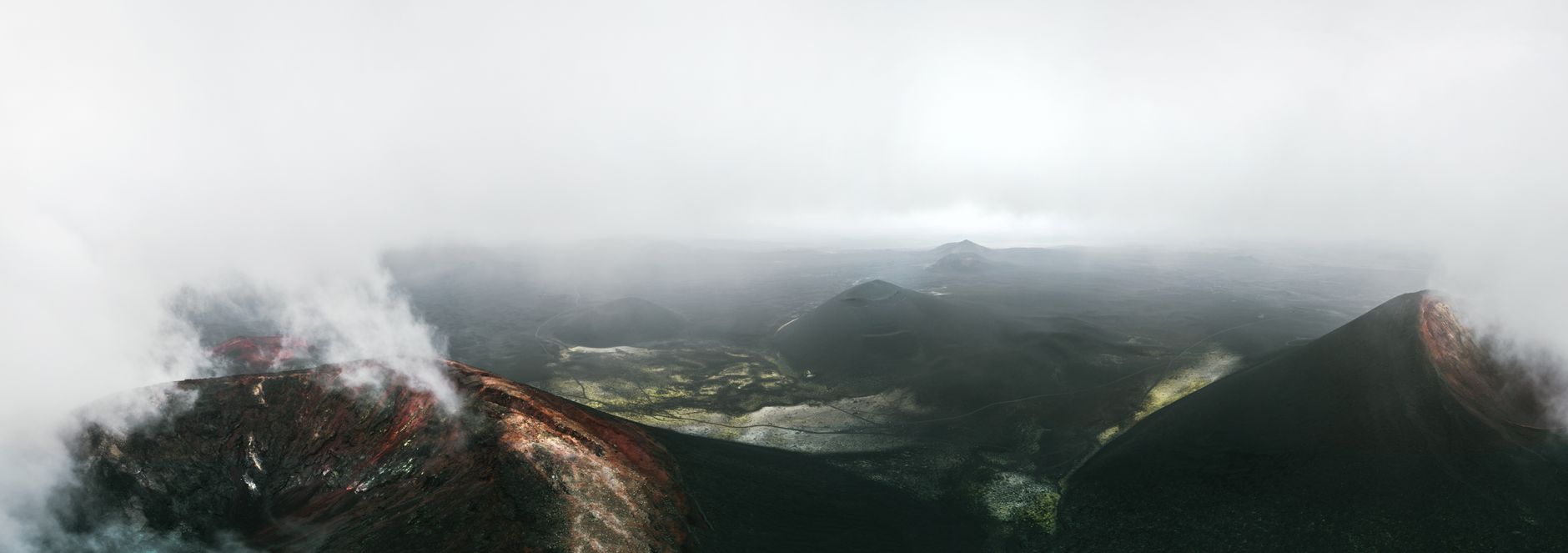
5. The Land of Extinct Volcanoes
Kraina Wygasłych Wulkanów, Lower Silesian Voivodeship, Poland
Explore a surprisingly volcanic landscape dotted with basalt cones and ancient lava flows.
Tucked away in Lower Silesia, this region is a geological anomaly, revealing Poland's fiery past. Millions of years ago, numerous volcanoes erupted here, leaving behind dramatic basalt cones and unique rock formations. Today, you can hike to the summits of these long-dormant giants, like Ostrzyca Proboszczowicka, and discover remnants of their explosive history, offering breathtaking views and a glimpse into deep time.
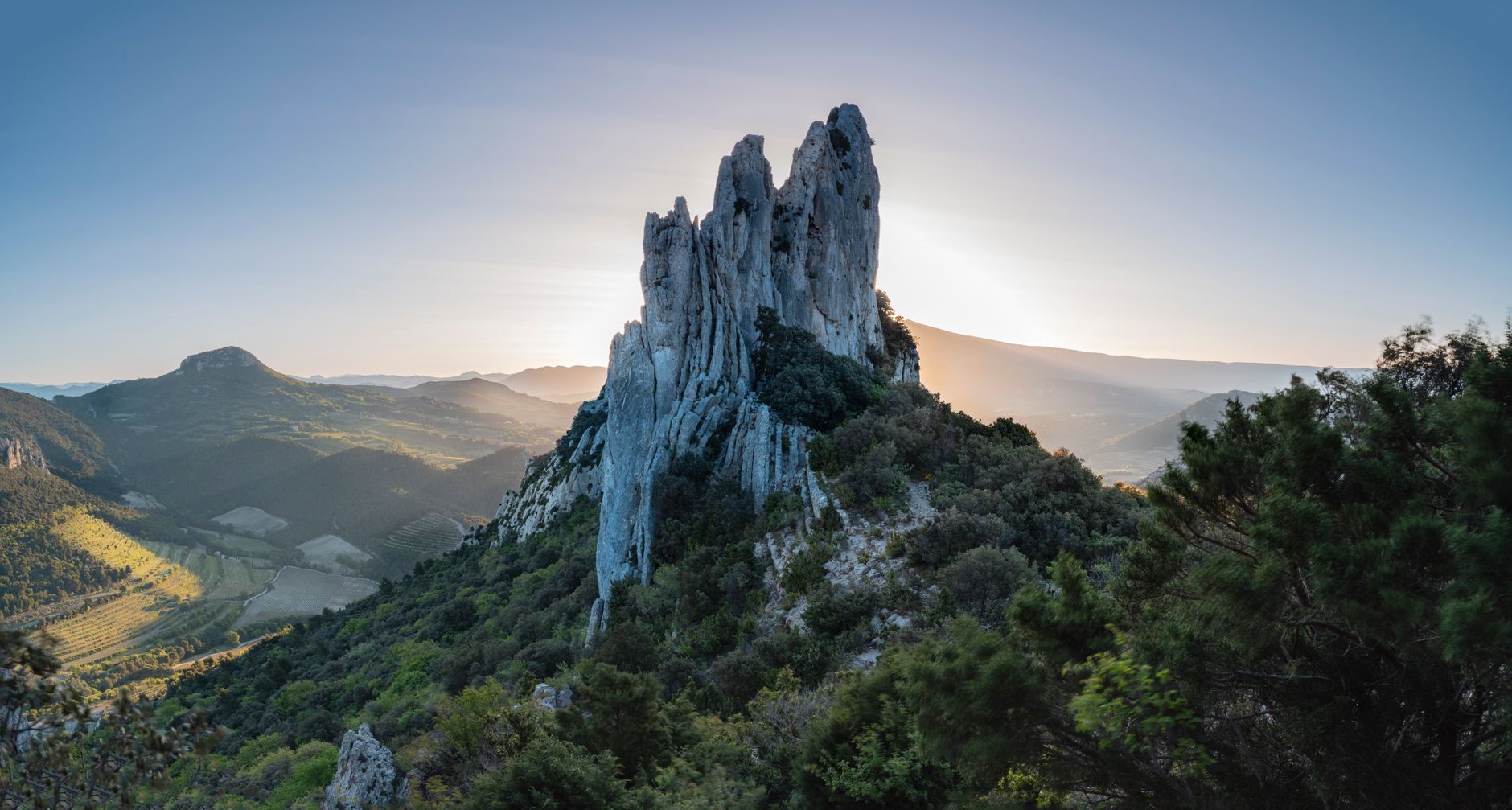
6. Hercules' Club: A Lone Limestone Giant
Ojców National Park, Lesser Poland Voivodeship, Poland
A towering, slender limestone rock formation stands defiantly on its narrow base, seeming to defy gravity and time.
Within Poland's smallest national park lies the dramatic Ojców Valley, famed for its striking limestone cliffs and caves. The most iconic feature is 'Maczuga Herkulesa' (Hercules' Club), a 25-meter-tall rock column eroded into an astonishing shape. This geological marvel, often topped by a small cross, stands sentinel beneath the Pieskowa Skała Castle, a symbol of nature's artistry and the region's ancient geological forces.
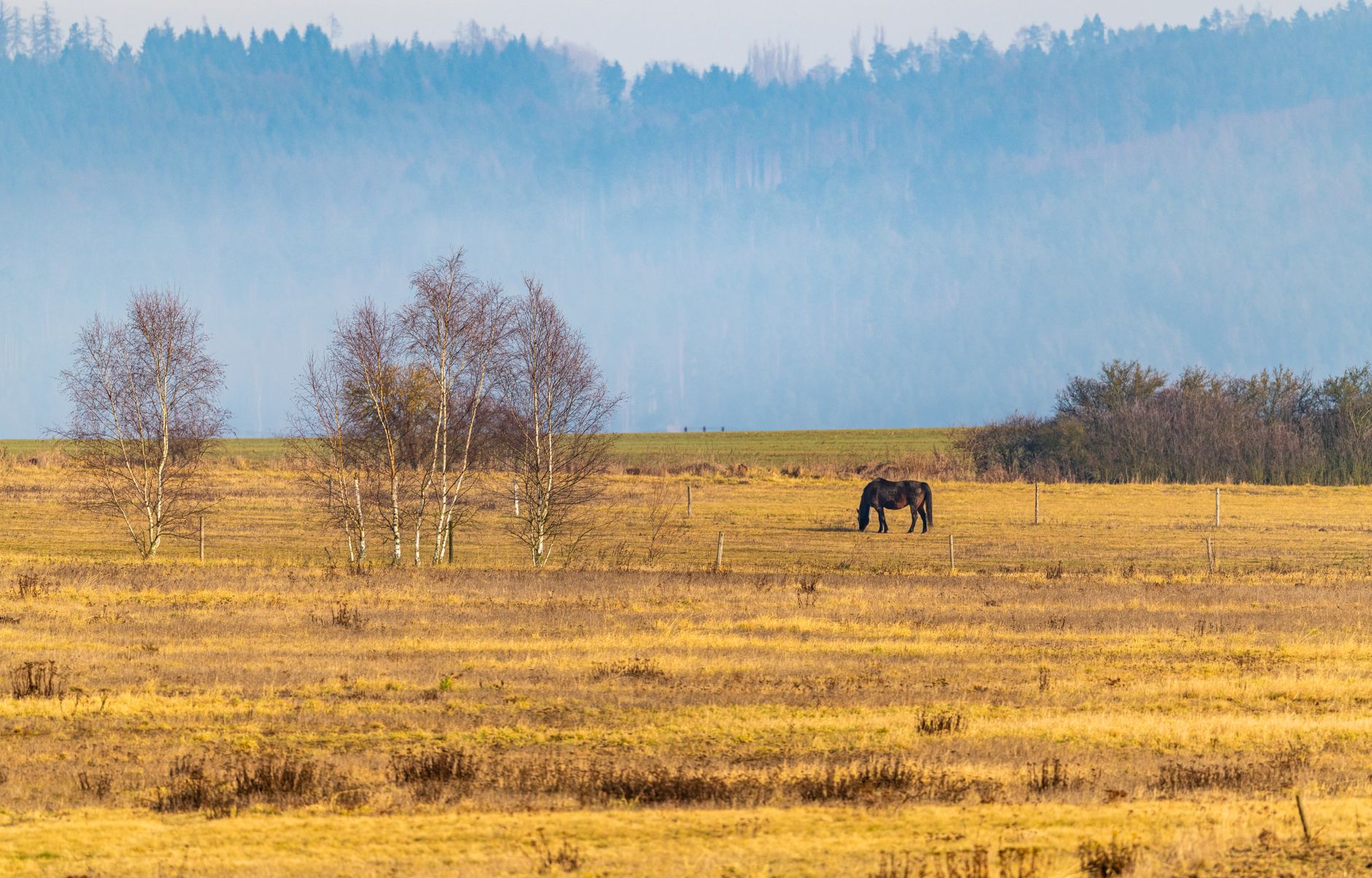
7. Roztocze's Wild Konik Ponies
Roztocze National Park, Lublin Voivodeship, Poland
Witness the ancient Konik Polski, small wild ponies directly descended from the extinct Tarpan, roaming free.
Often called 'Poland's Tuscany' for its rolling hills and picturesque landscapes, Roztocze National Park is a haven for unique biodiversity. Its most captivating inhabitants are the Konik Polski, hardy ponies that trace their lineage back to European wild horses. These semi-wild herds graze in designated reserves, playing a vital role in maintaining the park's natural ecosystems, offering a rare glimpse into Europe's ancient equine heritage.
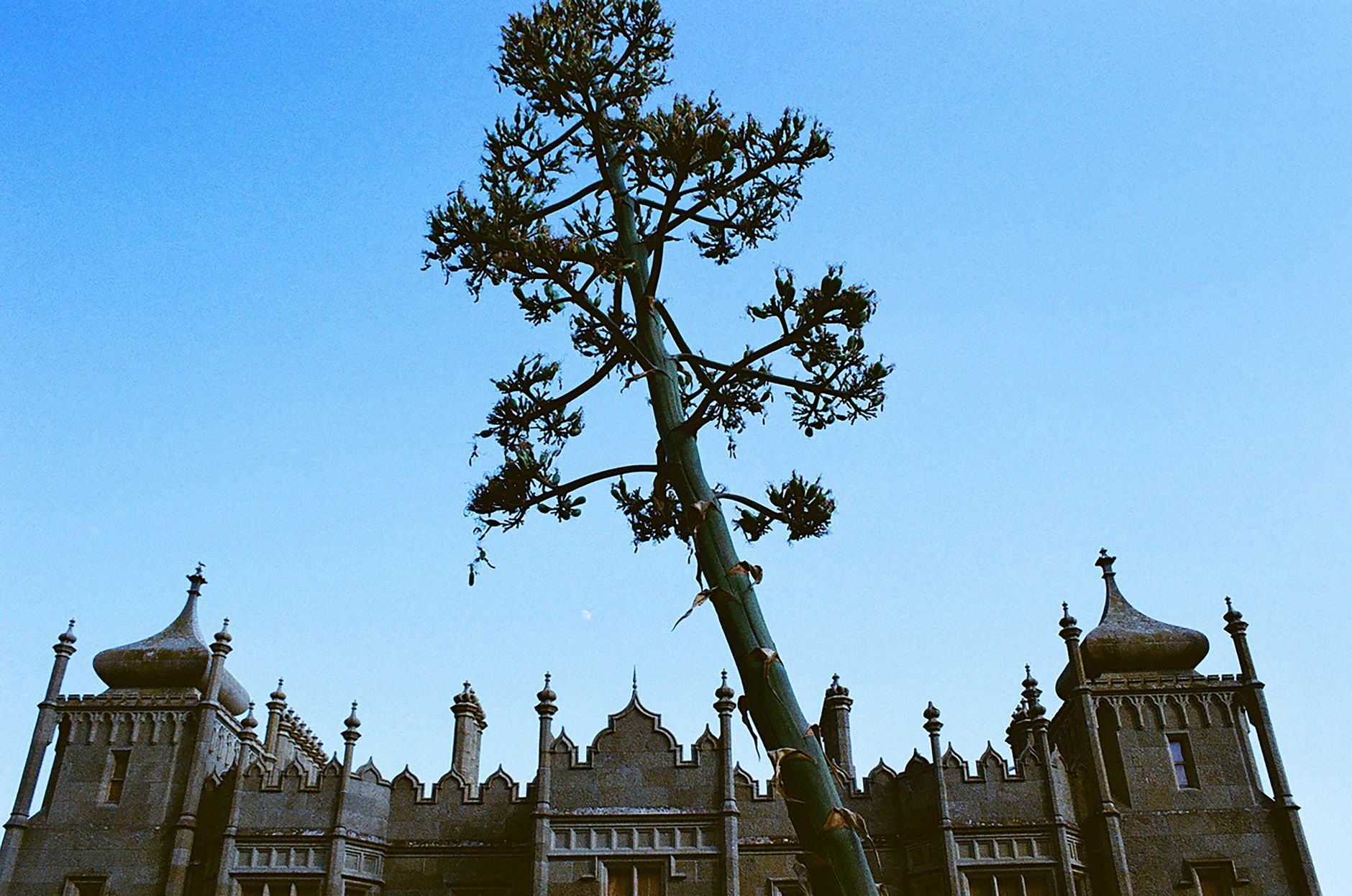
8. The Fantastical 99-Turreted Moszna Castle
Moszna, Opole Voivodeship, Poland
This eclectic, fairytale-like castle boasts an astonishing 99 turrets and 365 rooms, a true architectural fantasy.
Moszna Castle is a whimsical architectural masterpiece that blends various styles, predominantly Baroque and Neo-Gothic, creating an unforgettable silhouette. Built for a powerful industrialist family, the Tiele-Wincklers, it was never meant for defense but for grandeur and display. Its sheer scale and ornamental extravagance, surrounded by a sprawling park with ancient trees and unique rhododendrons, make it a lesser-known but utterly captivating Polish treasure.
Frequently asked questions
What is considered the most beautiful region in Poland?
While beauty is subjective, many consider the Tatra Mountains and the Masurian Lake District to be Poland's most stunning natural regions. However, for unique charm and hidden wonders, areas like Lower Silesia with its extinct volcanoes, or the cultural richness of Lesser Poland's villages, offer unparalleled beauty.
When is the best time to visit Poland for scenic beauty?
Late spring (May-June) or early autumn (September-October) are generally ideal. Spring brings lush greenery and blossoming landscapes, while autumn offers vibrant foliage and crisp air. Both seasons often have pleasant temperatures and fewer crowds than the peak summer months.
How can I explore Poland's lesser-known beautiful places?
Exploring lesser-known spots often requires a bit more planning and local insight. Consider renting a car for flexibility, researching regional bus or train connections, and looking for local guides. Engaging with local communities can also unveil hidden trails and stories not found in standard guidebooks.
How can AllTours.ai enhance my exploration of beautiful places?
AllTours.ai transforms your smartphone into a personal AI audio tour guide. Simply point your camera at any landmark or landscape, and the app instantly narrates its fascinating history, geology, and culture in your preferred language. It's the perfect companion for uncovering the rich stories behind Poland's most beautiful, and even its most obscure, locations.
Photography via Pexels. AllTours.ai is an AI audio tour guide — point your camera at any landscape and hear its story.