June 19, 2026 · 4 min read
Montreal is renowned for its vibrant bilingualism, a cultural blend that makes it unique in North America. While French is the official language, finding your footing as an Anglophone traveler or resident often means knowing which corners of the city offer a particularly welcoming atmosphere.
Beyond the well-trodden tourist paths, Montreal's true character shines in its local neighborhoods. We're diving deep into lesser-known enclaves, each with a unique story and a distinct openness to English speakers, proving that the city's warmth extends far beyond its historic core.
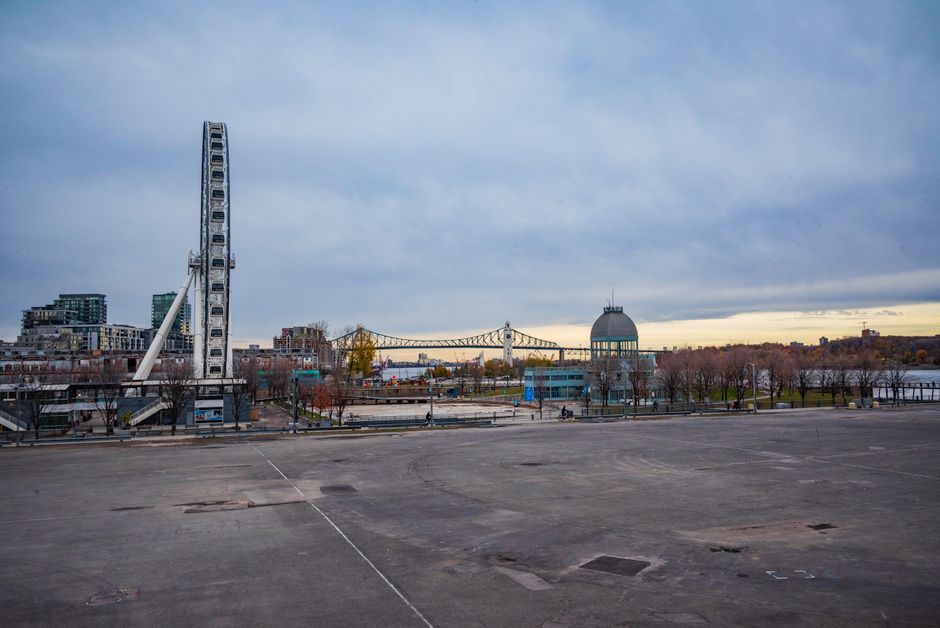
1. Verdun: The Dry Borough's Green Revival
Verdun, Canada
Once Canada's longest-standing "dry" borough, Verdun has transformed its strict past into a vibrant, bilingual waterfront community.
For decades, Verdun was notorious for its prohibition-era liquor laws, only fully lifting the ban on bars in 2014. This history fostered a strong, self-reliant community that always had a significant Anglophone population. Today, its revitalized promenade along the St. Lawrence River, local shops, and accessible green spaces make it a genuinely welcoming and diverse urban oasis.
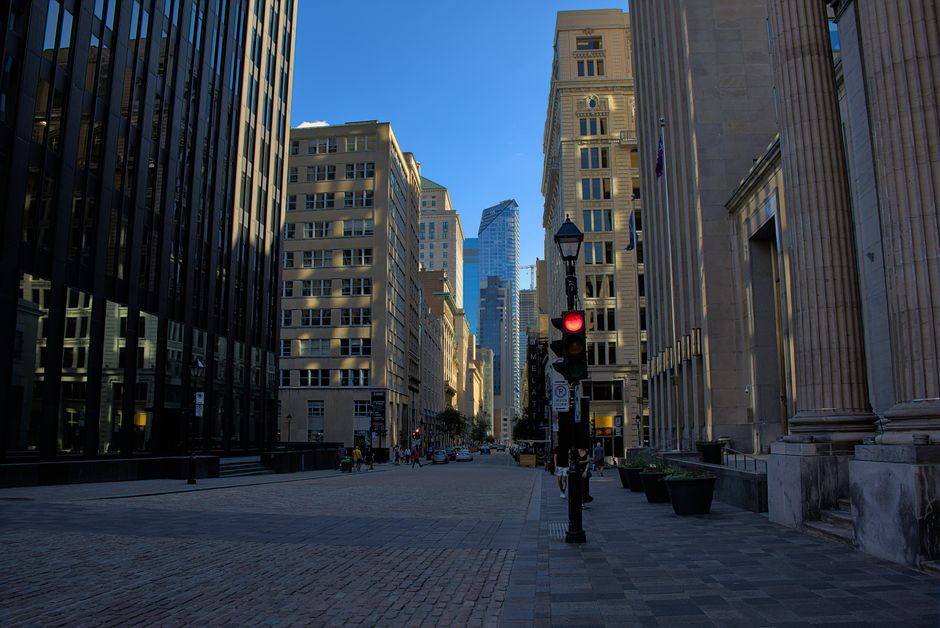
2. Notre-Dame-de-Grâce (NDG): A Legacy of Leafy Grandeur
Notre-Dame-de-Grâce, Canada
NDG's tree-lined streets conceal a surprising history as Montreal's first planned suburban expansion, shaped by early railway barons.
Developed largely in the late 19th and early 20th centuries, NDG was designed as an upscale residential area, attracting wealthy Anglophone families and railway executives. This heritage cemented its bilingual character, evident in its architecture and institutions. Today, it remains a diverse, family-friendly neighborhood with numerous parks, independent businesses, and a high concentration of English-speaking residents and services.
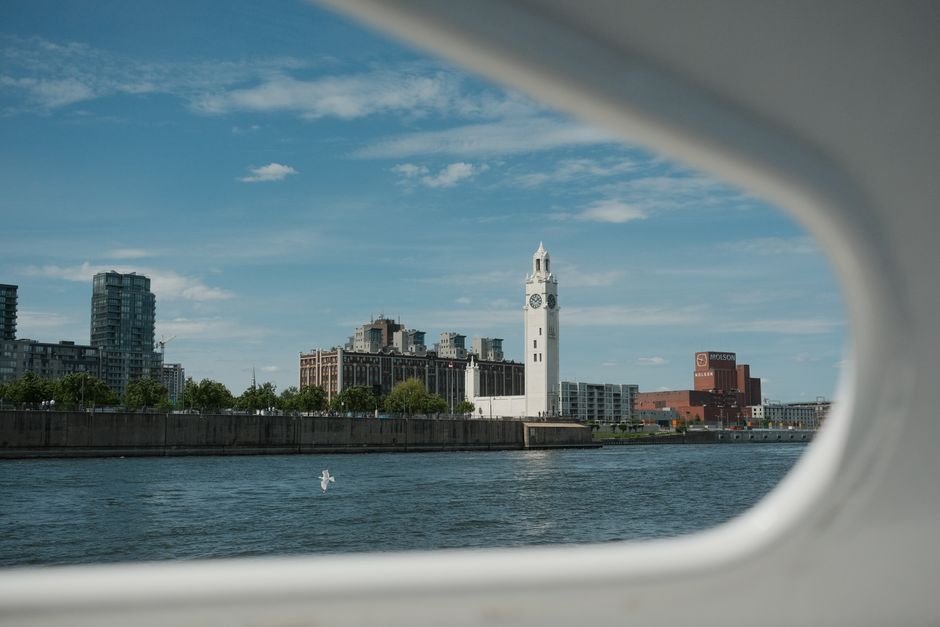
3. Pointe-Saint-Charles: Where Canada's First Train Ran
Pointe-Saint-Charles, Canada
This historic working-class district was the starting point of Canada's first railway and a crucible for industrial innovation and Irish immigrant life.
In 1836, the Champlain and St. Lawrence Railroad, Canada's first public railway, began its journey from Pointe-Saint-Charles. This industrial boom attracted waves of Irish immigrants, establishing a deep Anglophone root in the community. Though it faced economic hardship in later decades, the neighborhood's resilient spirit and strong sense of identity persist. Today, it offers a vibrant blend of old and new, with renovated lofts, community gardens, and a palpable sense of history along the Lachine Canal.
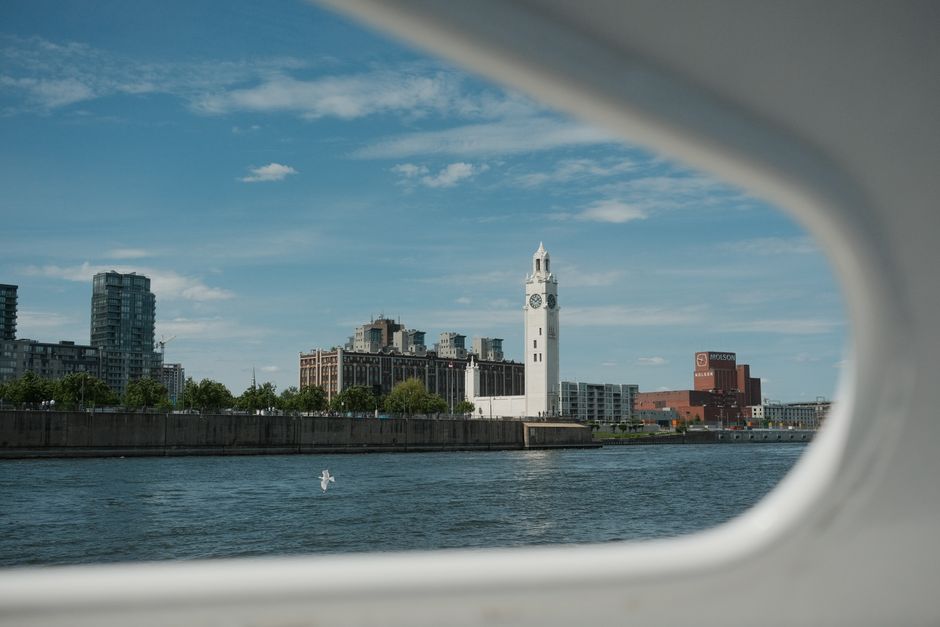
4. Lachine's Waterfront Echoes of the Fur Trade
Lachine, Canada
This tranquil waterfront borough was once a strategic gateway to the Great Lakes fur trade, site of a devastating 17th-century massacre and pivotal to New France's expansion.
Named by explorer René-Robert Cavelier, Sieur de La Salle, who hoped to find a passage to China ("La Chine"), Lachine's strategic location made it crucial for the fur trade. In 1689, it was the site of the infamous Lachine Massacre, a brutal attack by Iroquois warriors that shaped colonial history. Today, Lachine offers a picturesque escape with its historic canal, bike paths, and the Fur Trade at Lachine National Historic Site, preserving its deep Anglophone and Francophone past.
5. Côte-des-Neiges: A World in One Neighborhood
Côte-des-Neiges, Canada
One of Montreal's most ethnically diverse neighborhoods, Côte-des-Neiges is a living testament to global migration, hosting over 100 different communities.
Far from a typical tourist destination, Côte-des-Neiges offers an authentic glimpse into Montreal's multicultural fabric. Its streets are lined with diverse restaurants, shops, and places of worship reflecting its global population. Proximity to major universities like Université de Montréal and McGill also draws a significant Anglophone student and academic community, making it remarkably accommodating and a fascinating place to explore unique cultural fusions.

6. Little Burgundy: The Birthplace of Canadian Jazz
Little Burgundy, Canada
This historic neighborhood was the vibrant heart of Montreal's Black community and the cradle of Canadian jazz, nurturing legends like Oscar Peterson.
In the early 20th century, Little Burgundy thrived as a tight-knit community, particularly for Black railway porters and their families. Its vibrant nightlife and music clubs gave rise to a unique jazz scene, attracting international stars and fostering local talents. Though much has changed, the echoes of this rich cultural past can still be felt in its historic architecture and renewed community spirit, offering a welcoming, bilingual environment with deep roots.
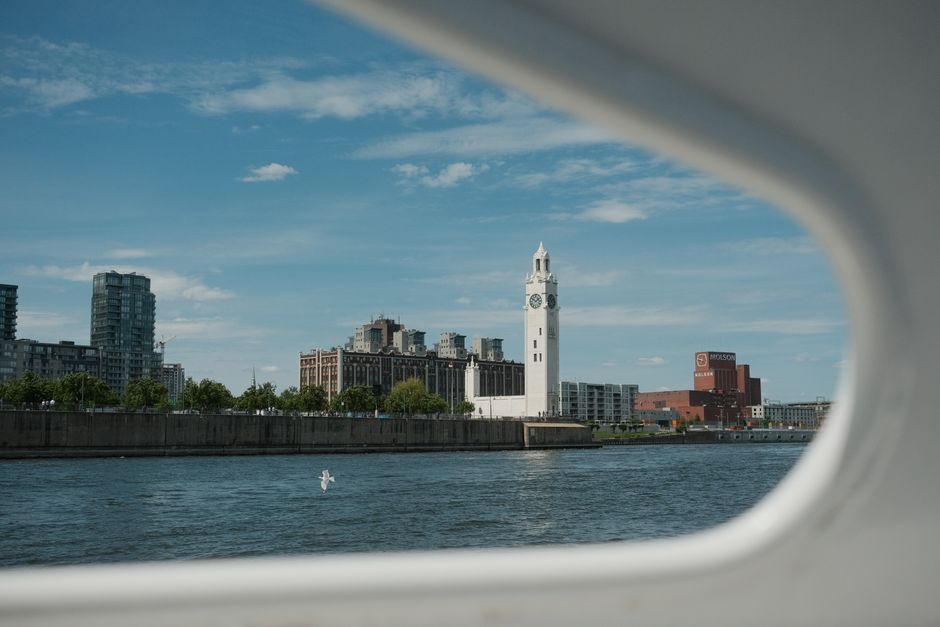
7. Saint-Henri: Industrial Resilience, Literary Echoes
Saint-Henri, Canada
Immortalized in Gabrielle Roy's classic novel "The Tin Flute," Saint-Henri profoundly shaped Montreal's industrial identity and working-class narratives.
Situated along the Lachine Canal, Saint-Henri was a bustling industrial hub for centuries, attracting a diverse workforce, including many Anglophone immigrants. Its gritty, resilient character was famously captured in Roy's novel, depicting life during the Great Depression. Today, Saint-Henri balances its rich heritage with modern revitalization, featuring trendy eateries and boutiques alongside historic homes and community spaces, remaining a welcoming, evolving district.

8. Mile-Ex: Where AI Meets Art in Industrial Grit
Mile-Ex, Canada
This once-forgotten industrial zone has dramatically transformed into a global nexus for artificial intelligence research and avant-garde art, drawing a new, diverse community.
Mile-Ex, positioned between Mile End and Parc Extension, was historically a patchwork of factories and railway lines. In recent years, it has become a magnet for AI companies, tech startups, and independent artists, repurposing its industrial buildings into innovative workspaces and studios. This rapid transformation has created a highly dynamic and Anglophone-friendly environment, a testament to Montreal's evolving economy and creative spirit, far from the city's traditional tourist paths.
Frequently asked questions
Is English widely spoken in Montreal?
Yes, English is widely spoken in Montreal, especially in tourist areas and increasingly in many neighborhoods across the city. While French is the official language, you'll find most services, restaurants, and shops can accommodate English speakers.
Are there specific areas in Montreal where Anglophones feel most at home?
Absolutely. Beyond the downtown core, neighborhoods like Notre-Dame-de-Grâce (NDG), Verdun, and Côte-des-Neiges have historically high Anglophone populations and offer a wide range of English-language services, schools, and community groups.
What are some tips for Anglophones visiting Montreal to feel more comfortable?
While most Montrealers are happy to speak English, learning a few basic French phrases like "Bonjour" and "Merci" is always appreciated. Engaging with locals in both languages, even briefly, can enhance your experience and show respect for the city's bilingual culture.
How can AllTours.ai enhance my exploration of Montreal's neighborhoods?
AllTours.ai transforms your phone into a personal AI audio guide. Simply point your camera at any landmark, building, or even a natural landscape in these neighborhoods, and the app will narrate its unique history, geology, and cultural significance in your preferred language, bringing untold stories to life instantly.
Photography via Pexels. AllTours.ai is an AI audio tour guide — point your camera at any landscape and hear its story.