July 4, 2026 · 5 min read
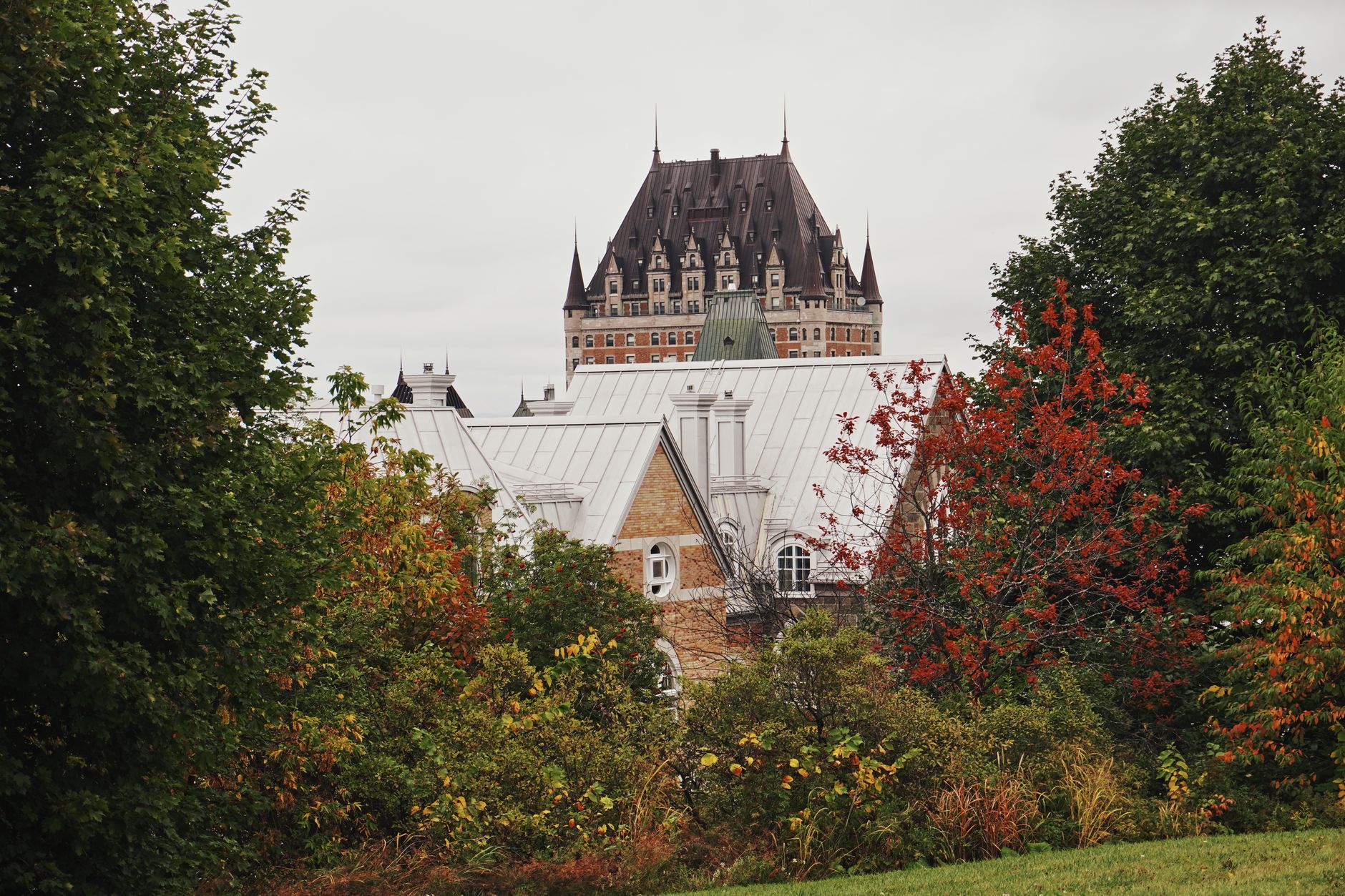
Canada's identity is often described as a mosaic, but beneath the surface of official bilingualism lies a complex tapestry woven from centuries of historical tension between French and English speakers. This wasn't just about battles and treaties; it was about everyday life, cultural survival, and the very soul of a nation.
Beyond the well-trodden paths of Quebec City or the Plains of Abraham, there are countless lesser-known places where these historical echoes resonate profoundly. These are the sites that tell a more nuanced story, revealing how the push and pull between two powerful cultures continues to shape Canadian identity today.
1. The Haunting Echoes of Métis Resistance
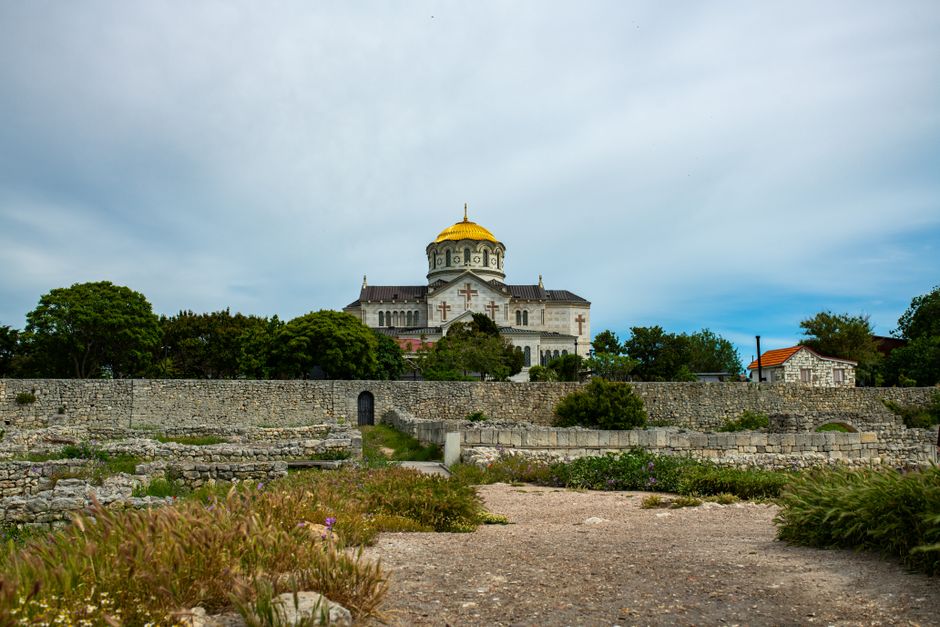
St-Boniface Cathedral Ruins, Winnipeg, Manitoba, Canada
These dramatic ruins are more than just a beautiful landmark; they stand as a stark monument to a pivotal moment when French, Indigenous, and English worlds violently collided.
Behind the crumbling walls of what was once Western Canada's first cathedral lies the legacy of Louis Riel and the Métis Nation. Riel, a French-speaking Métis leader, fought for the rights of his people against an encroaching English-speaking Canadian government, leading to the Red River Rebellion. The cathedral's reconstruction and eventual fire mirror the enduring struggle for Métis recognition and the complex linguistic and cultural tapestry of Manitoba.
2. The Island of Sorrows and Unexpected Kinship
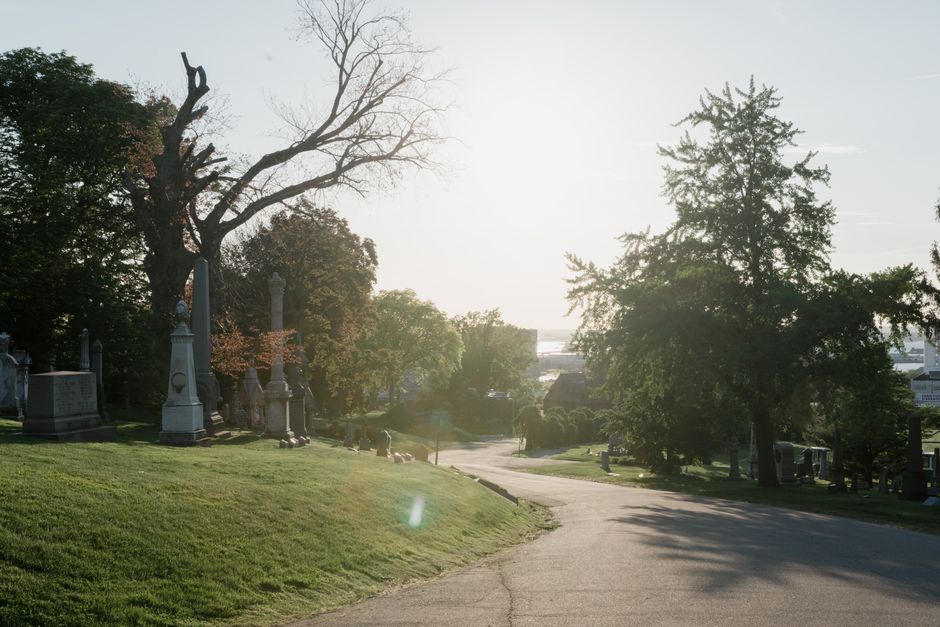
Grosse Île and the Irish Memorial National Historic Site, Quebec, Canada
This isolated island, once a quarantine station, tells a poignant story of how a devastating famine indirectly forged a unique bond between Irish immigrants and French Canadians.
In the mid-19th century, Grosse Île became the final resting place for thousands of Irish immigrants fleeing the Great Famine, many arriving sick on “coffin ships.” While English was their native tongue, many Irish orphans and survivors were adopted into French Canadian families, learning French and integrating into Quebec society. This unique assimilation challenged the neat “two solitudes” narrative, showing a surprising convergence of cultures against a backdrop of hardship, forever shaping Quebec's demographic and cultural identity.
3. The Aluminum City's Linguistic Divide
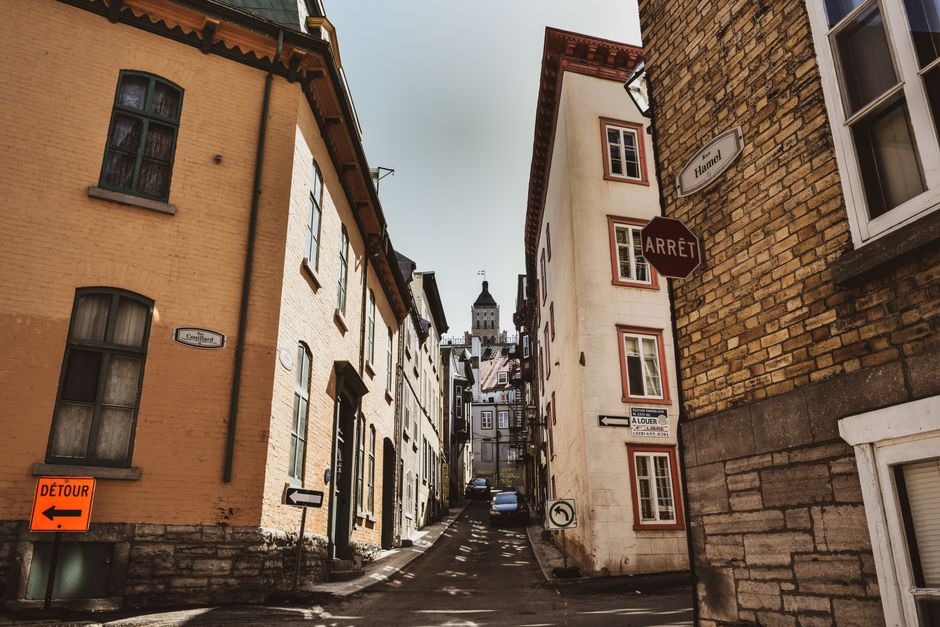
Arvida, Saguenay, Quebec, Canada
This seemingly ordinary company town reveals a stark historical class division where the language you spoke determined your place in society.
Built in the 1920s by the American aluminum giant Alcoa (later Alcan), Arvida was a meticulously planned industrial city. Its design, however, reflected a deep linguistic and social hierarchy: English-speaking managers and engineers lived in grander homes in the upper town, while French-speaking laborers occupied smaller dwellings in the lower town. This physical segregation mirrored the power dynamics, creating a distinct cultural landscape where the language of industry (English) often clashed with the language of the community (French), leaving a tangible legacy in its urban planning and social memory.
4. A Loyalist Stronghold in French Canada
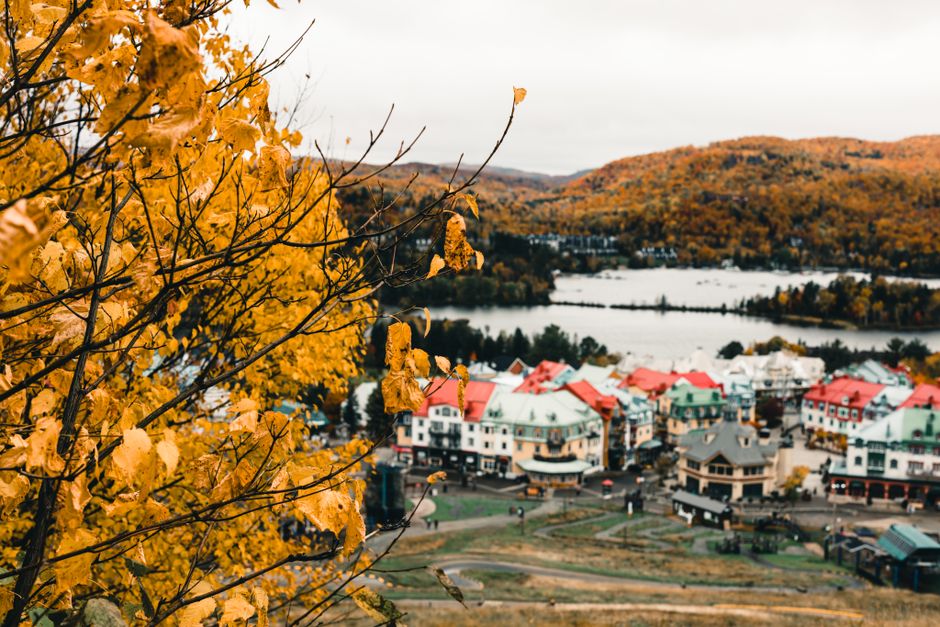
Knowlton (Lac-Brome), Eastern Townships, Quebec, Canada
Nestled deep within Quebec, this charming village was once a defiant English-speaking enclave, a living testament to a wave of Loyalists who refused American independence.
Following the American Revolution, thousands of Loyalists—British subjects who remained loyal to the Crown—fled north, settling in regions like Quebec's Eastern Townships. Knowlton, now part of Lac-Brome, became a prominent hub for these English speakers, creating a distinct cultural and linguistic pocket within a predominantly French province. This settlement pattern led to unique historical tensions and collaborations, fostering a bilingual identity in the region that persists today, visible in its architecture, place names, and community fabric.
5. French Identity in an English Province
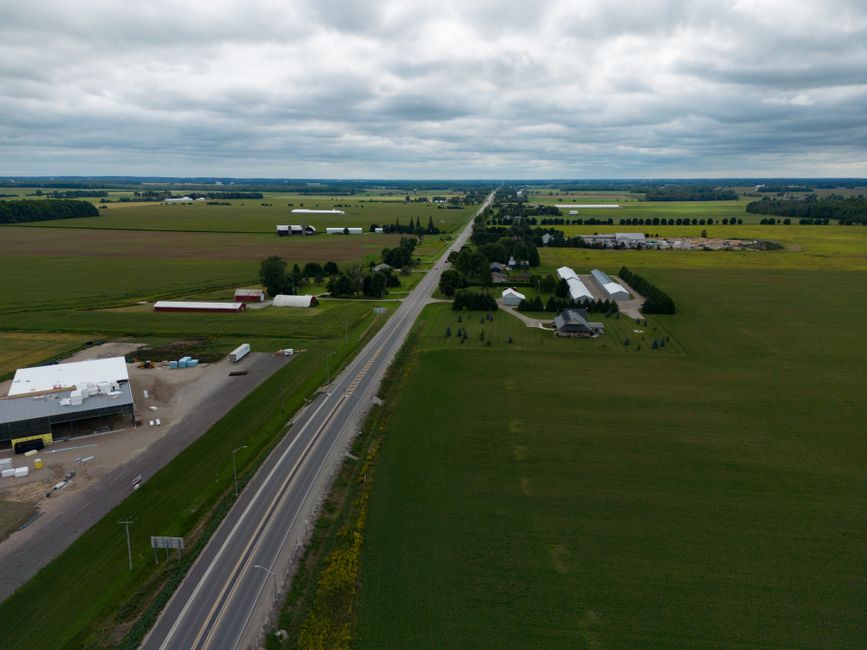
Alfred, Ontario, Canada
This small Ontario village stands as a powerful symbol of French-speaking communities' enduring fight for cultural survival outside Quebec.
Alfred is a prime example of the vibrant Franco-Ontarian culture that thrives despite being surrounded by an English-speaking majority. Historically, French settlers arrived here long before Ontario became a province, establishing deep roots. The struggle for French-language rights in education and public services has been a constant battle, with places like Alfred serving as bastions of identity. Its bilingual street signs, community institutions, and everyday conversations are a testament to the resilience and determination of a culture determined to maintain its heritage.
6. A French Stronghold's Evolving Allegiance
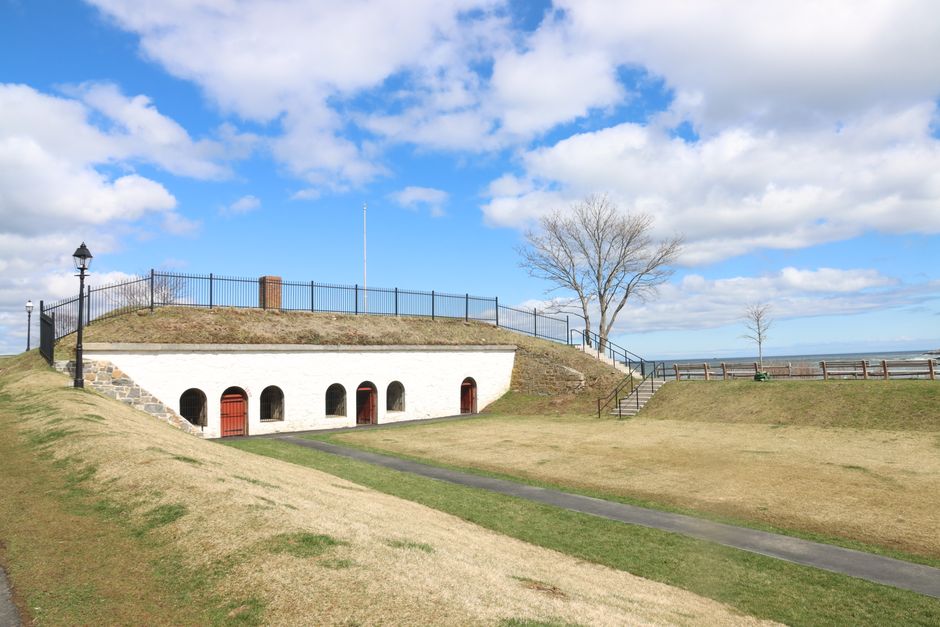
Fort Chambly National Historic Site, Chambly, Quebec, Canada
This imposing stone fort, originally built by the French, tells a dramatic story of colonial power struggles, changing hands, and shifting allegiances.
Fort Chambly, strategically located on the Richelieu River, was a crucial defense point for New France against Iroquois attacks and later, British incursions. Over its history, it was rebuilt multiple times, eventually becoming a substantial stone structure. Its capture by the British in the French and Indian War (Seven Years' War) marked a turning point, symbolizing the decline of French colonial power in North America. Today, it stands as a tangible reminder of the violent conflicts that laid the groundwork for Canada's dual linguistic heritage, with its architecture echoing both French military design and later British modifications.
7. The Acadian Heartbeat of Resilience
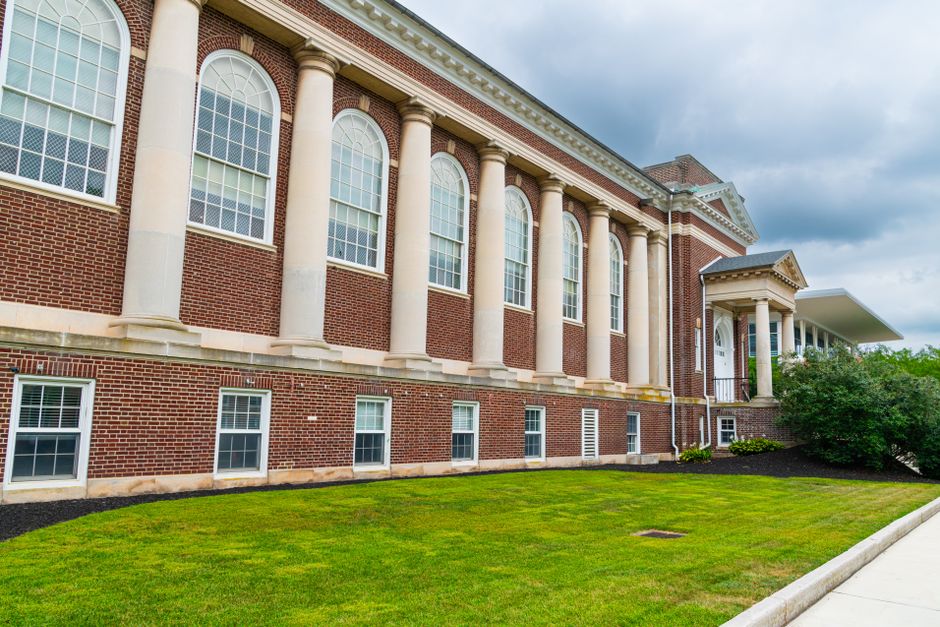
Memramcook Institute (formerly St. Joseph's College), Memramcook, New Brunswick, Canada
This historic institution was not just a college; it was a beacon for Acadian identity, a place where a displaced people rebuilt their culture against incredible odds.
Following the traumatic Expulsion of the Acadians by the British in the 18th century, many returned to find their lands taken. St. Joseph's College, founded in Memramcook in 1864, became the first French-language institution of higher learning in the Maritime provinces. It played a vital role in the Acadian Renaissance, educating leaders, preserving language, and fostering a sense of community and pride. This site embodies the Acadian people's tenacious struggle to maintain their French heritage in a predominantly English region, a story of cultural survival and revitalization.
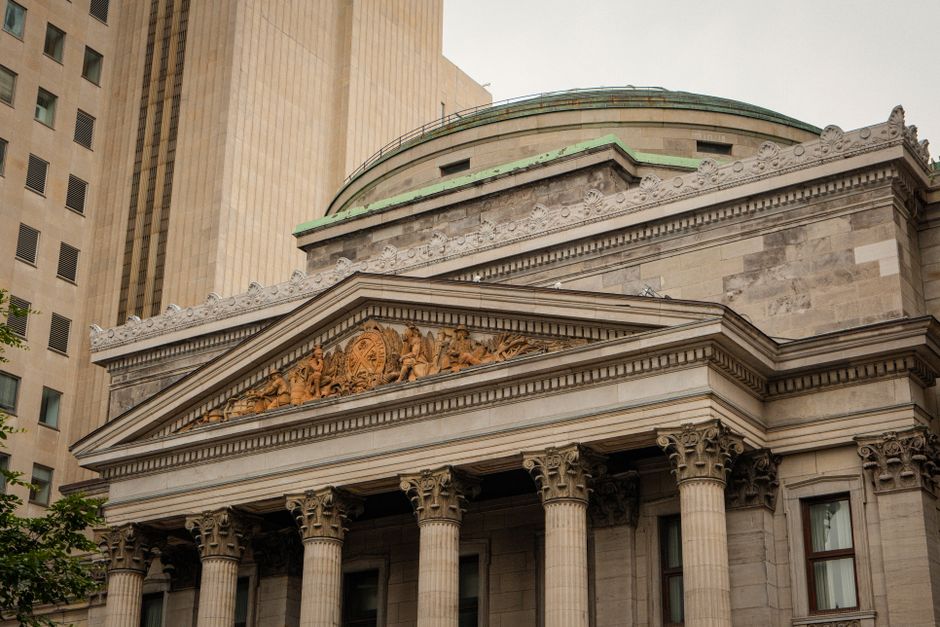
8. The Stage Where French Quebec Found Its Voice
Monument National, Montreal, Quebec, Canada
More than just a theatre, this grand building became a vital platform for French Canadian artists and intellectuals, asserting a distinct cultural identity against a dominant English-speaking milieu.
Opened in 1893, the Monument National was conceived as a symbol of French Canadian cultural assertion in a Montreal increasingly influenced by English capital and institutions. It hosted plays, concerts, and political speeches, becoming a crucible for French-language arts and a meeting place for nationalist movements. In an era when French culture often felt marginalized, this venue provided a powerful space for expression, showcasing the resilience of Québécois identity and its determination to flourish, influencing generations of artists and thinkers.
Frequently asked questions
Why is Canada officially bilingual, and what does that mean for travelers?
Canada became officially bilingual in 1969 with the Official Languages Act, making English and French the country's two official languages. For travelers, this means federal government services are available in both languages, and you'll often see bilingual signage, especially in Quebec, Ontario, and New Brunswick. It reflects a core aspect of Canadian identity.
How did the Acadians fit into the historical tensions between French and English in Canada?
The Acadians were early French settlers in what is now Nova Scotia and New Brunswick. During the 18th century, caught between British and French imperial ambitions, they were tragically expelled by the British in what's known as the Great Expulsion. This event deeply scarred Acadian identity, leading to a long struggle for recognition and cultural survival, creating a unique French-speaking community outside Quebec.
Are there still significant French-English tensions in Canada today?
While overt conflict is rare, the legacy of French-English tensions continues to shape political discourse and cultural identity in Canada. Issues around language laws, Quebec sovereignty, and the protection of French-speaking communities outside Quebec still arise. However, there's also a strong spirit of collaboration and a rich bilingual cultural exchange that defines modern Canada.
How can the AllTours app help me understand these complex Canadian histories?
The AllTours app brings these hidden histories to life right where they happened. Simply point your phone camera at a landmark or landscape, and the app will narrate its history, geology, and culture in your language. It’s like having a local expert instantly available, revealing the layers of stories behind Canada's French-English heritage, from battlefields to cultural touchstones.
Photography via Pexels. AllTours.ai is an AI audio tour guide — point your camera at any landscape and hear its story.