June 1, 2026 · 4 min read
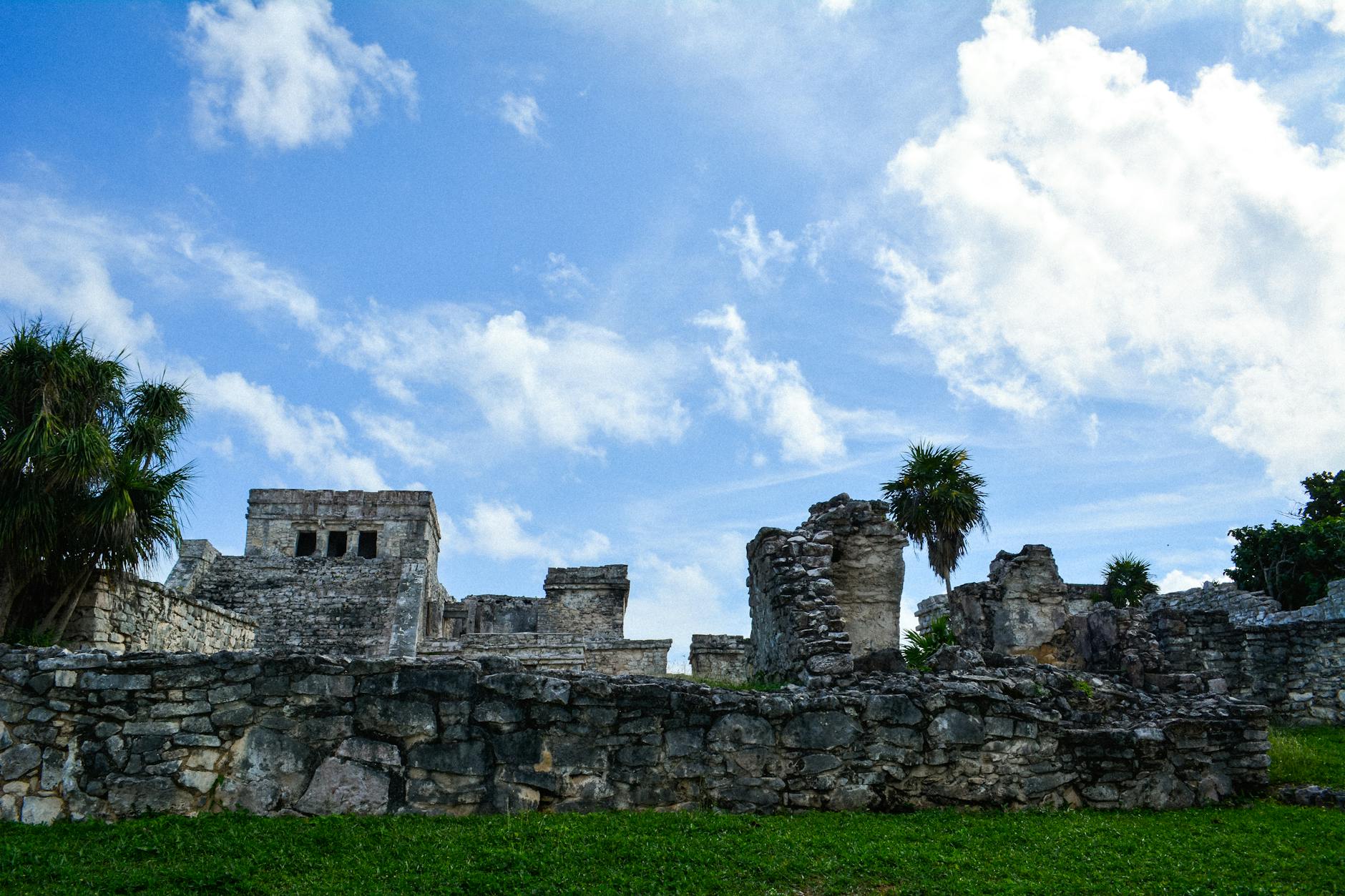
Mexico is a country of vibrant colors, rich history, and breathtaking natural beauty. While places like Cancún and Mexico City rightly draw millions, a deeper exploration reveals a wealth of truly underrated places, each with a unique, compelling story waiting to be told. These are the destinations that offer a glimpse into Mexico's lesser-known wonders, far from the well-trodden tourist paths.
From ancient rituals practiced in cloud forests to geological marvels crafted over millennia, and towns frozen in time, these hidden gems promise an adventure that goes beyond the surface. Prepare to uncover the authentic soul of Mexico, where every landscape, ruin, and local tradition holds a surprising narrative.
1. Nature's Petrified Waterfalls
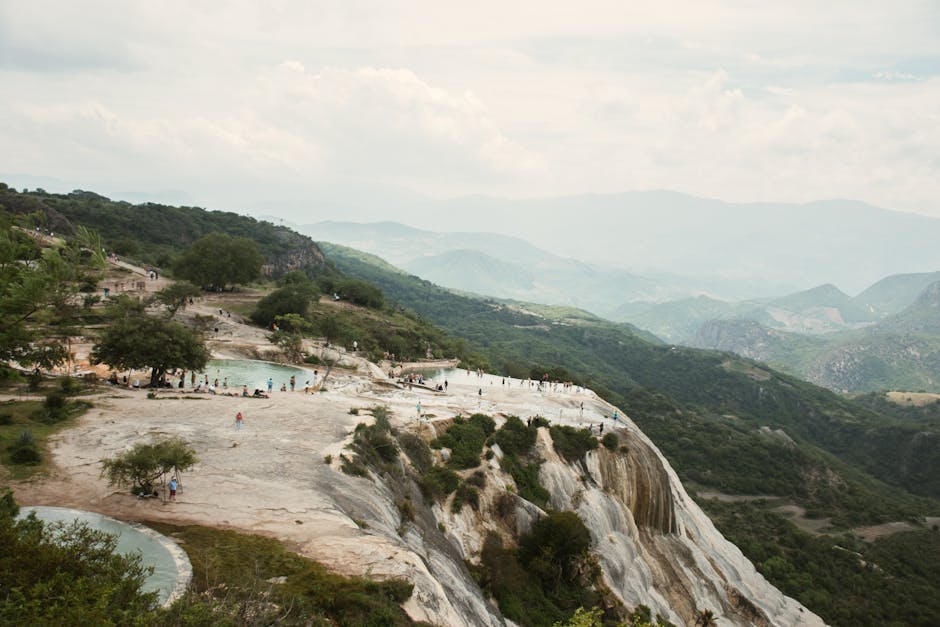
San Lorenzo Albarradas, Oaxaca, Mexico
These "waterfalls" aren't flowing water, but mineral formations sculpted over millennia by calcium carbonate-rich springs.
High in the mountains of Oaxaca, Hierve el Agua ("the water boils") is a natural wonder where mineral-laden springs bubble up and cascade over cliffs, leaving behind stunning, solidified rock formations that resemble petrified waterfalls. For thousands of years, these springs have been creating a unique landscape, including natural pools where ancient Zapotecs may have once bathed. The mineral deposits, primarily calcium carbonate, grow at a slow but steady pace, forming intricate, travertine structures that change color with the light.
2. The Ghost Town in the Clouds
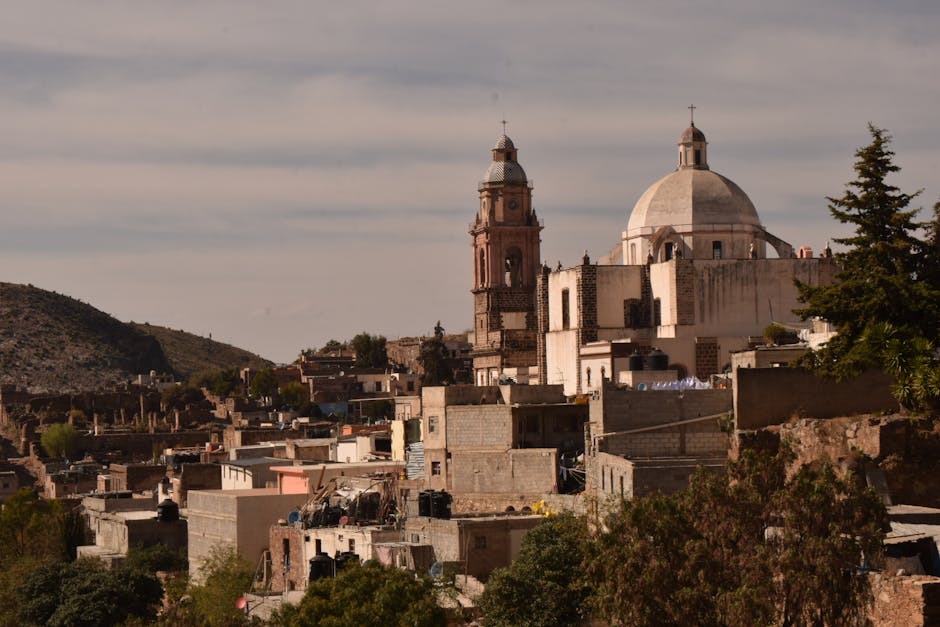
Real de Catorce, San Luis Potosí, Mexico
Once a booming silver mining town, Real de Catorce is now a semi-deserted, mystical "ghost town" accessible only via a long, dark tunnel.
Perched high in the Sierra de Catorce mountains, Real de Catorce was one of Mexico's most prosperous silver mining towns in the 18th and 19th centuries. After the silver ran out and the Mexican Revolution struck, its population dwindled dramatically, leaving behind grand colonial buildings, an abandoned bullring, and a sense of eerie quiet. Today, it’s a pilgrimage site for Wirikuta (Huichol) people due to its sacred peyote cactus fields and attracts visitors drawn to its preserved, almost forgotten charm, accessed through the Ogarrio Tunnel.
3. The Lagoon of Seven Shades
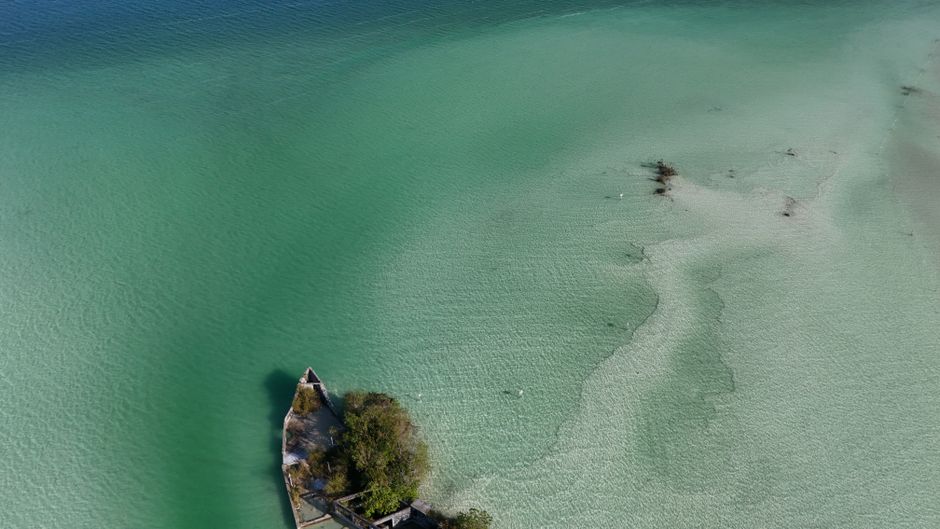
Bacalar, Quintana Roo, Mexico
This freshwater lagoon is renowned for its incredible spectrum of blues, ranging from deep indigo to crystal-clear turquoise, earning it the nickname "Lagoon of Seven Colors."
Tucked away from the bustling Riviera Maya, Laguna de Bacalar is a pristine freshwater lagoon stretching over 40 kilometers, famous for its dazzling array of blue hues. The distinct shades are created by varying depths, cenotes within the lagoon, and the type of limestone on the bottom. It's also home to stromatolites, ancient, living rock formations that are among the oldest life forms on Earth, making it a unique ecological wonder. The tranquil waters invite kayaking, swimming, and simply marveling at its natural beauty.
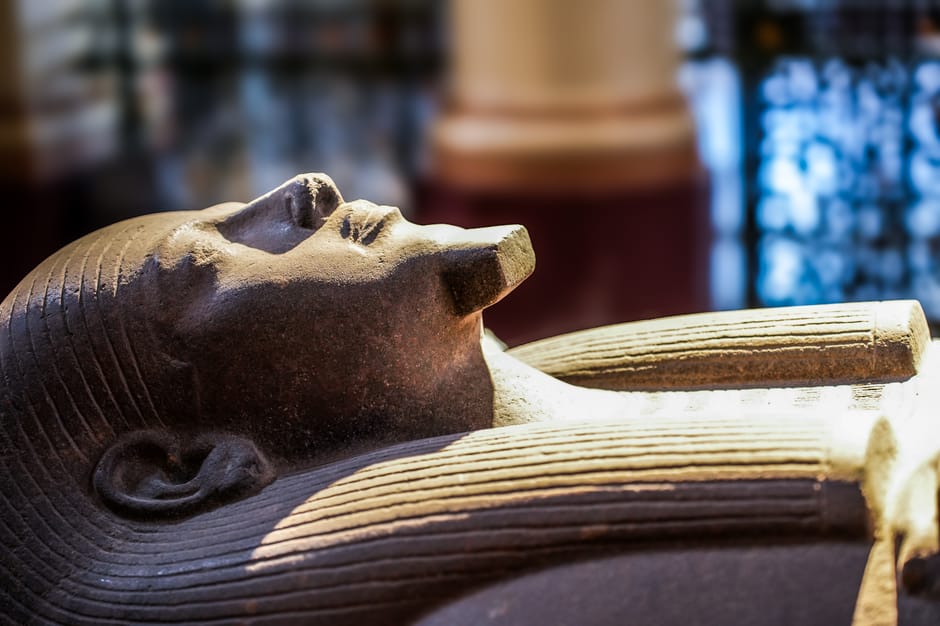
4. The Chilling Mummies of Guanajuato
Guanajuato, Guanajuato, Mexico
The naturally mummified remains of people exhumed from a local cemetery in the 19th century are displayed in a museum, a result of the unique mineral composition of the soil.
While the city of Guanajuato is famous for its colorful streets and vibrant culture, it also holds a macabre secret: the Museo de las Momias. In the mid-19th century, a local tax required families to pay for perpetual burial. If the tax wasn't paid, bodies were exhumed to make space, and many were discovered to be naturally mummified due to the dry, mineral-rich soil and specific atmospheric conditions. These mummies, some still in their clothes, offer a chilling glimpse into the past and the stark realities of life and death in 19th-century Mexico.
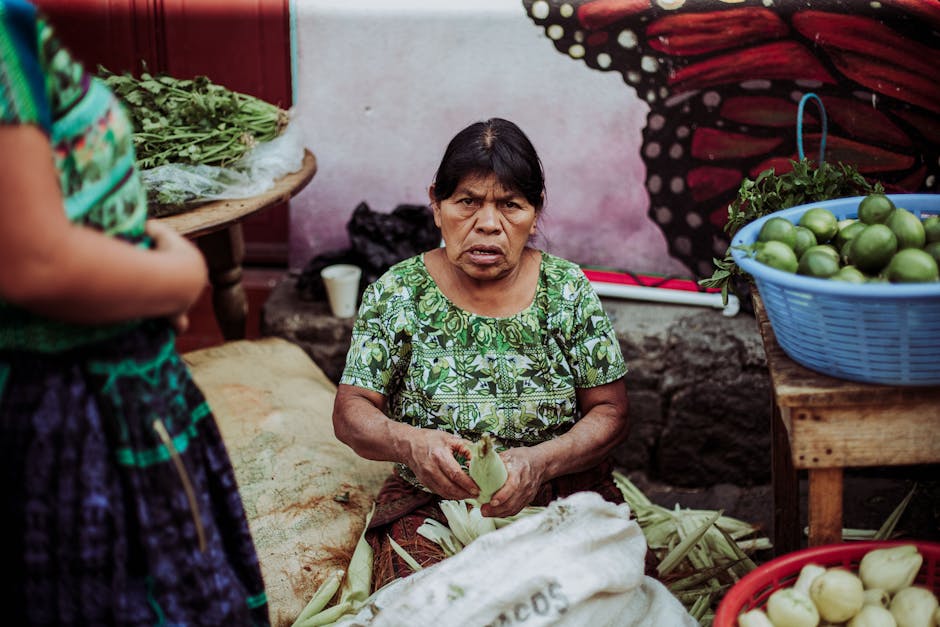
5. Ancient Rites and Cloud Forest Markets
Cuetzalan del Progreso, Puebla, Mexico
This magical town in the Sierra Norte mountains is known for its vibrant indigenous culture, particularly the Voladores de Papantla ritual and bustling pre-Hispanic markets.
Nestled in a cloud forest, Cuetzalan del Progreso is a "Pueblo Mágico" where Nahuatl traditions thrive. Every Sunday, the main plaza transforms into a bustling market where local indigenous people trade goods, often in traditional dress. The town is also one of the few places where the ancient ritual of the Voladores de Papantla (flying dancers) is regularly performed, a UNESCO-recognized ceremony where four flyers descend head-first from a tall pole, circling 13 times, representing the 52-year cycle of the Mesoamerican calendar.
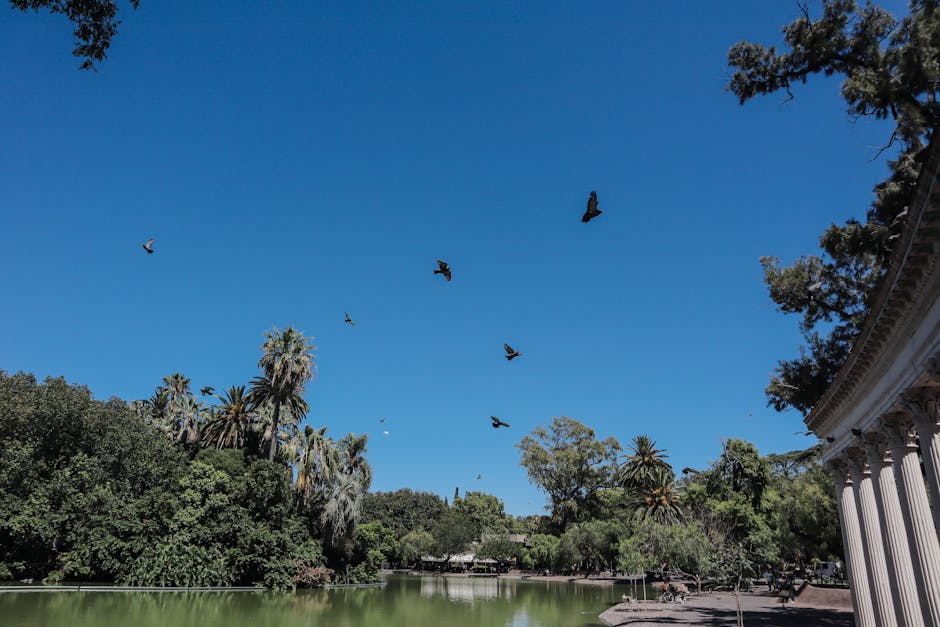
6. The Giant Cave of Swallows
Aquismón, San Luis Potosí, Mexico
This immense open-air pit cave is one of the deepest in the world, famous for the spectacular daily exodus and return of thousands of birds.
The Sótano de las Golondrinas, or Cave of Swallows, is a colossal natural wonder, a vertical shaft plunging over 370 meters (1,200 feet) into the earth. It's a sanctuary for thousands of white-collared swifts (which are often mistaken for swallows, hence the name) and green parakeets. Each morning, the birds spiral out of the cave in a mesmerizing vortex, and at dusk, they return in a breathtaking dive, plummeting into the darkness. Adventurers also rappel into its depths, experiencing the sheer scale of this geological marvel.
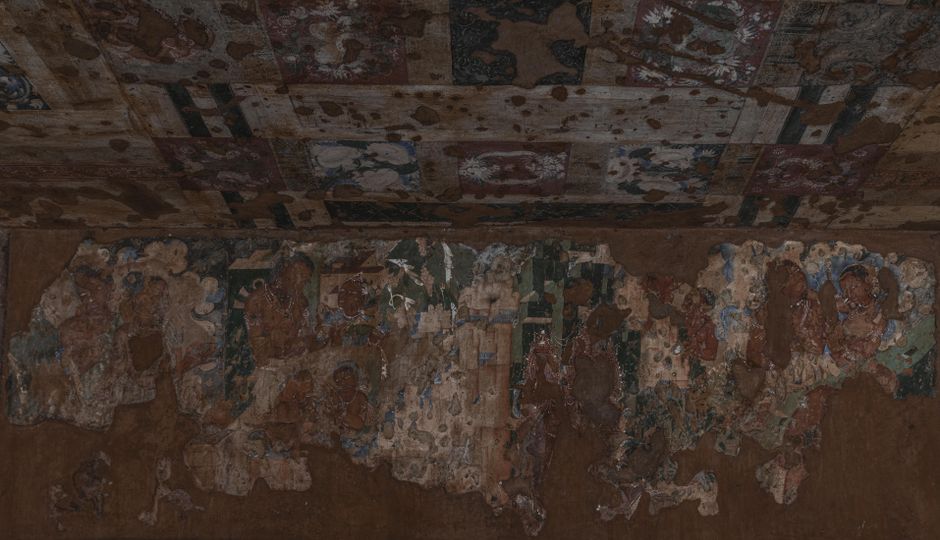
7. Tlaxcala's Forgotten Murals and Pyramids
Nativitas, Tlaxcala, Mexico
These lesser-known archaeological sites reveal remarkably preserved Mayan-influenced murals and unique circular pyramids, remnants of a powerful pre-Hispanic civilization.
While overshadowed by larger sites, Cacaxtla and Xochitécatl offer a profound glimpse into a powerful culture that flourished between 650 and 900 AD. Cacaxtla is famous for its vibrant, perfectly preserved murals depicting warriors, deities, and astronomical events, showing clear Mayan influences far from the Mayan heartland. Nearby, Xochitécatl features an unusual circular pyramid dedicated to fertility, believed to be a site of ancient pilgrimages. Together, they tell a complex story of interregional contact and unique architectural and artistic expressions.
Frequently asked questions
Is it safe to travel to these underrated places in Mexico?
Mexico is a large and diverse country. While popular tourist areas are generally safe, it's always wise to research specific locations, use reputable transportation, and stay aware of your surroundings. These lesser-known spots are often welcoming, but standard travel precautions apply.
What's the best way to get around to these hidden gems?
Reaching some of these locations might require a bit more planning than popular destinations. Renting a car offers flexibility, but ADO buses provide extensive, comfortable service between major cities. For more remote sites, local colectivos (shared taxis) or private tours are often available.
Are these places very crowded with tourists?
Compared to well-known destinations like Cancún or Mexico City, these places generally experience fewer international tourists, offering a more authentic and tranquil experience. Weekends or local holidays might see more domestic visitors, but they rarely feel overwhelmingly crowded.
How can AllTours.ai enhance my visit to these unique places?
AllTours.ai acts as your personal AI audio guide. Simply point your phone camera at a landmark or landscape, and the app will narrate its history, geology, and cultural significance in your preferred language. It's perfect for discovering the deeper stories behind these underrated Mexican wonders without needing a human guide.
Self-guided audio tours
Walk these places stop by stop — free five-stop story tours you can take at your own pace:
Photography via Pexels. AllTours.ai is an AI audio tour guide — point your camera at any landscape and hear its story.