September 1, 2026 · 4 min read
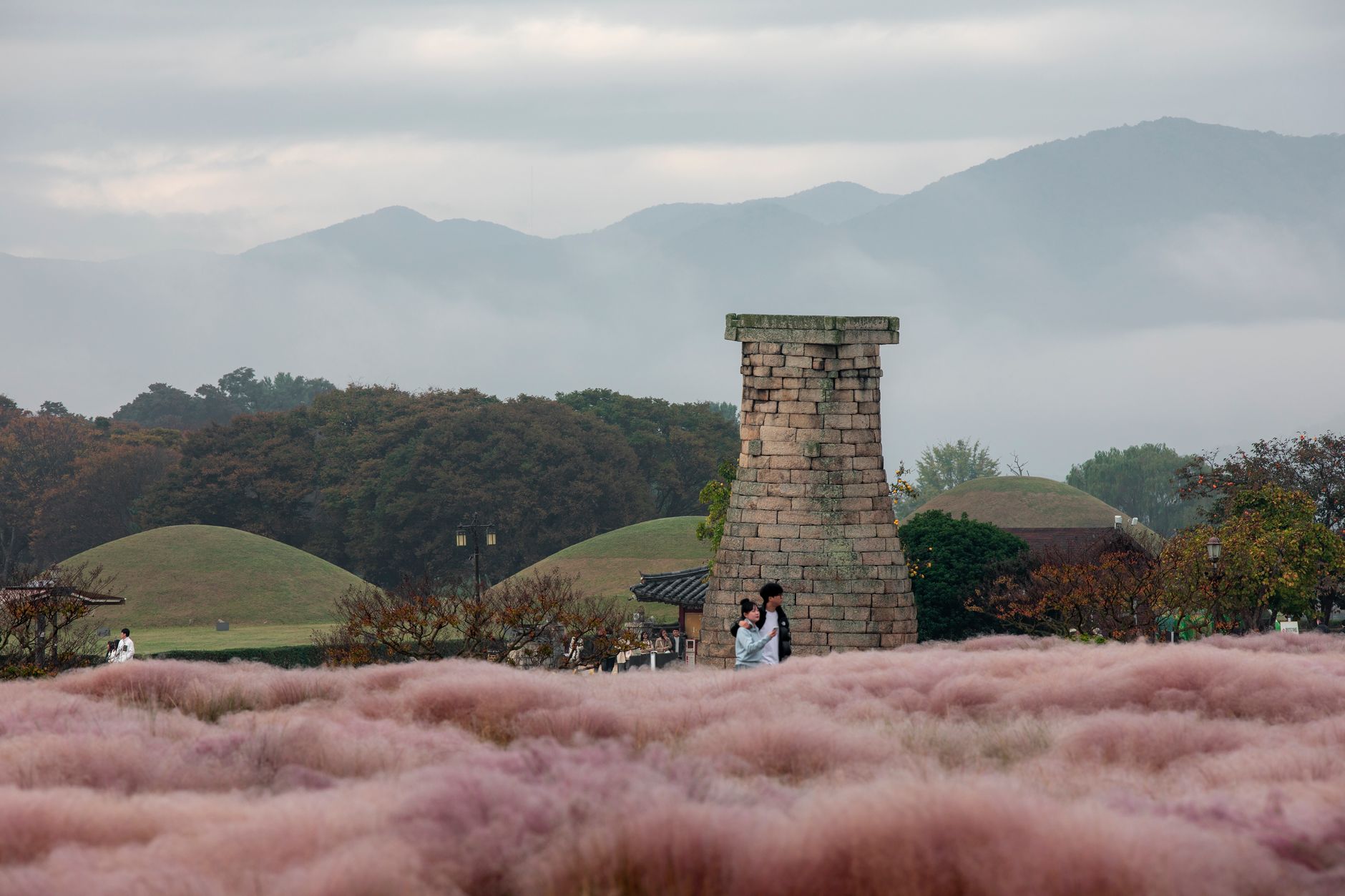
South Korea often conjures images of Seoul’s neon glow and K-Pop beats, but venture beyond the bustling capital, and you’ll discover a land steeped in millennia of captivating history, geology, and culture. The peninsula is dotted with remarkable sites, each holding a unique narrative that shaped the nation we know today.
This list invites you to explore some of the most underrated places in South Korea, uncovering hidden gems and surprising stories that often go unnoticed. From the whispers of ancient kingdoms to the ingenuity of a legendary admiral, prepare to spark your curiosity about Korea's profound heritage.
1. The Heavenly Horse's Ancient Ride
Gyeongju, South Korea
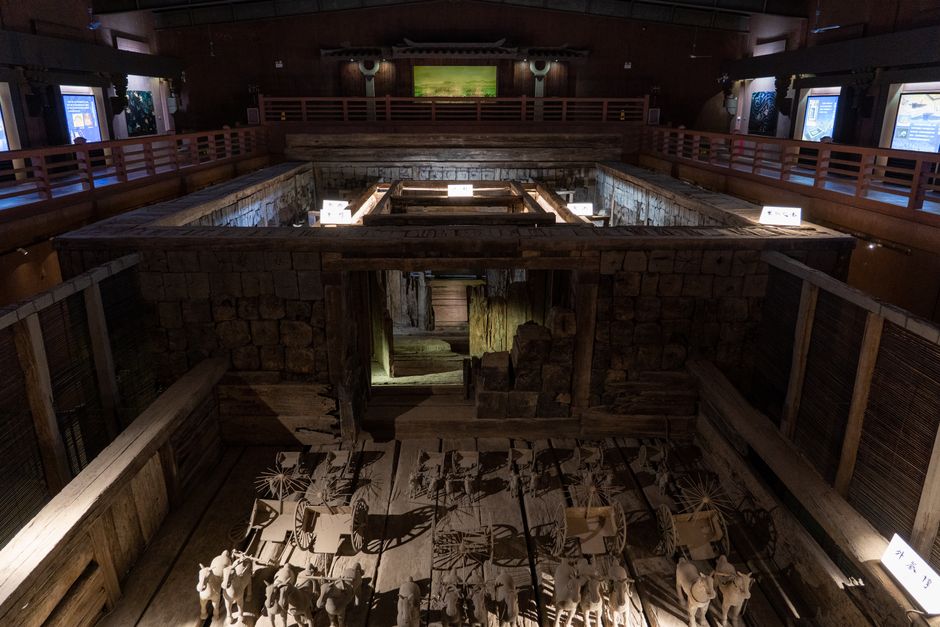
Inside one of Gyeongju's iconic Silla burial mounds lies the only known painting from that ancient kingdom, not on silk or paper, but birch bark.
Gyeongju, the former capital of the Silla Kingdom, is famous for its colossal burial mounds. While many remain unexcavated, Cheonmachong, or the Heavenly Horse Tomb, offered a rare glimpse into Silla artistry. Discovered in 1973, its most extraordinary find was a saddle flap depicting a winged horse, painted on birch bark, challenging previous assumptions about Silla artistic mediums. This single artifact offers invaluable insight into the culture of a kingdom that ruled for nearly a millennium.
2. Joseon's Spiritual Homeland
Jeonju, South Korea
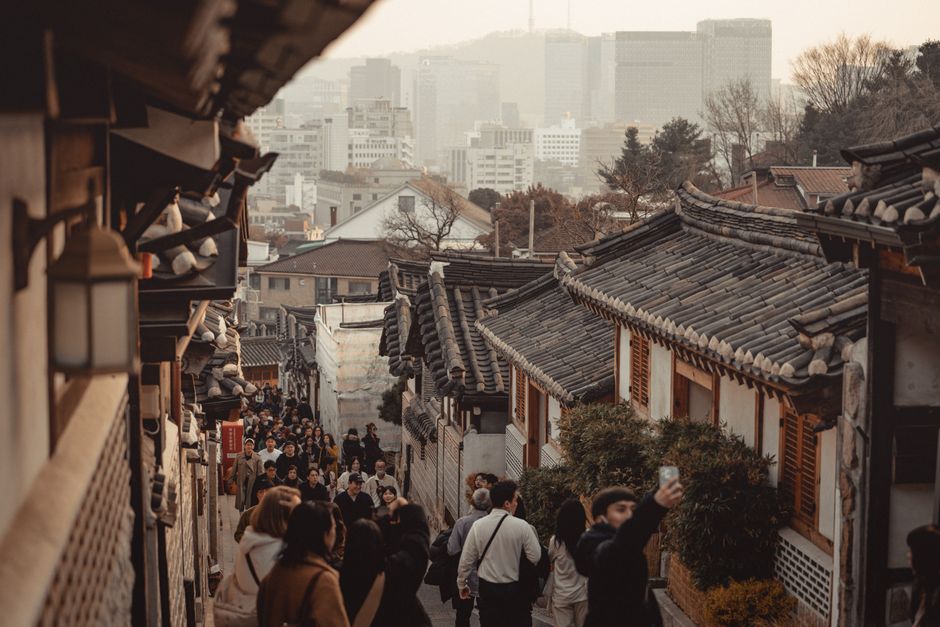
Beyond its picturesque traditional houses, Jeonju served as the ancestral home of the Joseon Dynasty, making it a place of profound cultural and spiritual significance.
Jeonju Hanok Village preserves over 700 traditional Korean houses, offering a serene contrast to modern city life. But its importance runs deeper: it's the hometown of the Yi clan, from which Joseon Dynasty founder King Taejo hailed. This connection cemented Jeonju's status as a spiritual capital, a place where royal ancestral rites were performed and traditions meticulously maintained, shaping much of Korea's present-day culture and cuisine.
3. The Unfinished Laughter of Hahoe Masks
Andong, South Korea
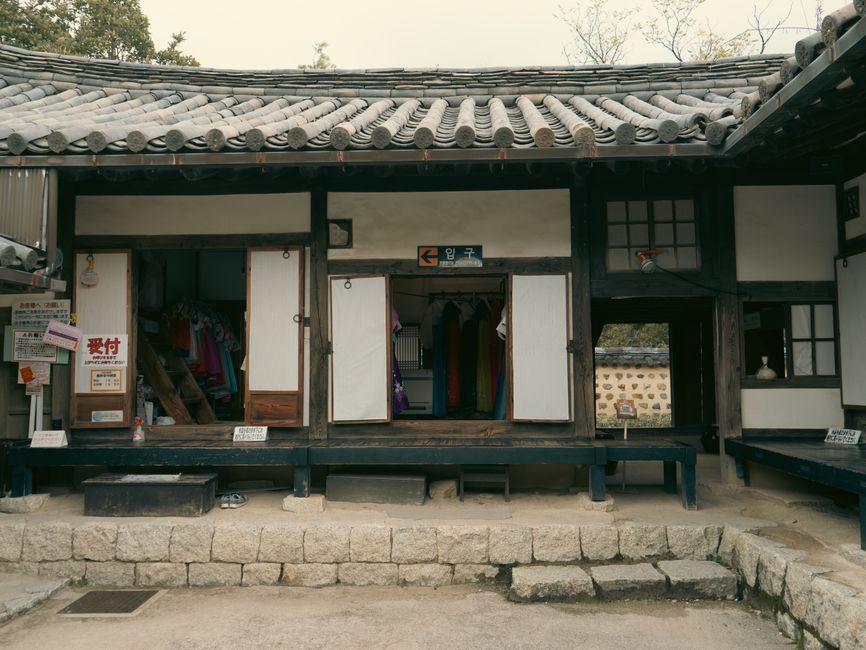
The treasured Hahoe masks, used in traditional mask dances, hold a unique legend: they were crafted by a villager who mysteriously died before completing the final mask.
Hahoe Folk Village, a UNESCO World Heritage site, is renowned for its well-preserved Joseon-era architecture and its Byeolsin-gut Mask Dance. The masks themselves are extraordinary, known for their expressive features that change with the angle. Legend attributes their creation to Heo Do-ryeong, a villager who crafted them in secret under divine command. He tragically died before finishing the Imae mask, leaving it without a jaw, forever capturing an unfinished moment of traditional Korean folklore.
4. Admiral Yi Sun-sin's Strategic Stronghold
Tongyeong, South Korea
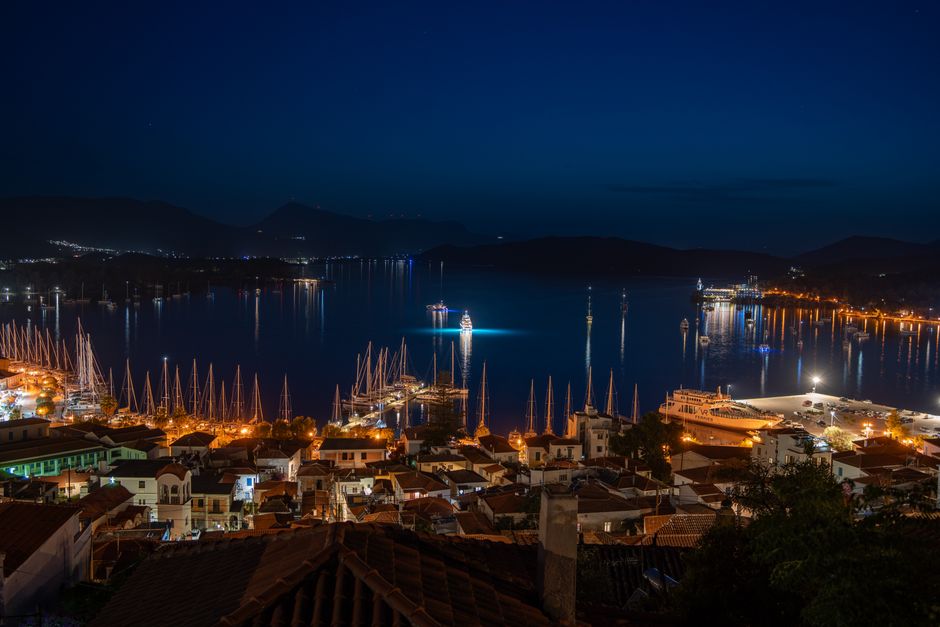
This coastal city was a critical naval base for Admiral Yi Sun-sin, whose ingenious "crane wing" formation secured a decisive victory against the Japanese fleet.
Tongyeong's scenic islands and tranquil waters belie a fierce naval history. During the Imjin War (1592-1598), it was here that Admiral Yi Sun-sin masterminded his brilliant strategies against invading Japanese forces. The pivotal Battle of Hansan Island, fought nearby, saw Yi's turtle ships and his innovative "crane wing" formation decimate a much larger enemy fleet, a victory that dramatically shifted the war's tide and cemented his legacy as a national hero.
5. Whispers in the Damyang Bamboo
Damyang, South Korea
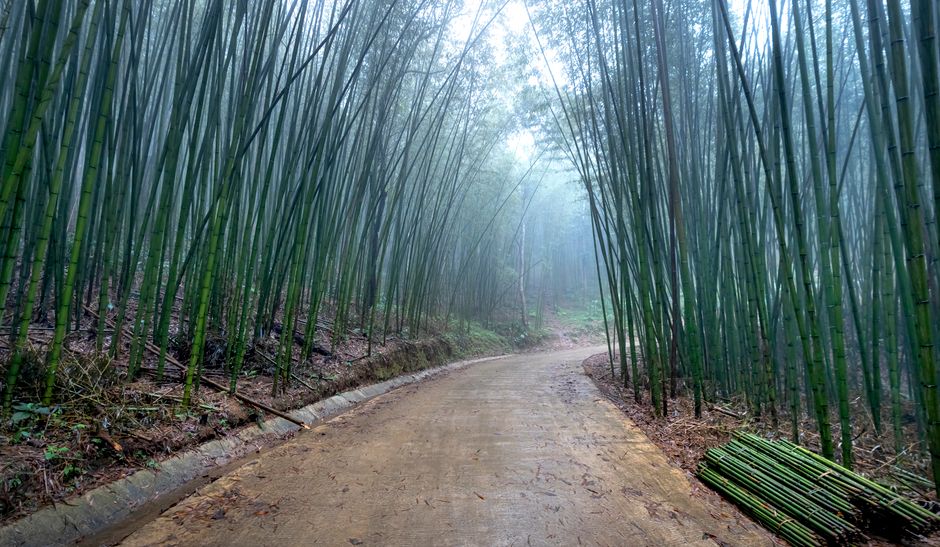
Damyang's famed bamboo forests historically provided the material for everything from ancient weapons and musical instruments to unique medicinal "bamboo salt."
The serene Juknokwon Bamboo Forest in Damyang offers an immersive experience, with towering groves creating a natural cathedral of sound and shadow. Beyond its beauty, Damyang's bamboo has been central to Korean life for centuries. Its strength and flexibility made it ideal for crafting arrows and traditional instruments like the daegeum. Even today, its shoots are a culinary delicacy, and the bamboo itself is used to create jukyeom, a health-promoting salt baked nine times inside bamboo culms.
6. The Vanished Secret of Jade-Green Glaze
Gangjin, South Korea
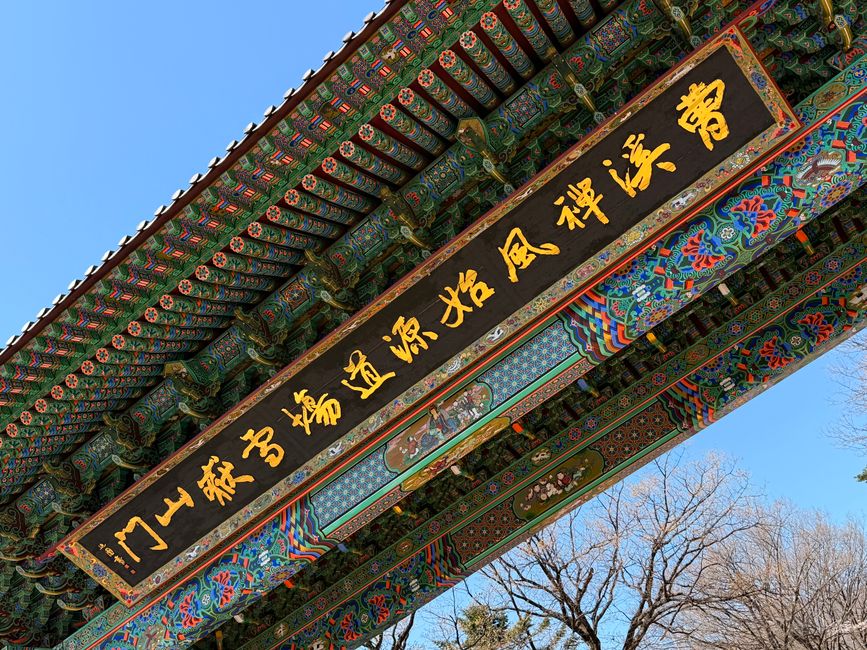
Gangjin was the epicenter of Goryeo celadon production, where the secret to its ethereal jade-green glaze and intricate inlay technique was lost with the dynasty's collapse.
For centuries, the Goryeo Dynasty produced celadon pottery unmatched in its beauty, with Gangjin being its primary production hub. The region's unique clay and pine forests fueled hundreds of kilns, perfecting the sanggam (inlay) technique and a distinctive jade-green glaze known worldwide. After the Goryeo Dynasty fell, the sophisticated production methods and the secret to their exquisite color vanished, leaving behind only countless shards and a mystery that modern artisans still strive to unravel.
7. Boseong's Terraced Tea Legacy
Boseong, South Korea
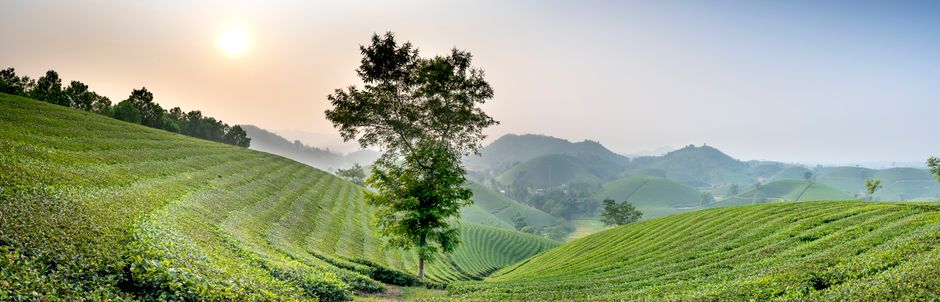
The iconic terraced green tea fields of Boseong, now a national spectacle, owe their dramatic landscape to specific colonial-era agricultural development.
While tea has a long history in Korea, Boseong's dramatic, rolling green tea plantations are a relatively modern marvel, largely established during the Japanese colonial period. The unique microclimate, with its rich volcanic soil and ample rainfall, proved ideal for cultivation, transforming the landscape into the iconic terraced fields seen today. These fields not only produce some of Korea's finest green tea but also represent a fascinating chapter in the country's agricultural and economic development.
Frequently asked questions
What is the best time to visit South Korea's historical sites?
Spring (April-May) and autumn (September-October) offer the most pleasant weather for exploring historical sites, with mild temperatures and vibrant foliage. Summers can be hot and humid, while winters are cold but offer fewer crowds.
Are these underrated places in South Korea accessible by public transport?
Most major towns and cities mentioned, like Gyeongju, Jeonju, Andong, and Tongyeong, are well-connected by bus or train. Accessing specific sites like Hahoe Village or the Boseong Tea Fields might require local buses or taxis from the nearest town.
What unique cultural experiences can I find outside Seoul?
Beyond Seoul, you can experience a traditional hanok stay in Jeonju, witness a mask dance performance in Andong, explore ancient Silla tombs in Gyeongju, or visit a celadon pottery workshop in Gangjin. Each region offers distinct cultural insights.
How does the AllTours.ai app enhance exploration of these sites?
The AllTours.ai app uses AI to narrate the history, geology, and culture of any landmark or landscape you point your phone camera at. It provides instant, in-depth audio guides in your language, bringing the stories of these underrated places to life as you explore them.
Photography via Pexels. AllTours.ai is an AI audio tour guide — point your camera at any landscape and hear its story.