September 1, 2026 · 4 min read
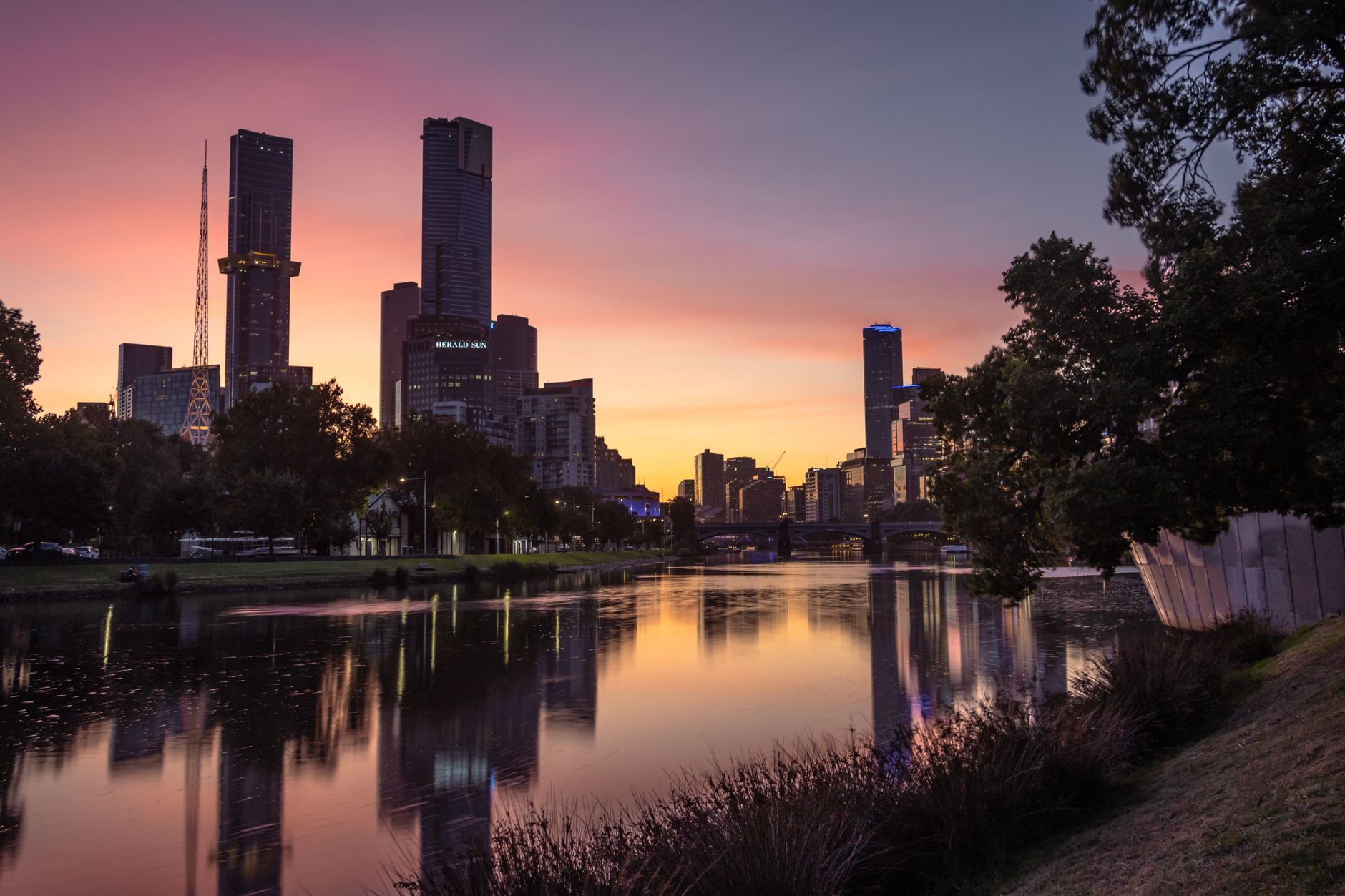
Visiting Crown Melbourne for the first time places you right at the heart of the city's vibrant Southbank. While the entertainment complex offers plenty, Melbourne's true magic often lies just beyond the obvious, in its hidden lanes, historic buildings, and unexpected natural wonders.
This guide invites you to peel back the layers of Australia's cultural capital. We'll explore lesser-known spots, each with a compelling story of history, geology, or culture, ensuring your first visit to Crown Melbourne extends into a deeper appreciation of the city.
1. Echoes of Birrarung: Koorie Heritage Trust
Federation Square, Melbourne, Australia
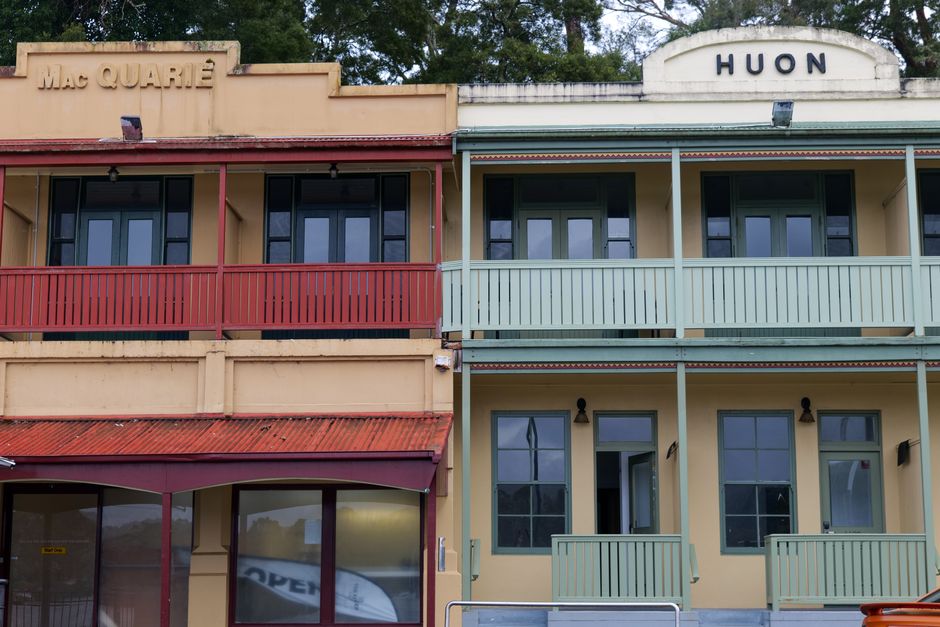
This trust stands as a vital link to the 65,000-year history of the Aboriginal peoples of southeastern Australia, right in the city's bustling heart.
The Koorie Heritage Trust is more than a gallery; it's a living cultural centre dedicated to the Koorie peoples of Victoria. Its location near the Yarra River (Birrarung in the local Aboriginal language) is significant, as the river has always been a central gathering place and food source for the Wurundjeri Woi Wurrung people. Here, you can see contemporary Indigenous art, historical artifacts, and learn about the enduring connection between the land, its people, and their stories.
2. The Iron Lady of the Yarra: Polly Woodside
South Wharf, Melbourne, Australia
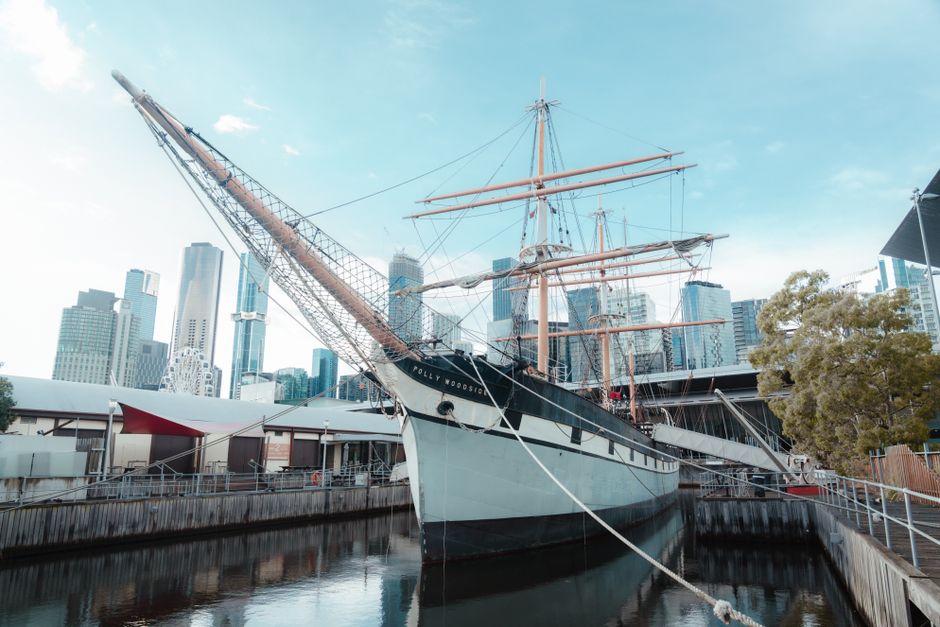
Moored just a short walk from Crown, this three-masted iron barque sailed the world for over 80 years, surviving storms and two world wars.
The Polly Woodside is a remarkable survivor from the golden age of sail. Built in Belfast in 1885, she circumnavigated the globe 17 times, carrying coal, wool, and wheat. After a varied career, including serving as a coal hulk, she was rescued and meticulously restored by volunteers. Today, this floating museum offers a tangible connection to Melbourne's maritime past and the incredible resilience of 19th-century seafaring.
3. A Seafarer's Sanctuary: Mission to Seafarers
Docklands, Melbourne, Australia
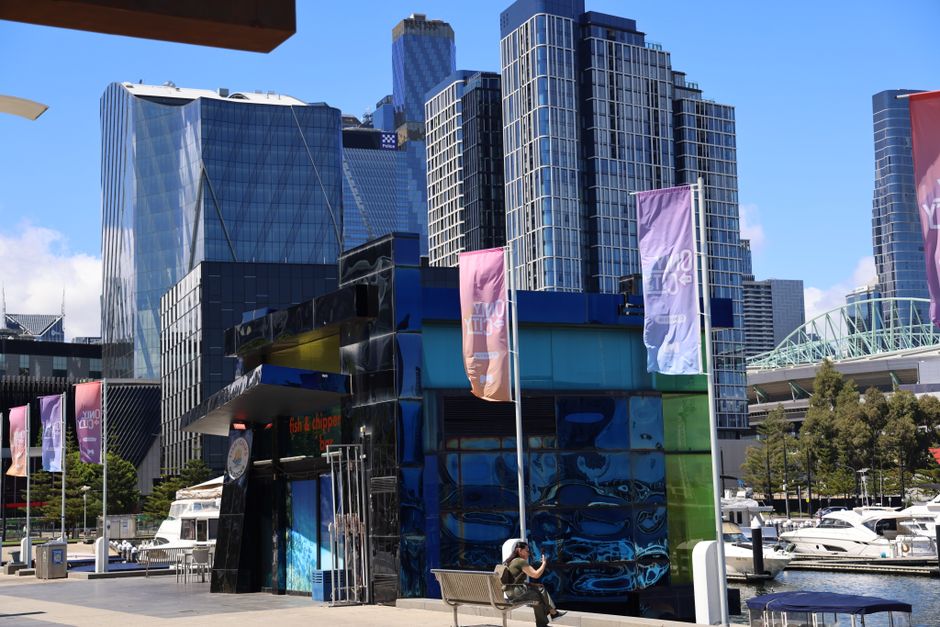
Tucked away in Docklands, this stunning Arts and Crafts building has offered solace and recreation to sailors from around the world since 1917.
The Mission to Seafarers building is an architectural gem, designed by Walter Butler with a distinctive blend of Arts and Crafts and Spanish Mission styles. Beyond its beauty, it holds a poignant history, providing a home away from home for visiting sailors. Inside, you'll find a beautiful chapel, a charming courtyard, and even a recreation hall, all preserved to reflect its century-long mission of care for those who travel by sea.
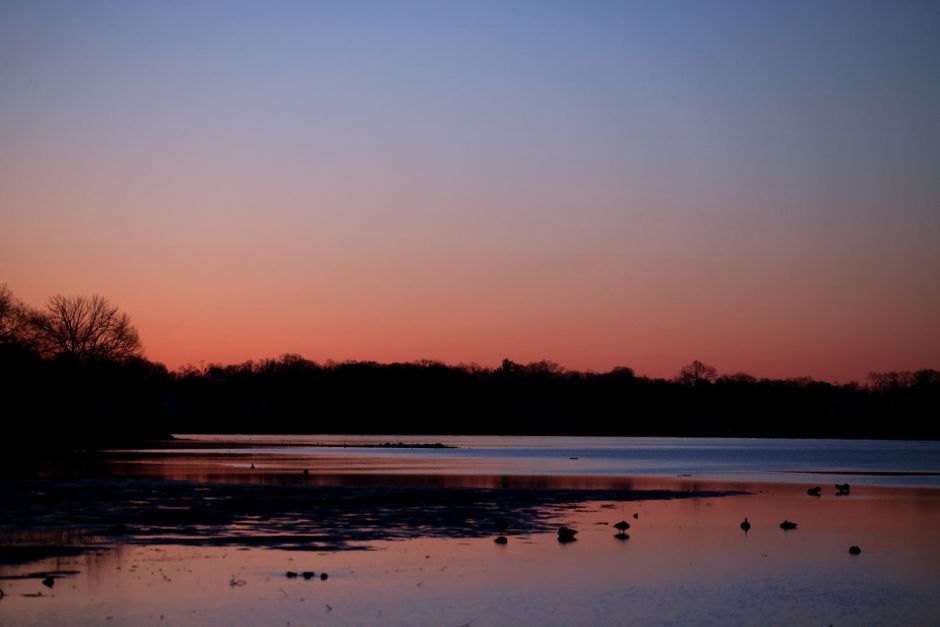
4. Melbourne's Seasonal Blush: Westgate Park Pink Lake
Port Melbourne, Australia
For a few months each year, a lake in Westgate Park transforms into a shocking bubblegum pink, a natural spectacle caused by microscopic algae.
While not always pink, from late summer to early autumn, high salt concentrations, combined with hot weather and sunlight, trigger a dramatic colour change in one of Westgate Park's salt lakes. The Dunaliella salina algae, which thrives in these conditions, produces a red pigment as part of its photosynthesis, tinting the entire lake. It's a fleeting natural wonder, offering a unique photographic opportunity and a glimpse into microbial ecology.
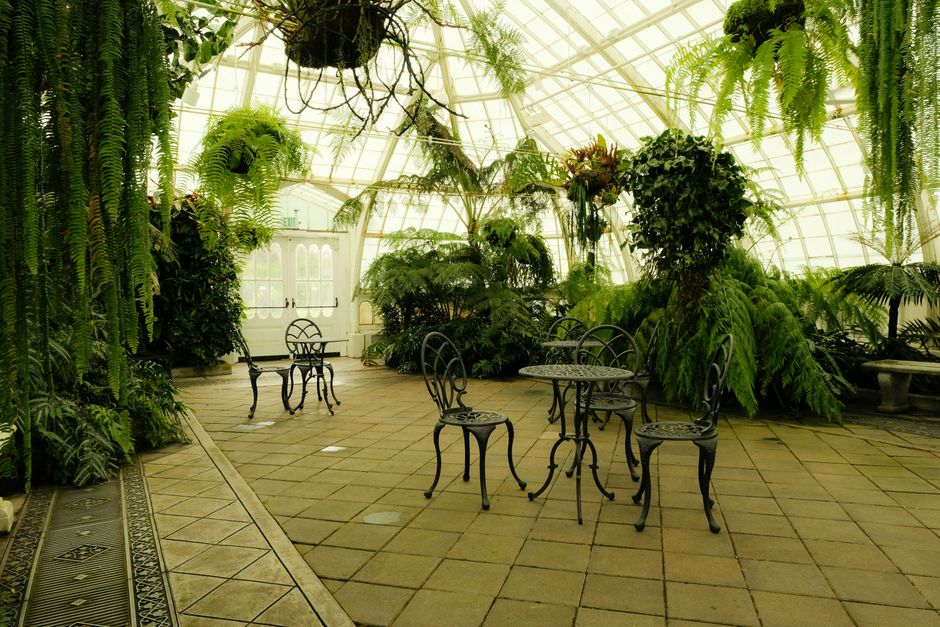
5. Hidden Glasshouse Gem: Fitzroy Gardens Conservatory
Fitzroy Gardens, East Melbourne, Australia
Within the well-known Fitzroy Gardens lies a charming Art Deco conservatory, a vibrant, ever-changing display of exotic plants and seasonal blooms.
While Fitzroy Gardens is popular, many visitors walk past the ornate Floral Display Conservatory without stepping inside. Built in 1930, its Spanish Mission architectural style with its white arched windows and red tile roof is striking. Inside, the atmosphere is lush and humid, filled with rotating displays of fuchsias, begonias, cyclamens, and other tropical and seasonal plants, offering a peaceful, fragrant escape from the city bustle.

6. A Collector's Intimate World: The Johnston Collection
East Melbourne, Australia
This unique house museum presents an exquisite private collection of art, antiques, and decorative objects, meticulously arranged as if its eccentric owner still lived there.
The Johnston Collection offers an intimate and personal glimpse into the world of an avid collector, William Johnston. Rather than a static museum, the collection is "re-arranged" four times a year, showcasing different themes and displaying the pieces in a home setting. It's a fascinating study in interior design and a testament to one man's lifelong passion for beauty, offering a truly distinctive cultural experience.
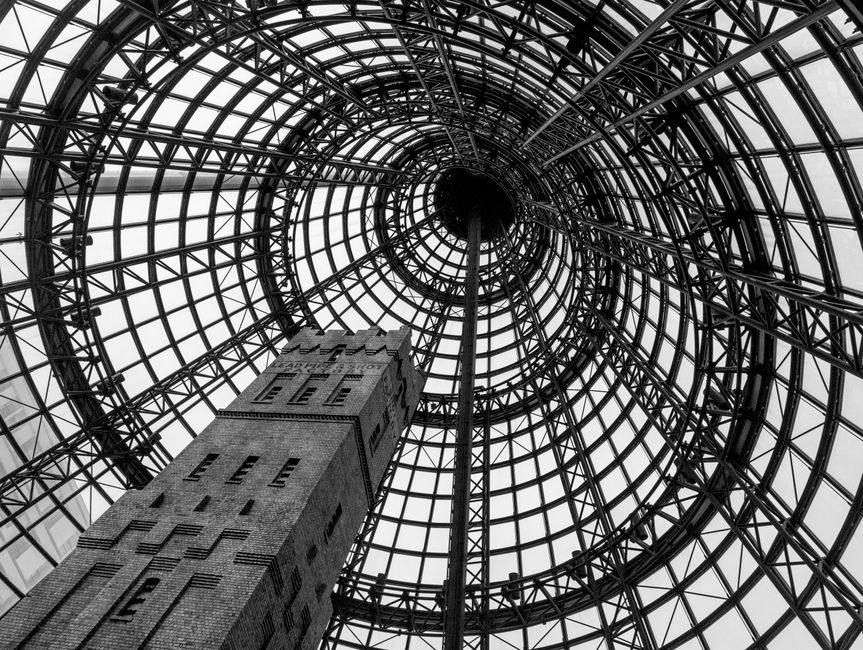
7. Melbourne's Vertical Village: The Nicholas Building
Swanston Street, Melbourne, Australia
Step into this grand heritage building and discover a labyrinth of independent artists, designers, and small businesses hidden within its ornate, century-old walls.
The Nicholas Building, completed in 1926, is a stunning example of Chicagoesque architecture with its distinctive Gothic Revival details. Unlike typical office buildings, its upper floors are a vibrant ecosystem of creatives: bespoke jewellers, vintage clothing stores, artists' studios, and independent bookshops. Riding the ornate cage lifts feels like stepping back in time, revealing a thriving, community-driven retail and arts hub largely unseen from the street below.
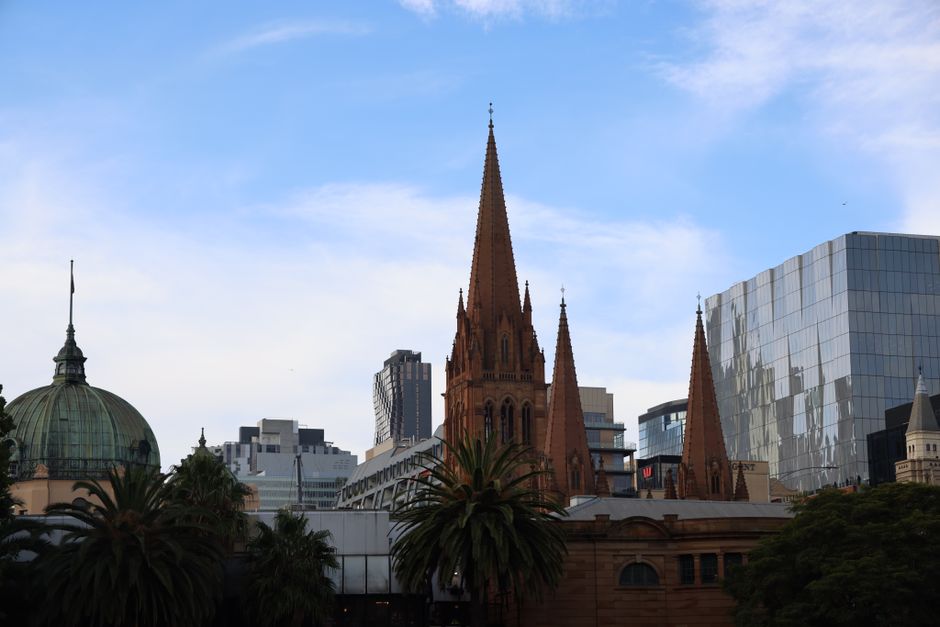
8. Victorian Serenity: St Vincent Place Gardens
Albert Park, Melbourne, Australia
This perfectly preserved 19th-century garden square offers a tranquil escape and a window into Melbourne's elegant Victorian-era urban planning.
While the larger Albert Park is well-known, St Vincent Place Gardens provides a more intimate, historical experience. Designed in the 1860s as a model of garden suburb development, it features symmetrical pathways, mature trees, and charming period homes surrounding the central green space. It's a beautiful spot for a quiet stroll, offering a sense of calm and a glimpse into the city's past, away from the typical tourist crowds.
Frequently asked questions
Is Melbourne easy to get around for first-time visitors?
Yes, Melbourne boasts an excellent public transport system, including free trams in the CBD. Many key attractions, especially around Crown Melbourne, are easily walkable, and a comprehensive network of trains and buses connects you to further afield.
What's the best way to experience Melbourne's hidden laneways?
Exploring Melbourne's laneways is best done on foot. Simply wander off the main streets, especially around Flinders Lane and Hosier Lane, and let your curiosity guide you. Many small cafes, boutiques, and street art pieces are tucked away waiting to be discovered.
Are there any good viewpoints near Crown Melbourne?
Besides the views from Crown itself, consider walking along the Yarra River towards Southbank Promenade for great city vistas. For a higher perspective without paying for a specific attraction, some rooftop bars in the CBD offer excellent views, though they might require a purchase.
How can AllTours.ai help me discover these places?
AllTours.ai is an AI audio tour guide that brings places to life. Simply point your phone camera at a landmark, building, or even a natural feature like the Pink Lake, and the app will narrate its history, geology, and cultural significance in your language, making every step an informed discovery.
Photography via Pexels. AllTours.ai is an AI audio tour guide — point your camera at any landscape and hear its story.