June 5, 2026 · 4 min read
Ubud, with its spiritual allure, lush rice terraces, and playful monkeys, often captures the imagination of travelers dreaming of Bali. And for good reason – it's a vibrant hub of culture and natural beauty. But to truly understand the 'Island of the Gods,' you need to venture beyond its most famous spiritual heartland.
Bali is an island of incredible diversity, boasting dramatic volcanic landscapes, pristine underwater worlds, and ancient traditions preserved in quiet villages. If you're looking for things to do in Bali besides Ubud, prepare to uncover lesser-known gems, each with its own compelling story of history, geology, or culture waiting to be discovered.
1. Sidemen's Enduring Terraces
Sidemen, Bali, Indonesia
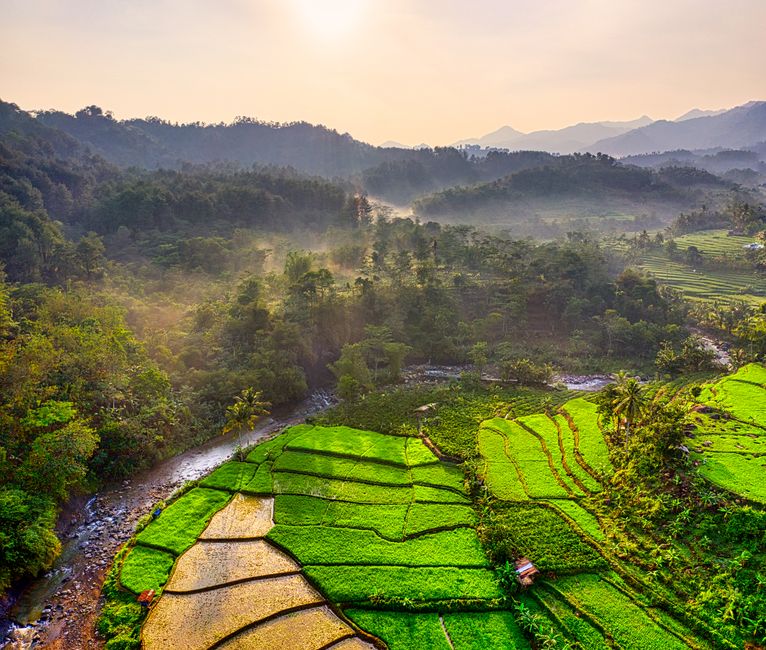
While Ubud's terraces are famous, Sidemen's rice paddies hide a unique spiritual irrigation system, the Subak, dating back centuries.
The Subak system, a UNESCO recognized heritage, is more than just irrigation; it's a democratic and spiritual approach to water management. Farmers collectively manage water distribution and rituals, ensuring harmony with nature and fellow cultivators. This ancient system, rooted in the Balinese philosophy of Tri Hita Karana (harmony with God, humans, and nature), allows Sidemen's emerald terraces to flourish, offering a glimpse into Bali's enduring agricultural soul away from the tourist rush.
2. Munduk's Twin Falls and Forgotten Crops
Munduk, Bali, Indonesia
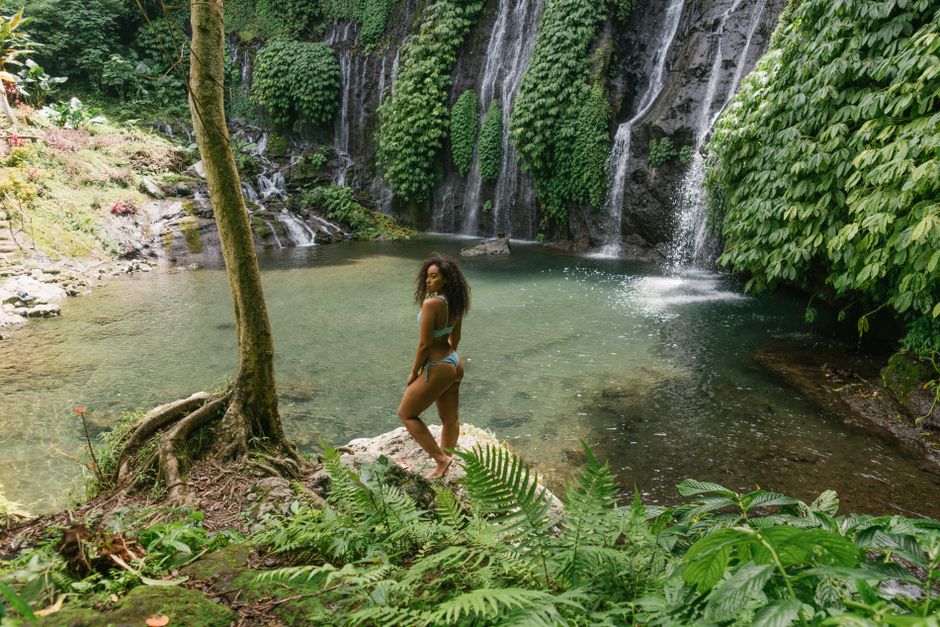
Munduk is home not just to stunning twin waterfalls, but also to a cool climate that once made it a hub for colonial-era spice plantations.
High in Bali's central highlands, Munduk offers a refreshing escape from the island's heat. Beyond the majestic Banyumala Twin Waterfalls, a series of cascades hidden in lush jungle, the region's history is steeped in agriculture. During the Dutch colonial era, Munduk became a prime location for growing coffee, cloves, and vanilla, a legacy still visible in the surrounding plantations. Exploring Munduk reveals this blend of natural beauty and an agricultural past, offering cooler air and fewer crowds.
3. Amed's Underwater WWII Relic
Amed, Bali, Indonesia
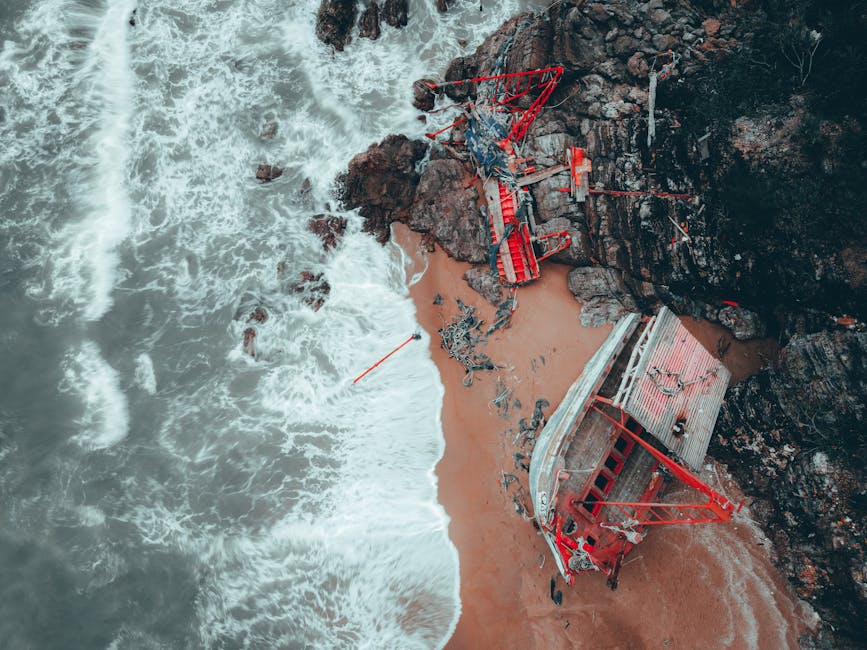
Off the quiet shores of Amed lies a surprisingly accessible WWII shipwreck, the USAT Liberty, a vibrant artificial reef teeming with life.
Amed, a serene fishing village on Bali's east coast, offers more than just black sand beaches. Just offshore, in relatively shallow waters, rests the wreck of the USAT Liberty, a US Army transport ship torpedoed by a Japanese submarine in 1942. Though initially beached, a volcanic eruption in 1963 pushed it back into the water, creating an extraordinary dive and snorkel site. Today, the wreck is a thriving coral garden, home to an incredible diversity of marine species, a living testament to both nature's resilience and history.
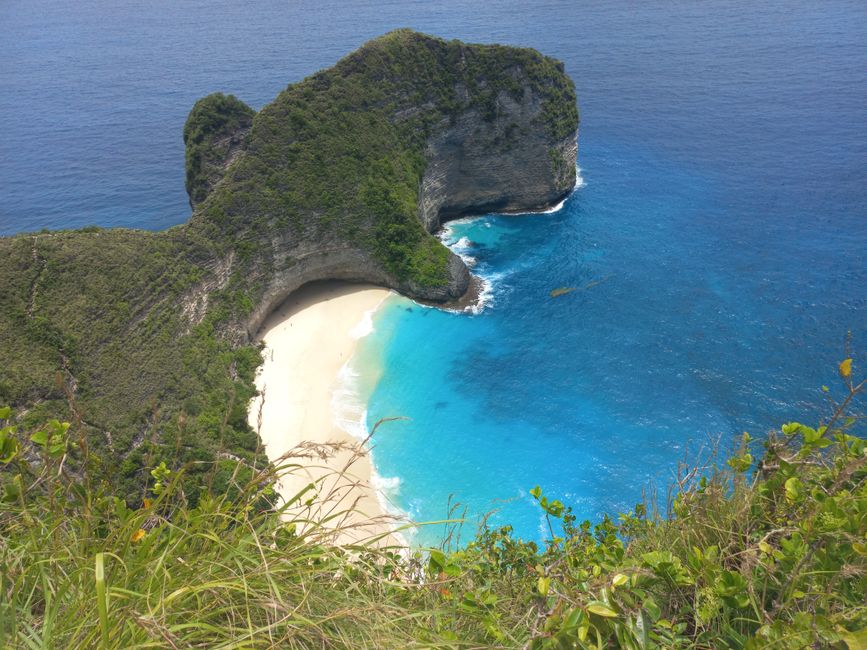
4. Kelingking's Dinosaur Coastline
Nusa Penida, Bali, Indonesia
Kelingking Beach's iconic cliff formation isn't just picturesque; it's a dramatic geological tale shaped by millions of years of tectonic forces and erosion.
The 'T-Rex head' cliff at Kelingking Beach on Nusa Penida is arguably Bali's most photographed natural wonder. This dramatic limestone formation is a result of intense geological processes, where ancient coral reefs were uplifted and then sculpted by relentless ocean waves and wind over millennia. The softer rock layers eroded faster, leaving the harder, more resistant formations that give it its distinctive shape. This stunning landscape is a powerful reminder of Earth's dynamic geology, a natural sculpture forged by time.
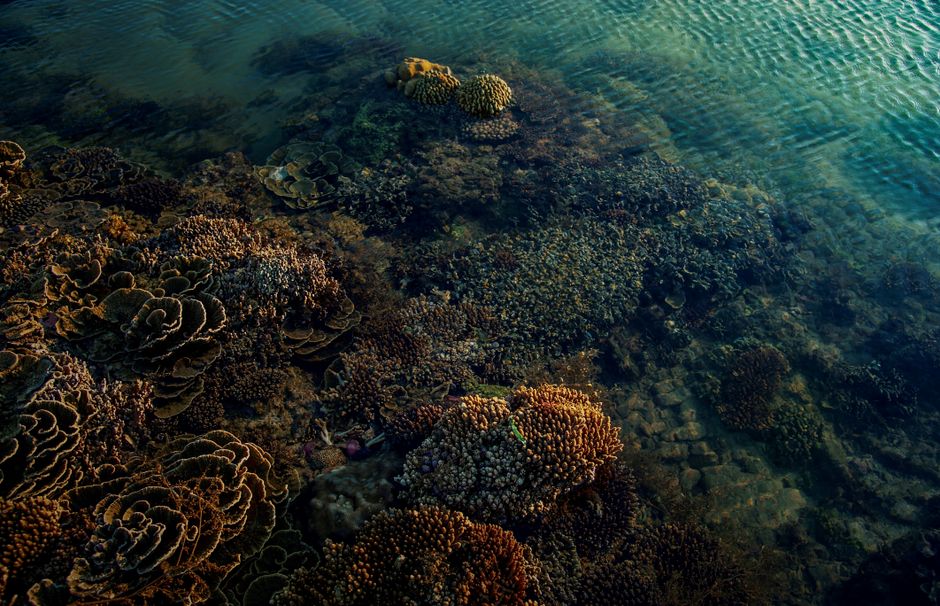
5. Pemuteran's Reborn Reefs
Pemuteran, Bali, Indonesia
Pemuteran is home to the world's largest Biorock coral reef restoration project, actively regrowing threatened coral ecosystems.
On Bali's calmer northwest coast, Pemuteran is a pioneering hub for marine conservation. The Biorock technology used here employs a low-voltage electrical current to accelerate coral growth and repair damaged reefs. This innovative approach has transformed areas of barren seabed into vibrant, flourishing coral gardens. Divers and snorkelers can witness firsthand the successful restoration efforts, observing new coral colonies attracting diverse marine life, a hopeful testament to human ingenuity in preserving our oceans.
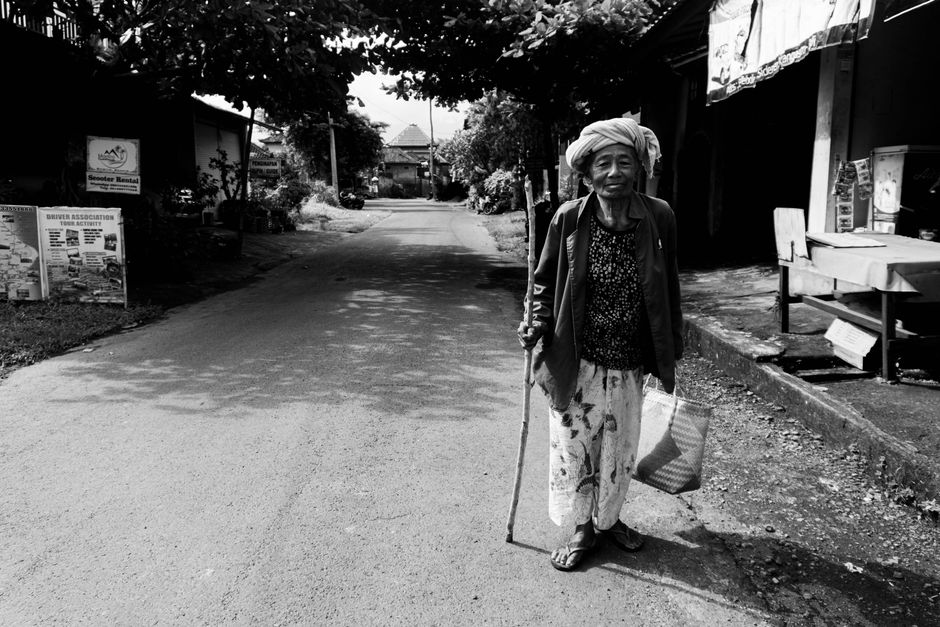
6. Tenganan's Sacred Double Ikat Weaves
Tenganan Pegringsingan, Bali, Indonesia
This ancient Bali Aga village is one of the few places in the world where the sacred 'double ikat' textile, Gringsing, is still meticulously hand-woven.
Tenganan Pegringsingan is a living museum, preserving the unique traditions of the Bali Aga people, Bali's indigenous inhabitants who predate the Majapahit migration. The village is famous for its Gringsing cloth, a textile woven using the incredibly complex double ikat technique, where both warp and weft threads are individually dyed before weaving. This intricate process, believed to protect the wearer from evil, makes Gringsing incredibly rare and valuable, offering a profound insight into Bali's ancient spiritual and artistic heritage.
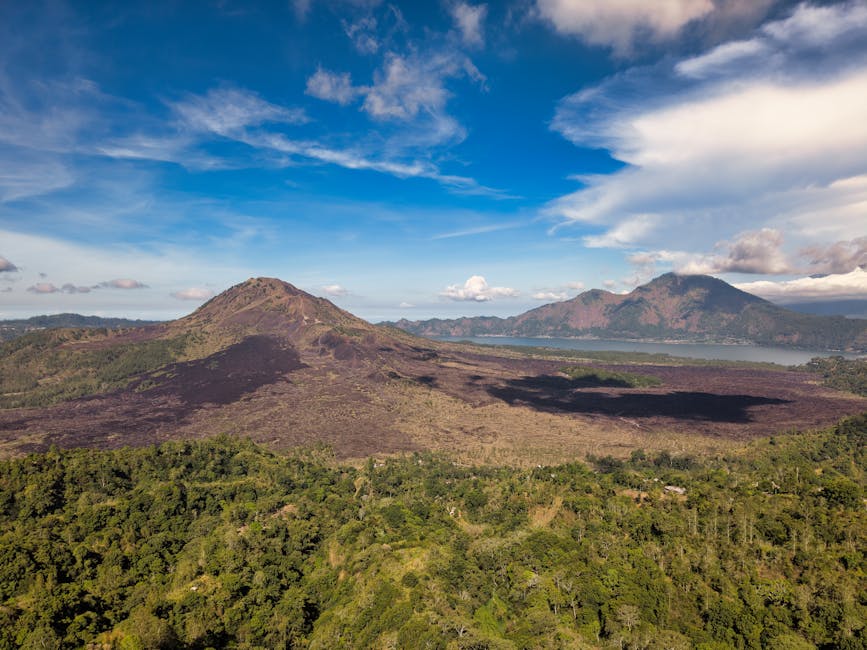
7. Menjangan's Deer and Starling Sanctuary
West Bali National Park, Bali, Indonesia
Menjangan Island, within West Bali National Park, is a sanctuary for the critically endangered Bali Starling and home to deer that famously swim between islands.
Far from the bustling south, West Bali National Park is a haven for biodiversity. Menjangan Island, meaning 'Deer Island,' earned its name from the Javan Rusa deer that migrate seasonally, often swimming gracefully between the island and the mainland. More critically, the park is a crucial conservation zone for the Bali Starling, a beautiful, pure white bird endemic to Bali and one of the world's rarest. Visitors can witness efforts to save this iconic species and explore pristine coral reefs, a stark contrast to Bali's more developed areas.
Frequently asked questions
Is Bali safe for solo female travelers?
Bali is generally considered very safe for solo female travelers, with many women reporting positive experiences. Common sense precautions like avoiding isolated areas at night and being aware of your belongings are always advisable.
What is the best time of year to visit Bali to avoid crowds?
To avoid the biggest crowds while still enjoying good weather, consider visiting during the shoulder seasons: April to May or September to October. The peak dry season (June-August) is popular, and the wet season (November-March) sees fewer tourists but more rain.
What are some ethical ways to interact with local culture in Bali?
Engage respectfully by dressing modestly when visiting temples, asking permission before photographing people, and learning a few basic Indonesian phrases. Support local businesses and artisans directly, and be mindful of your environmental impact, especially with plastic waste.
How can the AllTours.ai app enhance my Bali trip?
The AllTours.ai app brings the stories of Bali to life. Simply point your phone camera at a landmark, a rice terrace, or even a unique rock formation, and the app will instantly narrate its history, geology, or cultural significance in your language, offering a deeper understanding of the places you explore.
Photography via Pexels. AllTours.ai is an AI audio tour guide — point your camera at any landscape and hear its story.