July 21, 2026 · 4 min read
Montreal is a city brimming with history, culture, and a unique European flair. While popular spots often grab the headlines, the real magic sometimes lies off the beaten path, especially when you're looking for exciting and engaging activities for teens that spark genuine curiosity.
Forget the usual tourist circuits. We’ve curated a list of Montreal's most captivating, lesser-known gems, each with a surprising story, perfect for young adventurers eager to uncover the city's deeper layers of history, geology, and culture.
1. A Dinosaur's Secret in the City
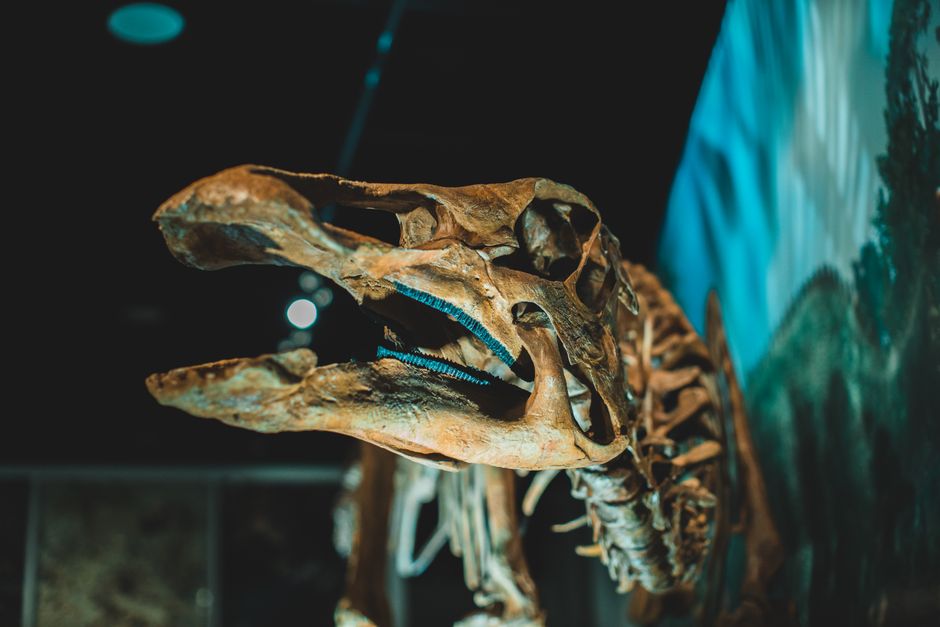
Redpath Museum, Montreal, Canada
Tucked within McGill University, this Victorian-era museum is one of Canada's oldest, boasting ancient Egyptian mummies and a formidable gorgosaurus skeleton.
Built in 1882, the Redpath Museum feels like stepping into a classic natural history adventure. Beyond its fossilized giants and genuine mummies, the museum houses extensive collections of minerals, ethnological artifacts, and zoological specimens. It offers a fascinating, less crowded dive into natural sciences and ancient cultures, far from the city's usual buzz.
2. The Birthplace of Canadian Industry
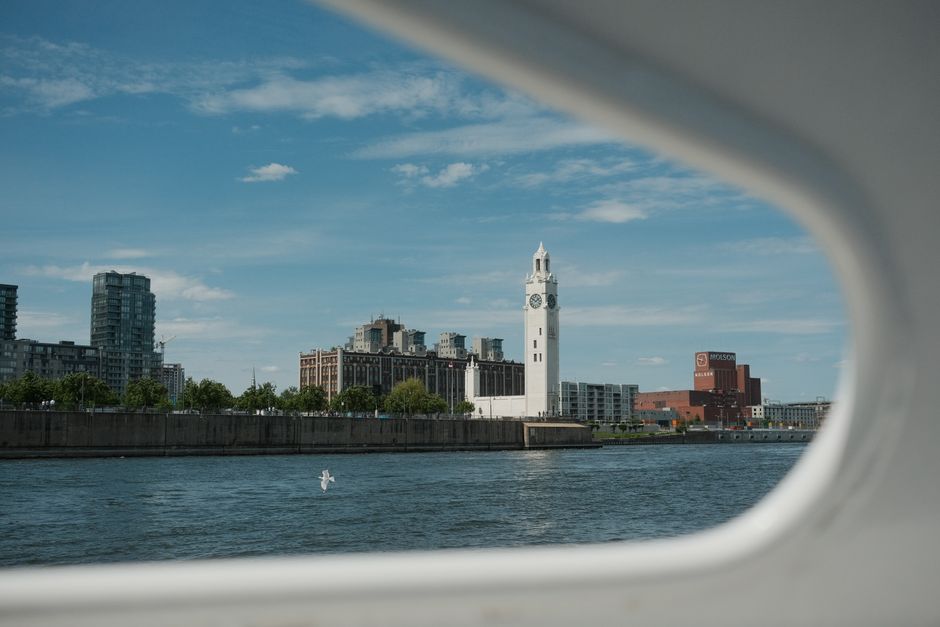
Lachine Canal National Historic Site, Montreal, Canada
This tranquil canal, now a haven for cyclists, was once the roaring engine room of Canada, a strategic waterway that birthed the nation's industrial revolution.
From 1825 until its closure in 1959, the Lachine Canal was a vital artery, circumventing the Lachine Rapids and fueling a cluster of factories and mills that earned Montreal the nickname 'Canada's industrial metropolis.' Cycling or walking alongside it today, you can still see the massive stone locks and repurposed brick factories, silent witnesses to an era when Montreal's economy thrummed with the power of water and steam.
3. Hidden Murals in Secret Alleys
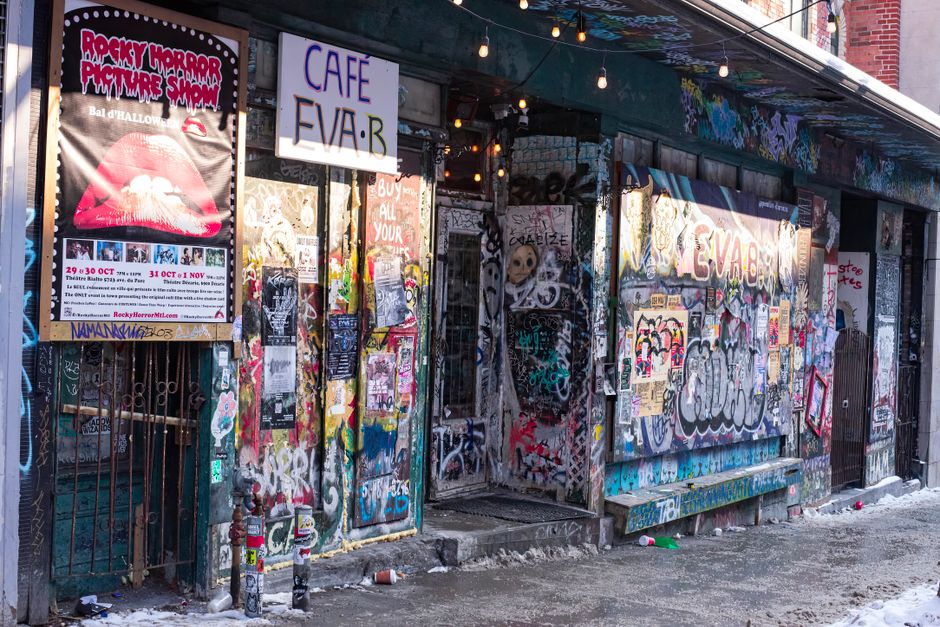
Le Plateau-Mont-Royal, Montreal, Canada
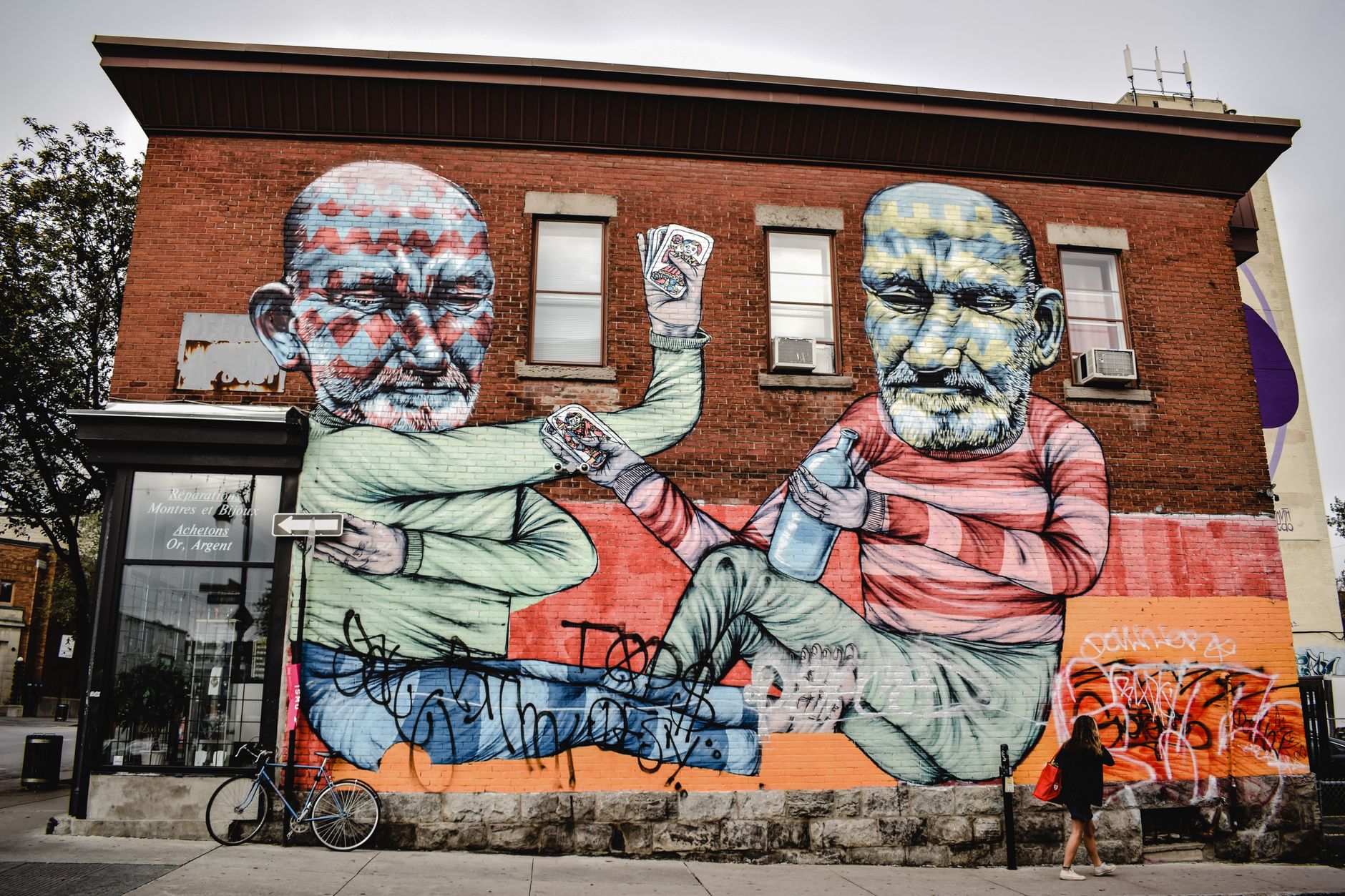
Veer off the main streets of the Plateau and discover a vibrant, ever-changing gallery of street art hidden in unassuming alleys, often with surprising backstories.
The Plateau is renowned for its colorful murals, but many of the most captivating pieces are tucked away from plain sight. These residential back alleys transform into canvases for local and international artists, offering an intimate, spontaneous art walk. Each corner might reveal a towering portrait, a whimsical scene, or a thought-provoking stencil, creating a living, breathing urban art museum that evolves with every season.
4. Below the Dome: Miracles and Solitude
Saint Joseph's Oratory of Mount Royal, Montreal, Canada
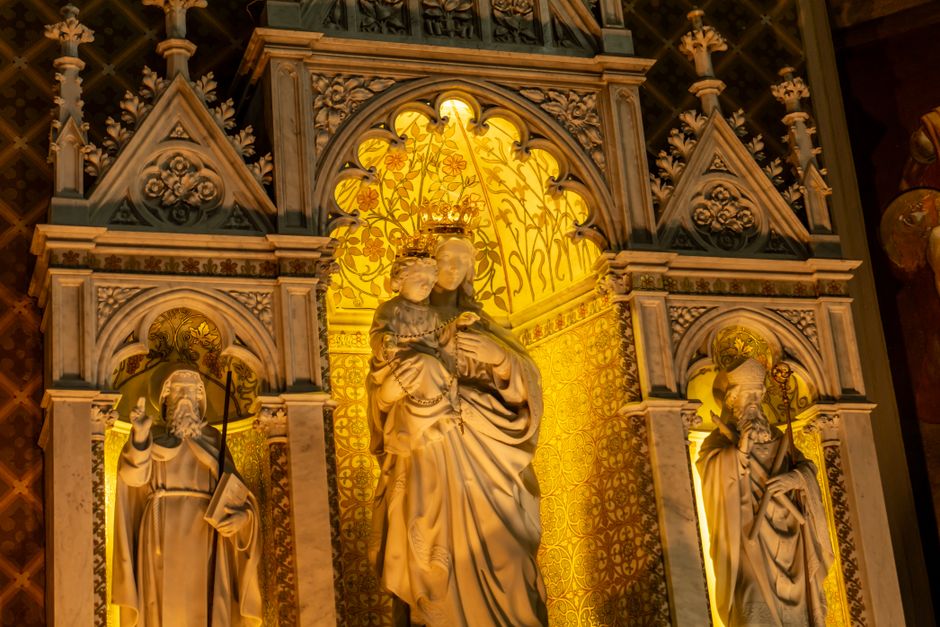
Beneath the grand basilica of Saint Joseph's Oratory lies a vast, stark crypt church and a Votive Chapel filled with crutches, tokens of claimed miraculous healings.
While the Oratory's towering dome dominates the skyline, descending into its crypt reveals a different side of this sacred site. The crypt church, with its robust concrete architecture, offers a powerful sense of solemnity. Adjacent is the Votive Chapel, a profoundly moving space where thousands of crutches, canes, and prostheses hang, left by pilgrims who believe they were cured through the intercession of Saint Brother André, the Oratory's founder.
5. A Vision of the Future, Stacked
Habitat 67, Montreal, Canada
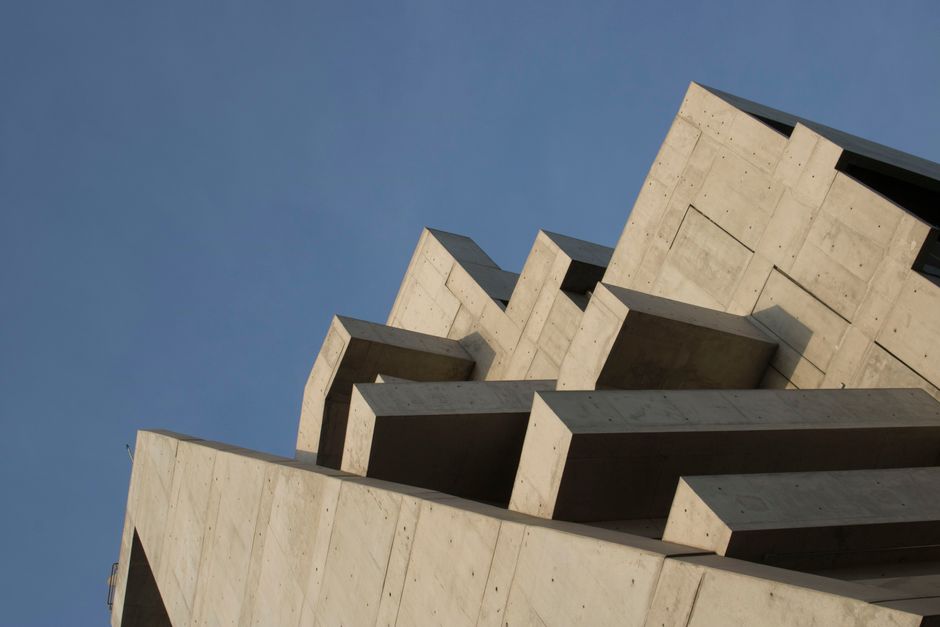
This iconic collection of stacked concrete boxes, designed by Moshe Safdie for Expo 67, was a radical experiment in urban living, originally envisioned as affordable housing.
Habitat 67 challenges conventional apartment design, creating a community where each residence has its own garden and a sense of individuality, despite being part of a larger complex. Safdie's goal was to combine the privacy and outdoor space of suburban homes with the density of city living. Though it became a luxury address rather than affordable housing, it remains a daring architectural statement and a testament to the utopian ambitions of the 1960s.
6. From Race Track to Ripe Produce
Marché Jean-Talon, Montreal, Canada
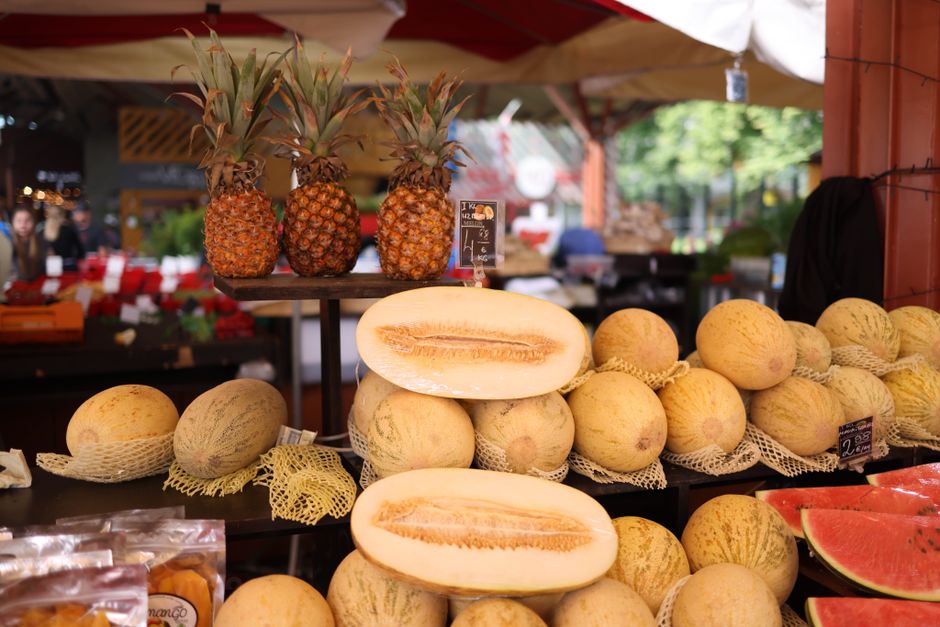
One of Montreal's largest and most vibrant public markets, Marché Jean-Talon, stands on grounds that were once a bustling fairground and a popular race track.
Before its transformation into a beloved public market in 1933, the land was home to the Delorimier Stadium, which hosted horse races and baseball games. Today, the market overflows with local produce, artisanal cheeses, Quebecois specialties, and international flavors, especially vibrant in summer. Exploring its stalls offers a sensory feast and a connection to Montreal's enduring agricultural roots and community spirit.
7. The Quirky Charm of Spiral Stairs
Le Plateau-Mont-Royal, Montreal, Canada
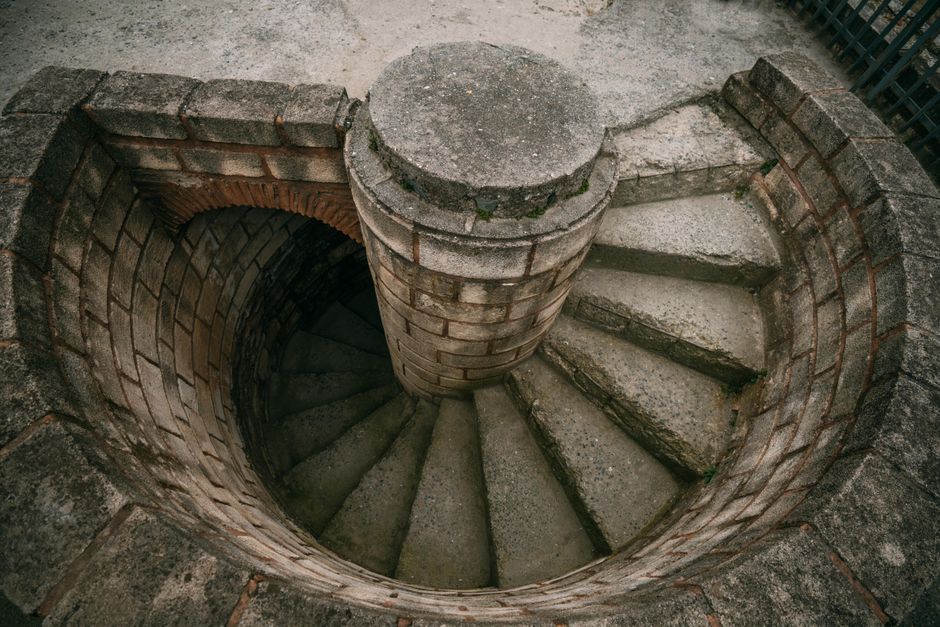
The Plateau neighborhood is instantly recognizable by its proliferation of distinctive outdoor spiral staircases, an architectural quirk with a surprisingly practical origin.
These wrought-iron wonders aren't just decorative; they were a clever solution to maximize interior living space in Montreal's duplexes and triplexes. By placing the stairs outside, landlords could claim more square footage inside, a practice that became widespread after a specific building code change. Walking through the Plateau means encountering countless variations of these elegant, often brightly painted, iron masterpieces, each telling a silent story of urban ingenuity.
8. Stepping on Ancient Footprints
Pointe-à-Callière, Montreal, Canada
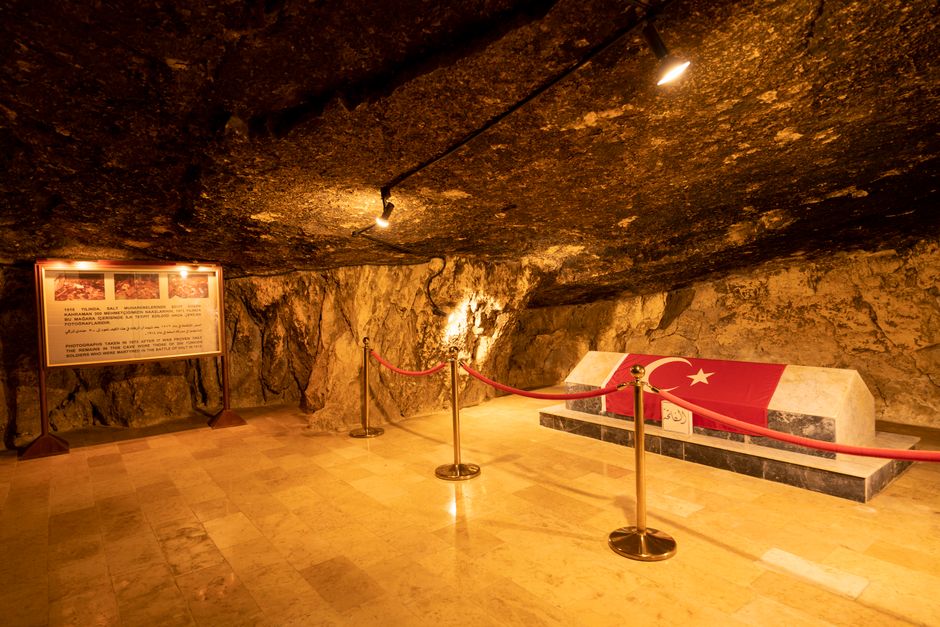
Dive beneath the Pointe-à-Callière Museum to explore an archaeological crypt that lets you walk directly through the unearthed foundations of Montreal's very first settlements.
This unique underground pathway takes you through layers of history, from the initial indigenous encampments to the remains of Fort Ville-Marie, Montreal's founding site, and the city's first Custom House. You can trace ancient stone walls, see an old sewer system, and even visit a colonial cemetery. It’s an immersive journey that offers a tangible connection to the city's origins, far more engaging than simply reading about the past.
Frequently asked questions
Is Montreal safe for teens to explore on their own?
Montreal is generally considered a very safe city, especially in tourist areas and neighborhoods like the Plateau. Public transit is excellent and easy to navigate. As with any major city, it's wise to stay aware of surroundings, especially at night, and stick to well-lit, populated areas.
What's the best way for teens to get around Montreal?
Montreal's public transportation system (STM) is highly efficient, with an extensive metro and bus network. Teens can easily navigate the city using a multi-day pass or by simply walking and cycling, especially in areas like the Old Port or the Plateau, which are very pedestrian-friendly.
Are there any free activities for teens in Montreal?
Absolutely! Exploring the street art in the Plateau alleys, cycling or walking along the Lachine Canal, visiting the Redpath Museum (free for McGill students and often by donation for others, check current policy), and simply wandering through neighborhoods like the Old Port or the Latin Quarter offer plenty of free entertainment and discovery.
How can AllTours.ai help teens discover Montreal's stories?
AllTours.ai is an AI audio tour guide app that brings the stories of places to life. Teens can simply point their phone camera at any landmark, mural, or historic site in Montreal, and the app will instantly narrate its history, geology, and culture in their chosen language, making exploration interactive and deeply informative.
Photography via Pexels. AllTours.ai is an AI audio tour guide — point your camera at any landscape and hear its story.