July 8, 2026 · 4 min read
When asked "What is the world's largest tourist attraction?" most people instantly picture iconic landmarks like the Eiffel Tower, the Great Wall of China, or Times Square. These places certainly draw massive crowds, but visitor numbers alone don't capture the full scale of our planet's most astonishing wonders.
True 'largeness' can mean many things: a geological formation spanning hundreds of kilometers, an ancient civilization-altering discovery, or a landscape so extreme it redefines what's possible on Earth. Join us as we explore extraordinary, often overlooked places around the globe that embody a different kind of monumental scale and hold genuinely surprising stories.
1. The Gates of Eternal Fire
Derweze, Turkmenistan
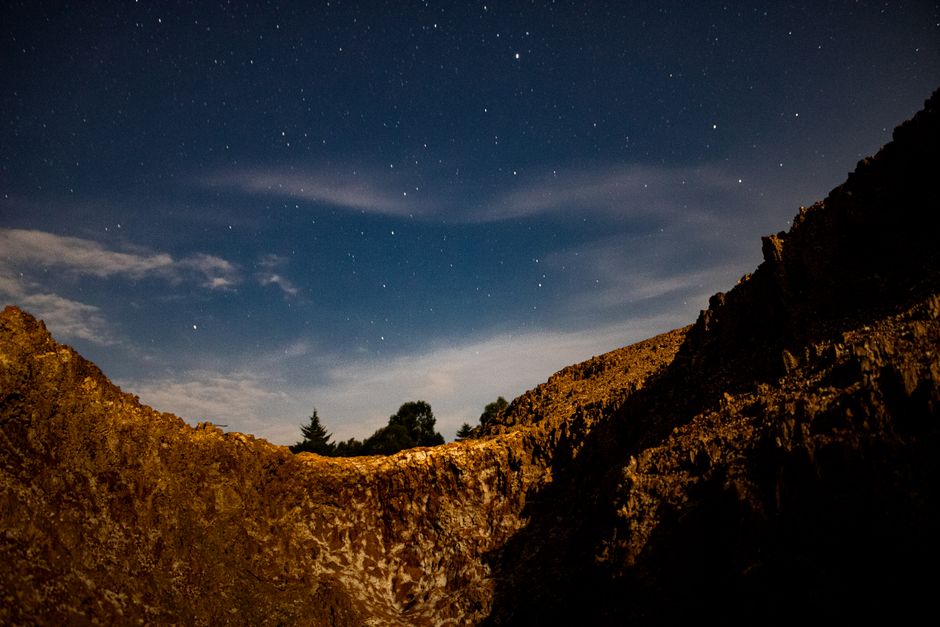
A fiery chasm in the desert has been burning continuously for over five decades, a man-made accident turned mesmerizing spectacle.
In 1971, Soviet geologists drilling for natural gas accidentally punched into a cavern, causing the ground to collapse and release methane. Fearing the spread of poisonous gas, they decided to ignite it, expecting it to burn off in a few weeks. Instead, the crater, roughly 70 meters wide, has glowed with an eerie, orange flame ever since, attracting a trickle of intrepid visitors to its desolate Karakum Desert location.
2. The Eye of the Sahara
Ouadane, Mauritania
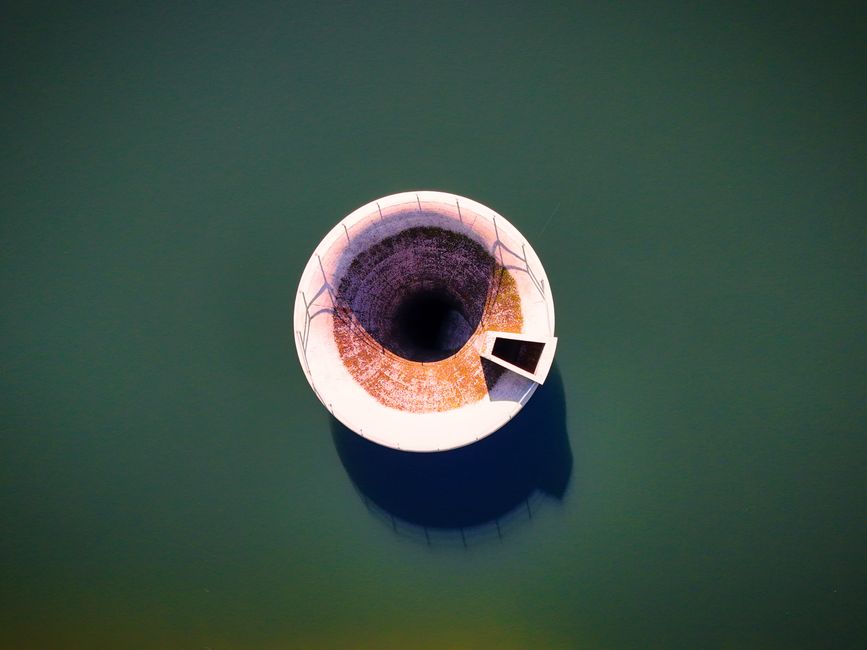
This colossal, perfectly circular geological formation in the Sahara Desert, visible from space, was once mistaken for an impact crater.
Stretching nearly 50 kilometers across, the Richat Structure is a deeply eroded dome, revealing concentric rings of different rock layers. Early astronauts used it as a landmark, baffled by its precise circularity. Geologists now understand it to be a symmetrical, domed anticline that has been gradually unroofed by erosion, not a meteorite impact site or volcanic caldera, offering a stunning testament to geological processes over millions of years.

3. The World's Largest Mirror
Uyuni, Bolivia
The planet's largest salt flat transforms into an astonishing, horizon-blurring mirror after rainfall, reflecting the sky perfectly.
Covering over 10,000 square kilometers, Salar de Uyuni is a relic of prehistoric lakes. Beneath its blinding white surface lies a vast reserve of lithium, but above ground, its flat expanse creates optical illusions that challenge perception. During the wet season, a thin layer of water turns the entire area into an immense, reflective canvas, blurring the line between earth and sky and creating one of the most surreal landscapes on Earth.
4. Earth's Alien Landscape
Afar Region, Ethiopia
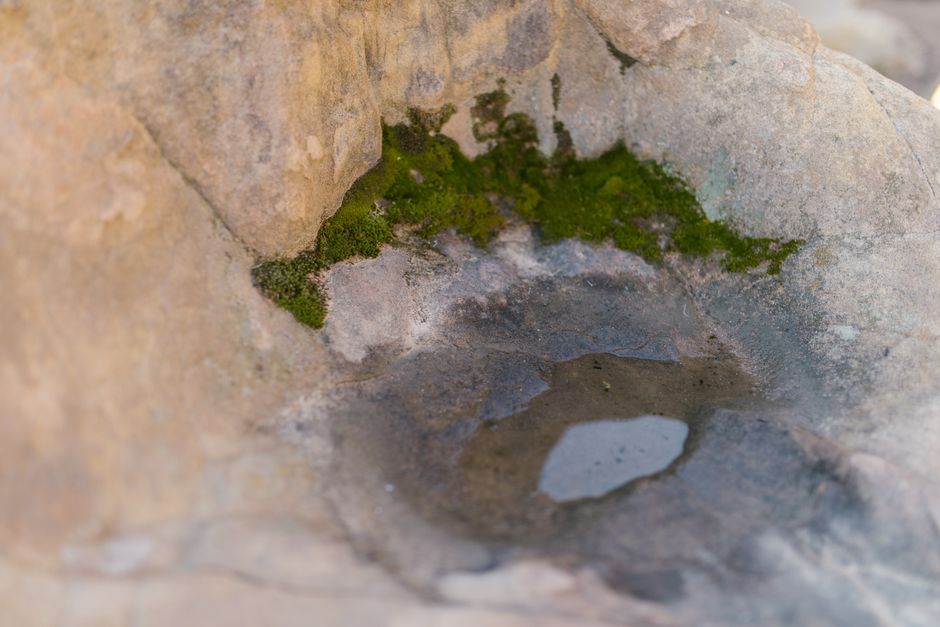
One of the hottest and lowest places on Earth, this volcanic wonderland features vibrant, toxic pools and active lava lakes that feel straight out of another world.
The Danakil Depression is a geological marvel where three tectonic plates meet, creating intense volcanic activity, extreme heat, and a stunning array of vibrant colors. Here, sulfurous hot springs create vivid green, yellow, and orange mineral formations, while salt flats stretch to the horizon. It's home to some of the most extreme life forms and remains a key site for studying extremophiles, presenting a stark, beautiful, and challenging environment.
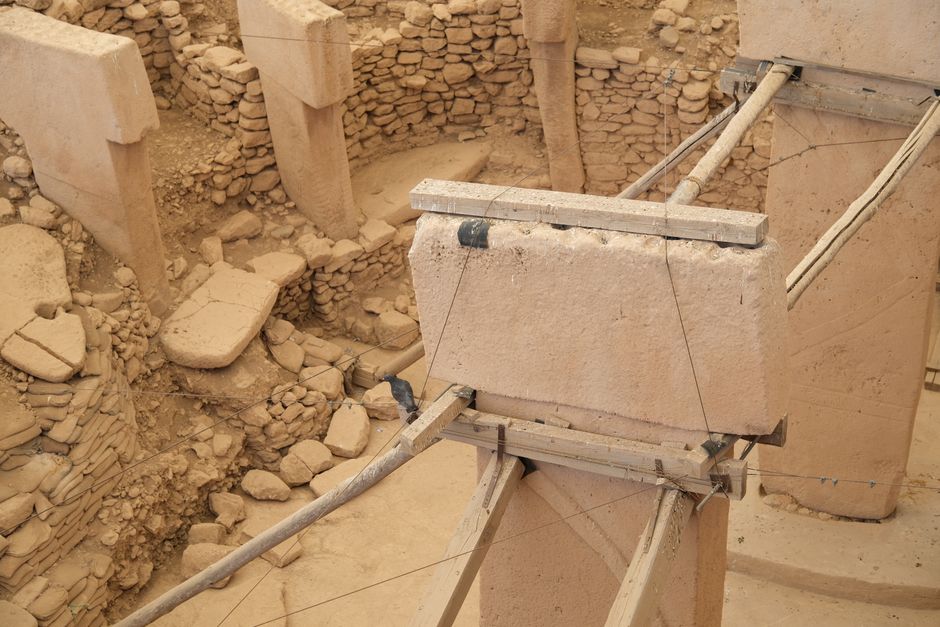
5. Where Civilization Began (Maybe)
Şanlıurfa Province, Turkey
This ancient site, built by hunter-gatherers over 11,000 years ago, is the oldest known temple, predating the invention of agriculture and settled life.
Long before Stonehenge or the Egyptian pyramids, monumental stone circles and T-shaped pillars, intricately carved with animal reliefs, were erected at Göbekli Tepe. Its discovery fundamentally challenged the prevailing narrative that agriculture led to settled communities and monumental architecture. Instead, it suggests that complex ritual sites might have driven the need for communities to gather, potentially inspiring the very first steps towards civilization itself.
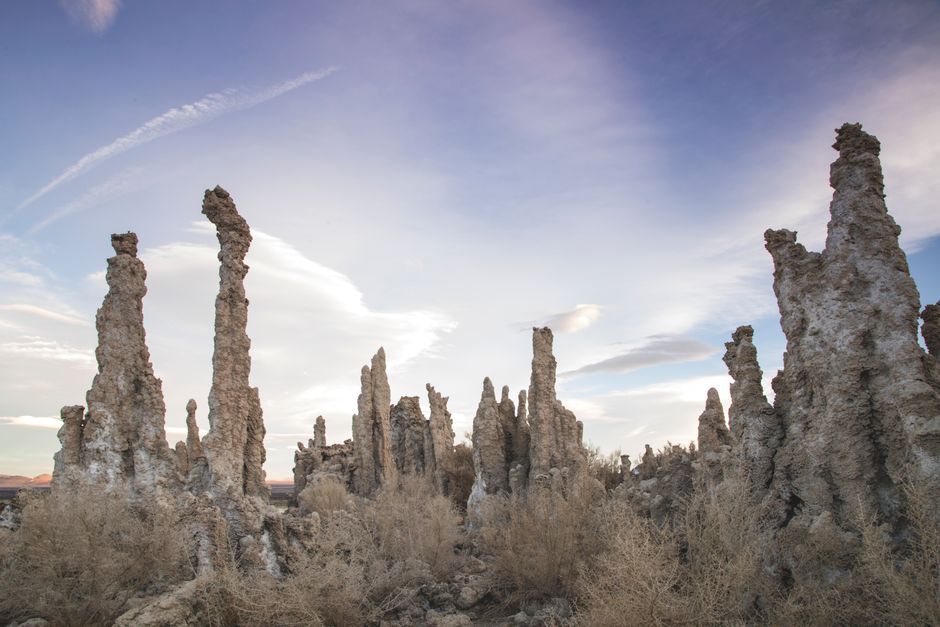
6. The Stone Forest Labyrinth
Melaky Region, Madagascar
A vast 'forest' of razor-sharp limestone spires, some reaching hundreds of meters high, forms an impenetrable, otherworldly landscape teeming with unique wildlife.
Formed over millions of years by groundwater erosion carving through uplifted limestone plateaus, the Tsingy de Bemaraha is a UNESCO World Heritage site unlike any other. Its jagged pinnacles, known as "tsingy" (Malagasy for "where one cannot walk barefoot"), create a complex, vertical ecosystem. Specialized flora and fauna, including several species of lemurs, have adapted to navigate this incredible, dangerous, and isolated terrain, making it a hotspot for biodiversity.
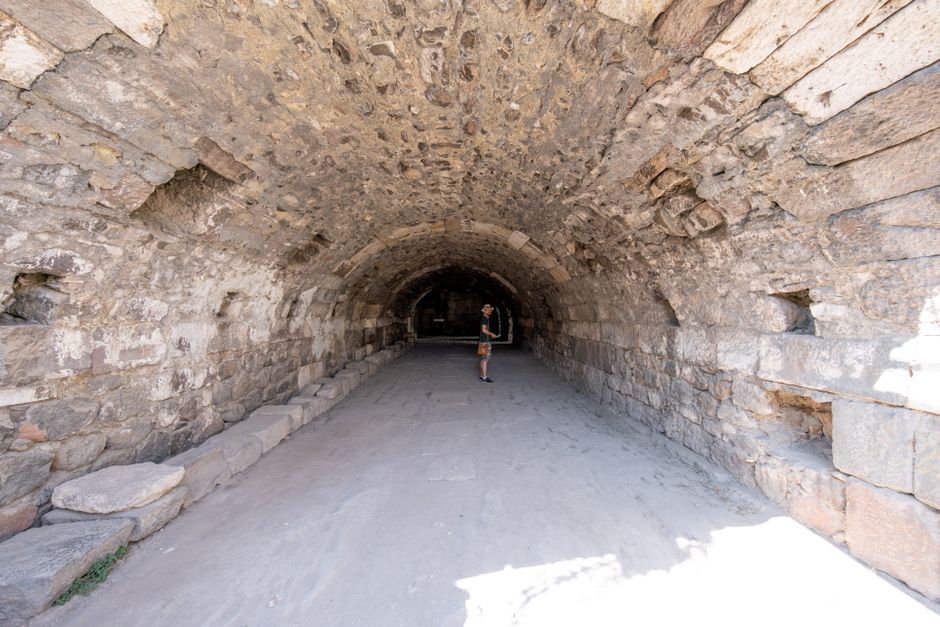
7. The Hidden City Beneath the Earth
Derinkuyu, Nevşehir Province, Turkey
This massive, multi-level underground city in Cappadocia could house thousands of people, complete with ventilation shafts, stables, and churches, all carved into soft volcanic rock.
One of dozens of underground cities in Cappadocia, Derinkuyu is the deepest, plunging over 85 meters into the earth. It was likely built by Phrygians or early Christians as a refuge from invaders, providing a hidden, self-sufficient existence for extended periods. Complete with vast communal rooms, wine presses, and sophisticated rolling stone doors to seal off passages, it's a monumental feat of ancient engineering that reveals a hidden world beneath the iconic fairy chimneys.
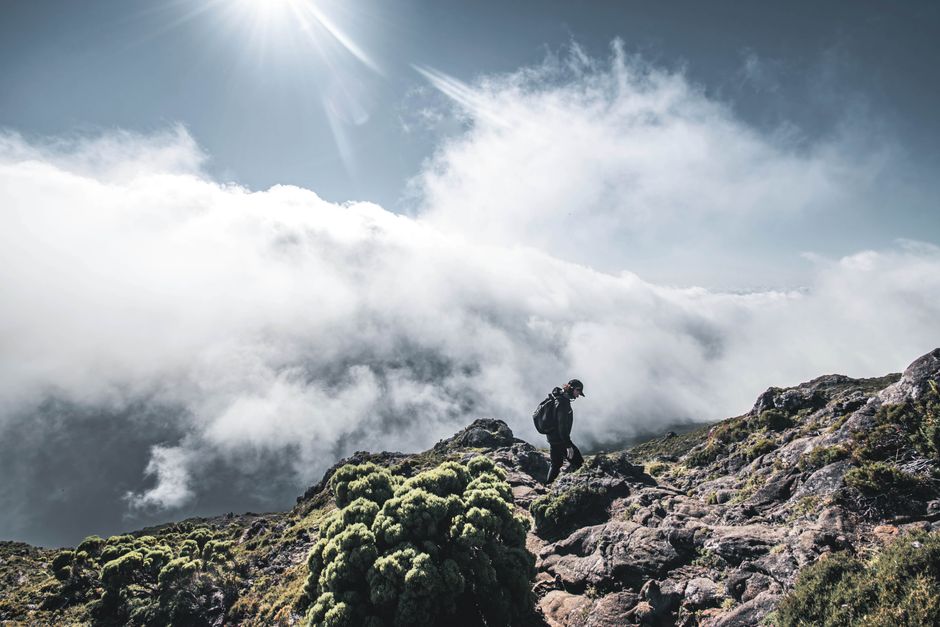
8. The Lost World Plateau
Canaima National Park, Venezuela / Brazil / Guyana
This towering, flat-topped mountain, a "tepui," inspired Arthur Conan Doyle's novel "The Lost World" due to its unique, isolated ecosystem and dramatic cliff faces.
Mount Roraima is a natural frontier, one of the oldest geological formations on Earth, rising majestically from the surrounding savannas with sheer 400-meter cliffs. Its summit is a surreal landscape of bizarre rock formations, waterfalls, and unique flora and fauna found nowhere else on the planet, adapted to its misty, rain-soaked environment. Reaching the top is an arduous journey, rewarding adventurers with breathtaking views and a sense of truly stepping into a primeval, untouched world.
Frequently asked questions
What is generally considered the world's largest tourist attraction by visitor numbers?
While "largest" can mean different things, by sheer visitor volume, places like Times Square in New York City or the Grand Bazaar in Istanbul see immense daily foot traffic. Theme parks like Walt Disney World also attract tens of millions annually, making them contenders in terms of attendance.
Are the world's most massive or significant natural wonders always famous?
Not at all. Many of Earth's most breathtaking and historically significant natural or archaeological sites remain relatively unknown to mass tourism, often due to remote locations, challenging access, or simply being overshadowed by more heavily marketed destinations. These hidden gems often hold the deepest and most surprising stories.
How can I discover the deeper stories of these lesser-known places when I travel?
Traditional guidebooks often offer limited depth. For a truly immersive experience, look for local experts, specialized tours, or advanced travel technologies that can provide on-the-spot, detailed narratives about the history, geology, and culture of your surroundings as you explore.
How does the AllTours.ai app help me explore unique places like these?
AllTours.ai transforms your phone into an AI audio tour guide. Simply point your camera at any landmark, landscape, or historical site, and the app instantly narrates its rich history, geological formation, and cultural significance in your preferred language, bringing even the most obscure locations to life.
Photography via Pexels. AllTours.ai is an AI audio tour guide — point your camera at any landscape and hear its story.