July 8, 2026 · 4 min read
Most travelers to Vietnam gravitate towards the iconic emerald waters of Halong Bay or the lantern-lit charm of Hoi An. While undeniably beautiful, these well-trodden paths barely scratch the surface of a country brimming with diverse landscapes, profound history, and captivating cultures.
For those seeking a deeper connection, a journey beyond the familiar reveals a Vietnam of untold stories. From the challenging 'Happiness Road' to caves so vast they hold their own jungles, and islands that whisper tales of resilience, these underrated places offer experiences that are both authentic and unforgettable.
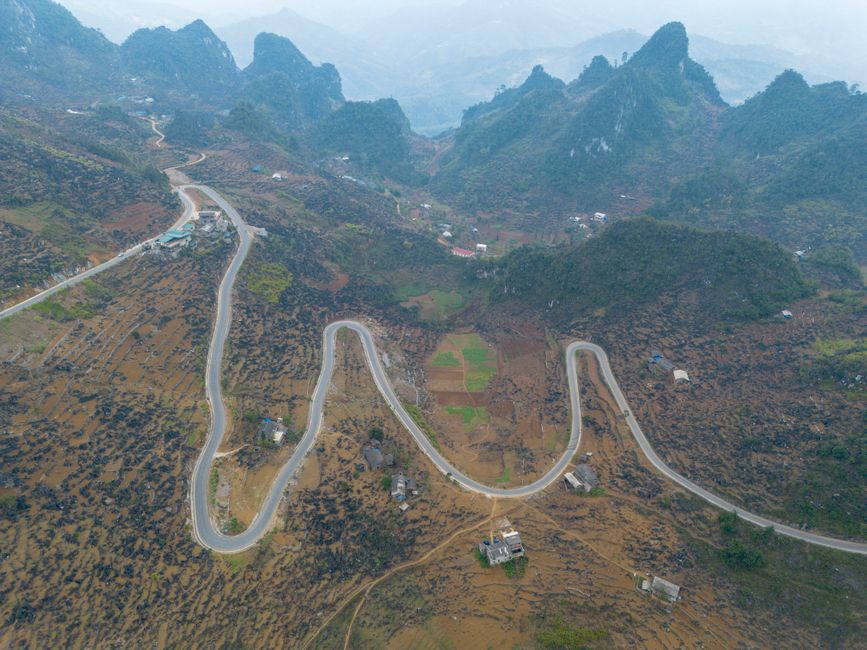
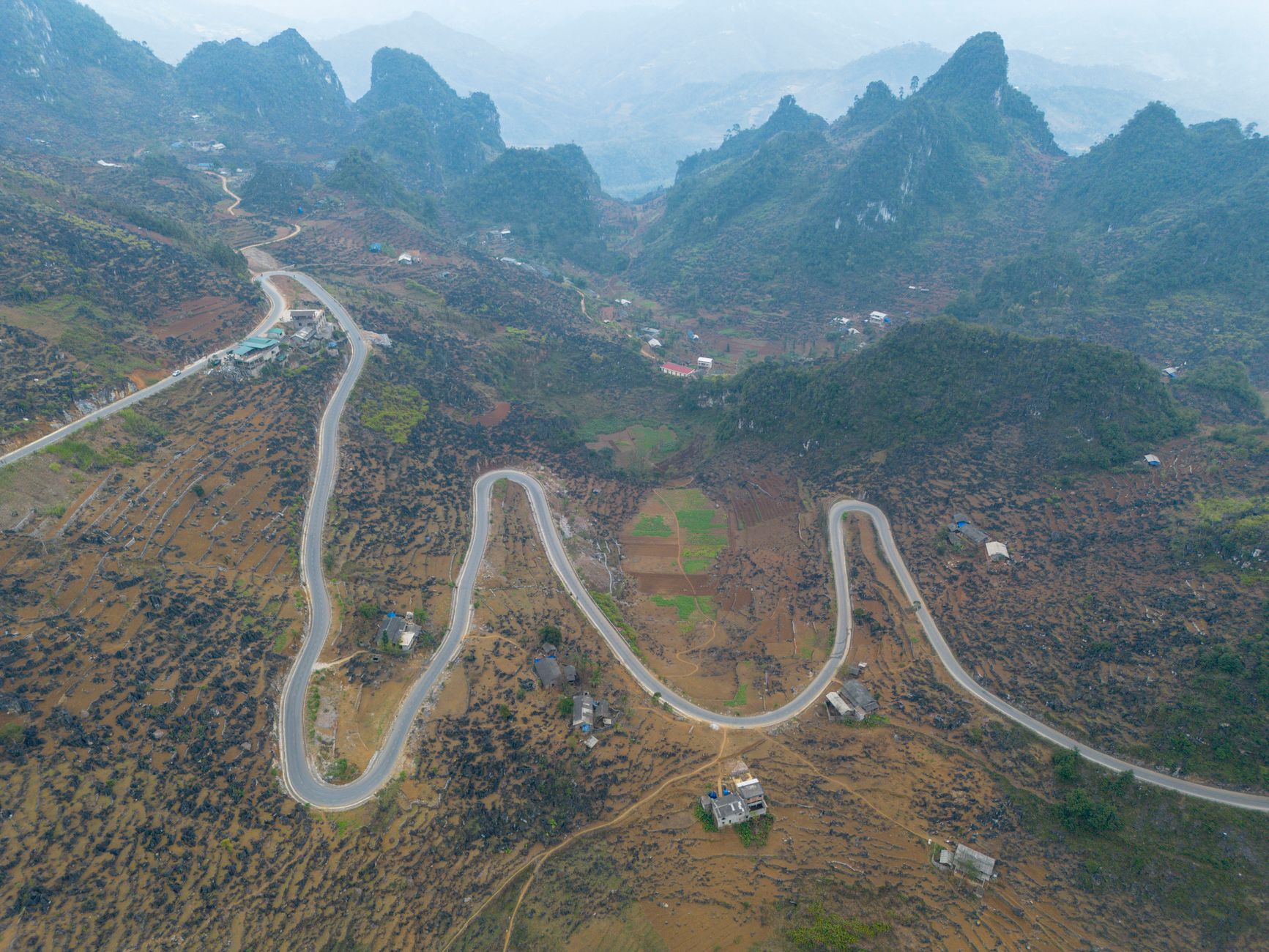
1. Ha Giang Loop: Vietnam's 'Happiness Road'
Ha Giang, Vietnam
The Ha Giang Loop traces a legendary road, painstakingly carved by hand through treacherous mountains by local ethnic minorities.
Known as 'Đường Hạnh Phúc' or the Happiness Road, this incredible feat of engineering was built over six years by thousands of laborers, connecting remote communities to the rest of Vietnam. Today, it offers an unparalleled journey through the Dong Van Karst Plateau Geopark, revealing dramatic limestone peaks, plunging canyons, and the vibrant cultures of the Hmong, Tay, and Dao people.
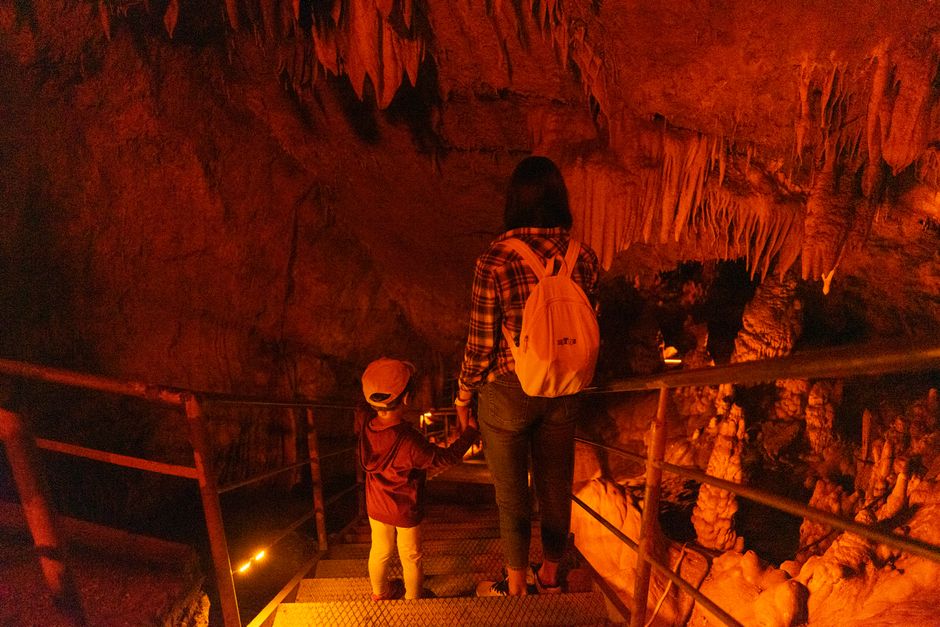
2. Phong Nha-Ke Bang: The World's Largest Cave
Phong Nha-Ke Bang National Park, Vietnam
Son Doong Cave, the world's largest known cave, is so immense it harbors its own river, jungle, and distinct weather system.
Part of the Phong Nha-Ke Bang National Park, a UNESCO World Heritage site, Son Doong was only fully explored in 2009. Its colossal chambers could fit a 40-story skyscraper, and its 'dolines' (collapsed ceilings) allow sunlight to penetrate, creating internal ecosystems with unique flora and fauna. The park itself boasts hundreds of other caves, rivers, and pristine jungle.
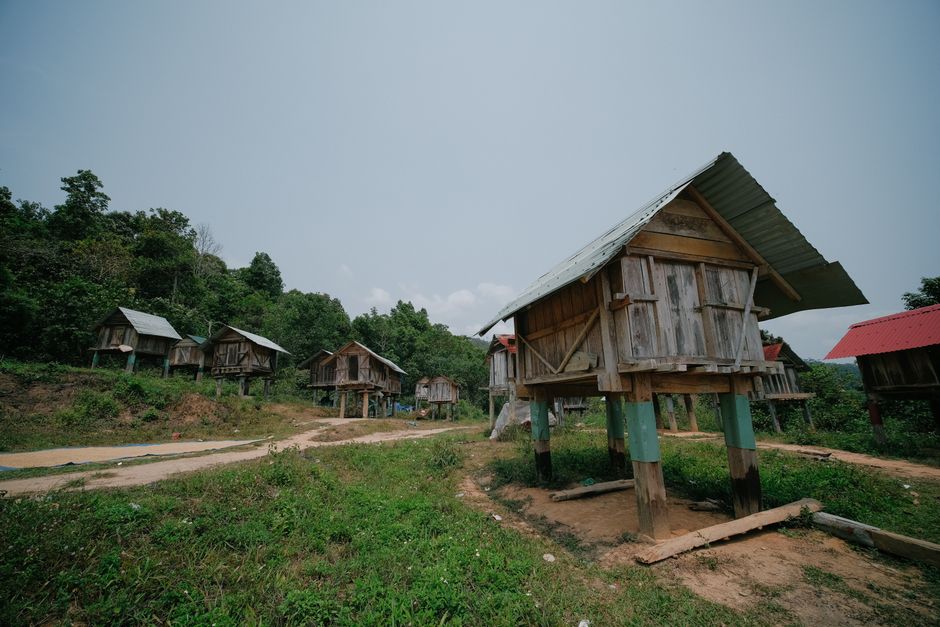
3. Mai Chau: Where Culture Meets the Karst
Mai Chau, Vietnam
In Mai Chau, the White Thai people live in traditional stilt houses, preserving a way of life deeply intertwined with their surrounding rice paddies and limestone mountains.
Nestled in a serene valley, Mai Chau offers a tranquil escape from urban bustle. The distinctive stilt houses, built from wood and bamboo, elevate living spaces to protect from floods and animals, while the ground floor is often used for livestock or communal gatherings. Visitors can experience the gentle rhythms of agricultural life, traditional weaving, and the warm hospitality of the local communities.
4. Cao Bang: Ban Gioc, a Shared Cascade
Cao Bang, Vietnam
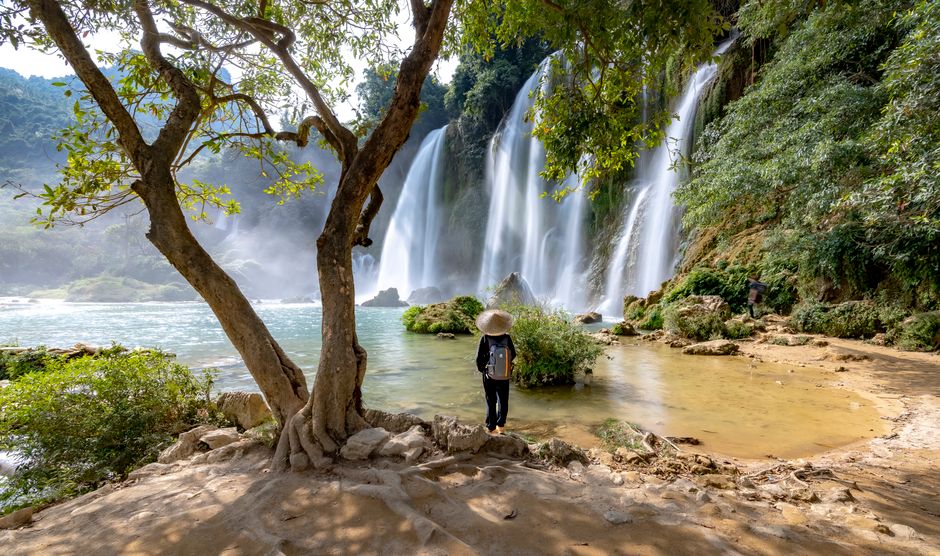
Ban Gioc Waterfall, one of Vietnam's largest, is uniquely split into two halves, with one part on Vietnamese soil and the other flowing into China.
This magnificent waterfall, straddling the border between Vietnam and China, presents a breathtaking spectacle of water cascading over multi-tiered limestone cliffs. The Quay Son River, forming the border, adds to its dramatic beauty. Surrounded by lush jungle and rice fields, Ban Gioc is a powerful natural landmark, offering a glimpse into a tranquil, remote corner of Vietnam.
5. Con Dao Islands: Echoes of a Brutal Past
Con Dao, Vietnam
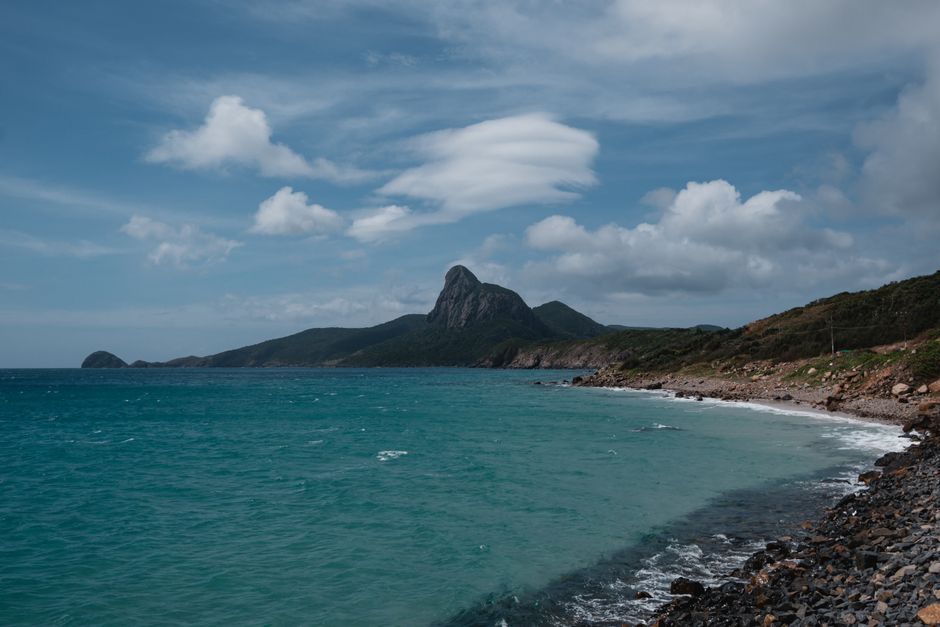
Beneath Con Dao's idyllic beaches and clear waters lies a dark history as a notorious French colonial and later South Vietnamese prison island.
The Con Dao archipelago, now a protected national park, was once home to the infamous Con Son Prison. Here, political prisoners endured brutal conditions, including the notorious 'Tiger Cages,' small, open-roofed cells. Today, the preserved prison complex stands as a poignant reminder of Vietnam's struggle for independence, offering a powerful historical counterpoint to the islands' stunning natural beauty and marine life.
6. Hoa Lu: Vietnam's Ancient Capital
Ninh Binh, Vietnam
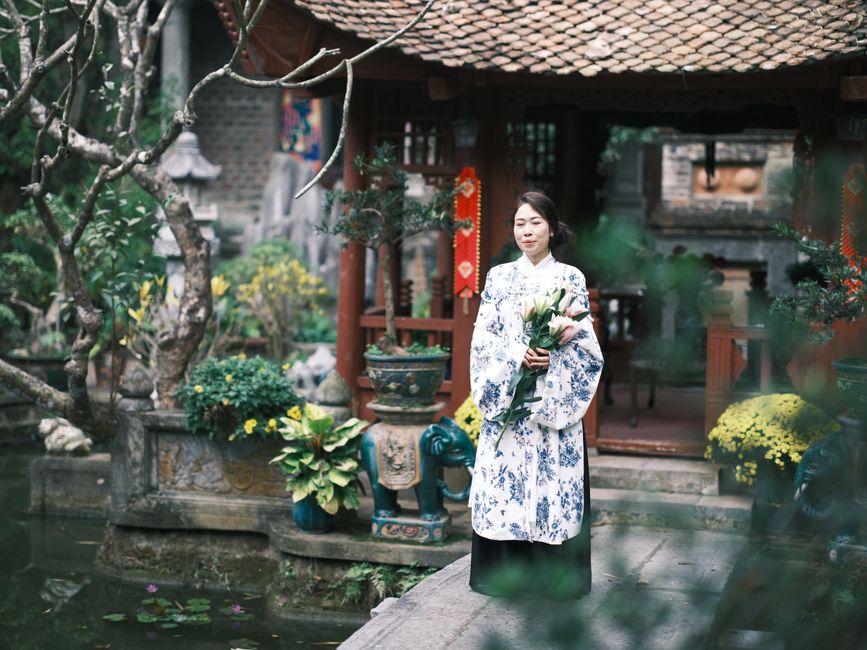
Hoa Lu served as the capital of Vietnam for 41 years in the 10th and 11th centuries, strategically protected by a natural 'moat' of limestone karsts and rivers.
Before Thang Long (Hanoi), Hoa Lu was the seat of the Dinh and Le dynasties, marking the birth of Vietnam's centralized feudal state. Its strategic location amidst towering limestone peaks and winding waterways made it an impenetrable fortress. Today, the ancient temples dedicated to these early kings stand as a testament to this pivotal period, nestled within a landscape often compared to Halong Bay on land.
7. Mui Ne: Desert by the Sea
Mui Ne, Vietnam
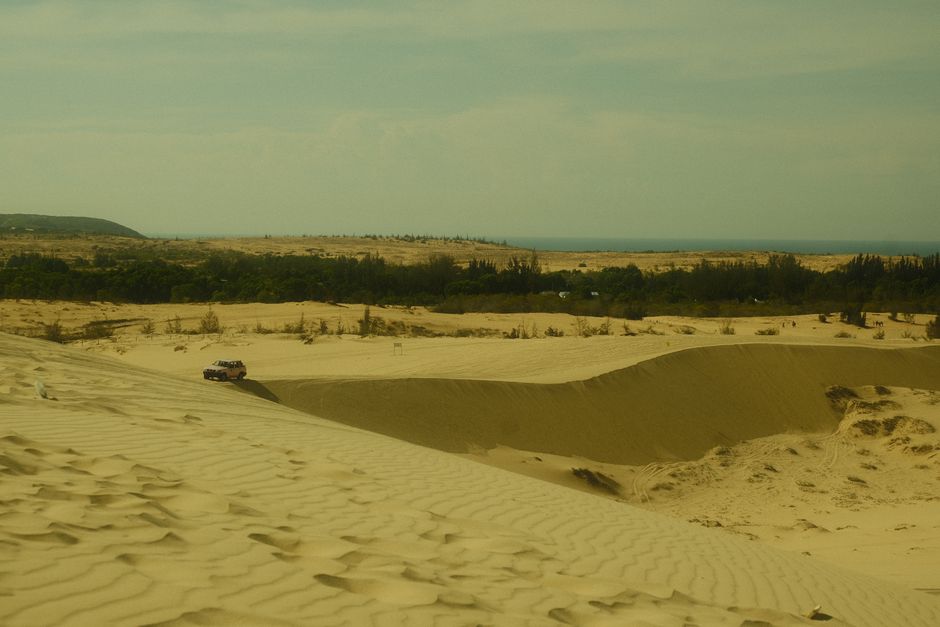
Mui Ne is home to striking red and white sand dunes, creating a surreal desert landscape right alongside the tropical South China Sea.
This geological anomaly offers a dramatic contrast to Vietnam's typical lush scenery. The shifting dunes, sculpted by wind, present a unique environment for activities like sandboarding and quad biking. The Red Sand Dunes glow vividly at sunset, while the White Sand Dunes are vast and often feature small lakes, creating an unexpected and captivating experience in a coastal setting.
Frequently asked questions
Is Vietnam safe for solo travelers?
Vietnam is generally considered very safe for solo travelers, including women. While petty crime like bag snatching can occur in busy cities, violent crime is rare. Locals are often friendly and helpful, especially in rural areas.
What is the best time to visit northern Vietnam for trekking?
The best time for trekking and exploring northern Vietnam's mountains is typically from October to April. During these months, the weather is cooler and drier, offering clearer skies and more comfortable conditions for outdoor activities.
Do I need a visa to travel to Vietnam?
Most nationalities require a visa to enter Vietnam. However, visa requirements vary depending on your country of origin and the duration of your stay. It's crucial to check the latest visa policies well in advance of your trip.
How does AllTours.ai enhance a trip to these places?
AllTours.ai transforms your exploration by bringing the stories of these hidden gems to life. Simply point your phone camera at any landmark, landscape, or even a local scene, and the app instantly narrates its rich history, fascinating geology, and unique cultural significance in your preferred language.
Photography via Pexels. AllTours.ai is an AI audio tour guide — point your camera at any landscape and hear its story.