July 11, 2026 · 4 min read
Krakow, with its regal Wawel Castle and bustling Market Square, rightly draws millions. Yet, just beyond the city's historic core lies a tapestry of landscapes and legends that often go unexplored. For those eager to delve deeper into Poland's rich past and vibrant culture, a world of discovery awaits.
If you're asking 'What are the best day trips from Krakow, Poland?' and yearn for something beyond the well-trodden path, this guide is for you. We've curated a selection of unique destinations, each offering a distinct flavor of history, geology, or folklore, promising an unforgettable journey away from the crowds.
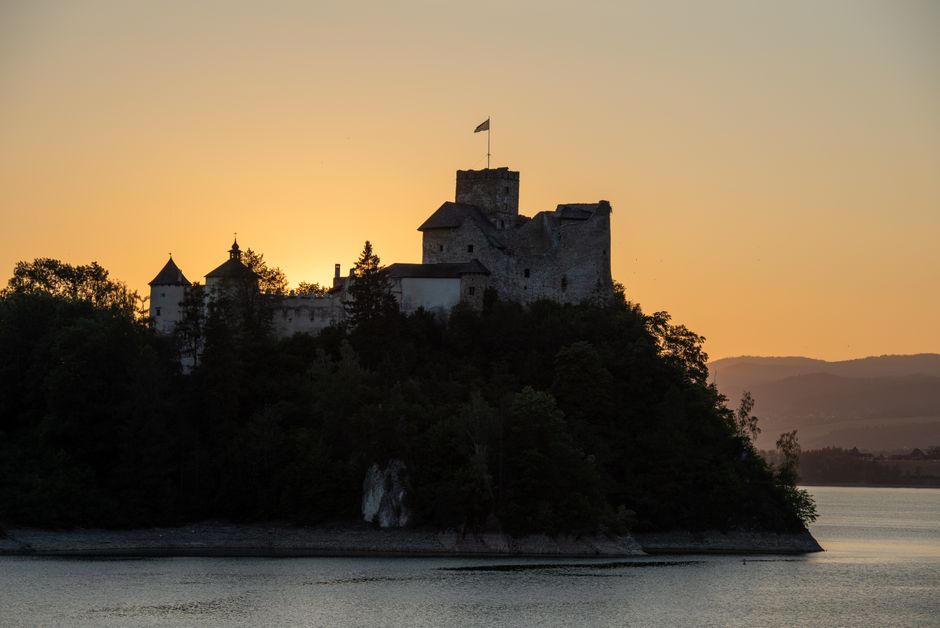
1. Niedzica Castle - The Inca Gold Enigma
Niedzica, Poland
This medieval fortress on the banks of Lake Czorsztyn is rumored to conceal a hidden treasure map leading to Inca gold, brought to Poland by a descendant of an Inca princess.
Niedzica Castle, originally a Hungarian border stronghold, holds one of Poland's most intriguing legends. In the 18th century, a Hungarian nobleman, Sebastian Berzeviczy, married an Inca princess named Umina, whose family supposedly brought a vast Inca treasure to Europe. Their descendant, Antoni Benesz, allegedly hid a quipu (an Inca knotted rope record) within the castle in the 1940s, believed to be a map to this fabled gold.
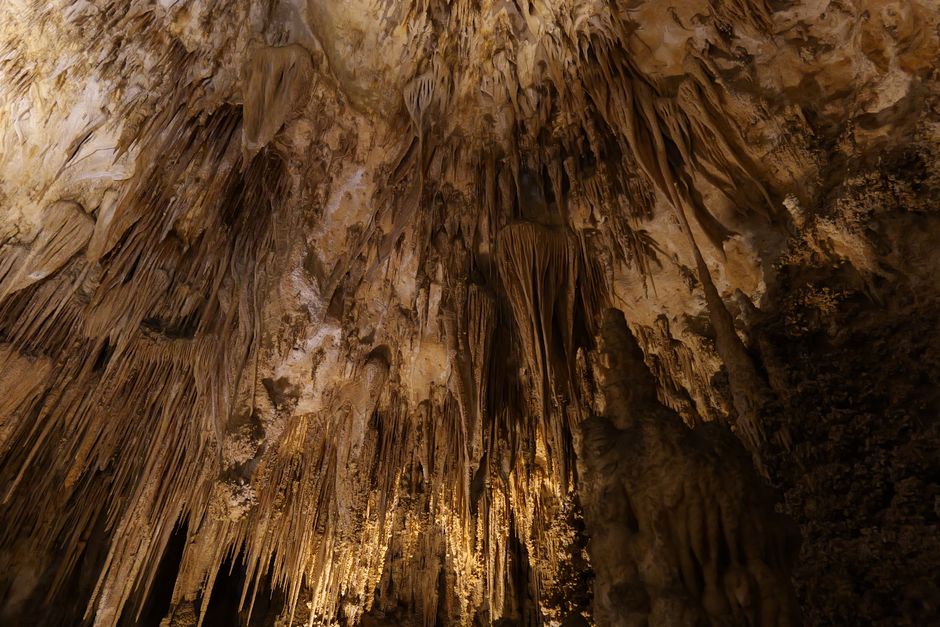
2. Ojców National Park - The King's Spiderweb Refuge
Ojców, Poland
Deep within this smallest national park lies a cave where a Polish king supposedly hid from invaders, its entrance once sealed by a miraculous spiderweb.
Ojców National Park, a stunning landscape of limestone cliffs, deep ravines, and lush forests, is home to Łokietek's Cave. Legend says King Władysław Łokietek (the Elbow-high) found refuge here during a period of civil strife in the early 14th century. A spider is said to have woven a massive web across the cave entrance overnight, convincing his pursuers that no one could have entered, thus saving the future king of Poland.
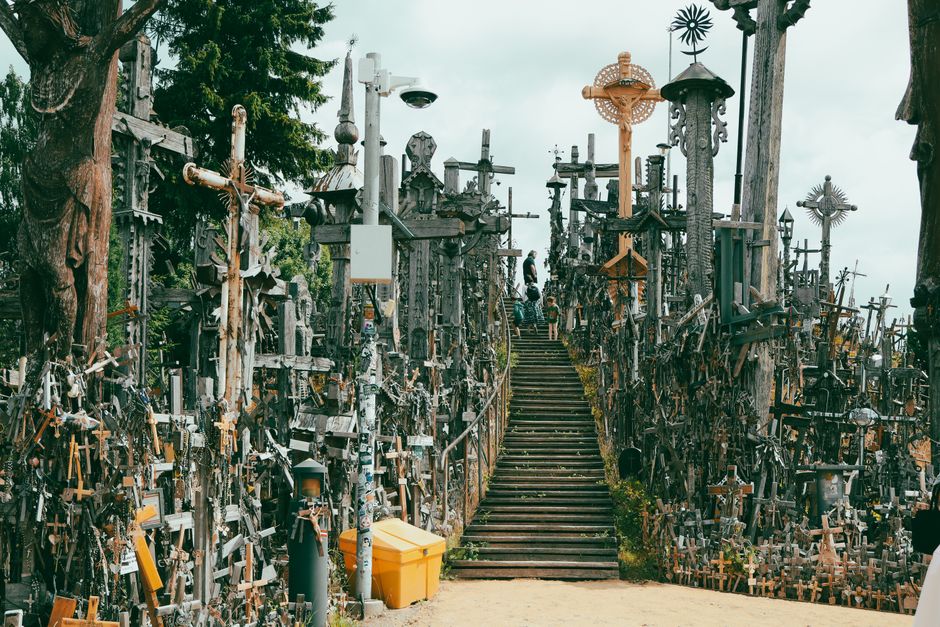
3. Kalwaria Zebrzydowska - Jerusalem in Miniature
Kalwaria Zebrzydowska, Poland
This UNESCO World Heritage site is a vast pilgrimage complex meticulously designed in the 17th century to replicate the topography and stations of Jerusalem, complete with chapels and path networks.
Commissioned by Mikołaj Zebrzydowski, a powerful Polish magnate, Kalwaria Zebrzydowska is a unique architectural and landscape complex. Its network of chapels and pathways, mirroring the Way of the Cross in Jerusalem, spans several kilometers across hills and valleys. The precise mapping of sacred sites, from Calvary to the Mount of Olives, creates an immersive spiritual experience that has drawn pilgrims for centuries.
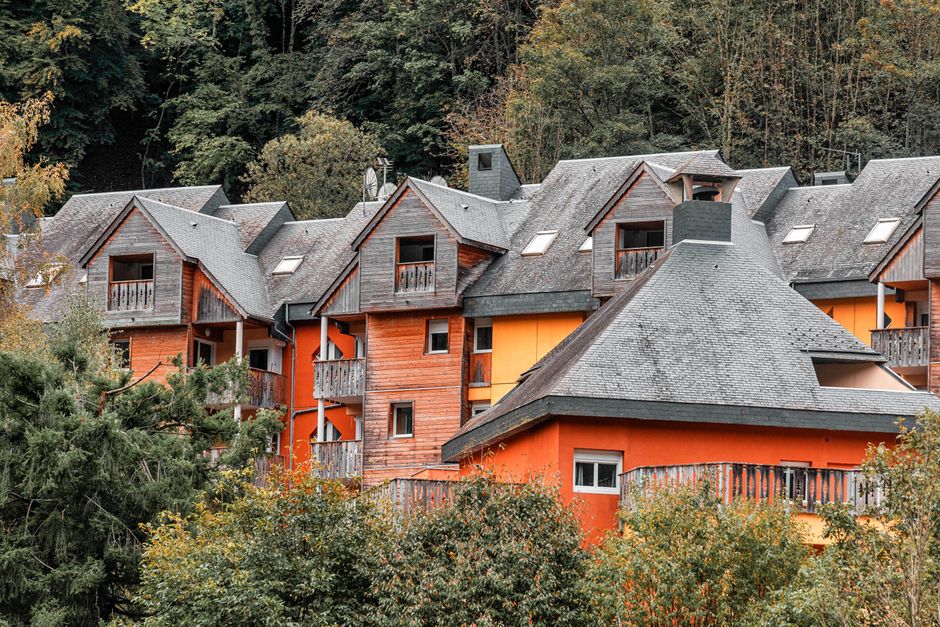
4. Lanckorona - The Wooden Village of Insurrection
Lanckorona, Poland
This picturesque wooden village, seemingly frozen in time, was once a strategic point and witnessed fierce battles during the Bar Confederation uprising against Russian influence in the 18th century.
Lanckorona is renowned for its remarkably preserved 19th-century wooden architecture, centered around a charming market square. Perched on a hill, it once hosted a medieval castle, whose ruins still overlook the village. During the Bar Confederation (1768-1772), the castle became a stronghold for Polish confederates, enduring sieges and battles before its eventual destruction. Today, the village offers a tranquil escape, with echoes of its dramatic past in every timbered house.
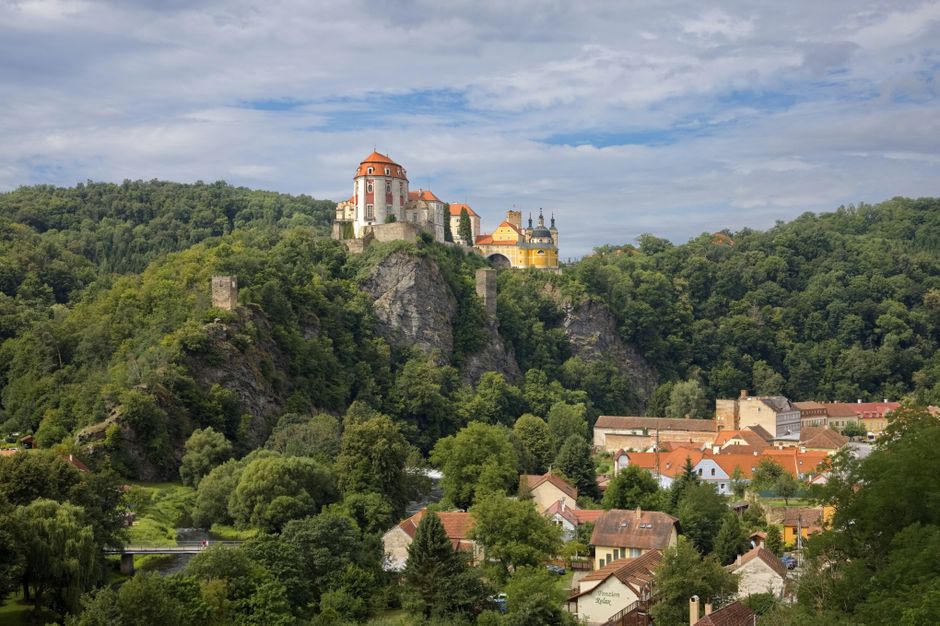
5. Pieskowa Skała Castle - Hercules' Club and the Devil's Challenge
Sułoszowa, Poland
Guarding the "Eagle's Nests Trail," this magnificent Renaissance castle stands beside a towering limestone monadnock, known as Hercules' Club, linked to a legendary wager with the devil.
Pieskowa Skała Castle is one of the best-preserved castles along the scenic Eagle's Nests Trail. Its stunning Renaissance architecture contrasts with the peculiar rock formation known as Maczuga Herkulesa (Hercules' Club) nearby. Legend claims a devil, challenged by a local wizard, tried to balance the rock on its narrow tip. When he failed, he left it standing as a testament to his hubris, forever guarding the path to the castle.
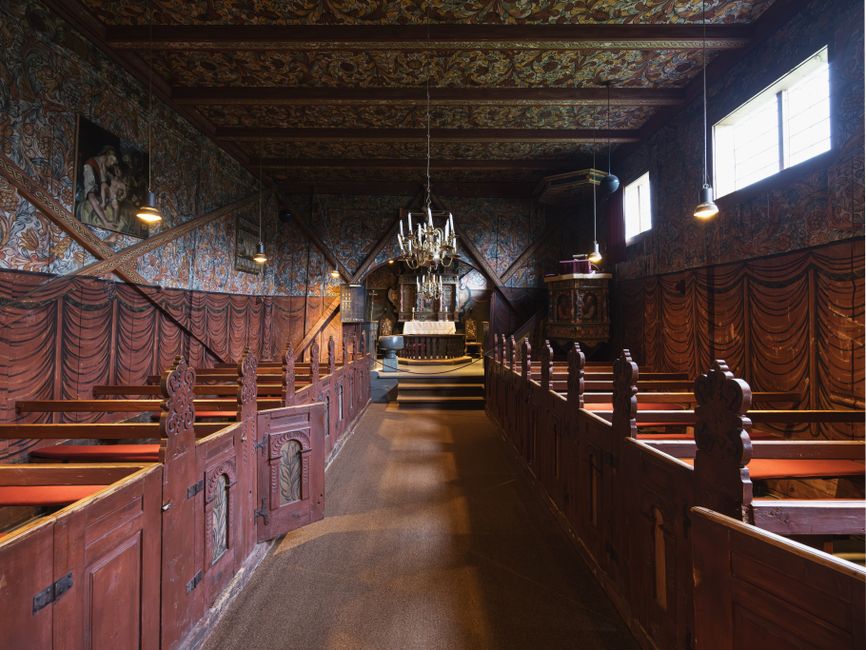
6. Dębno Podhalańskie Church - The Nail-less Gothic Marvel
Dębno Podhalańskie, Poland
This small, exquisite wooden church, a UNESCO World Heritage site, was constructed without a single metal nail and boasts remarkably vibrant medieval polychromy from the 15th century.
The Church of St. Michael the Archangel in Dębno Podhalańskie is a masterpiece of Gothic wooden architecture, dating back to the late 15th century. Its construction technique, using interlocking wooden joints, is an engineering marvel. Inside, the walls and ceiling are covered with an astonishing array of geometric, floral, and figural paintings, making it one of the best-preserved examples of medieval polychromy in Europe. The unique acoustics are also renowned.
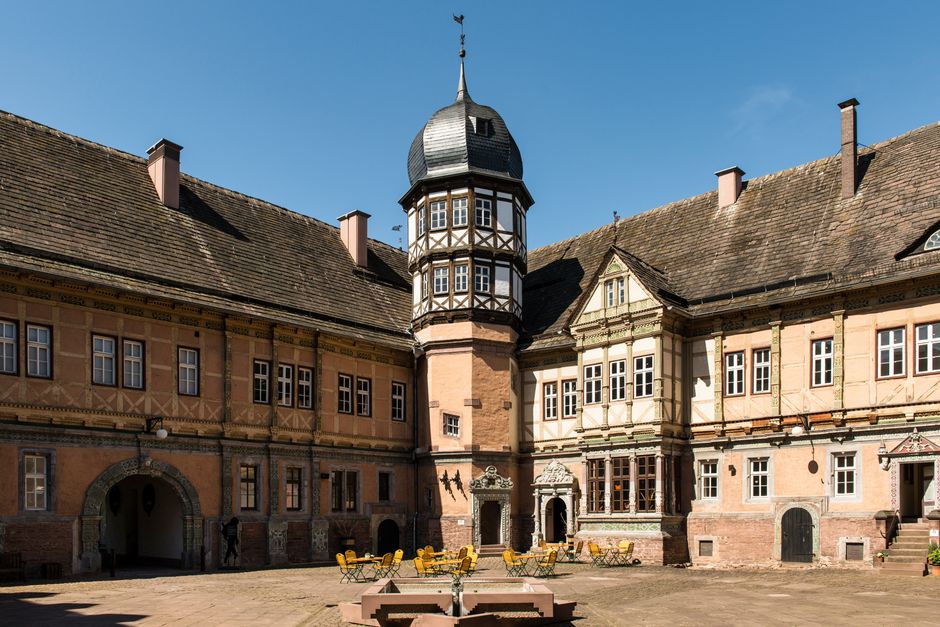
7. Niepołomice Royal Castle - The Royal Hunting Lodge
Niepołomice, Poland
Often called "Little Wawel," this meticulously restored Renaissance castle was once a favored royal hunting lodge, where Polish kings kept a menagerie of wild animals for grand hunts in the surrounding primeval forest.
Built by Casimir the Great in the 14th century and later expanded by Sigismund I the Old and Sigismund II Augustus, Niepołomice Royal Castle served as a base for royal hunting expeditions into the vast Niepołomice Forest. The forest was once home to bison, bears, and other game, which kings would hunt with great fanfare. The castle's beautiful arcaded courtyard and historical chambers offer a glimpse into the regal leisure and power of Poland's Golden Age.
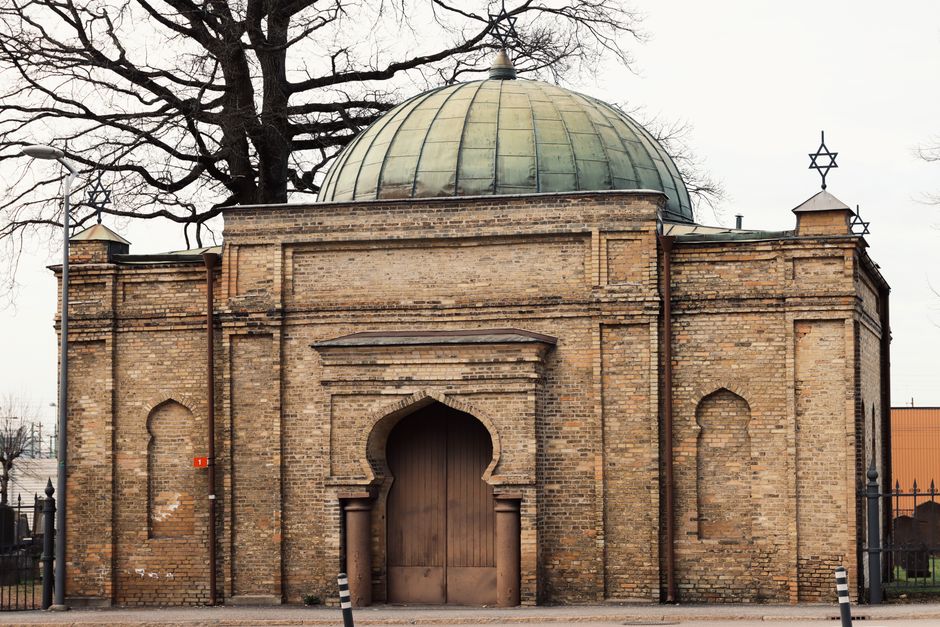
8. Tarnów Old Synagogue Bimah - A Fragment of Lost Heritage
Tarnów, Poland
In the heart of Tarnów's former Jewish Quarter stands the sole surviving fragment of a magnificent 17th-century synagogue, a poignant reminder of a once-thriving and vibrant community.
Tarnów, once a significant Jewish center in Galicia, lost its grand Old Synagogue during World War II. All that remains is the impressive stone bimah (the platform from which the Torah is read), standing defiantly amidst the modern cityscape. This solitary remnant serves as a powerful testament to the rich cultural and religious life of Tarnów's Jewish population, offering a moment of reflection on a heritage largely obliterated but not forgotten.
Frequently asked questions
How far are these day trips from Krakow?
Most of these destinations are within 30-90 kilometers of Krakow, making them ideal for a day trip by car, bus, or in some cases, train. Travel times typically range from 45 minutes to 1.5 hours one way, allowing ample time for exploration.
Are these places accessible by public transport?
While some, like Kalwaria Zebrzydowska or Niepołomice, have reasonably good bus connections, others like Lanckorona or Dębno Podhalańskie might require a combination of bus and local taxi, or are best reached by car. Planning ahead is recommended.
What's the best time of year to visit these sites?
Spring (April-May) and early autumn (September-October) offer pleasant weather, fewer crowds, and beautiful natural scenery, especially for sites like Ojców National Park. Summer is also popular but can be busier, while winter provides a unique, often snowy, charm to the castles and villages.
How can AllTours.ai enhance my visit to these lesser-known spots?
AllTours.ai transforms your smartphone into a personal AI audio guide. Simply point your camera at a landmark, building, or landscape, and the app will instantly narrate its unique history, geological features, or cultural significance in your preferred language, bringing these captivating stories to life right as you explore.
Photography via Pexels. AllTours.ai is an AI audio tour guide — point your camera at any landscape and hear its story.