June 29, 2026 · 4 min read
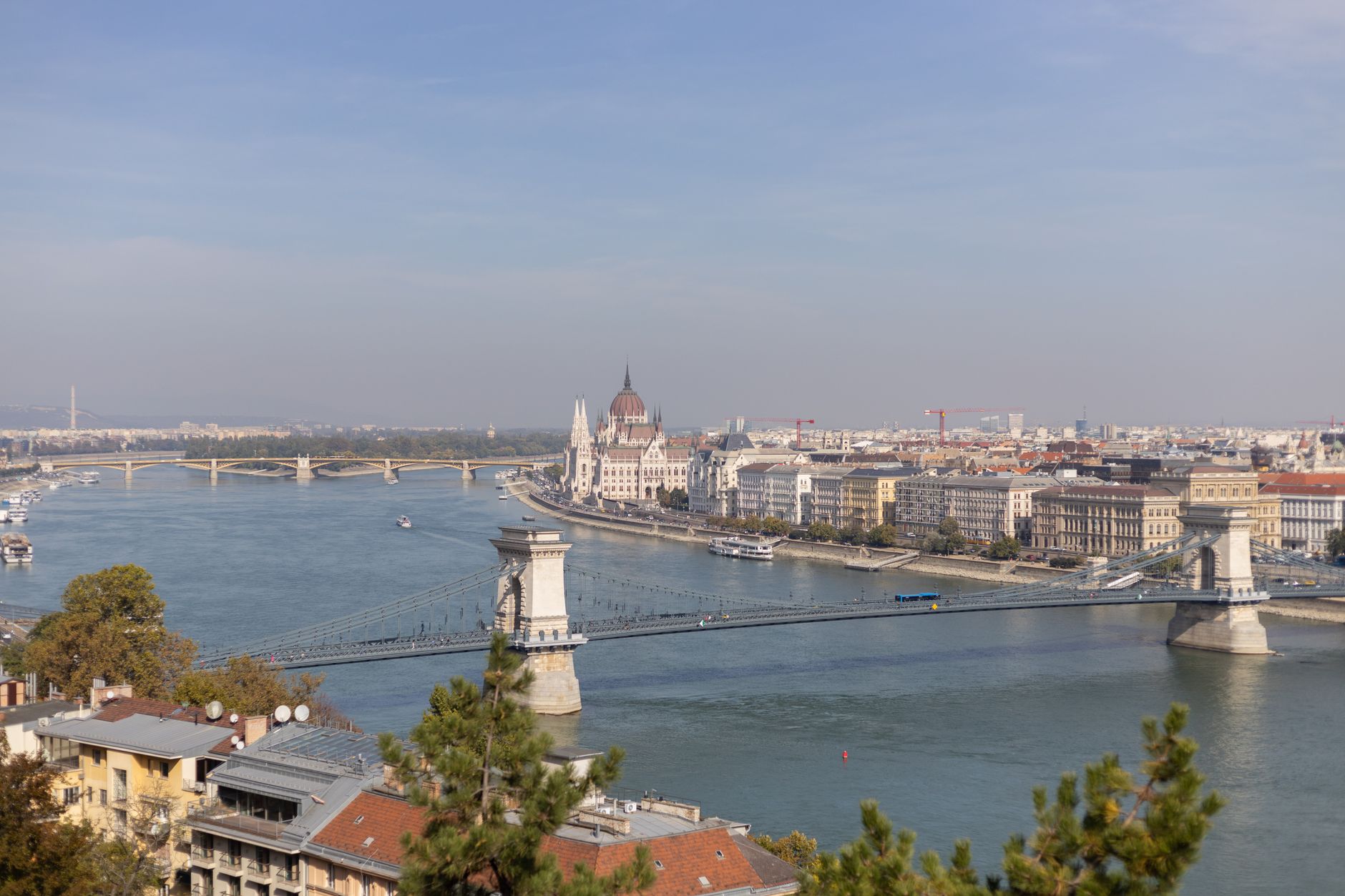
Budapest often captivates with its grand boulevards, thermal baths, and the majestic Chain Bridge. But venture beyond the postcard-perfect views, and you'll discover a city layered with lesser-known histories, peculiar monuments, and architectural marvels that whisper tales of empires, revolutions, and quiet resilience.
These are the genuine hidden gems in Budapest, places that offer a deeper, more intimate understanding of the Hungarian capital. From subterranean hospitals to exiled statues and ancient tombs, prepare to peel back the layers of this magnificent city and uncover its most intriguing narratives.
1. The Subterranean Hospital's Secret Life
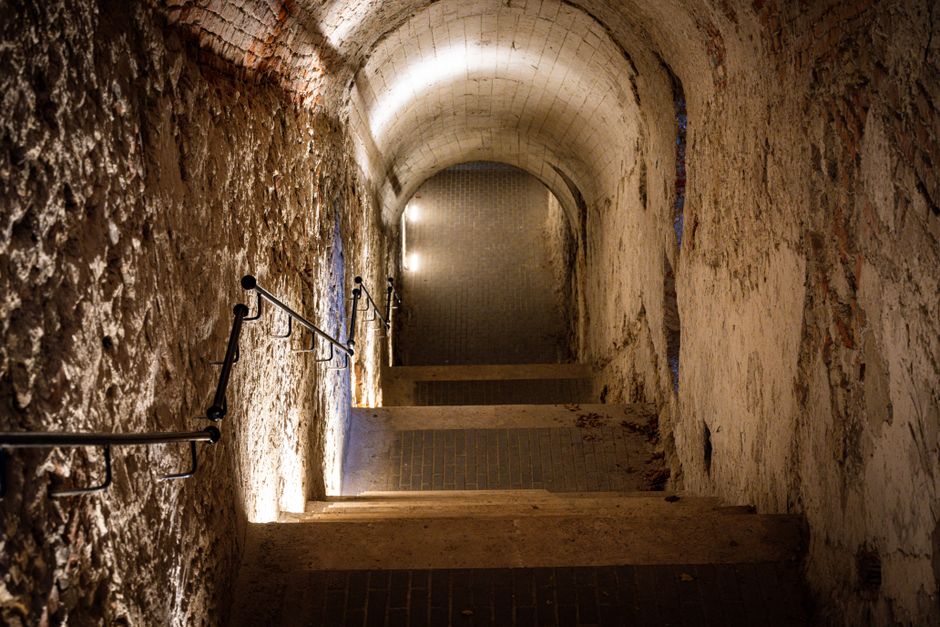
Hospital in the Rock, Budapest, Hungary
Beneath Budapest's Castle Hill lies a secret hospital and nuclear bunker, operational for decades after its construction.
Built into a natural cave system, this subterranean complex served as an emergency hospital during WWII and the 1956 Revolution. Later, it was upgraded to a nuclear bunker during the Cold War, ready to function in complete isolation for days. Its chillingly preserved surgical rooms and decontamination showers offer a stark glimpse into a city constantly preparing for the worst, a true testament to human adaptability under pressure.
2. The Exiled Statues of a Fallen Empire
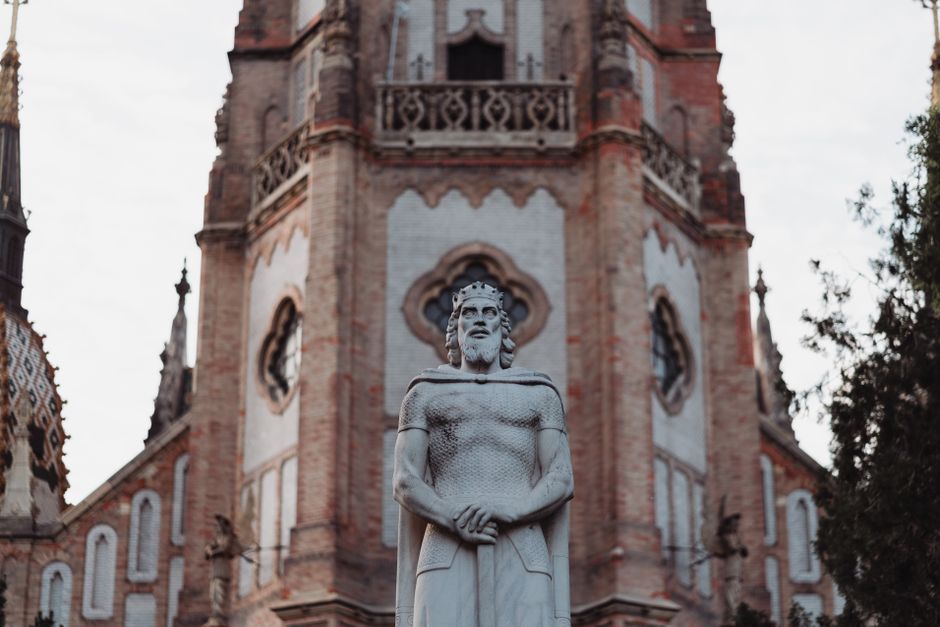
Memento Park, Budapest, Hungary
After the fall of communism, Budapest gathered its most imposing socialist-realist statues and exiled them to a park on the city's outskirts.
Memento Park isn't just a collection of statues; it's a monumental act of historical reckoning. Here, larger-than-life figures of Lenin, Marx, and Hungarian communist leaders stand in silent assembly, no longer symbols of power but relics of a bygone era. The park transformed propaganda into poignant art, allowing a generation to reflect on a past they'd rather not forget, ensuring history is remembered, not erased.
3. Moorish Revival's Hidden Sanctuary
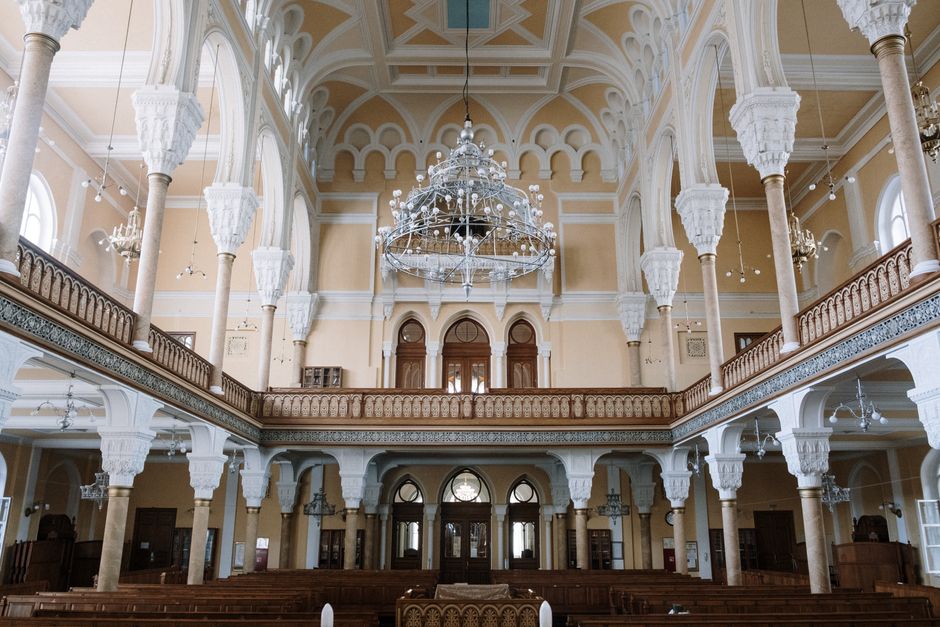
Rumbach Street Synagogue, Budapest, Hungary
Tucked away from the grandeur of the Great Synagogue, Rumbach Street's synagogue is a stunning, often-overlooked masterpiece of Moorish Revival architecture.
Designed by Otto Wagner in the 1870s, this synagogue, with its intricate geometric patterns and vibrant colors, stands as a testament to Budapest's once-flourishing Jewish community. Though long neglected and only recently restored, its octagonal prayer hall, crowned by a subtly ribbed dome, whispers tales of a vibrant past and a community's resilience through changing times, a true architectural jewel.
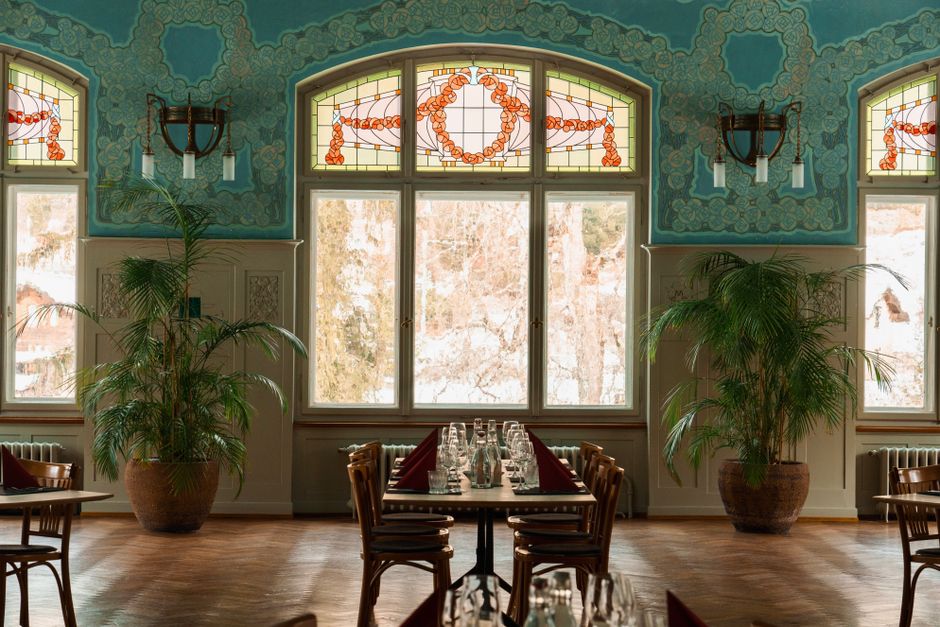
4. Art Nouveau's Thermal Embrace
Gellért Baths, Budapest, Hungary
Beyond its famous thermal waters, Gellért Baths is an Art Nouveau architectural marvel, a testament to Budapest's golden age of spa culture.
While many flock to its pools, the true magic of Gellért lies in its turn-of-the-century design. Gaze upon the stained-glass windows, mosaic floors, and ornate pillars that frame the main thermal hall, imagining a time when Budapest's elite socialized amidst the healing waters. It's a living museum of design, where every dip is also a journey into a lavish past, showcasing the city's commitment to beauty and well-being.
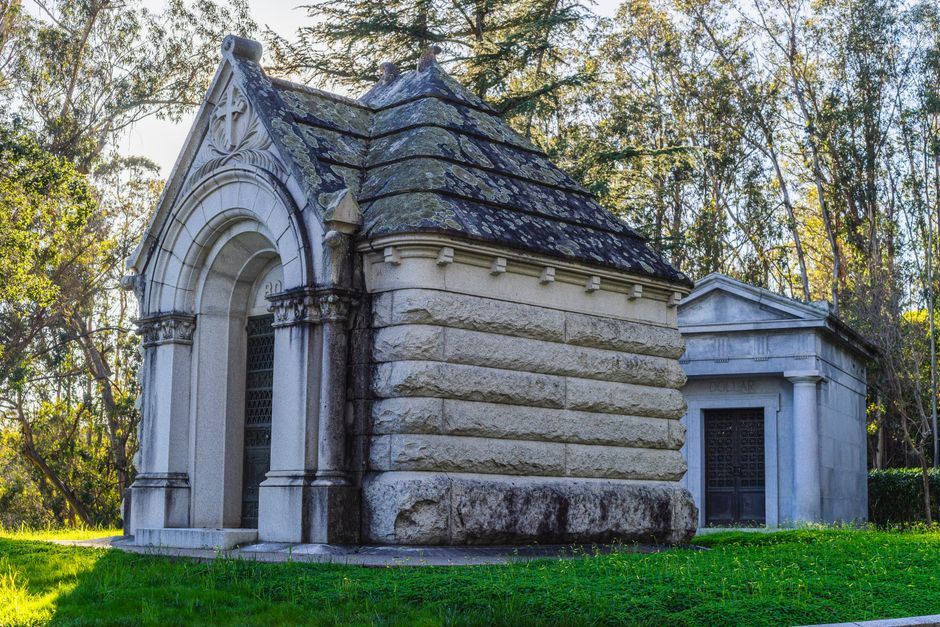
5. The Pantheon of Hungarian History
Kerepesi Cemetery, Budapest, Hungary
More than a burial ground, Kerepesi Cemetery is Hungary's national necropolis, a sprawling park where the nation's most influential writers, artists, and statesmen rest beneath grand mausoleums.
Wander among the silent, tree-lined avenues and discover the final resting places of literary giants like Endre Ady and Mór Jókai, revolutionary Lajos Kossuth, and countless others who shaped Hungary's destiny. Each elaborate tomb and weathered statue tells a story, offering a poignant, open-air history lesson on the lives and legacies that built the modern Hungarian nation, a peaceful yet profound experience.
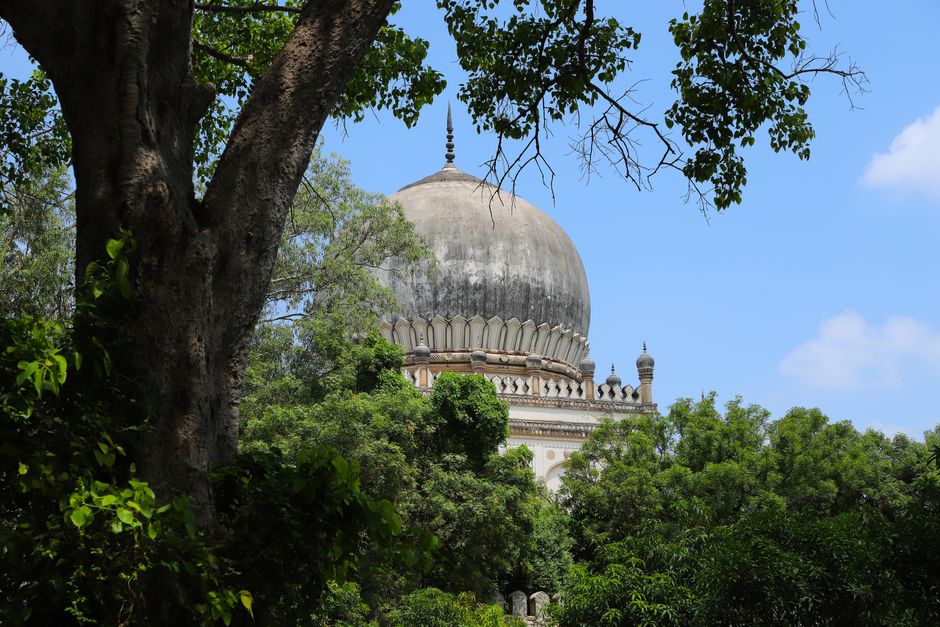
6. A Sufi Saint's Ottoman Legacy
Gül Baba's Tomb, Budapest, Hungary
High above the Danube, a 16th-century Ottoman tomb houses the remains of Gül Baba, a revered Bektashi dervish, marking Budapest's unique intersection of Eastern and Western cultures.
This octagonal tomb, perched on Rose Hill, is one of the northernmost examples of Ottoman architecture in Europe. Gül Baba, the 'Father of Roses,' was a poet and warrior who participated in the conquest of Buda. His tranquil resting place, surrounded by rose gardens, offers a serene escape and a rare glimpse into the city's Turkish past, inviting reflection on the diverse layers of Budapest's identity and its rich multicultural heritage.
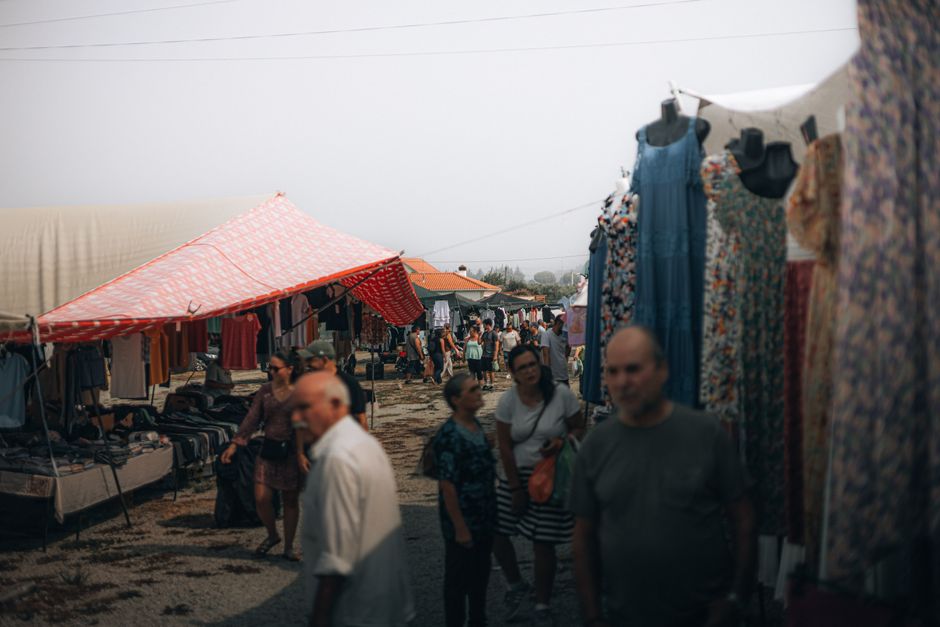
7. Post-Communist Treasures and Daily Life
Ecseri Flea Market, Budapest, Hungary
Dive into a chaotic treasure trove at Ecseri Flea Market, where the detritus of Hungary's communist past and present-day curiosities offer a vivid snapshot of local life.
Far from the tourist traps, Ecseri is a bustling, authentic experience. Here, you might find anything from antique furniture and Soviet-era medals to vintage clothing and everyday household items. It's a place where haggling is expected, and every stall tells a story of survival, resourcefulness, and the ever-changing material culture of Hungary through the decades, a vibrant, living museum of everyday history.
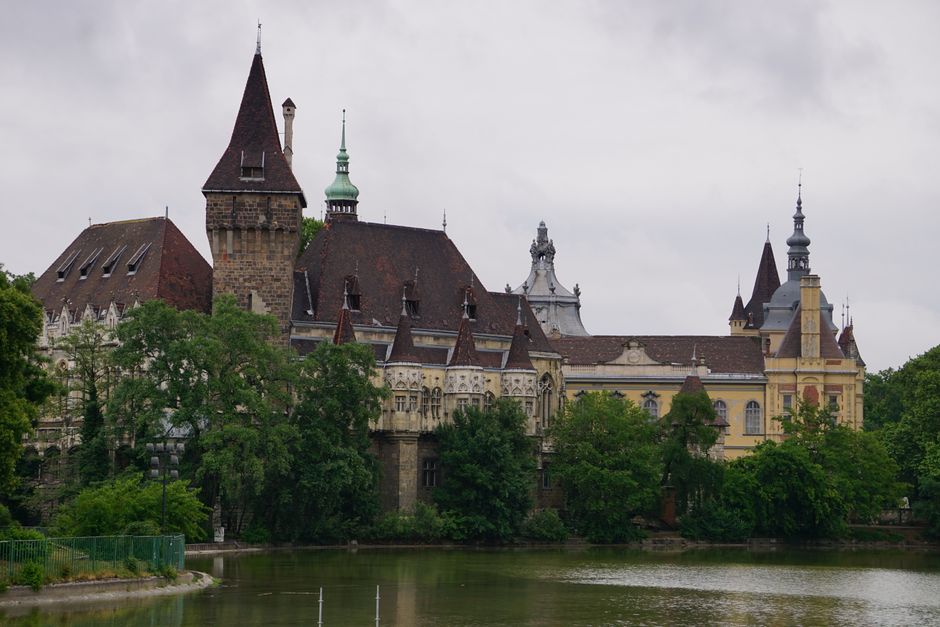
8. A Castle Built for an Exhibition
Vajdahunyad Castle, Budapest, Hungary
Nestled in City Park, Vajdahunyad Castle is a whimsical architectural pastiche, originally built as a temporary exhibit to showcase a thousand years of Hungarian architecture.
This fairytale-like castle is a fascinating blend of Romanesque, Gothic, Renaissance, and Baroque styles, incorporating elements from famous Hungarian buildings. Initially constructed from cardboard and wood for the 1896 Millennial Exhibition, its popularity led to its reconstruction in stone. It's a whimsical tribute to Hungary's architectural heritage, full of hidden courtyards and romantic details, a playful yet profound journey through the nation's building styles.
Frequently asked questions
Is Budapest safe for travelers?
Budapest is generally considered a very safe city for tourists. Like any major city, it's wise to be aware of your surroundings, especially in crowded areas or late at night. Public transportation is reliable, and violent crime against tourists is rare, making it a comfortable destination to explore.
What's the best way to get around Budapest's hidden gems?
Budapest has an excellent public transportation system, including trams, buses, and metro lines, which can take you close to most attractions. For more remote spots like Memento Park or Ecseri Flea Market, a combination of public transport and a short taxi ride might be best. Walking is ideal for exploring specific districts and uncovering hidden details.
Do I need to speak Hungarian to visit Budapest?
While knowing a few basic Hungarian phrases is always appreciated, it's not strictly necessary. English is widely spoken in tourist areas, hotels, and restaurants, especially by younger generations. Many signs and menus are also available in English, ensuring a smooth experience for international visitors.
How does the AllTours.ai app help me explore these places?
The AllTours.ai app transforms your phone into a personal AI tour guide. Simply point your camera at any landmark or landscape, and the app will instantly narrate its history, geology, and cultural significance in your preferred language, revealing the stories behind Budapest's hidden gems as you explore.
Photography via Pexels. AllTours.ai is an AI audio tour guide — point your camera at any landscape and hear its story.